

Despite the fact that we quite literally embody our own bodies, they can still be a source of horror in the right (or wrong) circumstances. It’s one of the reasons roughly 4% of US medical students drop out, not due to poor grades but the realization that this maybe isn’t for them.
We’ve gathered some unsettling, creepy but perhaps still interesting pictures about the unusual things that can go on in and outside of the human body. Be warned, some of these images can be unpleasant. Otherwise, settle in as you scroll through, upvote your favorites and be sure to share your thoughts in the comments down below.
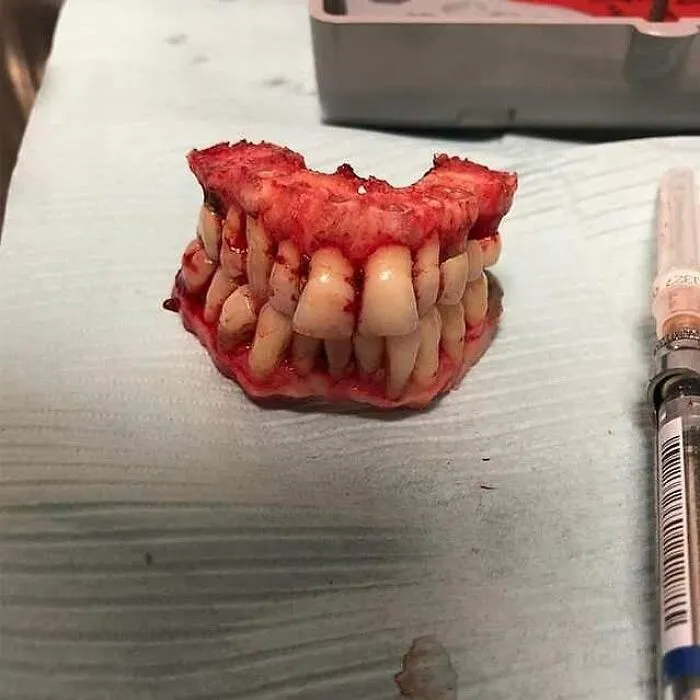
#61 They Surely Removed All His Teeth! Ostectomy Of Maxillary And Mandibular Alveolar Ridge, With Removal Of Entire Dentition - In Preparation For Full-Mouth Implants
Report
7points
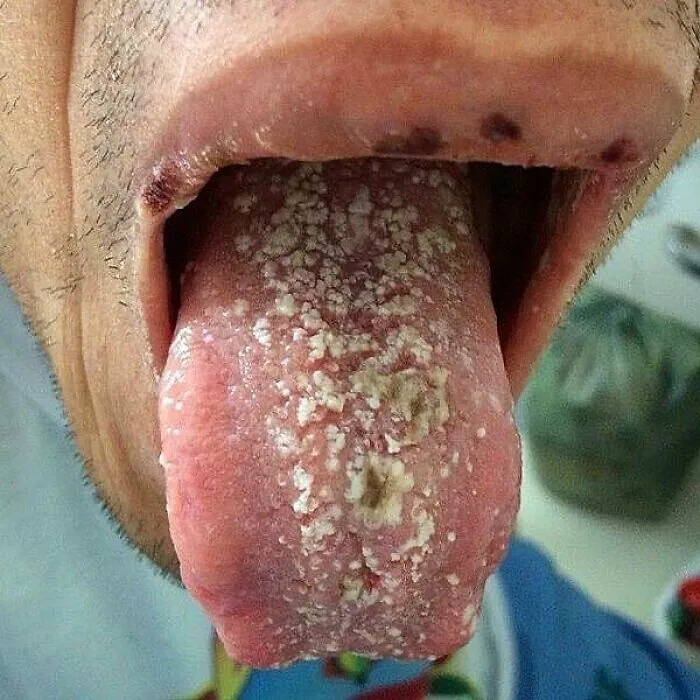
#62 This Is Oral Candidiasis, Also Called Oral Thrush, Which Is Caused By A Fungal Infections Involving The Skin And Mucous Membranes
Report
7points
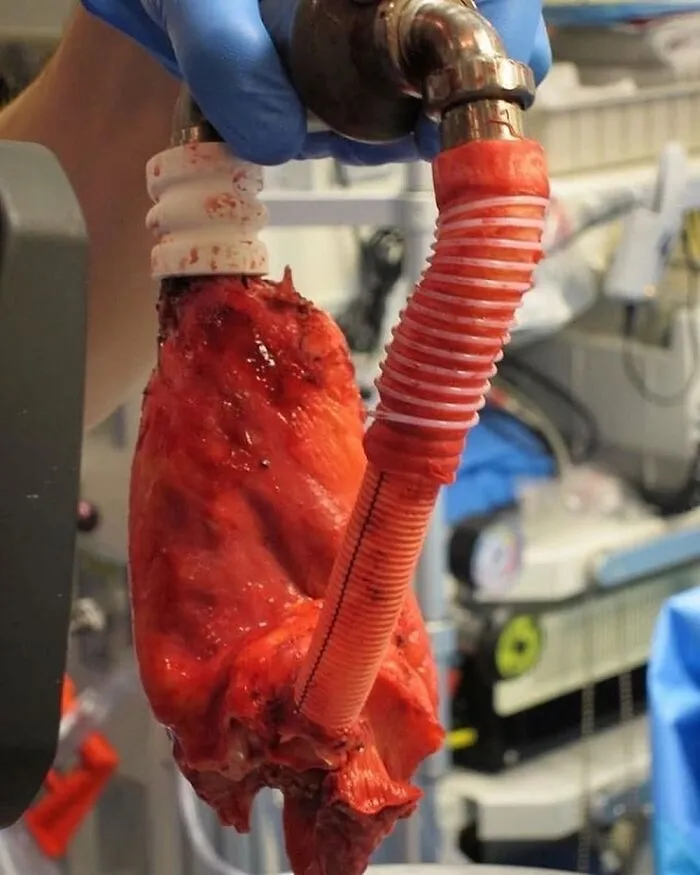
#63 Left Ventricular Assist Device, AKA The Pump! Cardiac Transplantation Is An Option For Patients With Severe Heart Failure, And A Left Ventricular Assist Device, Or Lvad, May Help To Bridge A Patient While Awaiting Transplantation
Report
6points
#64 Interesting Case Of A Child Presenting With Multiple Cutaneous Infantile Hemangiomas Doing Kangaroo Care

Interesting case of a child presenting with multiple cutaneous infantile hemangiomas doing kangaroo care!! A hemangioma is a bright red birthmark that shows up at birth or in the first or second week of life. They looks like a rubbery bump and proliferate both through the growth of existing vessels as well as de novo blood vessel formation. Infantile hemangiomas are benign vascular neoplasms that are the most common head and neck tumors of infancy, characterized by a period of growth after birth and eventual spontaneous involution. They can occur virtually anywhere, but the majority are found in the head and neck regions. Although most hemangiomas are benign and require no intervention, but intervention is warranted for large disfiguring lesions or lesions that impair vital functions. They are characteristically small or absent at birth. During the first year of life, they have a proliferative phase with progressive enlargement, followed by a stationary period, and finally, a progressive involution that happens during the early childhood. Up to 50% involute by 5 years and 70% by the age of 7 years. Cutaneous hemangiomas can present as blanching skin lesions that develop fine telangiectasias and can appear as a red macule with a blanching halo before they involute. Deep or subcutaneous hemangiomas may appear as bluish nodules or plaques. Extra-cutaneous hemangiomas present as lumps. Many hemangiomas disappear by age 5, and most are gone by age 10. The skin may be slightly discolored or raised after the hemangioma fades away. If treatment is to be enacted, options include anti-angiogenesis medications such as propranolol, embolization, sclerotherapy, radiotherapy, cryotherapy, laser therapy, and surgical excision.
Report
6points
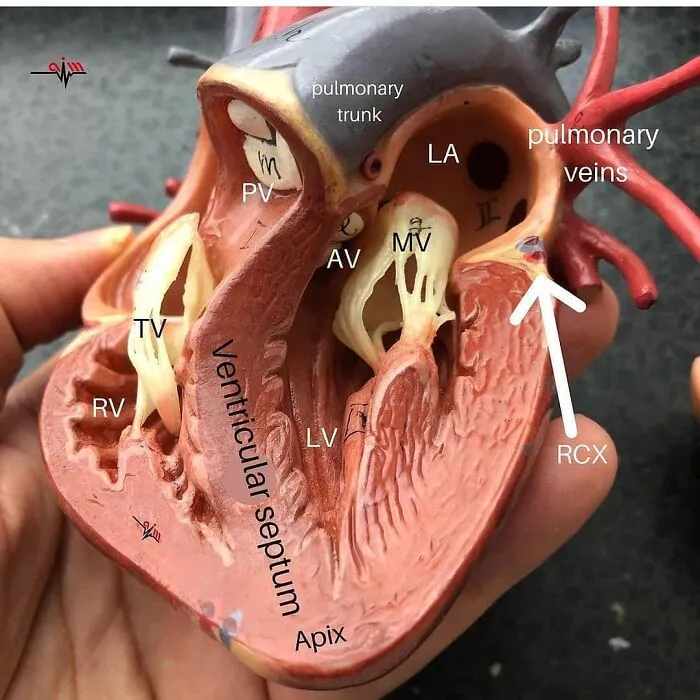
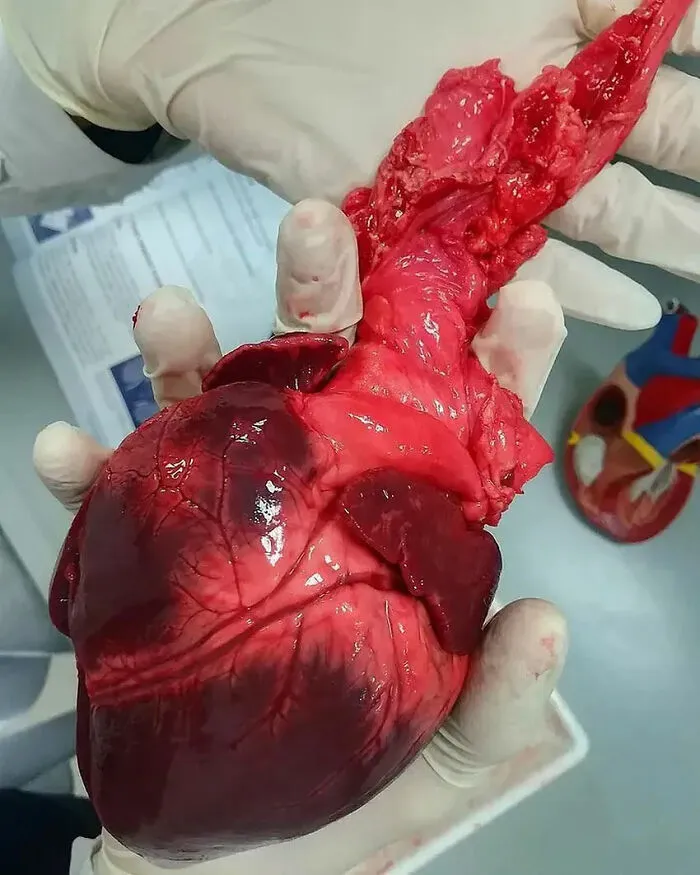
#65 Hearts Are Forever Glorious. With Both The Profoundest Power And Fragility, The Reactions Of The Human Heart Are Not Mechanical And Predictable But Infinitely Subtle And Delicate
Report
5points
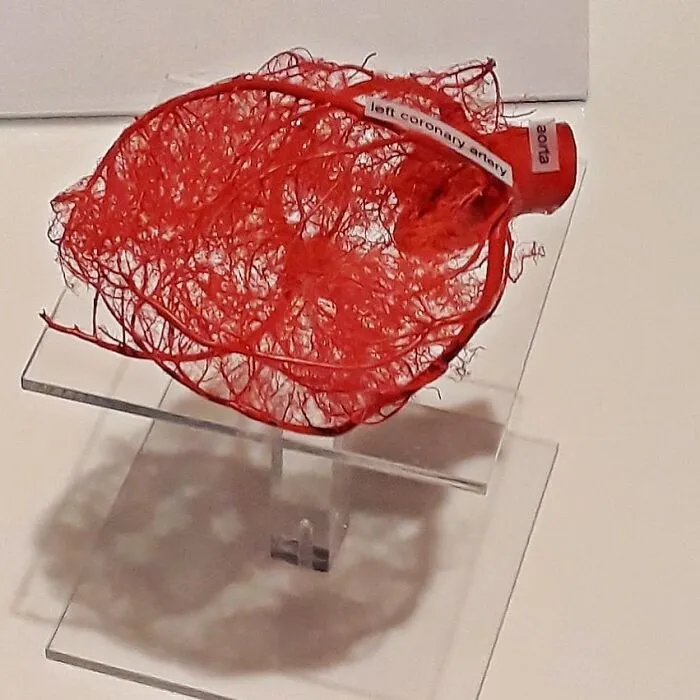
#67 A Plastinated Display Of The Fine Mesh Of Blood Vessels That Supply The Human Heart
Report
5points
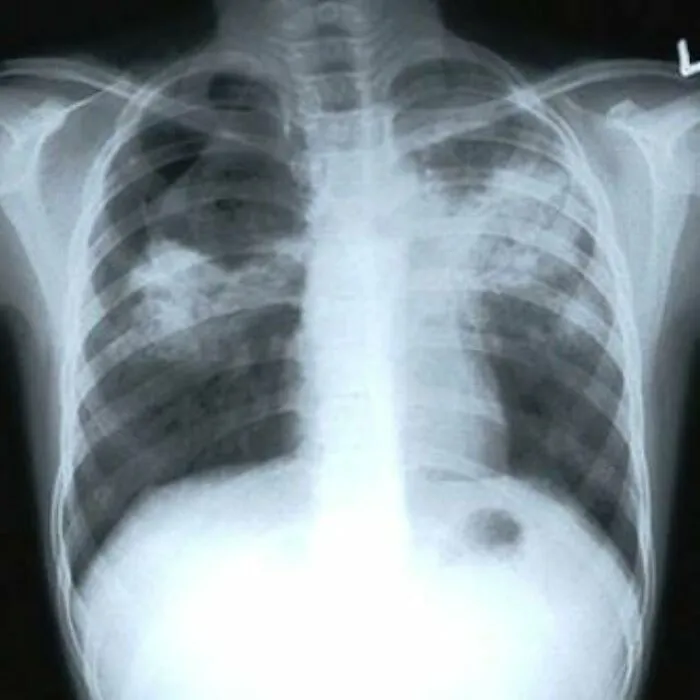
#68 Active Pulmonary Tb, Infiltrates Or Consolidations And/Or Cavities Are Often Seen In The Upper Lungs With Or Without Mediastinal Or Hilar Lymphadenopathy
Report
4points