

Bored Panda
33 Mysterious Sea Stories Of Ships Lost And The Ghosts They Left Behind

33 Mysterious Sea Stories Of Ships Lost And The Ghosts They Left Behind

35
4
No matter what era you’re from, the sea is both fascinating and terrifying. And when a ship gets lost at sea, or its crew mysteriously disappears, the creepy mystery continues to fascinate people for decades and even centuries to come.
Our team at Bored Panda has collected the most intriguing and disturbing ghost ship stories that might just haunt your nightmares tonight and change how you see the sea. Keep reading for a good scare, and be sure to share these real-life stories with anyone you know who is a horror fan.

#1 This 1,322-Ton Cargo Steamer, Built In 1914, Began A Life Of Its Own After Becoming Trapped In Ice And Abandoned
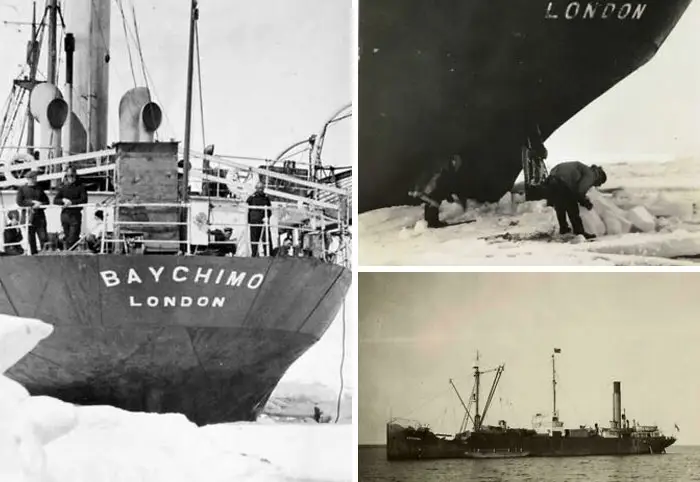
A collage of three black and white images featuring the BAYCHIMO ship among ice and men, related to mysterious disappearing ships.
It broke free and drifted through the Arctic for at least 38 years with no one on board. It was last sighted in 1969. Has never been recovered
Report
14points

#2 Andrea Gail And The Storm That Swallowed Her Whole
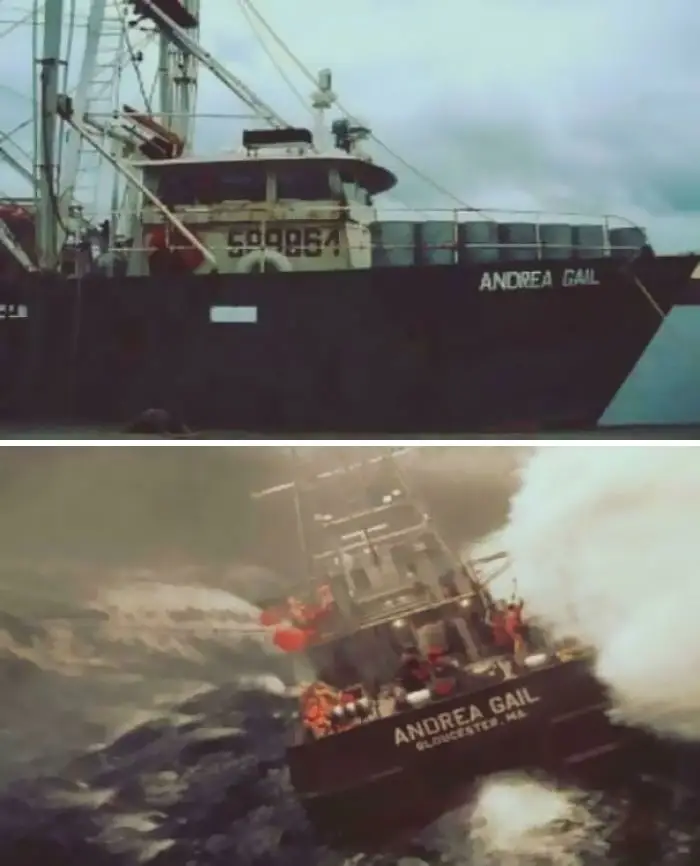
A dual image showing the fishing boat Andrea Gail, known for its mysterious disappearance, first docked and then battling a storm.
On September 20, 1991, the fishing boat Andrea Gail left Gloucester, Massachusetts with six men aboard, bound for the Grand Banks in search of swordfish. After weeks of poor luck and a failing ice machine, Captain Billy Tyne decided to push farther east to the Flemish Cap. The gamble worked, and the holds finally filled with fish. But by late October, a rare weather phenomenon was brewing. Hurricane Grace, a massive cold front, and a low-pressure system collided off Nova Scotia to form what became known as the “Perfect Storm.” When the Andrea Gail turned for home, she was unknowingly sailing straight into one of the fiercest tempests ever recorded in the North Atlantic. By October 28, the crew reported 80-knot winds and 100-foot waves. “She’s comin’ on strong,” Captain Tyne radioed, in what became their last known words at sea. The next day, all contact was lost. Days later, the ship’s emergency beacon washed ashore on Sable Island, followed by bits of debris, but the vessel and her men were never found. The Perfect Storm took lives of 13 people and caused nearly $500 million in damages along the U.S. coast. The Andrea Gail became the most haunting loss of the storm, later immortalized in Sebastian Junger’s book and the Hollywood film. Yet the real fate of the six fishermen remains unknown, their ship swallowed whole by the sea.
11points

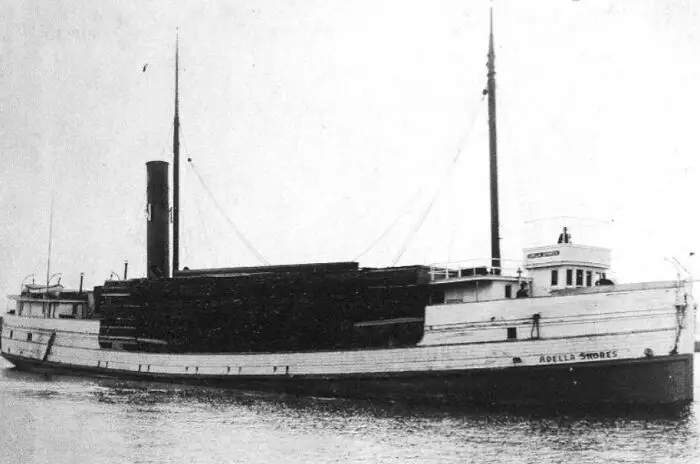
#3 Adella Shores

Black and white photo of the Adella Shores, a ship that mysteriously disappeared, sailing with cargo.
This ship mysteriously vanished 115 years ago. now, it's been found at the bottom of lake superior
snotrocket321
Report
11points

Ghost and phantom ships are essentially vessels that are found abandoned at sea, the crew is missing, and there’s no clear explanation for what happened. Human beings are fascinated by horror, terror, and the unknown, so it’s natural if you feel drawn to these mysterious events. However, researching derelicts and looking for shipwrecks is expensive and time-consuming work.

It’s unclear how many shipwrecks there are around the world. “Various people have thrown numbers out. No one really knows exactly what that number should be,” ancient maritime history expert and associate professor of classics at Luther College, Dan Davis, told Discover magazine.

#4 The Mary Celeste Was A Ship Found Adrift And Deserted With No One Aboard On 1872
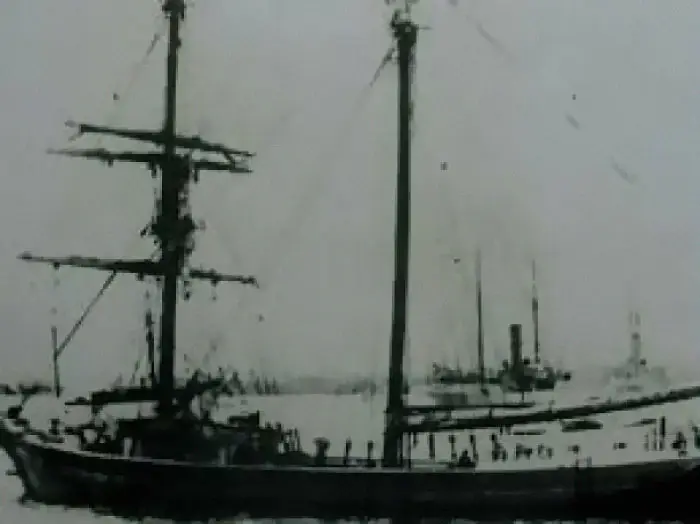
An old, grainy black and white photo of a sailing ship, one of many mysterious disappearing ships.
10points

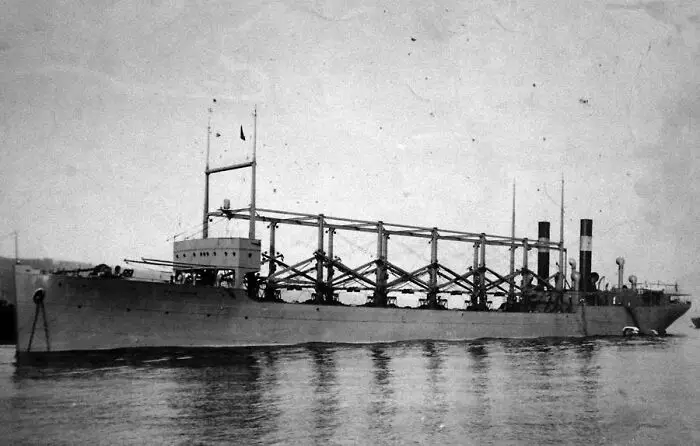
#5 Even Though This Hasn't Been Discovered, It's Still Intriguing. The USS Cyclops... This Navy Ship Disappeared In 1918 With 306 People In The Bermuda Triangle. 101 Years Later, It Has Still Not Been Found
A black and white photo of a large, unusual ship, one of the mysterious ships disappearing, with multiple cranes on its deck, sailing on calm water.
10points

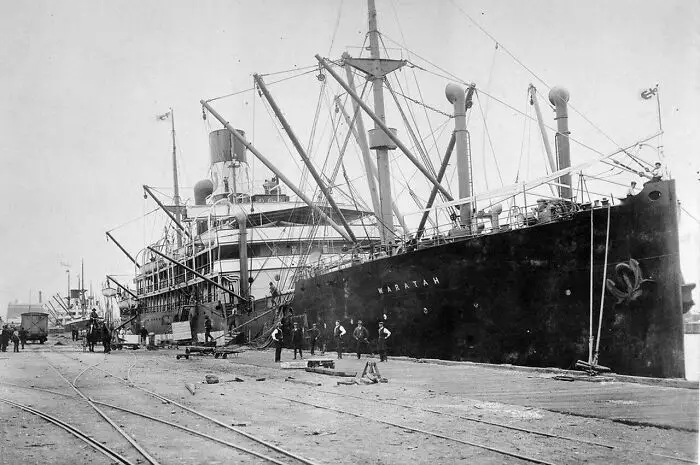
#6 July 27th 1909 Ss “Waratah” Departs From Durban, South Africa With 211 Passengers And Crew. She Was Never Seen Again
A vintage photograph of the SS Waratah, another of the mysterious ships disappearing, docked with people and cargo around it.
“Waratah’s” second voyage commenced when she left Durban en route to Cape Town, South Africa. She was last seen from the “Clan Macintyre”. The wreck of the “Waratah” remains undiscovered to this day.
10points

Researchers can look for shipwrecks using multibeam sonar and side-scan sonar, two of the most common forms of imagery. Then, the collected data gets immediately reviewed by the researchers while at sea. That way, they can investigate any interesting data points ASAP. The hope is that machine learning can simplify this entire image analysis and review process so that scientists have less of a hectic workload.

According to Leila Character, a postdoctoral researcher in marine archaeology at the University of Delaware, finding shipwrecks is an emotional priority for some families who have lost relatives aboard. For example, shipwrecks from WW2 contain the remains of many mariners.

“As a family member, […] I certainly might be really invested if we were able to turn up some information about where [missing relatives] might have gone down and where [their] final resting place is,” she said.

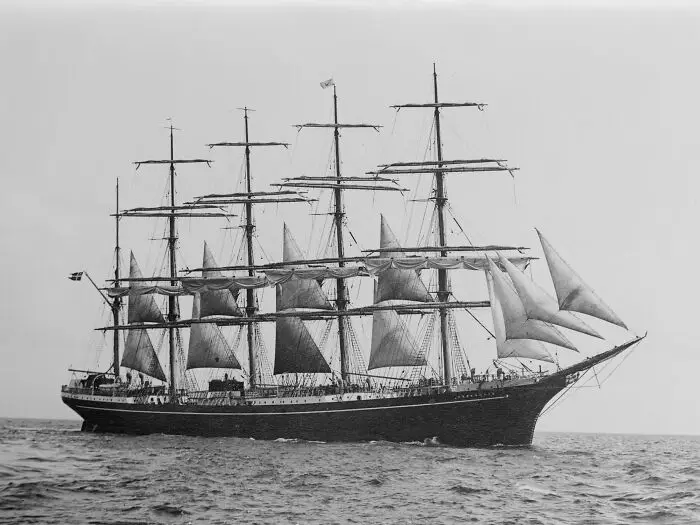
#7 Danish Navy København, It Was The World's Largest Sailing Ship At The Time, And Primarily Served For Sail Training Of Young Cadets
A large, black and white sailing ship with multiple masts and sails on the water, representing mysterious disappearing ships.
It disappeared without a trace in route from Argentina to Australia on Dec 22nd 1928
Report
10points

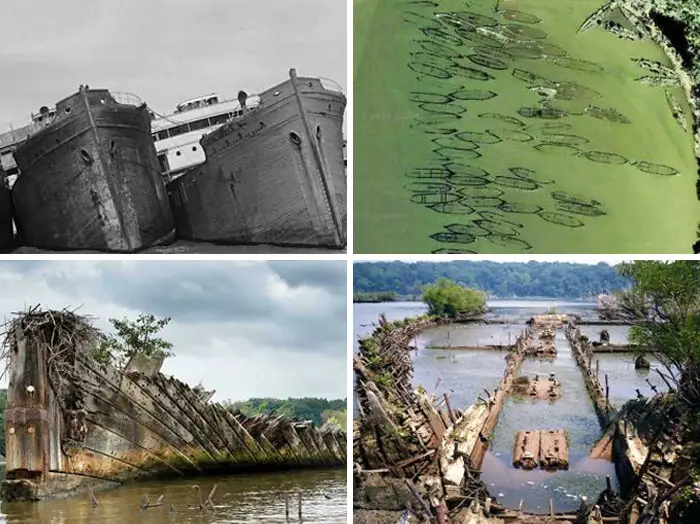
#8 The "Ghost Fleet" Of Mallows Bay In Maryland, Is The Hundreds Of Ships Whose Remains Still Rest In It’s Relatively Shallow Waters Of The Potomac, In Total, 230
Four images show mysterious disappearing ships: two large vessels on a beach, an aerial view of sunken ships, and two decaying shipwrecks in water.
Report
8points

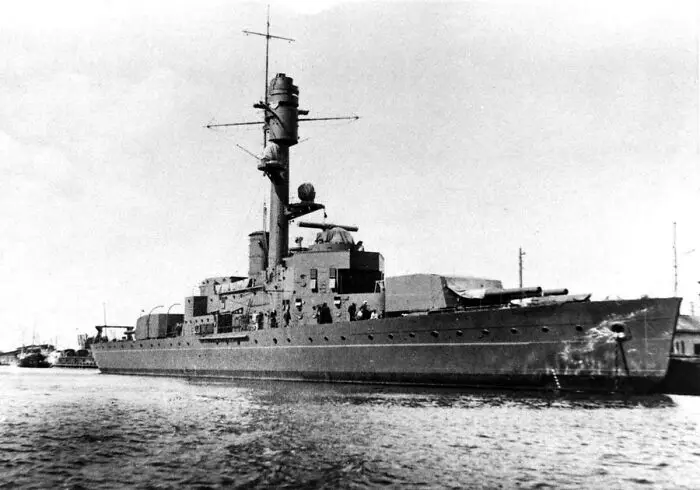
#9 Did You Know? 15 Kilometers (9 Miles) From The Wreck Of The Passenger Ferry M/S Estonia Lies The Wreck Of The Finnish Warship "Ilmarinen" That Sunk On 13th Of September 1941 After Struck By A Mine
A powerful battleship docked, its silent presence hinting at mysterious stories of ships disappearing.
The ship capsized almost immediately after striking the mine and was gone under after 7 minutes
8points

Fast forward to today, and some of the most common problems that seafarers face include hand-arm vibration syndrome (HAVS), cardiovascular disease (CVD), musculoskeletal disorder (MSD), cancer, pandemic and epidemic diseases, and hypertension, Marine Insight reports.

For instance, merchant marine vessel seafarers often operate power tools for prolonged periods of time, which may lead to disability in their hands and arms if not treated in time.

What’s more, seafarers are at risk of cardiovascular disease because of smoking, stress, bad diets, lack of exercise, etc.

Furthermore, seafarers visit many different ports around the world, so they are exposed to different diseases, such as malaria, cholera, yellow fever, tuberculosis, and others.

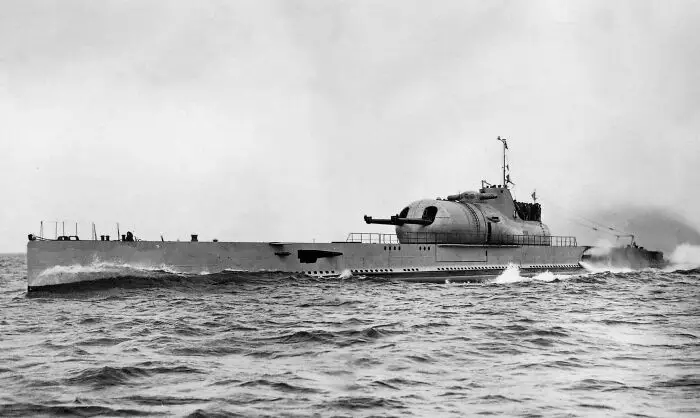
#10 The French Cruiser Submarine Surcouf(Nn-3)
A black and white image of a mysterious ship disappearing, moving through water creating a wake.
The French submarine Surcouf (NN3) was the largest cruiser submarine of the 1930s. The most striking feature is that enormous conning tower carrying her twin 203 mm (8-inch) guns.
Surcouf was aunched on the 18 November 1929 and commissioned on the 16 April 1934. In service during 1934–1942.
When France surrendered to the Germans Surcouf took refuge in the U.K. and joined the Free French Fleet.
Surcouf disappeared during the night of 18/19 February 1942 in the Caribbean Sea, possibly after colliding with the US freighter Thompson Lykes, although this has not been definitely established. She was named after the French privateer and shipowner Robert Surcouf.
Surcouf was the largest submarine built until surpassed by the first Japanese I-400 class aircraft carrier submarine in 1944.
Report
7points

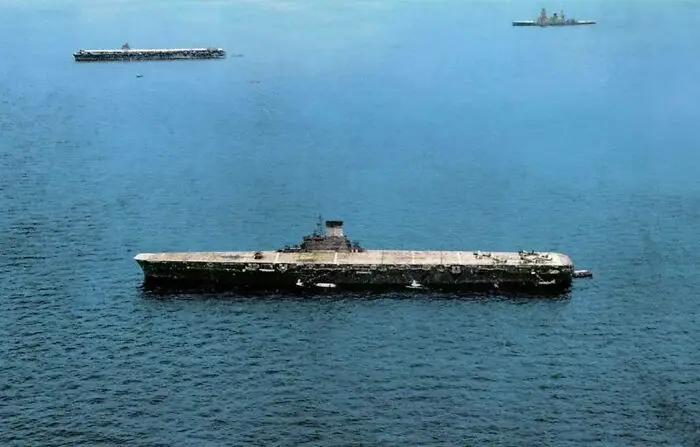
#11 Japanese Aircraft Carrier Taiho At Anchor, Probably At Tawi-Tawi, Philippines. In The Background Are A Shokaku-Class Carrier And A Kongo Class Battleship
Three ships disappearing into the vast ocean horizon, capturing the essence of mysterious stories.
Taiho ("Great Phoenix") was the largest purpose-built carrier and largest fleet carrier the Imperial Japanese Navy built (and, IMHO, the best looking carrier they built) during the second world war (the mammoth Shinano was larger by ~20,000-30,000 tons but was a converted Yamato class battleship and was not a fleet carrier). She featured several departures from previous Japanese carrier designs: her funnel was vertical and canted over, a design tested on the two Hiyo class carriers, and she featured a heavy armored belt and armored flight deck as well as a closed bow, unlike her predecessors. Designed to carry the most modern Japanese aircraft, such as the A7M Reppu fighter, B7A Ryusei torpedo/dive bomber, and D4Y Suisei dive bomber, Taiho was the most capable and modern carrier of the IJN when she was commissioned and was soon made the flagship of the 1st Mobile Force, under the command of Vice Admiral Jisaburo Ozawa.

Taiho's career was, unfortunately for the Japanese Navy, short and catastrophic-during her first and only combat mission, the disastrous battle of the Philippine sea, Taiho was targeted by the submarine USS Albacore, who despite not having a proper firing solution managed to score a single hit on the carrier with a torpedo. Her 'green' air groups were mauled by US fighters and anti-aircraft fire. The single torpedo hit caused fuel leakage, and her 'green' damage control crew made several mistakes that spread the fumes of her unrefined, volatile fuel around the interior of the ship. Over 6 hours after the seemingly ineffectual attack Taiho exploded, taking lives of hundreds of men and forcing VADM Ozawa to abandon her as a flagship. Soon after, she sank. The carrier Shokaku suffered a similar fate on the same day from 3 torpedo hits by another submarine, and the Hiyo was sunk the next day by American dive bombers. Thus ended the maiden combat voyage of Japan's most modern carrier.
Report
7points

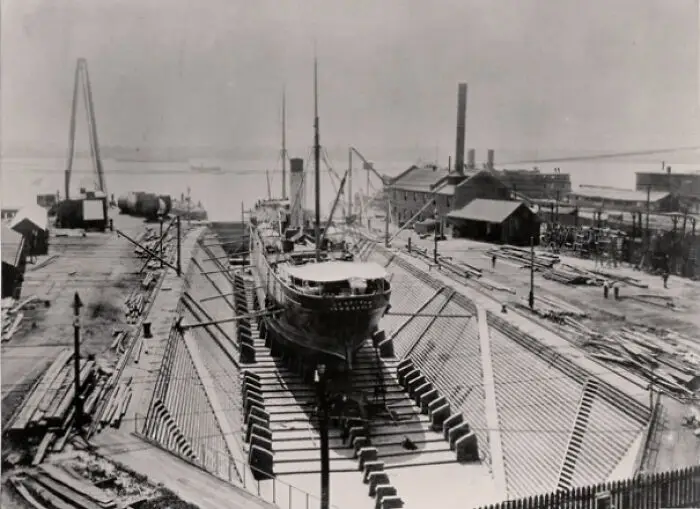
#12 The S.s Leafield In Drylock. Likely After Her Running Aground In 1912. She Would Be Lost On November 9th, 1913 With All Hands. The Wreckage Has Never Been Located
A black and white photo of a ship in a dry dock, illustrating mysterious stories of ships disappearing from sight.
Report
6points

“Seafarers are vaccinated and medically checked thoroughly; however they are in major danger of being exposed to sudden outburst of new diseases in areas they visit,” Marine Insight explains.

“The best practice for such situations is to use all preventive measures to contain the spread of contagious diseases on board. The master and the crew should be informed about the diseases before docking and restriction of people embarking the vessel and shore leaves can be effectively controlled to prevent such illness from spreading.”

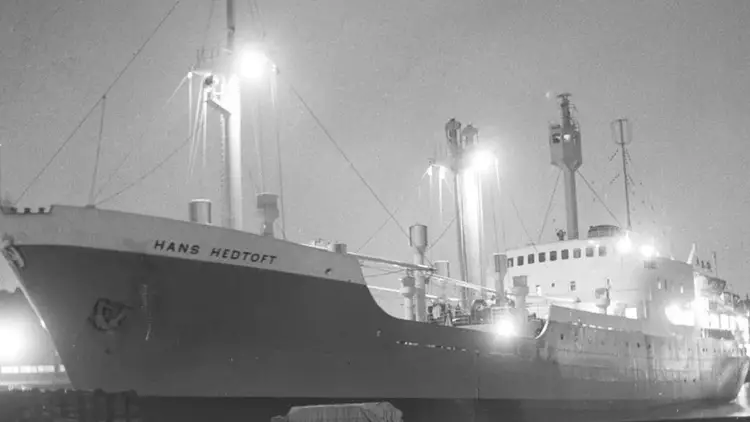
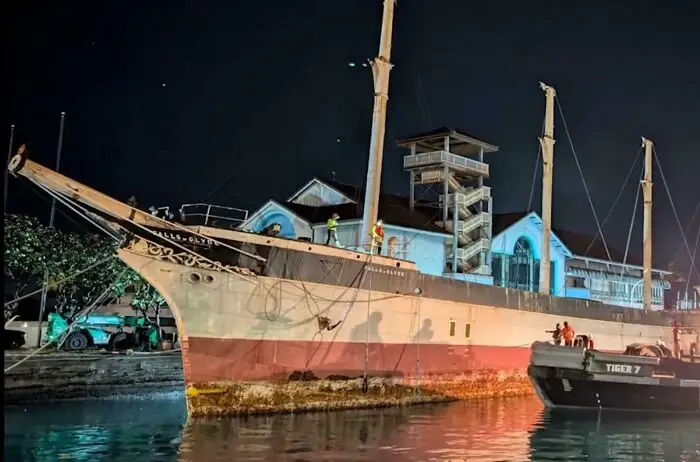
#13 Rip Falls Of Clyde. The Ship Was Sunk 25 Miles Off Shore On October 15, 2025
A large ship docked at night, highlighting the mysterious stories about ships disappearing.
6points

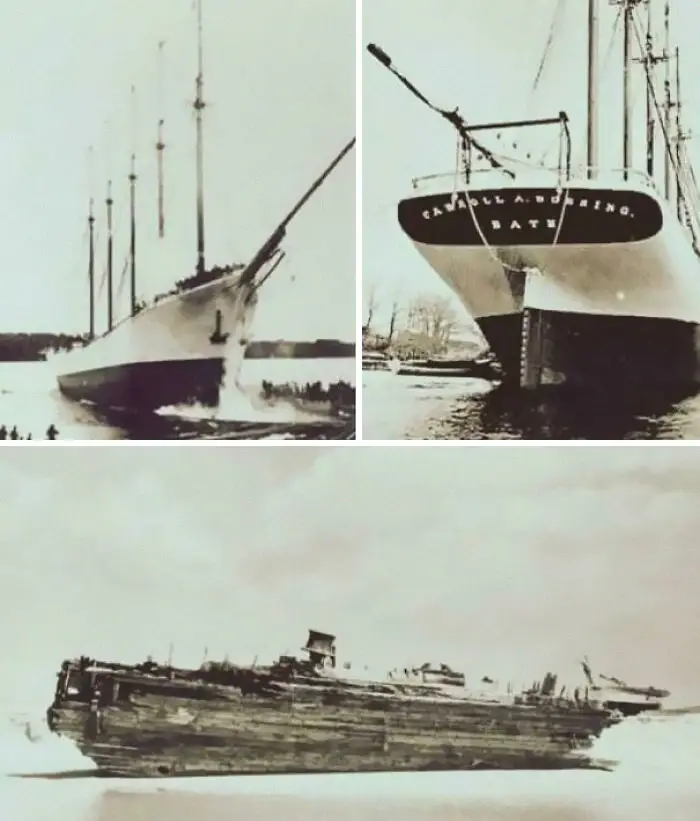
#14 The Carroll A Deering Was A Five-Masted Schooner Built In 1919 And Once Praised As One Of The Last Great Wooden Cargo Ships
A three-part image showing different stages of a ship disappearing, from being afloat to becoming a derelict.
The Carroll A Deering was a five-masted schooner built in 1919 and once praised as one of the last great wooden cargo ships. She was fitted with modern comforts like steam heat and electricity, unusual for a work vessel, and carried coal to South America. In August 1920, she left Virginia for Brazil, but the captain fell ill, leaving a replacement crew led by Willis Wormell and first mate Charles McLellan. The two clashed bitterly, and in Barbados, Wormell complained about his first mate’s drinking and cruelty. McLellan even threatened to take out him before their return to the United States. By January 1921, the Deering was sighted off North Carolina. A lightship keeper noted strange behavior — the crew was on the quarterdeck, not the officers, and a red-haired sailor said they had lost anchors. That was the last confirmed sighting before she ran aground at Cape Hatteras. When rescuers finally boarded on January 31, they found the ship abandoned. Lifeboats, navigation gear, and even the captain’s log were gone. Food sat prepared in the galley, suggesting a sudden escape. Only a six-toed cat remained alive. Despite investigations by the Coast Guard, Navy, FBI, and even Secretary of Commerce Herbert Hoover, no answer ever came. Theories ranged from mutiny to piracy, rumrunners, or even the Bermuda Triangle, but the fate of the crew was never proven. The wreck was eventually dynamited in March 1921 as a hazard, and her timbers washed ashore to build local homes. Today, the Carroll A Deering is remembered as one of America’s most famous ghost ships, a chilling case in the “Graveyard of the Atlantic” where her sailors disappeared without a trace.
6points

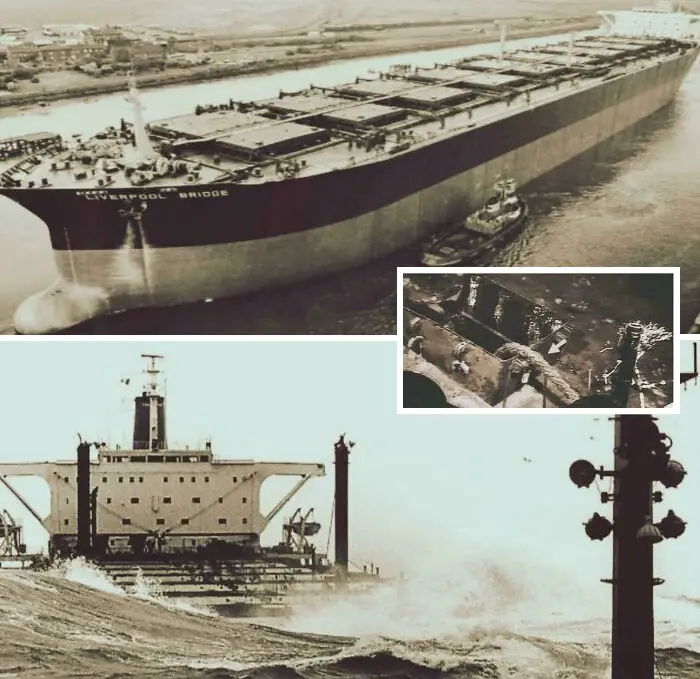
#15 Derbyshire

A collage showing several images of ships disappearing in mysterious stories, including a large cargo ship.
Derbyshire was a 294-meter bulk carrier that disappeared with all 44 people on board during Typhoon Orchid on 10 September 1980, about 230 miles off Okinawa, Japan. She had departed Sept-Îles, Canada on 11 July with 157,446 tonnes of iron ore bound for Kawasaki, Japan. When she failed to arrive, a large-scale search found only an oil slick but no survivors, and no distress signal had been sent. At just four years old, classed A1 by Lloyd’s Register, and commanded by an experienced crew, her sudden loss shocked the maritime world.
Investigations over the years explored several causes. A 1989 inquiry suggested she had been overwhelmed by extreme waves, losing her hatch covers before flooding rapidly. Later discoveries pointed to structural flaws around bulkhead frame 65, already linked to cracks and failures on her sister ships Tyne Bridge and Kowloon Bridge. In 1994, wreck surveys initially hinted at crew negligence, but a reopened inquiry in 2000 cleared the crew and confirmed that forward vent damage during the typhoon caused progressive flooding. With her found 4 km beneath the sea, Derbyshire remains the largest British ship ever lost at sea, a case that reshaped bulk carrier safety standards worldwide.
6points

Which of the ghost ship stories that we’ve featured here fascinated you the most?

What is your relationship with horror and real-life disturbing tales like? Are you a fan of sea-related spookiness, or do you prefer your creepy stories to be themed differently?

What is the scariest historical mystery you know? What is the oddest thing that has ever happened to you at sea? Would you ever want to work at sea?

We want to hear from you! Share your thoughts, stories, and insights in the comments section at the very bottom of this post.

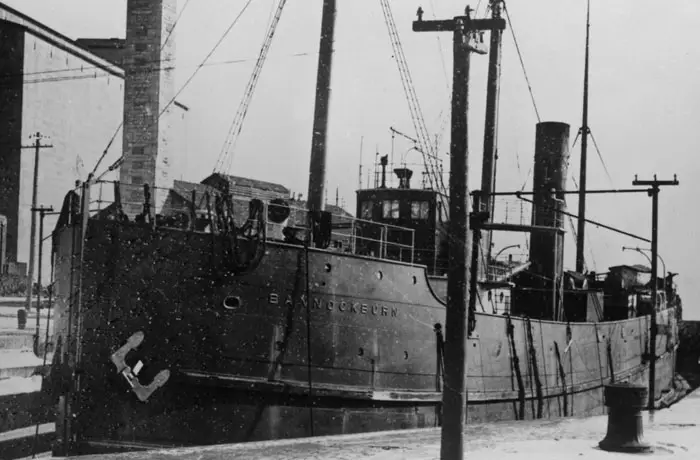
#16 SS Bannockburn
A black and white photo of a ship named Bannockburn, which is one of the mysterious ships disappearing.
The SS Bannockburn was a Canadian registered steel-hulled freighter that disappeared on Lake Superior in snowy weather on November 21, 1902. She was sighted by the captain of a passing vessel, the SS Algonquin, around noon of that day but minutes later disappeared. The wreck of the ship has never been found, with the exception of a life preserver, and no bodies were ever recovered. Within a year of her disappearance she acquired a reputation as a ghost ship and became known as "The Flying Dutchman of the Great Lakes". Her fate remains an unsolved mystery.
Report
6points

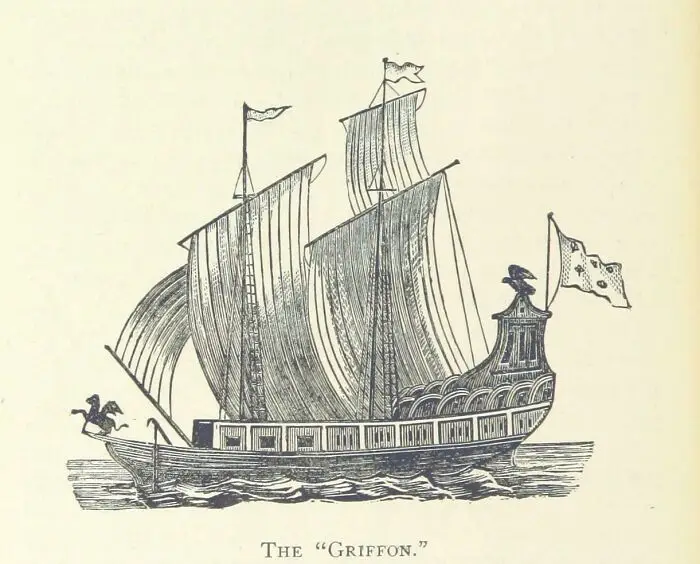
#17 August 7, 1679, The Brigantine Le Griffon, Commissioned By René-Robert Cavelier, Sieur De La Salle, Is Towed To The South-Eastern End Of The Niagara River, To Become The First Ship To Sail The Upper Great Lakes Of North America
An illustration of The Griffon, one of the many ships disappearing, sailing on the sea.
In September 1679, the French brigantine Le Griffon—built by explorer René-Robert Cavelier, Sieur de La Salle—set sail from Green Bay (Lake Michigan) bound for Niagara loaded with valuable animal furs. It vanished with its six crew members shortly after departing and was never seen again, making it one of the Great Lakes' most famous mysteries.

The Key Theories:

Fierce Storm (Most Likely): The prevailing view among historians is that the ship sank during a severe multi-day storm that swept Lake Michigan right after its departure.
Mutiny: La Salle suspected the ship's pilot, "Lucas the Dane," and crew mutinied, scuttled the vessel, and ran off with the lucrative fur cargo.
Indigenous Attack: Another theory suggests local Native American tribes (such as the Potawatomi or Odawa) attacked the crew, boarded the ship, and set it ablaze.
Ransacking by Rivals: Some speculated rival French fur traders or Jesuits orchestrated an ambush to sabotage La Salle's venture.

Over 30 "discoveries" have been claimed over the years, including a heavily publicized potential site found near Poverty Island in northern Lake Michigan. However, state archeologists and maritime experts maintain there is no conclusive proof, leaving Le Griffon officially unfound.
Report
5points

#18 Polish Submarine Orp Orzeł, The Lead Ship Of Her Class, At Sea. 10 February, 1939
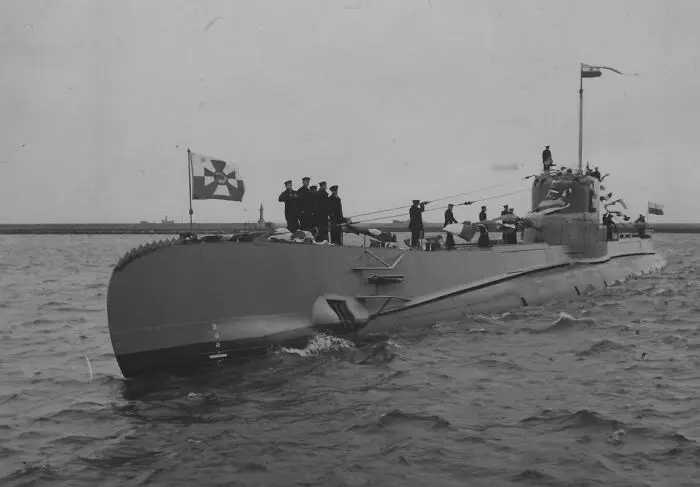
A submarine, with sailors on its deck, moving through choppy waters, a mysterious ship disappearing story.
On 23 May 1940, Orzeł departed on its seventh patrol in the central North Sea. On 1 and 2 June, radio messages were transmitted from the Rosyth Naval base ordering the boat to alter its patrol area and proceed to the Skagerrak (the strait separating Norway and Sweden from the Danish Jutland peninsula). No radio signals had been received from her since she had sailed, and on 5 June Orzeł was ordered to return to base. No reception was acknowledged. On 8 June 1940 the submarine was officially declared lost. The true cause is unknown, although it is commonly believed Orzeł most likely struck a British or German sea mine in or near the Skagerrak. Another theory suggests the boat may have been sunk mistakenly by a British aircraft
5points

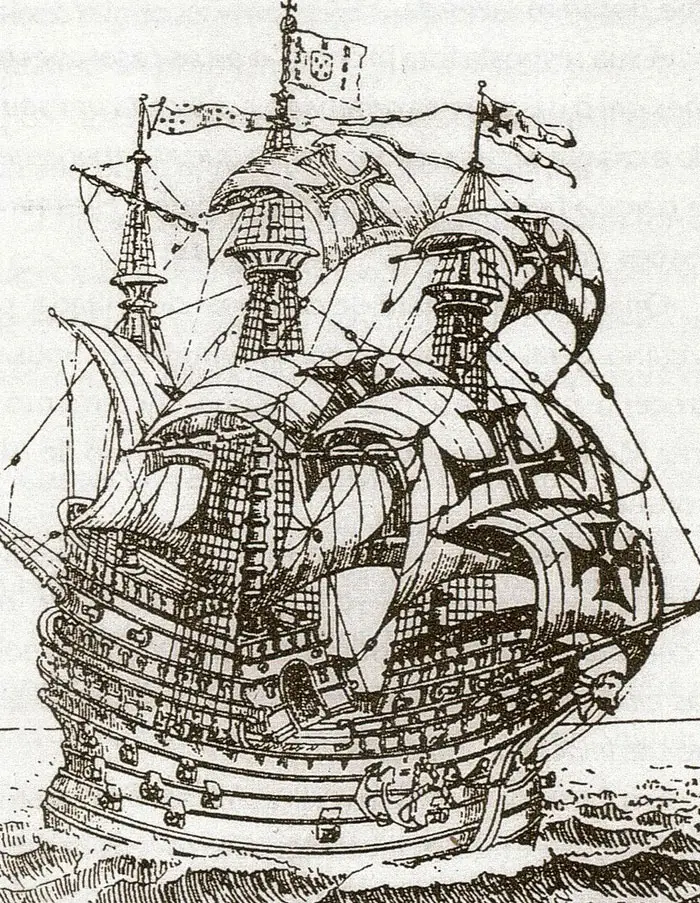
#19 Flor De La Mar

A detailed illustration of a large, multi-masted ship, representing the numerous ships disappearing mysteriously.
Flor do Mar (modern Portuguese) or Flor de la Mar ('Flower of the Sea', spelled Frol de la Mar in Portuguese chronicles of the 16th century) was a Portuguese nau (carrack) of 400 tons, which over nine years participated in decisive events in the Indian Ocean until her sinking in November 1511. Nobleman Afonso de Albuquerque was returning from the conquest of Malacca, bringing with him a large treasure trove for the Portuguese king, when the ship was lost off the coast of Sumatra. Her wreck remains undiscovered
Report
5points

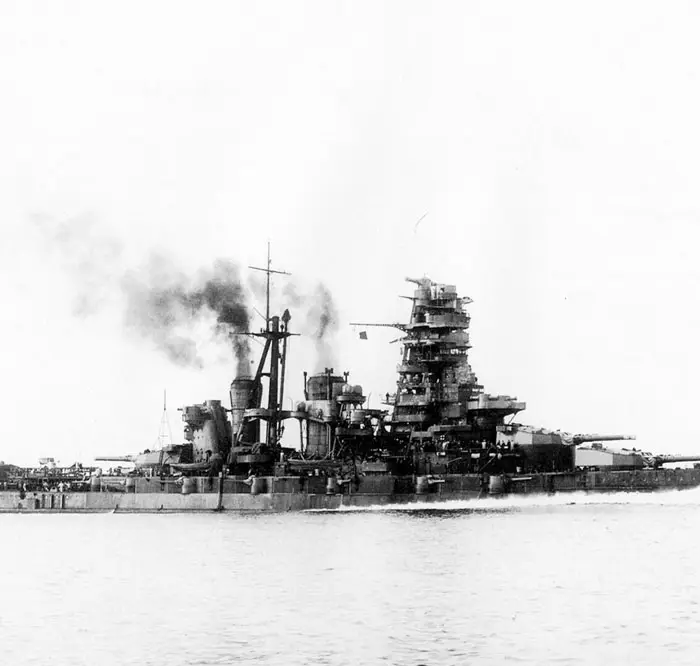
#20 Ijn Kongo

A large warship, one of the many mysterious ships disappearing, with smoke billowing from its stack.
On 16 November, following a US air raid on Brunei, Kongō, along with Yamato, Nagato and the rest of the First Fleet, departed from Brunei bound for Kure in preparation for a major reorganization of the fleet and battle repairs. On 20 November, they entered the Formosa Strait. Shortly after midnight on 21 November, the submarine USS Sealion made radar contact with the fleet at 44,000 yards (40,000 m). Maneuvering into position at 02:45, Sealion fired six bow torpedoes at Kongō followed by three stern torpedoes at Nagato fifteen minutes later. One minute after the first salvo was launched, two of the torpedoes were seen to hit Kongō on the port side, while a third sank the destroyer Urakaze with all hands. The torpedoes flooded two of Kongō's boiler rooms, but she was still able to make 16 kn (30 km/h; 18 mph). By 05:00, she had slowed to 11 kn (20 km/h; 13 mph) and was given permission to break off from the fleet and head to the port of Keelung in Formosa along with the destroyers Hamakaze and Isokaze as escort.[46] Within fifteen minutes of detaching from the main force, Kongō was listing 45 degrees and flooding uncontrollably. At 5:18 the ship lost all power and the order was given to abandon ship.[47] At 5:24, while the evacuation was under way, the forward 14-inch magazine exploded, and the broken ship sank quickly, with the loss of over 1,200 of her crew, including the commander of the Third Battleship Division and her captain.
Kongō is believed to have sunk in 350 feet (110 m) of water approximately 55 nautical miles (102 km; 63 mi) northwest of Keelung. She was one of only three British-built battleships sunk by submarine attack during World War II. The other two were the British Revenge-class battleship HMS Royal Oak and the Queen Elizabeth-class battleship HMS Barham. Kongō is the only Japanese battleship from World War II whose wreck has not been located or surveyed.
Report
5points
35
4