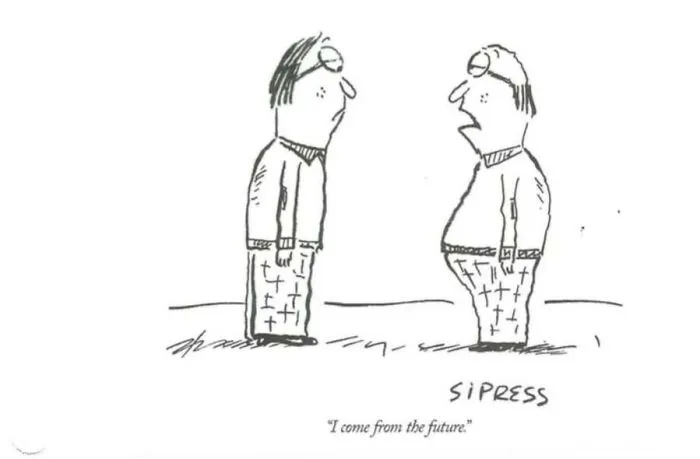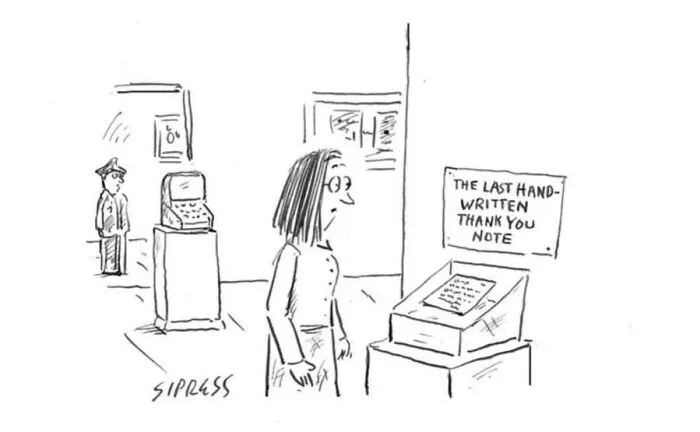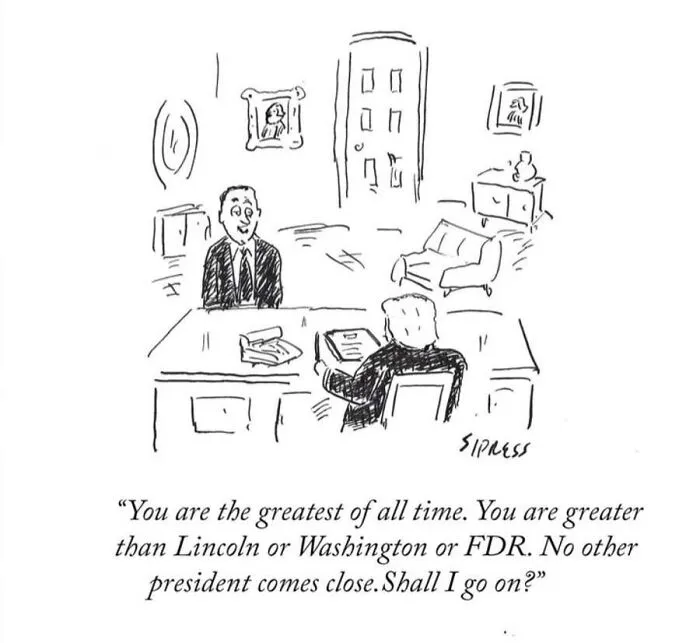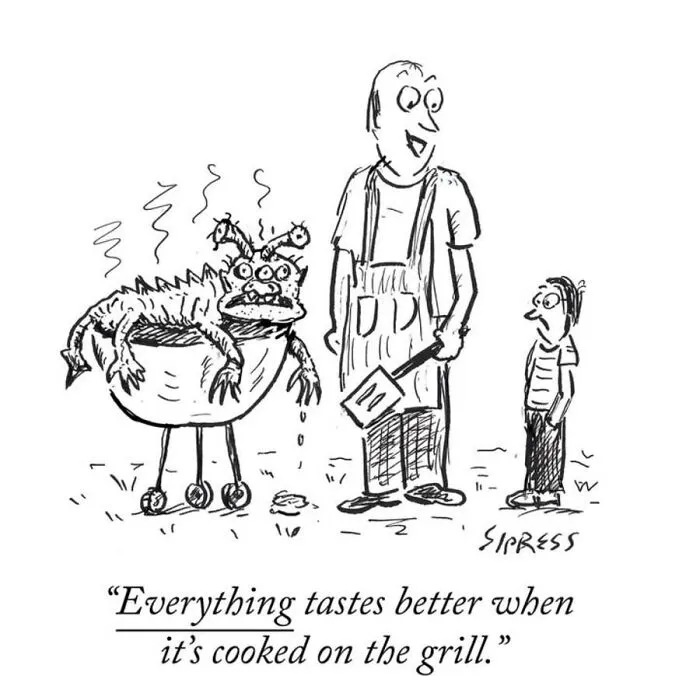


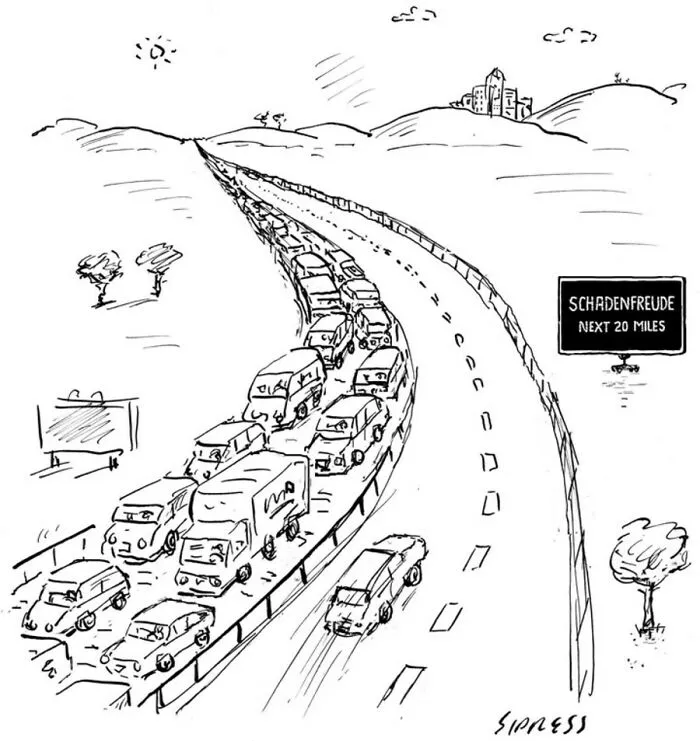
When we asked Sipress where his ideas tend to come from, he explained: “My ideas are rooted in my everyday experiences, and they are the result of my constantly asking myself if there is a cartoon in those experiences. Imagination is, of course, a part of the process; it’s what transforms observations into art.”
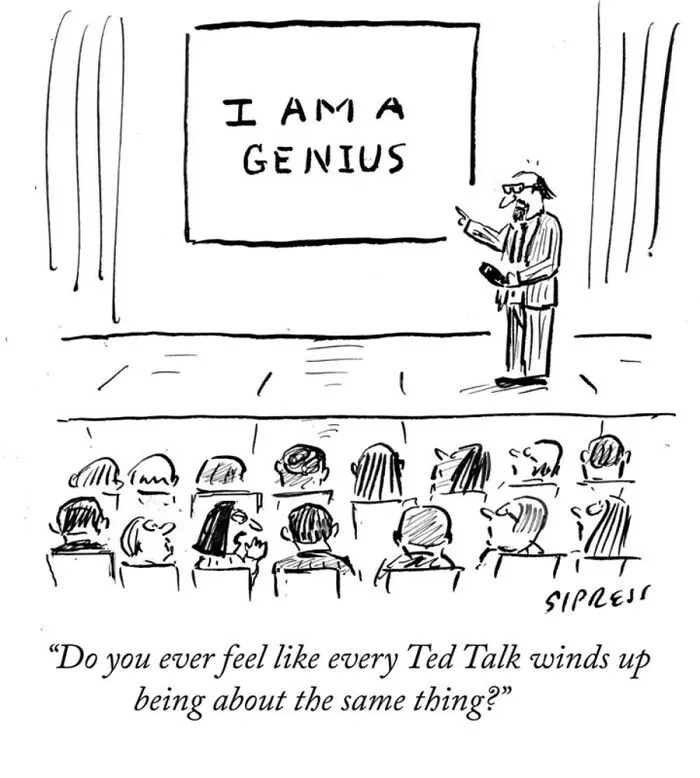
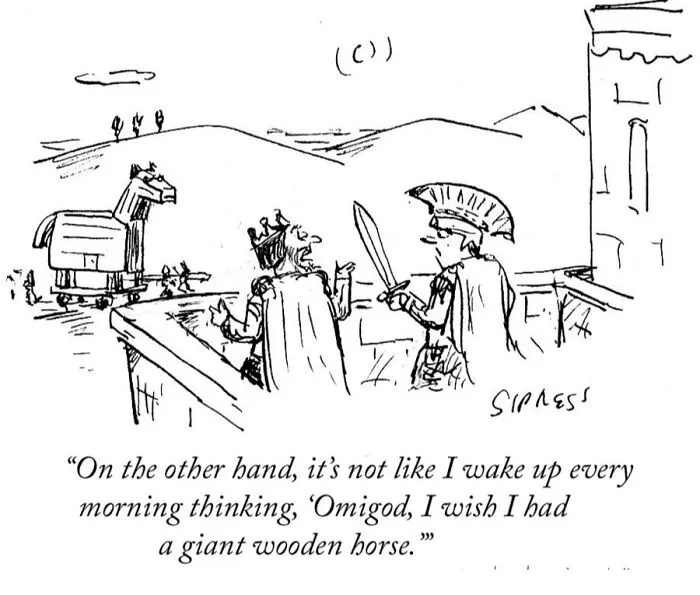
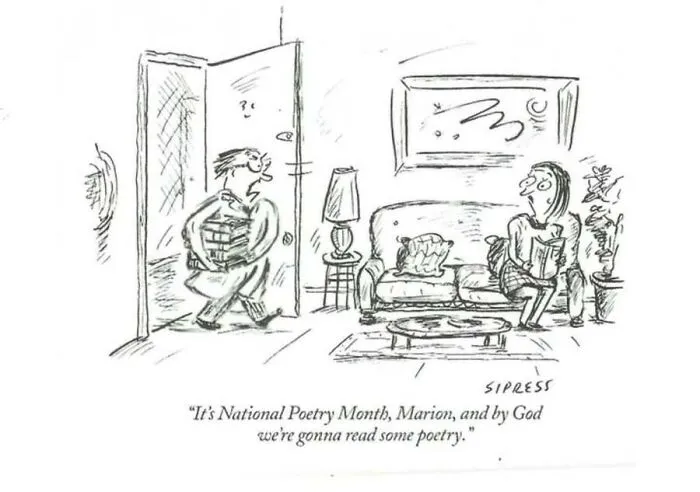
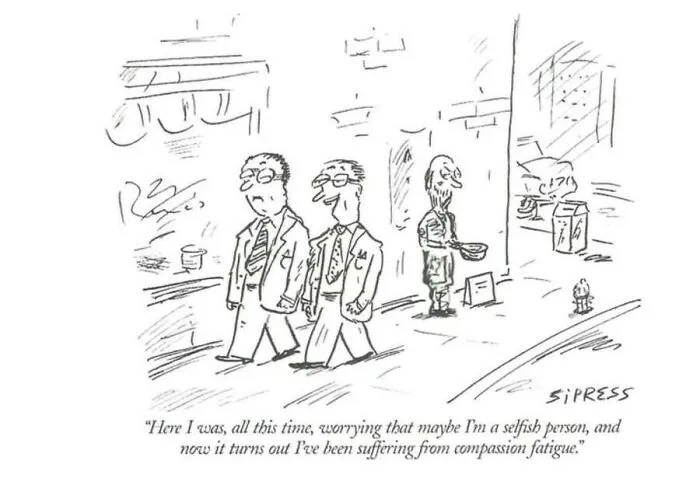
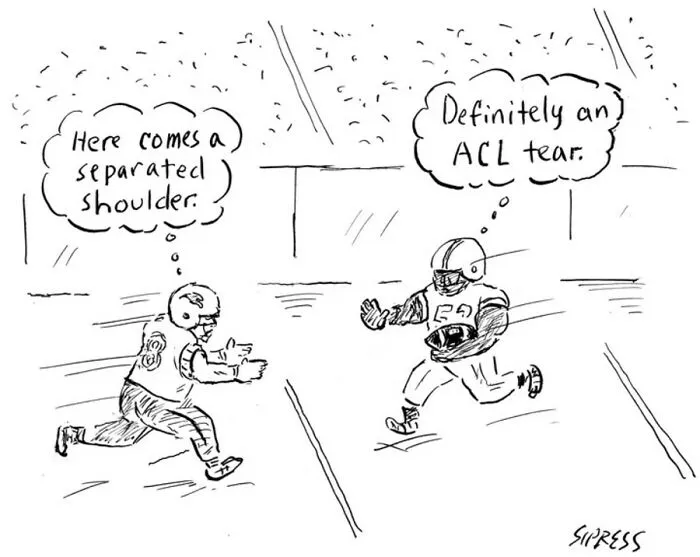
That ability to recognize something familiar in an otherwise absurd situation is a big part of his comics’ appeal. His cartoons can move effortlessly between relationships, office life, sports, literature, history, and existential worries, often treating the most ridiculous premises with complete seriousness.
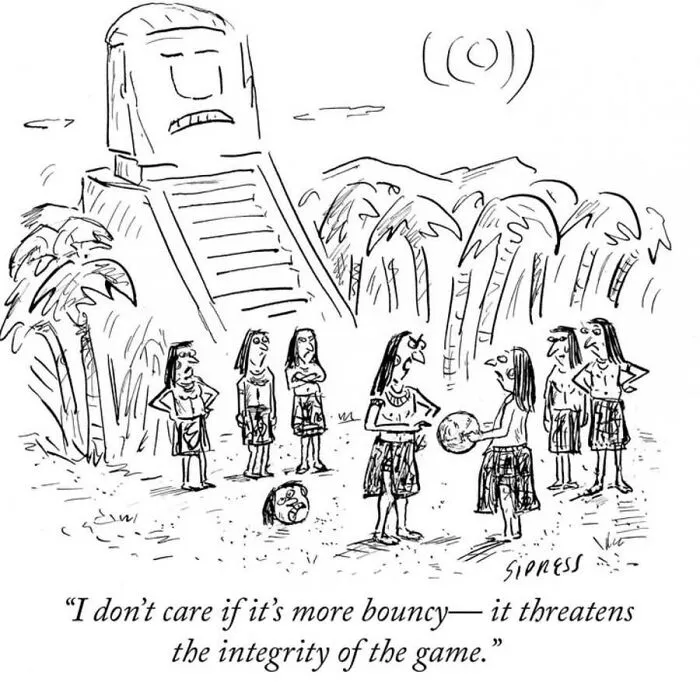
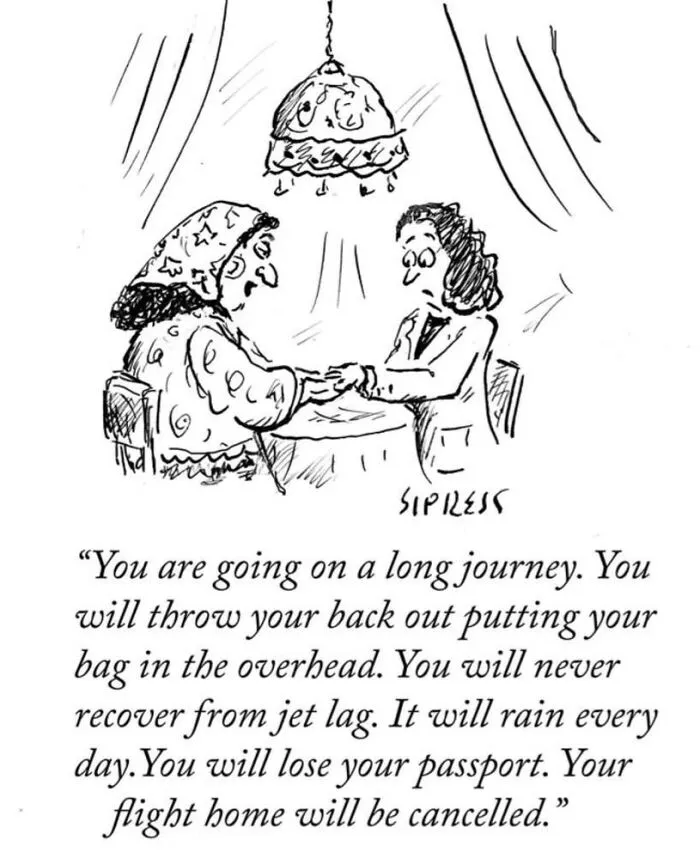
Asked whether he can tell when an idea might make readers think, “That’s so me,” Sipress said his approach is much more personal. “I only ever think about what is ‘so me’—myself, that is—and I’ve learned to trust that what is ‘so me’ will also be ‘so me’ to my readers.”
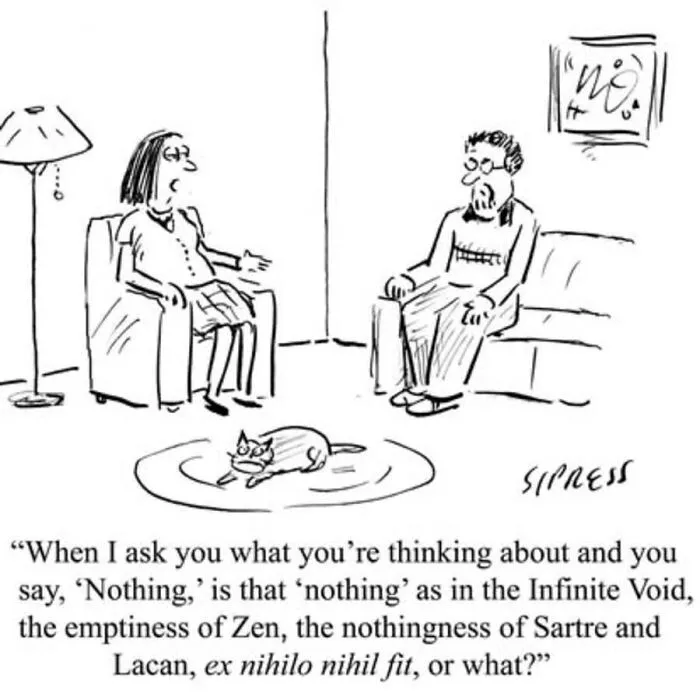
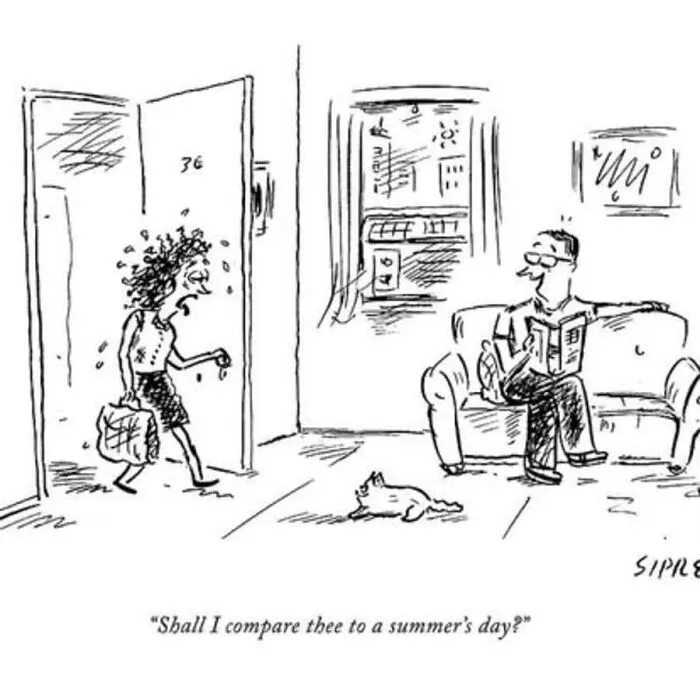
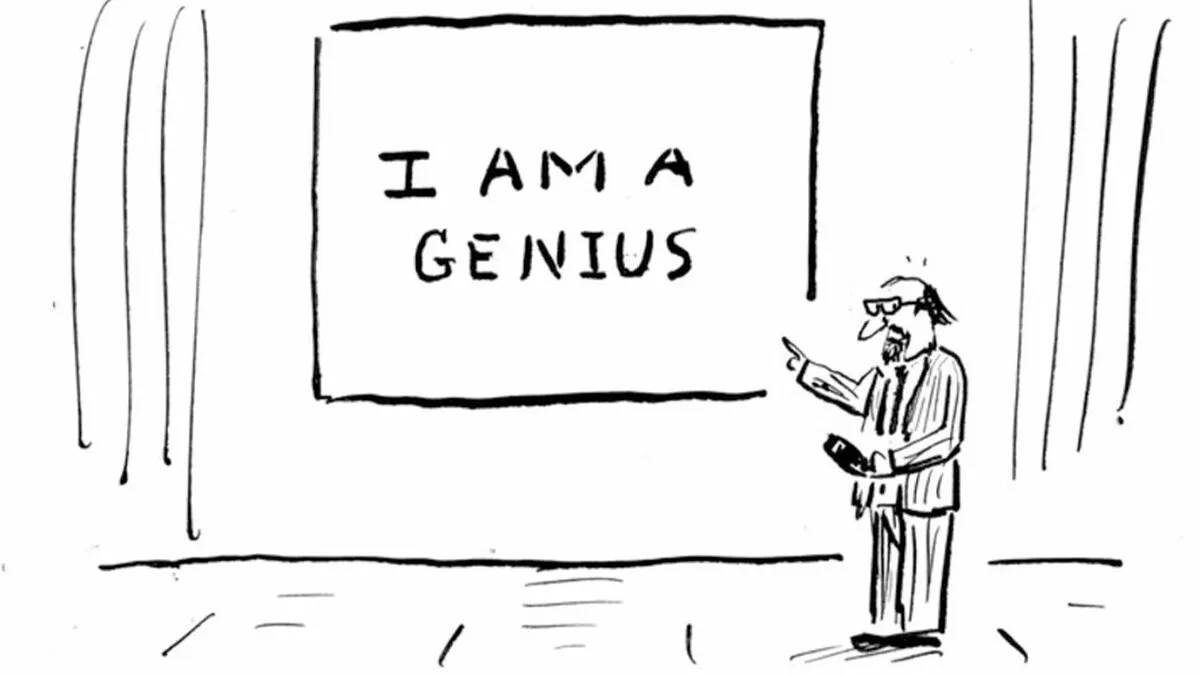
There is also something particularly effective about how simple Sipress’ cartoons are. A few loose black lines establish the situation, while a short line of dialogue or a single caption delivers the joke. Sometimes the punchline lands immediately; other times, the reference takes an extra second to click.
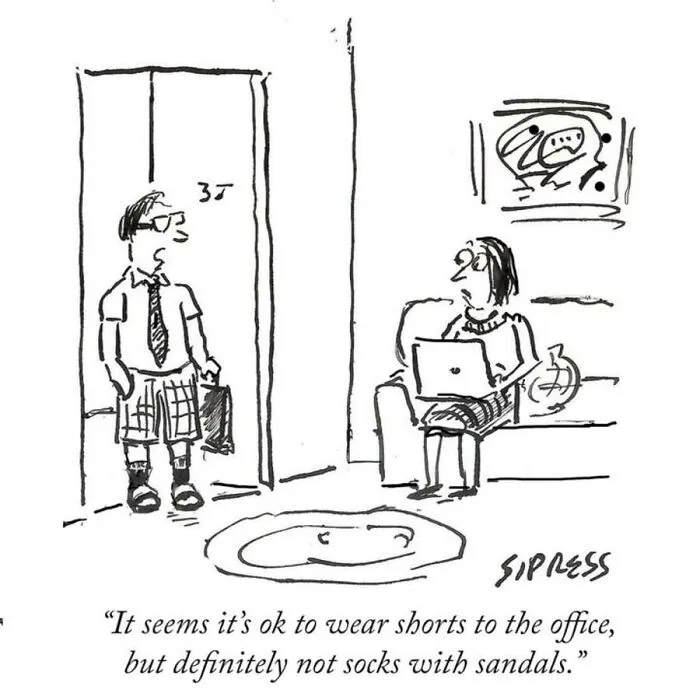
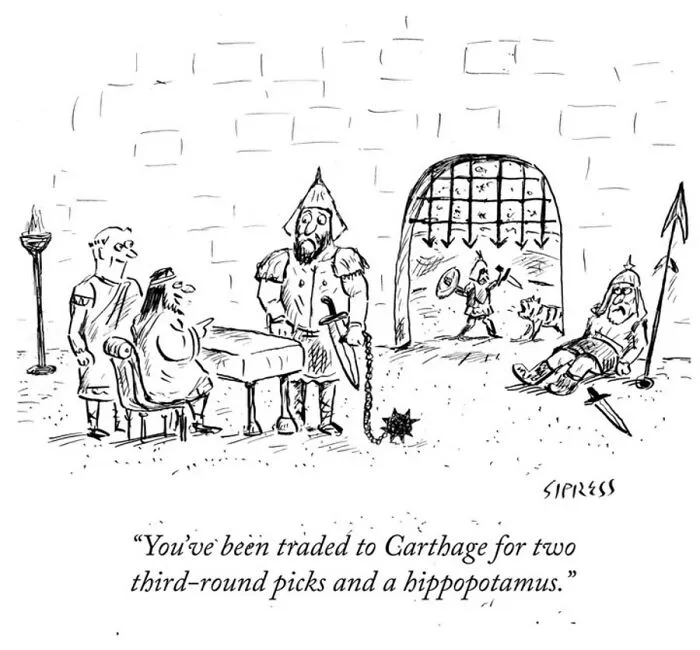
When we asked which everyday human behaviors continue to inspire him after so many years of making comics, Sipress singled out one especially reliable source of material. “There are many human behaviors that inspire my cartoons, but if I have to pick one, I would say I am keenly interested in worry and the many ways worrying defines who people are - myself in particular.”
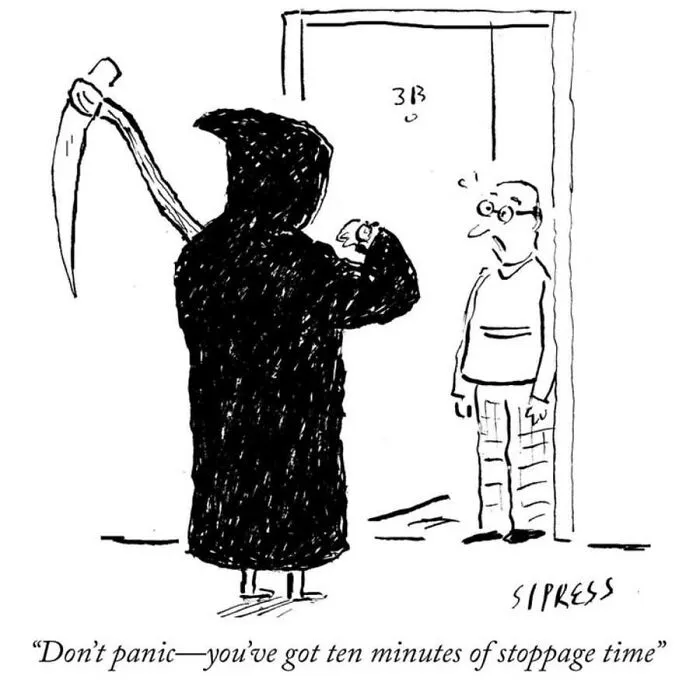
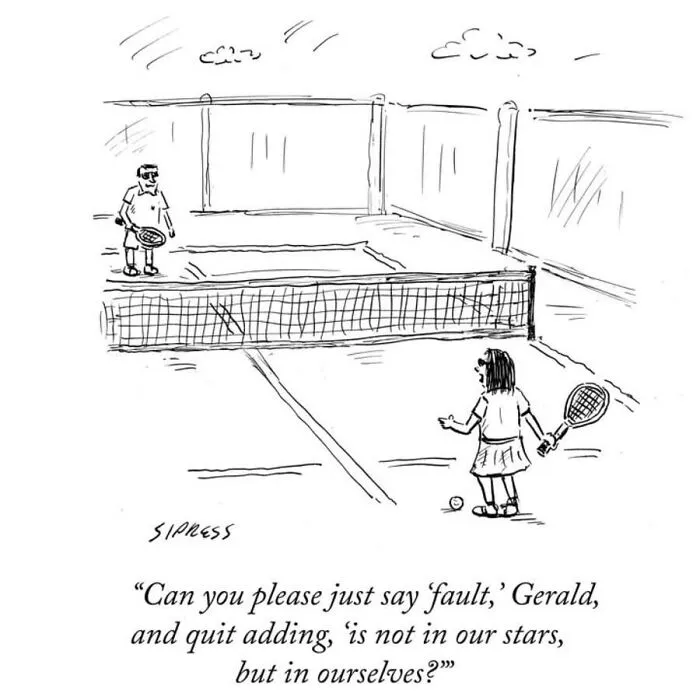
That interest makes sense in a body of work so often centered on how people think, react, overanalyze, misunderstand one another, and try to make sense of situations they cannot completely control. Even when the scenario is wildly unrealistic, the emotion underneath it is often recognizable.
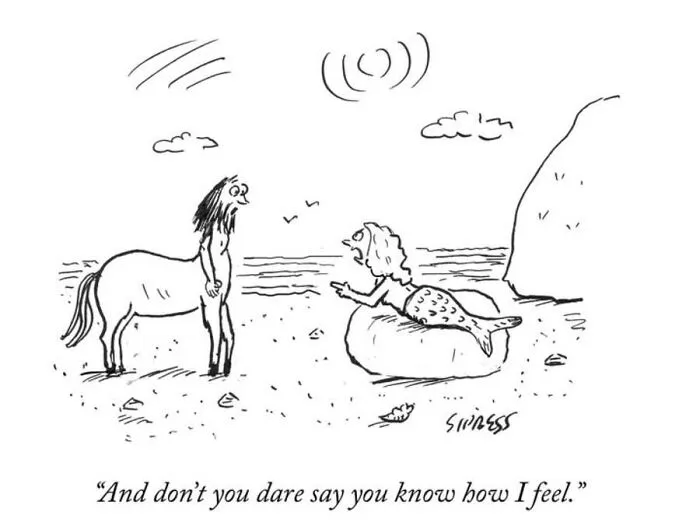
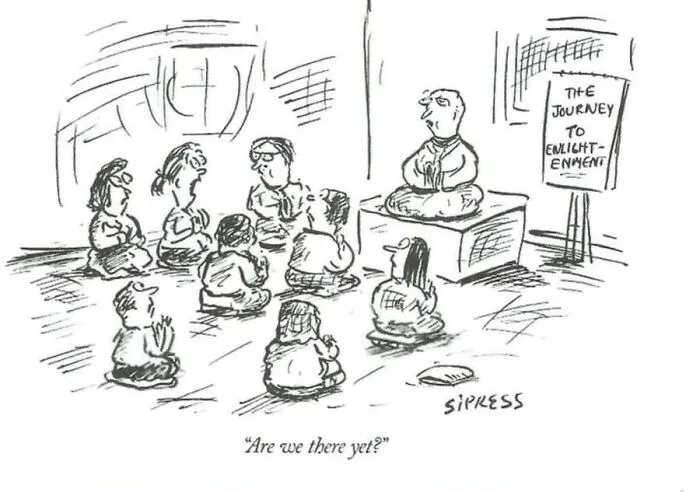
With hundreds of cartoons published in The New Yorker and decades spent observing human behavior, Sipress has found no shortage of material in people’s habits, contradictions, anxieties, relationships, and egos. And despite how differently readers can approach humor, he told us: “I can’t recall a cartoon being interpreted differently from what I intended.” Clarity in intention and message. The situations may be absurd, but the behavior behind them rarely is, and that small gap between the ridiculous and the recognizable is where Sipress continues to find plenty to laugh about.