

This post may include affiliate links.
Then the internet decided that apparently even those rules were too restrictive. From around the 2010s onward, memes became increasingly strange, chaotic, and difficult to define. A meme could be a photograph, a video, an audio clip, a dance, a filter, a phrase, or some completely inexplicable combination of all of them. TikTok, Instagram Reels, and X helped ideas mutate at incredible speed, with users constantly remixing existing jokes into something new. Images could be deliberately distorted, “deep-fried,” layered with bizarre effects, or combined with completely unrelated elements to create the wonderfully chaotic humor that makes perfect sense to someone online and absolutely none to their grandparents.
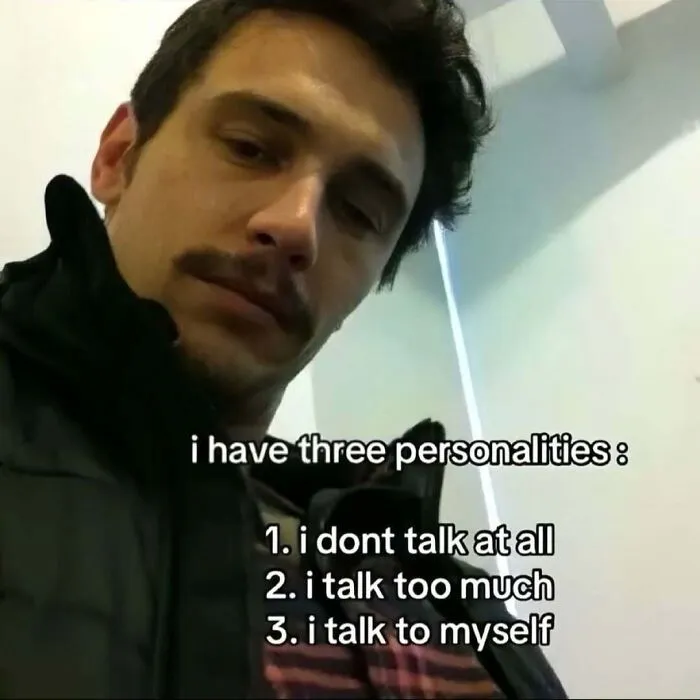
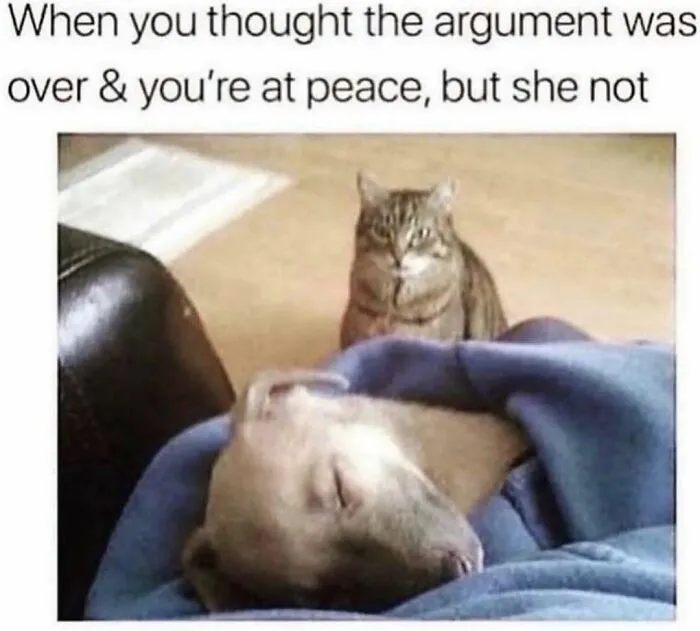
In a funny way, this brings us back to Dawkins' original idea. He imagined memes as cultural ideas that spread from person to person through imitation. The internet simply gave humans an enormous playground for doing exactly that. We don't just copy memes anymore—we edit them, remix them, add new jokes, change the format, turn them into videos, and send them back into the wild for someone else to transform again. What began as a biological metaphor in 1976 has become a useful way of describing one of the most recognizable forms of modern internet culture.

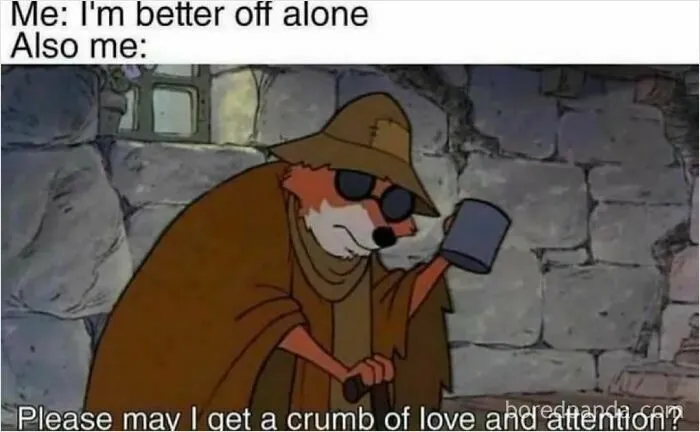
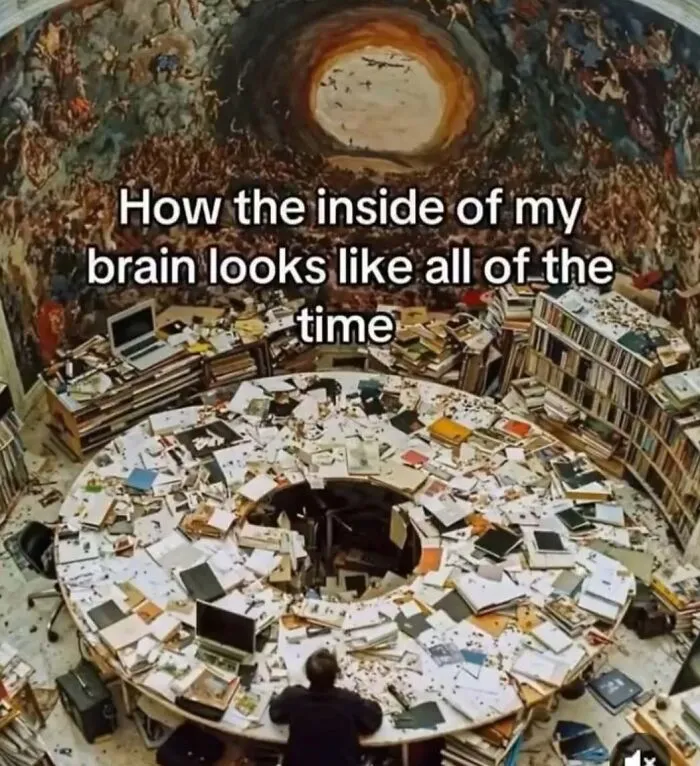
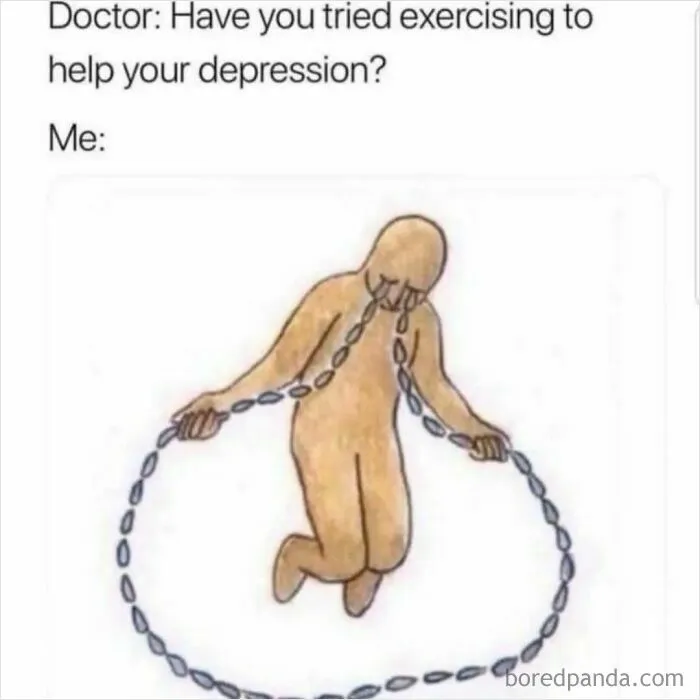
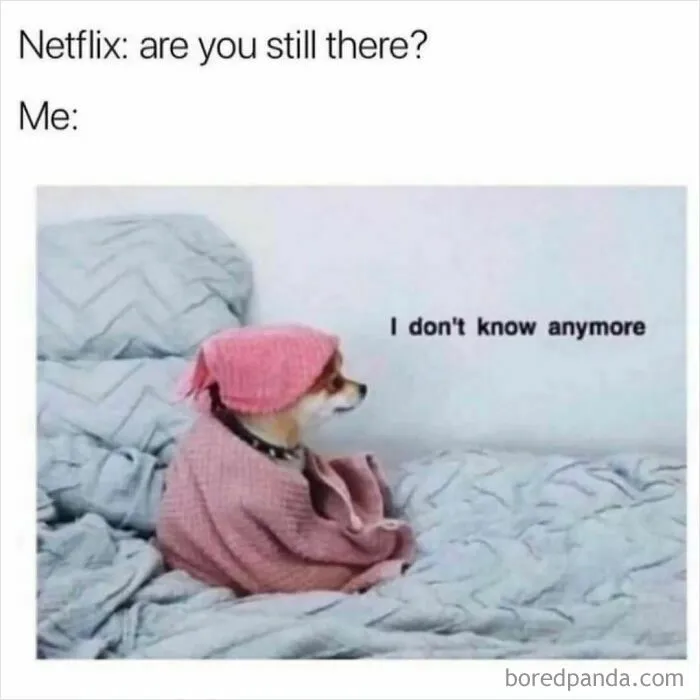
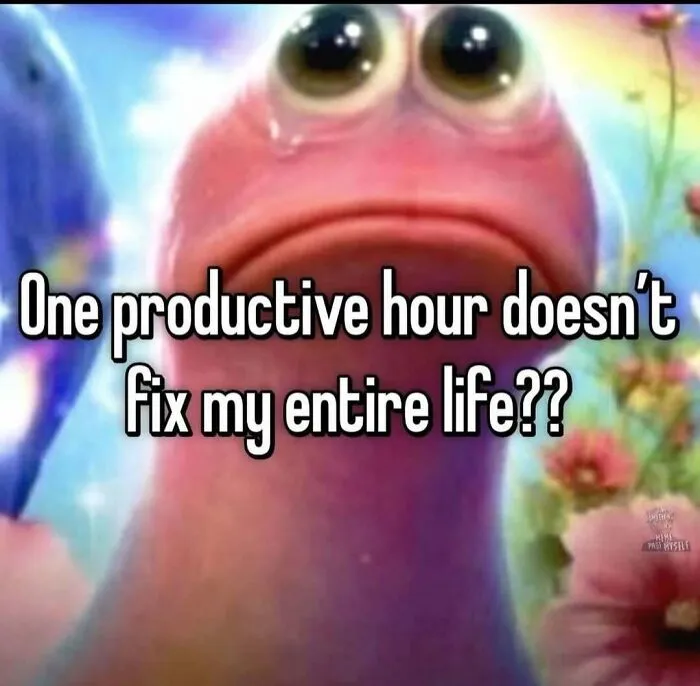
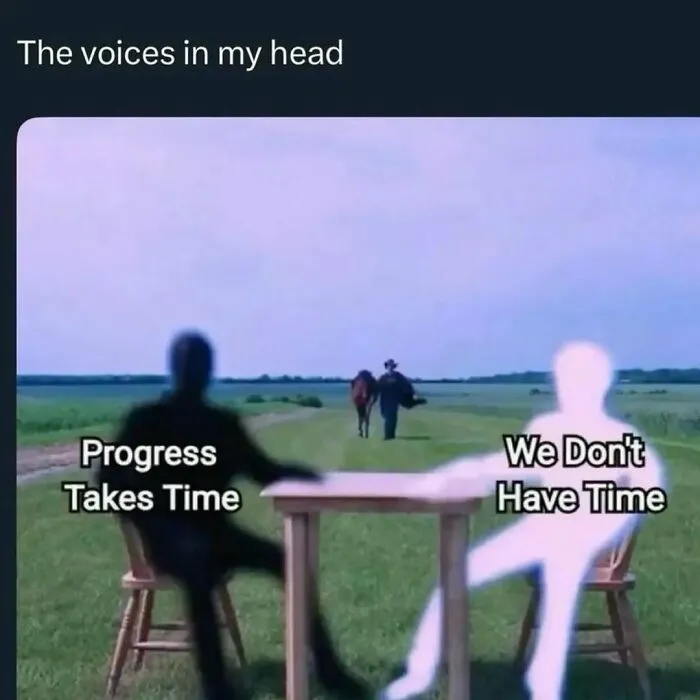
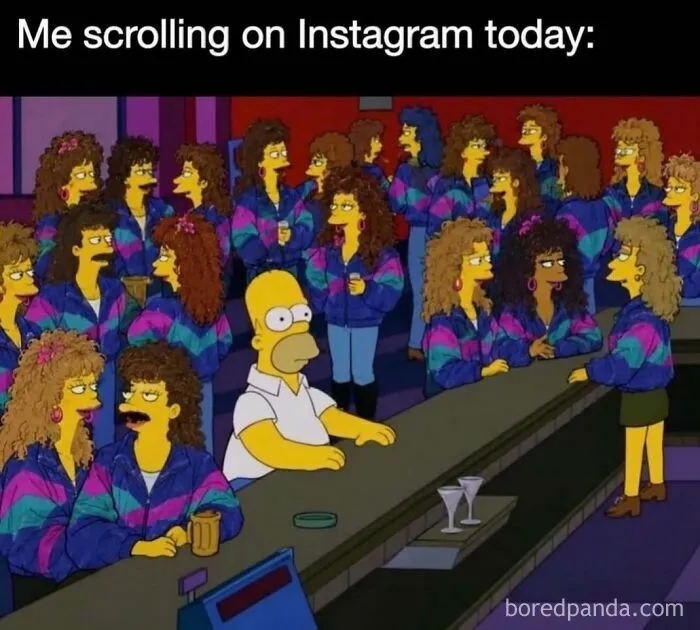
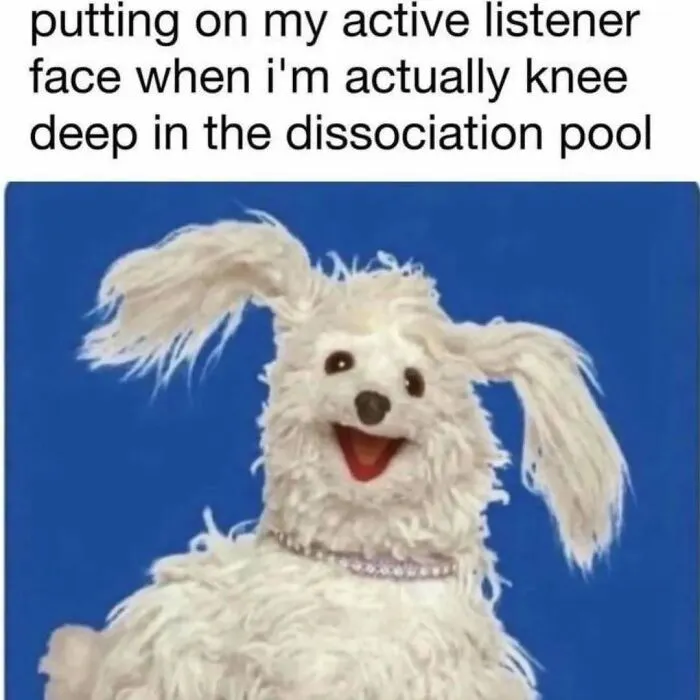
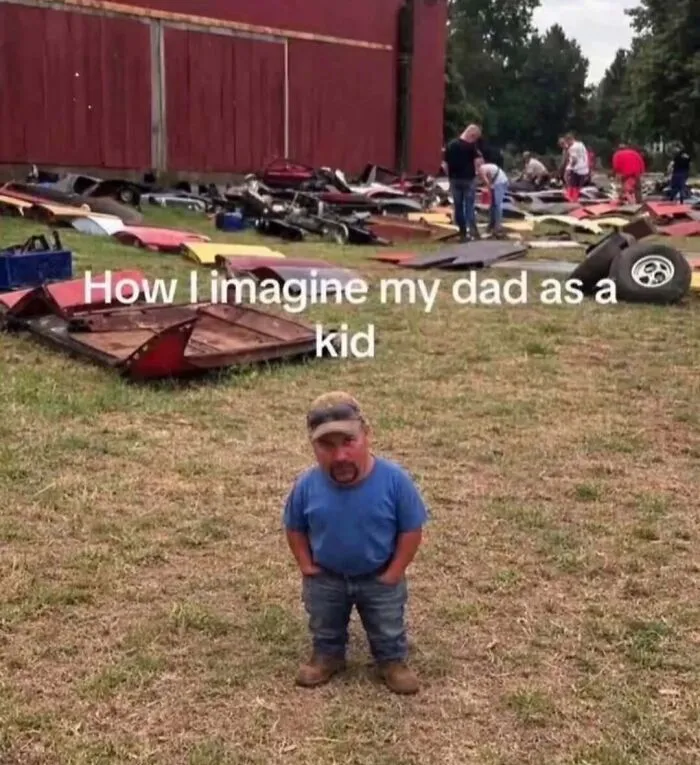
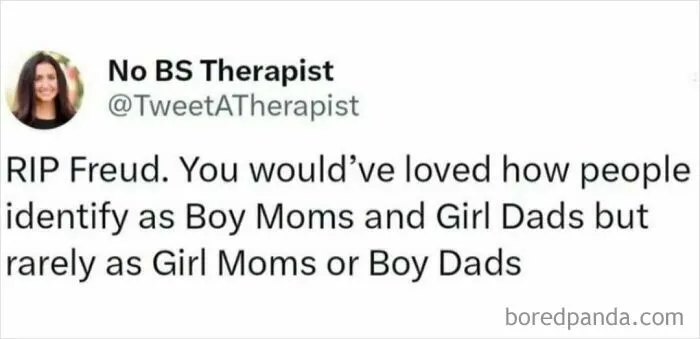
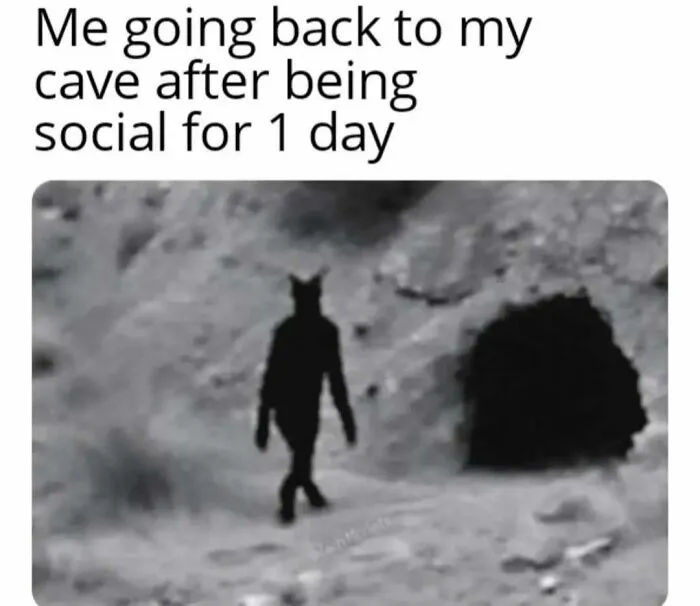
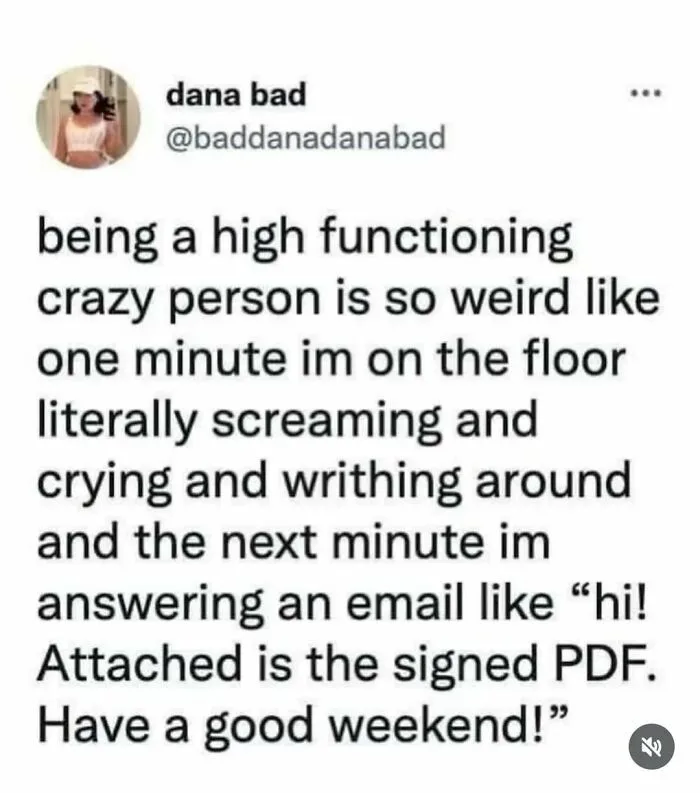
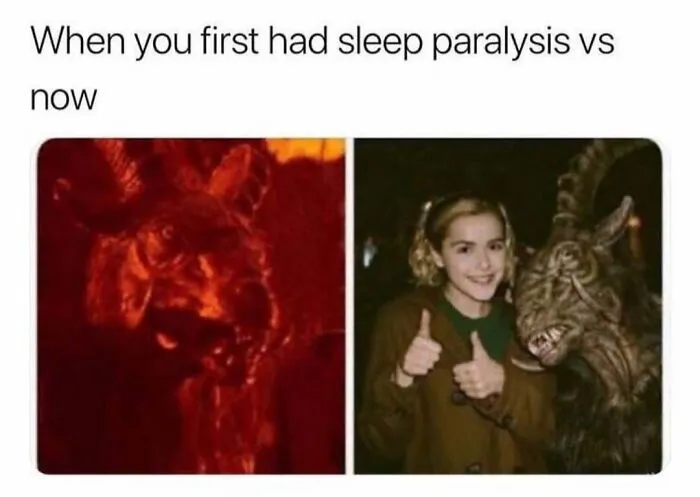
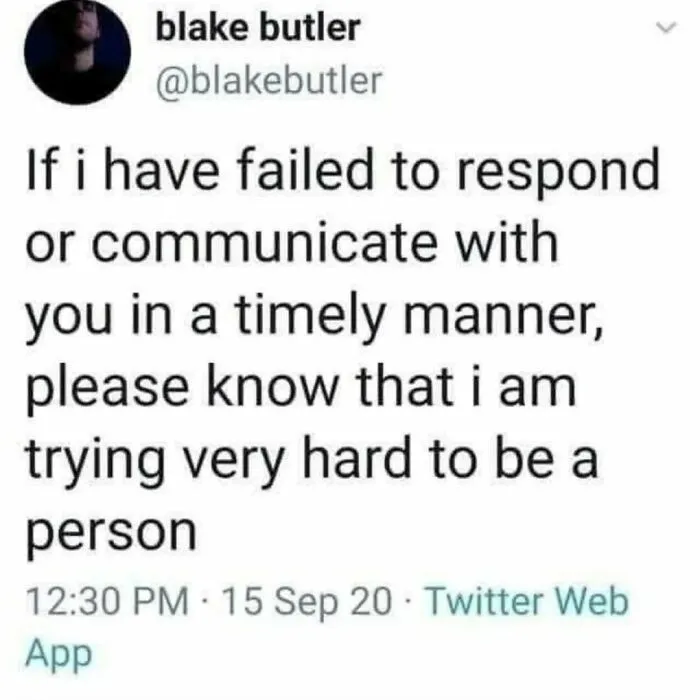
Which brings us neatly back to today's collection. These memes may not look anything like Dawkins' original examples, but they certainly fit the spirit of the idea: they're funny, relatable, wonderfully random, and designed to be shared. Some capture everyday frustrations, some make absolutely no sense, and others are so oddly specific that you can't help wondering who was spying on your life. Keep scrolling, Pandas, and see which ones manage to hit a little too close to home.