

This post may include affiliate links.
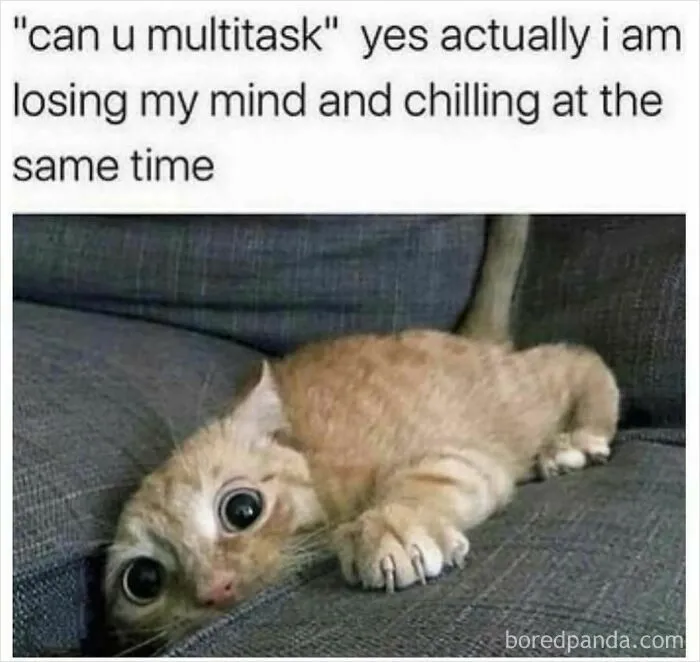
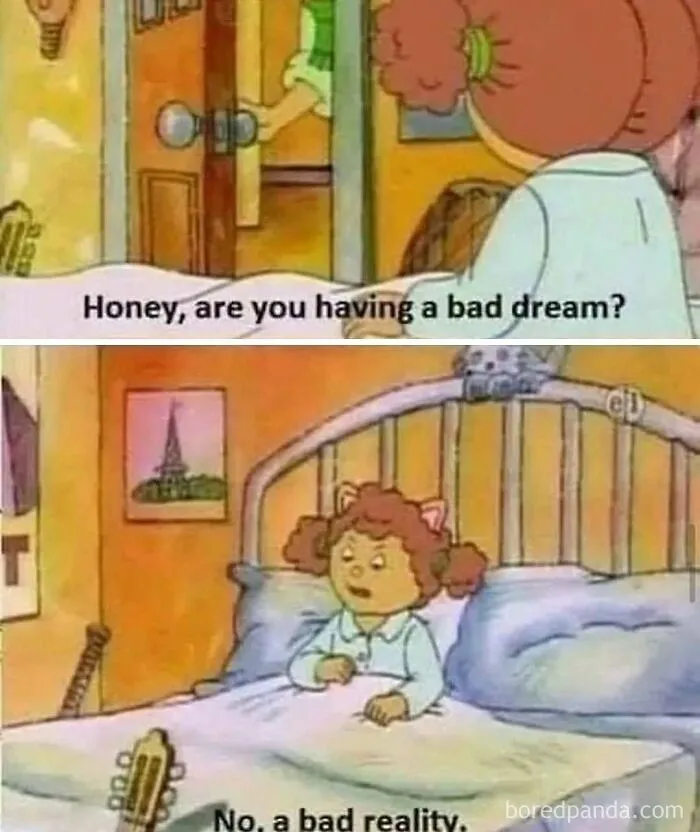
Today, when most of us hear the word “meme,” we probably picture a funny image, a ridiculous video, or a screenshot that somehow perfectly captures a very specific mood. But the story behind the word is much older (and much more interesting) than the internet itself. In 1976, evolutionary biologist Richard Dawkins introduced the term in his book The Selfish Gene.
He was exploring how ideas and cultural behaviors can spread from one person to another in a way that somewhat resembles how genes are passed on. To describe this kind of cultural replication, he borrowed from the Greek word mimeme, meaning “that which is imitated,” and shortened it to “meme.”
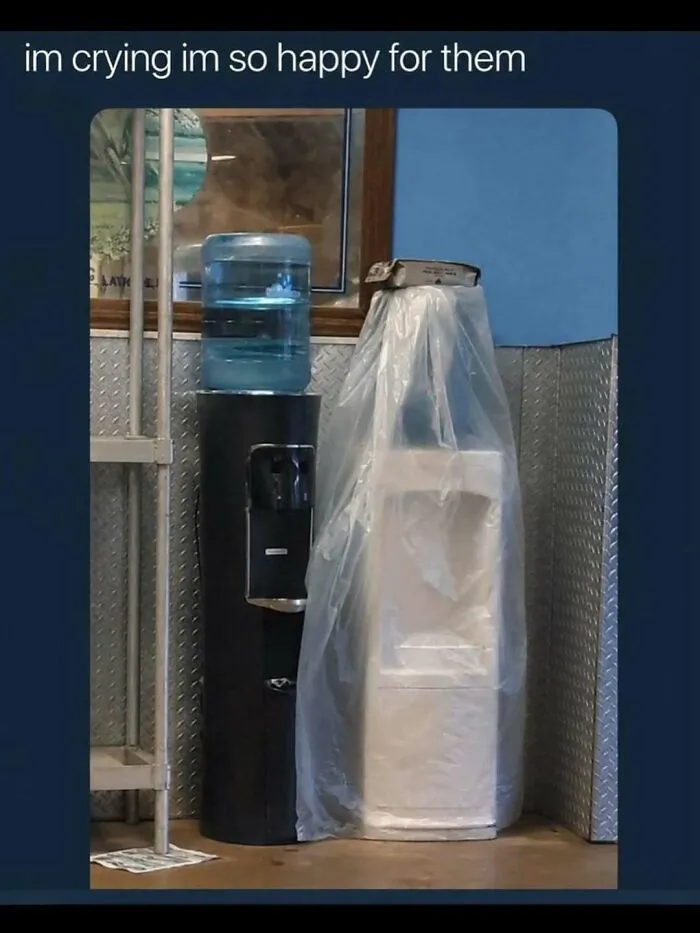
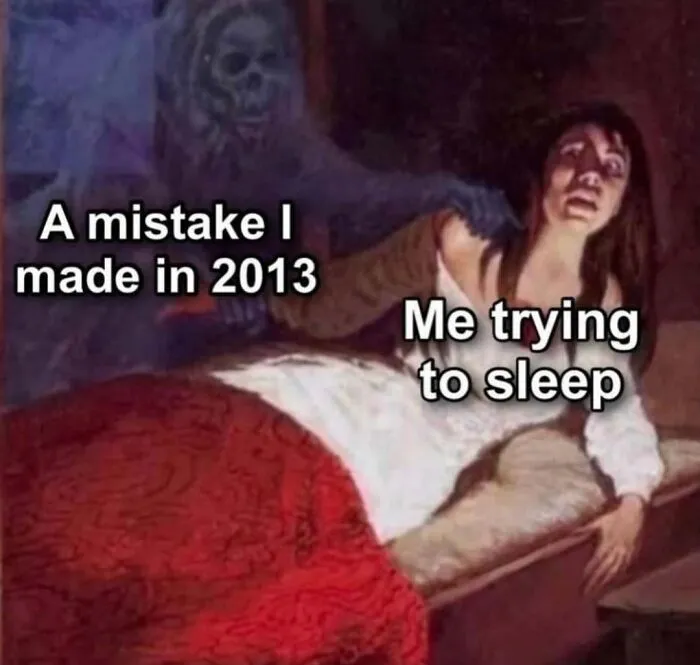
Dawkins' original definition of a meme had absolutely nothing to do with funny pictures on social media. He described memes as units of cultural transmission—essentially, ideas or behaviors that people copy and pass along.
His examples included catchy songs and melodies, popular catchphrases and slang, fashion trends such as flared trousers, religious ideas, and even architectural designs like building arches. So, technically speaking, that tune you can't get out of your head and that phrase everyone suddenly started saying could both qualify as memes.

Long before the internet (and long before anyone had Wi-Fi) people were already spreading ideas, jokes, symbols, and traditions from one person to another. The difference was simply the speed and technology involved. Ancient Romans, for example, left behind the Sator Square, a mysterious word puzzle that has been discovered carved into walls and objects at sites across the Roman Empire. We don't know exactly how people used or shared it, but its appearance in different locations shows how symbols and ideas could travel across communities.


A much more recognizable example came thousands of years later with “Kilroy Was Here,” a doodle and phrase that became associated with American servicemen during World War II. Soldiers would draw it on walls, equipment, and other places as they traveled, leaving the same image behind for others to discover and copy. In a sense, it worked much like a meme: one person encountered it, reproduced it, and helped spread it somewhere else. The technology was completely different from what we have today, but the basic human behavior was remarkably similar—see something, copy it, change it if you like, and pass it along.

The arrival of computers and the internet changed the game completely. Suddenly, an idea didn't have to travel with a person; it could travel across the world almost instantly. In 1982, computer scientist Scott Fahlman suggested using :-) and :-( on online bulletin boards to make it clear when a message was meant as a joke.
It seems incredibly simple now, but those little symbols became an early example of how digital communication could develop its own shared language. Then came chain emails, forwarded jokes, early GIFs, and phenomena such as the Dancing Baby, giving internet users new ways to copy and spread things at astonishing speed.
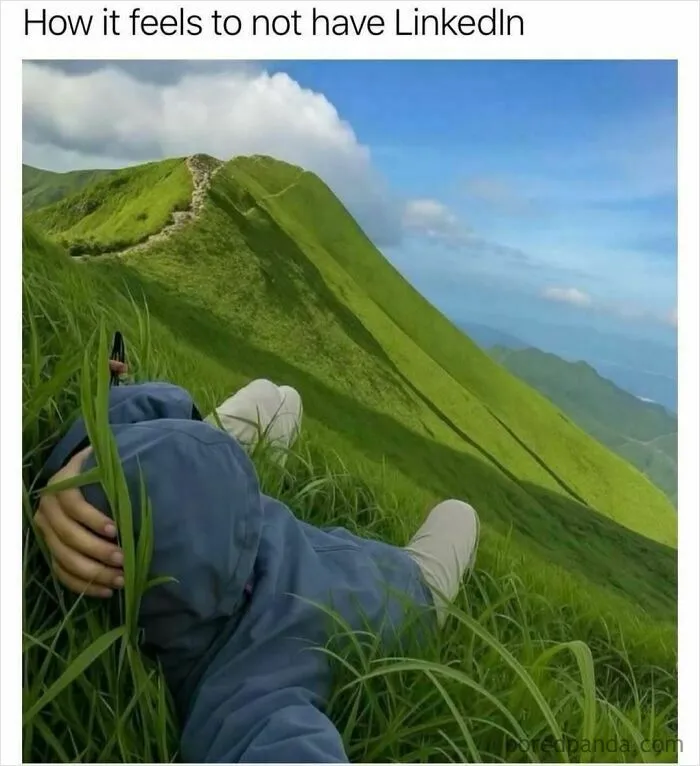
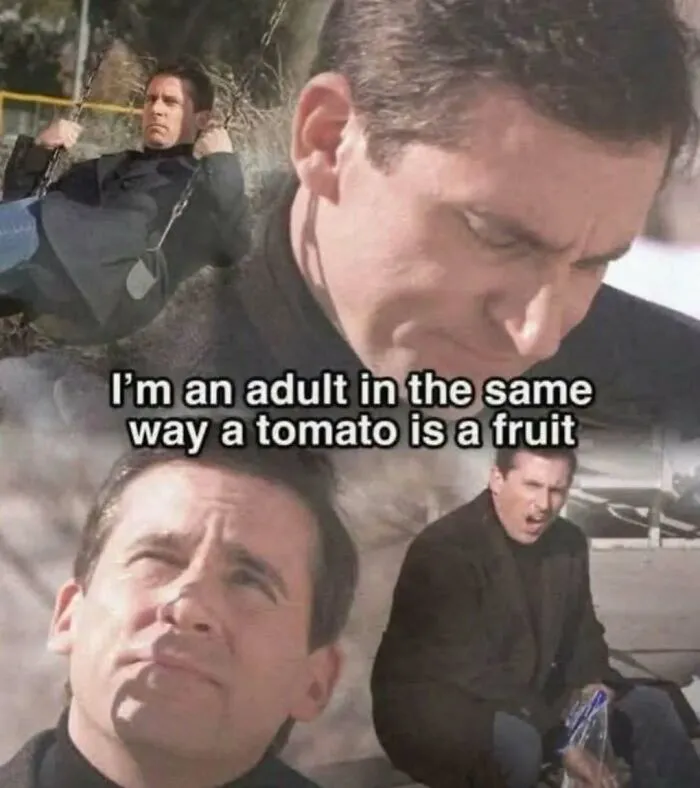
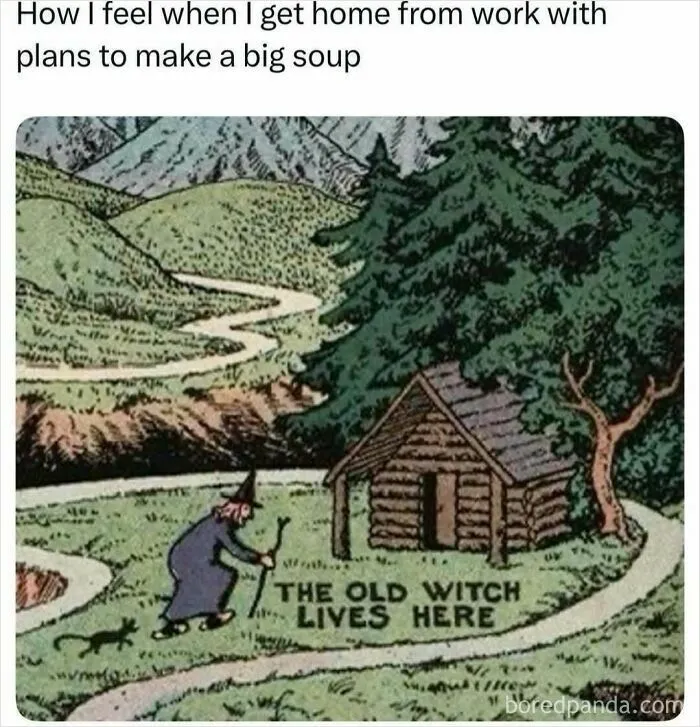
As websites such as Reddit and Facebook grew, memes began taking on a more recognizable format. The classic image macro became an internet staple: a familiar photograph with large, usually white text placed above and below the image. Certain characters became instantly recognizable, too. Bad Luck Brian, Success Kid, and Philosoraptor all developed their own little rules and personalities. If you saw Bad Luck Brian, for instance, you already knew that whatever happened in the meme was probably going to go spectacularly wrong.