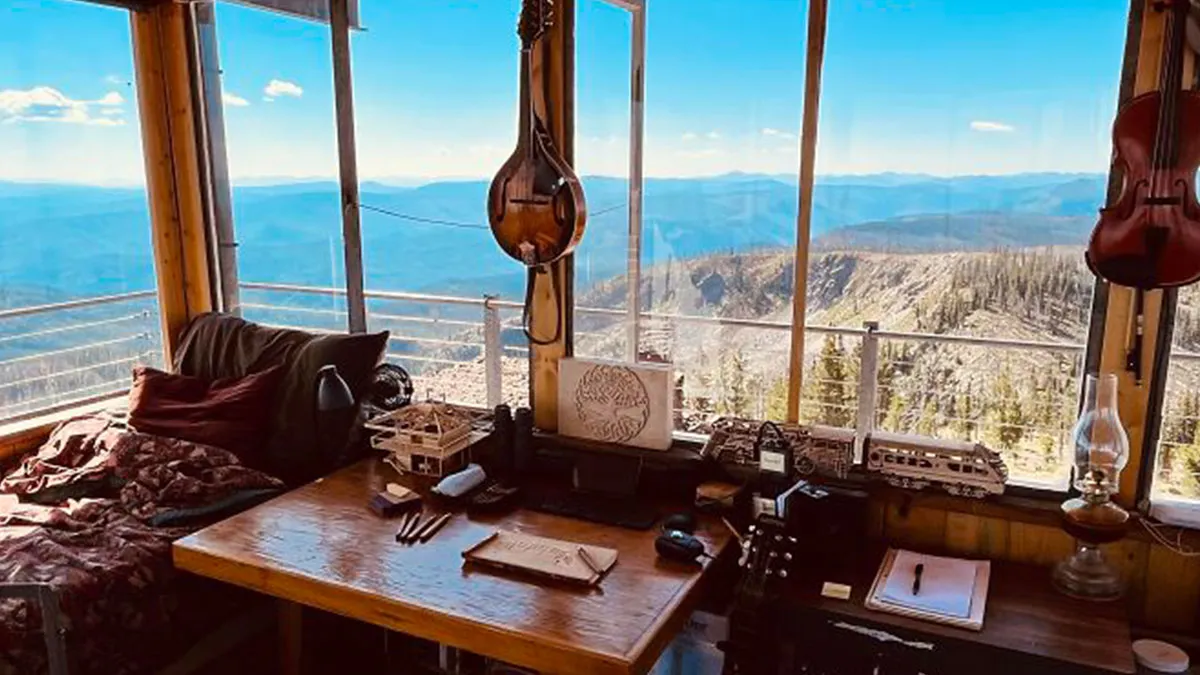



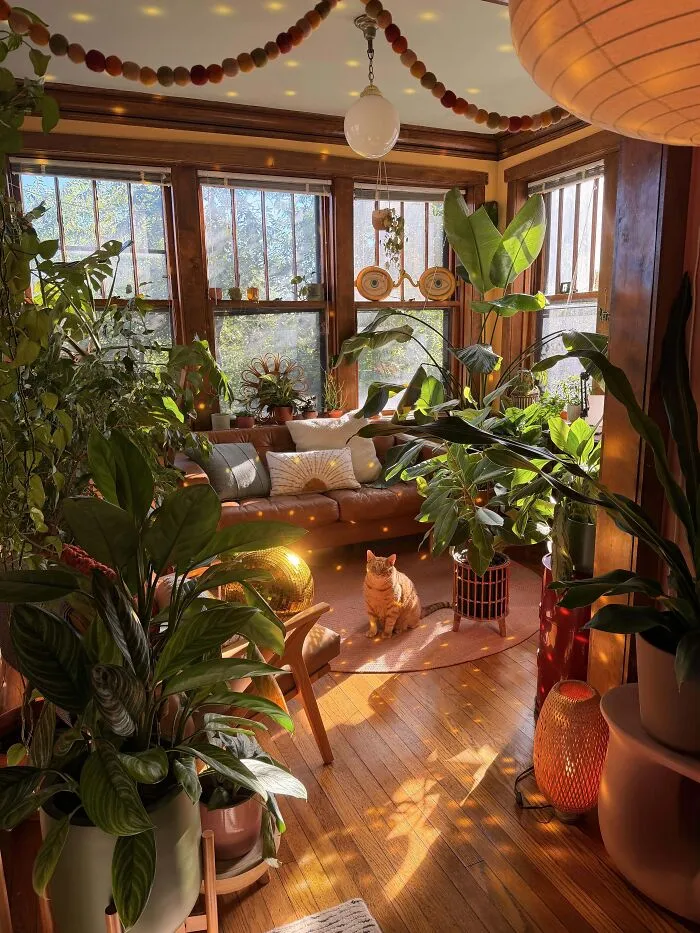
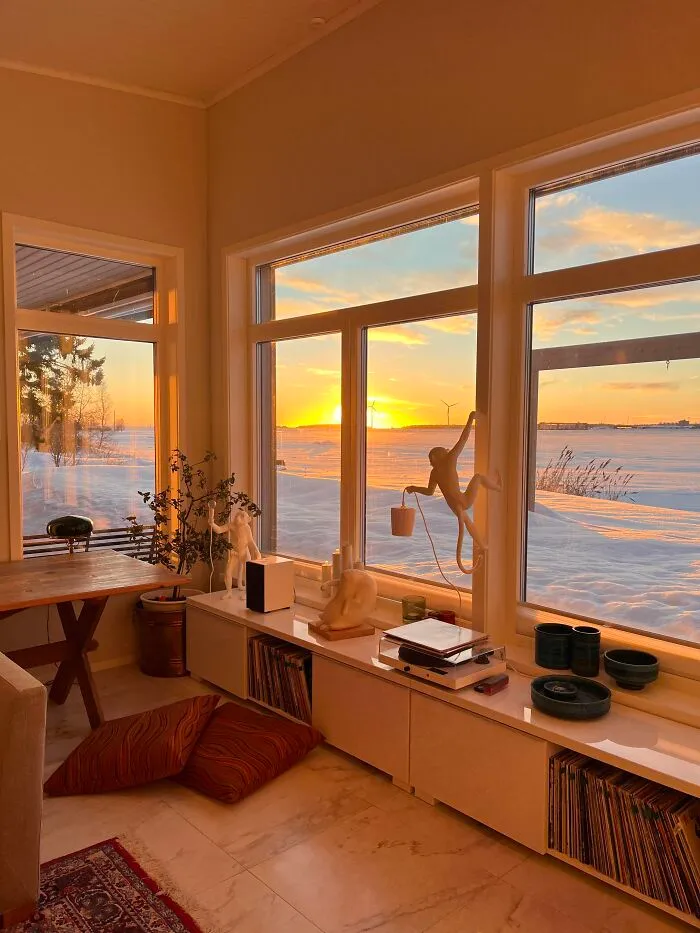

Everyone has their own idea of what makes a place cozy, but there are a few things most of us seem to agree on.
Usually, cozy means having somewhere to settle in without being disturbed, where we feel safe enough to let our guard down. It’s the kind of spot we enjoy being in, even when we have nothing in particular to do.
And there may actually be an evolutionary reason why we’re drawn to such surroundings, one that goes all the way back to how our ancestors lived.
#4 I See Your Violin And Music Studio And Raise You A Lookout/Wood Carving Workshop
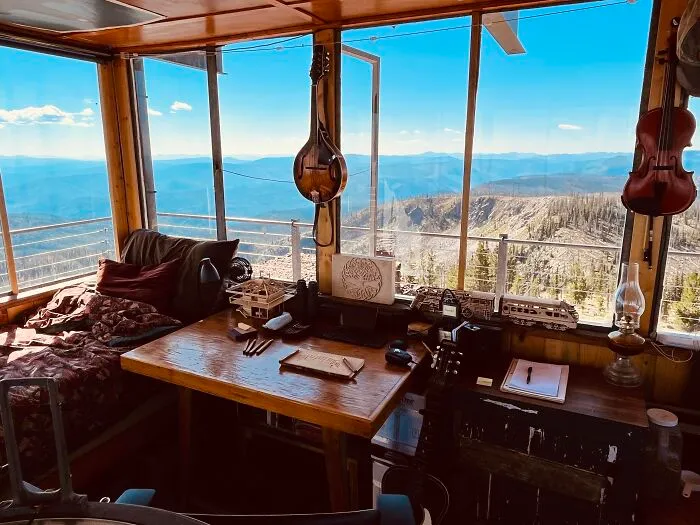


In 1975, British geographer Jay Appleton developed prospect-refuge theory, which suggests that humans may naturally prefer places that offer both shelter and a good view of their surroundings.
For our ancestors, choosing where to rest was an important part of staying safe. An open area made it easier to spot approaching predators, but it also left them exposed.
A sheltered spot with a clear view, such as a cave entrance, could offer the best of both worlds, allowing them to see potential danger without being easily spotted themselves.
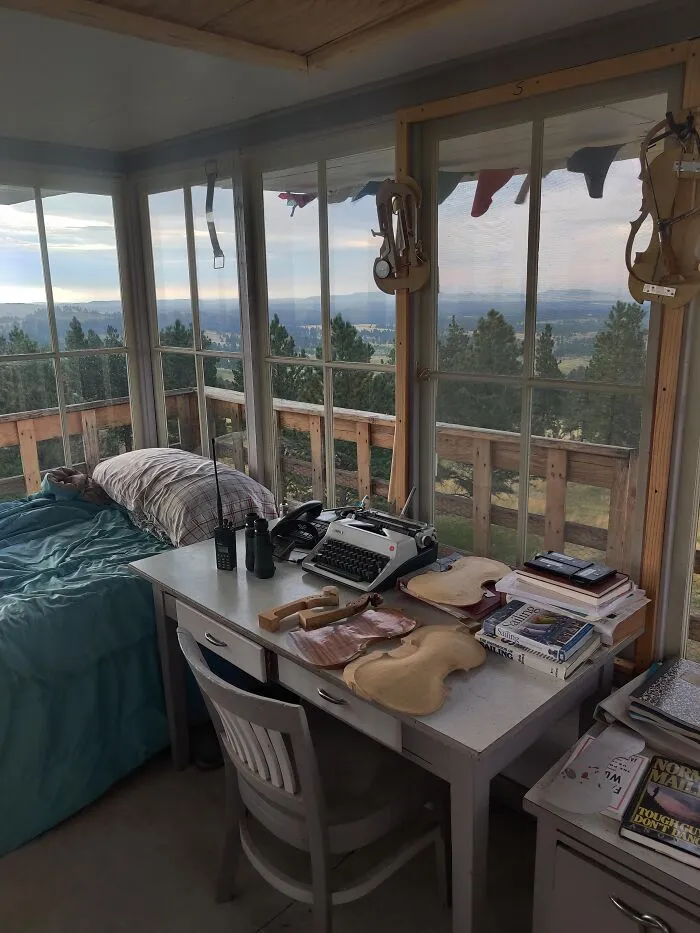
#8 I'm A Fire Lookout And Violin Maker. My Workbench In The Mountains Of Montana

Of course, these days, we don’t really have to worry about predators sneaking up on us while we’re getting our eight hours of sleep or working on our laptops. But some of those old instincts may still be with us.
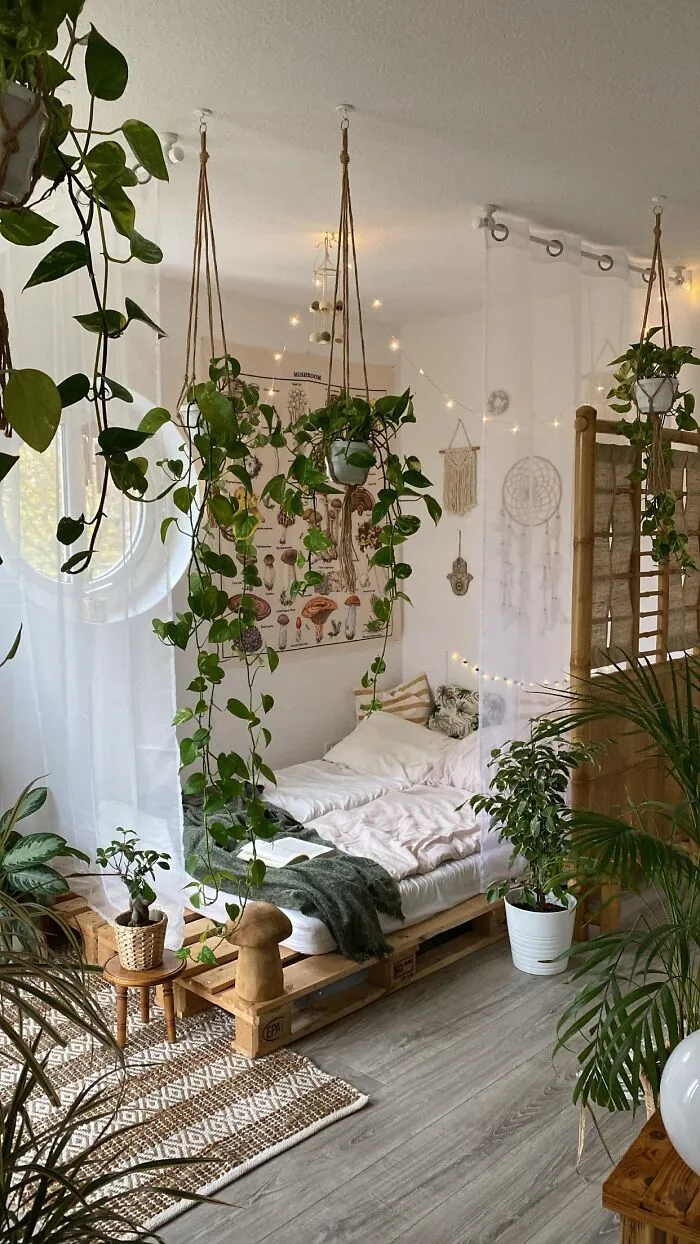
They might help explain why it feels so satisfying to sit by the window on a bus and watch the world go by, or curl up in a little reading nook tucked away in the corner of a room.
Both offer that pleasant feeling of being sheltered while still having a view of what’s happening around us.
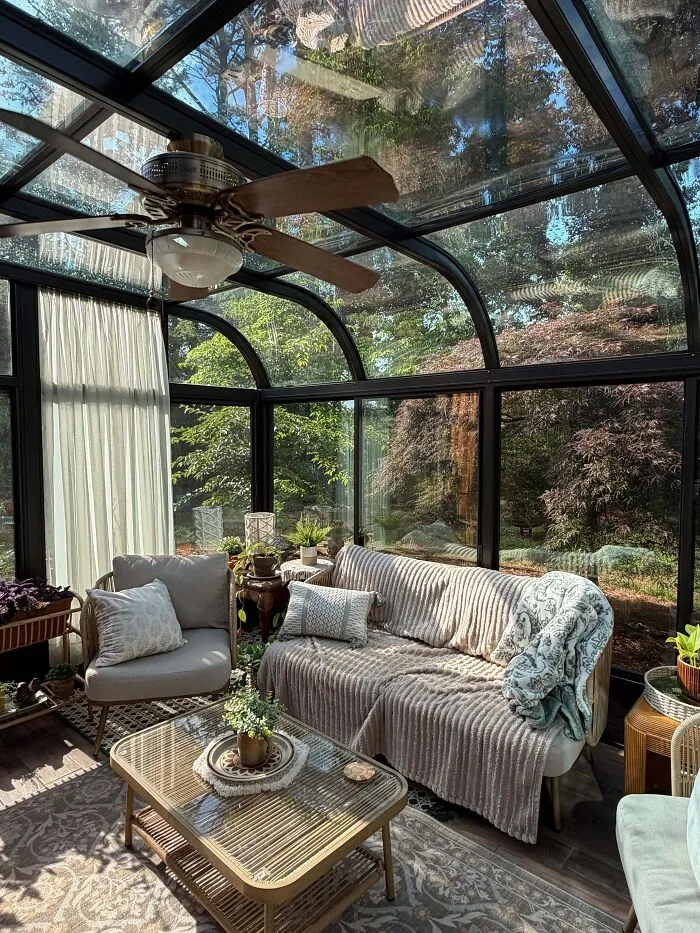

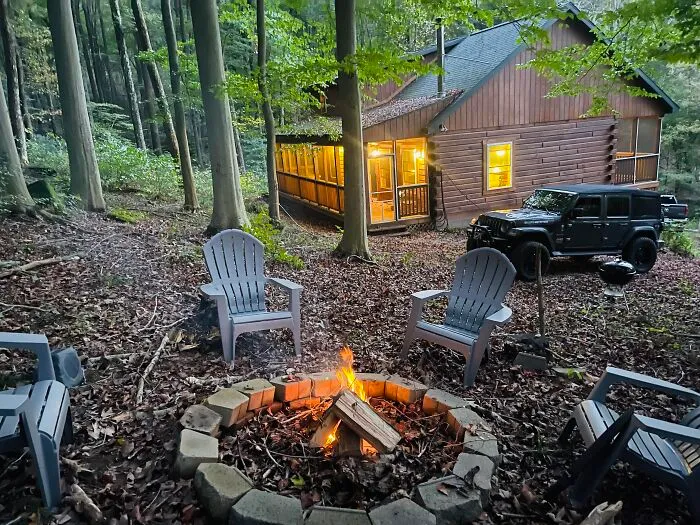
#12 We Made A Lifelong Dream Come True Last Week And Bought A Cabin In The Woods
Thankfully, we now have plenty more ways to make ourselves comfortable, and we’re free to experiment with whatever makes us happy. Different cultures have also developed their own traditions around enjoying a warm and welcoming atmosphere.
In Denmark, for example, there’s a whole concept dedicated to it called hygge. It’s such an important part of Danish culture that the word has become popular around the world.
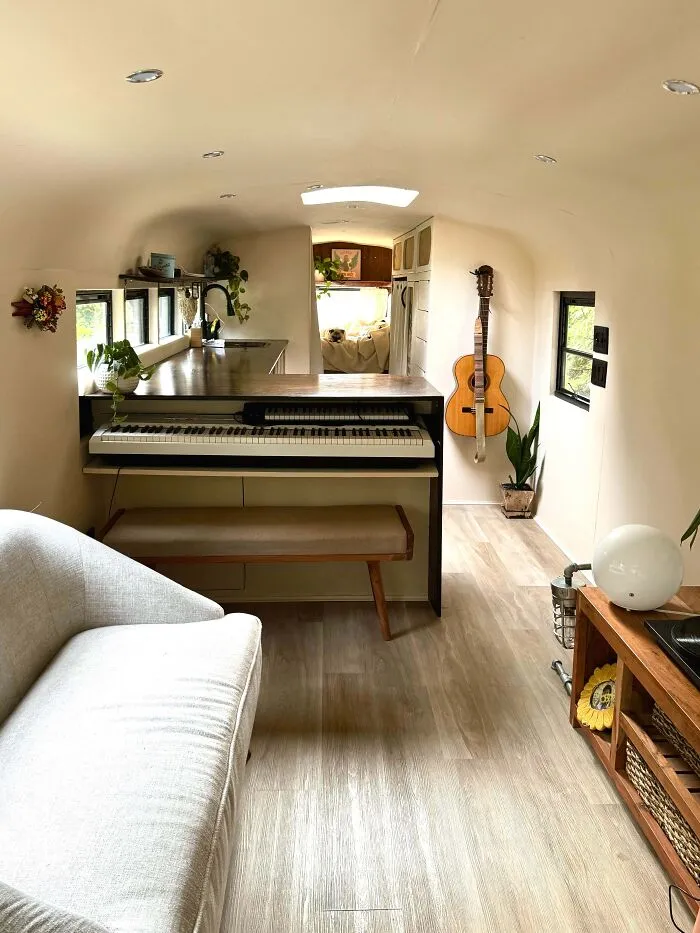
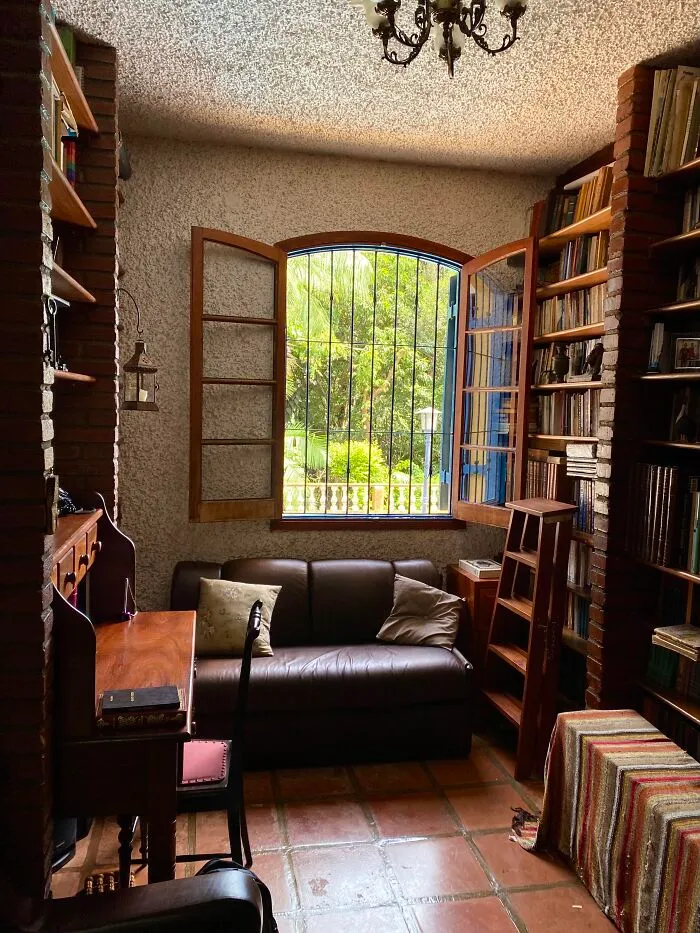
#14 My Late Grandfather’s Personal Library/ Study And My Favorite Place In The World

Hygge is all about taking time away from the daily rush to enjoy life’s simple pleasures.
That might mean having a relaxed dinner with friends or spending a peaceful evening at home. Candles are particularly popular for creating the right atmosphere, especially during the country’s long, dark winters.
But hygge isn’t limited to cold weather, as Danes also enjoy it during summer picnics and outdoor gatherings. And perhaps the nicest thing about the idea is that you don’t need anything expensive to take part.

Meanwhile, in Japan, there’s a philosophy called wabi-sabi, which is all about finding harmony in imperfection. Wabi refers to simplicity and natural beauty, while sabi means appreciating the charm that comes with age and wear.
Together, they teach us that nothing lasts, nothing is finished, and nothing is perfect. Although the idea applies to many aspects of life, it can also influence how we think about our homes and the things we surround ourselves with.