

For example, a handmade bowl with an uneven shape might look like a mistake to some, but through the lens of wabi-sabi, its irregularities make it one of a kind. A wooden table covered in scratches tells the story of years of use and all the meals enjoyed around it.
Even a birthday bouquet that’s starting to wilt after a week can be appreciated for what it represents: a lovely gesture from someone who cares, made all the more special because the flowers won’t last forever.


There’s a lovely story that illustrates this idea in The Book of Tea, written by Kakuzō Okakura in 1906. It tells of the famous Japanese tea master Sen no Rikyū, who asked his son to clean a garden path.
The young man carefully swept the path and washed the stones, repeating the task several times until everything looked spotless. But no matter how hard he tried, his father was never satisfied.
Finally, Rikyū stepped into the garden and shook a tree, scattering colorful autumn leaves across the freshly cleaned ground. To him, a little natural imperfection made the garden even more beautiful.
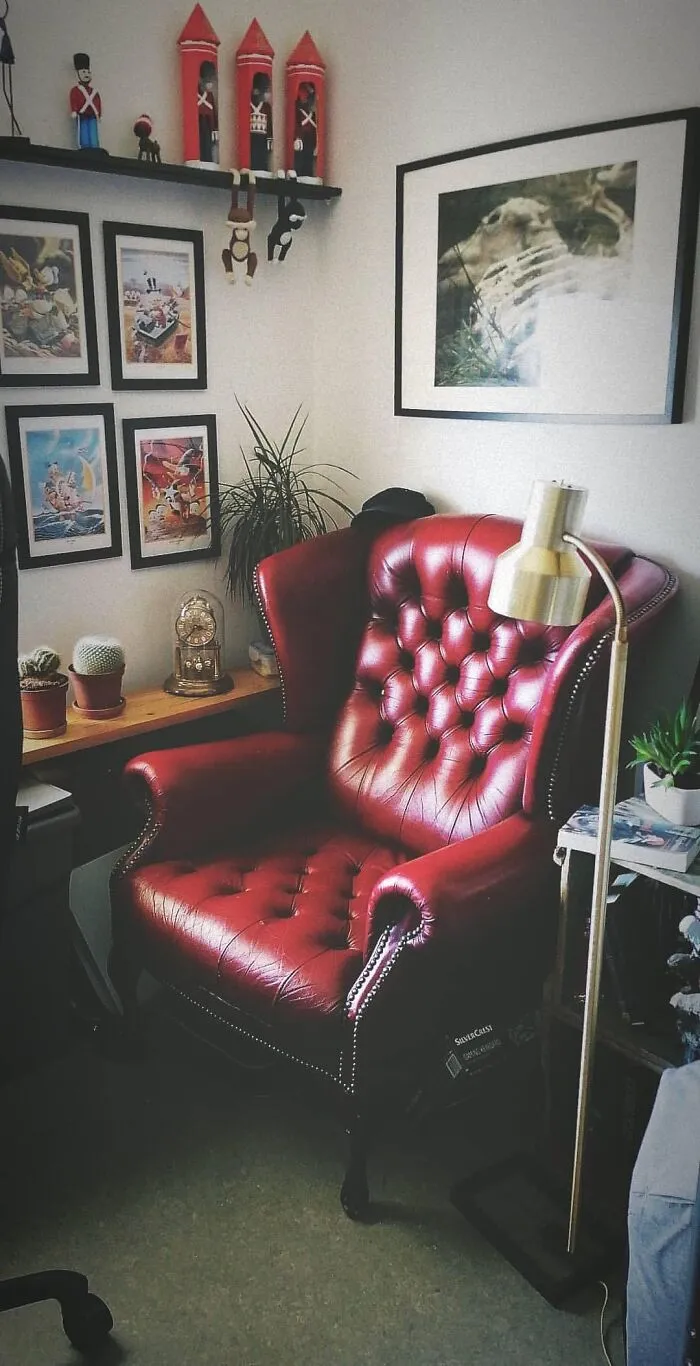
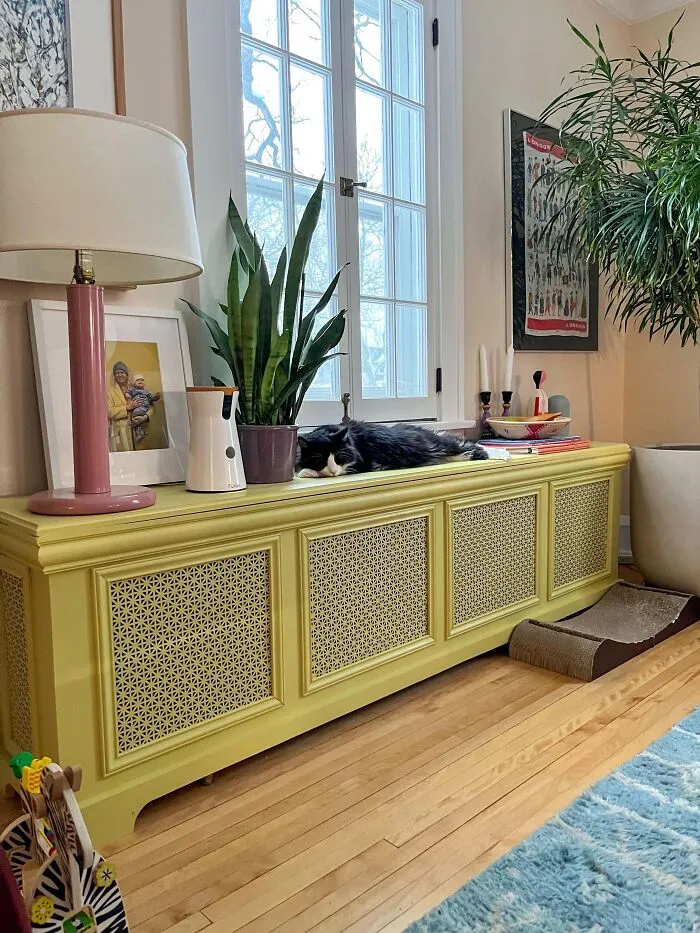
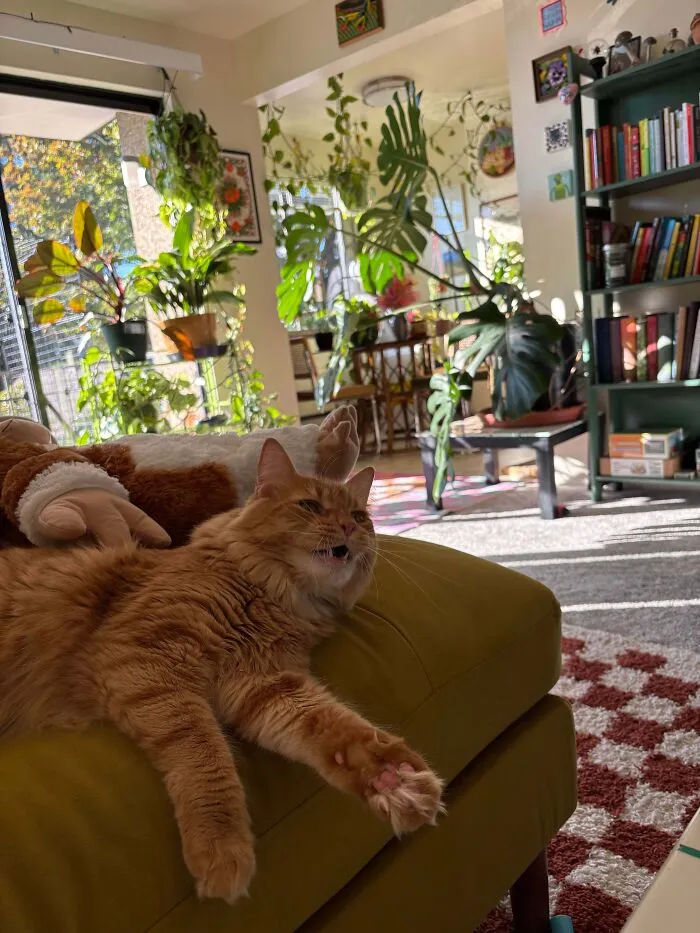
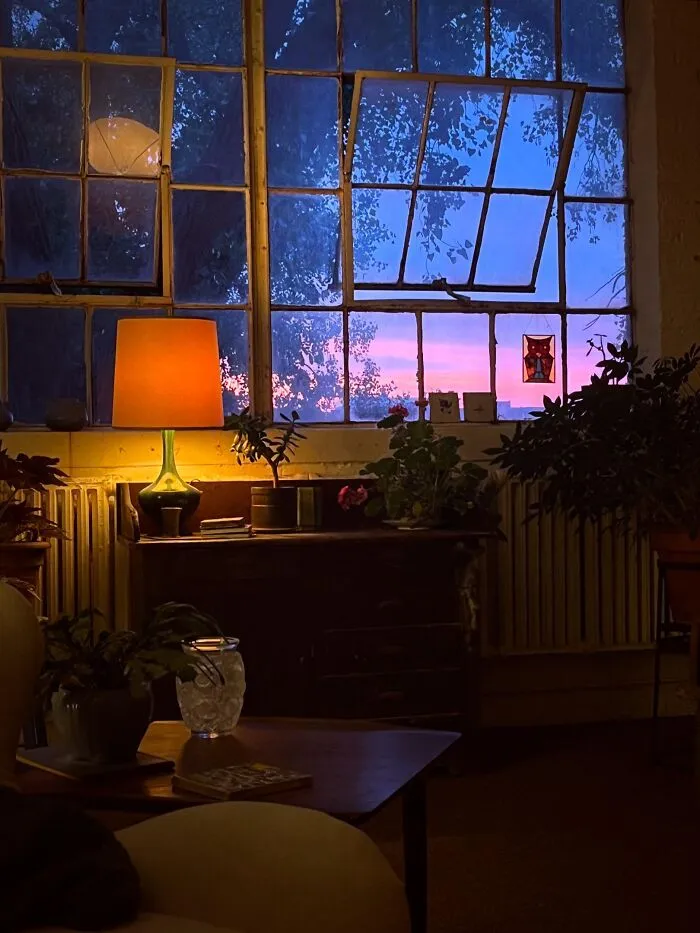
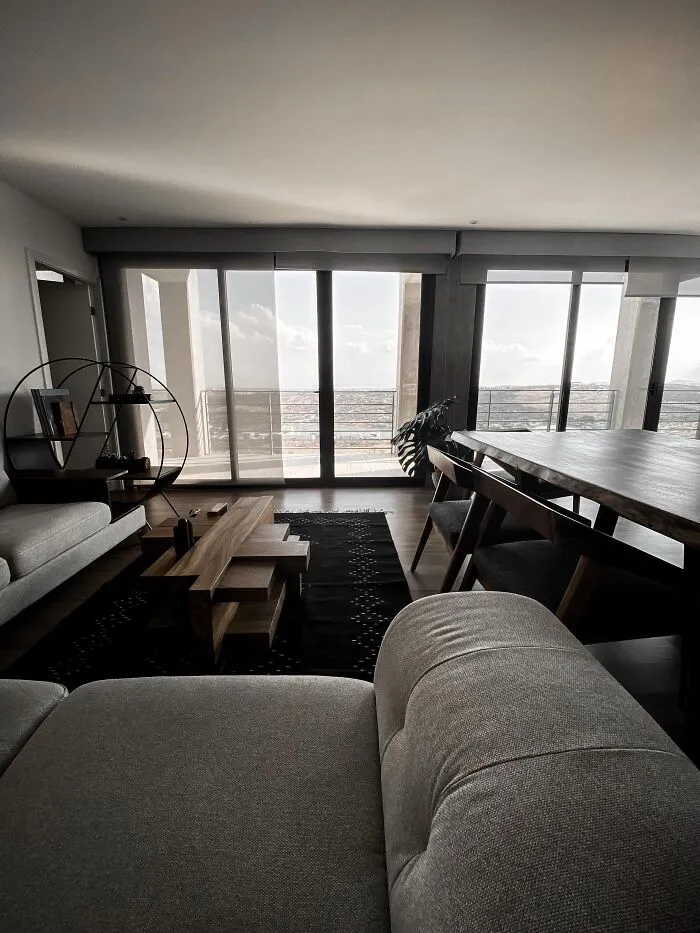
And perhaps that’s a nice lesson to take away when thinking about our own cozy spaces. They don’t have to look like something from an interior design magazine or be perfectly clean and spotless to be a pleasure to spend time in. The furniture can be mismatched, and a favorite old armchair might have seen better days.
What matters is that you enjoy being there, whether it’s because of the atmosphere you’ve created or the memories you’ve made.




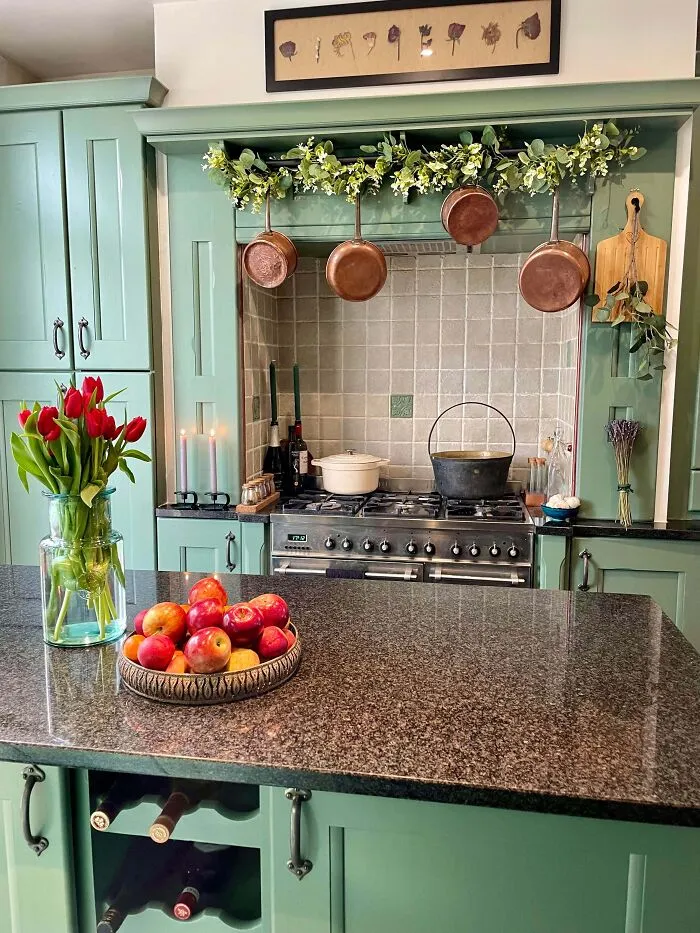

#35 Hung These Candles For Halloween, But I Am Definitely Never Taking Them Down

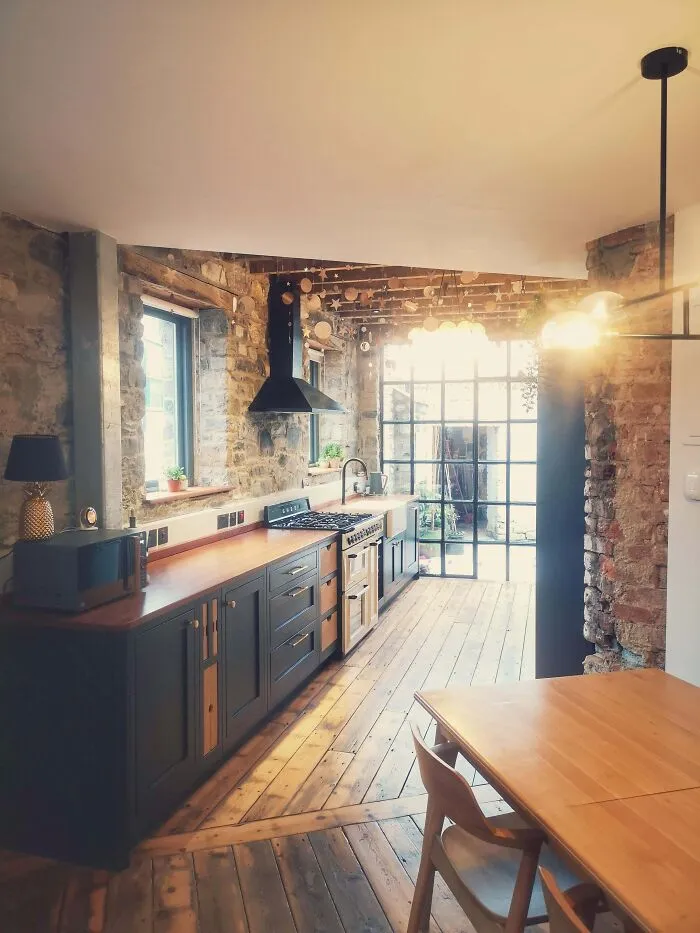
#37 2 Years And A Lot Of Salvaged Materials Later We Are Done With Our Kitchen