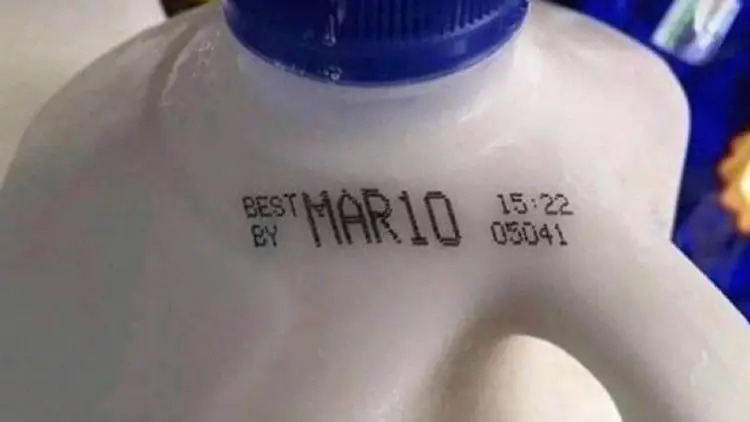



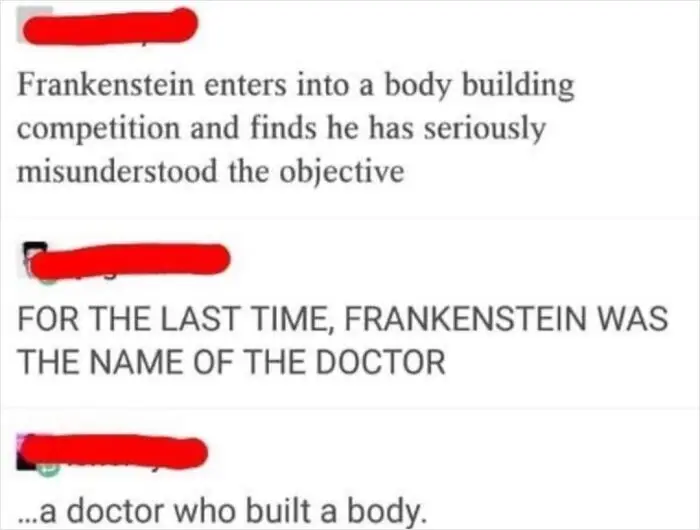

Understanding a joke actually involves a bit of brainwork. Researchers used brain scans to study how people process humor and found that the brain has to recognize something unexpected in a joke and work out its intended meaning.
This process involves several areas associated with language and understanding meaning, which help us connect the punchline to the rest of what was said. So, even a short joke can require a little mental gymnastics.



Sarcasm can be very tricky because people don't always mean what their words literally say. Someone might say, "Well, that went wonderfully," after dropping their phone into a puddle. The sentence sounds positive, but the situation tells a completely different story.
To understand the real meaning, listeners have to connect what was said with what's happening around them. A study examined how people recognize spoken sarcasm and found that both surrounding context and the speaker's tone help listeners determine whether a comment is sincere or sarcastic. Without those clues, a sarcastic remark can sound like a very strange compliment.

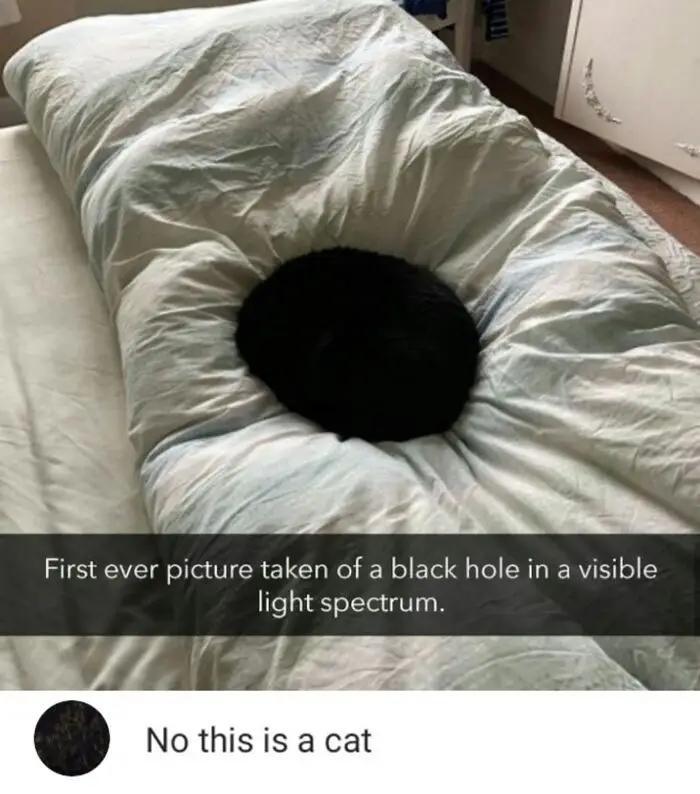

Social cues make a big difference in understanding and processing jokes. A raised eyebrow, a playful smile, or an exaggerated voice can signal that a comment isn't meant to be taken literally. A study found that people rely on different kinds of information when interpreting nonliteral language, including social conventions and changes in tone.
These cues help listeners recognize when someone is being ironic or communicating something beyond the literal meaning of their words. This also explains why a joke delivered with a completely straight face can be harder to understand. Sometimes, the speaker thinks their playful intention is obvious, while the listener is left trying to work out what they actually mean.
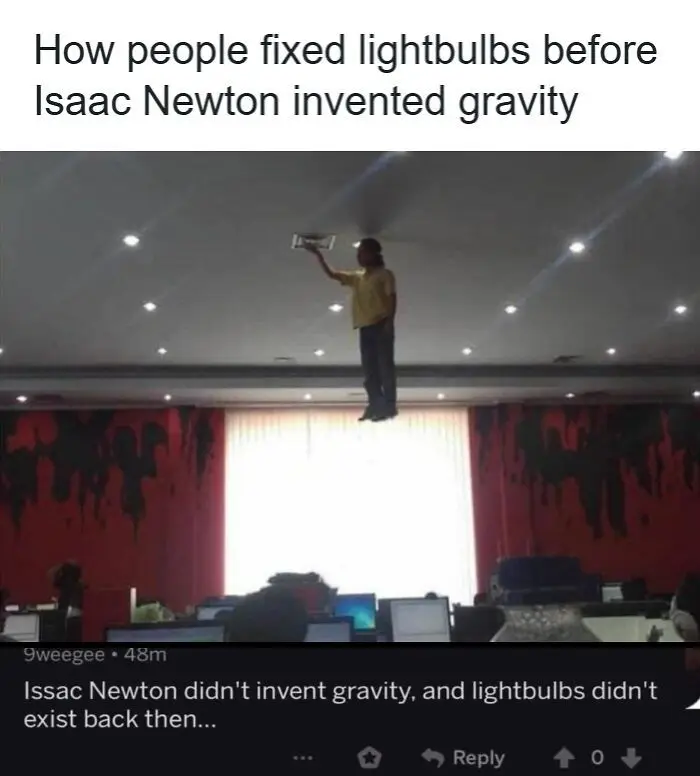


A joke might fall flat because the listener doesn't have the background information needed to understand it. Some jokes rely on knowing a particular movie, following a celebrity scandal, or remembering something that happened earlier in a conversation.
A 2024 paper explains that understanding a joke often depends on connecting its punchline to background knowledge and contextual clues. If everyone else knows the reference except you, their laughter can feel like an invitation to a party you weren't told about.



Language and culture can create their own comedy barriers. A phrase that sounds playful in one place might come across as confusing or even rude somewhere else. People grow up with different expressions, references, and styles of teasing, so they don't always interpret humor in the same way.
A study on cultural differences in humor found that people's attitudes toward humor and how they use it can vary across cultures. So, if someone doesn't laugh at a joke that has everyone else in stitches, they might not be missing a sense of humor. They could just be missing the cultural reference.
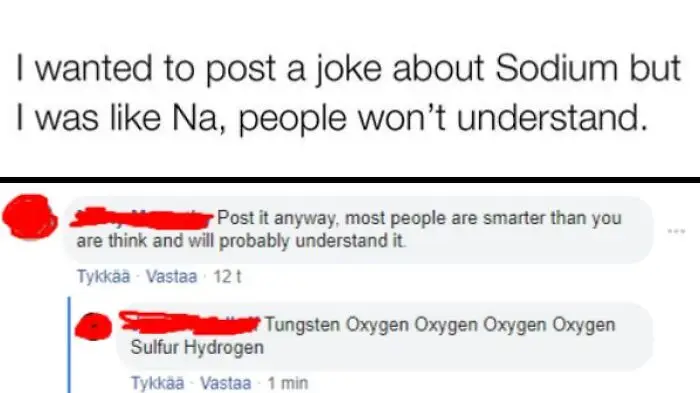

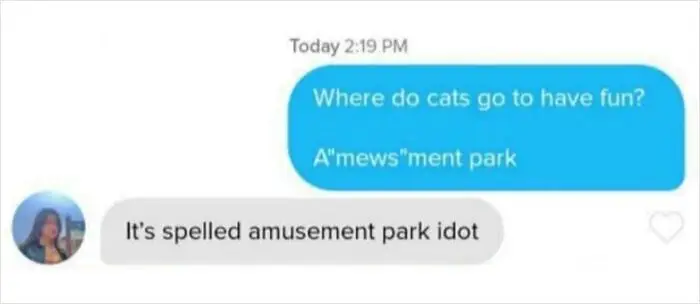
Understanding a joke means figuring out what the other person is trying to communicate. When a friend says, "You're a real genius," after you accidentally lock yourself out of your house, they're probably not giving you a glowing review of your intelligence. They're teasing you about what just happened.
Often, listeners have to look beyond the words and consider the context of what the person is trying to say. Otherwise, a playful remark can turn into a very confusing exchange.