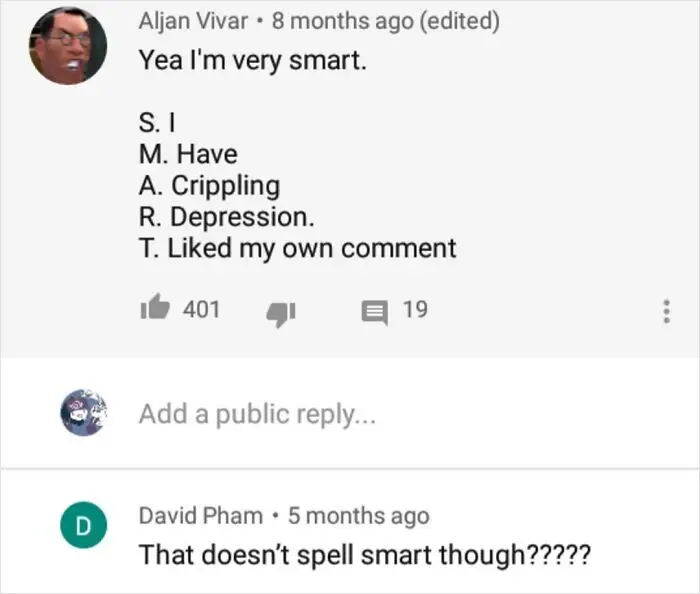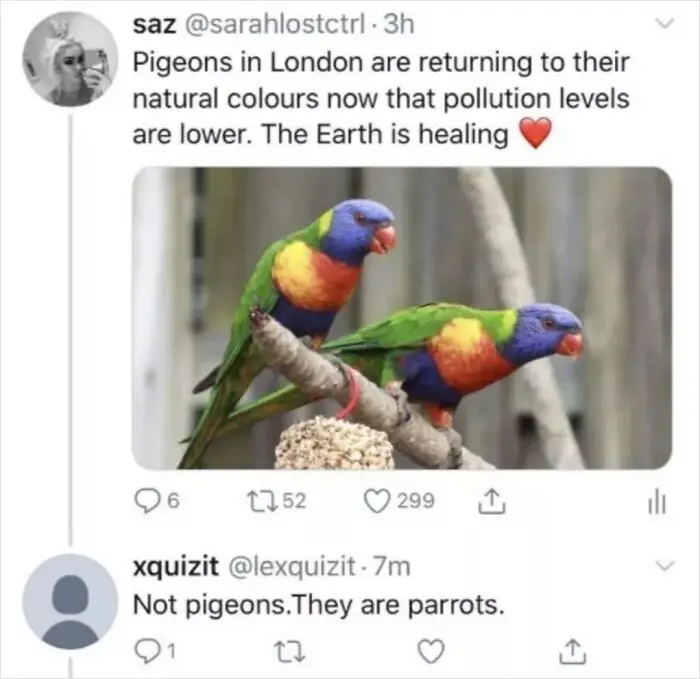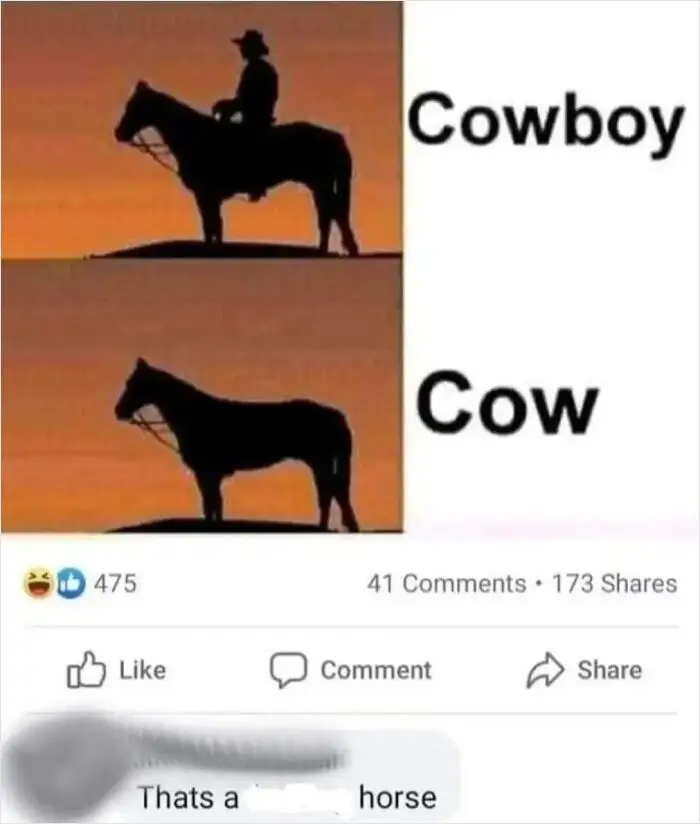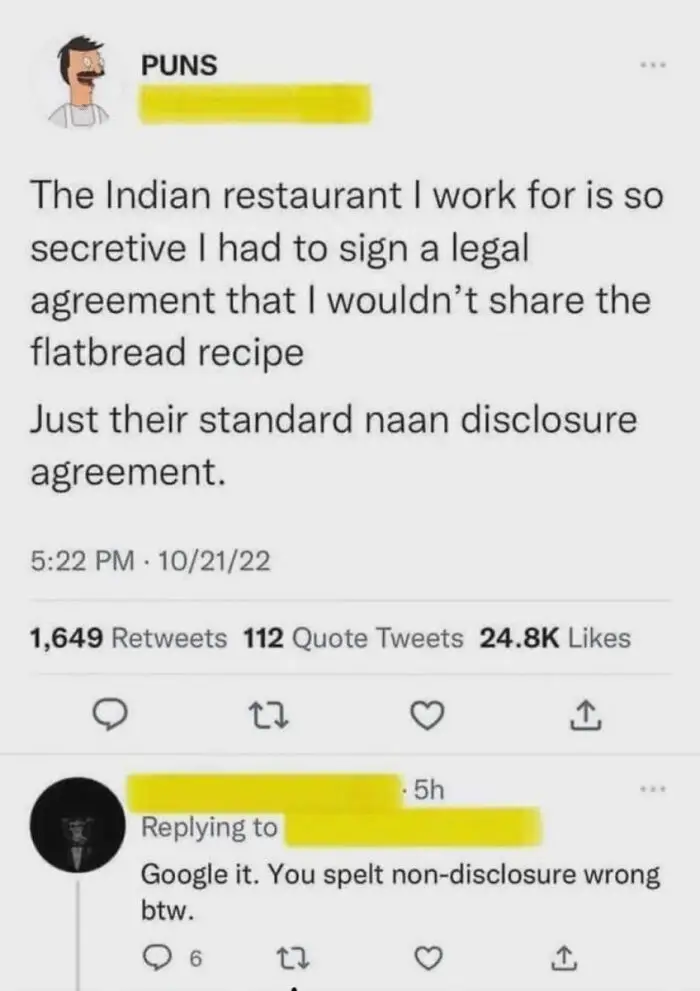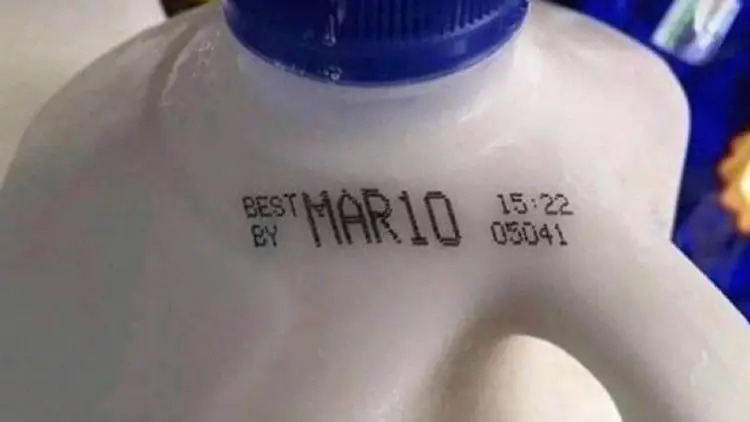



Some jokes make people laugh while others leave them feeling uncomfortable. Humor often works by playing with something normally considered inappropriate, unexpected, or out of the ordinary.
Psychologists call this the benign violation theory: something can be funny when it breaks a social rule but still feels harmless enough to laugh about.
A study published in Psychological Science found that people were more likely to find a violation amusing when they could also see it as harmless. This might explain why teasing between close friends might be hilarious, while the same comment from a stranger could feel insulting.
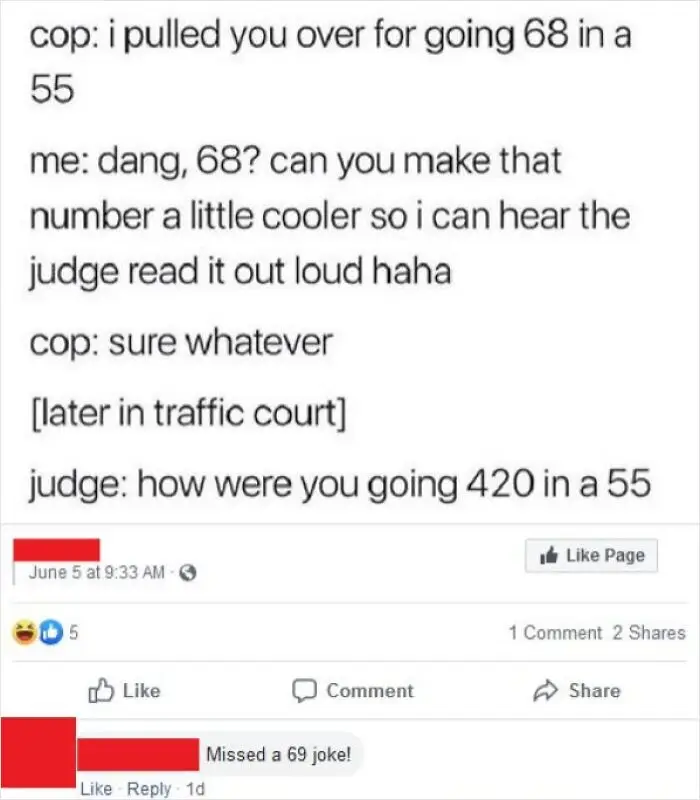


People also have different tastes in humor. I, for example, love a good pun or clever wordplay, while someone else might prefer dry sarcasm or silly jokes. So, even when people understand exactly what a joke means, they might not find it funny.
Maybe the punchline is too predictable, the wordplay doesn't appeal to them, or that particular style of humor isn't their thing. So, not laughing at a joke doesn't automatically mean someone has no sense of humor. They might just have a very different idea of what's funny.

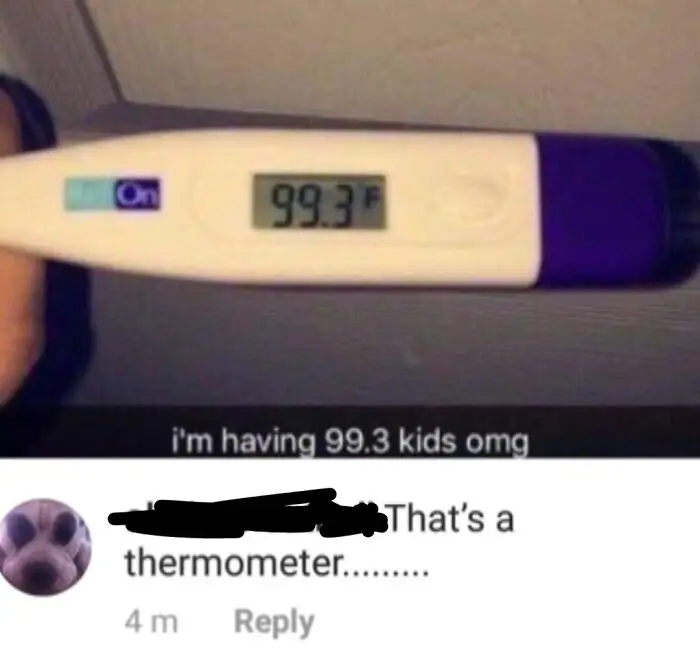
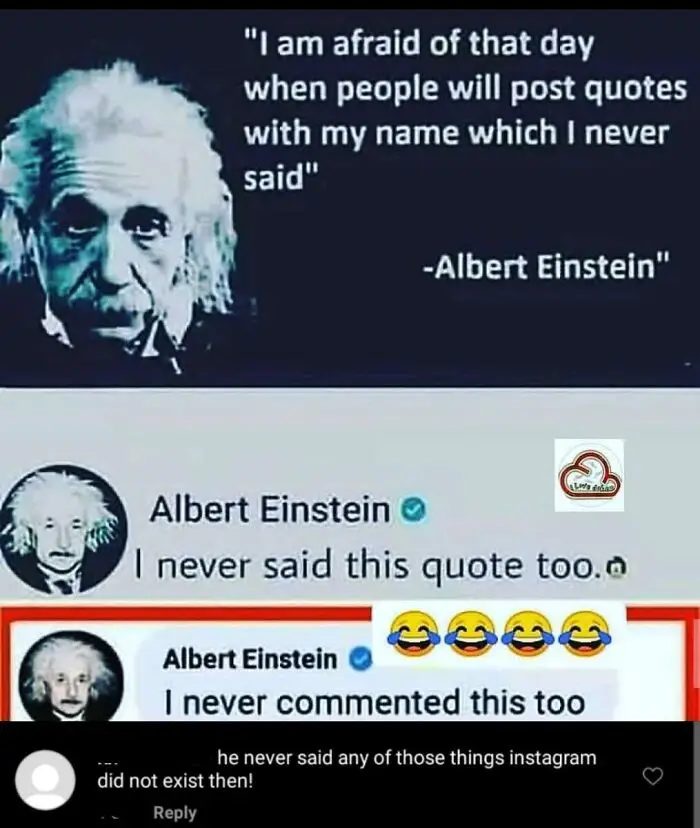
While it's easy to get frustrated when someone doesn't understand a joke, it's worth remembering that humor doesn't hit the same way for everyone. Sometimes the listener misses the context, sometimes the delivery doesn't help, and sometimes the joke just isn't funny to them.
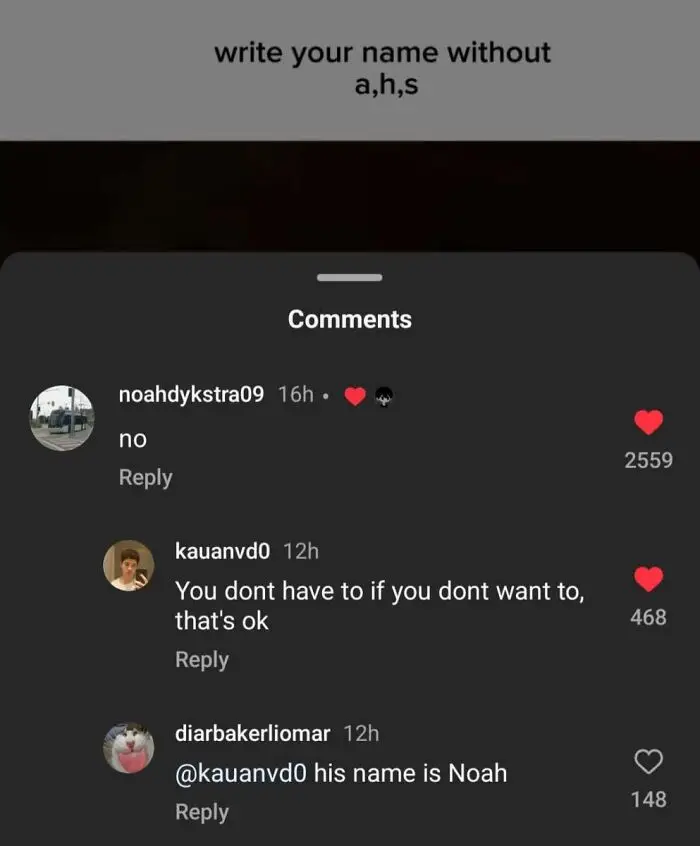
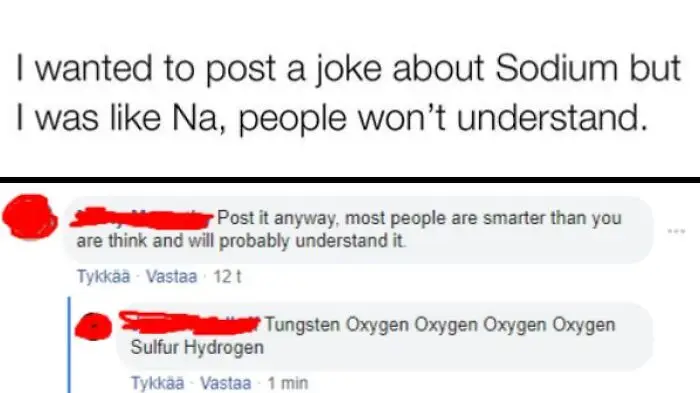
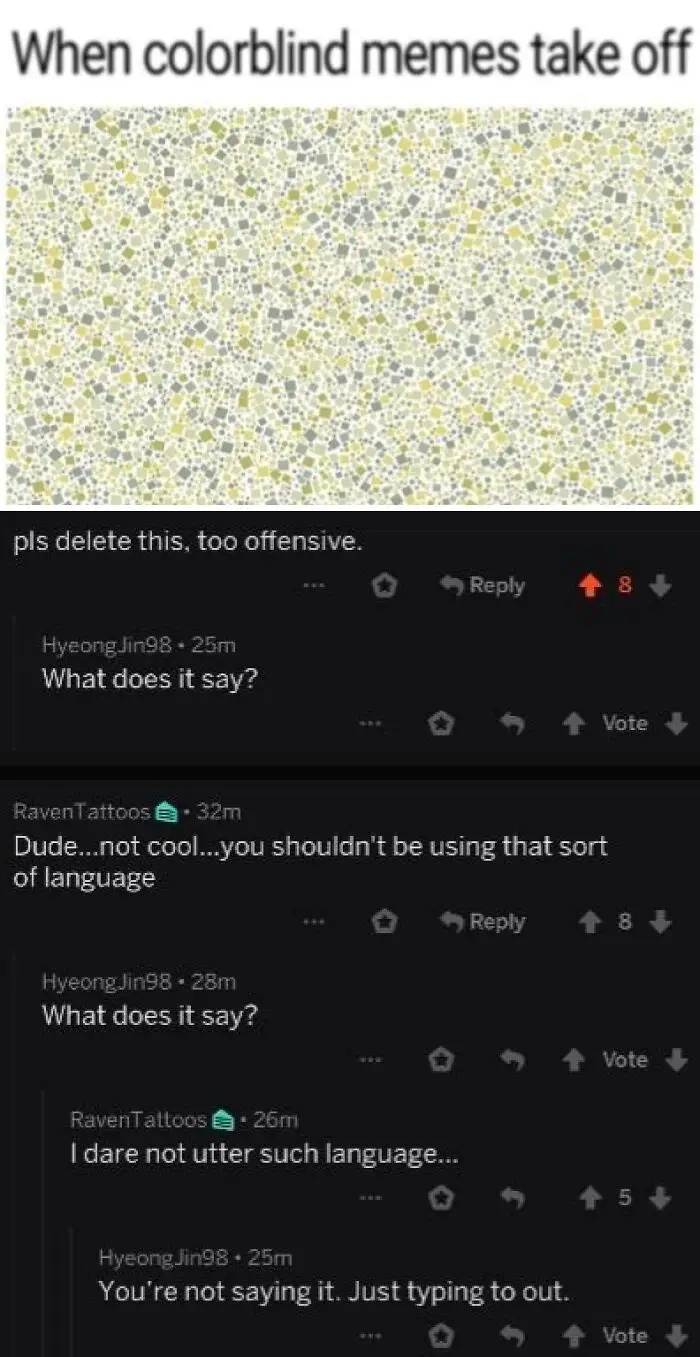
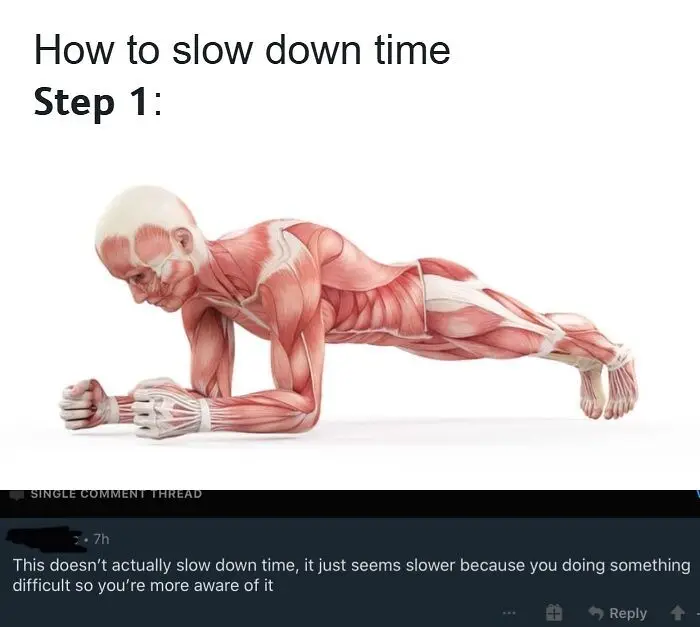
Still, there's something undeniably amusing about watching someone respond to an obvious joke with a completely serious explanation.
Now, Pandas, have you ever made a joke that someone took literally, or had to explain sarcasm to someone who wasn't getting it? Tell us about your funniest experiences in the comments!