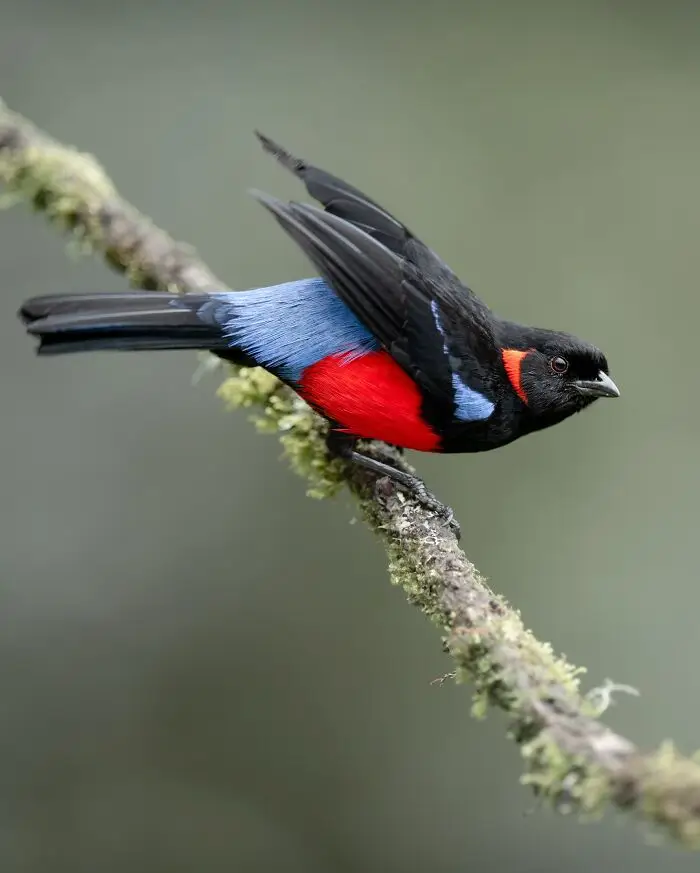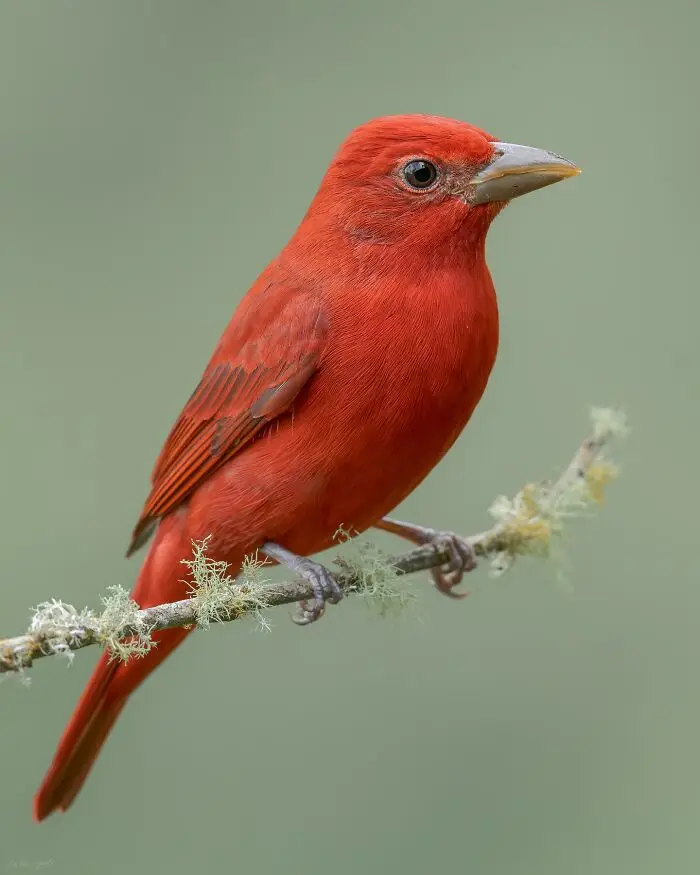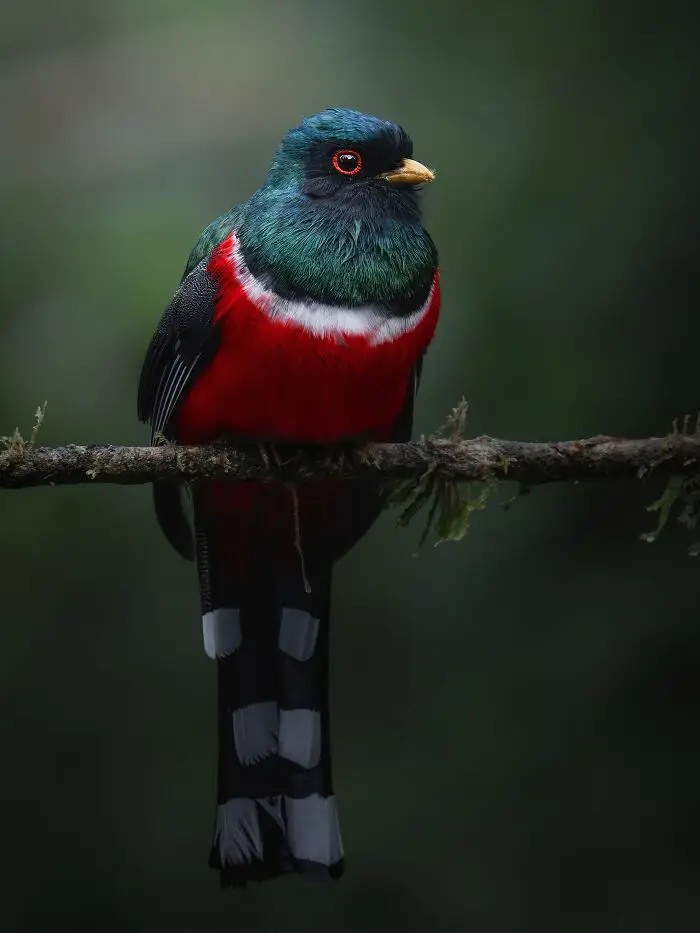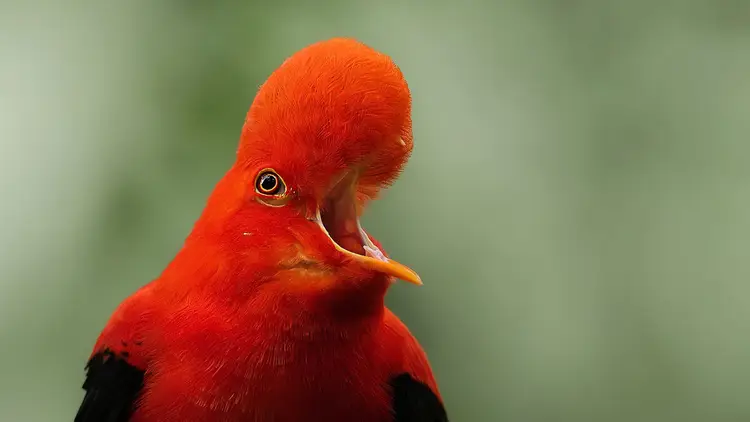

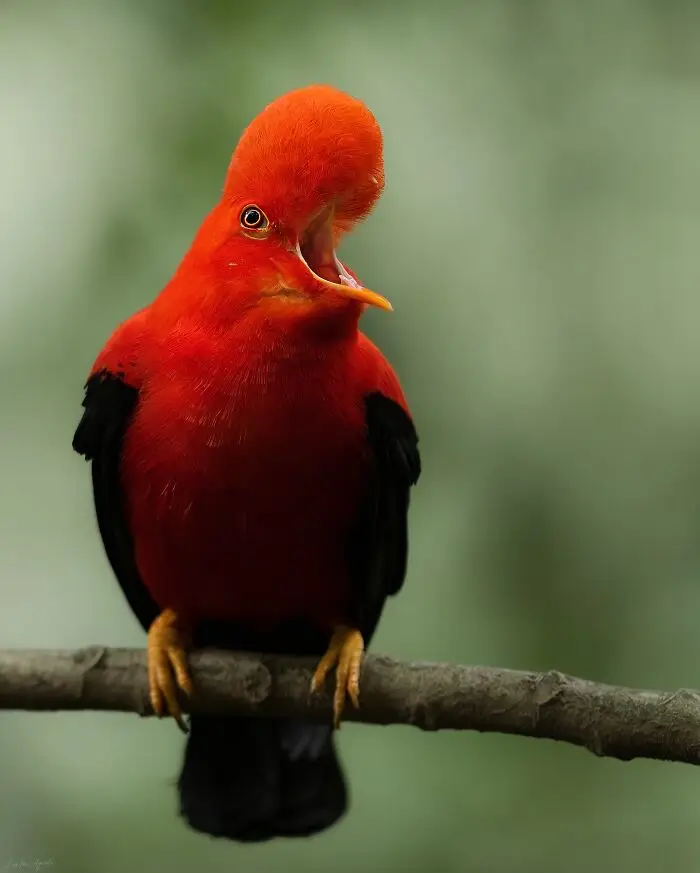
We first asked Luis Fernando how his interest in wildlife photography developed and what drew him to birds in particular: “Even though I never lived in the countryside, my grandmother had a coffee farm in Alejandría, Antioquia, right by the San Lorenzo River, and she loved to fish. During my school vacations, we would spend weeks there going fishing with her, and that's really how I fell in love with nature. That place was overflowing with life: butterflies, otters, fish, birds, and towering trees. From a very young age, I was deeply drawn to the visual beauty of the colors, the scent of the flowers, and the quiet magic of the wild.”
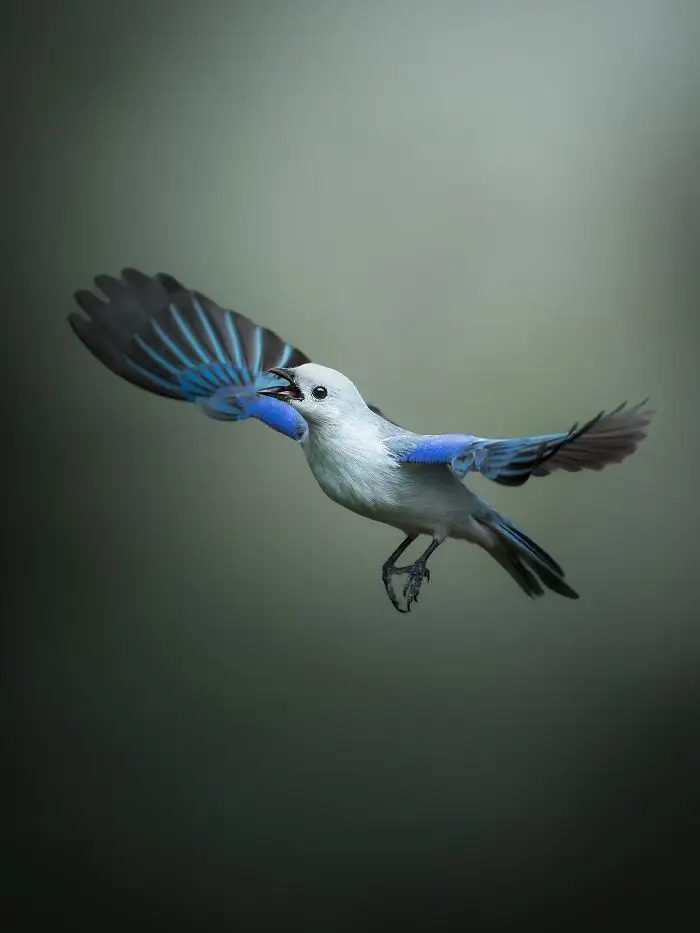
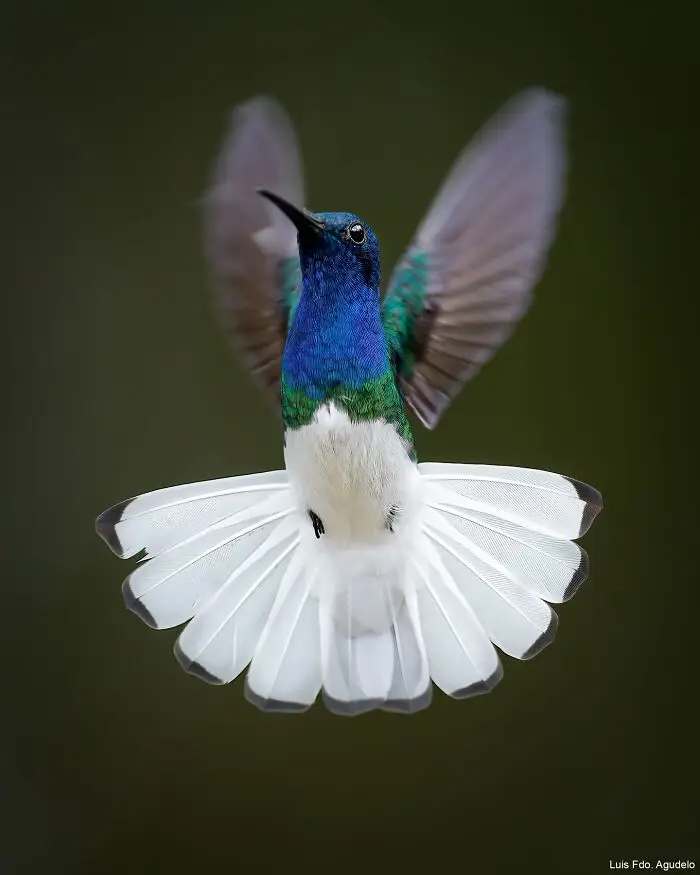
“Later, when I was 18, I started producing videos for Telemedellín with a group of friends in a collective called La Cifra Impar. Together, we created a documentary series called Área Silvestre, which gave me my first real chance to film wildlife. While filming, I realized how challenging birds were to photograph. They move so fast, and capturing them requires deeply studying their behavior: learning to wait by a fruiting tree, watching a flower bloom, or timing a hummingbird's feeding rounds. That's what made me fall in love with them. I saw it as a personal challenge to cultivate the patience, calm, and knowledge needed to create a photograph that brings together technique, aesthetics, and a story worth telling.”
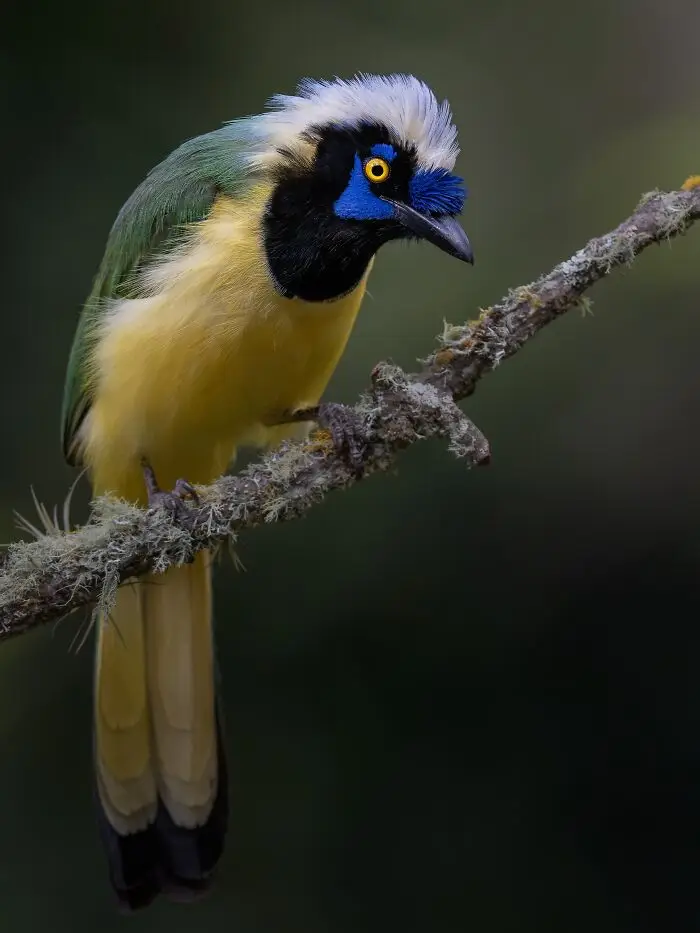
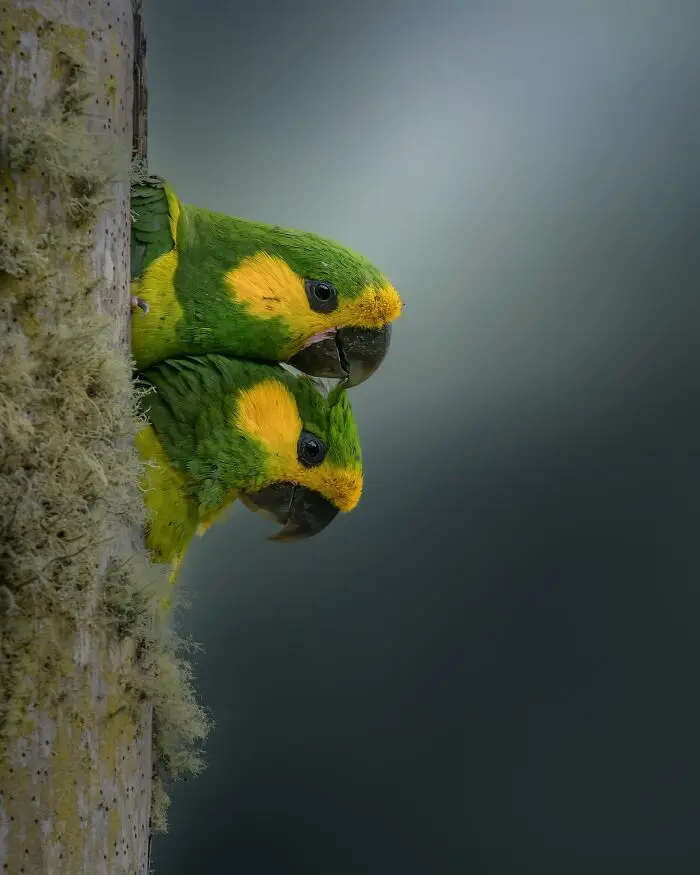
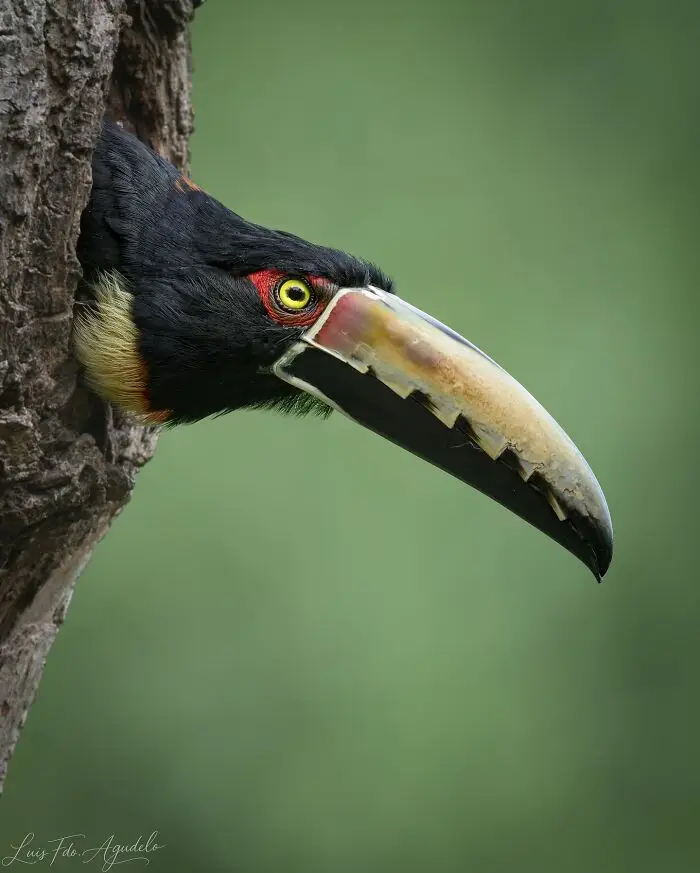
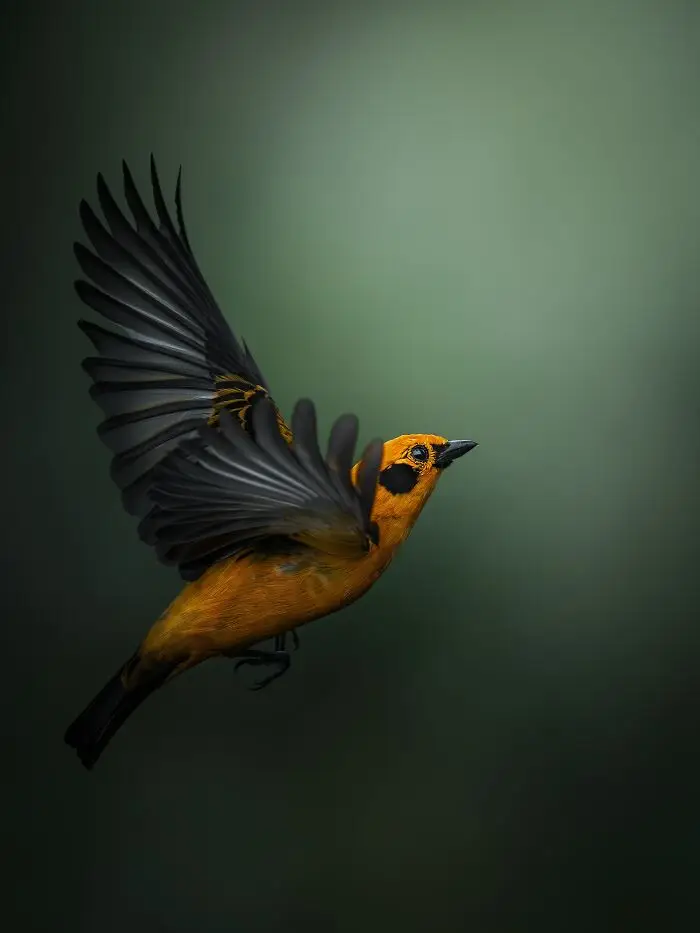
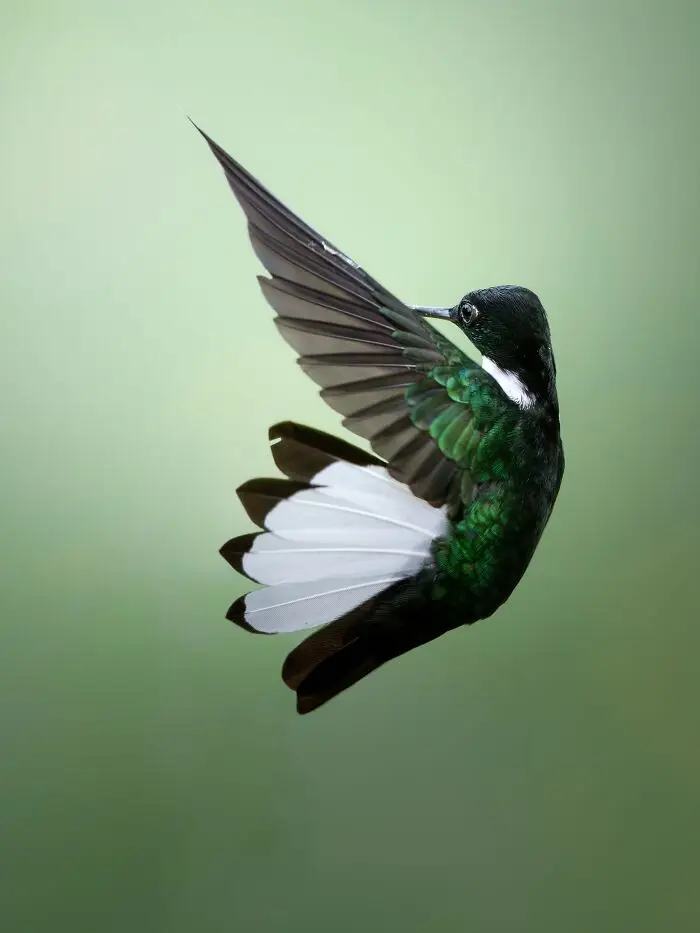
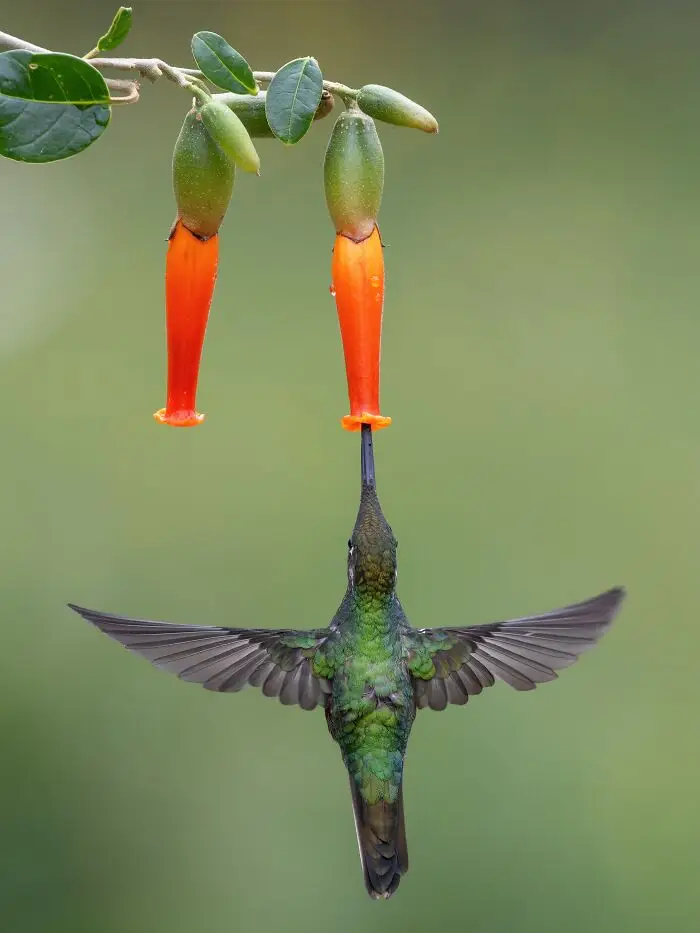
Many of Luis’ photographs feature birds in flight, so we were curious to learn about the difficulties involved in getting these shots, particularly when working in the tropical environments of Colombia: “The biggest challenge is definitely light. Living in a tropical country like Colombia, the lighting conditions are very different from places like Australia or other regions with more open, consistent light. That makes it tough to reach the shutter speeds you need. With hummingbirds, you sometimes have a bit more control and can freeze their motion at around 1/1800s or 1/2500s, but when you're photographing toucans, tanagers, or guans in flight, you need much faster speeds: 1/3200s, 1/4000s, or even 1/6000s. So light is always a constant battle.”
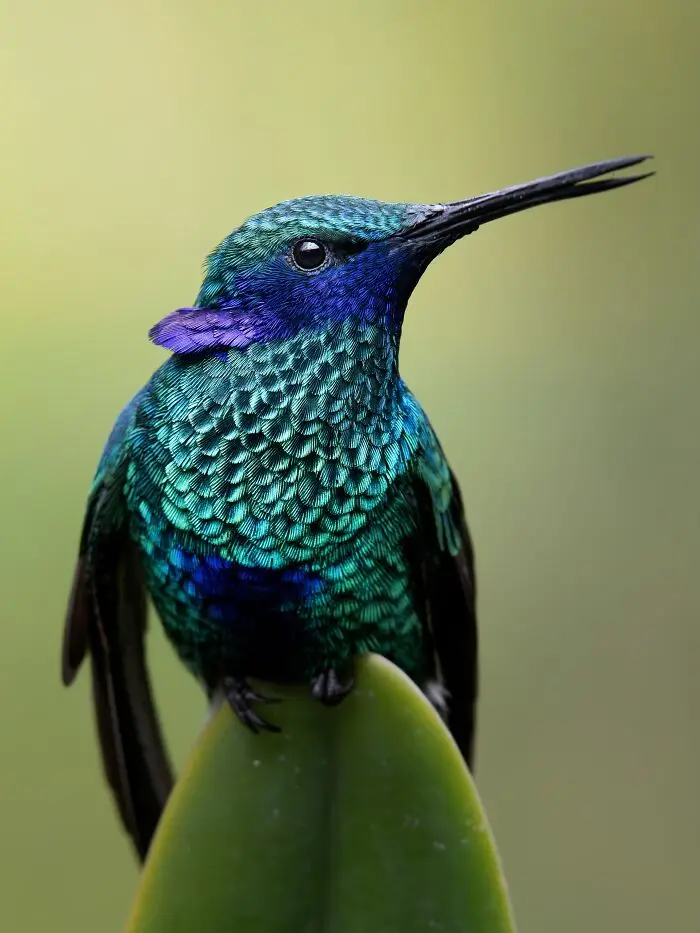
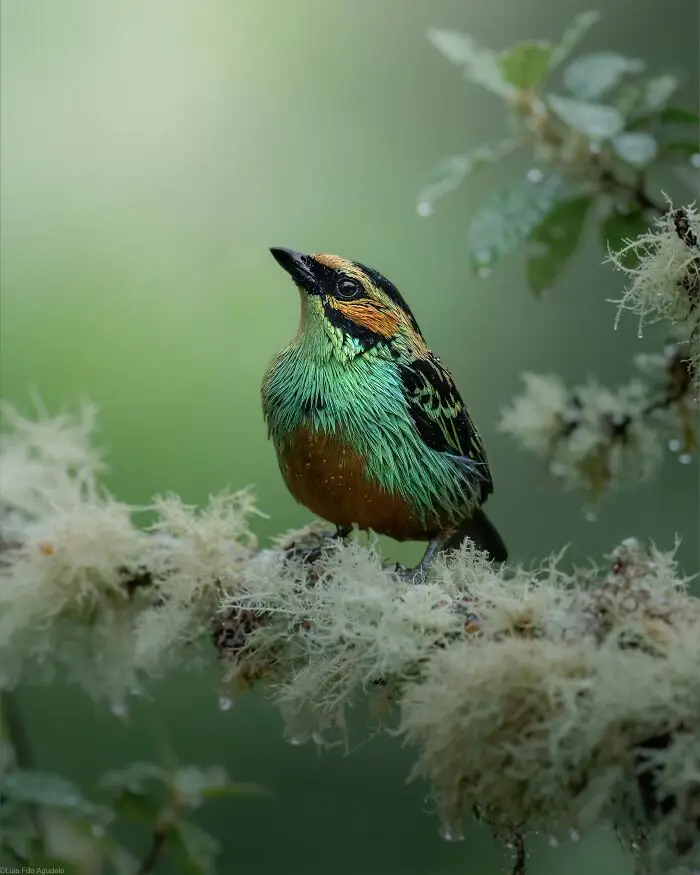
“The second challenge is understanding and anticipating bird behavior. You have to read their foraging patterns and wait for that exact split-second window when a bird launches from one tree to another. Finally, there's time. When you're on a photography expedition with a set itinerary, the clock is always ticking, and days can pass without the bird ever giving you the exact flight opportunity you've been waiting for.”
With years of experience observing and photographing wildlife, Luis Fernando has witnessed his fair share of unusual animal behavior. When asked whether any particular encounter stood out, the photographer recalled an unexpected roadside sighting in the mountains of Manizales: “One unforgettable encounter was watching an Andean Motmot hunt a false coral snake. We were high up in the mountains of Manizales, driving in our van toward our destination, when I spotted a motmot suddenly dive straight to the ground from a hillside pasture. I stopped the van immediately, and as we looked out, we realized it had caught a snake, and a full-on battle was underway. The bird slammed it against the ground, twisting and getting completely ruffled in the struggle. Eventually, it flew back up onto a wooden fence post and kept beating the snake relentlessly against it until it finally killed it.”
“In the photograph, you can see the rain falling and the motmot completely drenched and battle-worn, even missing a few tail feathers, holding the snake right by the middle in its beak. I love that image because it reminds us that beauty can also be brutal. Even the most stunning creature can be a fierce predator, playing its vital role in biological control, where every living thing does its part to keep this ecosystem and biosphere standing.”
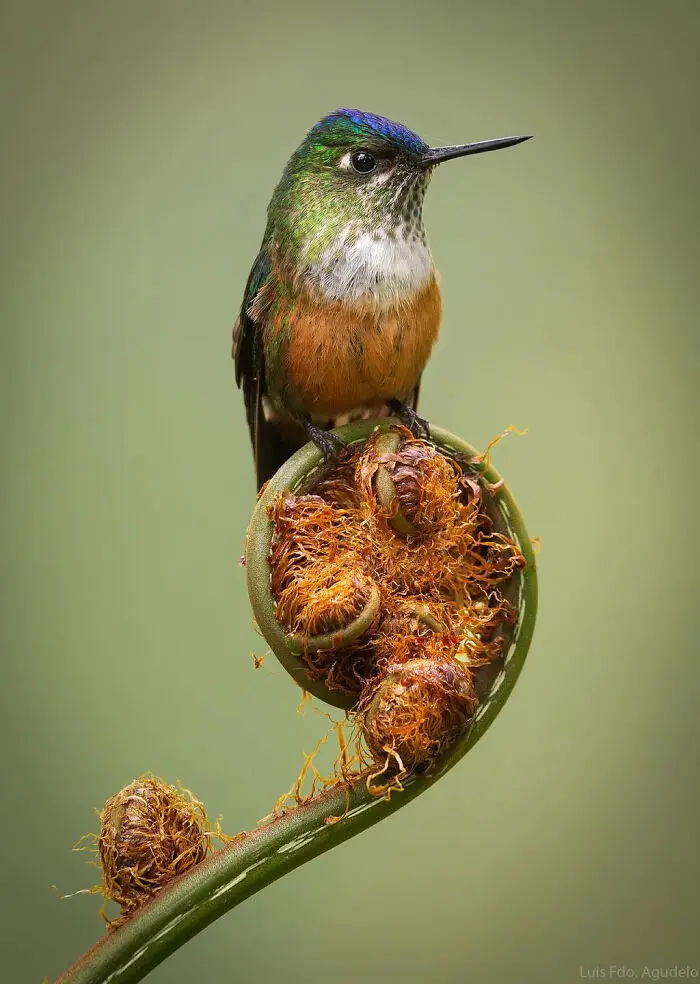
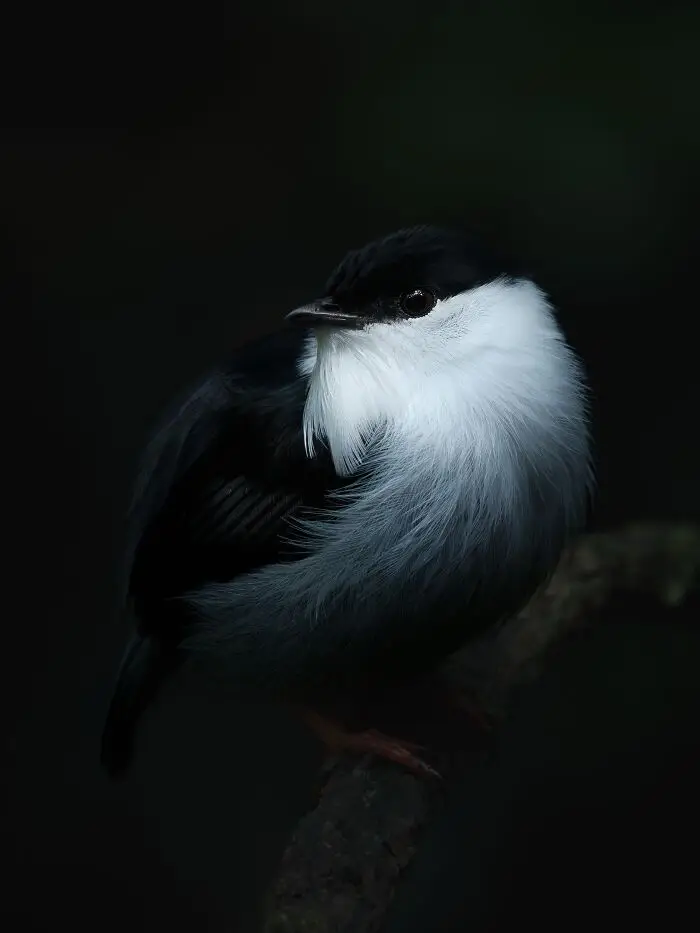
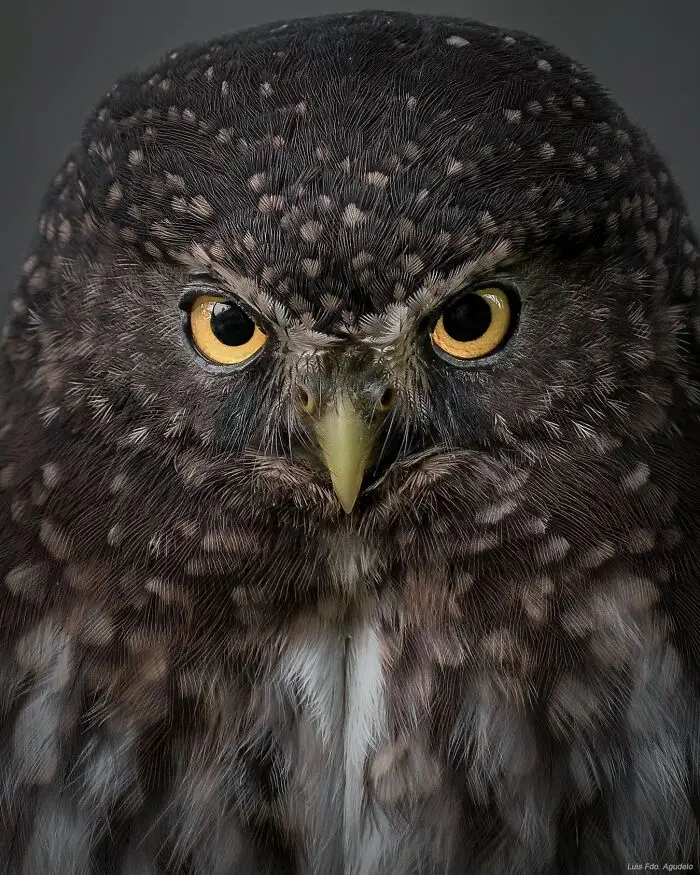
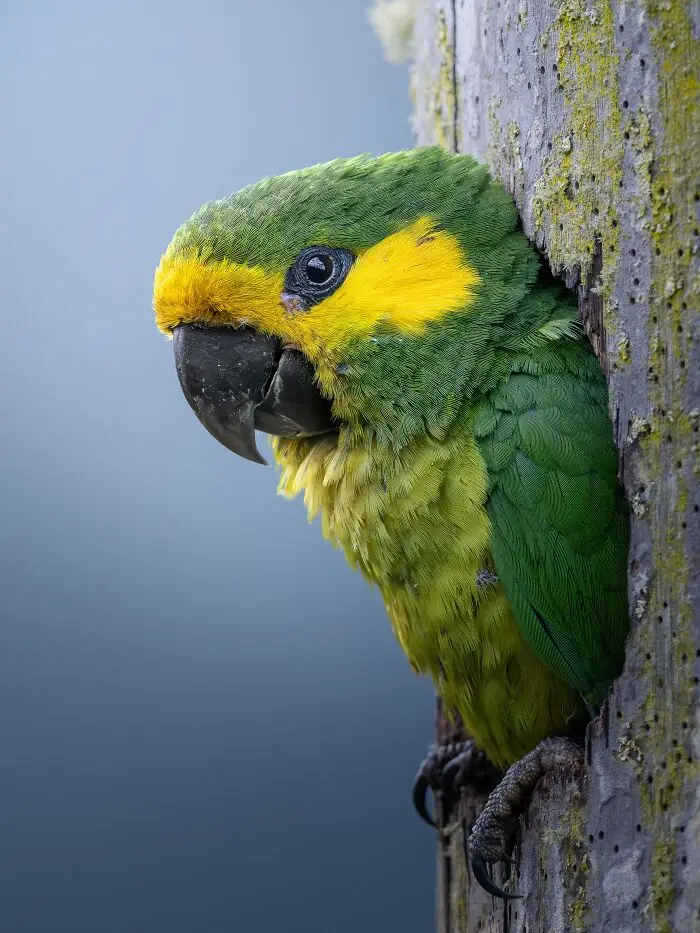
Finally, we asked Luis Fernando what he hopes viewers take away from his photographs and how he would like his work to influence the way people think about birds and wildlife conservation: “What I hope for most, and what I believe is the hardest thing to achieve in wildlife photography, is to spark genuine emotion. It's easy to take a traditional portrait of a bird perched against a clean background, so capturing real behavior and feeling is always my goal. Above all, I want people to realize that birds are sentient beings, much like us. I want to challenge the misconception we've been taught that animals don't think or feel and act purely on instinct.”
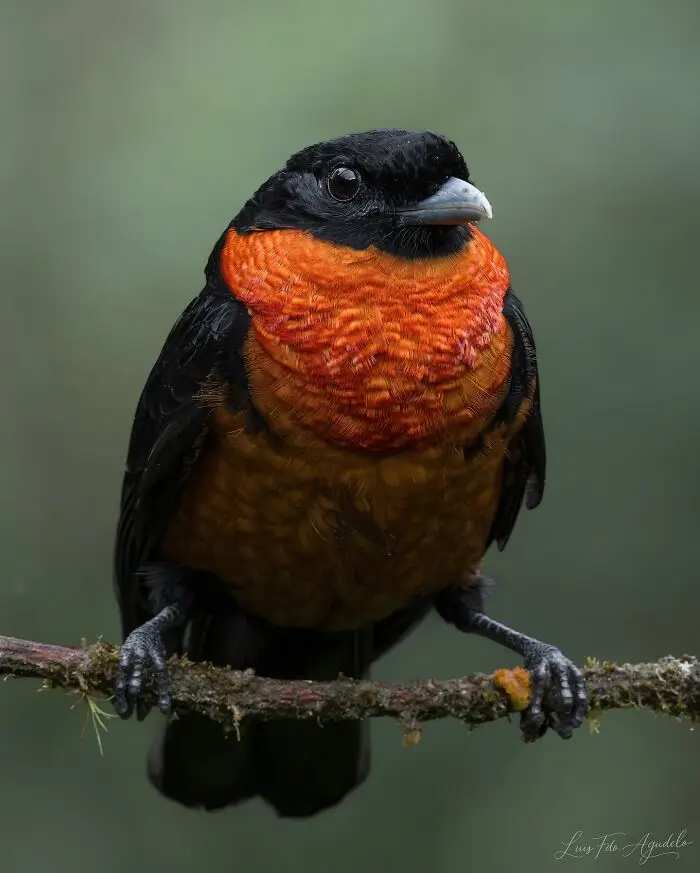
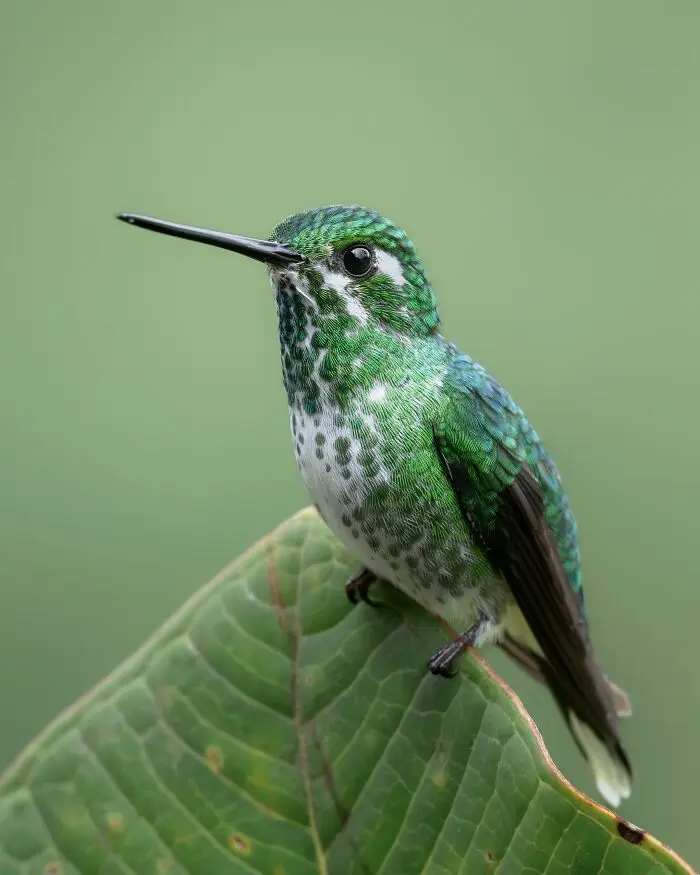
“Through my work, I hope people see that birds have rich social lives, goals, and struggles of their own. They fall in love, court, and even train to perfect intricate choreography just to attract a mate. They feel joy and excitement; they fight and get hurt, and they will give everything, even their lives, to protect and raise their young.”
“At the same time, in today's fast-paced world where everything is instant and bought off a shelf, it's easy to forget how deeply we depend on them. Quietly and constantly, birds sustain our forests, support our agriculture, and maintain the delicate balance of the ecosystem we breathe and eat from. They are extraordinary, feeling creatures who keep our world standing, and they deserve our respect and protection.”