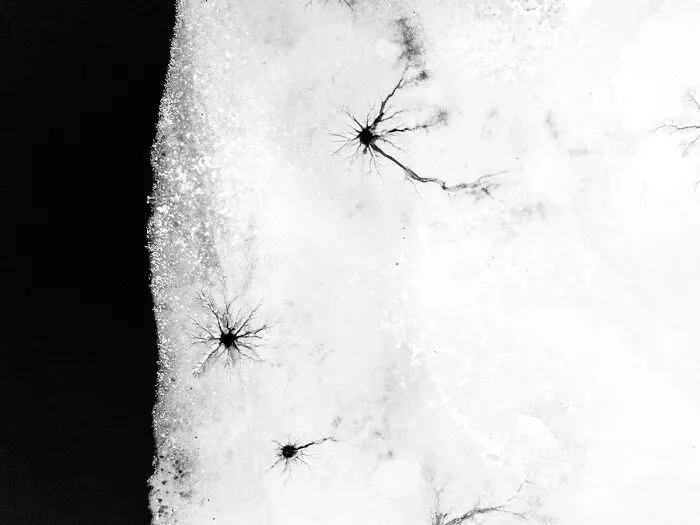

A landscape does not need color to make an impression. In black and white, mountains become bold shapes, snow turns into open fields of light, and forests can look almost graphic. The MonoVisions Awards 2026 Landscapes category brings together 50 photographs that use this limited palette to reveal nature in unexpected ways.
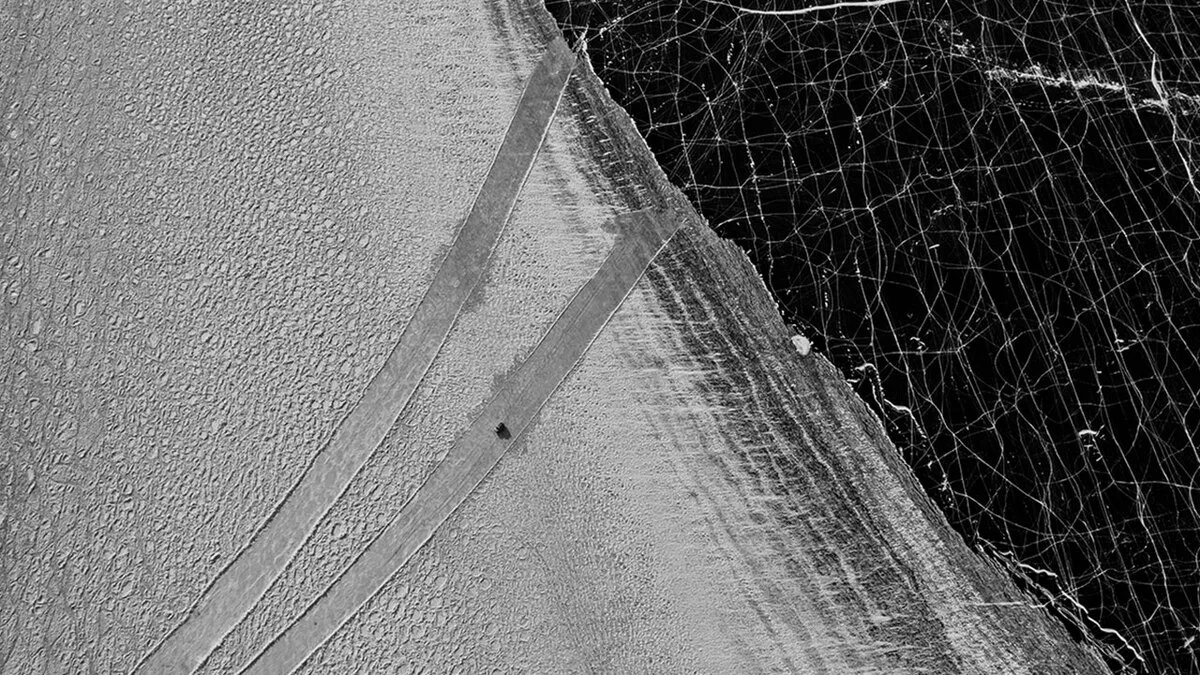
Among them, Eric Violette's "Unreal Mountains" stands out as the winning series, transforming the flat farmland of France's Beauce plain into what reads as a distant mountain range. Yevhen Samuchenko's "Winter Drawings" follows with quiet, snow-covered views of the Carpathian Mountains, while Yoong Wah Alex Wong's "The Aesthetics of Climate Change" turns the frozen surface of Lake Baikal into a study of texture and light.
Scroll through all 50 photographs from the MonoVisions Awards 2026 Landscapes category below and see how far photographers can take the natural world in monochrome.
#41 The Lake District: Forgoing The Color
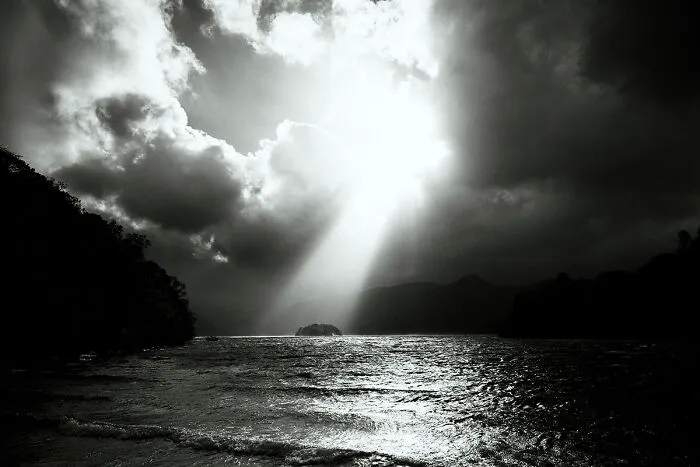
This series of images of the Lake District in the north-west corner of England delves into the structure of its stunning landscape and its mercurial weather where shafts of sunlight and mist are as much a part of the landscape as the lakes and the fells.
Seen in black and white, the distraction of the rich colours and the multitudinous shades of green that inevitably dominate the work of other photographers is removed and, by so doing, the land’s very essence is exposed.
The visual impact of Kodak Tri-X was an integral part of this project and other images were made on analogue cameras. The photographs in this selection, with the exception of the drone image, were made using a digital camera with a custom emulation of Tri-X and post processing used dark room techniques, primarily dodge and burn.
Report
2points
#42 Forest Roads
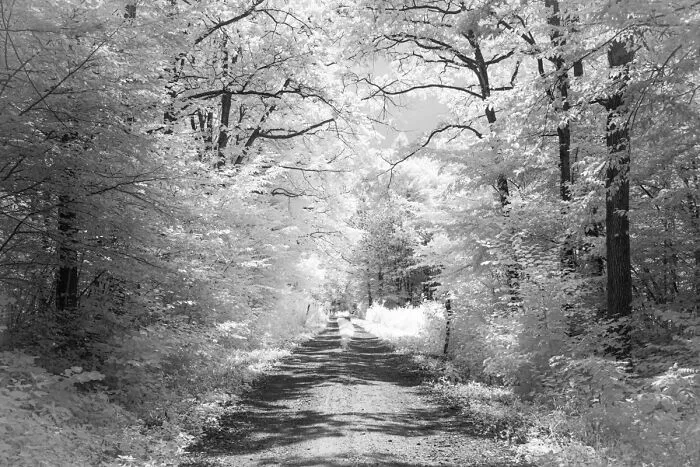
This photographic series explores eight mid-forest roads captured through infrared imaging, revealing landscapes that exist beyond ordinary perception. Familiar paths are transformed into luminous corridors where foliage glows, shadows deepen, and the boundary between natural and surreal becomes blurred. The roads - symbols of passage, direction, and human presence - cut quietly through dense forests, appearing both inviting and unsettling in their altered tonal reality.
Infrared light exposes what the eye cannot see, shifting attention from literal documentation to atmosphere and emotion. Vegetation becomes radiant, skies turn dark and weightless, and the roads themselves feel suspended in time, as if leading toward unknown destinations. Each image presents a different rhythm of the forest: narrow and enclosing, open and expansive, straight or subtly winding.
Together, the eight photographs form a contemplative journey about movement through nature, perception, and the unseen layers of the environment. The series invites viewers to slow down, to reconsider familiar landscapes, and to imagine the forest not as a static place, but as a living, shifting space shaped by light beyond the visible spectrum.
Report
2points
#43 Unresolved Ground
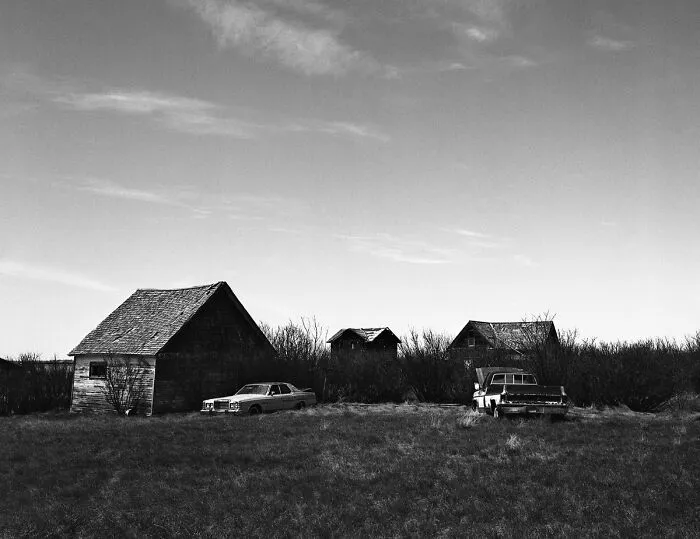
This series explores the prairie landscape through its abandoned structures, ghost towns, industrial remnants, sand hills, and open terrain. Across these spaces, traces of past use remain, while the landscape itself takes on a quiet, psychologically charged presence.
Photographed almost like portraits, the images focus on subtle details and unresolved atmospheres rather than defining the places. The prairie’s vast scale and silence create a sense of openness where familiarity and estrangement can exist side by side, leaving room for different interpretations.
Report
1point
#44 Ice
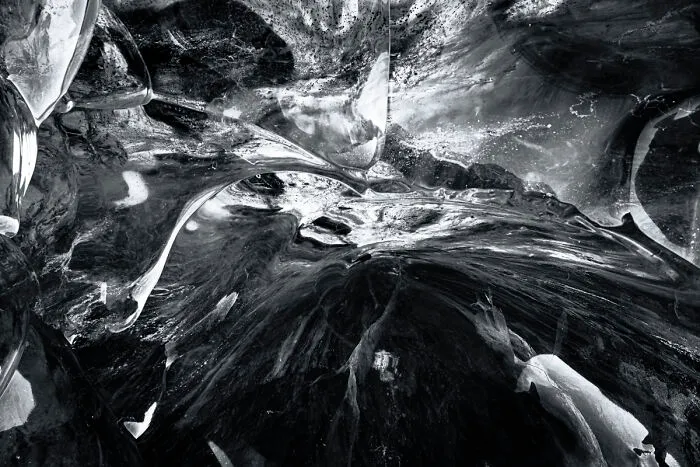
The winter in Iceland this year was so cold and had so little snow that it was possible to walk right up to the glacier's edge. A magical world of formations made of centuries-old ice unfolded before us. Shaped by water and wind, they possessed a profound clarity. Every corner was new and fascinating.
Report
1point
#45 Waves And Fog
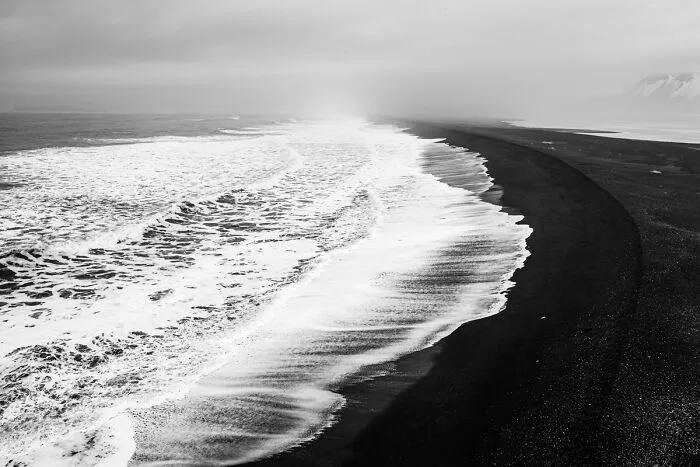
As a storm approached Iceland, the author managed to escape the rain coming from the east before reaching Eystrahorn, where a thick wall of fog and almost complete calm had settled over the landscape.
For a brief moment, the scene was defined by fog, silence, the movement of the tide, and white foam against the black lava sand. The calm would soon give way to the approaching storm, but for that moment, Eystrahorn offered a quiet and atmospheric landscape.
Report
1point
#46 Terra Corpus
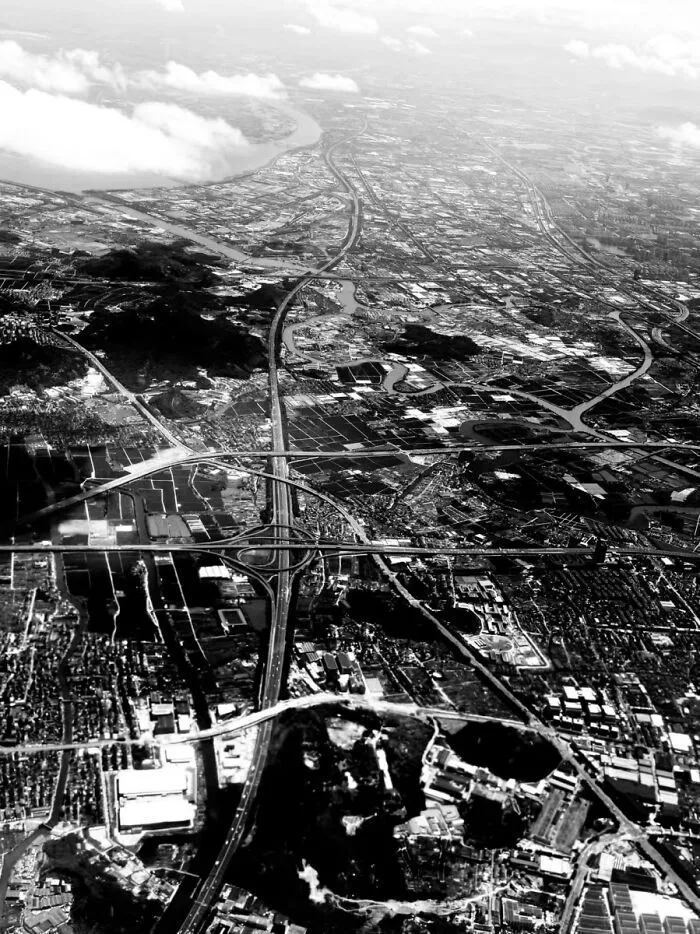
Terra Corpus (“Earth Body”) traces a visual journey from the planet’s “inner vascular system” to the texture of its “skin.” The series begins with branching highways and rivers that resemble the human circulatory system, carrying the flow of human activity like blood through veins.
As the images move outward, the landscape takes on the appearance of skin: rural fields become subtle creases, forest craters resemble bruises, and small settlements appear like blemishes across the surface. Through this comparison, the series reflects on how human activity shapes the Earth, presenting the planet as a living body marked by growth, vulnerability, and imperfection.
Report
1point
#47 Echoes Of The High Winter
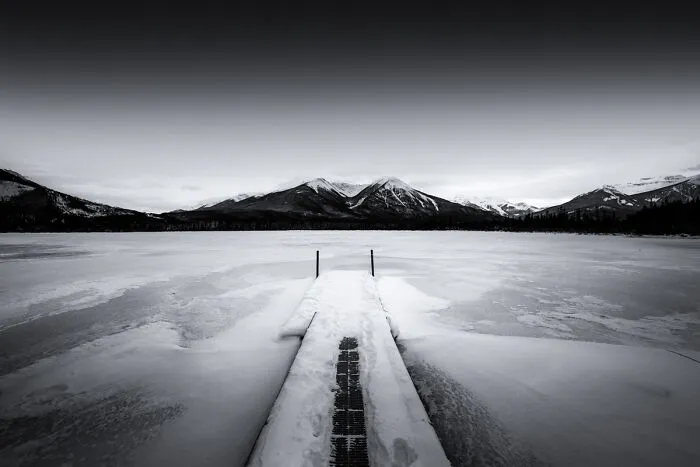
This series is not simply about scenery, but about the feeling of being small within a vast, frozen landscape. The author spent time waiting for the right light to reach the peaks and searching for details that can be overlooked in color, such as methane bubbles trapped beneath the ice and patterns in the snow.
By using black and white, the author wanted to reduce the images to light, shadow, and scale, capturing the quiet stillness of a world covered in snow.
Report
1point
#48 The Return
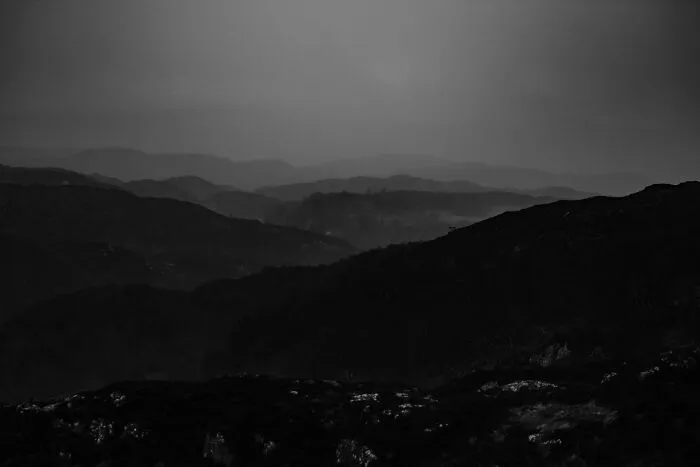
Returning to the wilderness of northern Scotland, the author experienced the landscape as an inner place of deep emotional significance and, more fundamentally, as a homecoming - a return to the soul.
Report
1point
#49 Tidal Flat
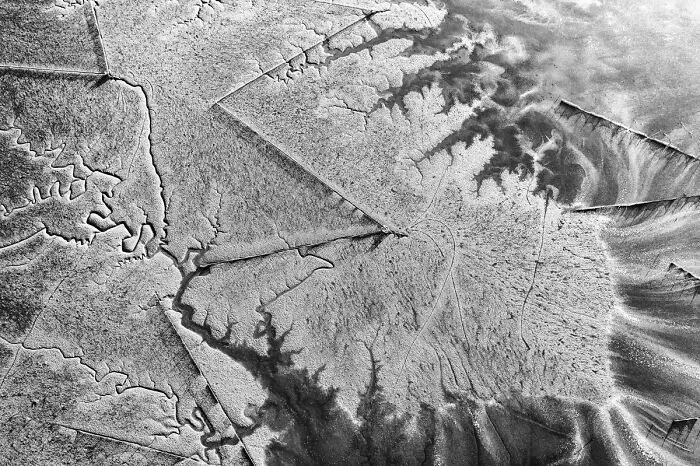
This series was photographed over five years along the West Sea of Korea, home to some of the world’s largest tidal flats. Using a drone and slow shutter speeds, the author captures the waterways created by the changing tides, turning the landscape into an abstract record of time and movement.
The traces of water flowing through the tidal flats appear as delicate patterns against the open space. By removing unnecessary elements, the author focuses on the minimalist forms created naturally by the landscape.
As clouds and waterways change with each tide, the scene takes on a different appearance each time. Through these shifting patterns, the series captures the changing character and quiet beauty of the sea.
The traces of water flowing through the tidal flats appear as delicate patterns against the open space. By removing unnecessary elements, the author focuses on the minimalist forms created naturally by the landscape.
As clouds and waterways change with each tide, the scene takes on a different appearance each time. Through these shifting patterns, the series captures the changing character and quiet beauty of the sea.
Report
1point