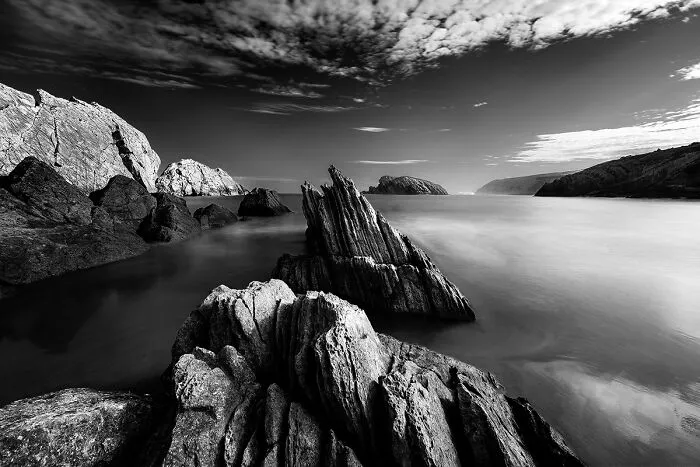

A landscape does not need color to make an impression. In black and white, mountains become bold shapes, snow turns into open fields of light, and forests can look almost graphic. The MonoVisions Awards 2026 Landscapes category brings together 50 photographs that use this limited palette to reveal nature in unexpected ways.
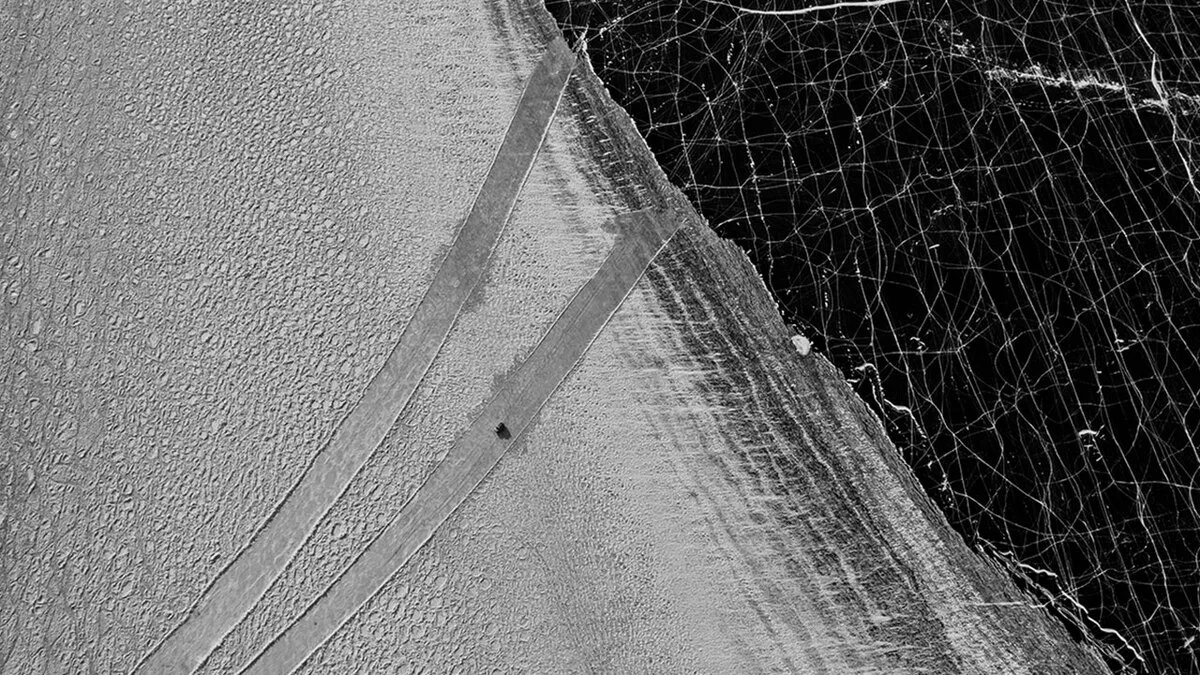
Among them, Eric Violette's "Unreal Mountains" stands out as the winning series, transforming the flat farmland of France's Beauce plain into what reads as a distant mountain range. Yevhen Samuchenko's "Winter Drawings" follows with quiet, snow-covered views of the Carpathian Mountains, while Yoong Wah Alex Wong's "The Aesthetics of Climate Change" turns the frozen surface of Lake Baikal into a study of texture and light.
Scroll through all 50 photographs from the MonoVisions Awards 2026 Landscapes category below and see how far photographers can take the natural world in monochrome.
#21 The Oregon Coastline
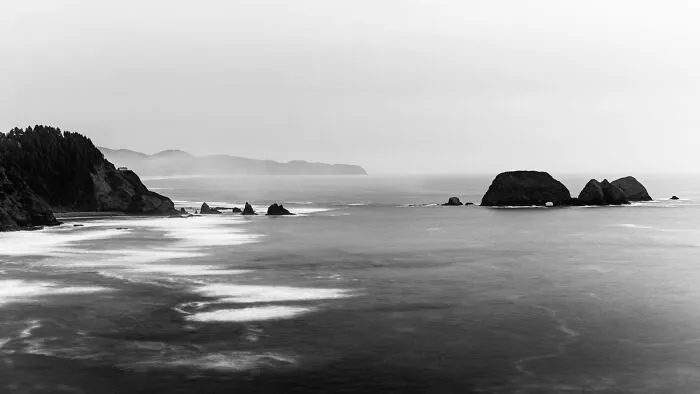
The Oregon Coastline explores the shifting boundary between land and ocean, where dark basalt is gradually shaped by the constant force of waves and wind.
The photographs focus on the rugged cliffs, erosion pillars rising from the ocean, and cracks running through the rock like ancient markings. Each image reflects the contrast between the power of the ocean and the resilience of the land, as well as the quiet melancholy of a coastline constantly being reshaped.
Through the series, the author captures the Oregon coast as a place of contrasts, strength, and poetry, where the details of the landscape reveal the effects of time, movement, and natural forces.
Report
4points
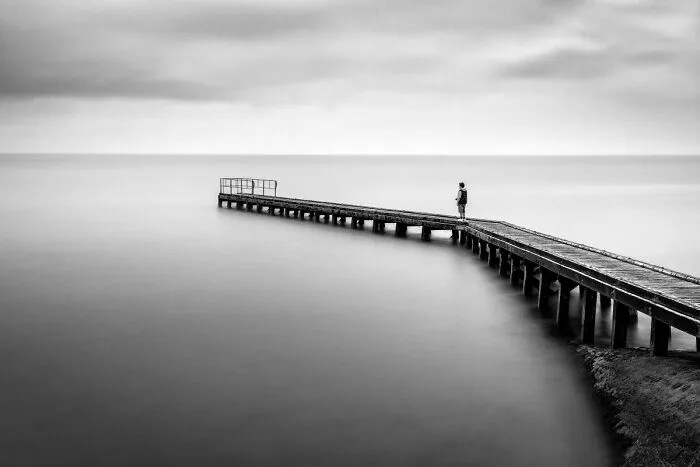
#23 Painting With Light
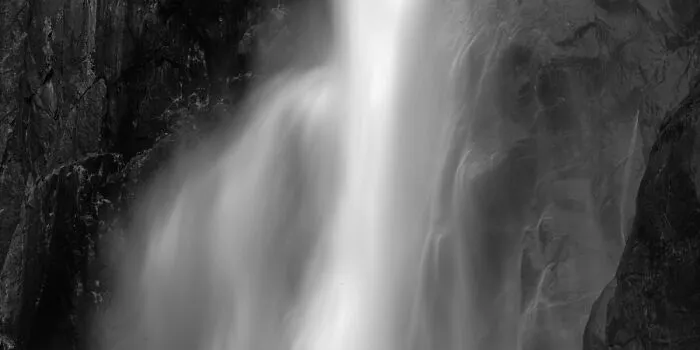
The great Miroslav Tichý once stated, "Photography is painting with light.”
Inspired by Miroslav Tichý’s observation, we see how light can fall at varying intensities and highlight areas differently each day, offering countless ways to paint with light.
Light alone can make scenes appear powerful or soft. By studying light, photographers determine how best to illuminate subjects and tell their story.
Report
4points
#24 Whispers In The Wind
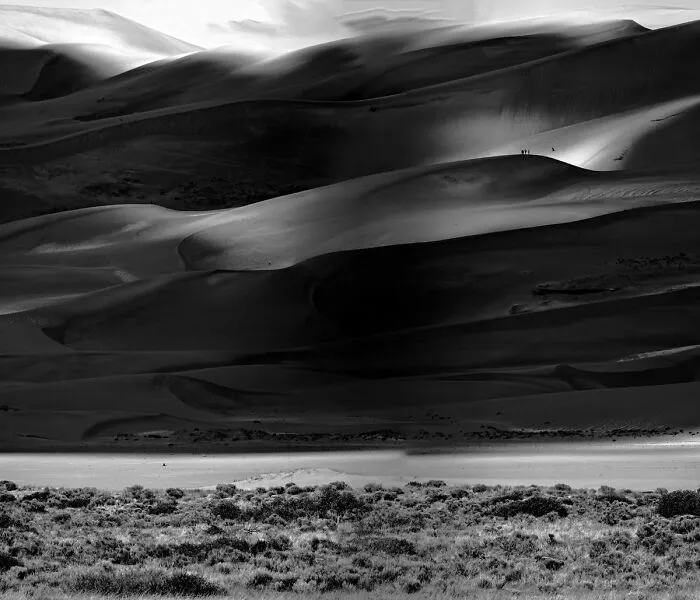
Great Sand Dunes National Park offers the tallest dunes in North America. They are the centerpiece in a diverse landscape of grasslands, wetlands, forests, alpine lakes, and tundra.
From a photography standpoint, no two seconds are alike let alone two hours or days. It just takes patience to let the environmental factors at work paint the landscape in special ways. This is a landscape that lends itself well to the power of black & white with intense light play and deep shadows.
Report
4points
#25 Imprints
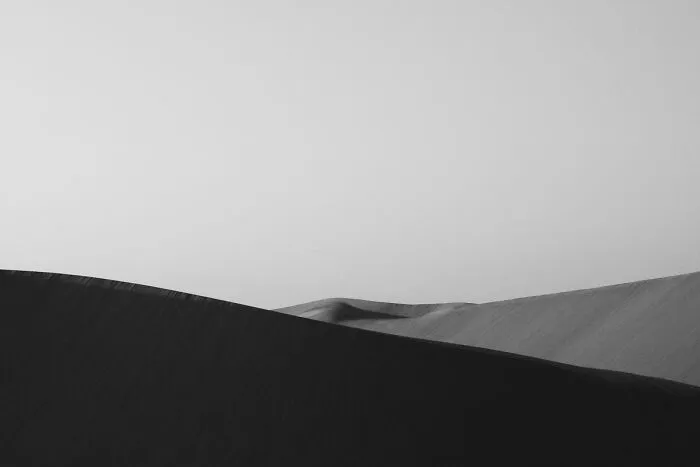
Imprints traces the silent conversations between wind and sand. Each photograph lingers on temporary textures — folds, cascades, ridges — forms that dissolve almost as quickly as they appear. The desert here is not distant but intimate. It becomes fabric, skin, even breath: velvet, silk, meringue, woven by air. These metaphors transform the landscape into a sensory map of silence — a reminder that absence, too, leaves a presence.
By drawing close to the dunes, the series shifts away from the desert’s vastness and into its fragile details. Light folds into cloth, grains slip like water, ridges rise like vertebrae under skin. Each surface carries a tension between permanence and impermanence, presence and memory.
Working in black and white, I strip the image to essentials so texture and light can speak. Without color, what remains is surface, shadow, and line — the language of touch. The desert reveals itself as a place of transformation: sand cascading like water, ridges as a spine, traces lingering like fingers across skin.
The titles echo this tactile approach: Velvet Edge as threshold, Meringue Peaks as fragility, The Silken Drape as fabric, Eternal Sandglass as time, Tranquil Spine as structure, Traces as memory, and Aeolian Weave as unity. Imprints is not about permanence but the beauty of what cannot be held — what disappears, yet is never lost. In every fold of sand, silence leaves its presence.
Report
3points
#26 Glacial Silence
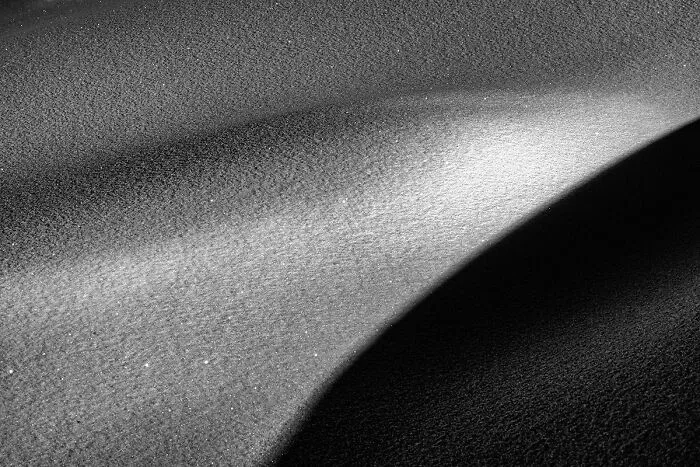
In Colombia, there are fragile ice masses that are culturally and environmentally significant. Nevado del Tolima is the most visited, as it is the most accessible. For a Colombian, seeing ice in their own country is something important, and since it is a mountain with a large number of visitors, it is difficult to approach it in silence and contemplation without the interruptions of tourists climbing its slopes. For a photographer, being able to contemplate the silence and more than one disappearing glacier allows them to create a deeper connection with a sacred territory.
Report
3points
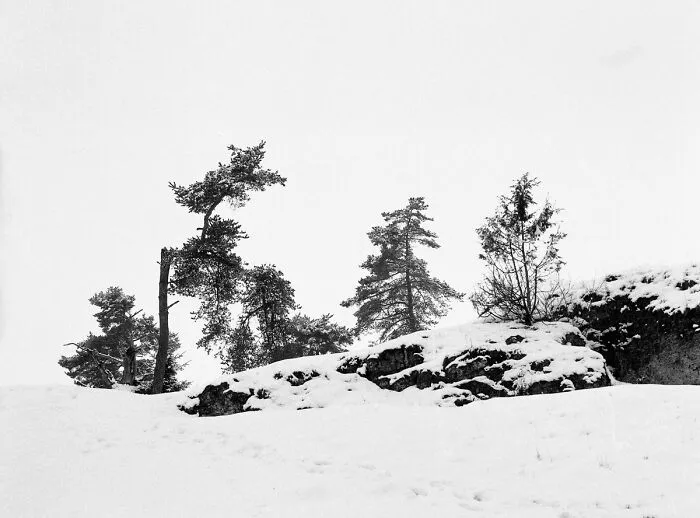
#28 Where The Land Waits
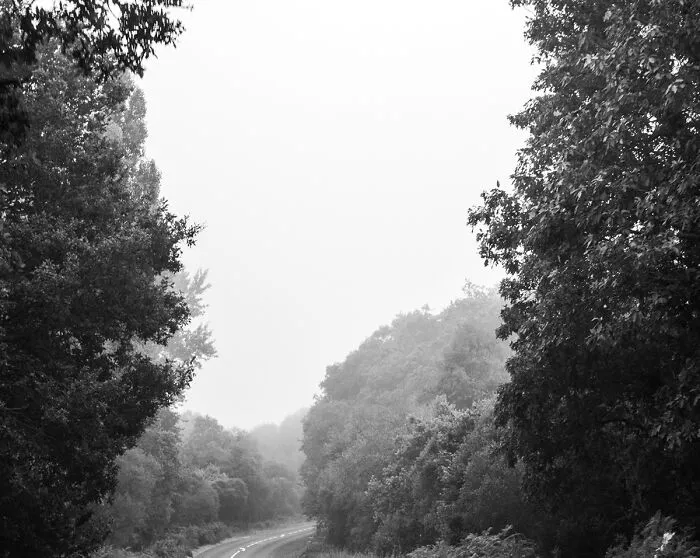
Where the Land Waits is a monochrome series exploring paths, trees, water edges, and damaged terrain. At first, the landscapes appear calm and familiar, but gradually take on a more uncertain and tense atmosphere.
By removing color, the author focuses on line, texture, depth, light, and shadow. The series is less about simply depicting landscapes and more about how they can change in meaning through subtle shifts in perception.
At the center of the sequence is We Are Waiting for You, a square image with inverted tones that interrupts the rhythm of the surrounding photographs. From this point, otherwise ordinary scenes begin to feel different, while traces of environmental damage and change become more noticeable.
Through dry ground, scarred trees, and overgrown pathways, the series explores vulnerability, memory, and environmental stress, suggesting that disturbance can appear gradually through atmosphere rather than dramatic events.
Report
2points
#31 Immovable
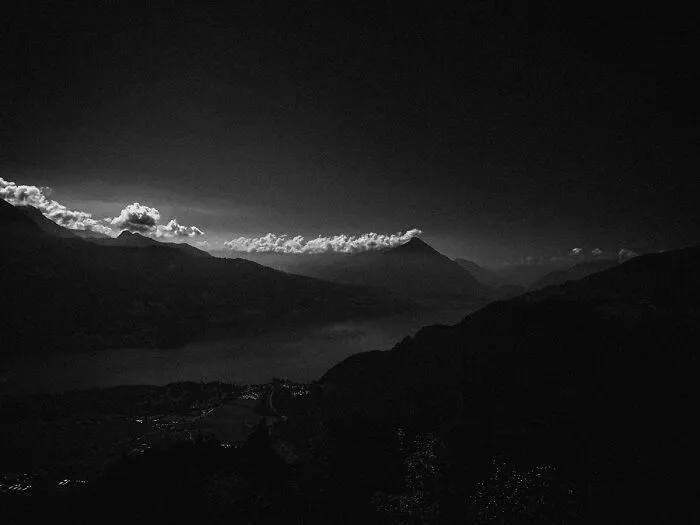
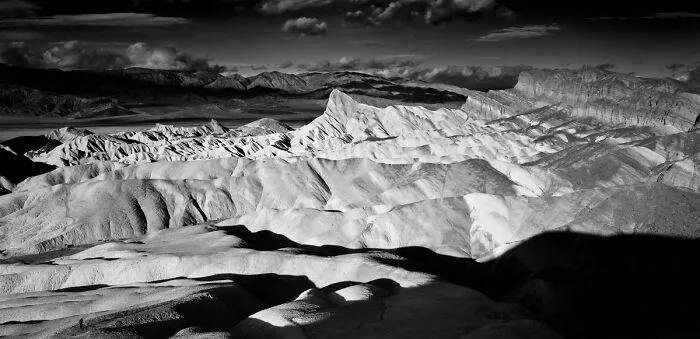
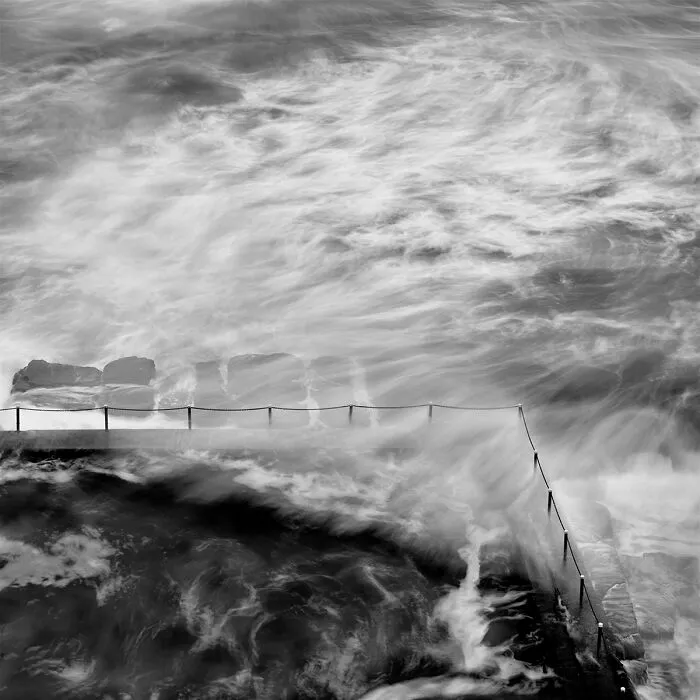
Immovable explores the Swiss Alps as both a physical landscape and an emotional terrain. Photographed near Interlaken and Oeschinensee, the series uses monochrome to reduce visual distractions and emphasize form, scale, and atmosphere.
Through light, shadow, and structure, the familiar Alpine landscape appears almost suspended in time. Occasional traces of human presence - a path, distant settlements, or a small boat on the lake -provide a sense of scale and highlight the temporary nature of human activity against the enduring mountains.
Rather than simply documenting a location, Immovable reflects on silence, scale, and the contrast between human life and the permanence of the natural world.
Report
2points
#32 The Measure
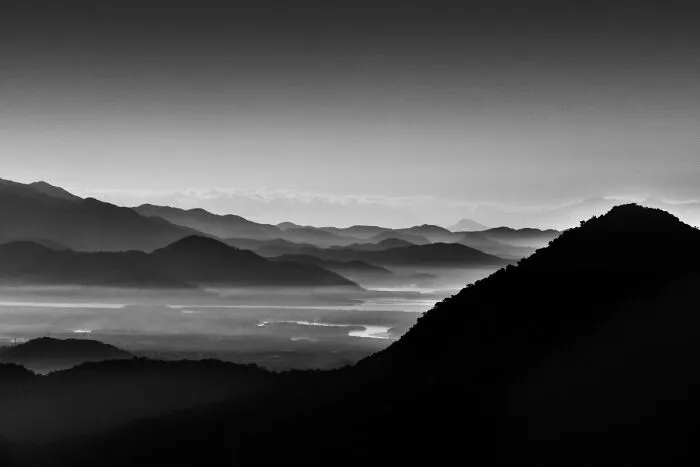
From the scale of the Serra, what we build - ports, plants, chimneys, roads, and dense cities - becomes a faint trace. Mist, smoke, sea, and mountain layers dissolve into the same atmosphere, while the human system expands through the valley. Yet the mountains remain the measure.
Report
2points
#33 A Six-Part Handscroll
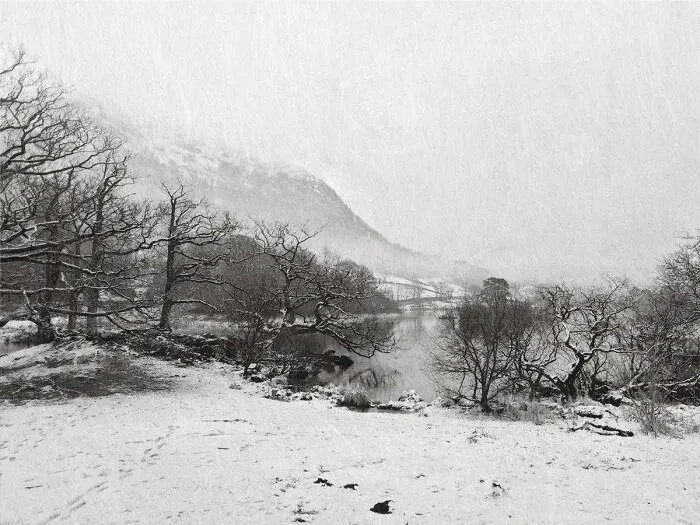
This collection was captured in the Windermere Lake District, United Kingdom.
To view these images in sequence is to unfurl a traditional Chinese winter landscape handscroll: at times, the vastness of snowy plains; at times, the intricate weave of dense woods; at times, the subtle shimmer of tranquil ripples—leading, at last, to the profound silence of the snow-clad peaks.
To view these images in sequence is to unfurl a traditional Chinese winter landscape handscroll: at times, the vastness of snowy plains; at times, the intricate weave of dense woods; at times, the subtle shimmer of tranquil ripples—leading, at last, to the profound silence of the snow-clad peaks.
This series seeks to dissolve the geographic frontiers of aesthetics. Through the "Roving Perspective" (Youguan) of Eastern tradition, it draws out a lyrical ink-wash spirit from the English landscape. With each opening and closing of the shutter, a singular artistic synthesis is achieved—one that transcends national borders and dissolves the aesthetic divide between East and West.
Report
2points
#34 A Place To Be
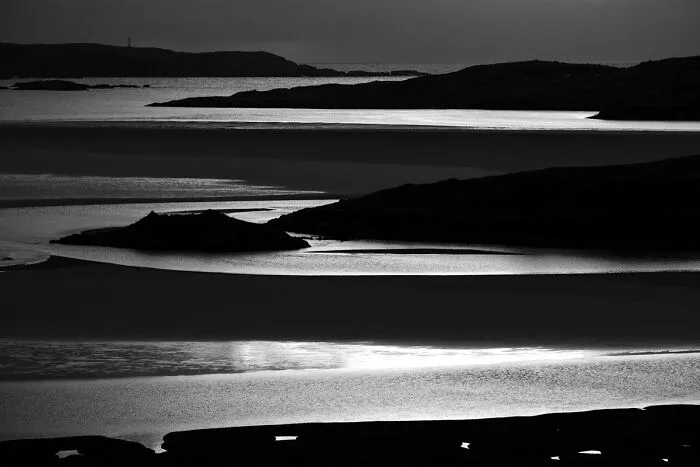
These images were made with a mirrorless digital camera in 2025 in the Outer Hebrides of Scotland at a time of personal emotional significance. The images express love, longing, grief and loss, and my search for meaning in the land as an external embodiment of my inner landscape.
Report
2points
#35 Frozen Skogar
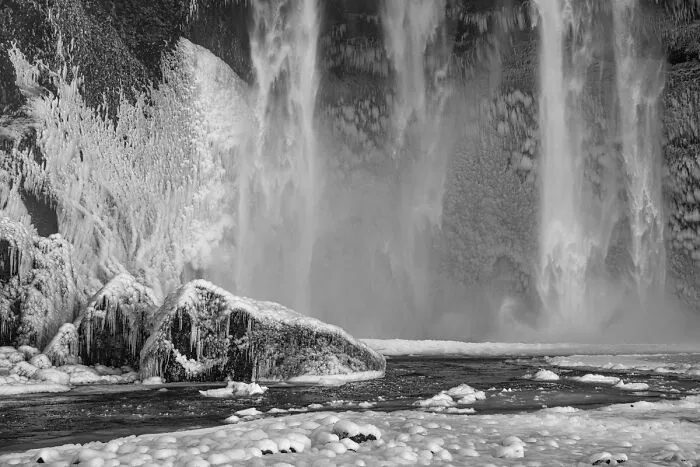
At 12 degrees below zero, Skógafoss in Iceland was transformed into a vast landscape of ice in the early morning light after a clear night. Wind and water droplets had frozen across the surroundings, creating an extraordinary winter scene.
As the author photographed the waterfall, the extreme cold froze his clothes and even his camera, making crampons essential for navigating the icy ground. The experience became a reminder of how beautiful nature can be when left to unfold on its own.
Report
2points
#37 New Life
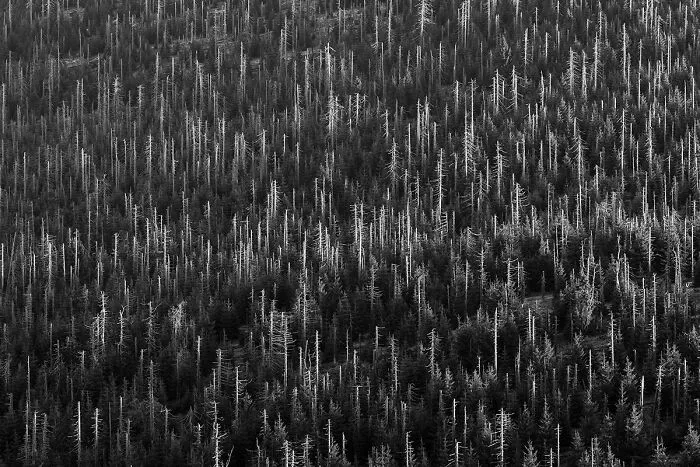
The old trees still stand in the forest, their gray, bare trunks reaching toward the sky. Though dead, they remain upright like silent sentinels, slowly changing as their bark peels away and fungi, insects, and woodpeckers become part of the natural process.
Around them, a new generation begins to emerge. As more light reaches the forest floor, young plants and saplings fill the spaces between the old trunks, gradually growing toward the sky.
The dead trees continue to provide shelter, structure, and life for countless small creatures even as they decay. Together, the old trees and new growth create a quiet picture of transition, where past and future exist side by side.
Report
2points
#38 Pyrenees
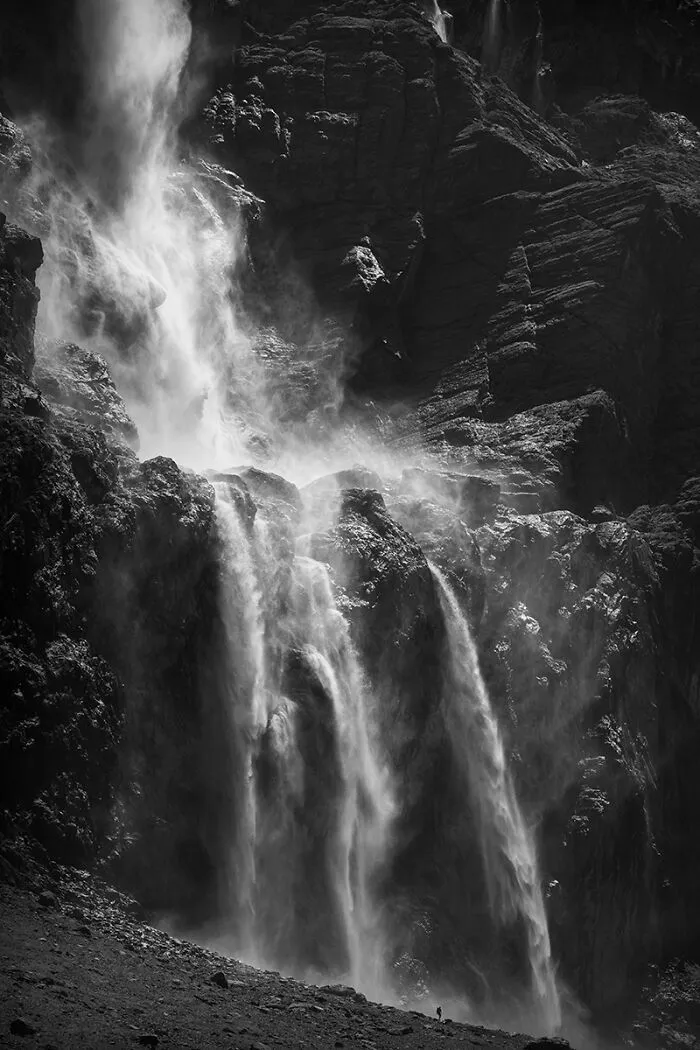
Anyone who spends extended periods above the tree line easily becomes aware of time, dimension, their own vulnerability, and transience. A peak you look out over might be 50,000 years old and has, at most, become somewhat flatter in all that time. A human life seems like the blink of an eye. Is this idea frightening or comforting? Or both?
Man in relation to the landscape is a recurring theme in Herman Stukker's work. In 'Pyrenees', this is strongly expressed, as is his love for pristine nature. The images for this presentation were taken in the Pyrenees, which he visits every two years with a tent, camera, and blister plasters.
Report
2points
#39 Shifting Landscapes
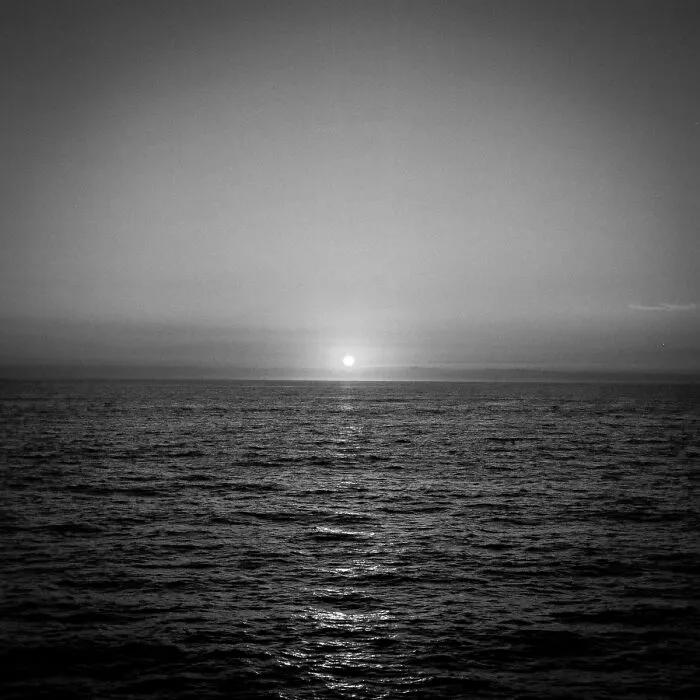
Shifting Landscapes is a series of medium format film photographs made across three distinct environments of the American West, the desert dunes of Death Valley, the granite walls of Yosemite, and the red rock canyons of Zion.
The same sun rises and sets over all of it. The same light that bleaches the sand at Mesquite Flat rakes across El Capitan at golden hour and disappears into the slot canyons of Zion. What changes is the terrain beneath it. Each environment absorbs and reflects light differently, and it is that difference that the photograph captures in silver and grain.
The series is sequenced as a journey. It opens at sunset with a solitary figure on the dunes of Death Valley, then moves through the granite valleys and alpine lakes of Yosemite, and closes in the red rock canyon walls of Zion. Each image is a different environment, a different light, a different ground, but together they form a harmonious story.
Black and white strips away color and leaves only what light does to a surface. What remains is shadow, brightness, texture, and contrast. The beauty of it all becomes reading light and deciding what lives in the frame and what gets hidden by darkness.
Report
2points