





This post may include affiliate links.


As you scroll through these Black Friday sales disasters, it is worth finding out how this retail chaos started in the first place. Today, the event is a global phenomenon fueled by the internet and e-commerce websites.
It no longer lasts just twenty-four hours, either. Retailers now begin the sales in late October and stretch them across the entire month.
However, Black Friday hasn’t always been about shopping or hunting for the best online bargains.
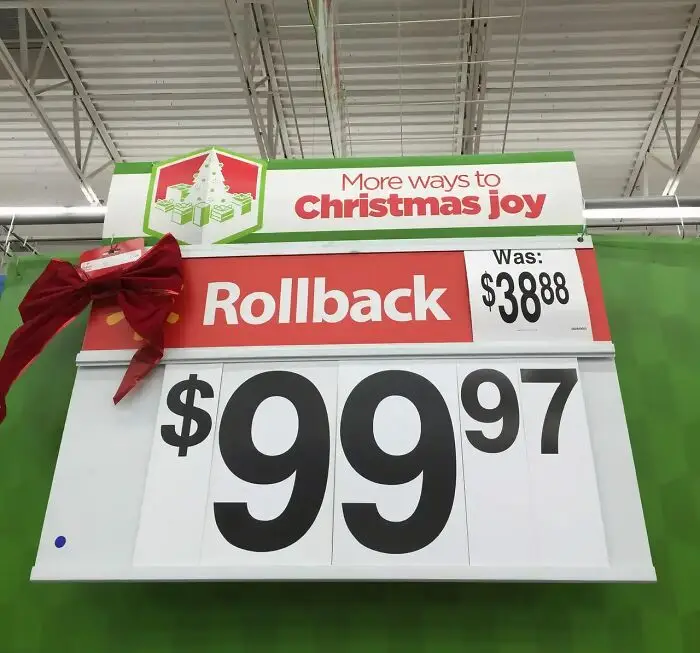
The very first “Black Friday” had nothing to do with retail stores or Thanksgiving. On September 24, 1869, two Wall Street bankers tried to corner the gold market to make a quick fortune. Their plan backfired, causing a massive market crash and financial panic that earned the day its dark nickname.
The shopping version of the phrase actually came much later. In the 1950s and early 1960s, police officers in Philadelphia used “Black Friday” to describe the chaos that hit the city the day after Thanksgiving. Huge crowds of suburban tourists flooded downtown to start their holiday shopping and attend Saturday’s annual Army-Navy football game. Officers worked long shifts to manage the resulting traffic jams and shoplifting.
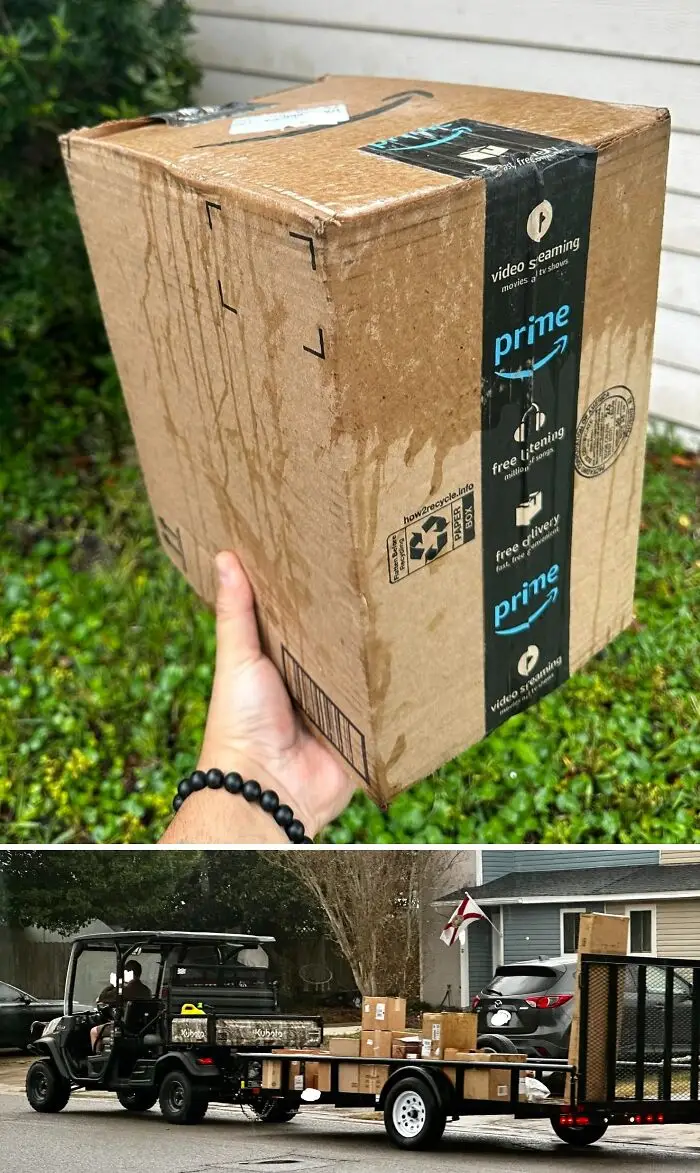
#7 Thanks UPS, Just What I Needed! Soaking Wet Brand New Electronics
Local shopkeepers initially hated the negative name and even tried rebranding the day as “Big Friday.” That failed, so merchants flipped the narrative in the late 1980s. They marked the day stores finally moved from operating at a loss (“in the red”) to turning a yearly profit (“in the black”).
Even though most stores actually made more money on the Saturday before Christmas, the story stuck.
By 2010, Amazon brought Black Friday to the UK — and immediately crashed its own website from the huge volume of buyers.
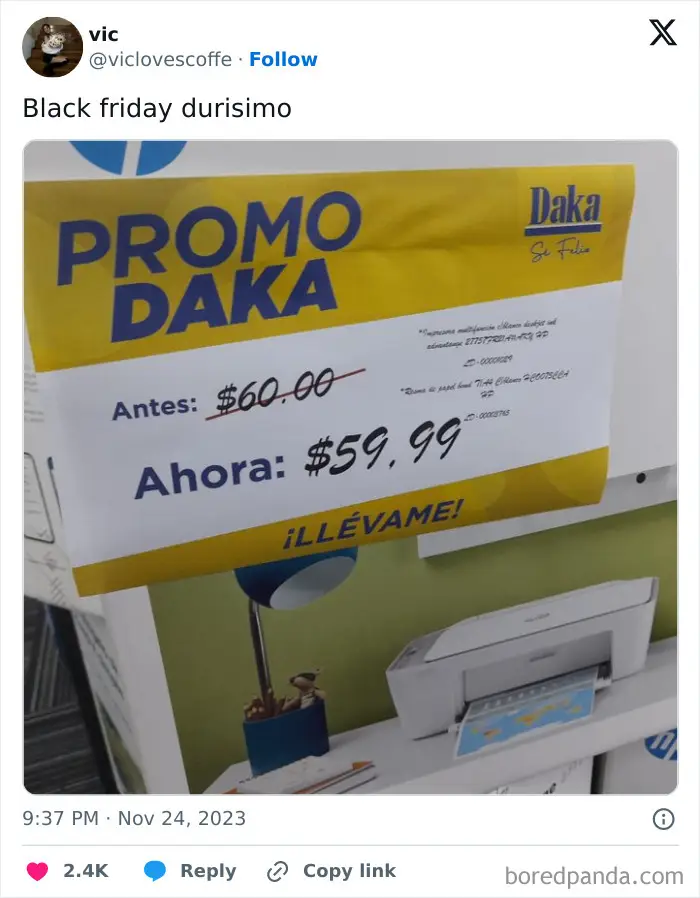
#11 Brownsville Best Buy. Before Online Shopping Took Over… People Used To Set Up Tents Outside Best Buy On Thanksgiving Waiting For Black Friday Deals
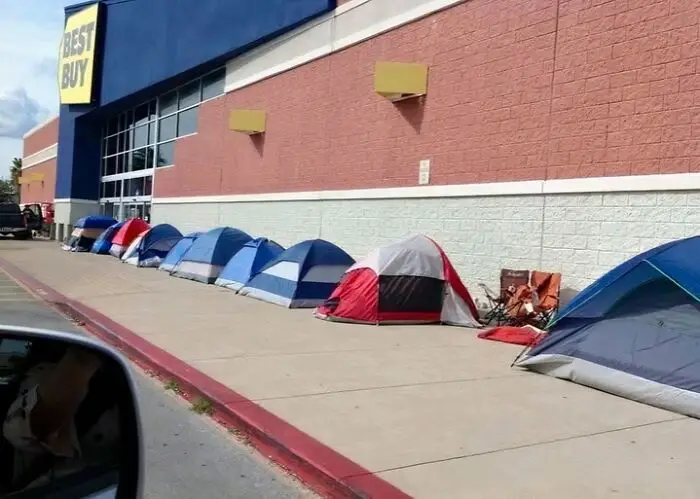
#12 How Was Your Guys Black Friday Reshop?
The tradition is deeply tied to late Thanksgiving, early Christmas shopping and digital convenience. Because it falls right after and before the holidays, millions of people use the weekend to check off their gift lists.
“Holiday shopping continues to be pulled forward, but Thanksgiving weekend remains an important shopping event for consumers,” Allison Zeller, an official at the US-based trade association National Retail Federation, said. “Shoppers are looking for deals, and retailers are delivering great value on gifts while creating special experiences that keep the Thanksgiving weekend shopping tradition going.”
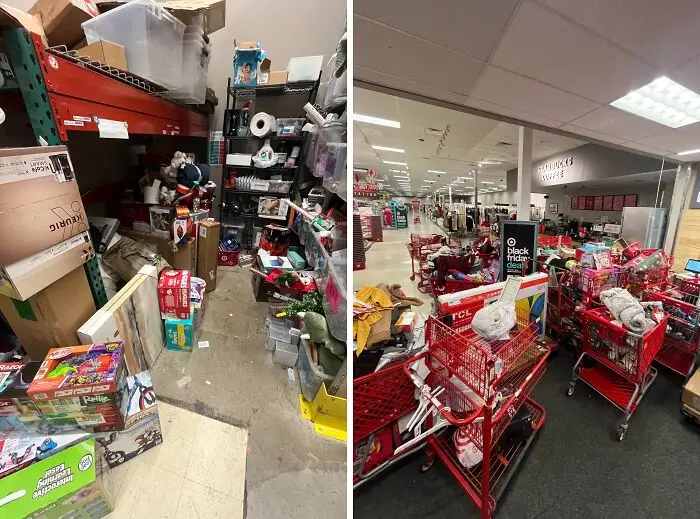
#13 Black Friday Deals Are Out Of Control
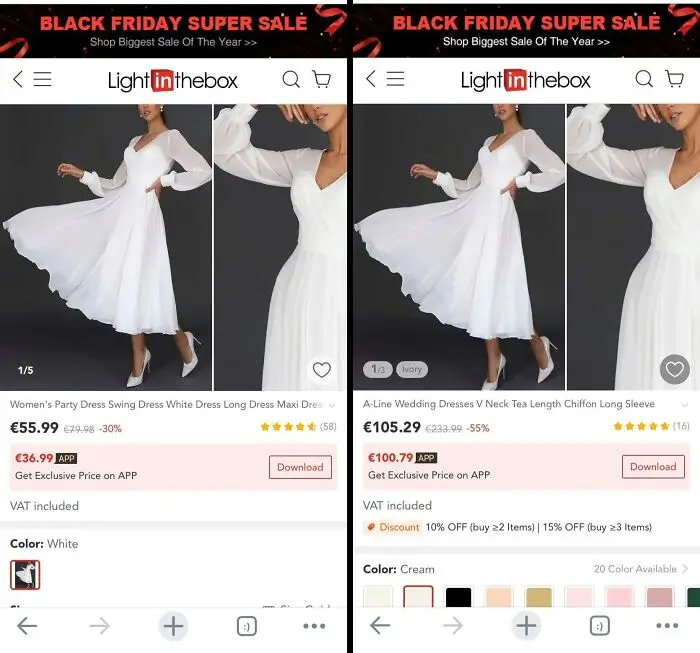
#15 Website Charging Twice The Price For The Same Dress If You Put “Wedding” In The Search
The numbers in the United States show just how massive this weekend remains. According to the 2026 survey by the National Retail Federation and Prosper Insights & Analytics, an estimated 182.7 million consumers plan to shop during the Thanksgiving weekend.
Nearly half (48%) say they do it because the deals are too good to pass up, while 26% love the tradition.
Black Friday is still the undisputed king of the weekend, drawing 69% of holiday shoppers — about 126 million people. While 67% plan to brave physical stores, 89% prefer hunting for bargains online.
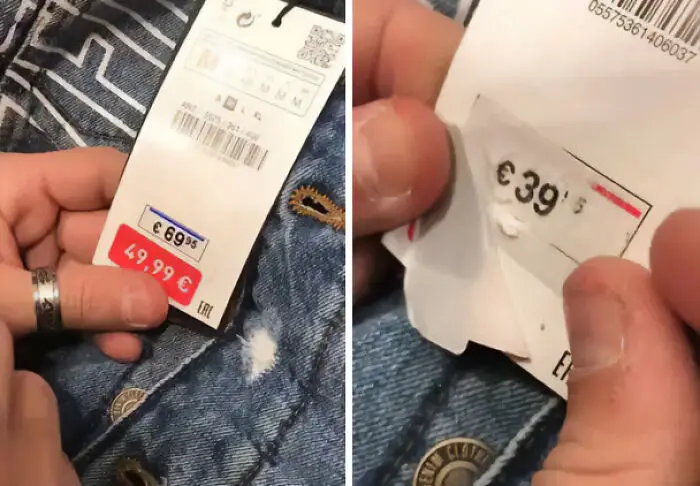
#16 Asos "Black Friday Deal" Is More Expensive Than The Base Price Anytime Of The Year (110€)


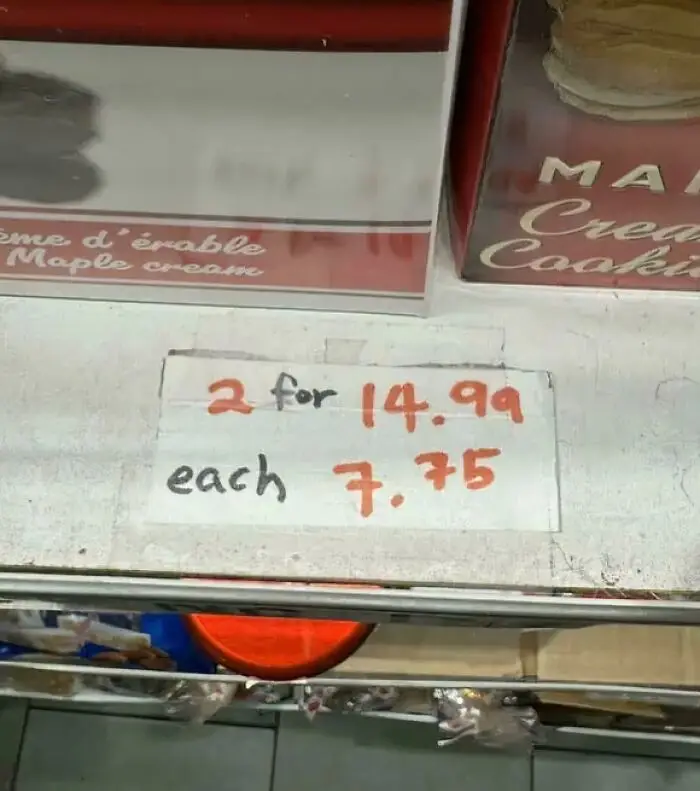
#18 What A Deal
Right behind Black Friday is Cyber Monday, a term created in 2005 to encourage people to shop online from their computers after returning to work.
Today, it remains the second-biggest event of the weekend, attracting 36% of shoppers (66.1 million people) who are hoping to snag one last digital deal before the season ends.
#20 We Bought Two Appliances Last Black Friday And Both Failed Within Weeks/Months. The Counterweights On This Lg Washing Machine Came Off

Not all Black Friday sales are what dreams are made of, as this list clearly shows.
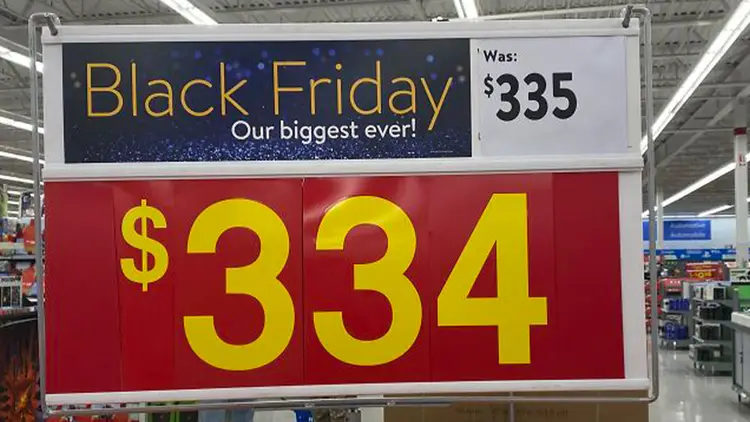
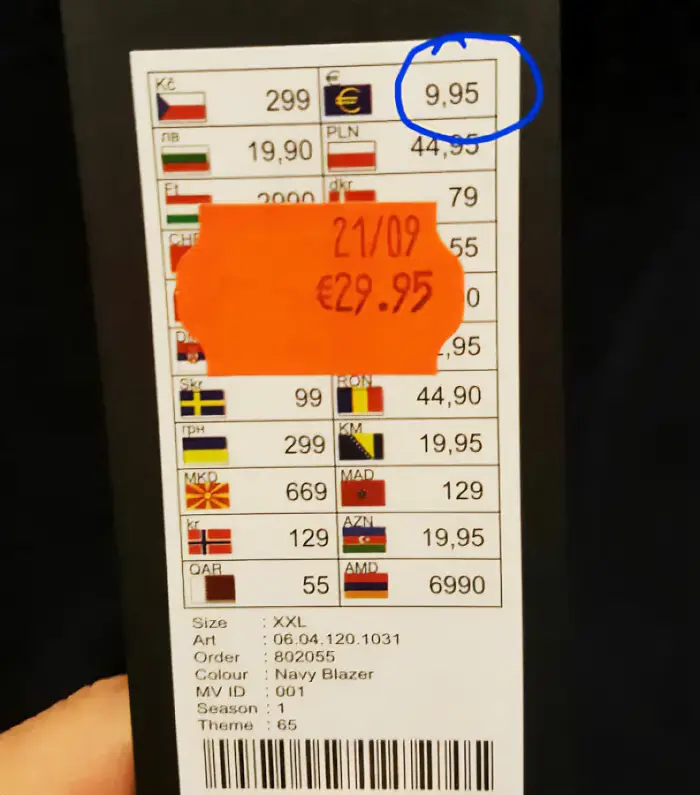
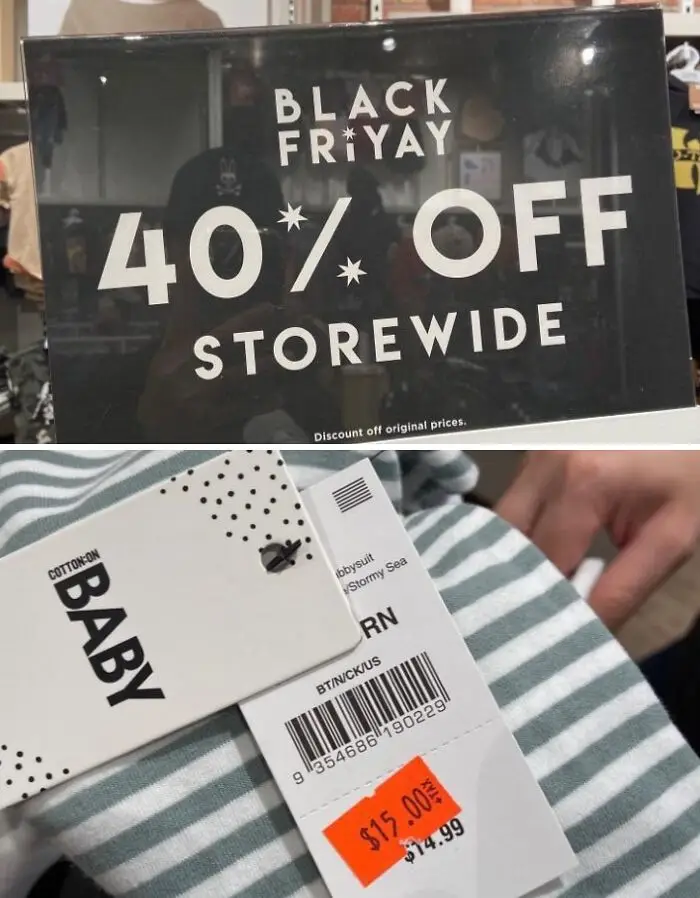
Watchdog groups worldwide have noticed the trend, too. Organizations like the European Commission and the US economic policy group Groundwork Collaborative have both uncovered misleading price tags during recent Black Friday and Cyber Monday events.
Groundwork Collaborative, for instance, analyzed 350 Amazon deals from 2024 and 2025. The group found that nearly 30% of those items offered no real savings, while roughly 10% actually cost more than the month before.
Amazon pushed back hard against the report, saying the claims rely on “flawed methodology and inaccurate data” that don't reflect most of its online discounts.