







I think we can all agree that birds are pretty majestic creatures. After all, they are the only ones with the ability to fly (besides the semi-flyers like those cute little squirrels and airborne fishies), causing us humans centuries of envy. But, besides the obvious, there are also plenty of other interesting things about birds, and to share them with you, we’ve created this wonderful list full of awesome bird facts. So, keep on reading!
To begin with, here’s a teensy snippet of what you might expect to read about in this list dedicated to facts about birds. Here’s one - did you know that cardinal birds cover themselves in ants? Neither did we, but to learn exactly why they do it, you’ll have to continue with this article. Also, here’s another fun fact about birds - ducks sleep with one eye open. Yeah, like from the Metallica song. Pretty hardcore, huh? However, if you weren’t expecting to read about fowl badassery and wish to share some of these cool facts with your children, you’ll definitely find some more adorable bird facts for kids. Meaning no killer ducks and no owls puking out the bones of their prey.
So, our roster of interesting bird facts is just a smidgen down below, and we think that you should definitely check them out. Be sure to rank the submissions so that the coolest animal facts will find their way to the top of this list. Also, share this article with your friends if you’d like!
#41 The Bark Whisperer
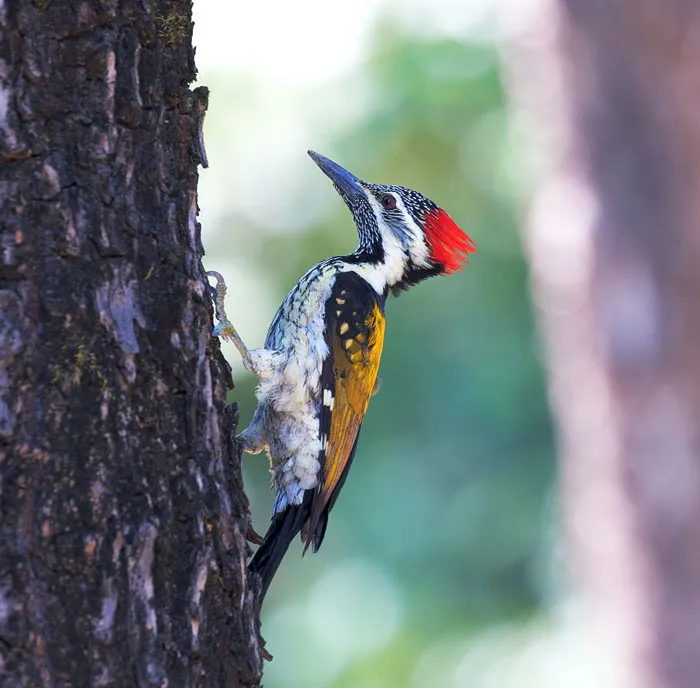
Woodpeckers hoard acorns.
Woodpeckers store their nuts by boring holes in trees, fence posts, utility poles, and structures. In a single tree known as a "granary tree," they have been found to store up to 50,000 acorns, each in its own little hole.
unknown
Report10points
#42 Solo Chill Mode Edge of the World Cold and Unbothered Just Hanging Out Iceberg VIP Zone Cooler Than You Arctic Wanderer Master of Ice Solo on Ice Peak Penguin Vibes
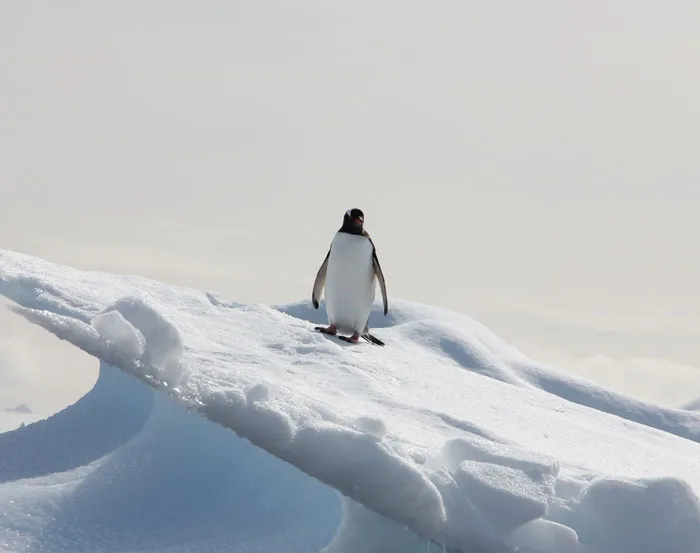
Penguins' distinctive black and white color serves as camouflage.
While penguins may stand out on land, their all-black and all-white appearance help them blend in underwater and avoid being seen by predators and prey. They are difficult to see from above because their black backs blend in with the deeper ocean water below them as they swim. In contrast, their white chests enable them to merge with the lighter, brighter water's surface, making them virtually invisible from below. However, in most areas, the birds confront so few predators on land that they don't have to try to blend in. On land, their black backs may contrast dramatically with the snowy terrain.
unknown
Report10points
#43 Red-Capped Contractor
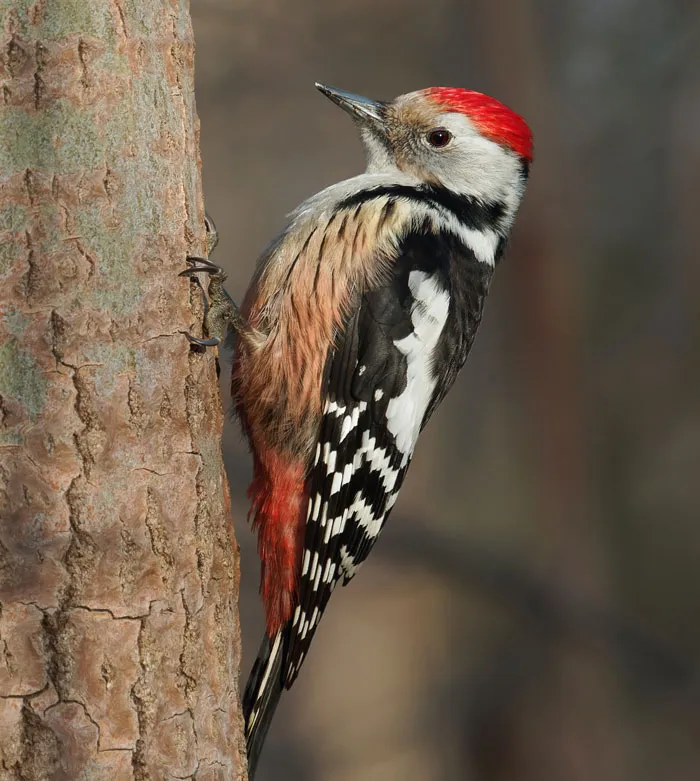
A woodpecker beats its beak against a tree rather than singing as most other birds do.
Other woodpeckers can use the sound of the pounding to determine which bird it is.
unknown
Report10points
#44 Winged Wisdom in Formation
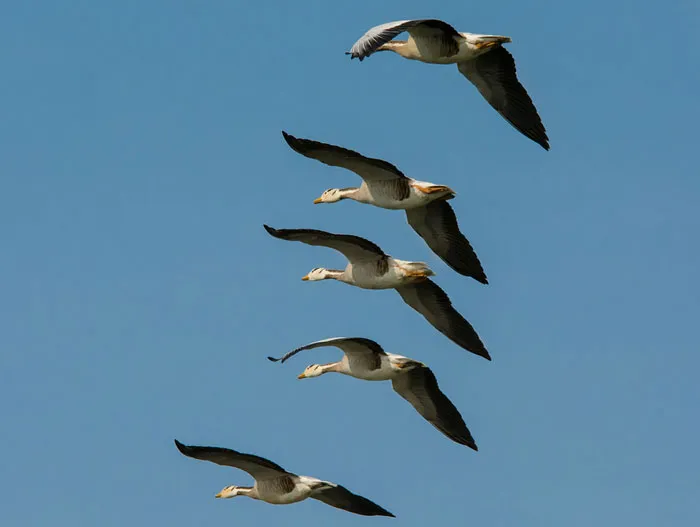
Bar-headed Geese can fly across the Himalayas.
They travel approximately 5 miles (about 8,000 m) in the air, which is nearly the same as what jets do. The Griffon Vulture soars at the maximum altitude. In 1973 an accident happened when a Griffon Vulture soared more than 6.8 miles above the Ivory Coast in Africa, colliding with an aircraft.
10points
#45 Silent Hunter Moves In
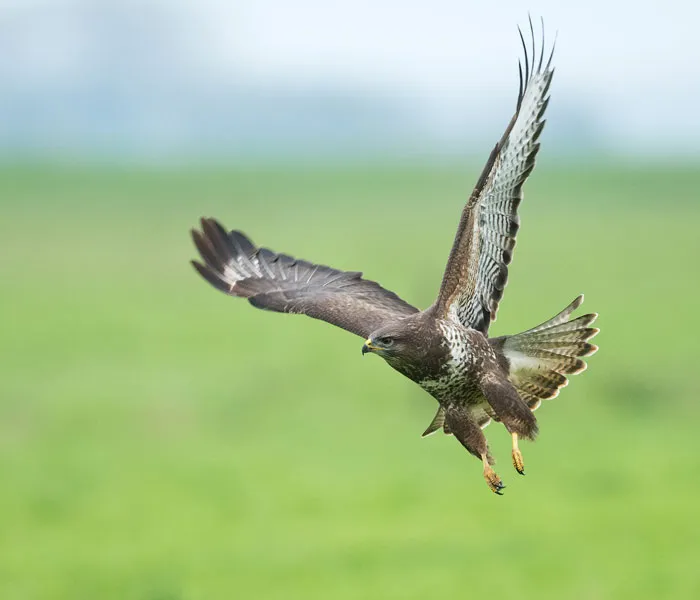
There are birds on every continent in the world.
Birds are the only animals that may be found on every continent in the world, including South America, North America, Africa, and many more. There are thousands of different species of birds. Birds may live in a variety of habitats. As the seasons change, they also move from one environment to another in search of food or shelter for their young.
unknown
Report9points
#46 Shadowed Songbird Moments
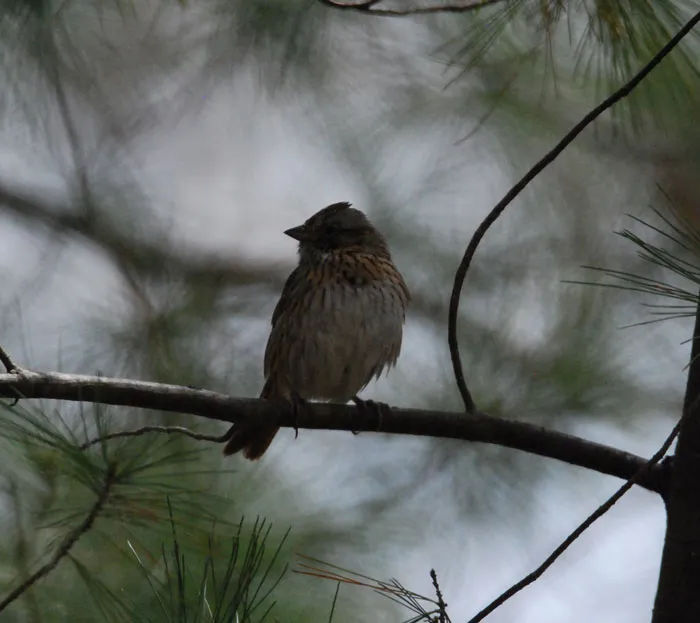
Bird feces is a crucial fertilizer.
Nutrients are largely disseminated by bird feces. Seabirds particularly play a part in this. They find land to build colonies of hundreds or even thousands of nests after months of feeding on fish and insects. When full, these birds concentrate nutrients at their breeding grounds by pooping on the shore.
unknown
Report9points
#47 Wings Ready for Anything
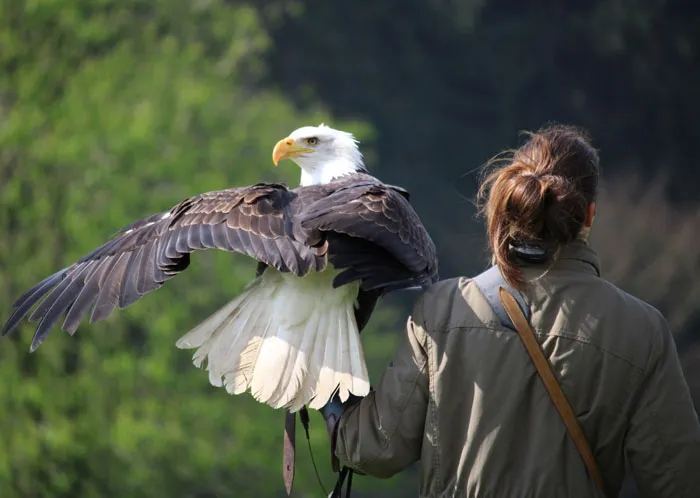
Large portions of human history involve birds.
Humans and birds have a tight bond. A significant source of human nourishment is their eggs. Bird feathers are additionally used by people to decorate hats, caps, pencils, and other goods. People keep birds as pets rather frequently all throughout the world.
A significant component of both ancient art and outdoor entertainment involves birds. Birdwatching is a popular recreational pastime among many people.
unknown
Report9points
#48 Feathered Food Fight
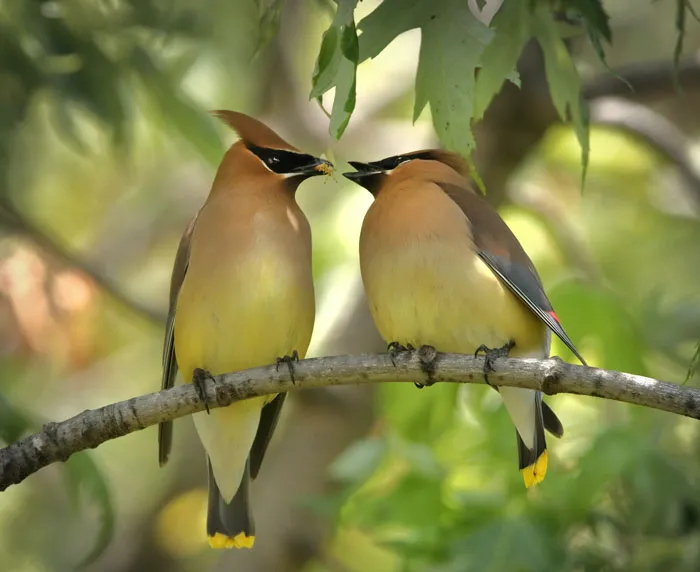
The number of extinct birds is rising.
Numerous studies show that bird losses are considerably more common in tropical regions due to changes in their habitat. Around 154 bird species are thought to have vanished since 1500, according to researchers. 18 species, according to researchers, are thought to have vanished in the last quarter of the 20th century.
Plant extinction, disease outbreak, and lack of pest control are just a few of the far-reaching effects that the extinction of birds could have. A lack of long-distance seed dissemination would also restrict the production of food and medication.
unknown
Report9points
#49 Stealth Mode: Activated
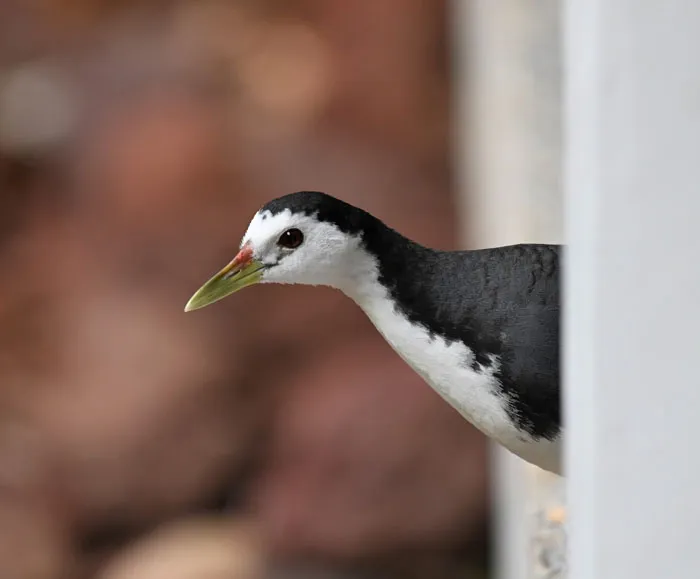
Originally, birds were related to reptiles.
The earliest bird ever discovered, the Archaeopteryx, lived roughly 147 million years ago. This bird was very unlike those found now. It also had teeth in addition to a long bony tail.
unknown
Report9points
#50 Grace in Motion
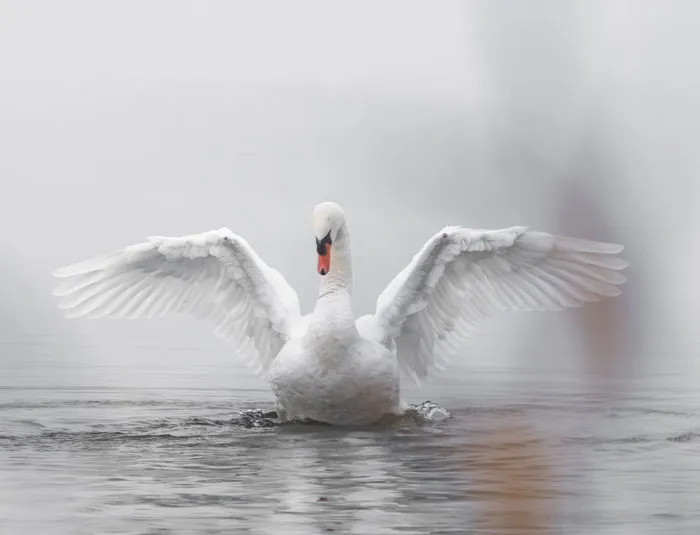
The whistling swan has the most feathers.
It has 25,000 feathers or more. On the other hand, hummingbirds are so tiny that they only have around 1,000.
unknown
Report9points
#51 Rock Solid Beacon

Lighthouses are dangerous for birds.
In foggy situations, the beams draw birds, many of which are then killed by flying into the glass.
unknown
Report9points
#52 Snack Time Strategist
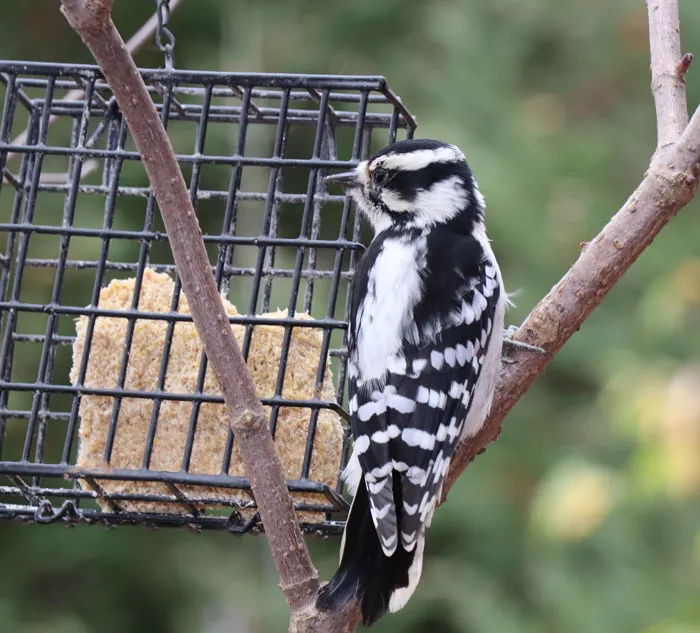
Birds' metabolic rates are very high.
Birds have high metabolic rates because they use large amounts of energy. However, compared to non-passerines, passerines have a higher metabolic rate. The heart rate is one sign of metabolic rates. When a hummingbird is fully in flight, its heart rate can reach 1260 beats per minute. The tiniest bird in the world, the bee hummingbird, has the highest metabolic rate.
unknown
Report8points
