






I think we can all agree that birds are pretty majestic creatures. After all, they are the only ones with the ability to fly (besides the semi-flyers like those cute little squirrels and airborne fishies), causing us humans centuries of envy. But, besides the obvious, there are also plenty of other interesting things about birds, and to share them with you, we’ve created this wonderful list full of awesome bird facts. So, keep on reading!
To begin with, here’s a teensy snippet of what you might expect to read about in this list dedicated to facts about birds. Here’s one - did you know that cardinal birds cover themselves in ants? Neither did we, but to learn exactly why they do it, you’ll have to continue with this article. Also, here’s another fun fact about birds - ducks sleep with one eye open. Yeah, like from the Metallica song. Pretty hardcore, huh? However, if you weren’t expecting to read about fowl badassery and wish to share some of these cool facts with your children, you’ll definitely find some more adorable bird facts for kids. Meaning no killer ducks and no owls puking out the bones of their prey.
So, our roster of interesting bird facts is just a smidgen down below, and we think that you should definitely check them out. Be sure to rank the submissions so that the coolest animal facts will find their way to the top of this list. Also, share this article with your friends if you’d like!
#21 Trust Falls Only
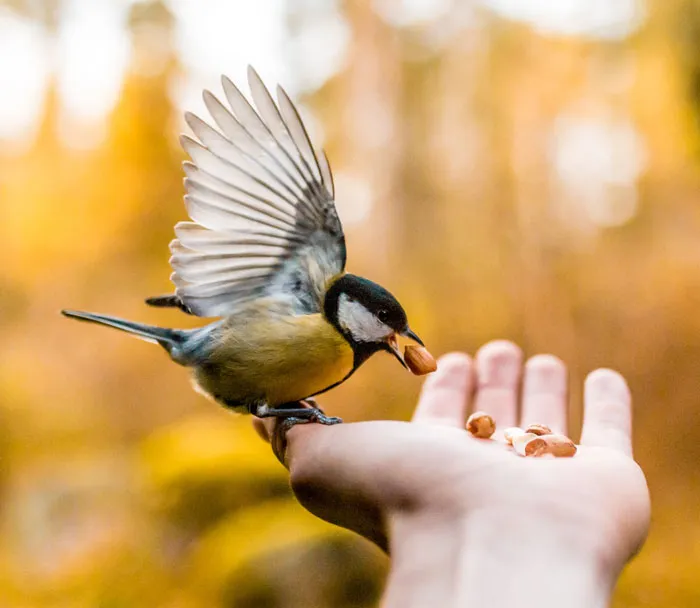
Birds do not have teeth.
Birds do not have teeth, despite the fact that they descended from dinosaurs that did. They can better grasp their food thanks to the ridges on their beaks. Most birds don't hunt for food; hence they don't require teeth. Insect and small animal-eating birds utilize their beaks to snag and swallow their prey.
How do birds eat, then? They take in their entire meal at once. The gizzard, a muscular organ in the stomach, grinds the food for digestion.
unknown
Report13points
#22 Almost too close for comfort
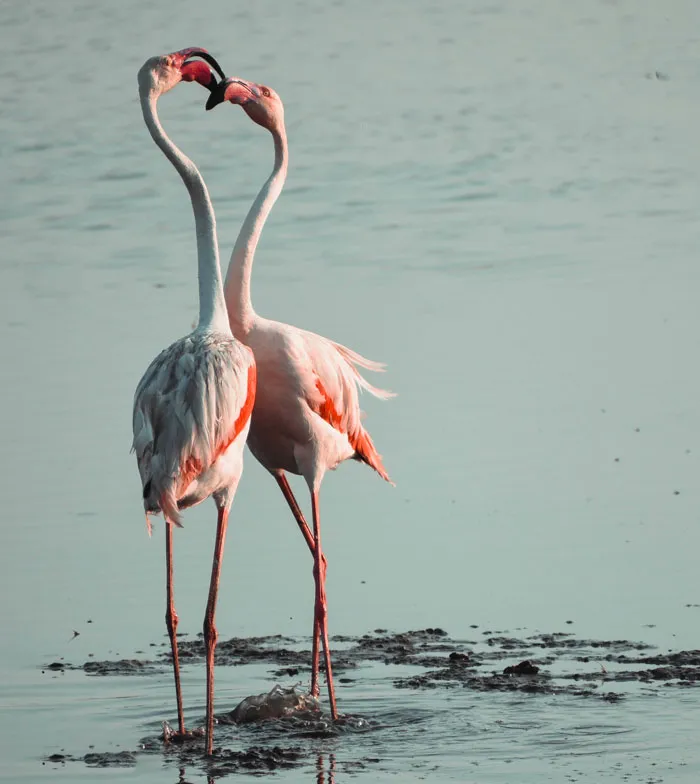
Flamingos form lifelong partnerships. Some partners stay together for 50 years or longer.
For the first time, researchers have found that friendships between birds are enduring and devoted and that physical characteristics may contribute to these ties. The durable relationships among flamingos include same-sex pals, groups of three to six close friends, and mated couples that construct nests together and nurture babies each year.
unknown
Report13points
#23 Silent Night Watcher
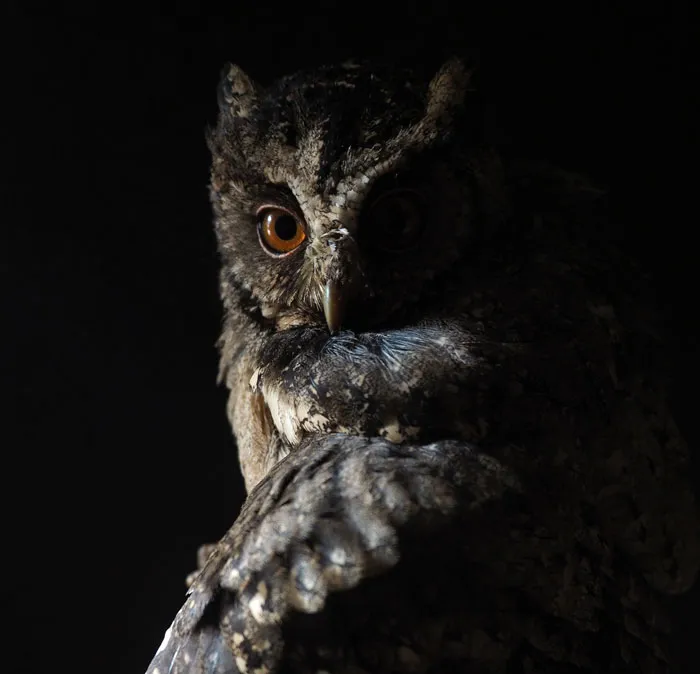
Owls eat their prey completely.
Larger animals that owls trap, including raccoons and bunnies, are torn into smaller, easier-to-eat pieces. However, they have also been observed to swallow smaller animals whole, including mice and insects. The inedible parts of their food, such as animal bones and fur, are then regurgitated by owls in pellet form.
unknown
Report12points
#24 Chasing the Sunrise
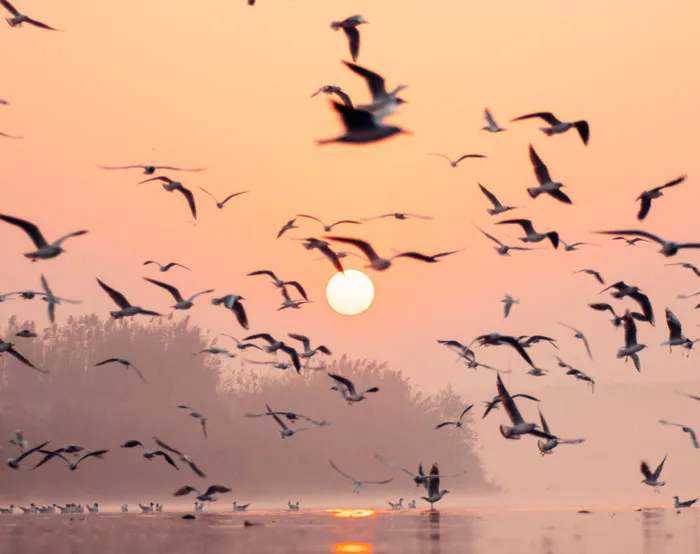
There are more than 18,000 bird species in the world.
There are many different kinds of birds around the globe. The average estimate of the number of bird species by scientists is over 10,000. New research, however, indicates that there are roughly 18,000 different bird species worldwide.
unknown
Report12points
#25 Nest Goals Achieved
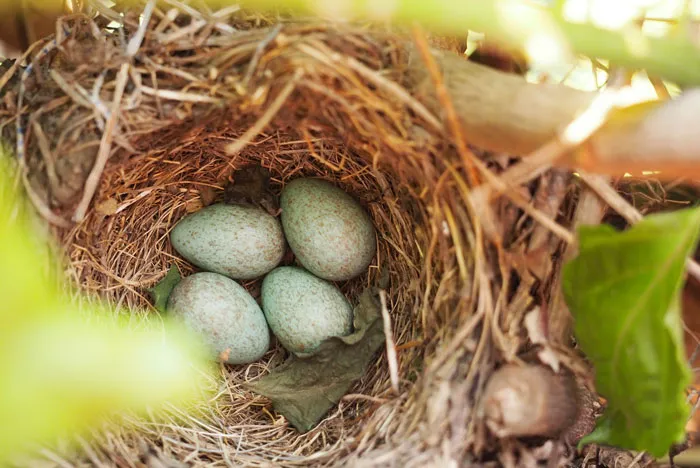
All female birds lay eggs.
All female birds can lay eggs, mated or not. Brown eggs, for instance, are laid by chickens with red earlobes. The color of the eggs and the red ear lobes are related genetically. Blue or green eggs are laid by the Araucana and Ameraucana chicken species. In response to environmental changes, female birds typically intensify their reproductive activity to prepare for egg-laying and caring for their young.
unknown
Report12points
#26 Winging It Together
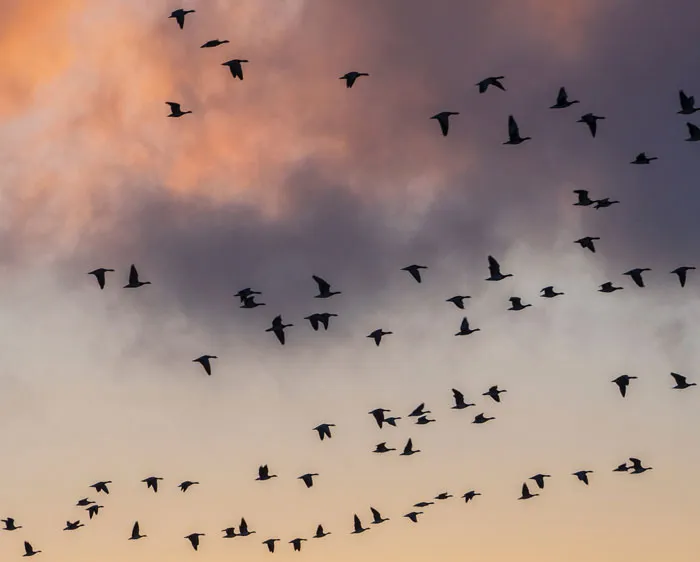
Birds congregate to defend one another.
A flock is a collection of birds. The birds that make up a flock come from the same species and move in unison. For certain species, flocking offers advantages. The majority of animals benefit from protection from predators. They may all stare in different directions when they flock, which helps them stay vigilant. When a flock spins around, a predator may feel disoriented or perplexed, making it challenging to focus on one prey.
unknown
Report12points
#27 Color Clash Crew
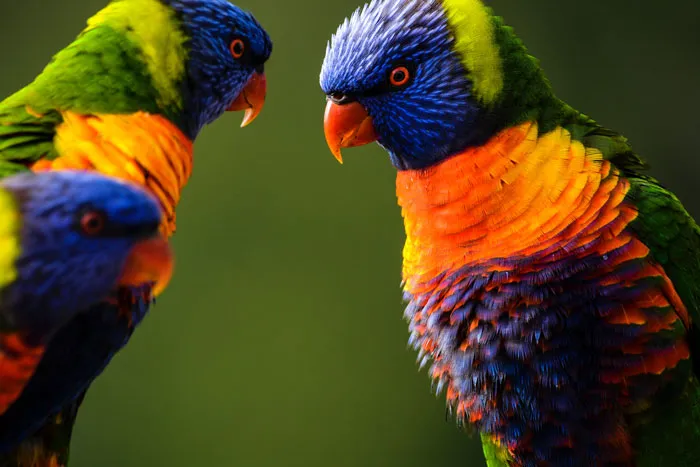
Birds use color and sound to communicate.
You've probably heard birds squeaking or whistling when strolling through a park or other natural area. That sound is the exchange of messages between birds. Squeaks, singing, whistles, gurgles, warbles, trills, rattles, and many other bird sounds are communication sounds. Some birds also use nonverbal means of communication. A bird may be seen hitting the air with its wings in order to claim territory. As it dives downward, Wilson's snipe bird spreads its distinctive tail feathers. To make a winnowing sound, it beats its wings, drawing air into its feathers. This behavior is present during courtship.
They also use visual displays to communicate. Male blackbirds stretch up their feathers and display their vibrant shoulders. Female birds choose their partner based on the male bird's coloration or physical appeal.
unknown
Report12points
#28 Postcard From Puffin Island
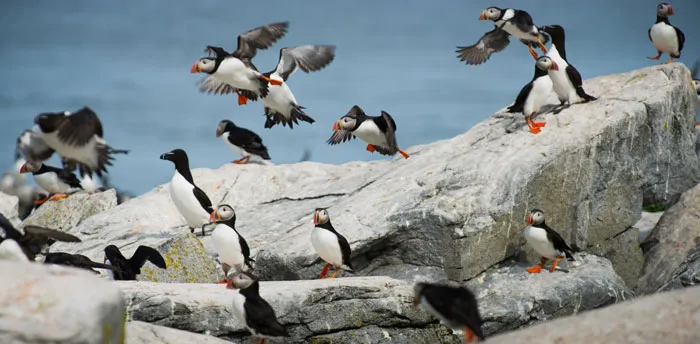
Birds play a significant role in our ecosystem.
Birds pollinate by moving seeds and nutrients from one area to another while they are in the air. They are crucial to the production of agriculture. They consume unwelcome pests on livestock and crops, preventing crop depletion and pest outbreaks.
unknown
Report12points
#29 Tiny Wings, Big Energy
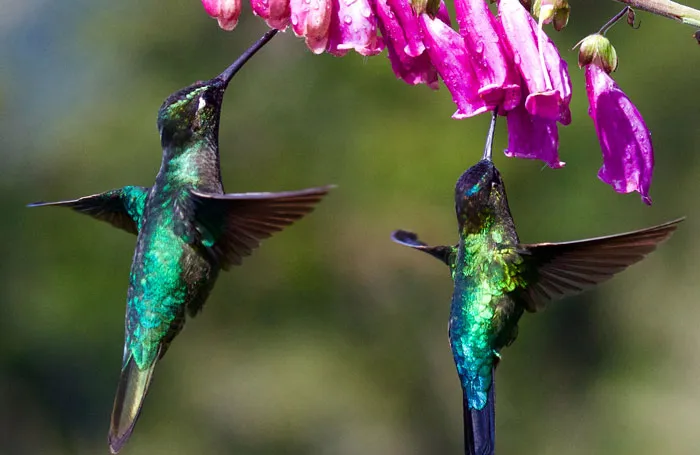
The smallest bird is a Bee Hummingbird.
The Bee Hummingbird is the world's tiniest bird. It has a growth range of 5–6.1 centimeters. Check your ruler to see how little that is.
unknown
Report12points
#30 Pipedreams and Nesting Spots
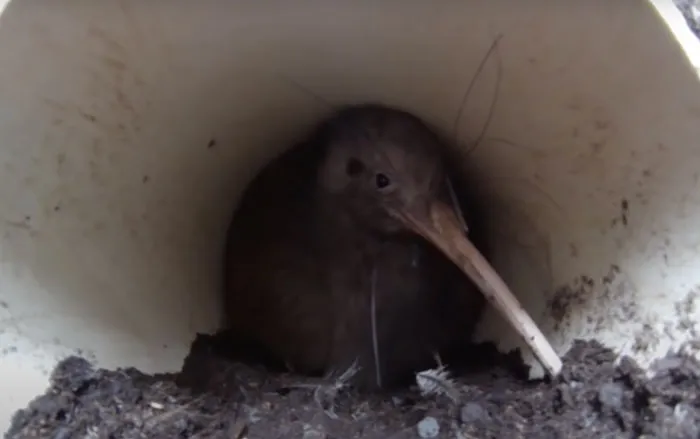
The kiwi is the only bird with nostrils on the tip of its beak.
This positioning aids in its ability to smell food, including worms and insects on the ground. To clear its nostrils, it snorts frequently.
Report
12points
#31 Long Legs, No Mercy
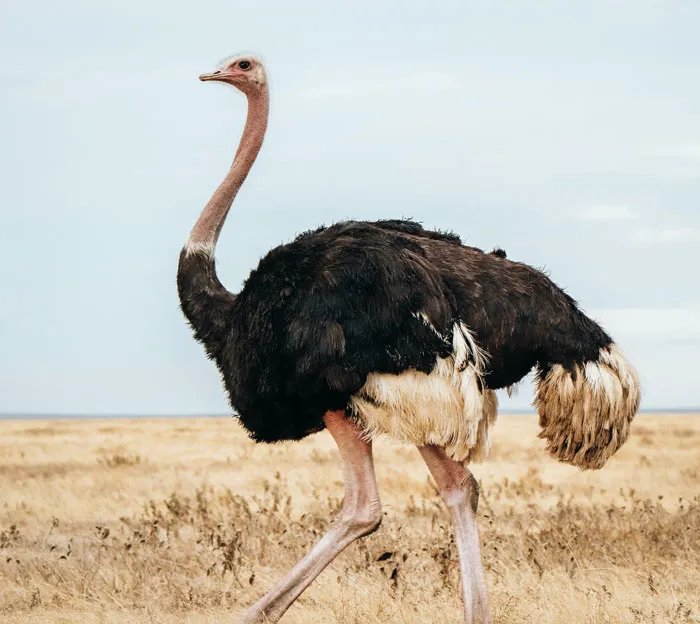
Ostriches lay the largest eggs.
It weighs 3 pounds and is 7" x 5" in size. The kiwi, whose eggs are one-third the weight of the bird, lay the largest egg relative to the size of the mother. It is 5" long and up to 1 lb in weight. In terms of weight, that would be the same as an ostrich laying an 88 lb. (40 kg) egg.
unknown
Report12points
#32 Red Alert Mode Perched and Poised Striking in Silence Nature’s Bold Accent Monochrome with a Twist Sharp Contrast Vibes
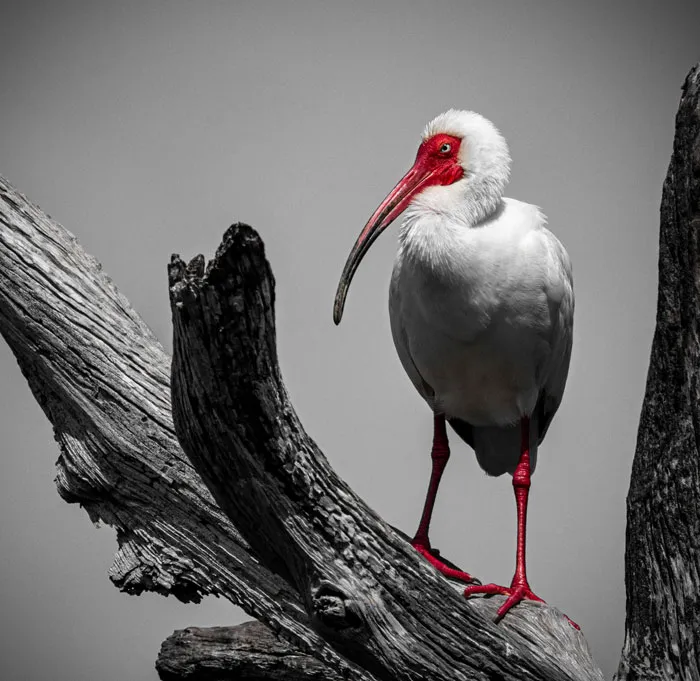
The rarest bird in the world is the Japanese crested ibis.
There are probably fewer than 50 crested ibises left in existence.
unknown
Report12points
#33 Feathered Fashion Statement
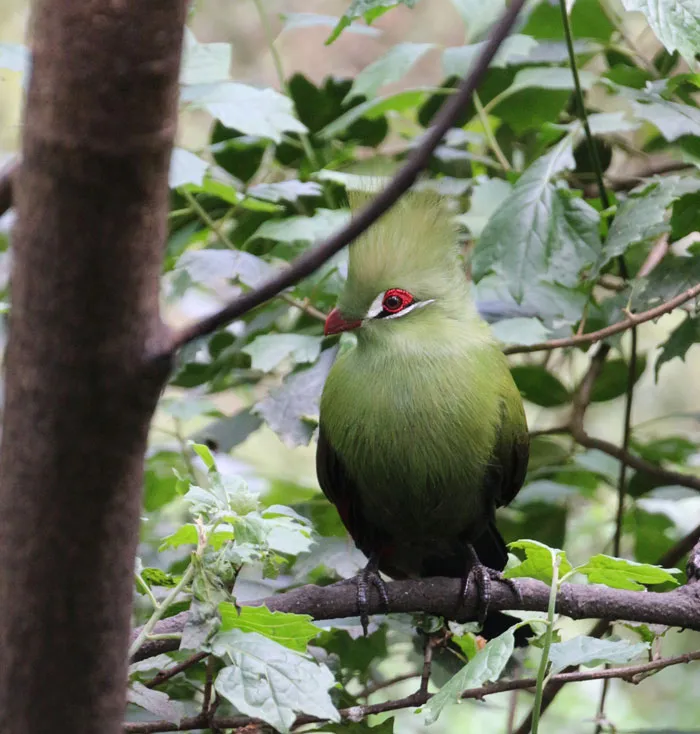
Birds can't fall off of a branch when they sleep.
Their toes naturally clench around the twig they are standing on, so birds don't accidentally slip off of a branch when they are sleeping. The birds may sleep without worrying about falling since tendons, not muscles, are doing the clutching.
unknown
Report12points
#34 Effortless in Motion
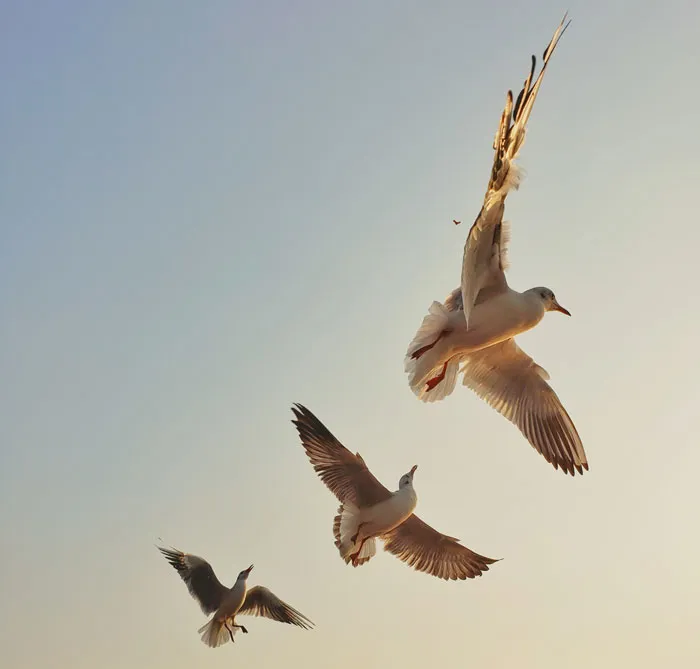
Many birds have lost their capacity to fly over time.
Being flightless has several benefits. For instance, a bird that cannot fly does not need to grow and maintain large flight muscles or expend the energy needed for flight. A bird without wings can also get by on less food, which enables it to endure in environments where food is in short supply.
unknown
Report12points
#35 Effortless Wing Power
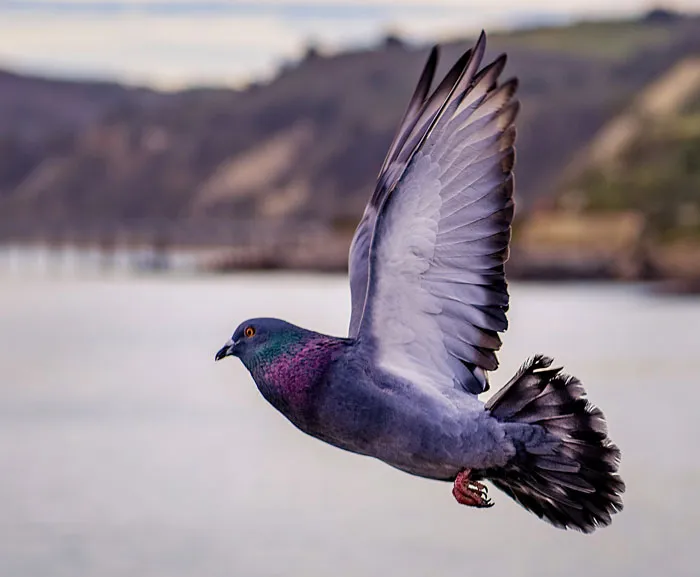
Pigeons delivered the Olympic game results in ancient Greece.
Pigeons, probably the earliest domesticated bird, have been used for thousands of years to convey messages, such as crucial military information and the results of ancient Olympic competitions. Pigeons were still employed to transport some letters during World War II, although non-avian mail service has grown in popularity over time.
unknown
Report11points
#36 Wings of Unbothered Grace
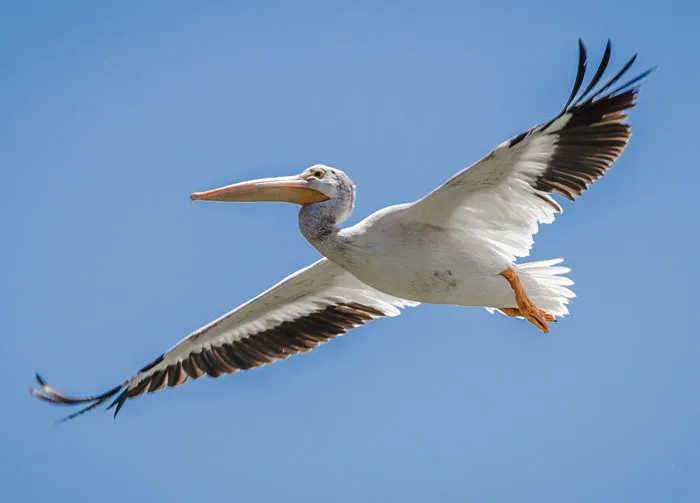
The world's longest bill belongs to the Australian pelican.
It measures just about 2 feet (0.5 meters). The only bird with a bill longer than its body is the sword-billed hummingbird, which has a 3.9-inch (10 cm) bill.
unknown
Report11points
#37 Feathered Patient Files
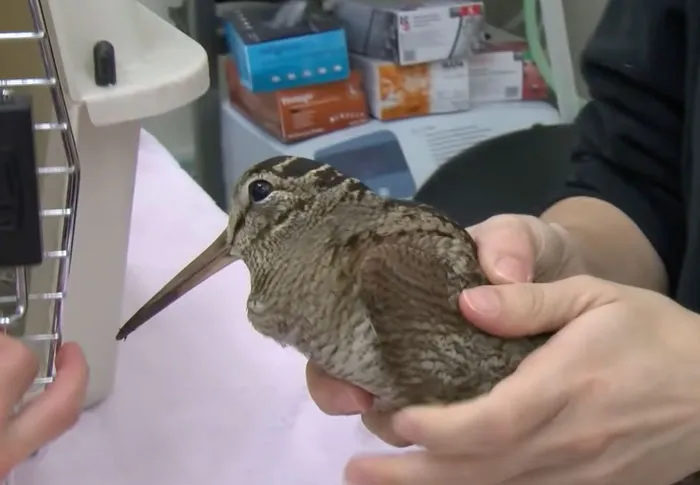
American Woodcock is the slowest flying bird.
At most, it can fly at 5 mph (8 kph). Hummingbirds hover at a speed of 0 mph. Hummingbirds are the only species of bird that can fly backward while still using power, indicating a negative speed.
Report
11points
#38 Strutting Into Your Day
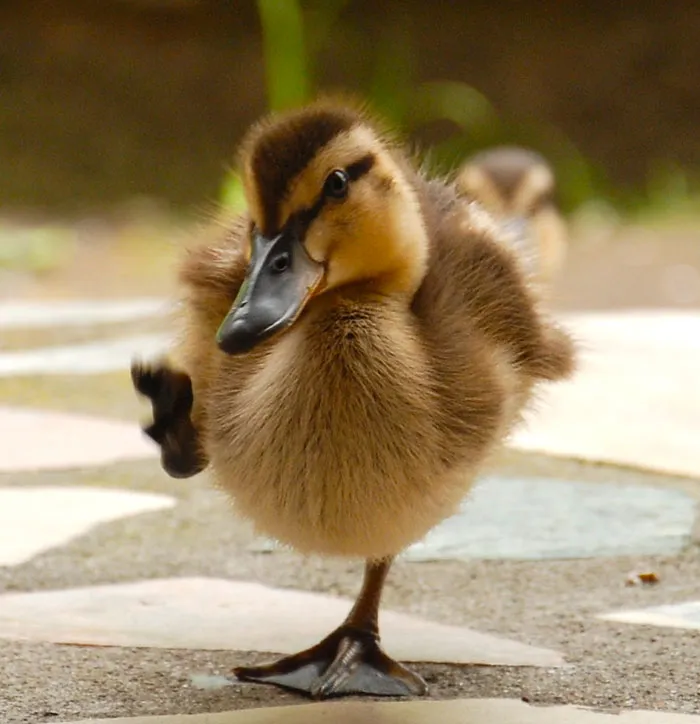
The eyes of many ducks, including woodcocks, are situated at the sides of their heads to provide a 360-degree field of vision.
unknown
Report11points
#39 Feathered Mystery Guest
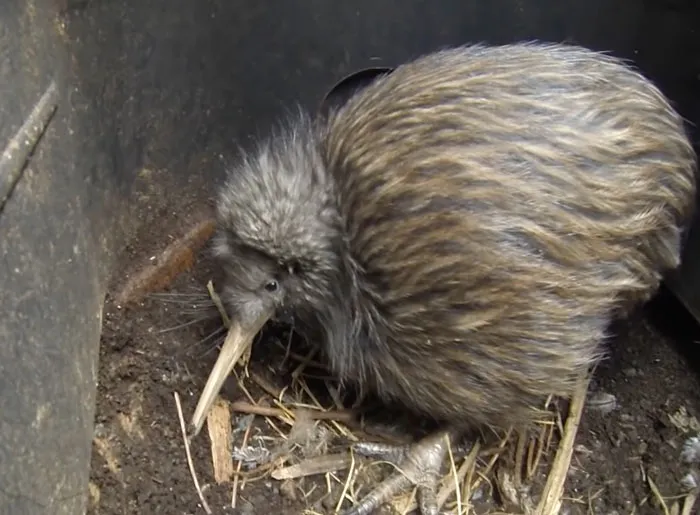
Kiwis are sometimes called "honorary mammals."
Scientists have occasionally referred to kiwis as "honorary mammals" because of their peculiar characteristics, which include feathers that feel like hair, heavy bones packed with marrow, and nostrils on the tip of their nose rather than at the base of their beak like most birds.
Report
10points
#40 Falling Without Warning
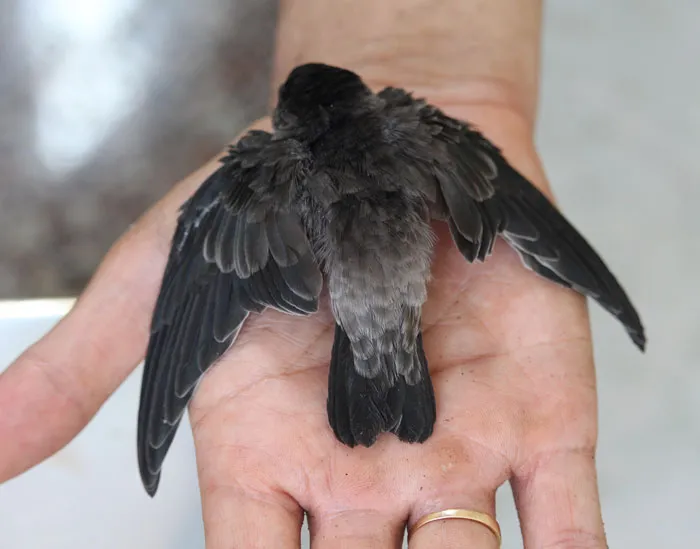
Swiftlet nests are a delicacy.
Some Swiftlets, aptly known as edible-nest Swiftlets, nearly entirely use their hardened saliva to construct their nests. The saliva nests are one of the most costly meals in the world despite having little flavor and no actual nutritional value. In some nations, they are considered a delicacy; in China, they are most usually used to make bird's nest soup.
unknown
Report10points
