




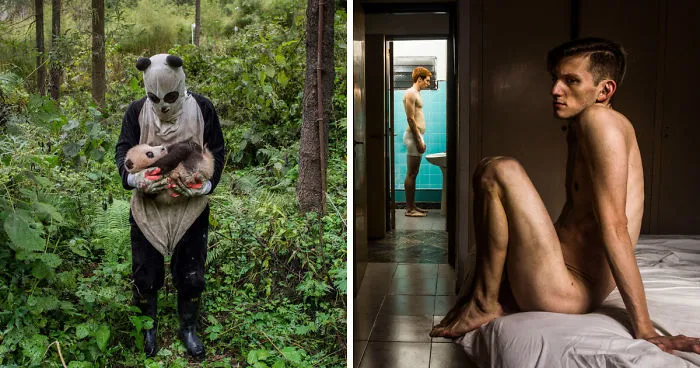

It's that time of the year again when Sony announces the shortlist of the best photos competing in the biggest photography contest in the world. As always, these include best shots not only by professionals but by amateur photographers as well.
It's the tenth Sony World Photography Awards and this year it managed to outpace the record-breaking last year's event and gathered photographers from 49 countries; with the shortlist being drawn from 227,596 images, entered from 183 countries, including – for the first time – Armenia, Cuba, Iceland, and Saudi Arabia.
The winning photographers will be announced on 20 April, with the overall Photographer of the Year scooping a $25,000 cash prize plus some goodies from Sony.
More info: Sony World Photography Awards
#141 Adi Bulboacă, Romania (Professional, Architecture)
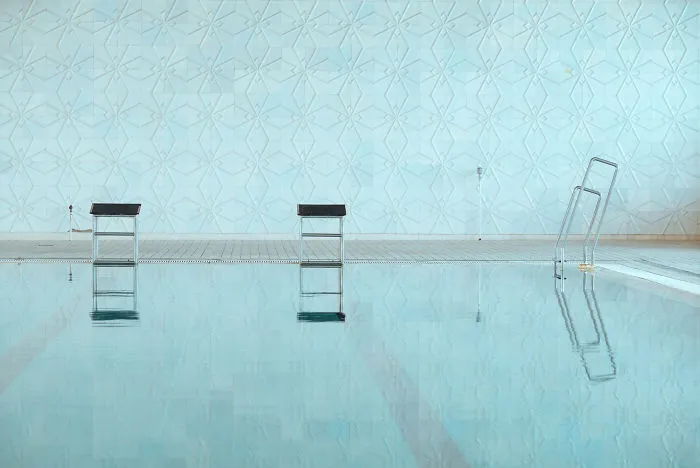
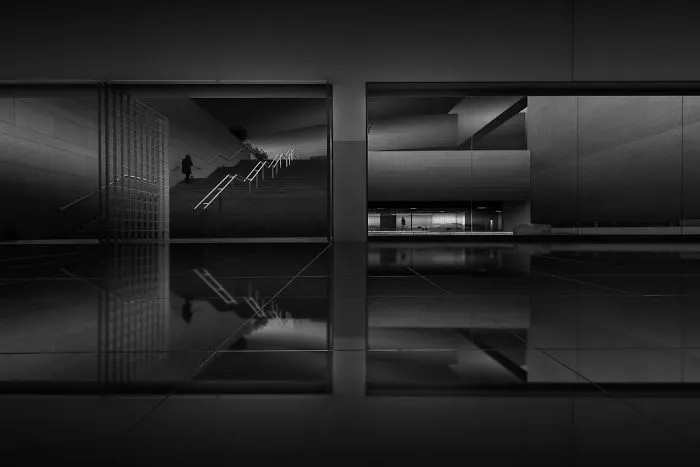
Silver Beach Hotel. "I had the chance to spend 4 days in the Silver Beach Hotel in November 2016, off the shore of Lake Balaton in Hungary. It's very much a summer resort, so I found myself out of season while working as a set photographer for a film. Built between 1978 and 1983, the hotel was designed by the brutalist architect Tillai Ernő. All the rooms were obviously vacant, so I was able to snoop around and explore the entire resort to my heart's content. The place has a retro feel to it, and a soothing patina that I hope I was able to capture. I was fascinated by how stark yet visually inviting this "anachronistic" hotel could be."
Report
21points
#142 Dario Mitidieri, Italy (Professional, Portraiture)
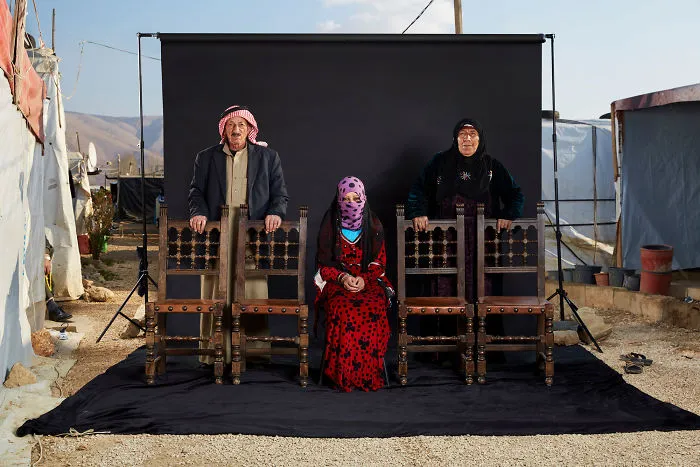
Lost Family Portraits. "March 2017 will mark the 6th anniversary of the beginning of the war in Syria. More than 470,000 people have died since. In all, 11.5% of the country's population have either been killed or injured. 45% of the population have been displaced, 6.36 million internally and 4.8 million abroad. This is the biggest humanitarian emergency of our era. Lost Family Portraits aims to tell the story of those who have lost family members in the Syrian war, and who have made their way to the refugee camps in the Bekaa Valley, Lebanon. The empty chairs or spaces in the photographs symbolise the missing family members. Lost Families Portraits is a reminder of the of the destructive power that war has over families. It is also a testimony to the 1.5 million refugees who are left behind in Lebanon, who cannot afford to buy their way into Europe and who have nothing to go back to."
Report
20points
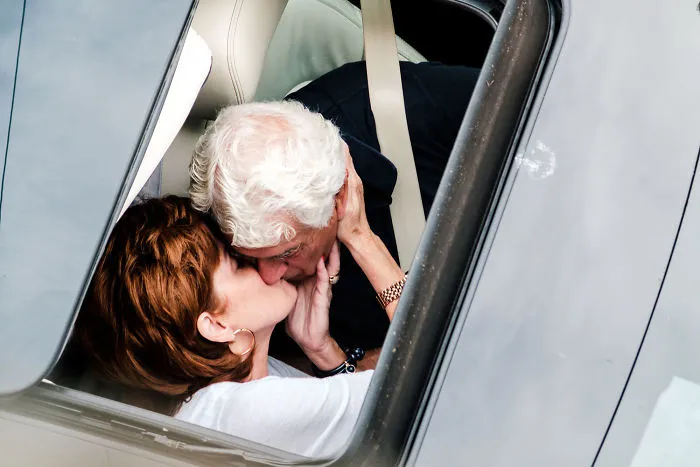
#144 Paşa Imrek, Turkey (Professional, Current Affairs & News)
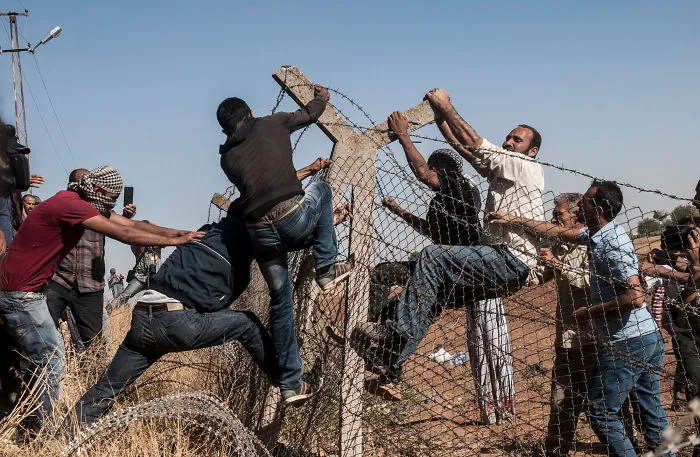
War and Migration. People who had fled from the Syrian civil war at the border with Turkey.
Report
19points
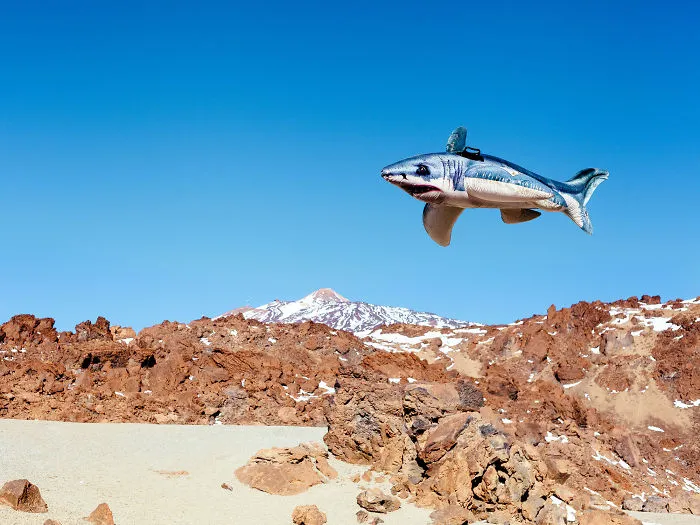

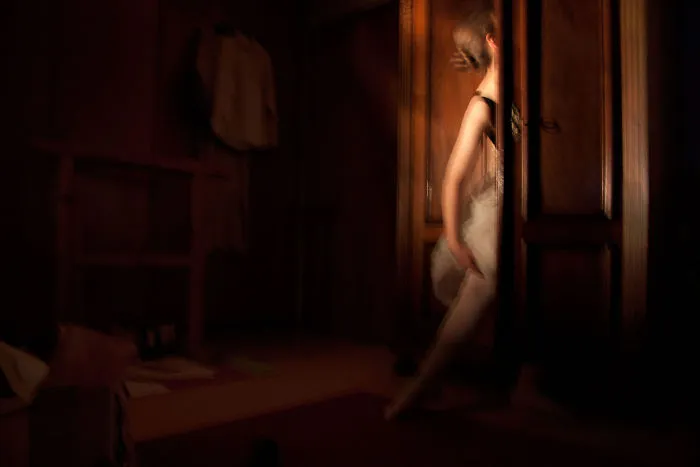
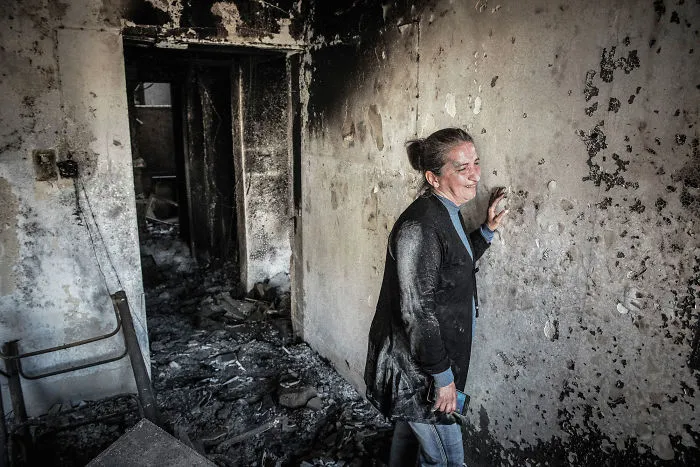
#148 Yulia Grigoryants, Armenia (Professional, Daily Life)
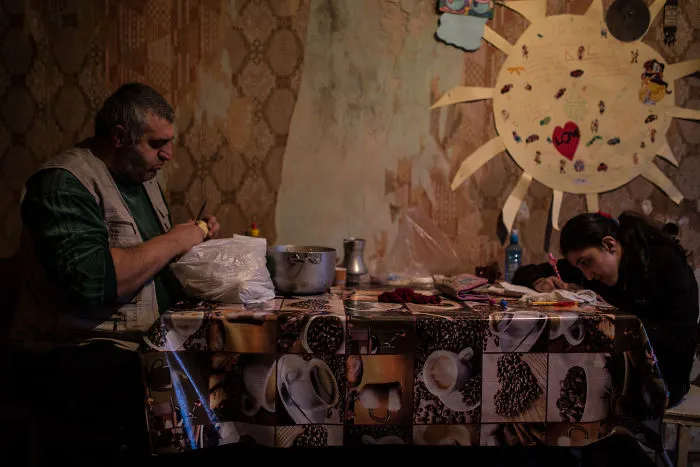
Inhabitants of the Empty. "In 1988, a 7.0 Richter-scale earthquake struck northern Armenia. The quake killed at least 25,000 people in the region. Thousands more were maimed and hundreds of thousands left homeless. Gyumri, Armenia's second largest city bore much of the damage. Large-scale war by the early 1990s, the collapse of the Soviet Union, an energy shortage, and a blockade that left landlocked Armenia with just two open borders contributed to exacerbating the region's already prevalent social and economic problems. A quarter of a century later, Gyumri has the country's highest poverty rate at 47.7%. The city has lost nearly half of its population since 1988, due in part to the migration of the labor force. A few thousand families are still living in makeshift shelters, waiting for help. Many of them are not eligible for new housing, since they are not considered to be direct victims of the earthquake. 25 years later, they are still waiting for urgently needed improvements to their dwellings. During the Soviet era, these huge twin dormitory buildings on the outskirts of Gyumri accommodated around 60 families each. Today there are just four families living here, among decaying walls and corridors."
Report
17points
#149 Alexander Anufriev, Russia (Professional, Conceptual)
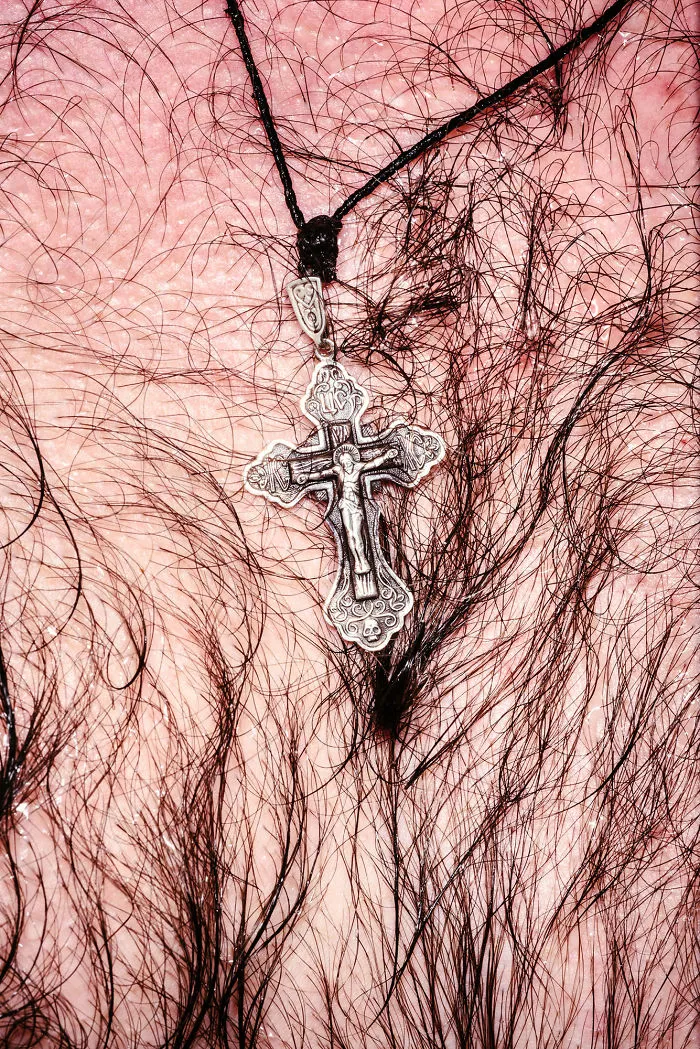
Russia Close-Up. Inspired by the work of A.Siskind, R.Gibson and M.Parr, I’m trying to visualise those trends and going-ons which I feel are important to document in modern Russia.
Report
17points
#152 Alessio Romenzi, Italy (Professional, Current Affairs & News)
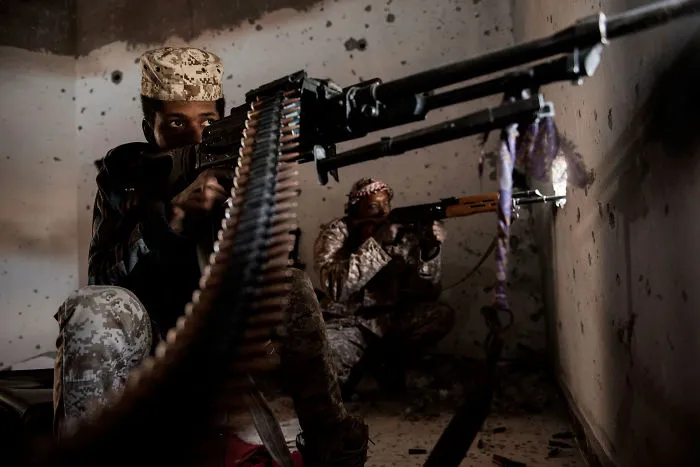
"We are taking no prisoners." The offensive to liberate Sirte, self-proclaimed capital of the so-called Islamic State in Libya, was launched in May. It took seven months of fighting, five hundred American airstrikes, seven hundred soldiers dead and more than three thousand injured in the Libyan army ranks, to declare the city finally free. The offensive has been slow and fierce. The Libyan soldiers were mostly civilians with no military training. The leaders of the operation also considered it their priority to save the civilians (women and children) trapped in Sirte. But in the last weeks of the offensive, the distinction between civilians and militants became vague; some women, allegedly the wives of ISIS militants, blew themselves up while Libyan soldiers were trying to save them. Today Sirte is a ghostly place. No one knows exactly how many ISIS militants were in Sirte at the start of the offensive, nor how many of them have been killed. What is certain is that the Libyan soldiers have taken no prisoners, and today in Sirte there are dozens of corpses buried in the rubble.
Report
17points
#154 Joe Raedle, United States (Professional, Current Affairs & News)
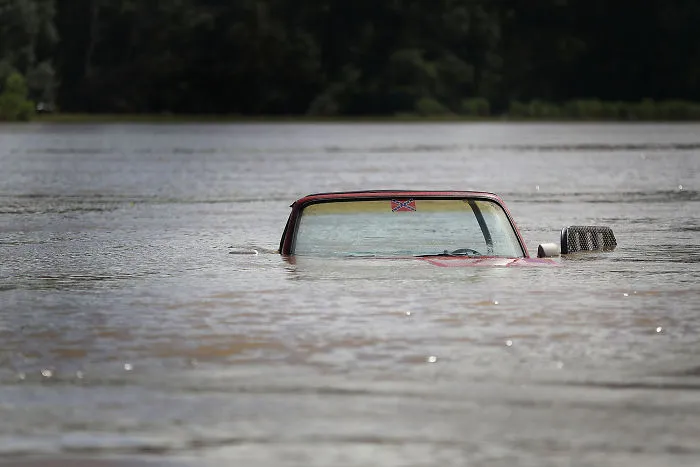
Louisiana Flooding. A historic flood, caused by a massive rainstorm, hit parts of Louisiana and overwhelmed local communities, causing thirteen deaths and damaging thousands of homes with flood waters.
Report
16points
#155 Ivor Prickett, Ireland (Professional, Current Affairs & News)
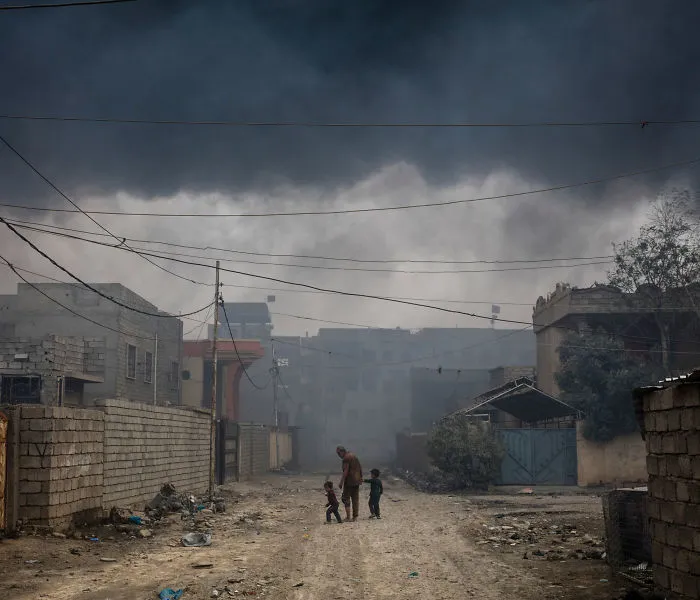
Caught in the Crossfire. As the fight for Mosul enters its fourth month, thousands of civilians remain caught between Iraqi and coalition forces on one side, and Islamic State group fighters on the other. Over 800,000 people are still trapped in Mosul, according to estimates from the United Nations. Tens of thousands are sheltering in neighborhoods declared liberated by Iraqi forces and many more remain in parts of the city under ISIS control. Humanitarian organisations continue to fear mass displacement and civilian casualties. Many have already made the harrowing decision to flee their homes, in some cases leaving behind the bodies of loved ones who died as the fighting came to their area and had to be buried in front gardens. The majority of the more than 130,000 people who have fled are still living in temporary camps in Iraq’s Kurdish region. Some say they are waiting for the security situation to improve, others are waiting for their homes to be rebuilt. Although well organised and supported by international organisations, the camps are isolated and winter weather has made life there very difficult for people who already endured two years of harsh rule under ISIS. While other areas of the country were largely devoid of civilians when they were finally wrested from ISIS control, the battle for Mosul is different because so many people have been told to remain inside. As a result, progress has been slow and civilian casualties, although lower than expected, are still mounting.
Report
16points
#156 Sandra Hoyn, Germany (Professional, Daily Life)
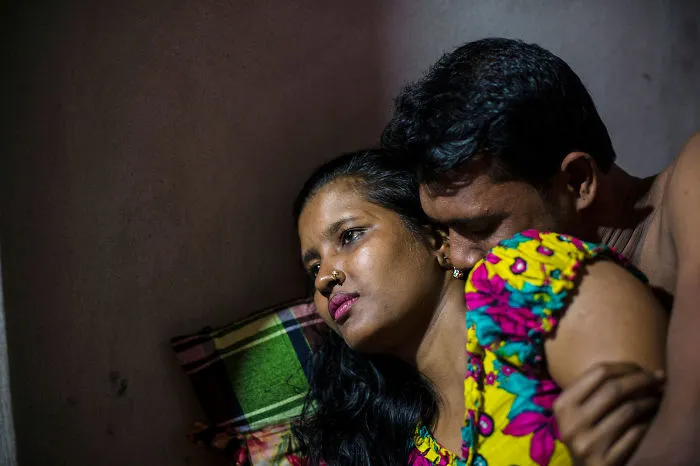
The Longings of Others. The Kandapara brothel in the district of Tangail is the oldest and one of the largest in Bangladesh - it has existed for some 200 years. It was demolished in 2014 but has been re-established with the help of local NGOs. The brothel district is surrounded by a two-metre wall, and in the narrow streets within, there are food stalls, tea shops and street vendors. More than 700 sex workers live and work here with their children and their madams. Many of the women were either trafficked or born inside the brothel's walls and in this way their livelihood is secure. Their customers are policemen, politicians, farmers, fishermen, factory workers and groups of teenage boys. The brothel is a place with its own rules and power hierarchies, which are completely different from mainstream society. The most vulnerable stage is when a young sex worker enters the brothel, when she is called a bonded girl. Officially, sex workers must be 18 years old, but most are underage and bonded girls are usually 12 to 14 years old. They have no freedom or rights; they belong to a madam, have debts and are not allowed to go outside or keep their money. From the moment a woman has paid her debts, she is free to leave. Although prostitution inside registered brothels has been legal in Bangladesh since 2000, these women are socially stigmatised outside their "homes" and thus often choose to stay and continue supporting their families with their earnings.
Report
16points
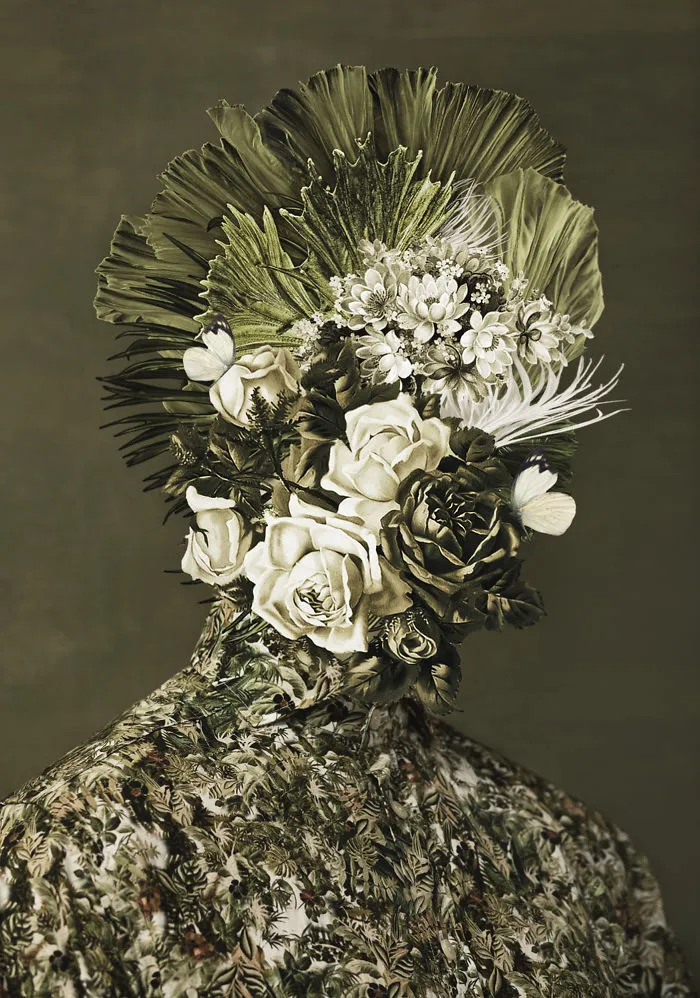
#158 Asger Ladefoged, Denmark (Professional, Current Affairs & News)
The fight for Mosul. The Iraqi officials thought they could overtake the city of Mosul within a few months but nothing turned out as expected - the scale of death and destruction have surprised everyone but ISIS.
Report
15points
#159 Toby Binder, Germany (Professional, Daily Life)
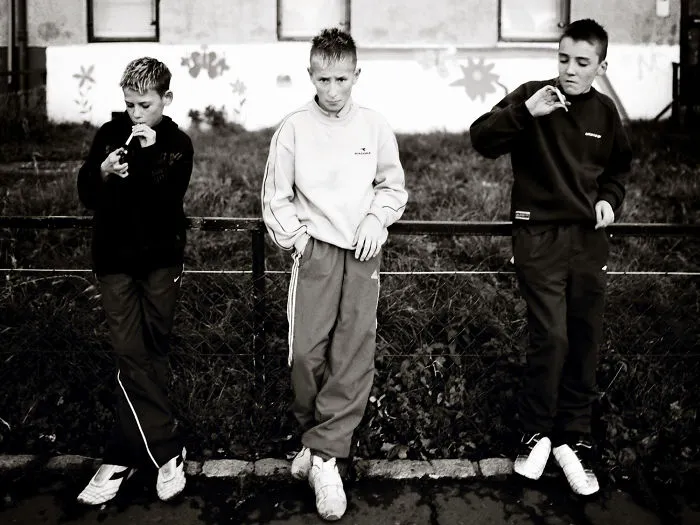
Youth of the UK. "The young are the future. But young people suffer higher rates in unemployment, injustice and violence than all other groups in their society. Especially deprived neighbourhoods of former industrial cities within the UK had huge problems with drug abuse, gang fights and teenage pregnancies at a disproportionately high level compared to the rest of Europe. Several government programms improved the situation within the last ten years and both offences committed by 16-17s and alcohol and drug taking of 16-24s dropped. But unemployment and the related lack of perspectives remain a big issue. Young people are nearly three times more likely to be unemployed than the rest of the population – in Northern Ireland and Scotland even more. It has clearly emerged as one of the main reasons for sliding into delinquency. In 2011 youth surveys analyzed that around 2-7% of young people aged between 10 and 19 years report being a gang member. This small group have a disproportionate impact on the communities around them. I met youths of Glasgow, Edinburgh and Belfast mainly on the streets. Playing football, cards and marbles but the older ones also smoking, drinking and selling and using drugs. I’ve been talking to them about their wishes and fears of the future and captured this overall picture of a generation in my photo essay. The Brexit decision at the 2016 EU Referendum will have significant economic, social, political and cultural consequences – and none more so than for the futures of these young people."
Report
15points
#160 Nader Saadallah, Egypt (Professional, Daily Life)
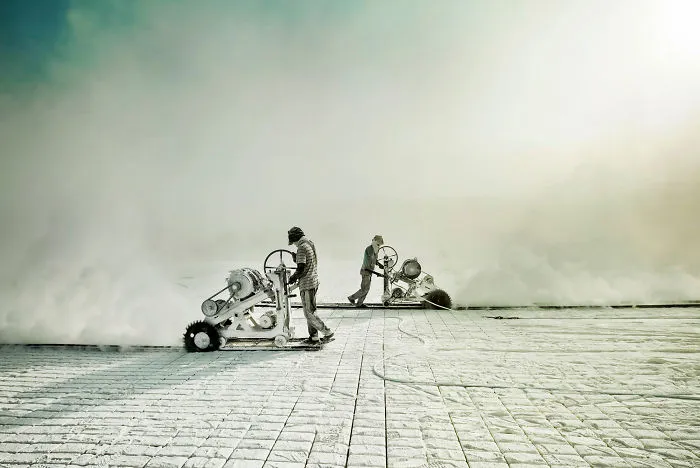
Quarries's men is a portfolio about white limestone quarries craft in Minya, Egypt and how are the workers can make and shape these Stone from the white mountain. There are four phases. The first is the equalization of mountain with a big winches and spikes. The second phase is the shaping, there's a machine which called "El fasalah" which cut and partition the mountain to stone blocks " 13*26 cm" . The third phase is the extracting, there's a machine which called "El hashasha " which extract the final result of the stones as a free blocks that ready to use, The fourth and final one is the filling, after that the workers are filling it into the vehicles to be ready for trading in the market.
Report
15points
