




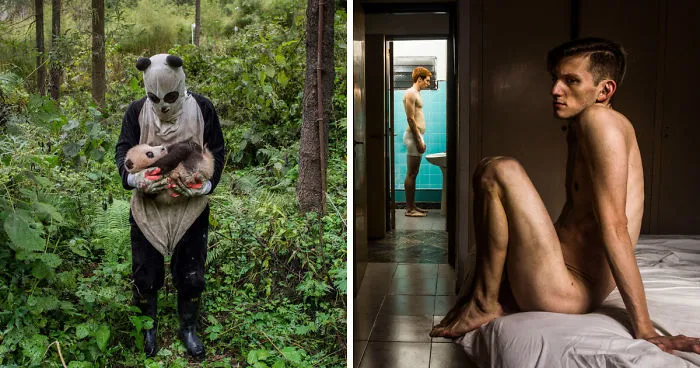

It's that time of the year again when Sony announces the shortlist of the best photos competing in the biggest photography contest in the world. As always, these include best shots not only by professionals but by amateur photographers as well.
It's the tenth Sony World Photography Awards and this year it managed to outpace the record-breaking last year's event and gathered photographers from 49 countries; with the shortlist being drawn from 227,596 images, entered from 183 countries, including – for the first time – Armenia, Cuba, Iceland, and Saudi Arabia.
The winning photographers will be announced on 20 April, with the overall Photographer of the Year scooping a $25,000 cash prize plus some goodies from Sony.
More info: Sony World Photography Awards
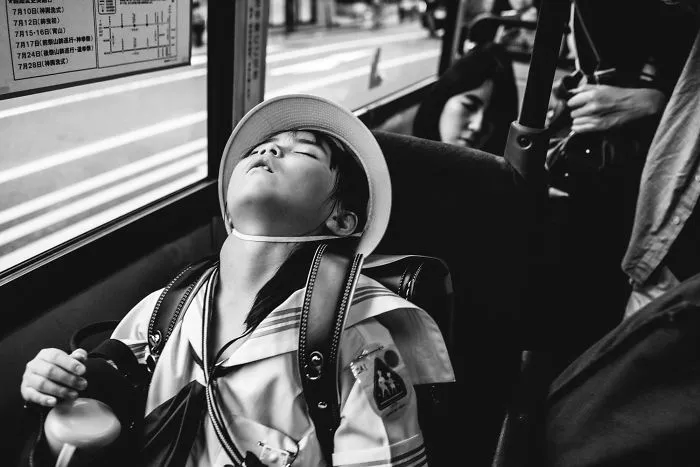
#122 Mahesh Shantaram, India (Professional, Portraiture)

Racism in India: The African Portraits. "Anywhere in the world, it takes a black person to tell us what racism really feels like. On January 31st, 2016, India woke up to yet another news of a shocking mob attack against a Tanzanian student. This particular one was appalling enough to earn international press and force the nation into a period of soul-searching. Since the incident, I've been travelling across the country to meet Africans and learn about their experiences. I make portraits as a personal response to give them recognition. “It's as if they don't accept us as human beings,†is what I keep hearing amidst all the heartrending stories. “Some of us are from royal families, but here we are treated like shit,†one person told me. I feel passionately for this developing project because it carries such a relevant and urgent message. It is about Africans, but it is just as much about India and its chronic racism problem that has thus far not received enough airtime. A country that aspires to be a superpower is now at the cusp of coming to terms with good old fashioned racism. Through my project, I seek to put Africans as well as the racism they face in the consciousness of the Indian public."
Report
27points
#123 Joe Raedle, United States (Professional, Current Affairs & News)
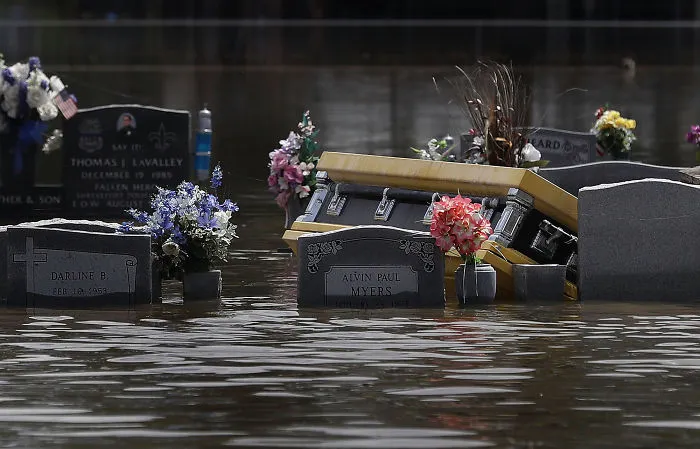
Louisiana Flooding. A historic flood, caused by a massive rainstorm, hit parts of Louisiana and overwhelmed local communities, causing thirteen deaths and damaging thousands of homes with flood waters.
Report
27points

#126 Asger Ladefoged, Denmark (Professional, Daily Life)
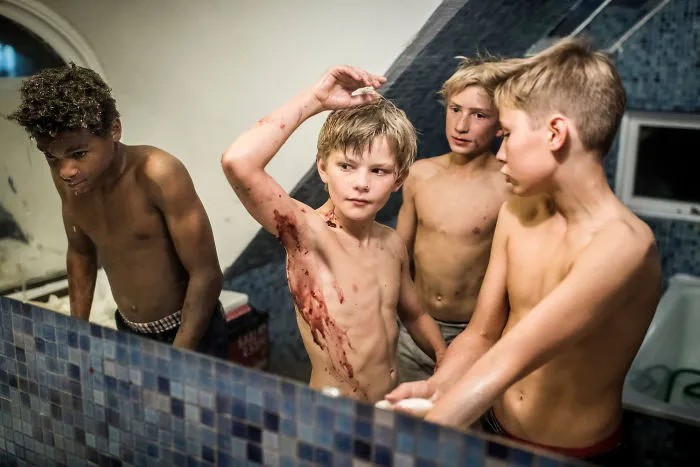
Alternative teaching. What happens, when 28 schoolchildren meet the controversial Danish therapist Carl-Mar Møller and are encouraged to play freely without rules? A sixth grade class from Øster Farimagsgade, a School in Copenhagen has done it twice. They went from the posh part of central Copenhagen to muddy wildness in Kokkedal, Denmark.
Report
25points
#127 Adi Bulboacă, Romania (Professional, Architecture)

Silver Beach Hotel. "I had the chance to spend 4 days in the Silver Beach Hotel in November 2016, off the shore of Lake Balaton in Hungary. It's very much a summer resort, so I found myself out of season while working as a set photographer for a film. Built between 1978 and 1983, the hotel was designed by the brutalist architect Tillai Ernő. All the rooms were obviously vacant, so I was able to snoop around and explore the entire resort to my heart's content. The place has a retro feel to it, and a soothing patina that I hope I was able to capture. I was fascinated by how stark yet visually inviting this "anachronistic" hotel could be."
Report
25points
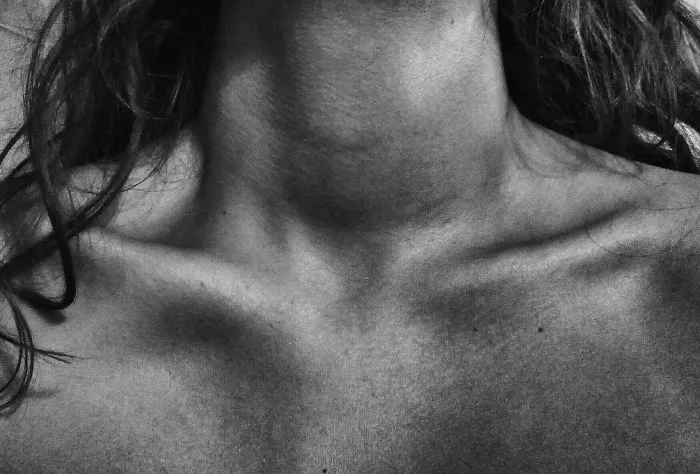
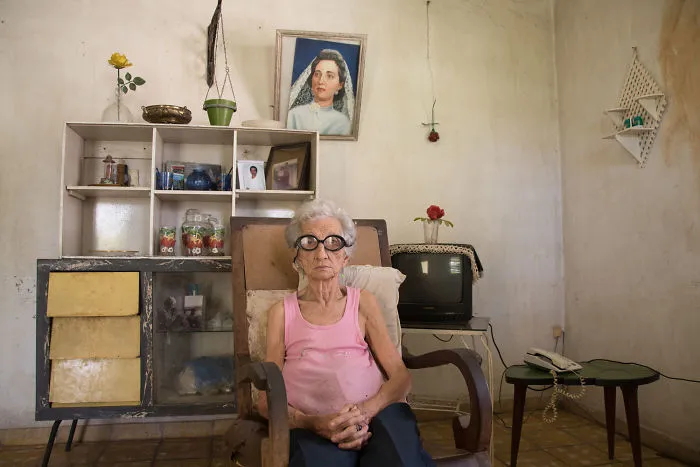
#129 Anisleidy Martínez Fonseca, Cuba (Open Competition, Portraits)
24points

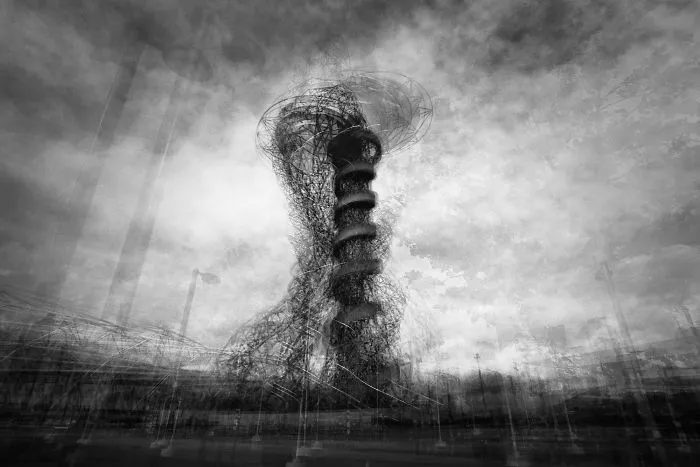
#131 Dongni, China (Professional, Architecture)

Space & city. Rules ordering a regular intensive repetition sum up the feeling of the modern city. A variety of urban form and minimalist architecture breaks the old structure, splitting it into triangles, squares and diamond shapes, refracting a new living style on extant spatial structures. Demonstrating a free use of the language of visual forms, it appears like a game, similar to Goldbach's conjecture; the destruction of the ossified template of the city, a visual exploration of breaking the rules. In a spatial context, when we ignore the aesthetics of the city, ignore the rules and celebrate the deconstruction and reconstruction of the urban space, the space itself gives us more control and adds more joy to the city.
Report
24points
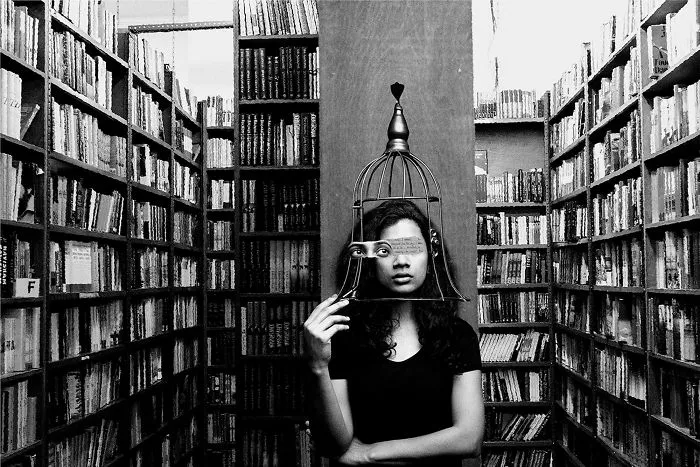
#133 Alice Cannara Malan, Italy (Professional, Daily Life)

My (m)other. The project is a personal reflection on the relationships between family members. My family was the core of my research. The aim was to capture dynamics typical in families. What I found was how much hiding occurs in family relationships; hiding one another’s uncertainty, suffering, character flaws and, of course, love. My father Pier Paolo is 56 years old and almost deaf. Much as we love each other, we don’t understand each other. I have contradictory feelings about him; but mainly I wish I could save him from his readiness to shoulder the loads of others, although this is his dominant trait. My sister Sofia is 24 years old and lonely. I feel constantly guilty because of her jealousy of my relationship with our mother; she even doubts our mother’s love for her. Over the years my relationship with my mother has taught me much. I discovered how important the context in which a person grows up is, how this changes the way they see the world around them and, most importantly, how it influences the way they relate to others. After a long personal journey, I can now recognise my father as an authority, see my sister as the unique person that she is and look at my mother as a person separate from me. This collection of photographs is a work in progress. To me, they represent a way to overcome my past, to forge my own path.
Report
23points
#134 Toby Binder, Germany (Professional, Daily Life)
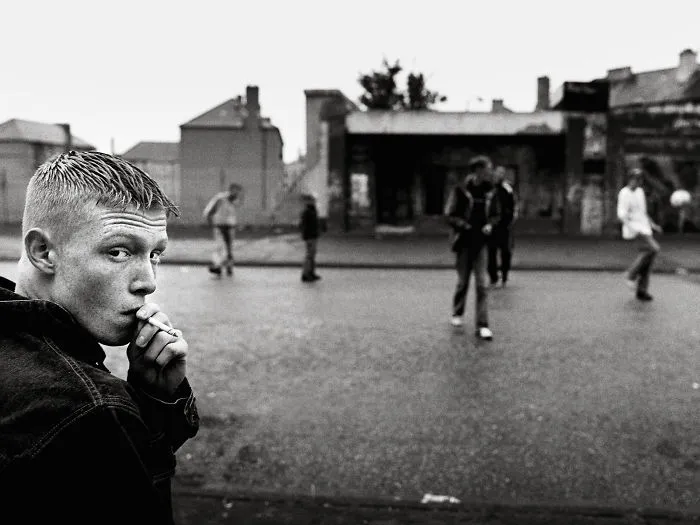
Youth of the UK. "The young are the future. But young people suffer higher rates in unemployment, injustice and violence than all other groups in their society. Especially deprived neighbourhoods of former industrial cities within the UK had huge problems with drug abuse, gang fights and teenage pregnancies at a disproportionately high level compared to the rest of Europe. Several government programms improved the situation within the last ten years and both offences committed by 16-17s and alcohol and drug taking of 16-24s dropped. But unemployment and the related lack of perspectives remain a big issue. Young people are nearly three times more likely to be unemployed than the rest of the population – in Northern Ireland and Scotland even more. It has clearly emerged as one of the main reasons for sliding into delinquency. In 2011 youth surveys analyzed that around 2-7% of young people aged between 10 and 19 years report being a gang member. This small group have a disproportionate impact on the communities around them. I met youths of Glasgow, Edinburgh and Belfast mainly on the streets. Playing football, cards and marbles but the older ones also smoking, drinking and selling and using drugs. I’ve been talking to them about their wishes and fears of the future and captured this overall picture of a generation in my photo essay. The Brexit decision at the 2016 EU Referendum will have significant economic, social, political and cultural consequences – and none more so than for the futures of these young people."
Report
23points
#135 Amber Bracken, Canada (Professional, Contemporary Issues)
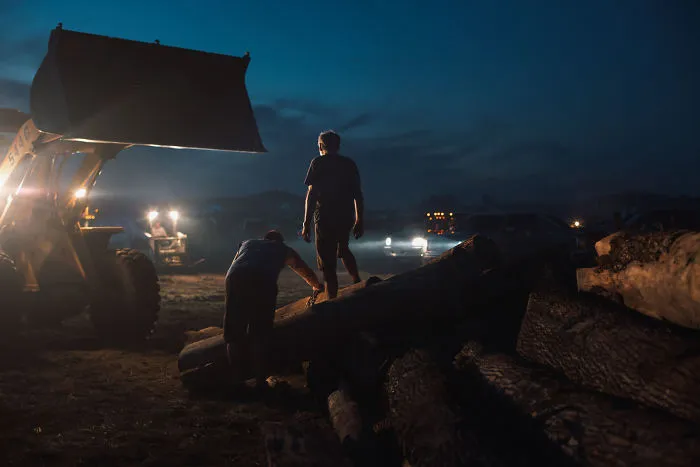
Standing Rock. "For nearly ten months, members of the Standing Rock Sioux tribe and their allies have been camped in opposition to the Dakota Access Pipeline crossing their land and water. The estimated $3.78 bill project is nearly complete, crossing almost 1,172 miles. But the resistance has stalled development at the Missouri River. Although on it's face, the issue is the pipeline, the conflict runs much deeper and is steeped in generations of violent history. These are the people of the Battle of Little Big Horn and of Wounded Knee, who were driven to starvation by the loss of the buffalo and away from their sacred Black Hills. Police treatment of water protectors hasn't been out of step with this history. In military vehicles and body armour, police have indiscriminately used tear gas, pepper spray, rubber bullets, percussion grenades and water canons in sub-zero temperature. Despite all of this, the pipeline is still unresolved and water protectors are still on the land. But wether the pipeline is completed or not, the groundswell created for this resistance will certainly have reverberations for industry and indigenous people alike. I spent a month and a half, over three trips with the people in the camps."
Report
23points
#136 Ivor Prickett, Ireland (Professional, Current Affairs & News)
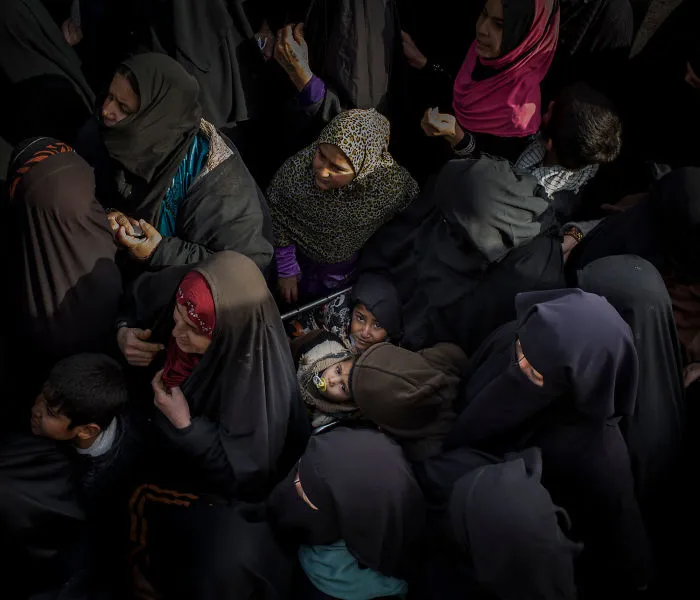
Caught in the Crossfire. As the fight for Mosul enters its fourth month, thousands of civilians remain caught between Iraqi and coalition forces on one side, and Islamic State group fighters on the other. Over 800,000 people are still trapped in Mosul, according to estimates from the United Nations. Tens of thousands are sheltering in neighborhoods declared liberated by Iraqi forces and many more remain in parts of the city under ISIS control. Humanitarian organisations continue to fear mass displacement and civilian casualties. Many have already made the harrowing decision to flee their homes, in some cases leaving behind the bodies of loved ones who died as the fighting came to their area and had to be buried in front gardens. The majority of the more than 130,000 people who have fled are still living in temporary camps in Iraq’s Kurdish region. Some say they are waiting for the security situation to improve, others are waiting for their homes to be rebuilt. Although well organised and supported by international organisations, the camps are isolated and winter weather has made life there very difficult for people who already endured two years of harsh rule under ISIS. While other areas of the country were largely devoid of civilians when they were finally wrested from ISIS control, the battle for Mosul is different because so many people have been told to remain inside. As a result, progress has been slow and civilian casualties, although lower than expected, are still mounting.
Report
23points
#137 Ren Shi Chen, China (Professional, Portraiture)
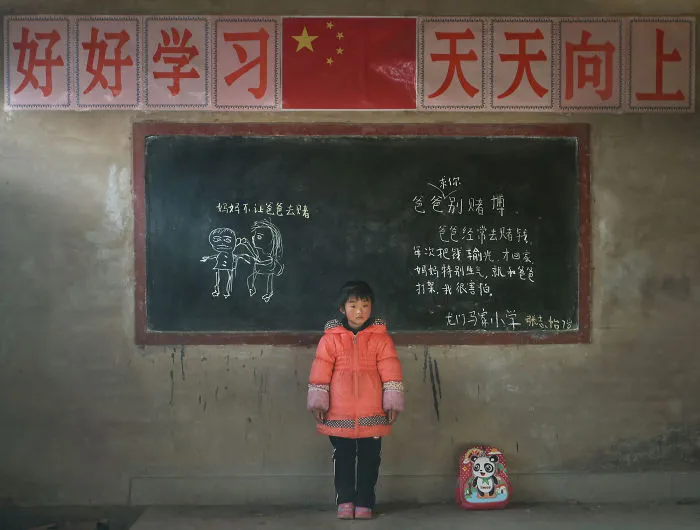
Gansu province in 2015. China has 61.0255 million rural ‘left-behind’ children, whose parents have moved to the city and they are experiencing significant challenges. 80% of left-behind children who are bullied don't know who to tell, whilst 90% who experience any difficulty at all do not tell their absent parents. Chinese courts have reported that crimes committed by minors have risen 13% per year on average over the past few years, and left-behind children account for about 70% of crime by minors, including 5% of all violent crime by minors. Focusing on the healthy growth of left-behind children is an important responsibility and challenge.
Report
23points
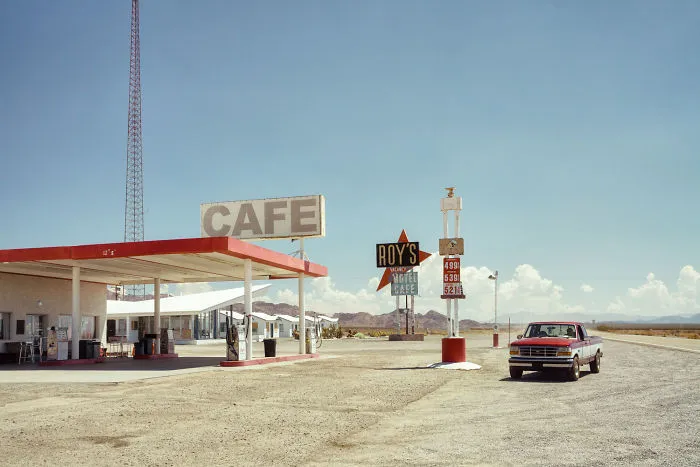
#139 Ioana Moldovan, Romania (Professional, Daily Life)
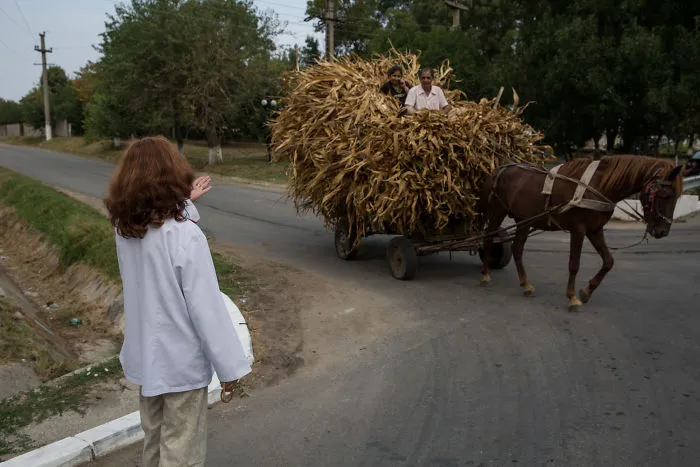
A country doctor and her calling "Good day, doctor! Good evening, doctor, voices of people of all ages greet her kindly as Floarea Ciupitu walks around the village. At 61 she has been a family doctor serving Gangiova, a village in south-west Romania for the past three decades. Ciupitu oversees roughly 1700 registered patients. On week days she sleeps above her practice in a tiny room, on an old hospital bed. At night, a tiny flashlight guides her way one store up to her modest accommodation, no electricity on the staircase. Romania has a population of almost 20 million. Doctors in rural areas are outnumbered by peers in cities two to one, while half of the population lives in the countryside. The healthcare sector is overrun with crises and never ending problems. In 27 years since the anticommunist revolution of 1989 the country has had at least 25 health ministers take office. Doctors, especially younger ones, are fleeing the country in search of better work conditions and career opportunities. The Romanian Health Ministry states there is a severe doctors shortage. While things may look a little better in the city, Romania's villages are plagued with a lack of access to healthcare. Family doctors are often overworked having to care for a larger number of patients than the recommended average. Ciupitu is living proof that, despite all the difficulties and the problems in a flawed system, there still are doctors who commit to their patients. She stands to help remember that being a doctor is a calling."
Report
22points
#140 Asger Ladefoged, Denmark (Professional, Current Affairs & News)
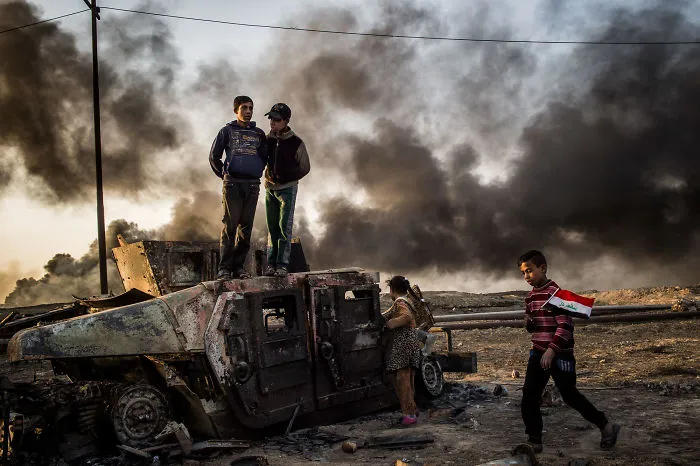
The fight for Mosul. The Iraqi officials thought they could overtake the city of Mosul within a few months but nothing turned out as expected - the scale of death and destruction have surprised everyone but ISIS.
Report
22points
