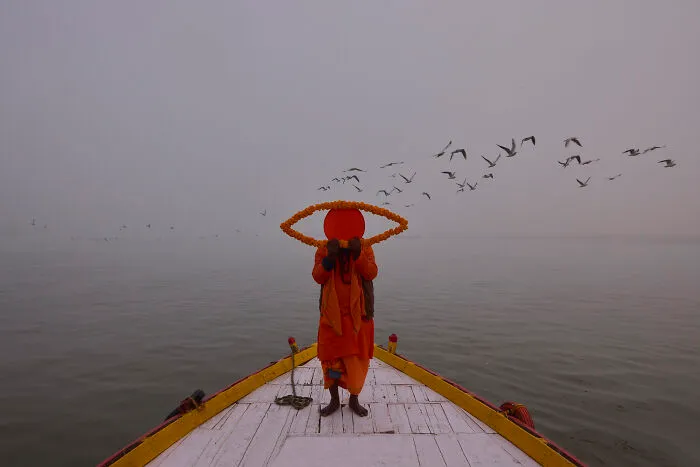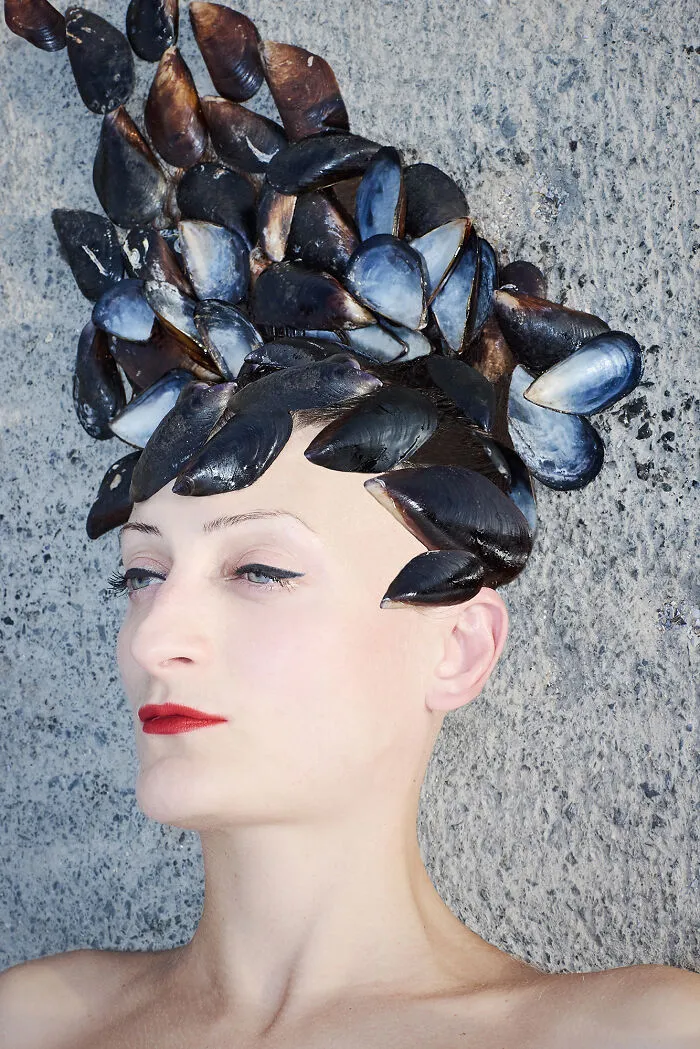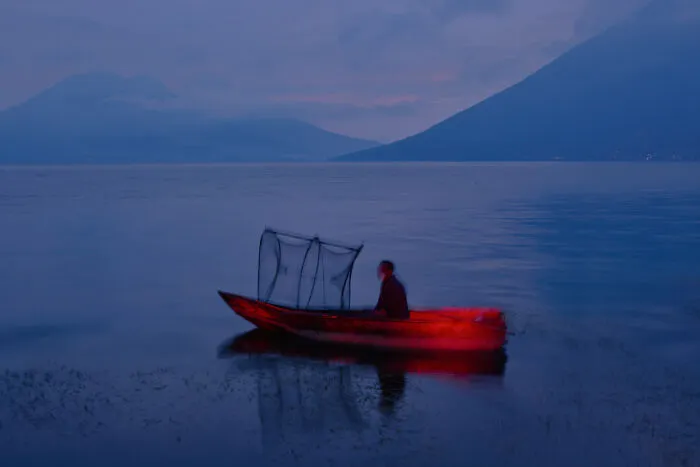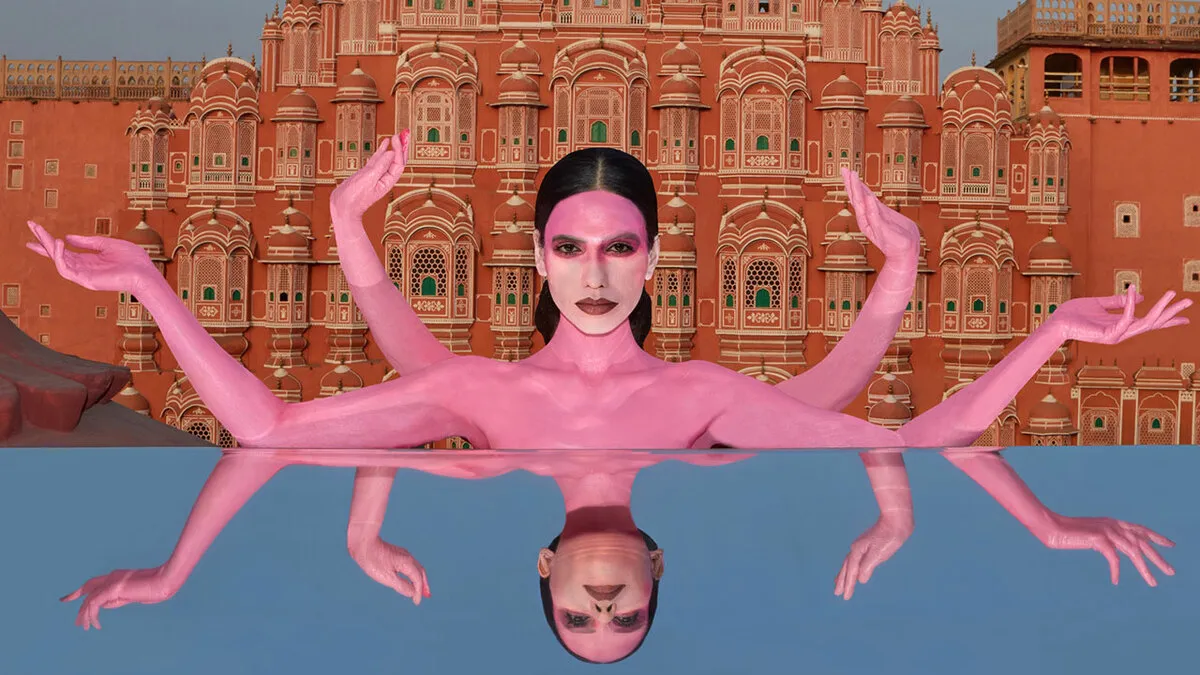
For photographer and creative director Julia Buruleva, traveling is more than a way to discover new places. It has become the foundation of an ongoing artistic practice. Through her project Art Expedition, she moves from country to country, spending extended periods in each destination and transforming what she encounters into carefully staged, site-specific photographs. Rather than arriving with a fixed visual formula, Buruleva allows each location to shape the work. Architecture, landscapes, local colors, light, materials, and cultural references can all become part of a composition.
The resulting images move freely between surreal portraiture, installation, performance, and fashion-inspired photography, placing unexpected figures and objects within environments that remain unmistakably connected to the places where they were created. The elaborate scenes may look as though they belong to an invented world, but their construction is firmly rooted in reality. Buruleva creates the images physically on location, using real sets, costumes, props, landscapes, and people rather than relying on AI or digitally fabricated environments. Local participants sometimes become collaborators, helping her build poetic scenes that blur the boundary between what is observed and what is imagined. Slow travel is central to the idea behind Art Expedition. Instead of briefly passing through a destination, Buruleva aims to stay long enough to develop a larger body of work, eventually gathering material for books dedicated to individual places, as well as videos documenting the locations, people, and production behind the photographs.
Scroll down to explore her project and see how landscapes around the world become stages for her surreal visual stories.
#21
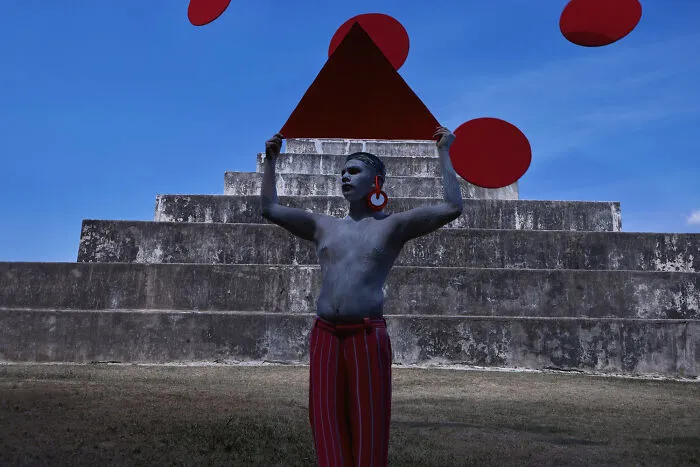
“This image was created in Zaculeu, Guatemala, as part of my Art Expedition. Zaculeu is an ancient Maya archaeological site built predominantly from white limestone, and I wanted the character of the place to become an essential part of the image.
I covered the model’s body in layers of deliberately weathered, peeling white paint, echoing the worn surface of the Maya pyramid. He wears traditional Guatemalan trousers from the region.
The composition is built around a play of geometric forms: the triangle he holds visually completes the shape of the pyramid behind him, while above it we tossed a handmade sun — a circular disc covered in red fabric.
The image was created entirely on location with a real model, physical body paint, handmade props and the actual ruins — NO AI.”
Report
6points
#23
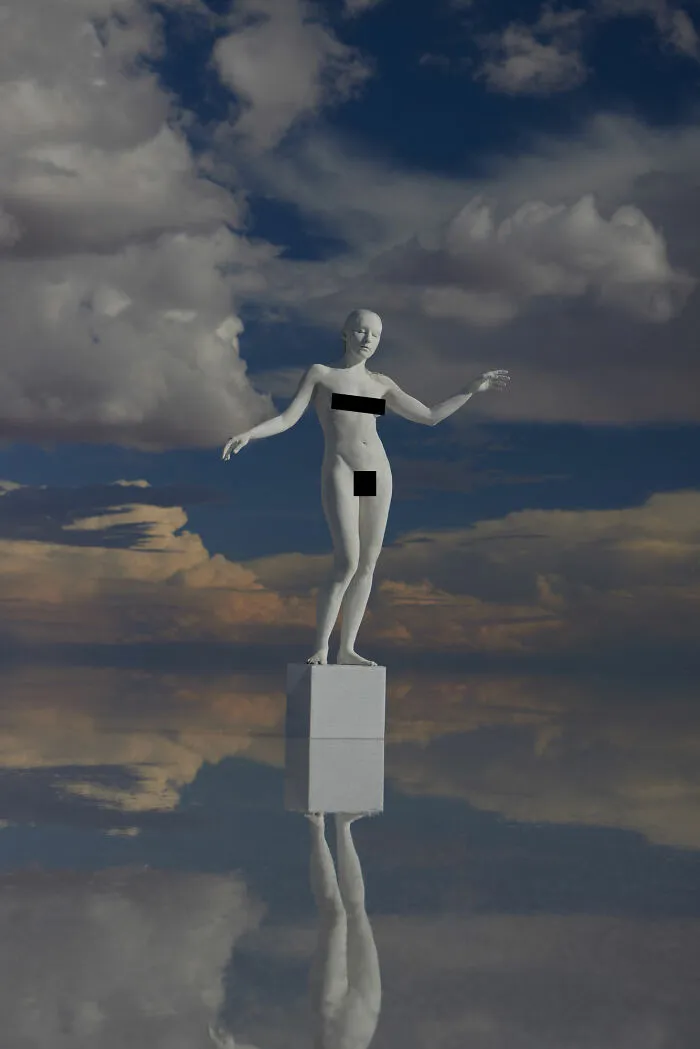
“This photograph was created at the Uyuni Salt Flats in Bolivia - a vast white desert where the surface is covered with a thin crust of salt. Surrounded by this endless whiteness, I imagined a human figure that could embody the spirit of the place -as if the salt itself had taken shape. We covered the model’s body with white paint and she became a kind of salt goddess - silent, timeless, and fragile.”
Report
6points
#25
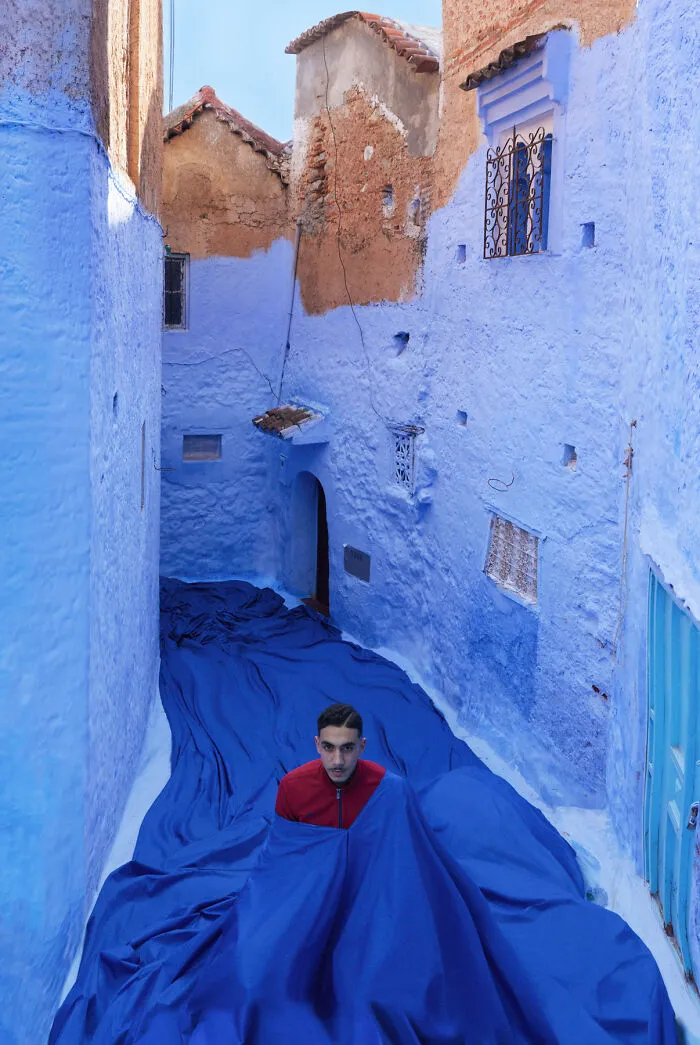
“This portrait was created spontaneously in the blue city of Chefchaouen, Morocco. I collaborated with a local market protagonist, using a large piece of blue fabric found on site to explore form, texture, and the city’s monochrome palette. The image merges street reality with a poetic vision, reflecting the town’s dreamlike atmosphere and blurring the line between documentary and art.”
Report
6points
#26
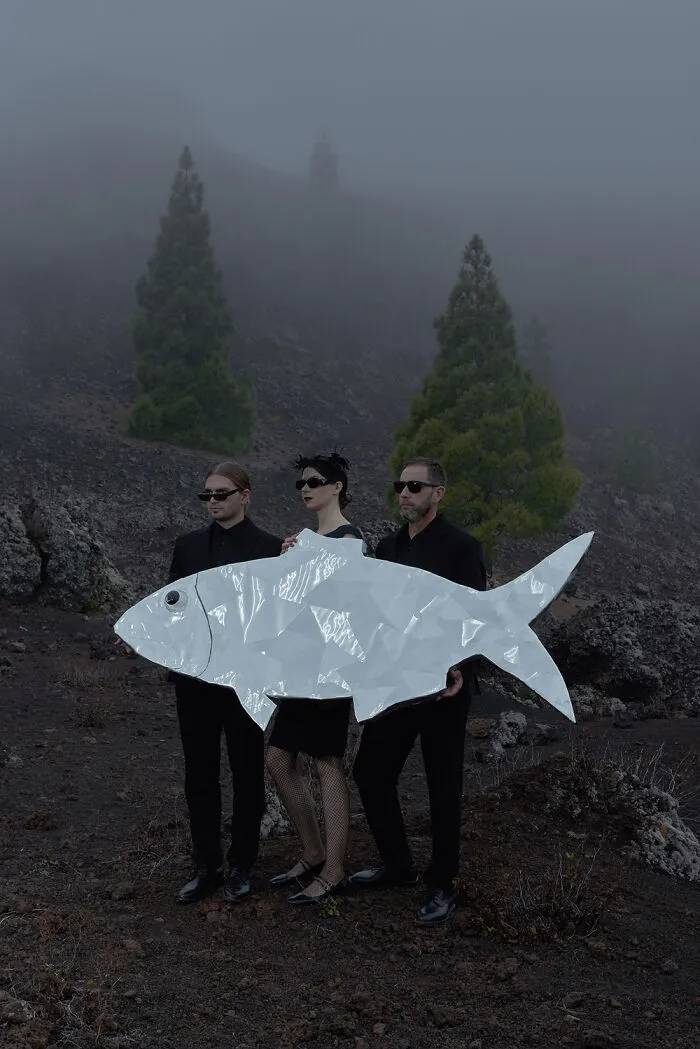
“This photograph was created in Tenerife and inspired by the local carnival tradition known as The Burial of the Sardine. For the shoot, I reimagined this ceremony in a surreal key: three figures dressed in mourning carry a large silver sardine across a misty volcanic landscape. The scene looks like a procession suspended in time - half ceremony, half performance. It’s a reflection on transformation, death, and rebirth - and on how collective rituals can turn into contemporary visual myths.”
Report
6points
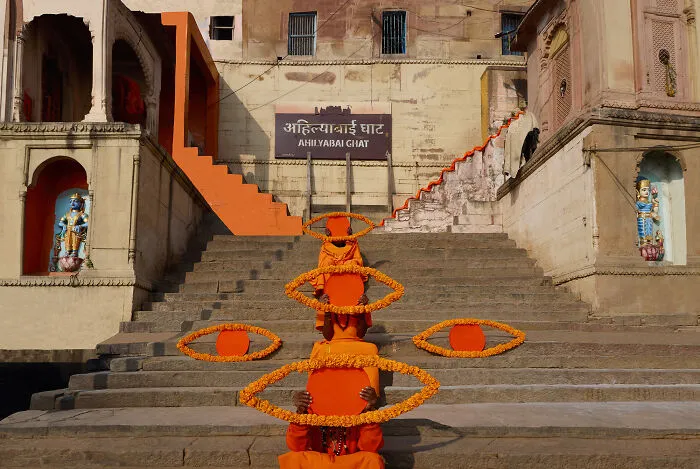
#28
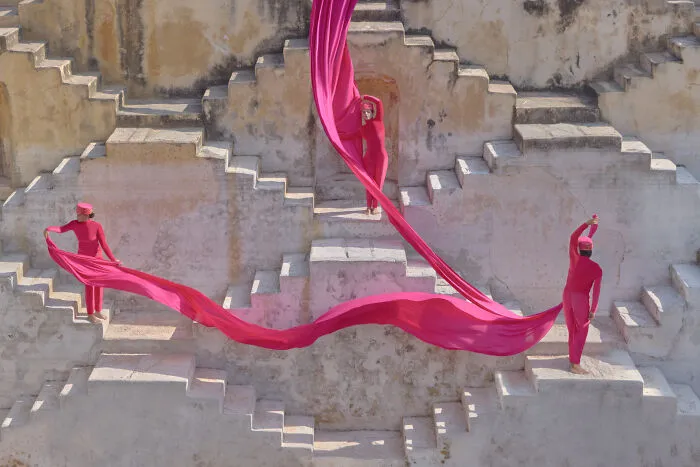
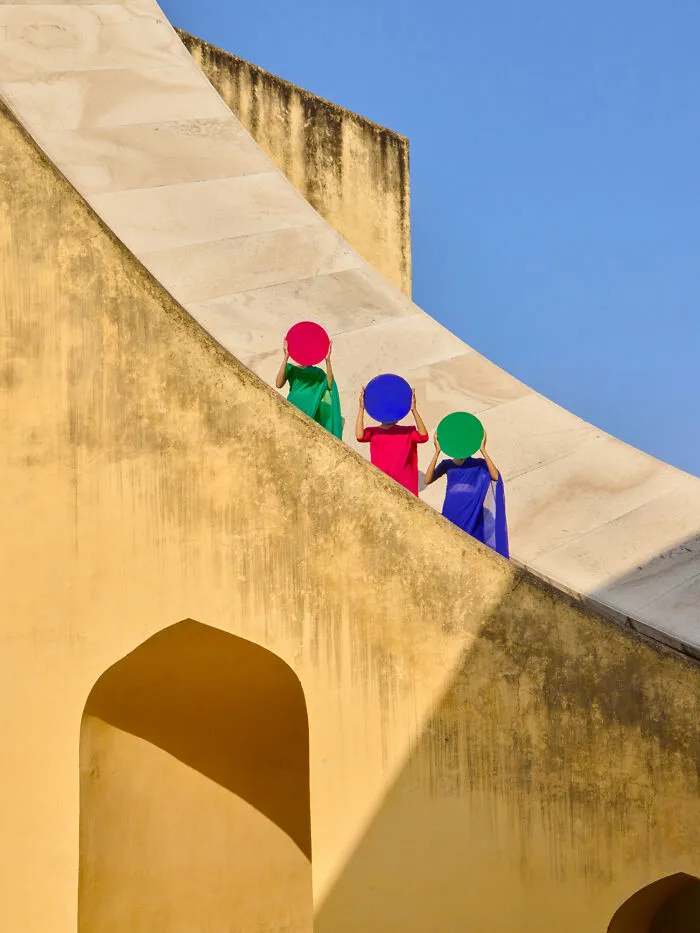
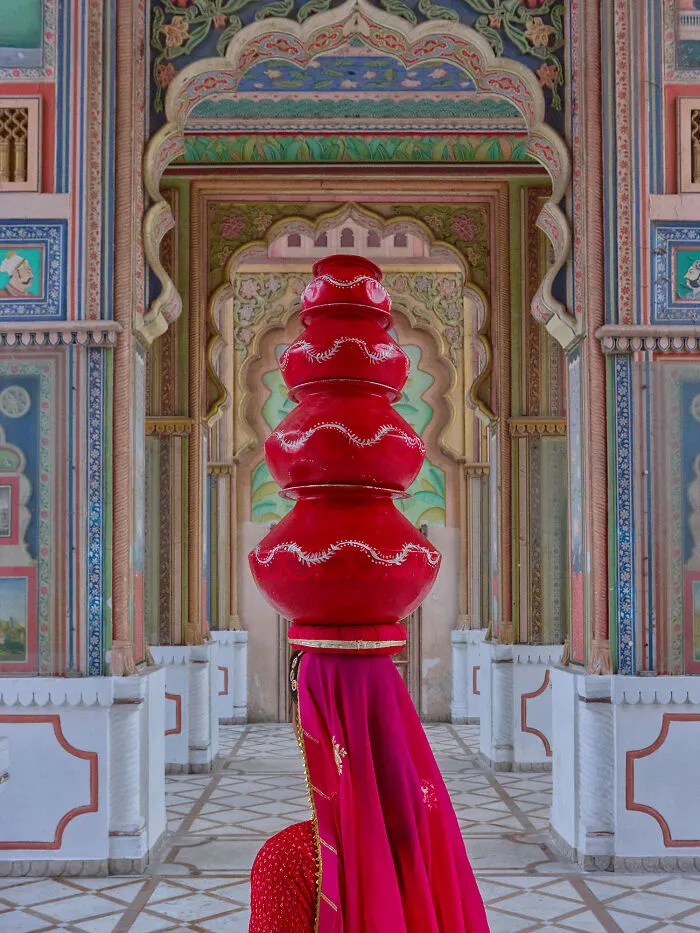
“This photograph was created as part of In Jaipur, I chose Panna Meena Ka Kund, a ritual stepwell and one of the city’s most emblematic architectural sites.
The work is built around the geometry of the place and a single continuous movement of fabric. The pink color refers directly to Jaipur as the “Pink City.” The models are members of a Jaipur-based contemporary dance collective and wear traditional local head coverings, grounding the work in its cultural context.”
The work is built around the geometry of the place and a single continuous movement of fabric. The pink color refers directly to Jaipur as the “Pink City.” The models are members of a Jaipur-based contemporary dance collective and wear traditional local head coverings, grounding the work in its cultural context.”
Report
5points
#29
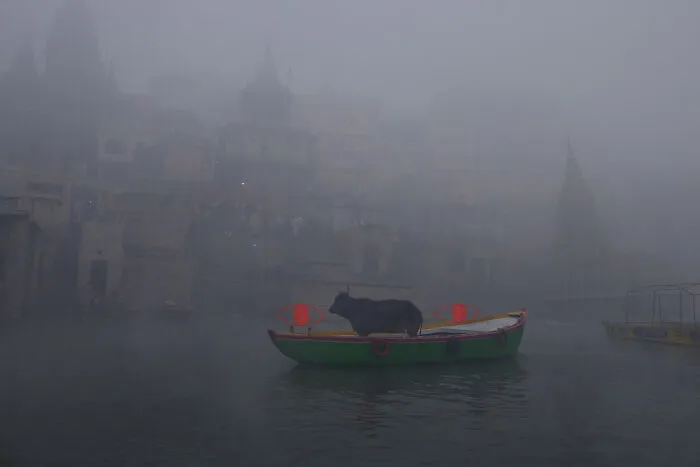
“I spent six weeks in Varanasi, immersing myself in the spirit of the city and creating a body of work inspired by its unique religious and cultural identity.
Varanasi, or Kashi, is considered one of the holiest cities in Hinduism. The cow is the most sacred animal in Hindu culture, while the Ganges is the most sacred river. I wanted to bring these three powerful symbols of Hindu spirituality together in one surreal image, placing the sacred animal on the sacred river at the heart of the sacred city.
This image was created on the Ganges in Varanasi as part of my “Art Expedition,” using a real location, a real boat and a real cow — NO AI.”
Report
5points