




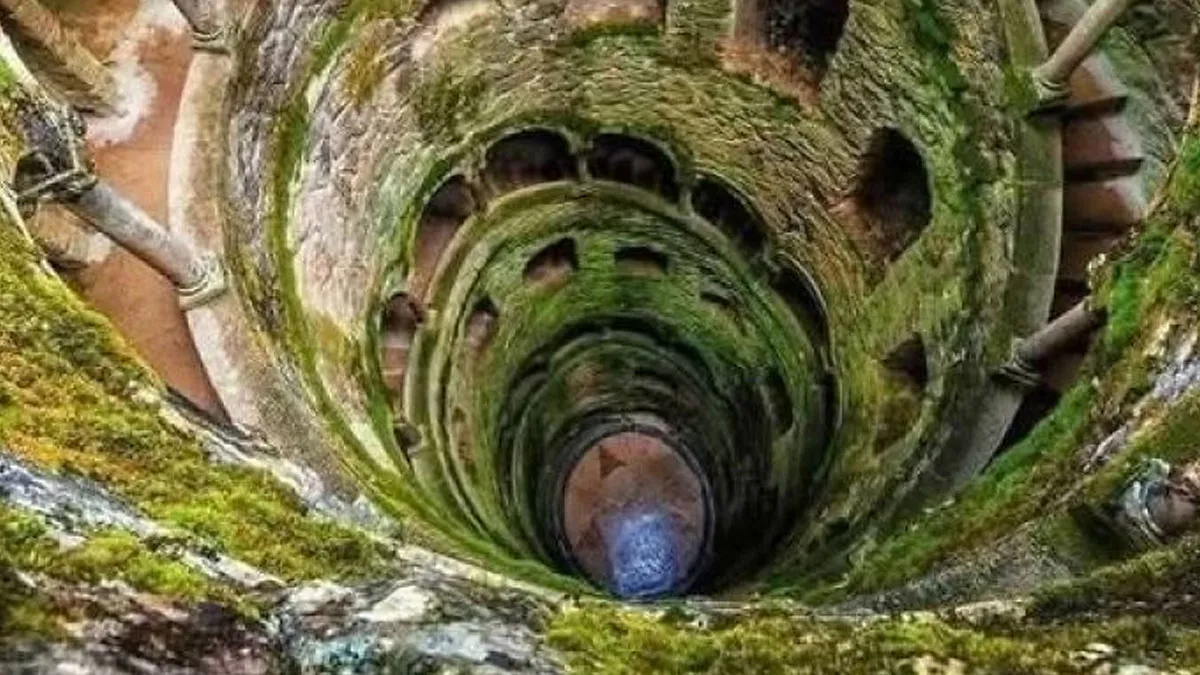


If we’re being completely honest with you, growing up, some of us really wanted to be archeologists. Inspired a little bit by history books (and a lot by Indiana Jones and Lara Croft), we thought that working as an archeologist would be all about non-stop adventures. And though the real job is much more low-key, the discoveries that professionals make are astounding.
‘Archaeology News & Architecture’ is a Facebook group run by the ‘Archaeology News Network’ that’s dedicated to sharing interesting information about discoveries both old and new. We’ve collected some of their most intriguing featured finds to pique your interest. Scroll down to check them out!
More info: Facebook | ArchaeologyNewsNetwork.com
#21 The 5,500-Year-Old Sumerian Star Map Has Puzzled Scientists For Over 150 Years. This Controversial Cuneiform Clay Tablet Is Believed To Record The Ancient Observation Of The Köfel’s Impact Event
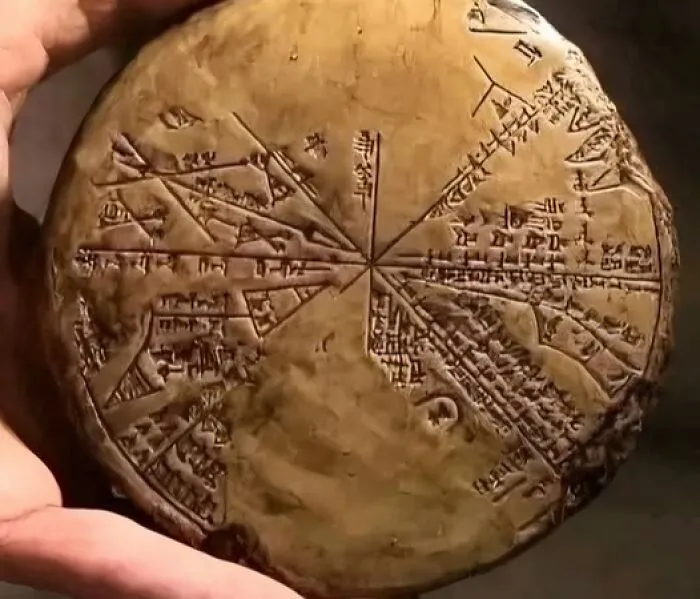
Discovered in the late 19th century in the 650 BC underground library of King Ashurbanipal in Nineveh, Iraq, the tablet was initially thought to be Assyrian. However, computer analysis has revealed it corresponds to the sky over Mesopotamia in 3300 BC, proving its Sumerian origin. Known as an "Astrolabe," it is the oldest known astronomical instrument, featuring a segmented, disk-shaped star chart with angle measurements inscribed on its rim.
54points
#22 While Doing Routine Work On His Property In Pombal, Portugal, A Man Unexpectedly Unearthed What Could Be The Remains Of The Largest Dinosaur Ever Discovered In Europe, Prompting A Team Of Spanish And Portuguese Paleontologists To Begin Excavating The Site Where An Enormous Ribcage Was First Spotted Protruding From The Soil In 2017
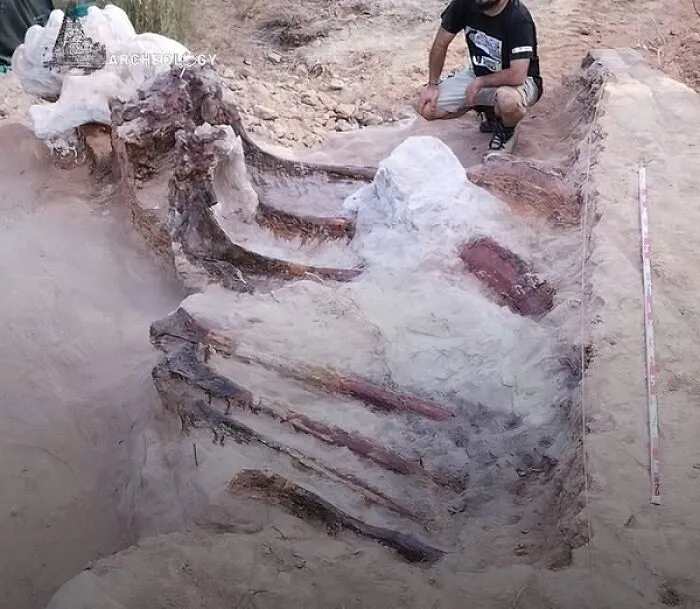
Although much of the creature is still buried, the colossal bones uncovered so far strongly suggest that this ancient giant was a long-necked sauropod, likely tipping the scales at an astonishing 48 tons.
53points
#23 Did You Know That The Pantheon’s Dome In Rome Is The Largest Unreinforced Concrete Dome In The World And Has Been Soaring High For Almost 2,000 Years?
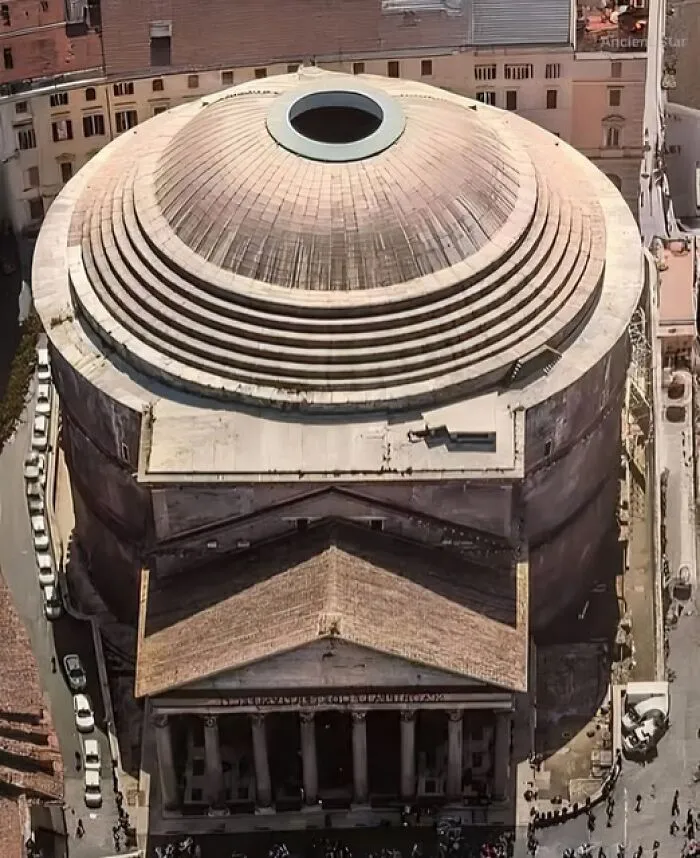
Standing at 43 meters (141 feet), this architectural gem is a testament to Roman engineering brilliance. While the Romans didn’t create concrete, they totally nailed the recipe, thanks to Vitruvius, mixing lime, pozzolana, and more for unbeatable strength. It’s amazing to think that this incredible structure has stood the test of time all on its own—no modern reinforcements needed! Talk about ancient ingenuity inspiring us today!
53points
#24 Archaeologists Have Uncovered The Largest Area Of Roman Mosaic Found In London For More Than Half A Century
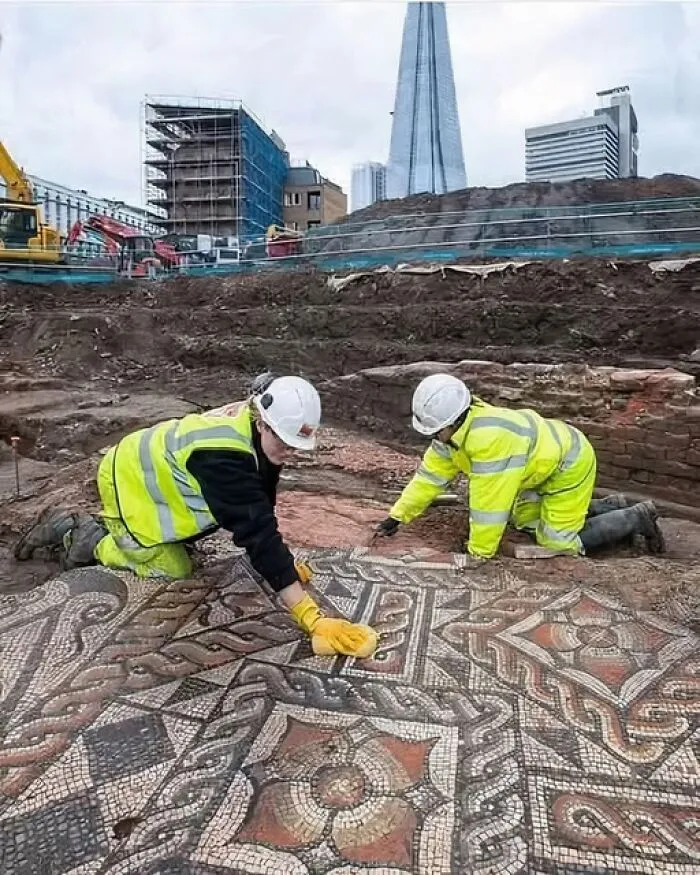
The two highly decorated panels feature large, colourful flowers, geometric patterns and elaborate motifs in a style unique to the capital.
It is thought it once decorated the floor of a Roman dining room.
The Museum of London Archaeology (MOLA) find came during excavations as part of the construction of a regeneration project near the Shard in Southwark.
MOLA site supervisor, Antonietta Lerz, said: "This is a once-in-a-lifetime find in London. It has been a privilege to work on such a large site where the Roman archaeology is largely undisturbed by later activity - when the first flashes of colour started to emerge through the soil everyone on site was very excited."
It is made up of two panels, with the largest showing large, colourful flowers surrounded by bands of intertwining strands - a motif known as a guilloche.
While the largest mosaic panel can be dated to the late 2nd to early 3rd century AD, traces of an earlier mosaic underneath the one currently visible have been identified which shows the room was refurbished over the years.
It was located on the outskirts of Roman Londinium, an area centred on the north bank of the Thames which roughly corresponds to the modern City of London.
A spokesperson for MOLA added the room it was situated in would have contained dining couches, where people would have reclined to eat and it might have been part of a Roman mansion - an upmarket "motel" for state couriers and officials travelling to and from London
It is thought it once decorated the floor of a Roman dining room.
The Museum of London Archaeology (MOLA) find came during excavations as part of the construction of a regeneration project near the Shard in Southwark.
MOLA site supervisor, Antonietta Lerz, said: "This is a once-in-a-lifetime find in London. It has been a privilege to work on such a large site where the Roman archaeology is largely undisturbed by later activity - when the first flashes of colour started to emerge through the soil everyone on site was very excited."
It is made up of two panels, with the largest showing large, colourful flowers surrounded by bands of intertwining strands - a motif known as a guilloche.
While the largest mosaic panel can be dated to the late 2nd to early 3rd century AD, traces of an earlier mosaic underneath the one currently visible have been identified which shows the room was refurbished over the years.
It was located on the outskirts of Roman Londinium, an area centred on the north bank of the Thames which roughly corresponds to the modern City of London.
A spokesperson for MOLA added the room it was situated in would have contained dining couches, where people would have reclined to eat and it might have been part of a Roman mansion - an upmarket "motel" for state couriers and officials travelling to and from London
48points
#25 Then vs. Now - The Library Of Celsus, Ephesus : Ephesus, The Fourth Largest City Of The Roman Empire Has Magnificent Roman Structures That Still Preserve Their Glory After Two Thousand Years
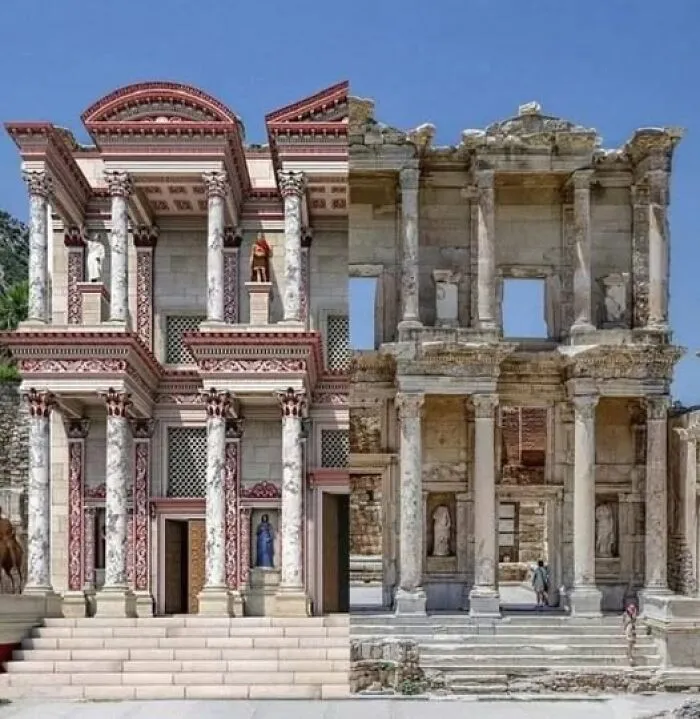
One of these spectacular buildings is the Library of Celsus which is counted as one of the biggest libraries of ancient times.
48points
#26 The Bronze Head Of Medusa, Dating Back To 120 Ad, Is A Stunning Masterpiece Of Roman Artistry And Mythology
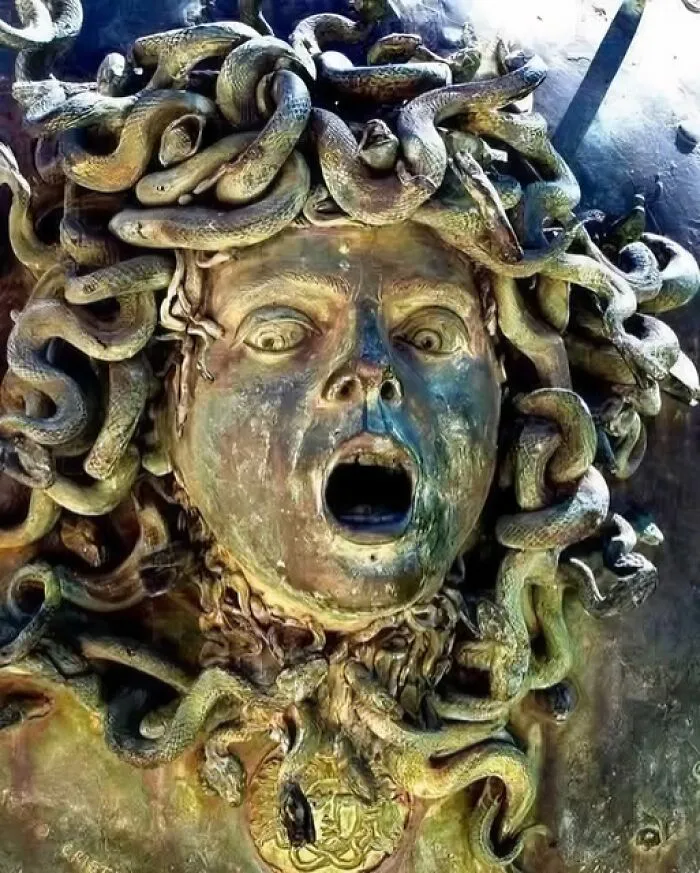
Discovered at Hadrian’s Villa in Tivoli, Italy, this artifact reflects the sophistication and creativity of ancient Roman craftsmanship. Emperor Hadrian’s villa was a lavish retreat, symbolizing the wealth and power of Rome’s elite. The head, with its intricate details and dramatic expression, captures the legendary Gorgon’s terrifying beauty. This piece not only highlights Roman sculptural skill but also their fascination with mythological narratives. Today, it stands as a testament to the enduring legacy of Roman art and culture.
48points
#27 These Large, Jar-Like Burial Vessels, Crafted From Clay, Offer A Fascinating Glimpse Into Urartian Funerary Practices
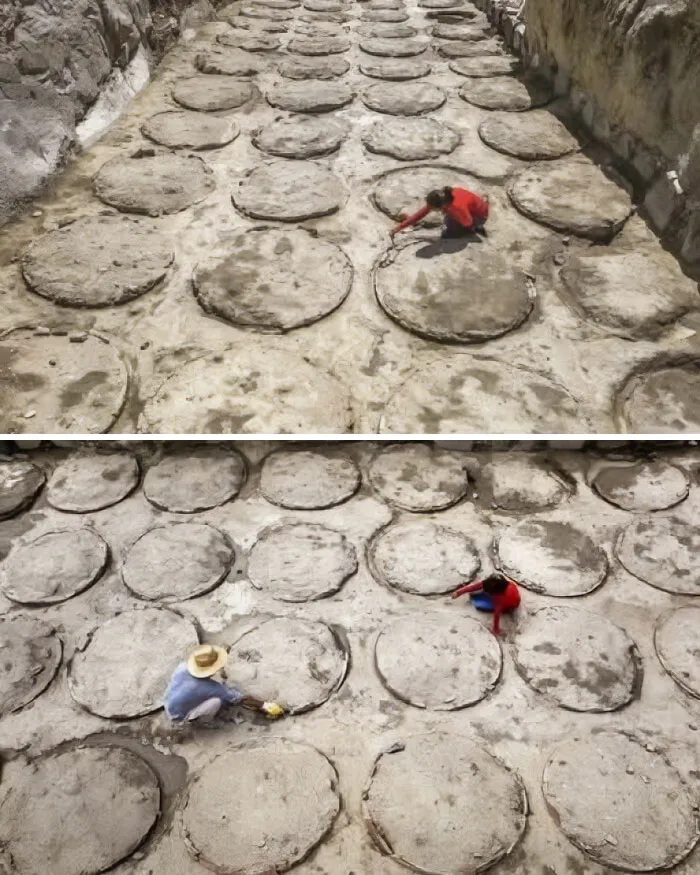
Archaeologists made an exciting discovery in 2015 in Van, eastern Turkey: 2,800-year-old pithos tombs from the ancient Kingdom of Urartu. The tombs were found intact, containing human remains and grave goods, suggesting they belonged to high-status individuals.
The Urartu Kingdom, which thrived between the 9th and 6th centuries BCE, was known for its advanced metallurgy, fortresses, and unique burial customs. Pithos tombs were a common feature, reflecting the civilization's cultural and religious beliefs. The discovery in Van provides valuable insights into their society, trade connections, and craftsmanship.
This find underscores the rich archaeological heritage of eastern Turkey, where Urartian ruins continue to reveal secrets of a once-powerful kingdom. Researchers hope further studies will uncover more about daily life, rituals, and the kingdom's eventual decline.
In conclusion, these ancient pithos tombs serve as a remarkable link to the past, deepening our understanding of Urartu's legacy.
The Urartu Kingdom, which thrived between the 9th and 6th centuries BCE, was known for its advanced metallurgy, fortresses, and unique burial customs. Pithos tombs were a common feature, reflecting the civilization's cultural and religious beliefs. The discovery in Van provides valuable insights into their society, trade connections, and craftsmanship.
This find underscores the rich archaeological heritage of eastern Turkey, where Urartian ruins continue to reveal secrets of a once-powerful kingdom. Researchers hope further studies will uncover more about daily life, rituals, and the kingdom's eventual decline.
In conclusion, these ancient pithos tombs serve as a remarkable link to the past, deepening our understanding of Urartu's legacy.
47points
#28 A Silver Pail Found In The Albanian Village Of Vrap In 1902
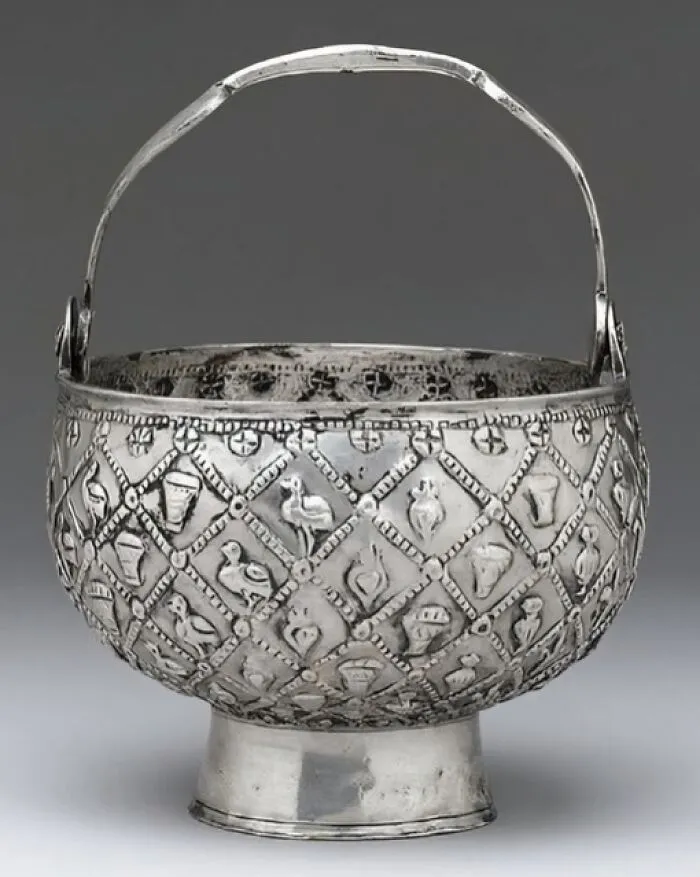
It was part of a treasure buried in the 6th-7th century by the Avars or the Bulgars who revolted against them, and was most probably made up of either war booty or the goods received by the Avars as tribute payment from the Byzantine emperor Justinian.
The small bucket, 15 cm high without the handle and measuring nearly half a kilo, bears a Byzantine silver stamp. However, its exact origins are unknown.
The small bucket, 15 cm high without the handle and measuring nearly half a kilo, bears a Byzantine silver stamp. However, its exact origins are unknown.
47points
#29 Ever Heard Of A Rock Formation So Intriguing That It Seems Out Of This World? Meet The Devil's Tower National Monument, A Geological Marvel That Shoots Straight Out Of The Prairies Surrounding The Black Hills
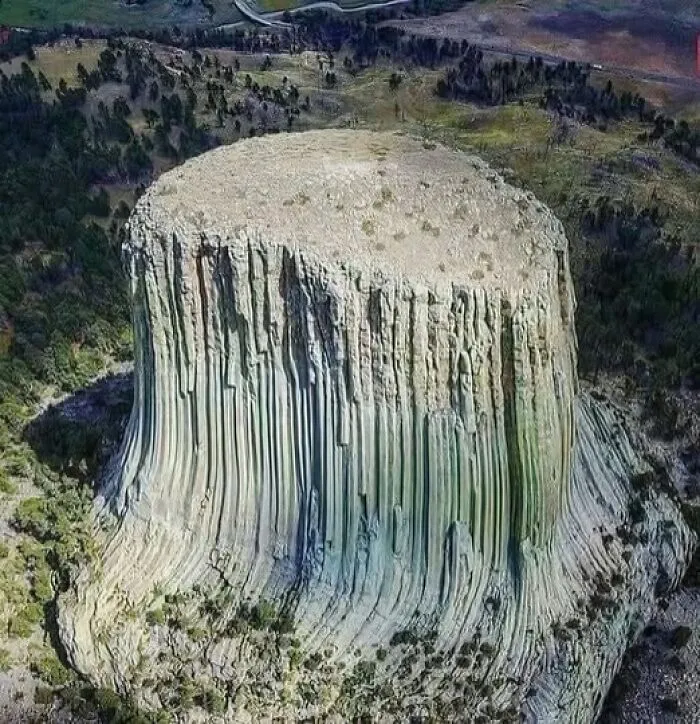
But here's the weird part: no one knows for certain how it formed. While geologists have theories, ranging from volcanic activity to erosion, indigenous legends tell a different story, describing a giant bear clawing at the rock to create its unique, column-like ridges. Whether a natural phenomenon or the stuff of tales, this mysterious monolith continues to captivate and mystify visitors from all corners of the globe.
46points
#30 A Stunning 1,800-Year-Old Roman Cavalry Mask Has Been Unearthed In Turkey, Offering A Fascinating Glimpse Into The Military History Of The Roman Empire In The Region
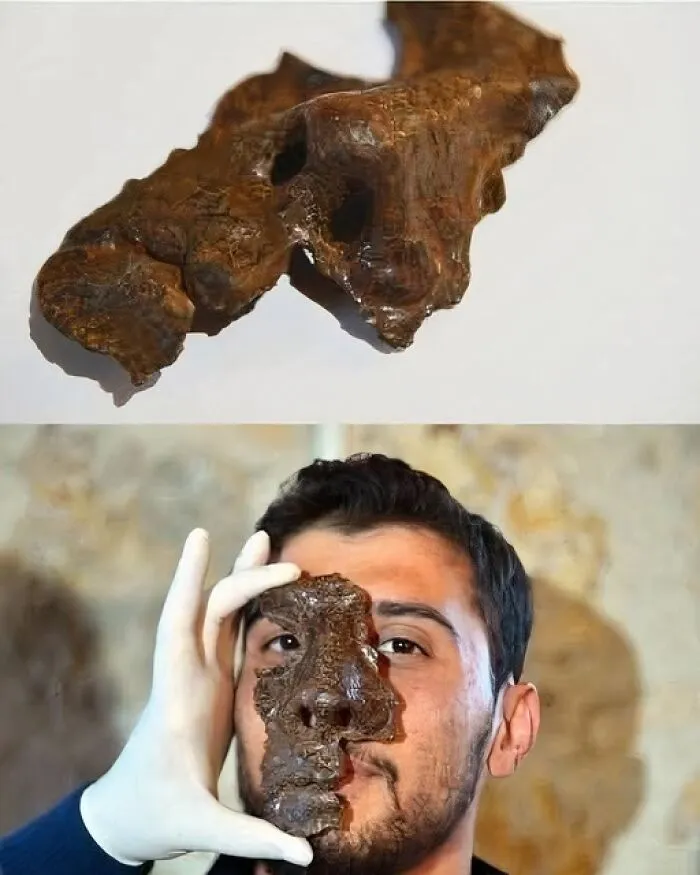
Discovered during excavations in the ancient city of Hadrianopolis, the bronze mask once belonged to a Roman soldier, likely part of an elite cavalry unit. Such masks were not only functional, protecting the face during battle, but also served as symbols of status and intimidation on the battlefield.
The discovery confirms the presence of the Roman Empire in this part of modern-day Turkey, shedding light on the empire's extensive reach and military organization. Hadrianopolis, named after Emperor Hadrian, was a significant settlement during the Roman period, and this find adds to the growing evidence of its historical importance.
The mask, intricately designed with detailed facial features, highlights the craftsmanship of Roman artisans. It also underscores the strategic role of cavalry units in the Roman military, which were crucial for reconnaissance, skirmishes, and flanking maneuvers during combat.
Archaeologists are thrilled by the find, as it provides valuable insights into the lives of Roman soldiers and the empire's influence in Anatolia. The mask will undergo further analysis and conservation before being displayed, allowing the public to connect with this remarkable piece of history.
This discovery not only enriches our understanding of Roman military practices but also reinforces the enduring legacy of the Roman Empire in shaping the cultural and historical landscape of Turkey.
The discovery confirms the presence of the Roman Empire in this part of modern-day Turkey, shedding light on the empire's extensive reach and military organization. Hadrianopolis, named after Emperor Hadrian, was a significant settlement during the Roman period, and this find adds to the growing evidence of its historical importance.
The mask, intricately designed with detailed facial features, highlights the craftsmanship of Roman artisans. It also underscores the strategic role of cavalry units in the Roman military, which were crucial for reconnaissance, skirmishes, and flanking maneuvers during combat.
Archaeologists are thrilled by the find, as it provides valuable insights into the lives of Roman soldiers and the empire's influence in Anatolia. The mask will undergo further analysis and conservation before being displayed, allowing the public to connect with this remarkable piece of history.
This discovery not only enriches our understanding of Roman military practices but also reinforces the enduring legacy of the Roman Empire in shaping the cultural and historical landscape of Turkey.
46points
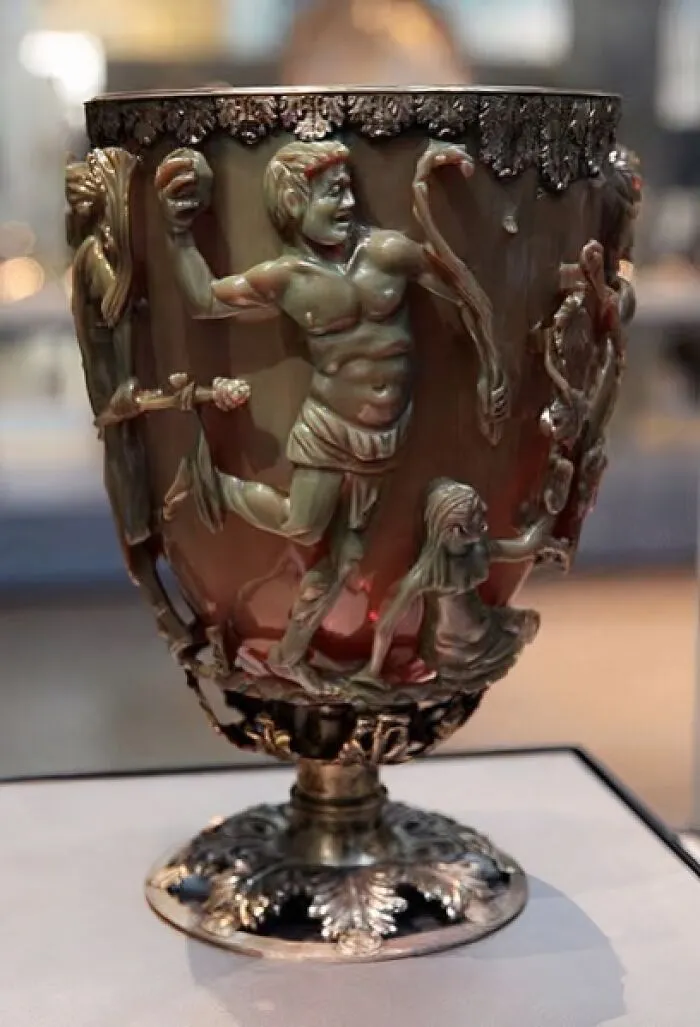
#31 Roman Artifact From The 4th Century Ad, Known As The Lycurgus Cup
46points
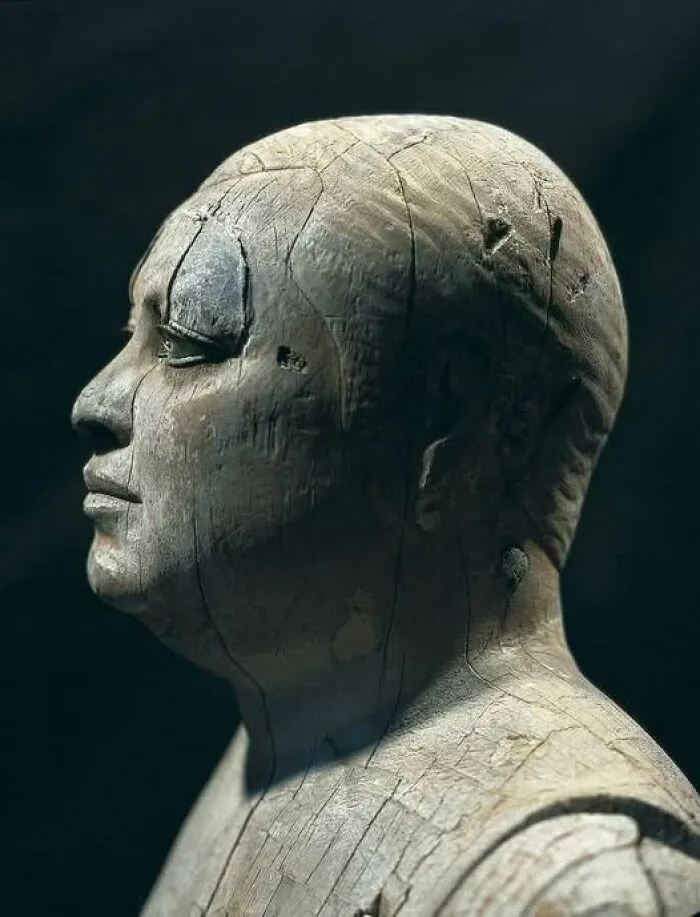
#32 Egyptian Statue Depicting Kaaper The Chief Lector Priest. Made From Sycamore Wood, The Eyes Are Inlaid; The Rim Is Made From Copper, The White Is Opaque Quartz And The Cornea Is Rock Crystal. Old Kingdom, 5400 Years Old
45points
#33 It's Almost 700 Years Old And Has Spent Each Of Those Years Balanced On A Narrow Corbelled Wall. The Eschif In Périgueux In France, Was A Lookout For A Toll Bridge
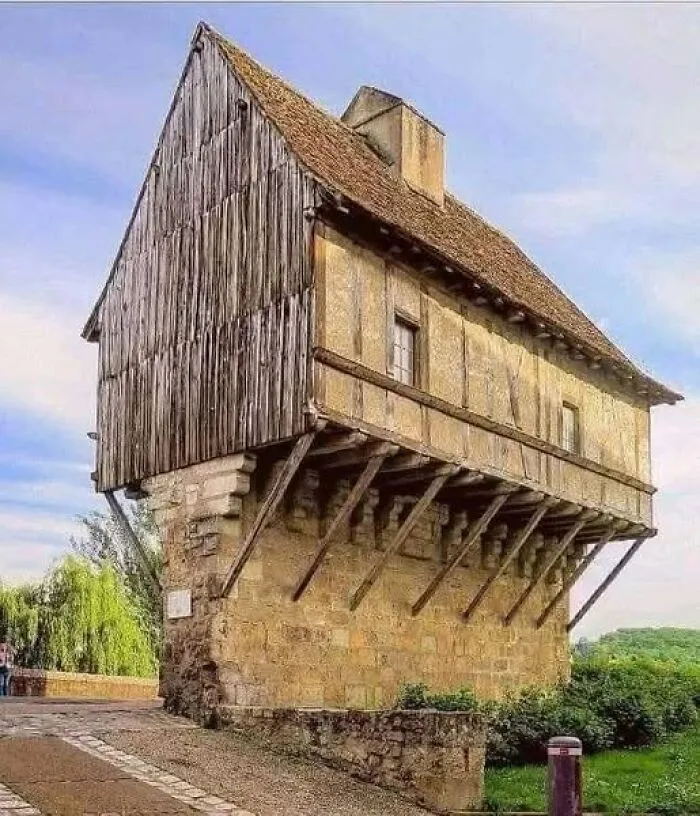
It's an oak timber frame building with wattle & daub infill, built in 1347.
The building is balanced on the narrow ramparts of Puy-Saint-Front (the medieval centre of Périgueux) supported on oak struts along its length.
The building is balanced on the narrow ramparts of Puy-Saint-Front (the medieval centre of Périgueux) supported on oak struts along its length.
43points
#34 Etruscan Sarcophagus And Lid With Husband And Wife, Late Classical Or Early Hellenistic Period, Ca. 350–300 Bc. Findspot: Italy, Lazio, Vulci
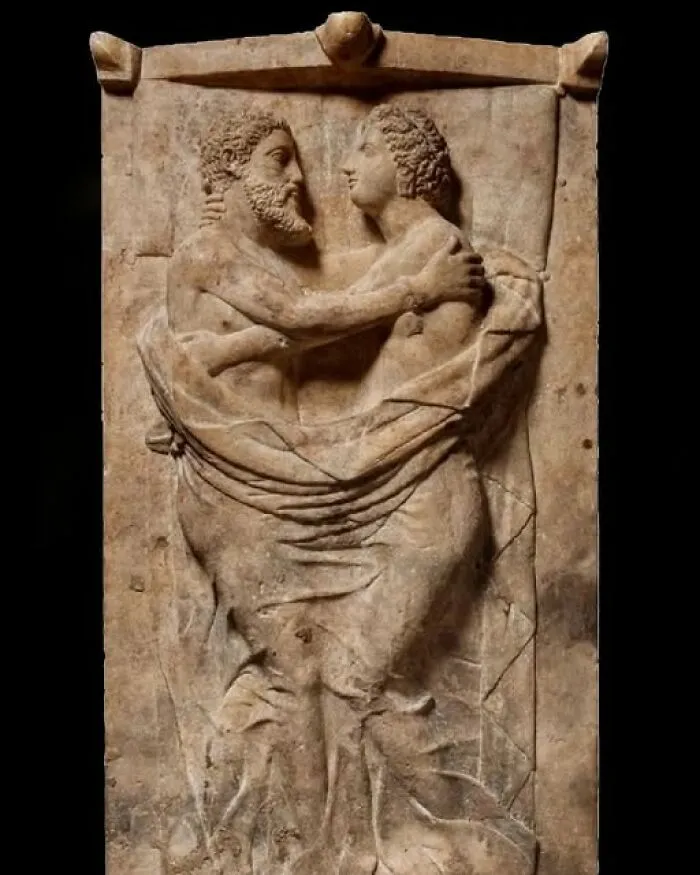
The top of the cover takes the form of a bed with pillows, and a man and his wife embrace under a large sheet. She wears a complex earring and he a bracelet of twisted strands. There is no costume visible. On the long side below the man is a frieze with four pairs of Greeks and Amazons in combat. A bead-and-reel molding appears above, and simple pilasters frame the scenes on the corners. The other side, the long panel below the woman, has only a plain fillet molding above, suggesting it was the back of the sarcophagus proper. The frieze features two pairs of horsemen and foot soldiers in combat, with a warrior in fighting pose on foot in the center. On the left end (facing the frieze with Greeks and Amazons), two lions bring down a bull. The bead-and-reel molding is seen above. On the right end, two griffins are tearing into a fallen horse. The condition is, generally speaking, excellent, with some traces of a dark brown deposit and an overall light brown to yellow patina. The sarcophagus is inscribed for Thanchvil Tarnai and her husband Larth Tetnies, son of Arnth Tetnies and Ramtha Vishnai.
43points
#35 The Imposing Stone Walls Of Sacsayhuamán, Which Rise Majestically Above Cusco, Peru, Are Commonly Linked To The Architectural Achievements Of The Inca Civilization
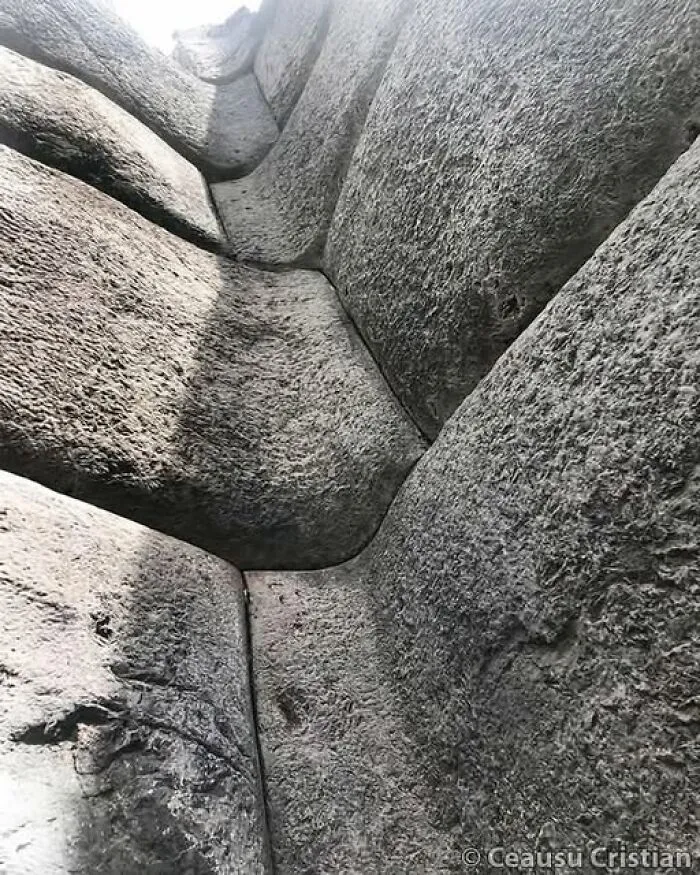
However, some scholars propose that these structures may actually be remnants of a more ancient culture, later rediscovered and repurposed by the Inca. The massive blocks that comprise the walls are noteworthy for their precise fit, achieved without the use of mortar, and their intricate rounded edges which interlock seamlessly—an accomplishment that would present significant challenges to contemporary engineers. This raises questions about the possibility that these formidable walls were constructed thousands of years ago by a lost civilization utilizing techniques that remain largely unexplained. Sacsayhuamán thus presents an intriguing enigma, inviting speculation about the true origins of this remarkable edifice and the sophisticated knowledge possessed by its builders, who left no historical record beyond these enduring stones.
41points
#36 The Cyclopean Sarcophagi At The Serapeum Of Saqqara Exemplify The Extraordinary Engineering Feats Of Ancient Egypt
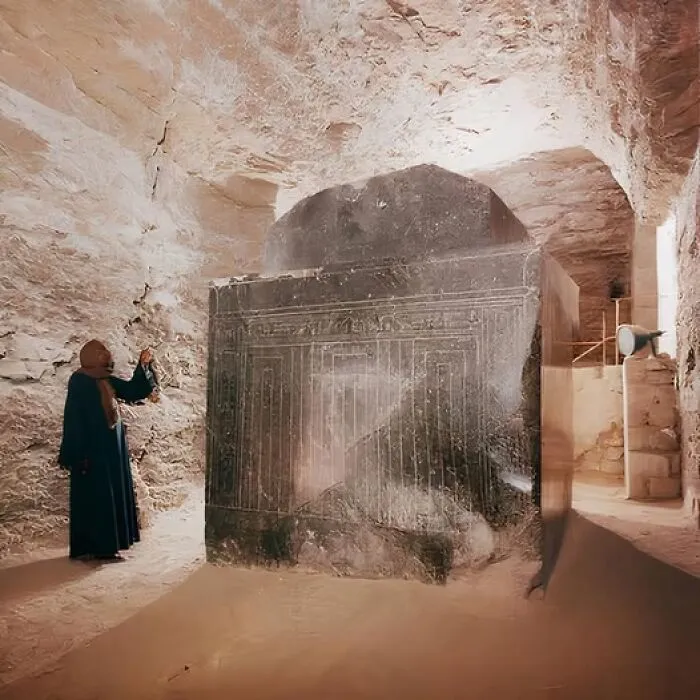
Dating back over 3,000 years to the 19th Dynasty, these massive granite sarcophagi weigh up to 70 tons each. Their impressive scale and precision contribute to the surreal atmosphere of the site. The methods and techniques employed by the Egyptians to create and transport such colossal structures remain a subject of fascination, showcasing both their ingenuity and skill in overcoming the limitations of their time. The Serapeum continues to inspire awe and curiosity about ancient construction methods.
40points
#37 This Home Built On 'Chicken Legs' Is One Of The Oldest Buildings In Norway
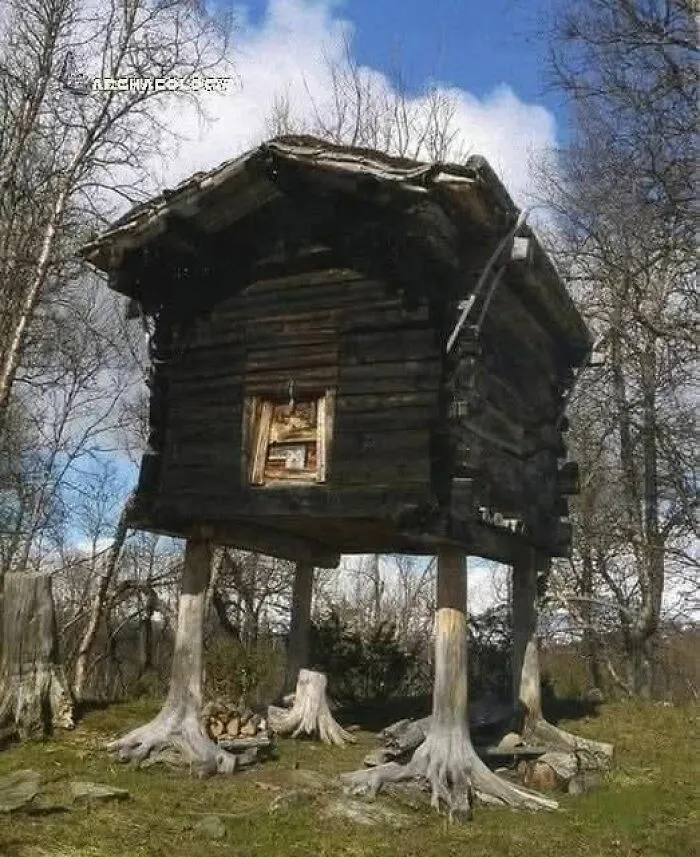
This strange house, built in the 18th Century CE, is one of the oldest buildings in Hattfjelldal municipality in Norland, Norway.
Constructed on these tree stumps serving as the foundation and which somehow resemble chicken legs, it seems as if the house is about to walk away. In Norwegian it is called a ""Stabbur"". They were used to store food and other items off of the ground and away from animals.
Many people say the structure reminds them of Baba Yaga, an enigmatic or ambiguous character from Slavic folklore (one of a trio of sisters of the same name) who has two opposite roles. In some motifs she is described as a repulsive or ferocious-looking old woman who fries and eats children, while in others she is a nice old woman, who helps out the hero. She is often associated with forest wildlife. Her distinctive traits are flying around in a mortar, wielding a pestle, and dwelling deep in the forest in a hut standing on chicken legs.
Mussorgsky's 1874 suite Pictures at an Exhibition has a movement titled ""The Hut on Hen's Legs (Baba Yaga)"". The rock adaptation of this piece recorded by English progressive rock band Emerson, Lake & Palmer includes a two-part track ""The Hut of Baba Yaga"", interrupted by ""The Curse of Baba Yaga"" (movements 8 to 10). Animated segments telling the story of Baba Yaga were used in 2014 documentary 'The Vanquishing of the Witch Baba Yaga', directed by American filmmaker Jessica Oreck. GennaRose Nethercott's first novel, Thistlefoot, ""reimagines Baba Yaga as a Jewish woman living in an Eastern European shtetl in 1919, during a time of civil war and pogroms."" Sophie Anderson's book The House With Chicken Legs, which received various accolades, features Marinka, the granddaughter of Baba Yaga. Here ""Yaga"" is not a name, but a title for the guardian who guides the dead into the afterlife and Marinka is being trained for this role. Yagas are reimagined as kind and benevolent.
Constructed on these tree stumps serving as the foundation and which somehow resemble chicken legs, it seems as if the house is about to walk away. In Norwegian it is called a ""Stabbur"". They were used to store food and other items off of the ground and away from animals.
Many people say the structure reminds them of Baba Yaga, an enigmatic or ambiguous character from Slavic folklore (one of a trio of sisters of the same name) who has two opposite roles. In some motifs she is described as a repulsive or ferocious-looking old woman who fries and eats children, while in others she is a nice old woman, who helps out the hero. She is often associated with forest wildlife. Her distinctive traits are flying around in a mortar, wielding a pestle, and dwelling deep in the forest in a hut standing on chicken legs.
Mussorgsky's 1874 suite Pictures at an Exhibition has a movement titled ""The Hut on Hen's Legs (Baba Yaga)"". The rock adaptation of this piece recorded by English progressive rock band Emerson, Lake & Palmer includes a two-part track ""The Hut of Baba Yaga"", interrupted by ""The Curse of Baba Yaga"" (movements 8 to 10). Animated segments telling the story of Baba Yaga were used in 2014 documentary 'The Vanquishing of the Witch Baba Yaga', directed by American filmmaker Jessica Oreck. GennaRose Nethercott's first novel, Thistlefoot, ""reimagines Baba Yaga as a Jewish woman living in an Eastern European shtetl in 1919, during a time of civil war and pogroms."" Sophie Anderson's book The House With Chicken Legs, which received various accolades, features Marinka, the granddaughter of Baba Yaga. Here ""Yaga"" is not a name, but a title for the guardian who guides the dead into the afterlife and Marinka is being trained for this role. Yagas are reimagined as kind and benevolent.
39points
#38 Prepare To Be Mesmerized By Pakistan’s Stunning Open-Air Gallery—more Than 50,000 Intricate Carvings And 5,000 Inscriptions Spanning 100 Kilometers Between Shatial And Raikot Bridge
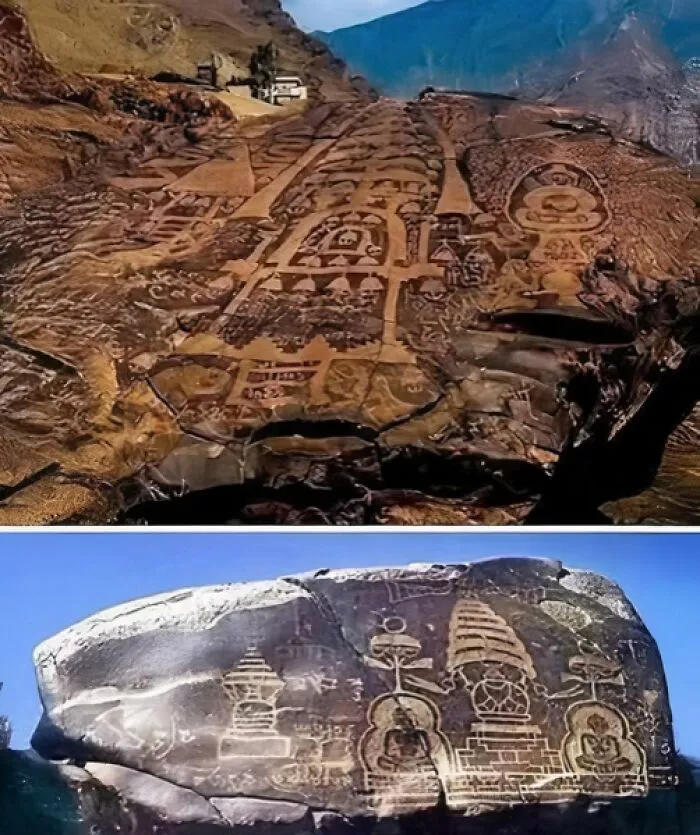
From the 9th century BCE to the 16th century CE, these ancient masterpieces offer a stunning glimpse into centuries of human creativity and belief.
Far more than just carvings, they tell stories of gods, rituals, and everyday life, challenging us to rethink history. Unlike limited museum exhibits, these expansive outdoor treasures immerse visitors in an unfiltered connection to the past. Every stroke and symbol whispers the secrets of civilizations long gone, urging modern explorers to unravel their mysteries.
Forget textbooks—this is history carved in stone, waiting to be discovered. Whether you’re an art enthusiast or a history buff, this unparalleled site promises an unforgettable journey through time. Don’t miss your chance to witness humanity’s enduring legacy etched into the landscape
Far more than just carvings, they tell stories of gods, rituals, and everyday life, challenging us to rethink history. Unlike limited museum exhibits, these expansive outdoor treasures immerse visitors in an unfiltered connection to the past. Every stroke and symbol whispers the secrets of civilizations long gone, urging modern explorers to unravel their mysteries.
Forget textbooks—this is history carved in stone, waiting to be discovered. Whether you’re an art enthusiast or a history buff, this unparalleled site promises an unforgettable journey through time. Don’t miss your chance to witness humanity’s enduring legacy etched into the landscape
39points
#39 Bruberg Castle In Hesse, Germany. This Castle Was Built In The 13th Century And Is Considered The Best Preserved Castle In Hesse
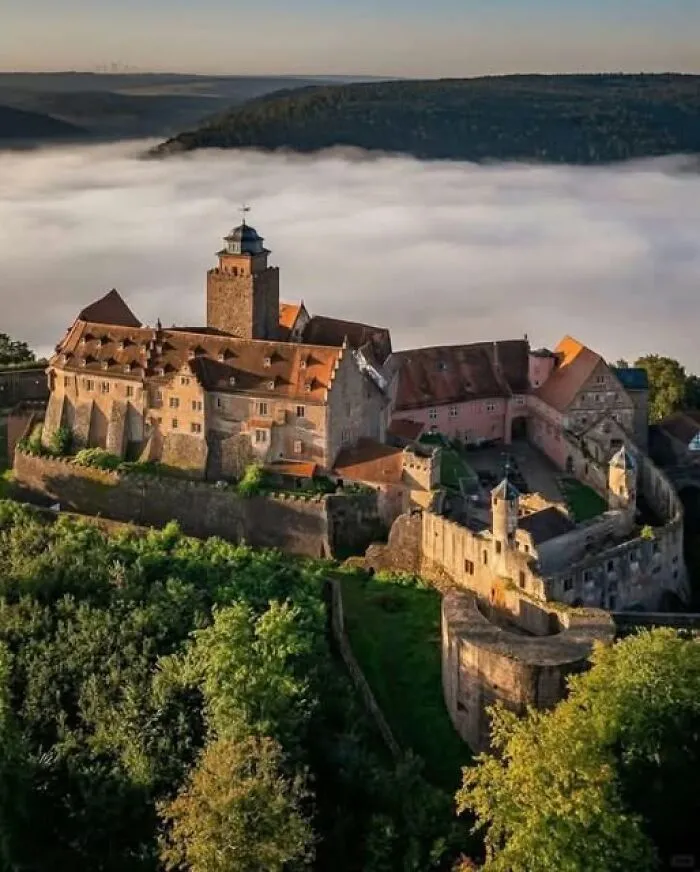
Although it has suffered damage during its long history, it has never been completely destroyed or burned down. This is quite unique because once inside the castle, you can admire multiple architectural styles built in different periods: from Romanesque to Gothic to Renaissance. The oldest part of the castle is its bergfried which dates back to the 13th century. An interesting fact is that during World War II, Polish and Russian female prisoners of war were held in the castle's prison, they worked in the nearby workshops, and you can see the messages they left on the castle's walls. The castle is no longer a scary place. It is now a museum owned by the state of Hesse.
39points
#40 A Staggering Haul Of 12,500 Bones Alongside 300 Metal Artifacts-Yes, That Includes Flint And Bronze Arrowheads, Swords, And Clubs. But Here's The Kicker: Many Of These Gruesome Weapons Remain Lodged In The Very Skeletons Of The Warriors Who Met Their Brutal End There Around 1250 Bc
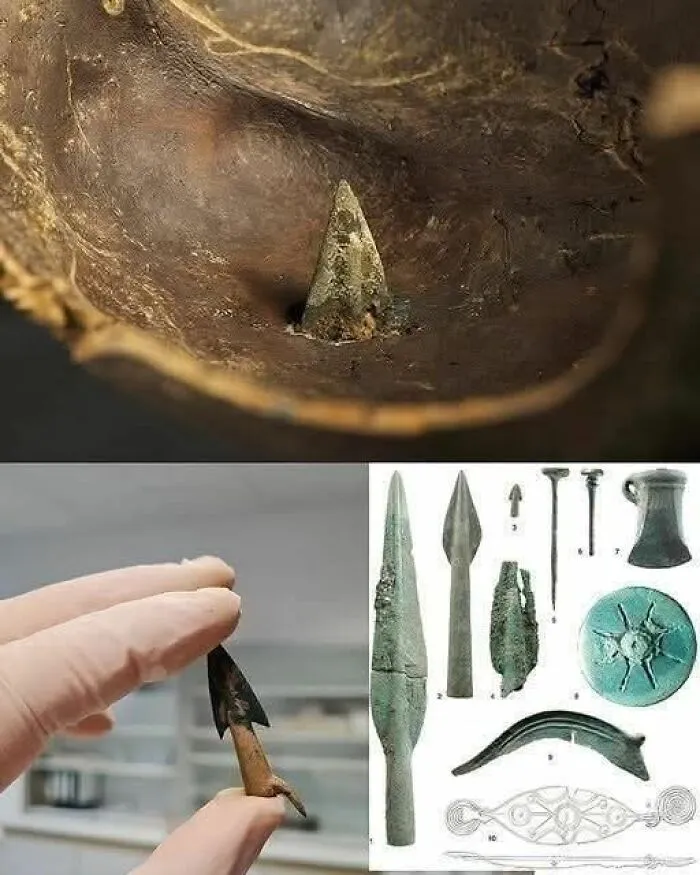
Europe's oldest battlefield, a chaotic scene that goes back 3,250 years. It all kicked off in 1996 when a lone bone, sticking out of a riverbank, set off a chain reaction of discovery.
What does this tell us about the sheer scale and savagery of ancient warfare in northern Europe? Buckle up, because history is bleeding alive!
What does this tell us about the sheer scale and savagery of ancient warfare in northern Europe? Buckle up, because history is bleeding alive!
36points