



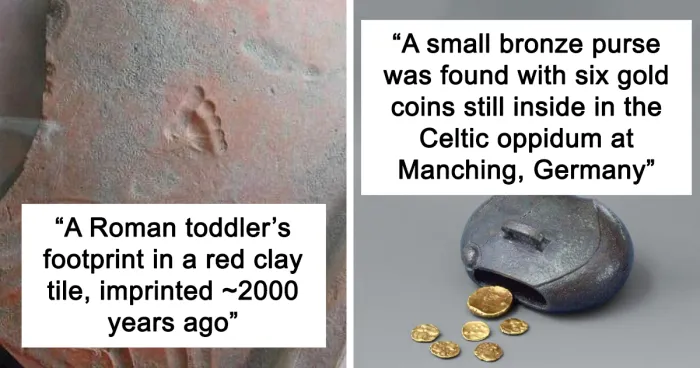


Archeology is a fascinating subject. It has helped us understand the history of many cultures around the globe. It’s the reason why we know our origins and have a good understanding of how our world has progressed.
On top of all that, it also helps us to connect to people from the past. When we look at the work they’ve done, the craftsmanship of the objects, the beauty of portraits and statues, we feel kinship and understanding. It allows us to relate to them on a new level. The pictures of artifacts and features in the list below do this perfectly. Scroll down to admire these wonderful findings.
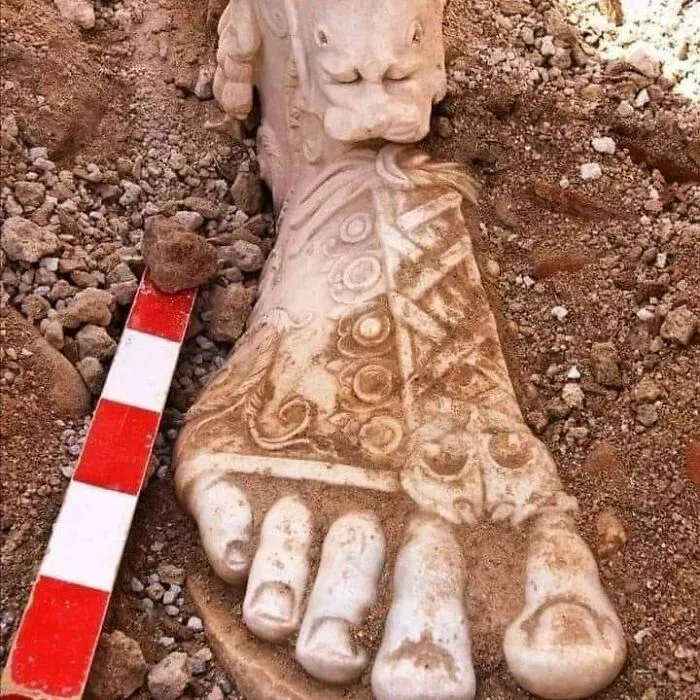
#41 Finding The Foot Of The Roman Emperor Marcus Aurelius Statue In Sagalassos Ancient City In Ağlasun, Burdur
Report
106points
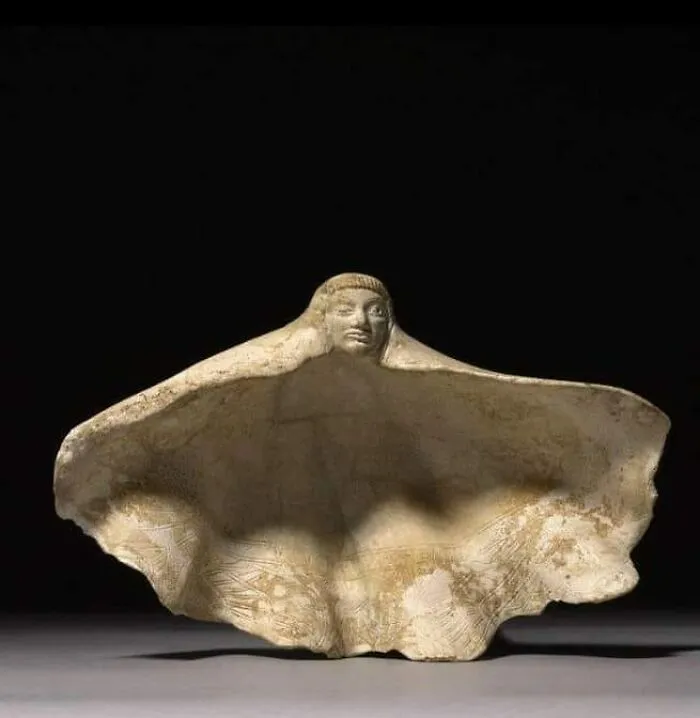
#42 Sea Shell With Carved Head At The Apex (Probably Phoenician, 600 Bc)
Report
100points
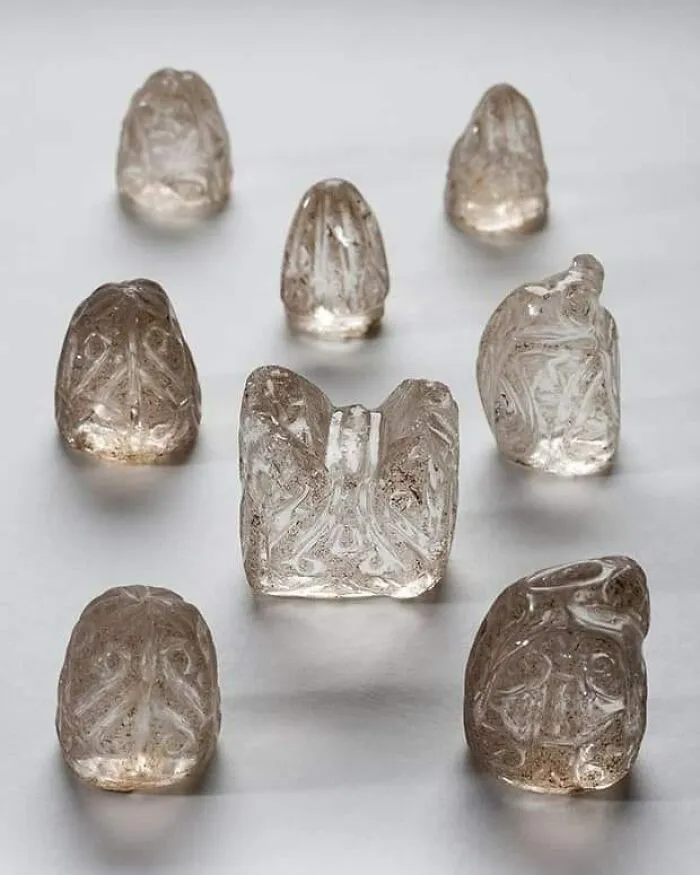
#43 A Series Of 11th-Century Crystal Chess Pieces From The Museo Da Catedral In Ourense, Spain
Report
100points
#45 Treasure Recovered From The Wreck Of Theydah Gally
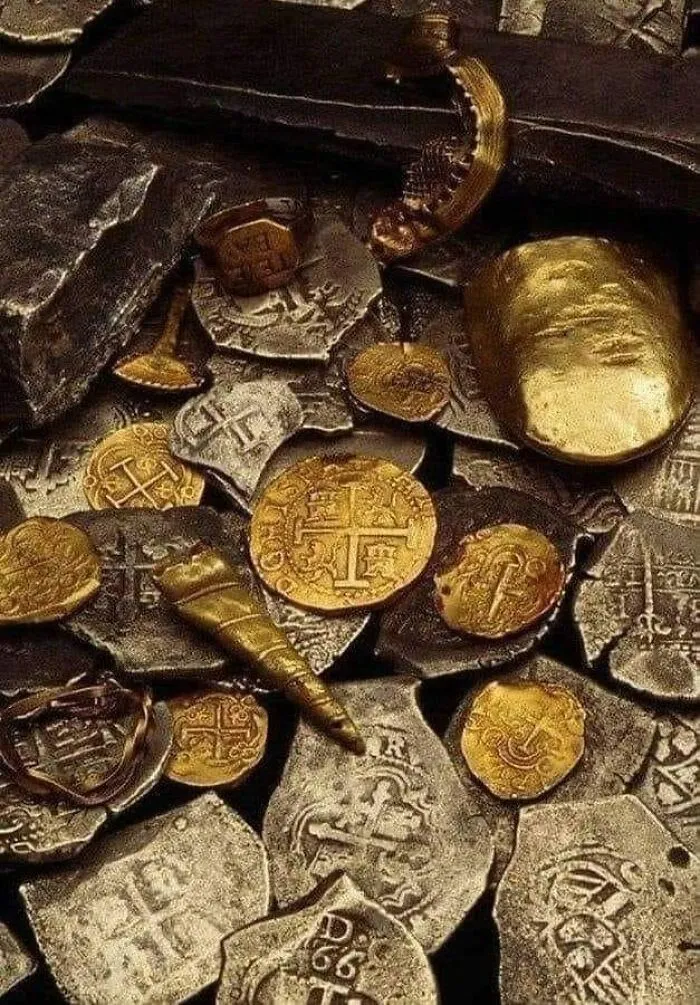
The only fully authenticated Golden Age pirate shipwreck ever discovered. The ship sank in 1717 killing nearly all of its 150-person crew, including its captain Bellamy.
Report
96points
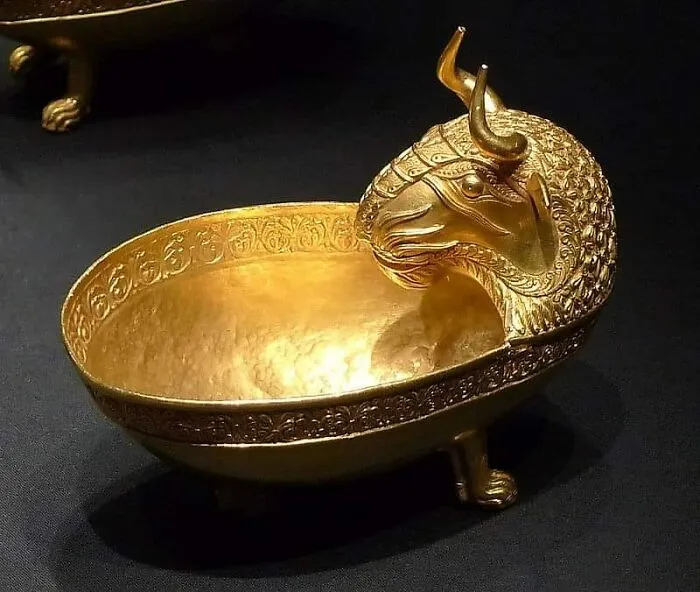
#46 Gold Bull’s Head Bowl Known As “Attila’s Cup”, Part Of The Nagyszentmiklós Treasure Uncovered In Hungary, Dates To The 6th Century Ad
Report
94points
#47 Stunning Gold Medallion With The Portrait Of Alexander The Great
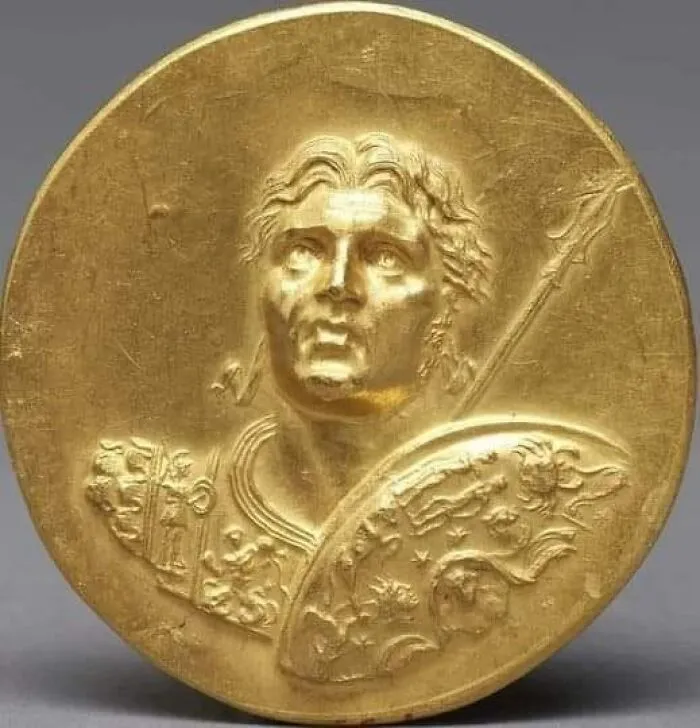
This Medallion was discovered in Egypt as part of a hoard that comprised about twenty similar medallions (now dispersed among various museums), eighteen gold ingots, and six hundred gold coins issued by Roman emperors from Severus Alexander to Constantius I. One of the medallions, now in the Calouste Gulbenkian Museum in Lisbon, bears an inscription that possibly reads "Olympic games of the year 274", a date corresponding to 242-243 CE. It is possible that the medallions were intended as prizes to be given out at that event. Alternatively, they may have been issued by Emperor Caracalla who is potrayed on some of them. Caracalla liked to be compared to the great king and conquerror Alexander of Macedon. Like Alexander, this Roman emperor waged war in the East, and actually died in the course of his campaign against the Parthians. This particular medallion shows Alexander the Great gazing heavenward and bearing a shield decorated with signs of the zodiac. This portrait shows him with his hair pulled back. He wears a decorated cuirass with a figure of Athena on the shoulder strap and, on the chest, a scene from the Gigantomachy (War of the Giants). The back depicts Alexander and Nike, goddess of victory, riding in a chariot, flanked by the deities Roma and Mars.
Image property: The Walter Art Museum, Baltimore Maryland.
Image property: The Walter Art Museum, Baltimore Maryland.
Report
93points
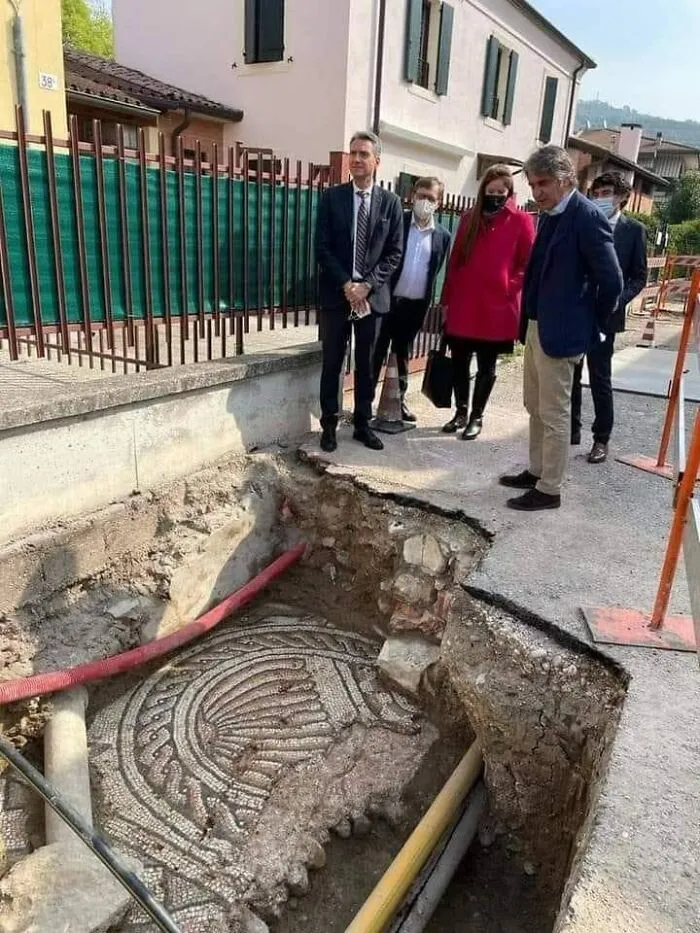
#49 A Mosaic Floor Of A Villa Dating Back To The 4th Or 5th Century Ad Was Found In Montorio, Verona, Italy
Report
89points
#50 Roman Emperor Philippus The Arab Kneeling In Front Of Persian King Shapur I, Begging For Peace
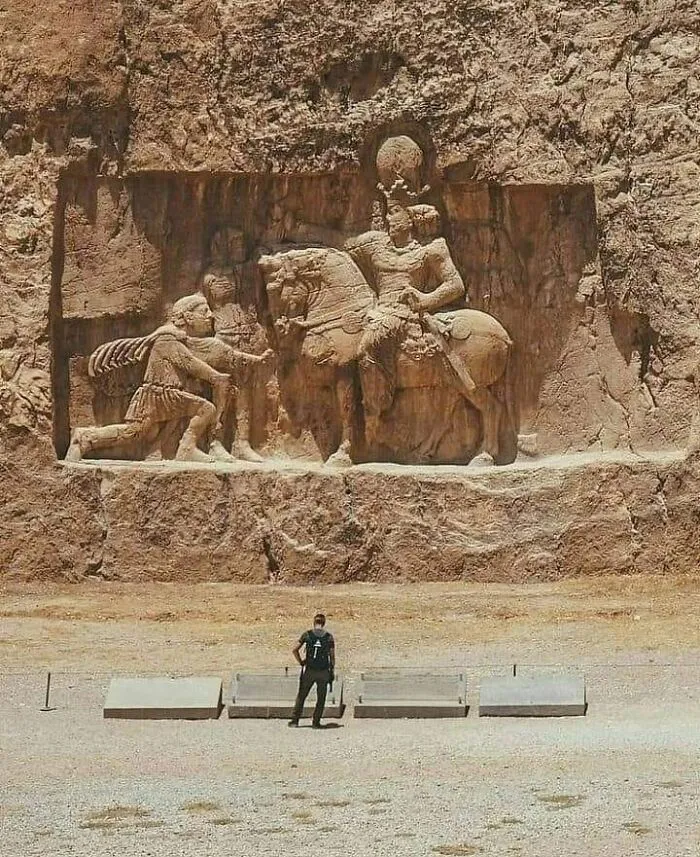
The standing emperor represents Valerian who was taken captive by the Persian army in 260 AD, The triumph of Shapur I, Naqshe Rostam, Iran.
Report
86points