

Archeology is a fascinating subject. It has helped us understand the history of many cultures around the globe. It’s the reason why we know our origins and have a good understanding of how our world has progressed.
On top of all that, it also helps us to connect to people from the past. When we look at the work they’ve done, the craftsmanship of the objects, the beauty of portraits and statues, we feel kinship and understanding. It allows us to relate to them on a new level. The pictures of artifacts and features in the list below do this perfectly. Scroll down to admire these wonderful findings.
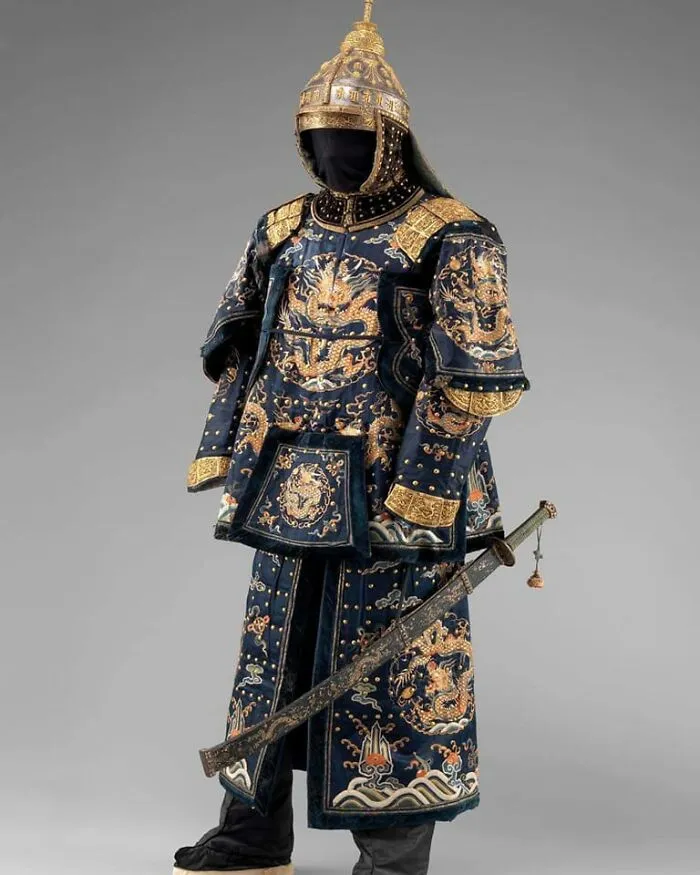
#21 Armor Of An Officer Of The Imperial Palace Guard, China 18th Century
Report
146points
However, because of the war, archeologists couldn’t explore the cave right away. They opened it to the public in 1948, when they were done recording all the important information. Once it opened its doors, the cave became a popular tourist site, attracting thousands of people. This didn’t last long, though. Because of its popularity, it had to be closed in 1963 to preserve the paintings.
#22 A 2,300-Year-Old Ancient Greek Gold Wreath Worth £100,000, Kept For Decades In A Tatty Box Of Old Newspapers Under Bed By Owner Who Had No Idea What It Was.
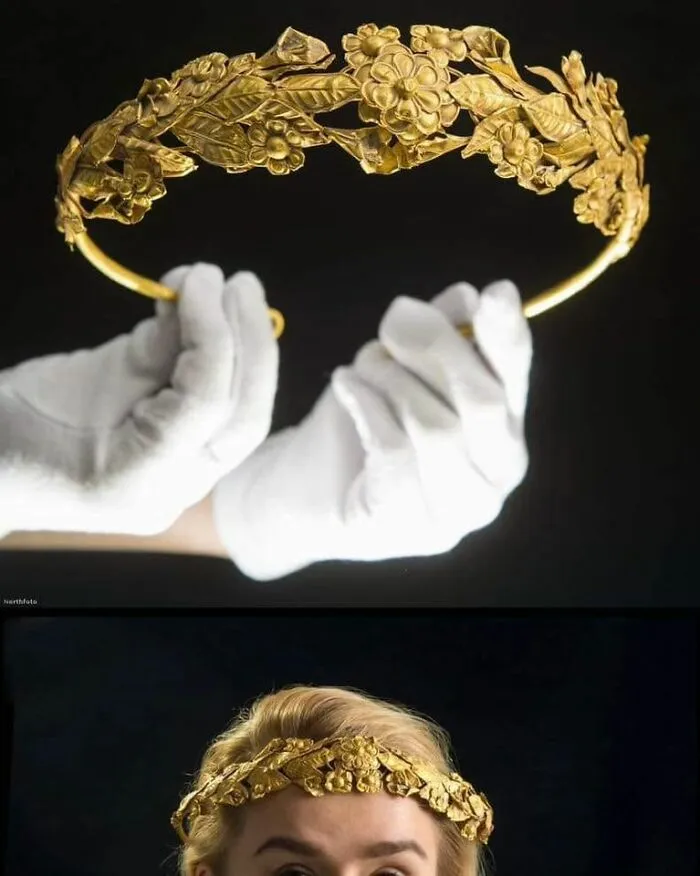
The wreath was put on sale at Duke’s of Dorchester auction house in 2016
Report
144points
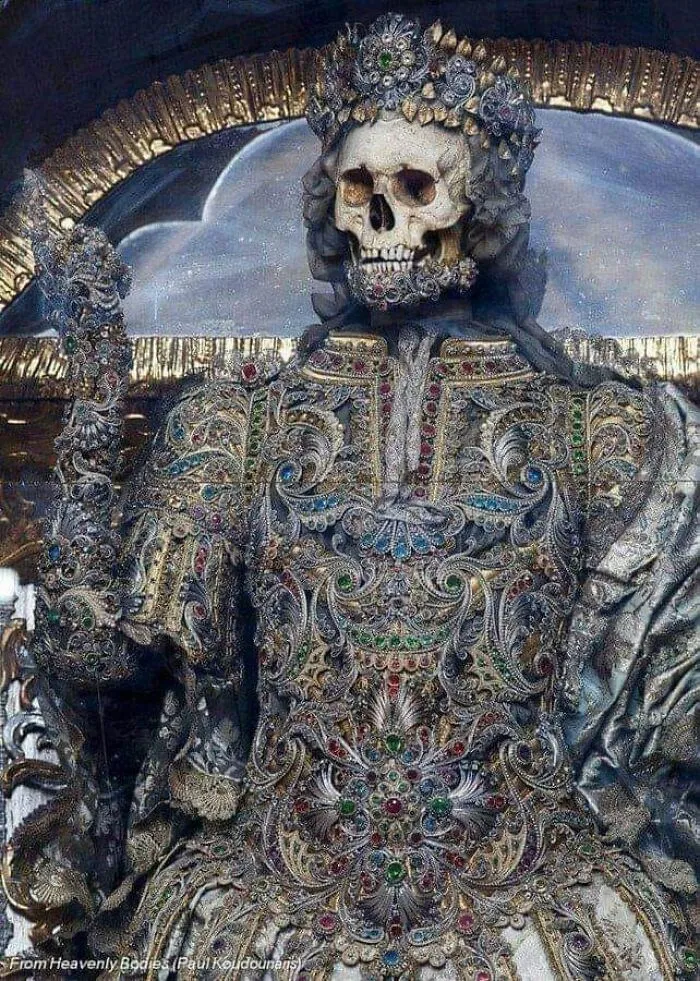
#23 The Jewel-Encrusted Skeletons Of Roman Martyrs: Photographs From Rome's Ancient Underground Catacombs
Report
144points
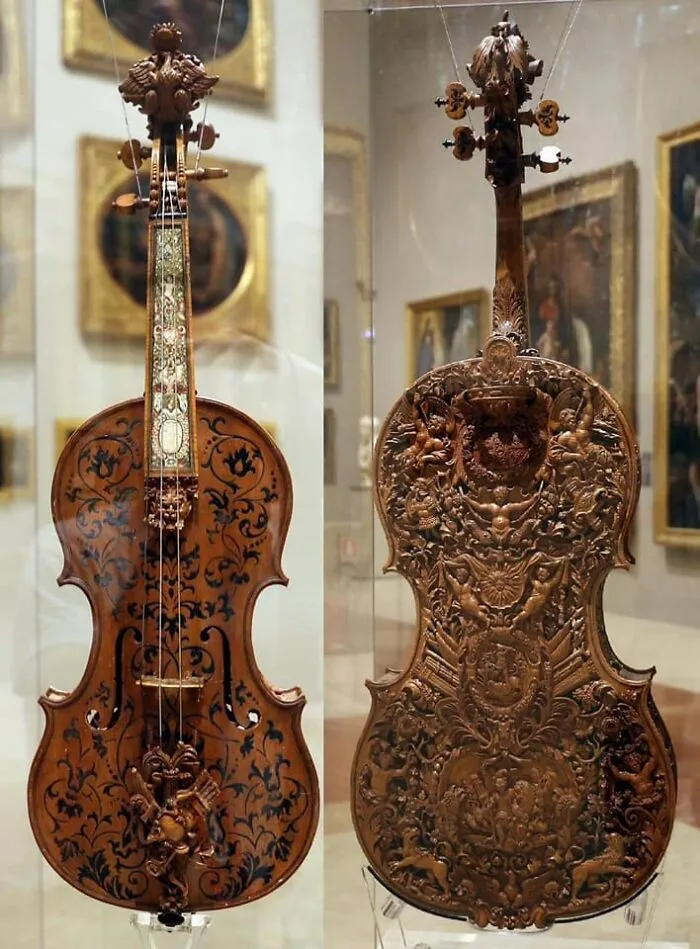
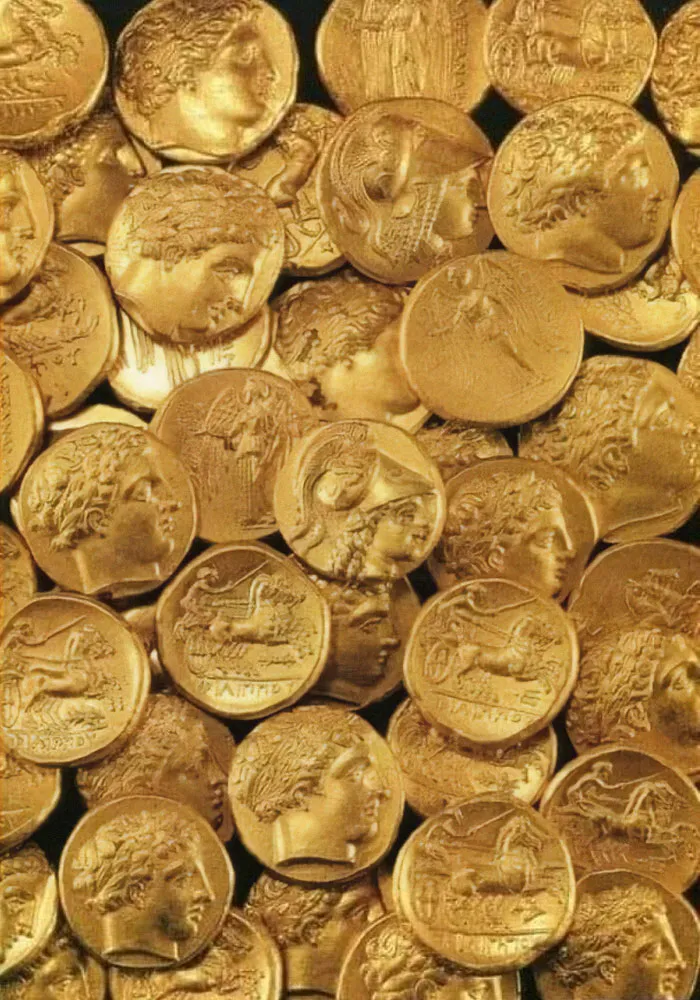
#25 Treasure Of 51 Macedonian Gold Coins. Was Hidden Sometime After 330 Bce In A Cavity In A Rock In Ancient Corinth
Report
139points
Those are, of course, not the only accidental findings out there. Happy accidents like that happen all the time. So, next time you’re out and about, don’t forget to take your explorer’s hat with you. Maybe your discovery will find its place in our next list that celebrates antiques.
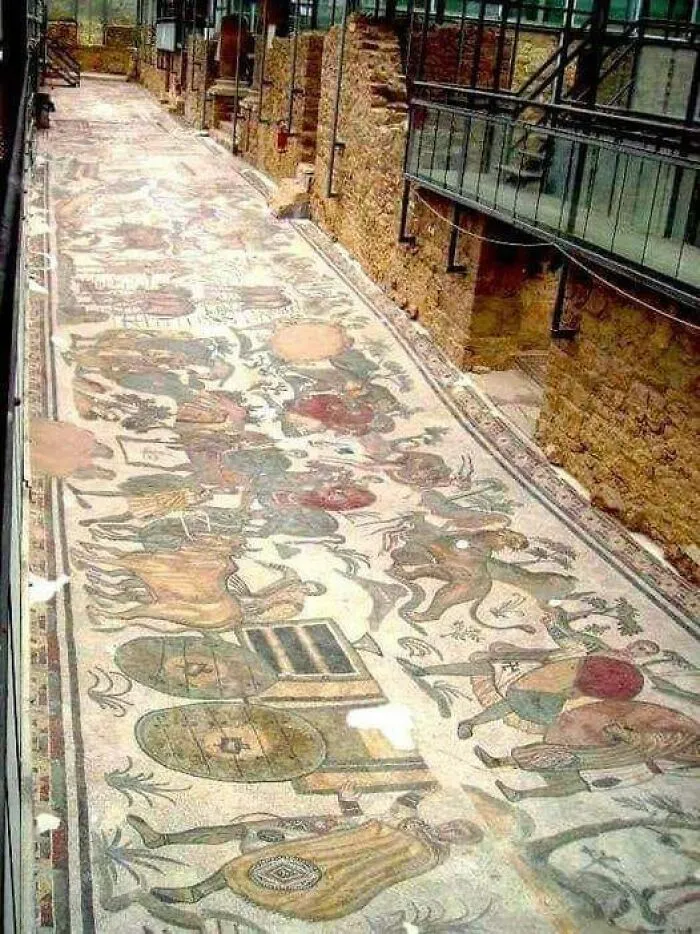
#26 Pompeii - “The Mosaic Of The Great Hunt Of The Roman Villa Of Casale Di Piazza Armerina, Sicily.”
Report
135points
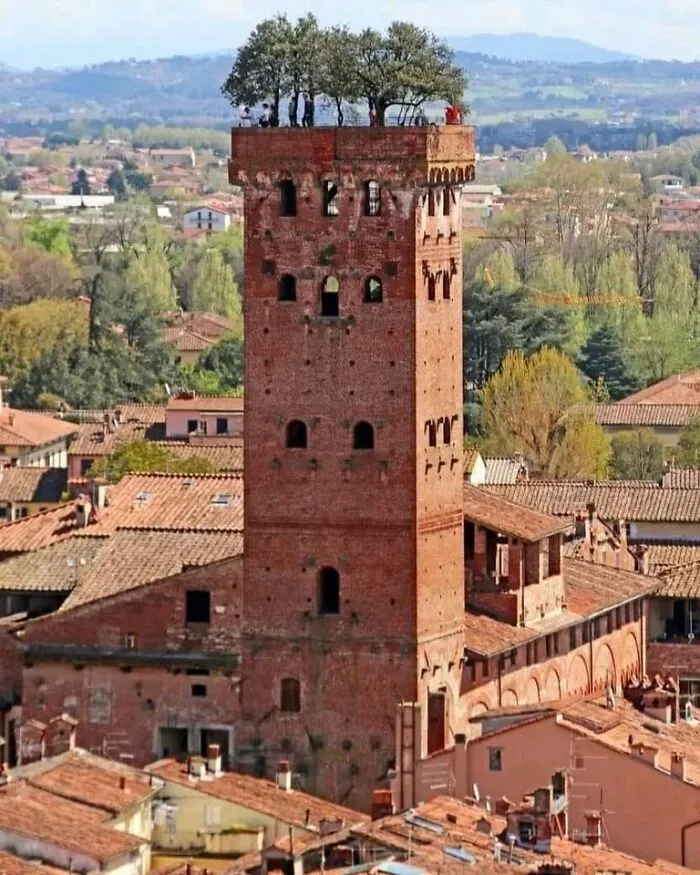
#27 The Guinigi Tower - A 45-Metre-Tall Fortified Tower-House Built In The 1300s, With Holm Oak Trees Growing In Hanging Gardens At Its Top. Lucca, Italy
Report
132points
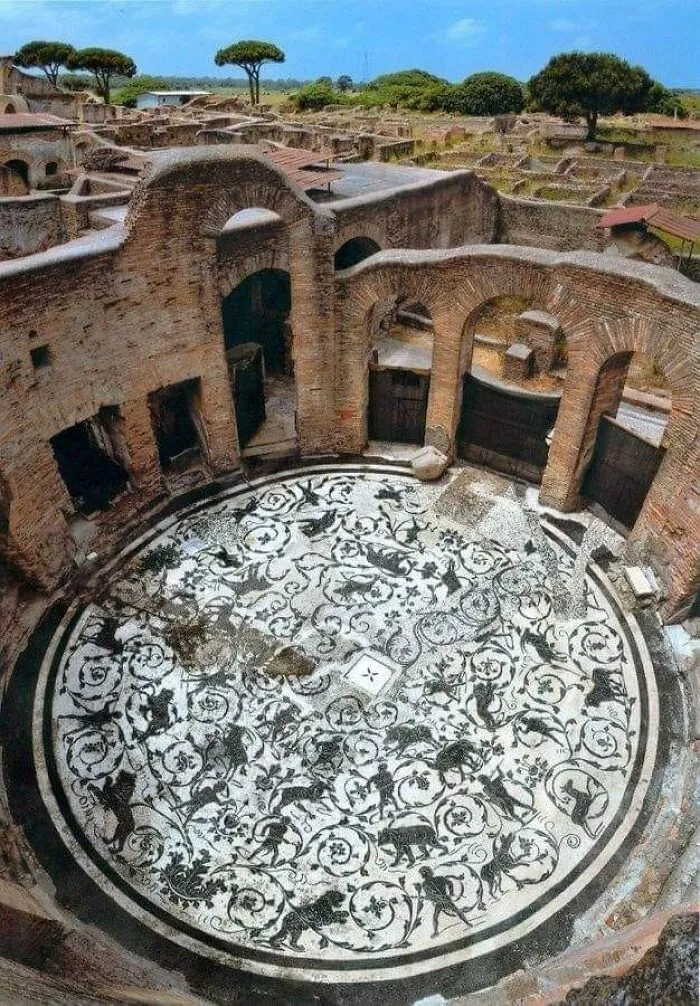
#29 A Massive Floor Mosaic From The Bath Of The Seven Wise Men At Ostia Antica. Made Around 1,800 Years Ago, It Depicts An Elaborate Black And White Hunting Scene
Report
125points
#30 Persian Achaemenid Rhyton (Drinking Vessel Or Vessel For Pouring Libations) Made Of Lapis Lazuli And Gold. 6th-5th Century Bce. Abegg Foundation, Riggisberg, Switzerland (6.7.63)
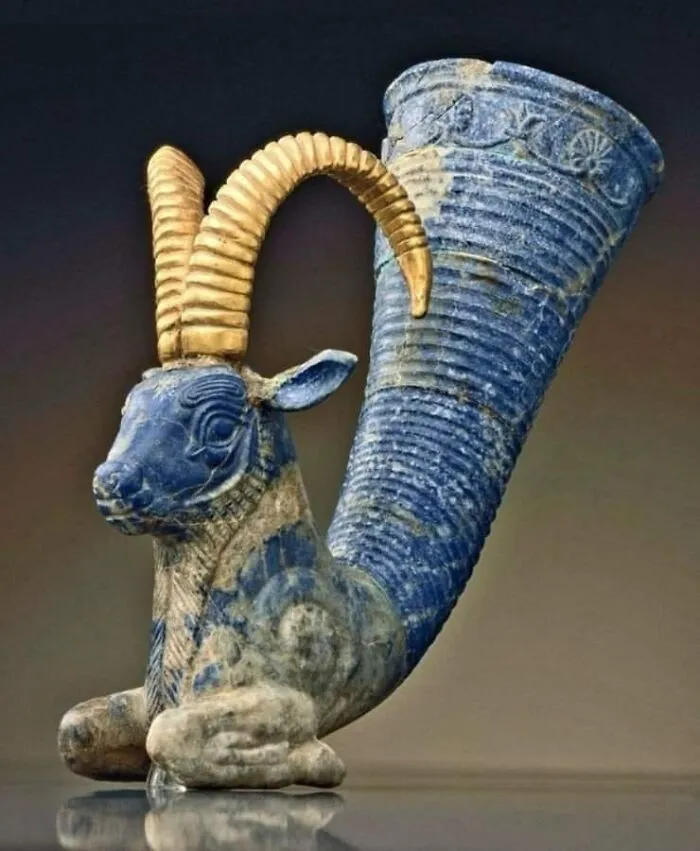
Persian Achaemenid rhyton (drinking vessel or vessel for pouring libations) made of lapis lazuli and gold. 6th-5th century BCE. Abegg Foundation, Riggisberg, Switzerland (6.7.63)
Report
124points
#31 House Of Neptun And Amphitrite. Herculaneum, Italy
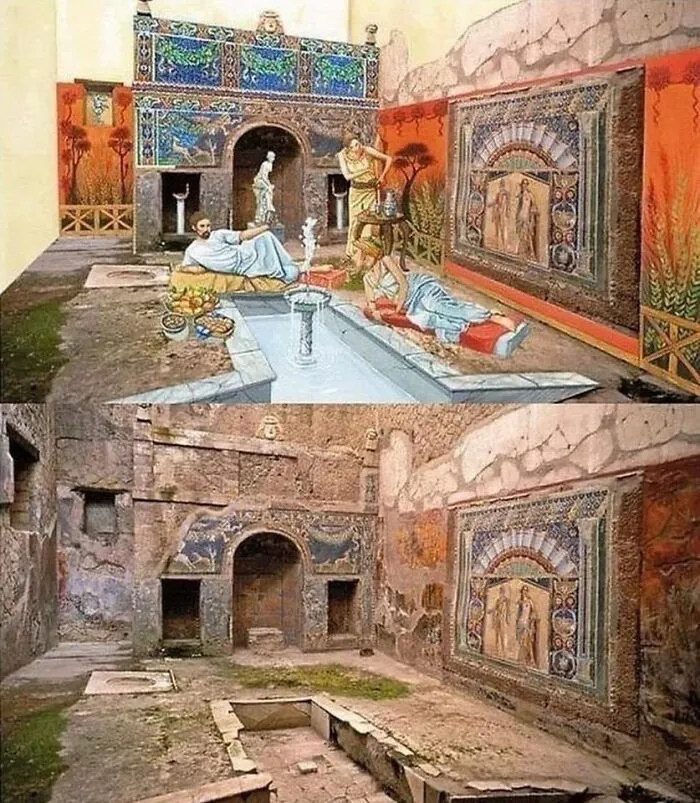
When Vesuvius erupted in AD 79, it buried not only the city of Pompeii, but a number of other nearby towns as well. One of them was Herculaneum. Among the many houses in Herculaneum is a relatively small, but richly decorated town house, called the House of the Neptune Mosaic, which must have belonged to a wealthy family
Report
124points
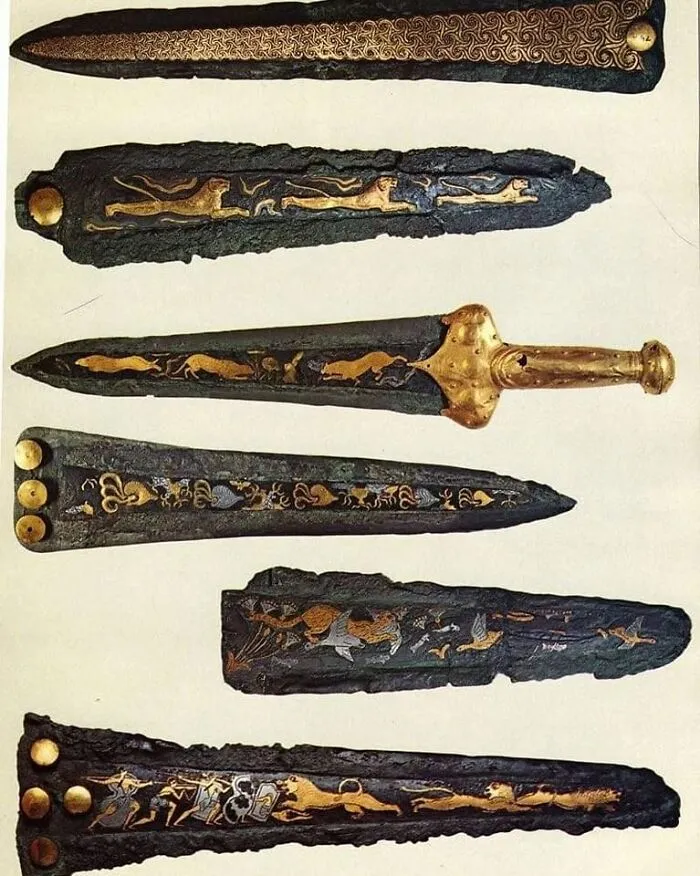
#32 Mycenaean Daggers, Made Of Silver And Gold. Found In Shaft Graves 4-7 In Grave Circle A, 1550-1500 B.c
Report
123points
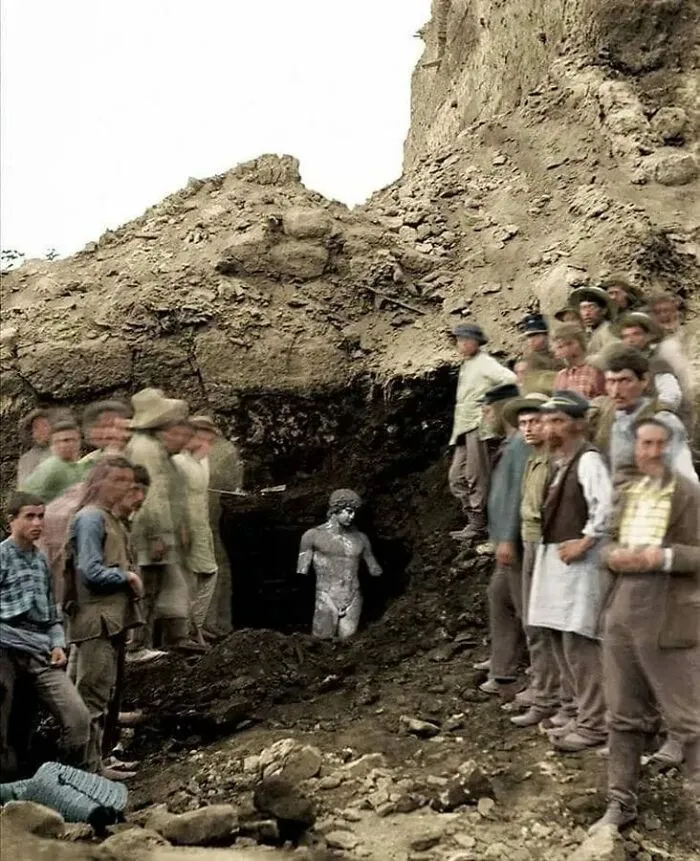
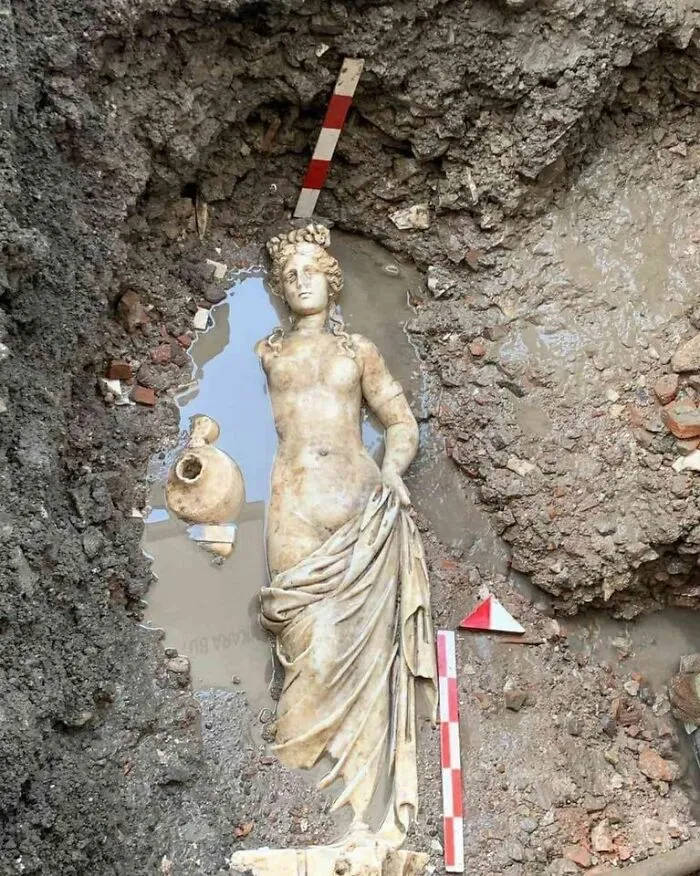
#33 The Discovery Of The Ancient Statue Of Antinous Found In Delphi, Greece During An Excavation In 1894
Report
114points
#34 A 3rd Century Ce Roman Horse Armour, Made Up Of About 2000 Bronze Scales
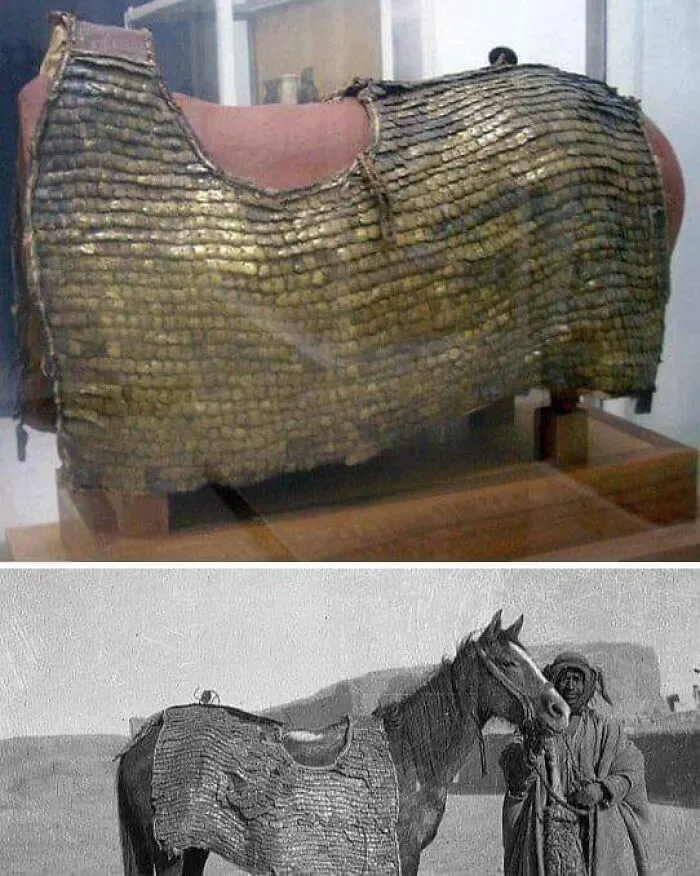
Found in Dura-Europos, Syria, and is now housed at the National Museum of Damascus. The bottom picture shows the armour shortly after it was discovered in 1932
Report
113points
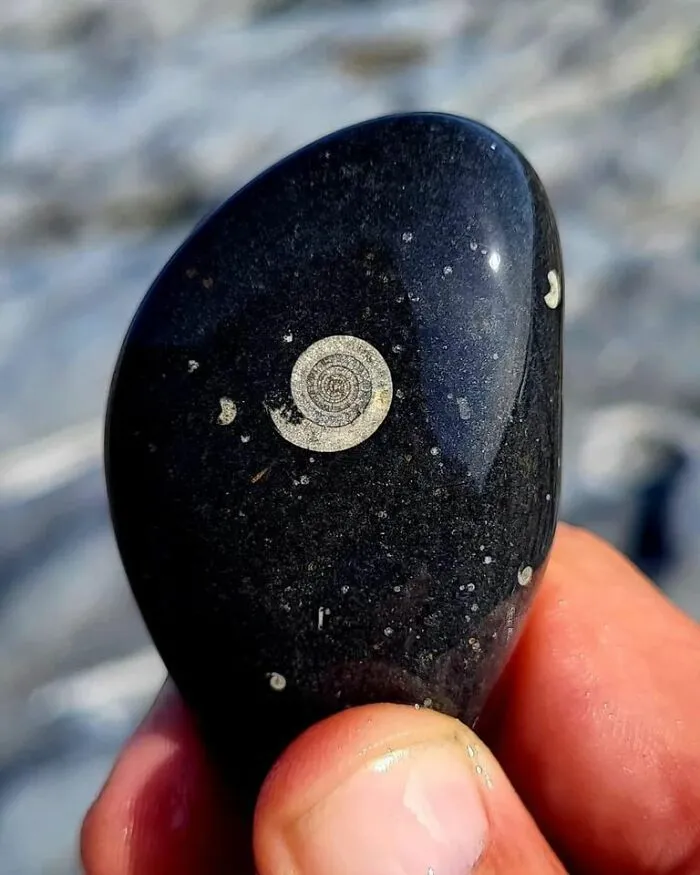
#36 A Fortuitously Placed Fossil. A 320 Million Year Old Goniatite Fossil, County Clare, Ireland
Report
112points
#37 Roman Mosaic At Entrance To House Of Tragic Poet In Ruins Of Pompeii, Which Was Destroyed In 79 Ad.
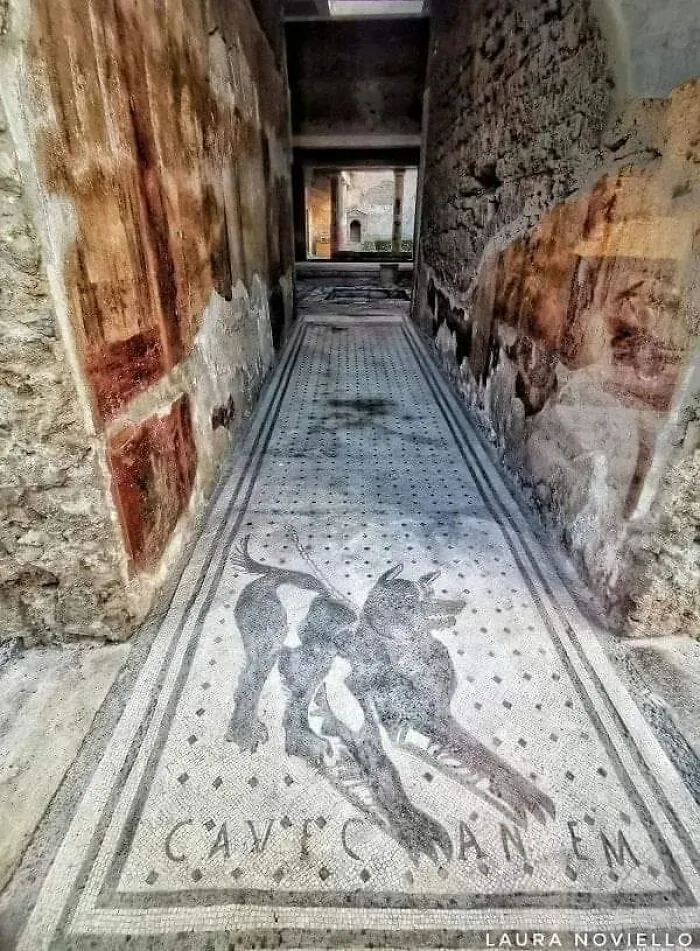
Mosaic is approximately 2000 years old and depicts a chained dog with caption "cave canem," which means "beware of the dog."
Report
112points
#38 The 'Trier Gold Hoard' Was The Largest Roman Gold Hoard Ever Discovered
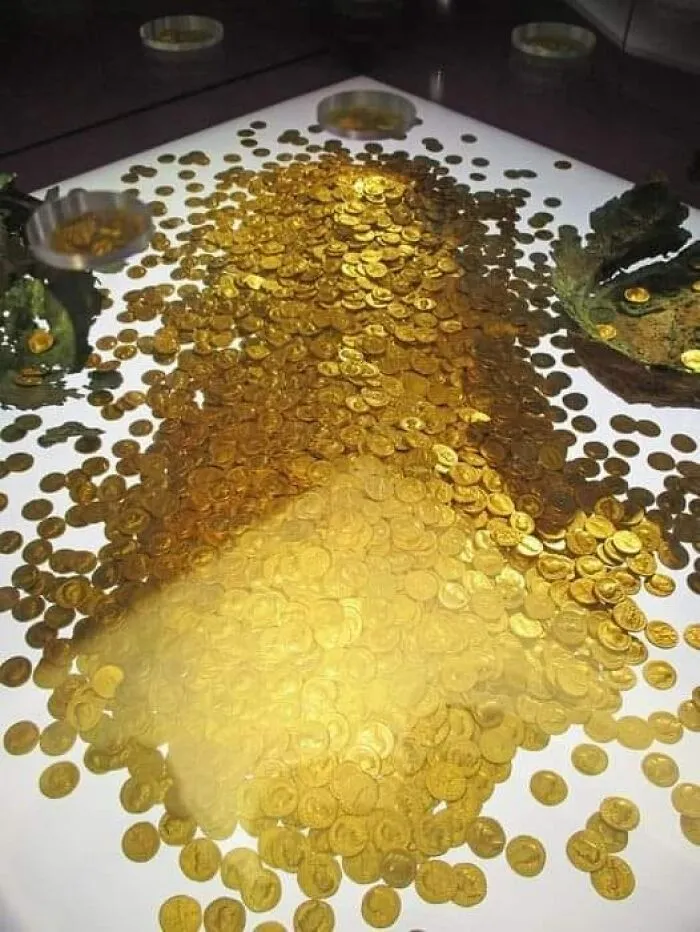
Comprising of 2,500 gold coins weighing 18.5 kg , the discovery was made during excavation works in 1993, nearly 1,800 years after it was hidden.
The discovery of the Gold Hoard in Trier in 1993 caused quite a sensation. Greater inspection revealed that it was not simply someone's personal fortune but most likely an official treasury. The treasury had been carefully administered and had grown over time. The Hoard equated to the annual salary of around 130 Roman soldiers. The aurei (gold coins) feature a total of 27 emperors, empresses and members of the imperial family, and some are still considered unique to this day.
The discovery of the Gold Hoard in Trier in 1993 caused quite a sensation. Greater inspection revealed that it was not simply someone's personal fortune but most likely an official treasury. The treasury had been carefully administered and had grown over time. The Hoard equated to the annual salary of around 130 Roman soldiers. The aurei (gold coins) feature a total of 27 emperors, empresses and members of the imperial family, and some are still considered unique to this day.
Report
109points