




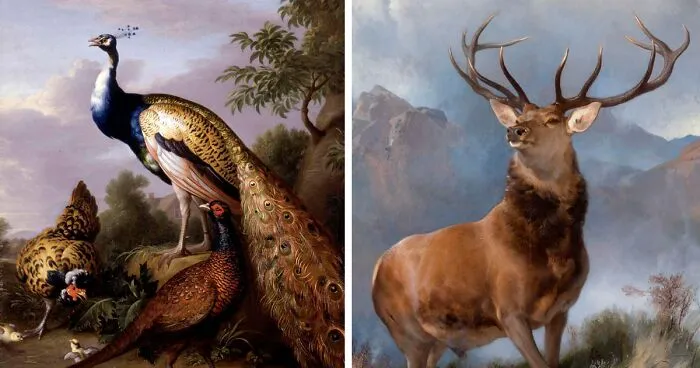


We have a soft spot for art. But not just any art — we’re talking about animal paintings. We love animals, we love paintings, and of course, we love the combination of the two!
Following the recent discovery of a pig painting in Indonesia, where Ice Age cave painters flourished, it’s said that the first traces of animals in art date back to at least 45,000 years ago. Since then, art featuring animals has taken many forms. From Pisanello’s Duck in 1440, passing through Yi Am’s art in the 16th century, and the French animal painter Rosa Bonheur in the 1800s, we’ve seen animals depicted in all kinds of styles and genres.
When it comes to capturing the spirit of an animal through pencil or brushstrokes on canvas, some have a talent that is hard to match. We’ve selected our favorite animal artists over time so that you can see how stunning the most famous animal paintings are for yourself! The artists featured here have taken painting animals to the next level — from incredibly realistic portraits of cats and dogs to more abstract pieces that feature animals in new, exciting ways.
#61 Le Chat Tigre By Henri Rousseau
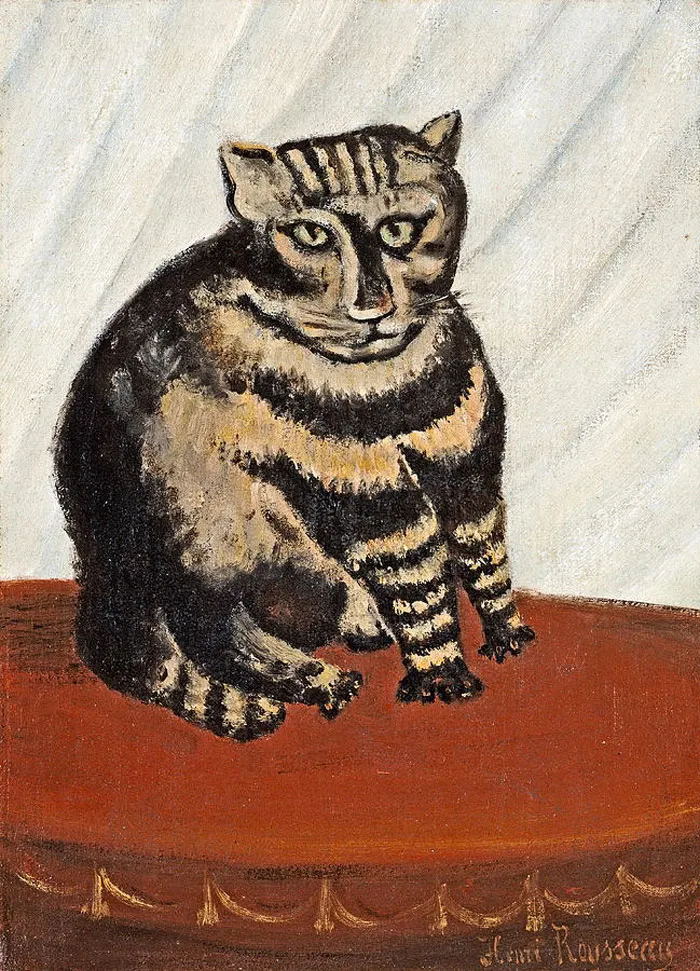
It’s not clear when Henri Rousseau realized Le Chat Tigre, but it’s estimated it could have been around 1863, when the artist was barely more than a teenager. The perspective is not quite right, and the cat is strangely proportioned, but these inaccuracies are considered deliberate to help add a sense of charm to the animal.
Report
7points
#62 Sitting Dog On Pillow (1855) By Gustave Courbet
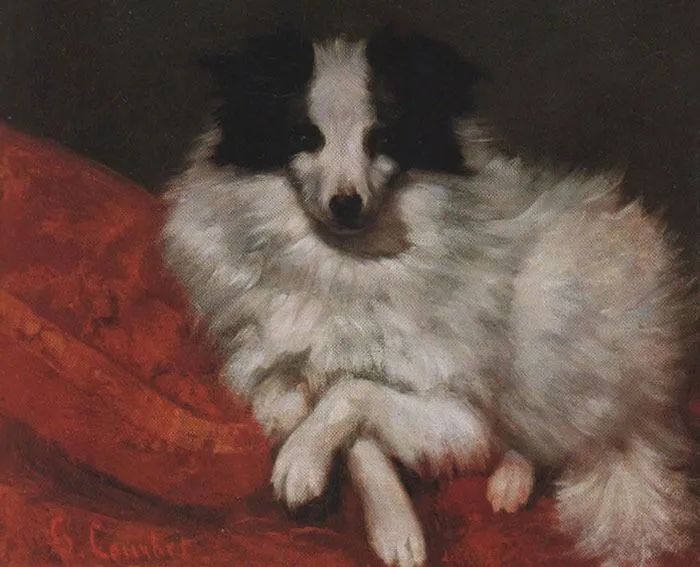
Gustave Courbet, author of some of the most controversial paintings in history — The Origin Of The World and Two Nude Women are the most notable examples — also had a thing for portraying dogs. Painted in 1855, Sitting Dog On Pillow is a lesser-known work, but it still showcases why he’s considered the father of French realism.
Report
7points
#63 Allegory Of War (C. 1640s) By Jan Brueghel The Younger
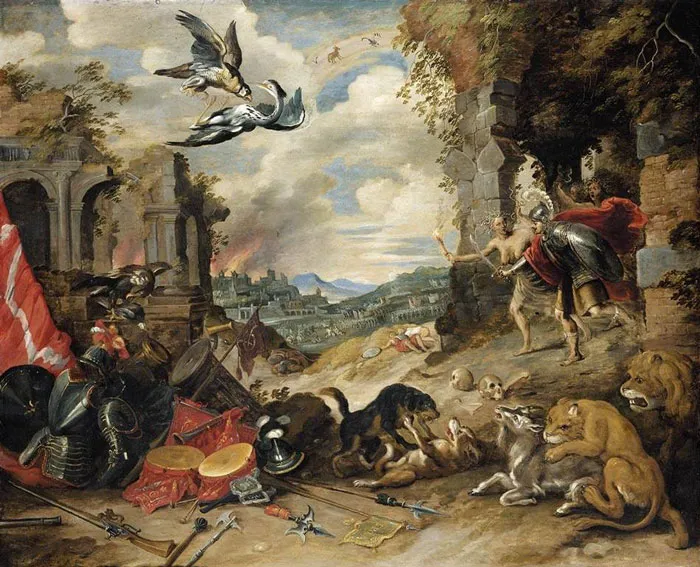
Jan Brueghel the Younger’s repertoire is no stranger to history paintings and allegorical scenes. Realized in the 1640s, near the end of Europe’s Thirty Years’ War, he summarizes all the horrors of one of the most destructive conflicts in European history through the image of the weapons, the animals fighting each other, and the burning city.
Report
7points
#64 Donkey Frieze (1911) By Franz Marc
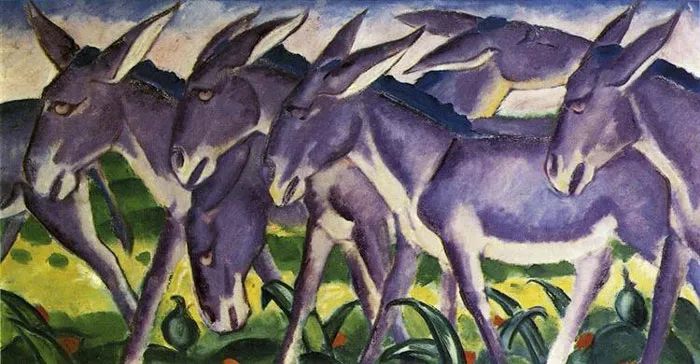
Part of a private collection, Franz Marc uses Donkey Frieze to represent the deleterious tiredness and fatigue caused by a life of hard work. The concept is highlighted by the color blue, often associated with sadness, and the weary expressions on the donkeys’ faces, perfectly catching the emotion of exhaustion even if the subjects are non-human.
Report
7points
#65 Animal Study (17th Century) By Nicolaes Berchem
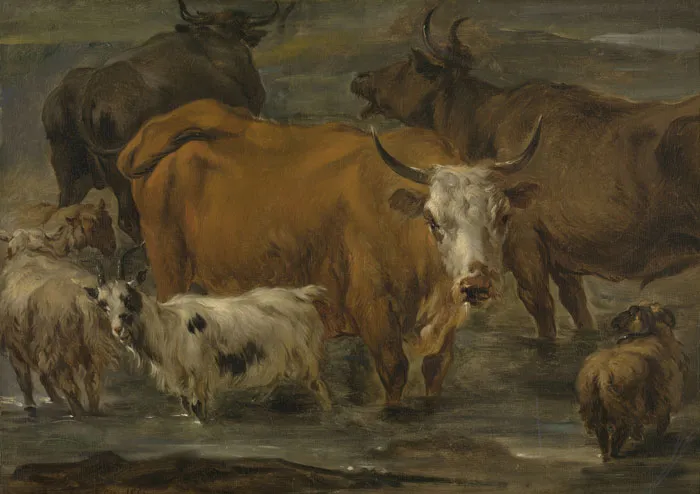
Nicolaes Berchem was one of the most prolific artists of the Dutch Golden Age with his pastoral landscapes and mythological and biblical references. This is one of the most notable examples of Berchem’s animal studies. It’s currently located at the Museum voor Schone Kunsten in Ghent, Belgium.
Report
7points
#66 Duck (1440) By Pisanello
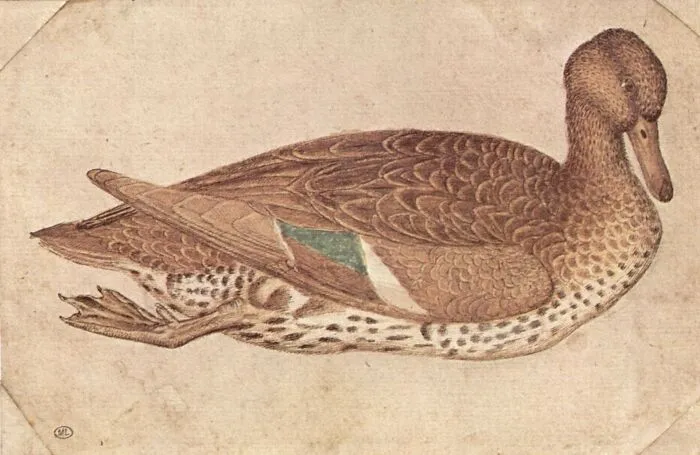
Pisanello’s drawings, prized as jewels of the Quattrocento, depict the elegant garb of the time. His studies and drawings of animals are famous and considered among the best of his time, anticipating the fine animal art of Leonardo Da Vinci and Albrecht Dürer. Unlike his contemporaries, Pisanello’s drawings were not preliminary sketches for future paintings but stand-alone works of art.
Report
7points
#67 The Parade (1866) By Edgar Degas
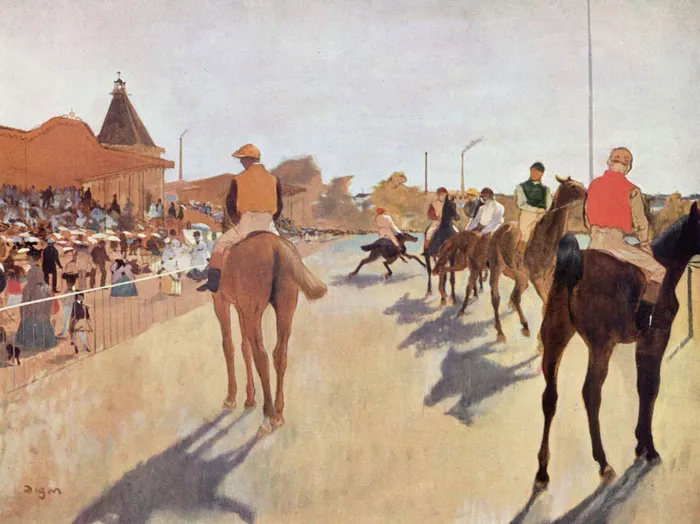
Horse racing, a sport from England, was a novelty then. Degas started using racetracks as a subject for his art in the early 1860s. However, he rarely painted the course itself. Instead, he was fascinated by what had happened before: the preparations, the false starts, the wait, the tension — all moments that usually lack action.
Report
6points
#68 Right And Left (1909) By Winslow Homer
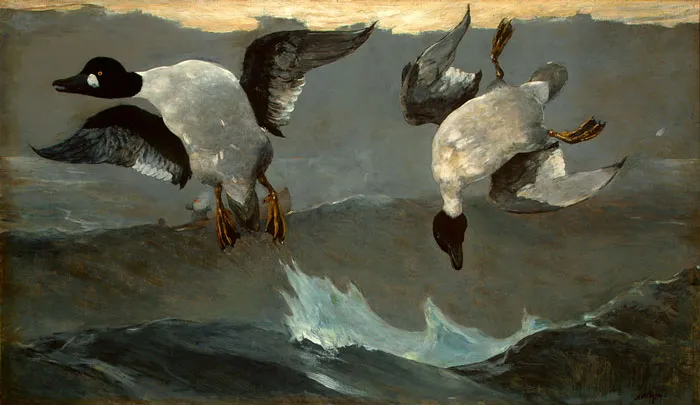
Realized just one year before Homer’s death, Right And Left depicts two ducks at the exact moment they’re shot by a hunter. The title refers to the act of shooting ducks successively with separate barrels of a shotgun.
Report
6points
#69 Dogs Fighting (17th Century) By Frans Snyders
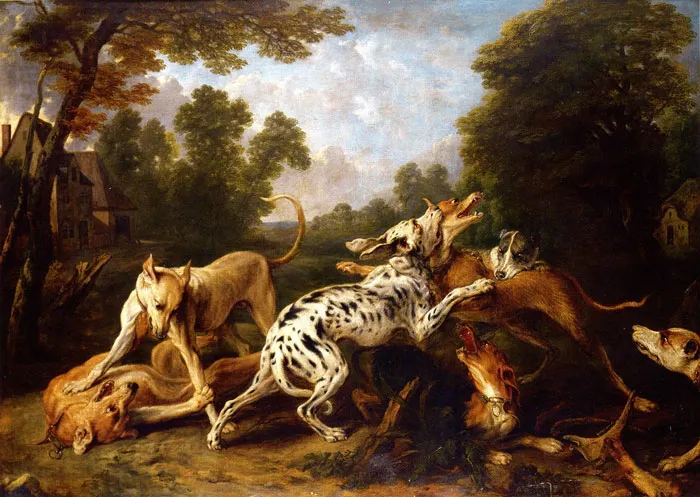
Frans Snyders dedicated his life to depicting animals in everyday environments, especially hunting scenes, and he’s credited with initiating new still-life and animal subjects in Antwerp. Dogs Fighting is currently part of a private collection in Spain.
Report
6points
#70 Head Of A Dog (1930) By Edvard Munch
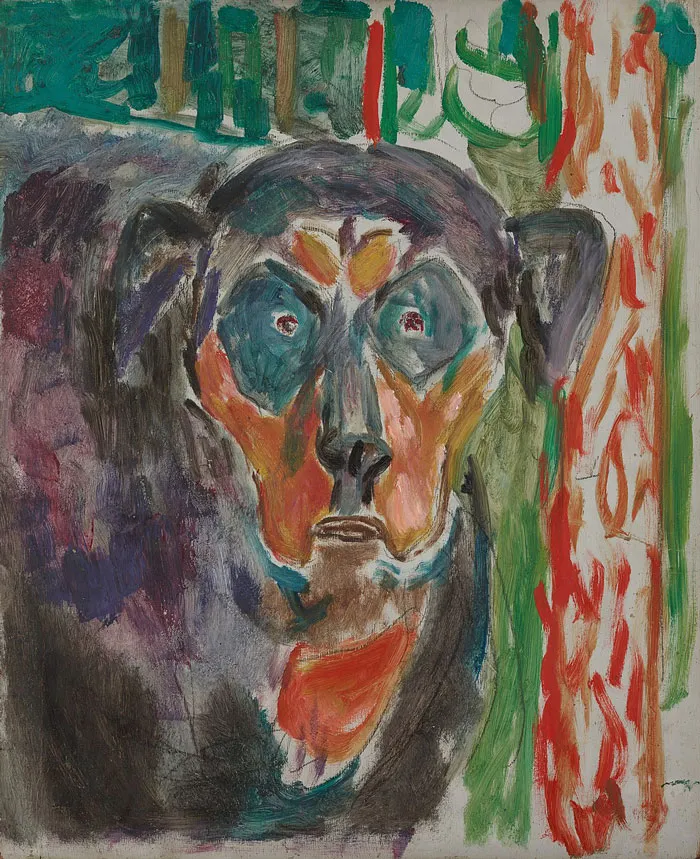
Head Of A Dog, by Norwegian artist Edvard Munch, is one of the artist’s most famous animal paintings. In his later years, spent working in peace and privacy, he developed a close relationship with his dogs, which gave him comfort and became the subject of a series of works. The painting is on display at the Munch Museum in Oslo, Norway.
Report
4points