



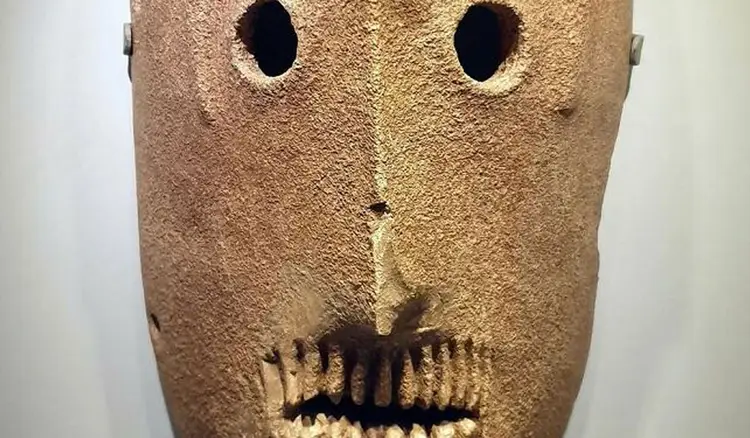


As kids, many of us treated history like that one school subject we couldn’t wait to escape. It seemed packed with endless dates, unfamiliar names, and events that felt far removed from our everyday lives. But somewhere along the way, something changes. As adults, we begin to realize that history is much more than memorizing timelines—it's the story of how our world came to be, how civilizations rose and fell, and how people lived, loved, built, and survived long before us.
That’s why today we took a dive into an Instagram page dedicated to sharing fascinating glimpses into the past. From hidden temples to breathtaking 2,000-year-old mosaics that have somehow survived the centuries, these posts reveal just how incredible human history can be. Some will leave you amazed, others might make you curious, and a few may completely change how you look at the past. Keep scrolling, Pandas—the history books never looked this interesting.
#61

In 2022, archaeologists in Scandinavia have discovered an arrow that has been lost in ice for around 1,500 years, suggesting it predates the Vikings. The discovery was made by researchers with Secrets Of The Ice, the name given to the glacier archaeology program of the Norwegian county of Innlandet. The arrow was discovered nestled between rocks. The research team believes it was encased in ice and was then transported downslope when the ice melted. Lars Holger Pilø, an archaeologist with Secrets Of The Ice, told Newsweek: "We have found more than 200 arrows that have melted out of the ice in recent years in Innlandet County, Norway in the last 15 years. The earliest are 6,000 years old.
Report
16points
#62
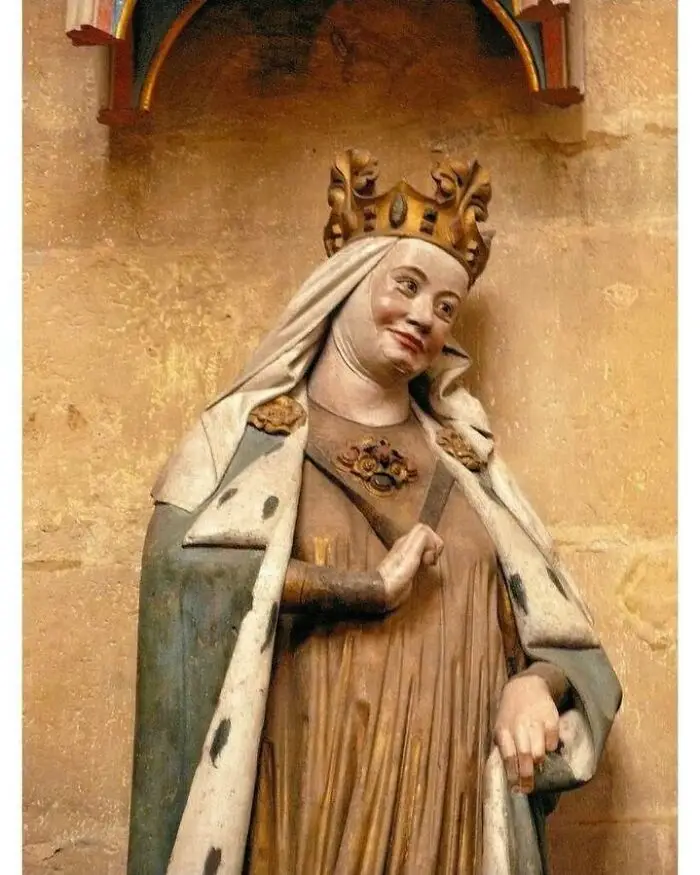
Photographed is the incredibly lifelike 13th-century statue of Adelaide of Italy located at the Cathedral at Meissen. It was crafted by an anonymous Master of Naumburg.
Report
15points
#63
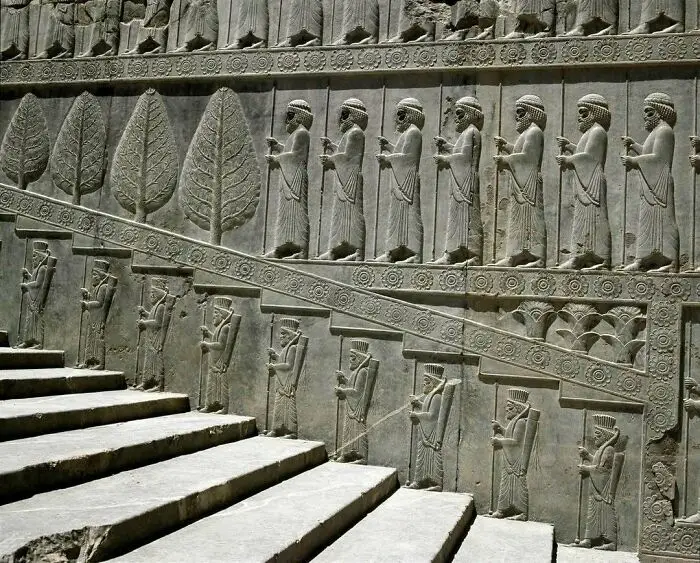
Pictured is the Guards of Susa and Persia, reliefs of the eastern staircase of the Apadana, created in the 6th century BC.
Report
15points
#64
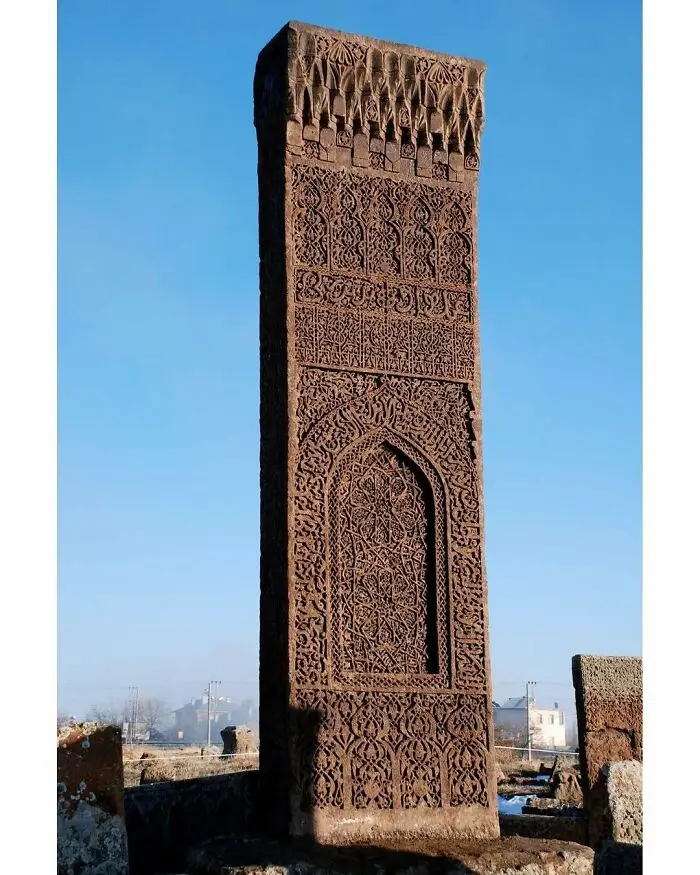
Pictured here is a 12th-15th century tombstone located at the Ahlat Seljuk Cemetery in Turkey.
Report
15points
#65
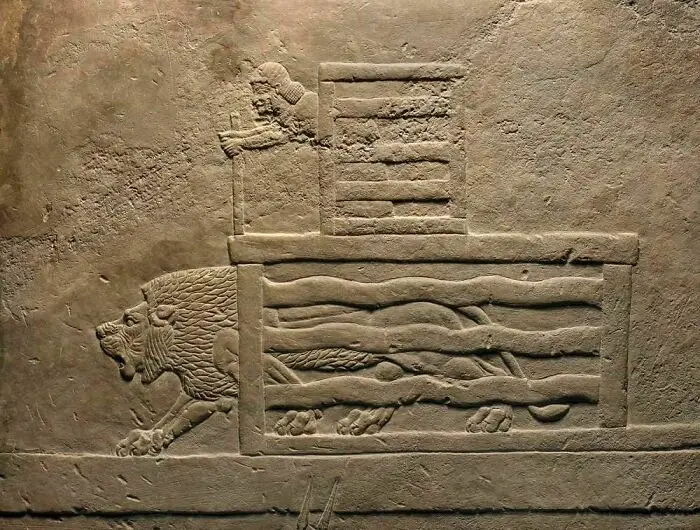
In an ancient Assyrian relief, we see a child or young man, protected by a cage, releasing a lion from a larger cage. This piece is part of a series depicting the Royal Lion Hunt from the 7th Century BC. It was originally located in the North Palace of Nineveh, near present-day Mosul, Iraq.
Report
15points
#66
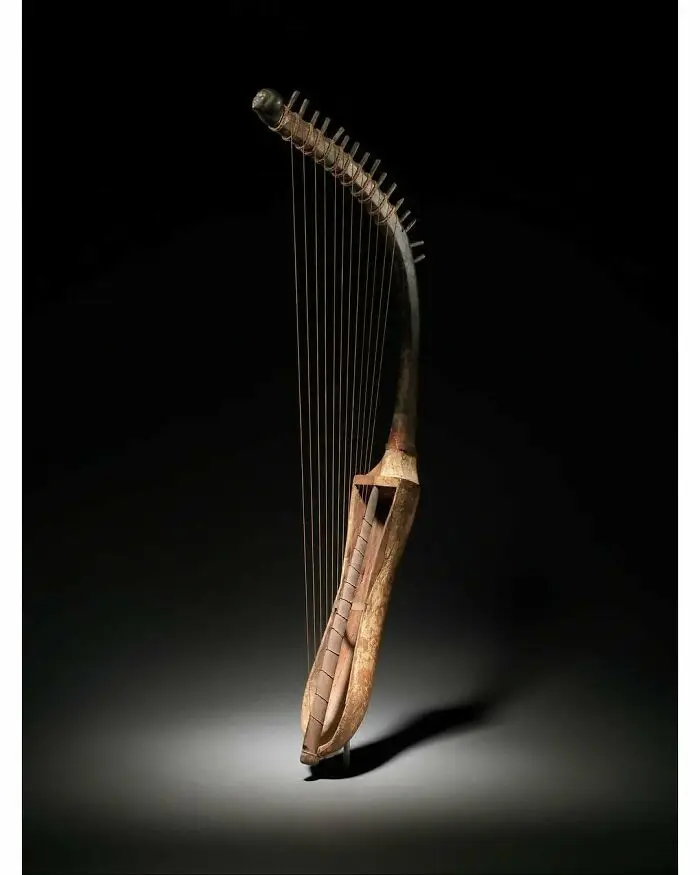
This type of portable, boat-shaped arched harp was common during the New Kingdom and is shown in the hands of processional female musicians performing alone or in ensembles with singers, wind instruments, sistrums, and rattles. The end of the arched frame is decorated with the head of a Nubian captive who appears to be bound by the strings of the harp.
Report
15points
#67
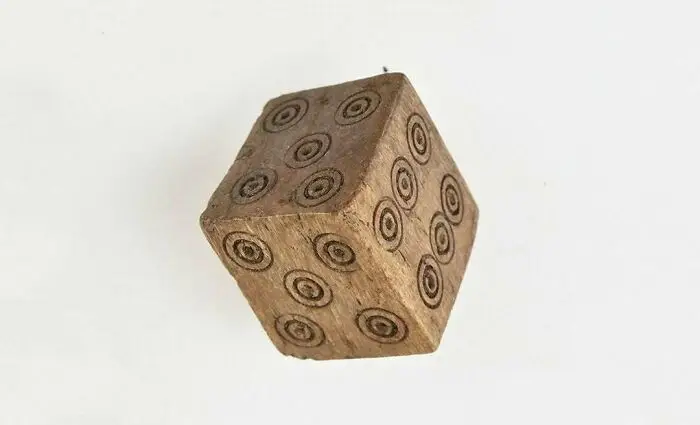
Archaeologists from the Norwegian Institute for Cultural Heritage Research (NIKU) uncovered a rare die during one of several ongoing excavations in Bergen’s medieval Vågsbunnen district. While more than 30 medieval dice have been discovered in Bergen over the years—making such finds relatively common—this particular die stands out. Unlike a standard die, the Vågsbunnen example features two fives and two fours, with no one or two. This unusual design strongly suggests it may have been used for cheating in games.
Report
15points
#68
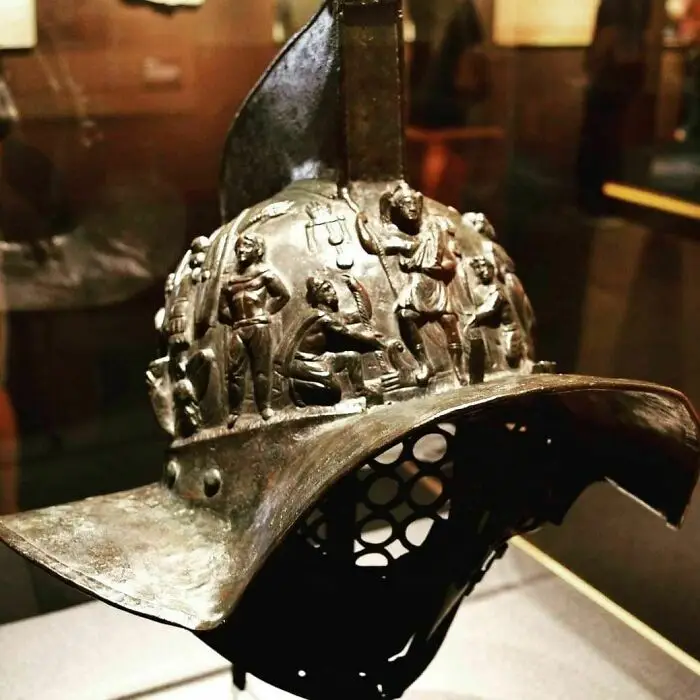
A 2000 year old Roman gladiator helmet that survived the eruption of Mount Vesuvius in Pompeii. National Archaeological Museum, Naples.
Report
15points
#69
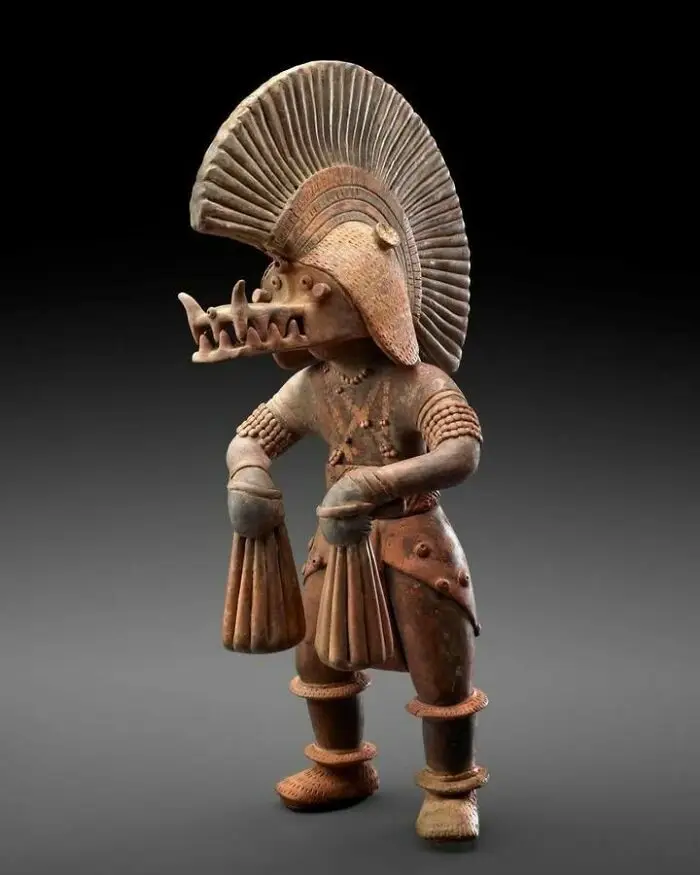
Photographed is a ceramic figure representing a dancer with a removable crocodile helmet from the Colima culture. Created between 300 BC and 300 AD, the piece is now on display at the Museum of Fine Arts, Houston.
Report
14points
#70
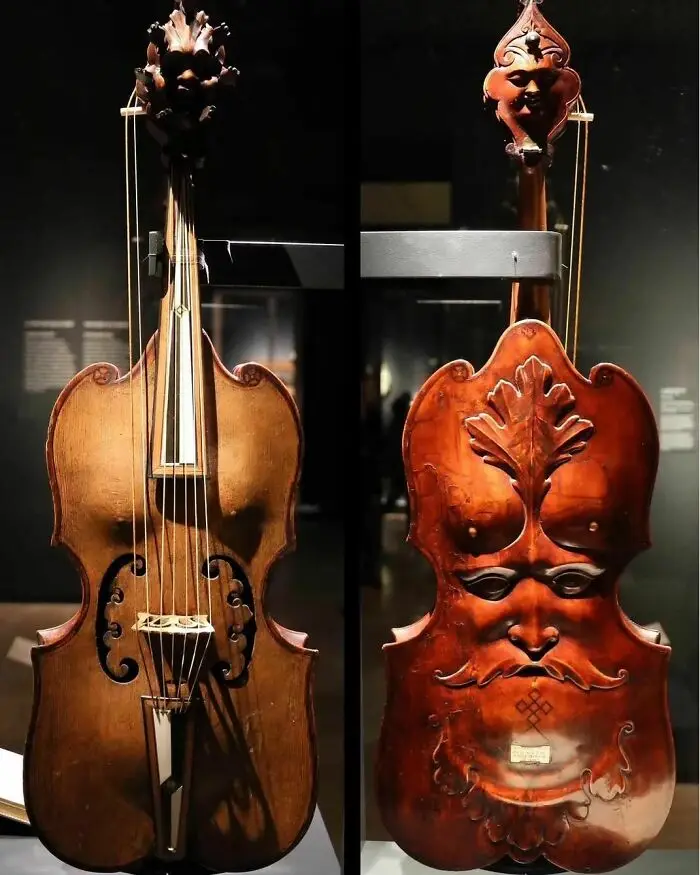
A lira da braccio crafted by Giovanni d’Andrea in Verona, Italy, in 1511, featuring a carved male face on its reverse.
Report
13points
#71
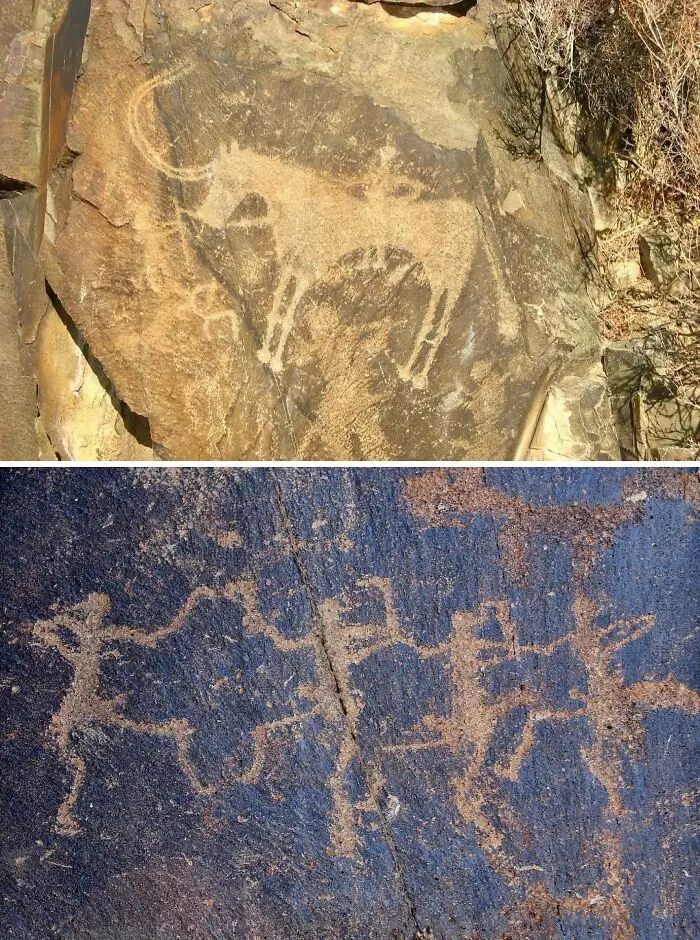
Tamgaly, a UNESCO World Heritage Site since 2004, is a petroglyph site in the Zhetysu of Kazakhstan, about 170 km northwest of Almaty. There are approximately 5,000 petroglyphs at Tamgaly distributed among 48 sites. Five of the most important sites, designated I, II, III, IV, and V, contain approximately 3,000 of the glyphs. The name Tamgaly in Kazakh and other Turkic languages means "painted or marked place".
Report
13points
#72
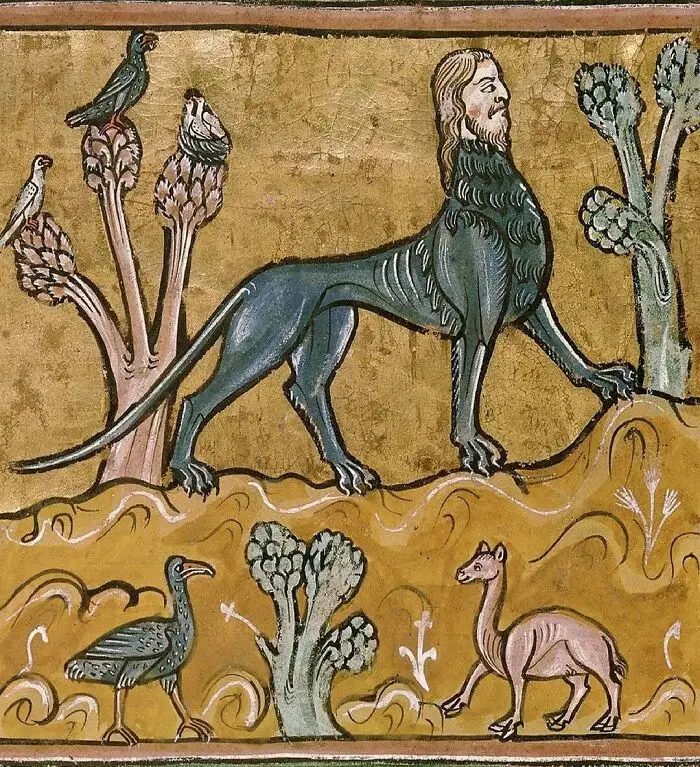
The Strange Creatures of Medieval Manuscripts.
Illustration of a manticore; detail of a miniature from the Rochester Bestiary, BL Royal 12 F xiii, f. 24v.
Illustration of a manticore; detail of a miniature from the Rochester Bestiary, BL Royal 12 F xiii, f. 24v.
Report
13points
#73
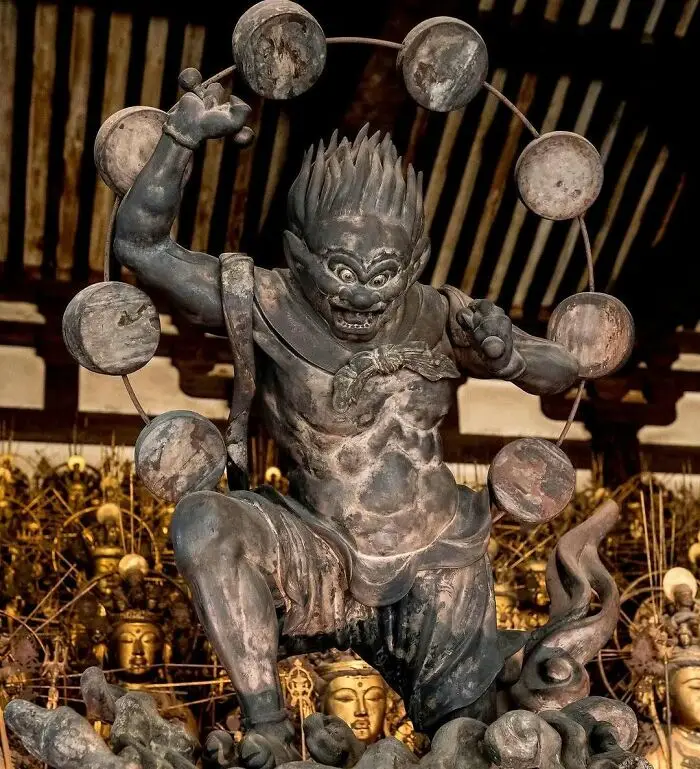
Sculpture of Raijin, the god of thunder. Sanjūsangen-dō, Japan, Kamakura period, 13th Century.
Report
13points
#74
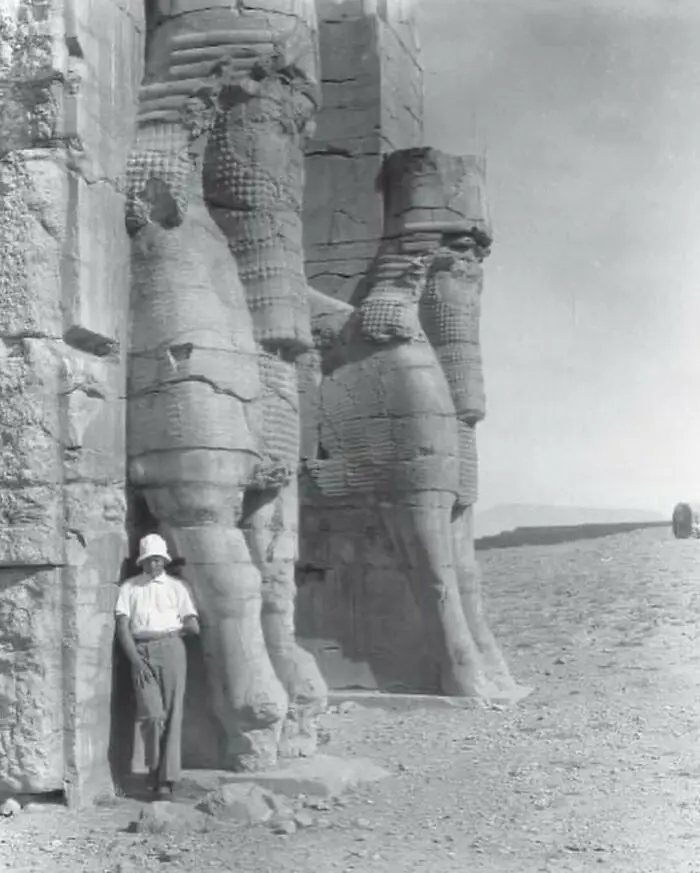
Archaeologist Friedrich Krefter standing at the ancient gates of Persepolis (Iran), circa 1930s.
Report
12points
#75
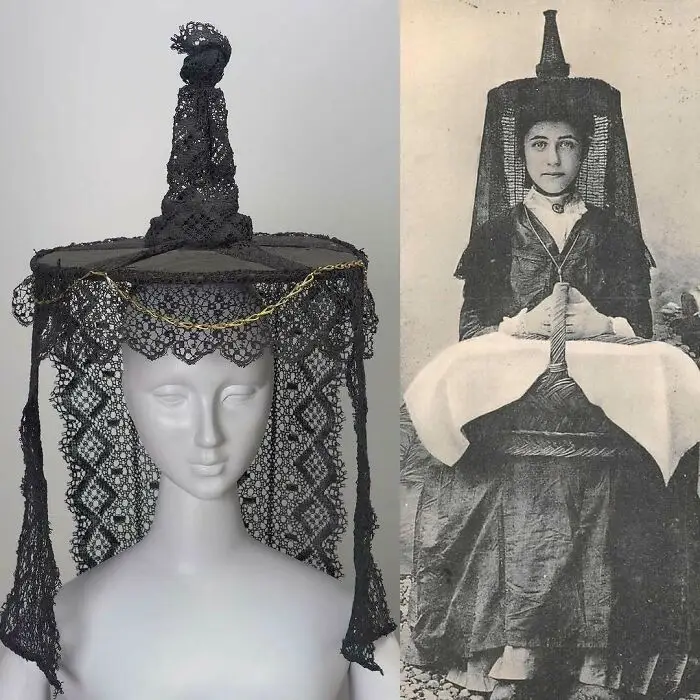
Woman’s hat, known as the brelot, worn as part of the national costume of Bresse from Bourg-en-Bresse, Burgundy, 19th century.
Report
12points
#76
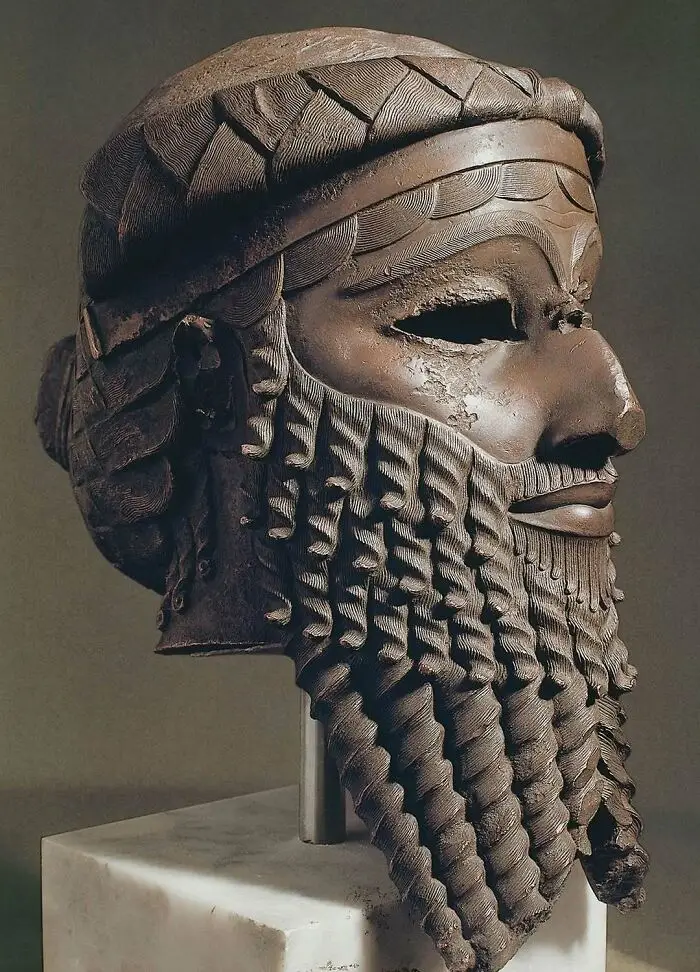
Pictured here is the bronze head of an Akkadian ruler, discovered in Nineveh in Iraq, presumably depicting either Sargon (passed c. 2279 BCE), or Sargon's grandson Naram-Sin (reign c. 2255-2218 BCE).
Report
12points
#77
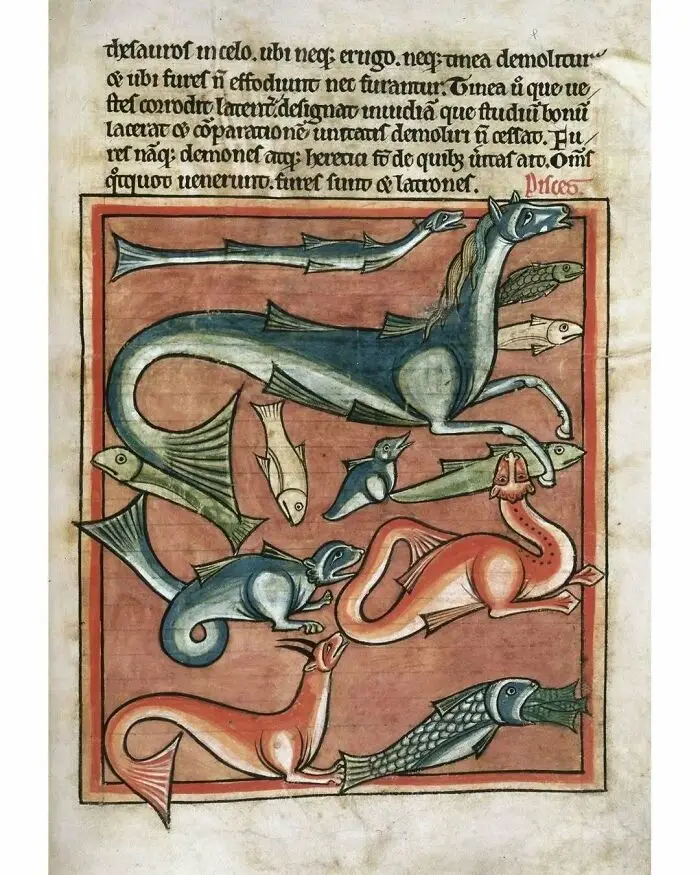
The Strange Creatures of Medieval Manuscripts. Illustrations of a medieval seahorse.
Report
12points
#78
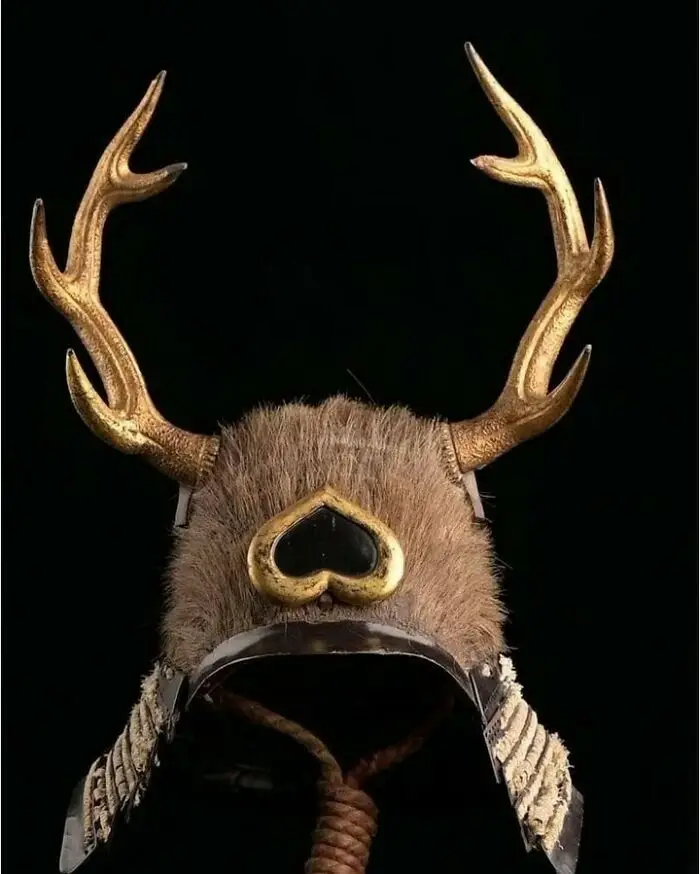
This Japanese samurai helmet dates to the Azuchi–Momoyama period (1573–1603 CE), a time of intense warfare and political change in Japan. The helmet is covered with boar bristles and decorated with gilded stag antlers, symbols associated with strength and ferocity. Above the visor sits a heart-shaped ornament known as an inome, a stylized image of a boar’s eye. In Japanese art and architecture, this motif was commonly used as a protective symbol, believed to ward off evil and guard the wearer from harm.
Report
12points
#79
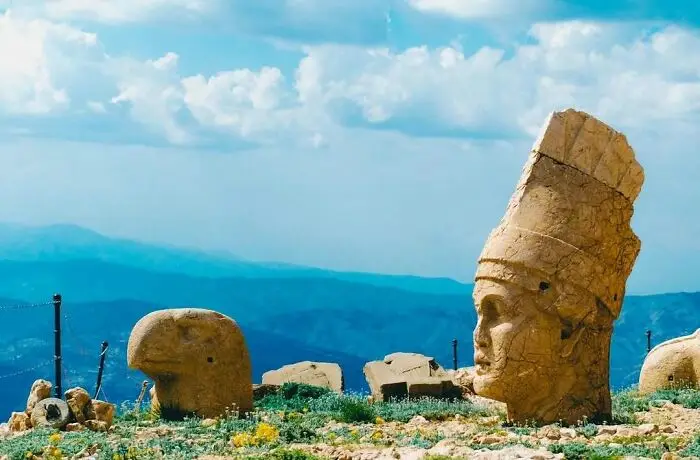
Mount Nemrut is a 2,134-metre-high (7,001 ft) mountain in southeastern Turkey, notable for the summit where a number of large statues are erected around what is assumed to be a royal tomb from the 1st century BC. It is one of the highest peaks in the east of the Taurus Mountains. In 62 BC, King Antiochus I of Commagene built on the mountain top a tomb-sanctuary flanked by huge statues 8–9-metre high (26–30 ft) of himself, two lions, two eagles, and various composite Greek and Iranian gods, such as Heracles-Artagnes-Ares, Zeus-Oromasdes, and Apollo-Mithras-Helios-Hermes. When constructing this pantheon, Antiochus drew heavily from Parthian and Armenian traditions in order to reinvigorate the religion of his ancestral dynasty. The statues were once seated, with names of each god inscribed on them. At some point the heads of the statues were removed from their bodies, and they are now scattered throughout the site.
Report
11points
#80
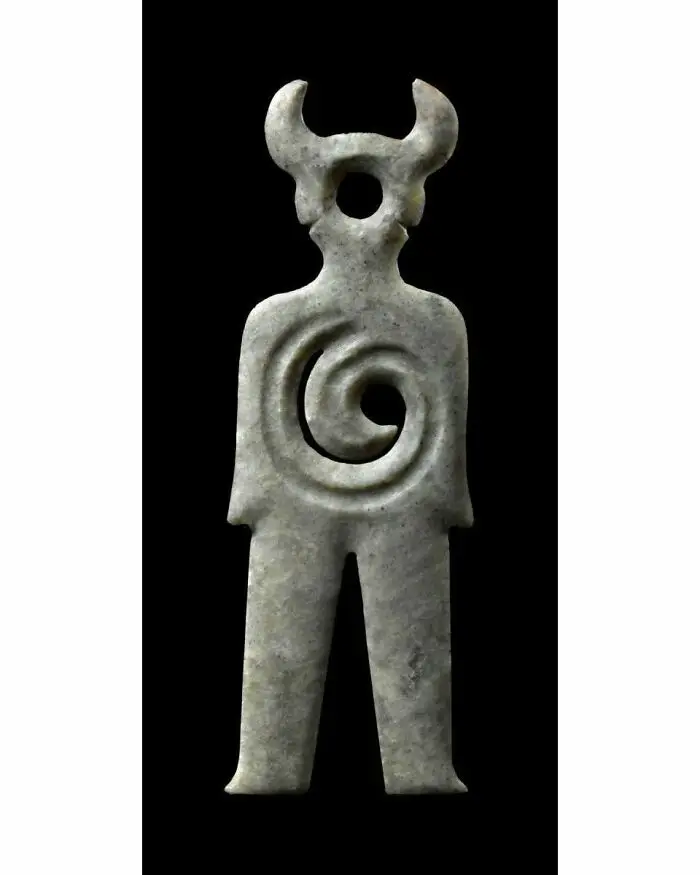
A jade standing horned figure from China, Hongshan Culture, 4700-2500 BCE.
Report
11points