



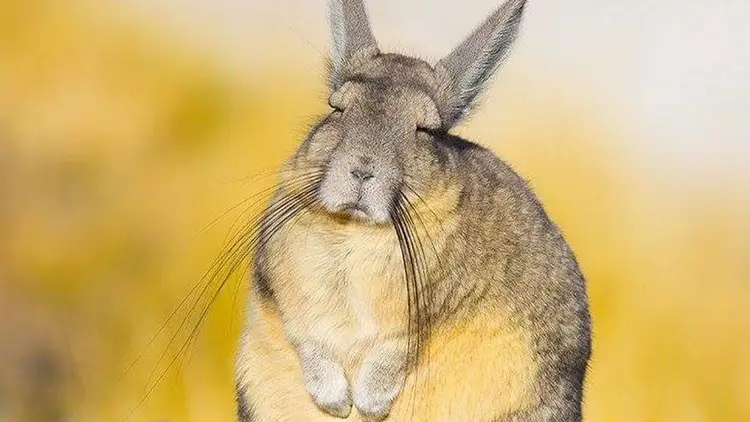


Dirty, disgusting, disease-carrying, evil-looking, dangerous and scary. Some animals get a bad rep from humans, who fail to see them for what they truly are: sentient beings that share the planet with us.
Pigeons, for example, are often called the filthy rats of the sky. But these feathered creatures are actually obsessive about preening and can feel a wide range of emotions like love, grief, fear, and anger. Rats, meanwhile, aren’t too different. The furry rodents are highly emotionally intelligent and experience joy, empathy, fear, and sadness.
Mother Nature doesn't create monsters... That's the message woven into every post on an Instagram account aptly called Adorable Beasts. It features animals of all shapes and sizes, along with interesting facts and stories that encourage us to look at many in a different light.
Bored Panda has put together a list of some of the most fascinating posts from the page. From one of the most dangerous birds on earth to some of the cutest creatures many have never heard of, each tells a story that might surprise you.
#21
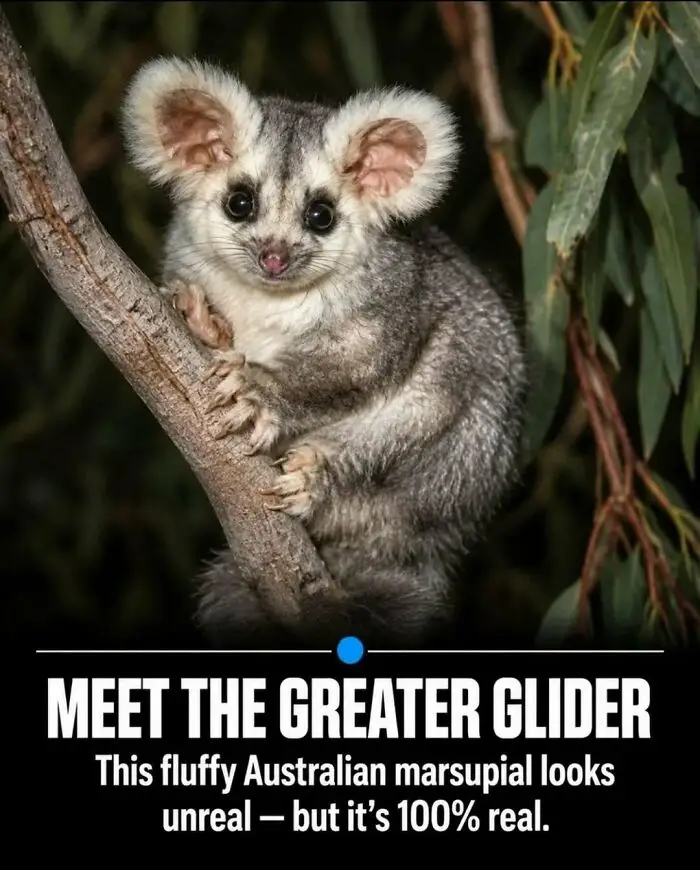
This tiny animal looks like a plush toy… but it is completely real. 🖤🤍
Meet the greater glider — one of Australia’s most unusual marsupials. It spends almost its whole life high in the trees, glides through the dark using skin membranes, eats mostly eucalyptus leaves, and depends on old forests to survive.
It may look cute and harmless, but its lifestyle is one of nature’s strangest survival stories.
Report
11points
#22
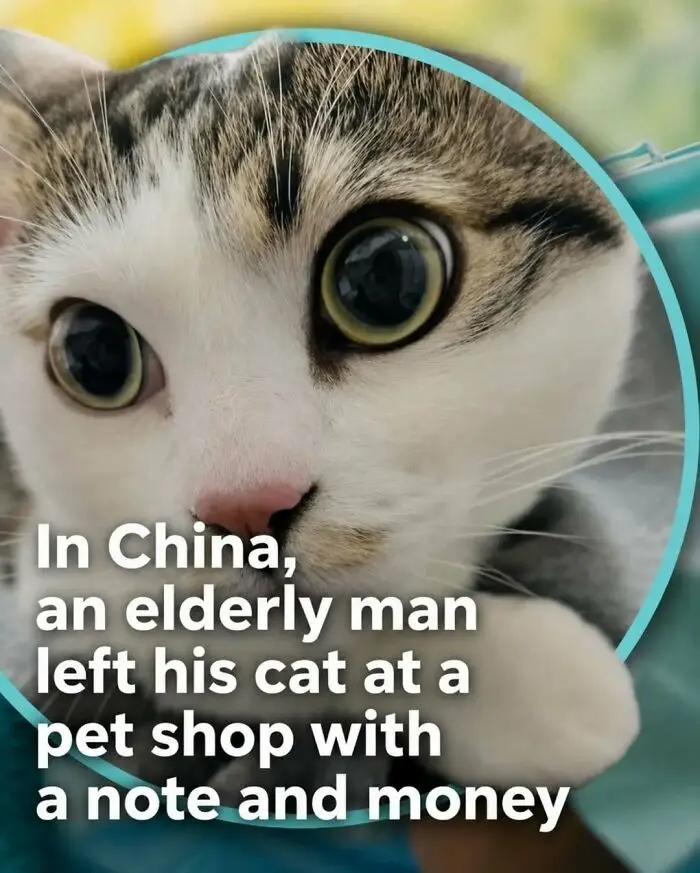
On March 7, a pet shop owner in China, surnamed Sun, found a grey pet carrier at the entrance of her shop. From inside came a sad, pleading meow. Curled up inside was a striped cat. Next to him were a crumpled handwritten note and a neatly tied bundle of small bills. The note revealed that the cat had been left by an elderly man from another city. The next day, the man was supposed to undergo surgery, and he realized he would no longer be able to care for his pet. So instead of abandoning him on the street, he tried to find him a better home. A heartbreaking goodbye… but also one last act of love.
Report
10points
#23
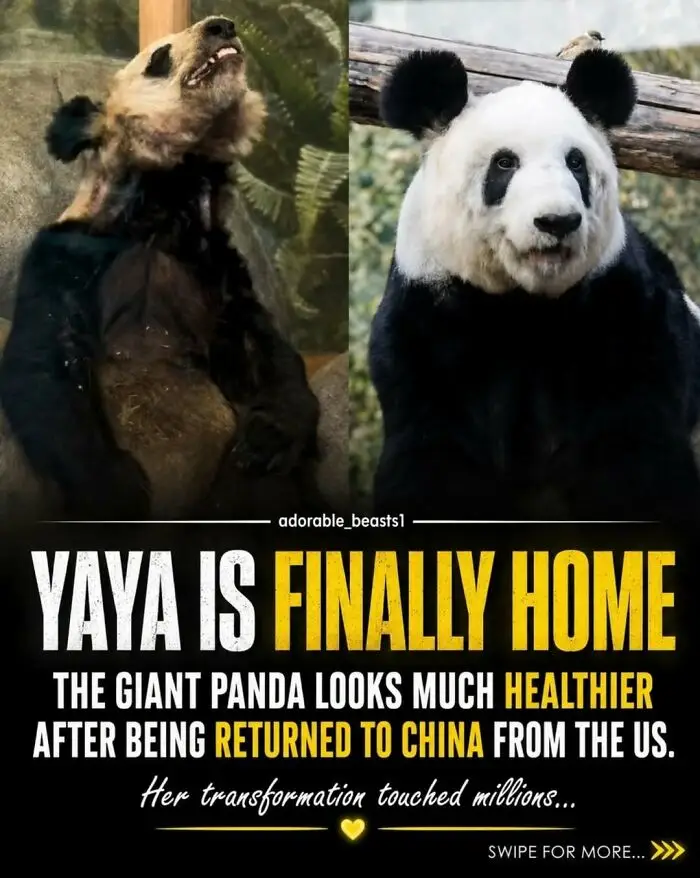
Ya Ya’s story is one of the most emotional panda stories of recent years. 🐼🤍
Ya Ya was born at Beijing Zoo on August 3, 2000. In April 2003, when she was still young, she was sent to the Memphis Zoo in the United States together with male panda Le Le, as part of a long-term panda loan agreement between China and the zoo.
For almost 20 years, Ya Ya lived far from China. The original agreement was later extended in 2013, meaning Ya Ya and Le Le stayed in Memphis until the loan period was set to end in 2023.
But in the final years, Ya Ya’s appearance started to worry people online. Photos showed her with thin fur and a fragile look. Memphis Zoo said she had a chronic skin and fur condition, and that it did not affect her quality of life, but many animal lovers around the world still felt deeply concerned.
In February 2023, Le Le sadly passed away at Memphis Zoo, shortly before he was expected to return to China with Ya Ya. His passing made people even more emotional and increased public attention around Ya Ya’s health and return.
Then, on April 27, 2023, Ya Ya finally arrived back in China after two decades abroad. She later returned to Beijing Zoo, the place where her life began.
Recent photos of Ya Ya looking healthier and calmer have touched millions of hearts. For many people, her transformation is not just about appearance — it feels like the story of an animal finally coming home, being cared for, and slowly recovering.
Ya Ya’s journey reminds us that animals are not just attractions. They are living beings with stories, emotions, and lives that matter.
Report
10points
#24
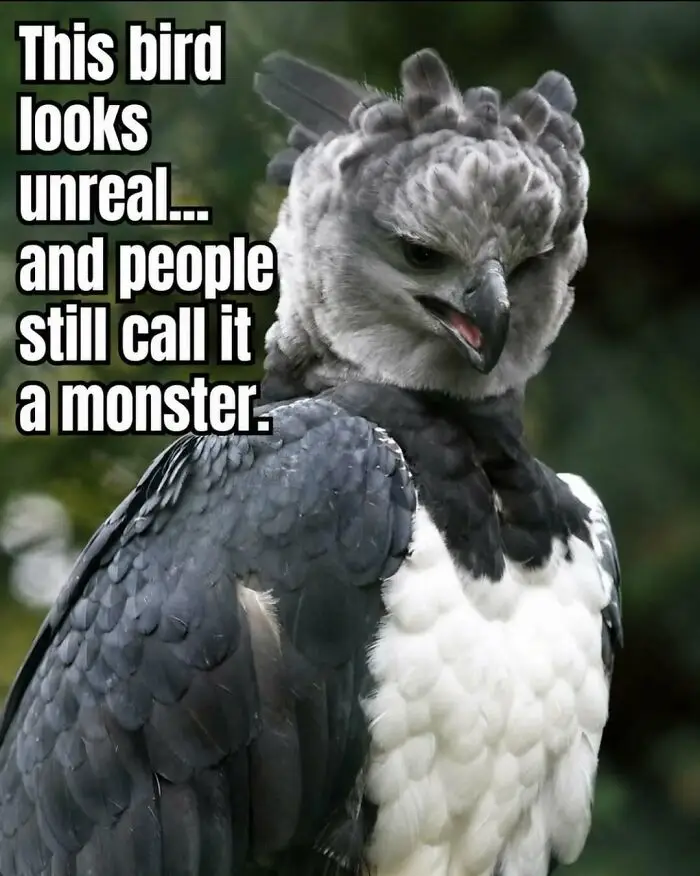
At first glance, the harpy eagle looks like something from a myth.
A bird with a stare so intense that people often call it a “monster”… but in reality, it is one of the most powerful and fascinating eagles on Earth.
Hidden deep in the rainforests, this giant predator hunts high above the ground, where monkeys and sloths move through the canopy. Its talons can be larger than a grizzly bear’s claws, yet attacks on humans are extremely rare.
What makes this bird even more surprising is that behind that fierce face is a devoted parent. Harpy eagles raise only one chick every few years, protecting it carefully in the forest they depend on to survive.
The real tragedy? When the rainforest disappears, this incredible bird disappears with it.
Nature doesn’t create monsters. Sometimes it creates creatures so powerful that humans simply don’t know how to understand them.
Report
10points
#25
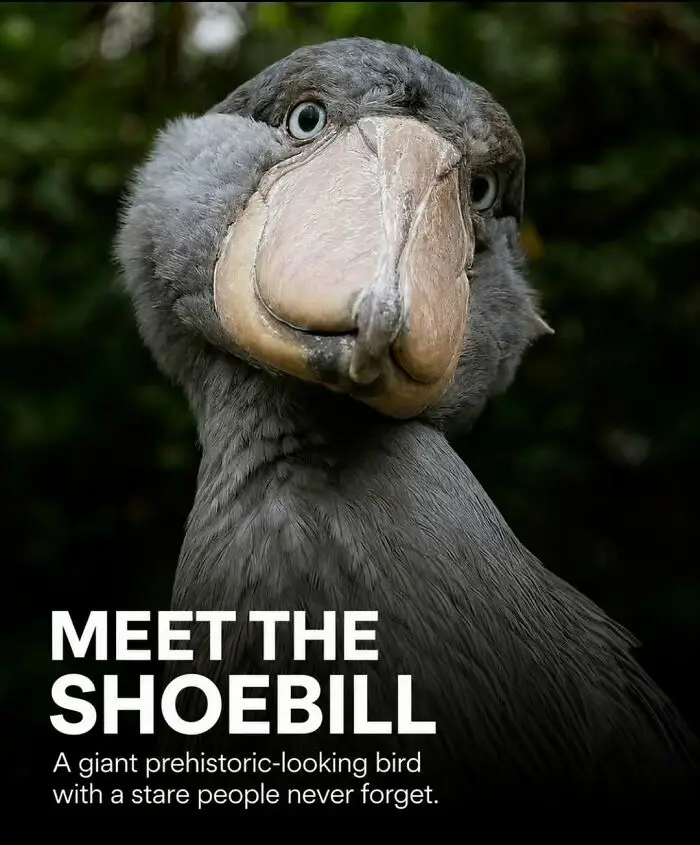
Meet the shoebill — a bird that looks like it walked straight out of the dinosaur age.
With its massive bill, frozen stare, and almost silent hunting style, this giant can stand motionless for long periods… then strike in a split second.
It may look strange, even intimidating, but behind that prehistoric face is one of the most fascinating birds on Earth.
Nature really creates creatures that look too unreal to exist.
Report
10points
#26
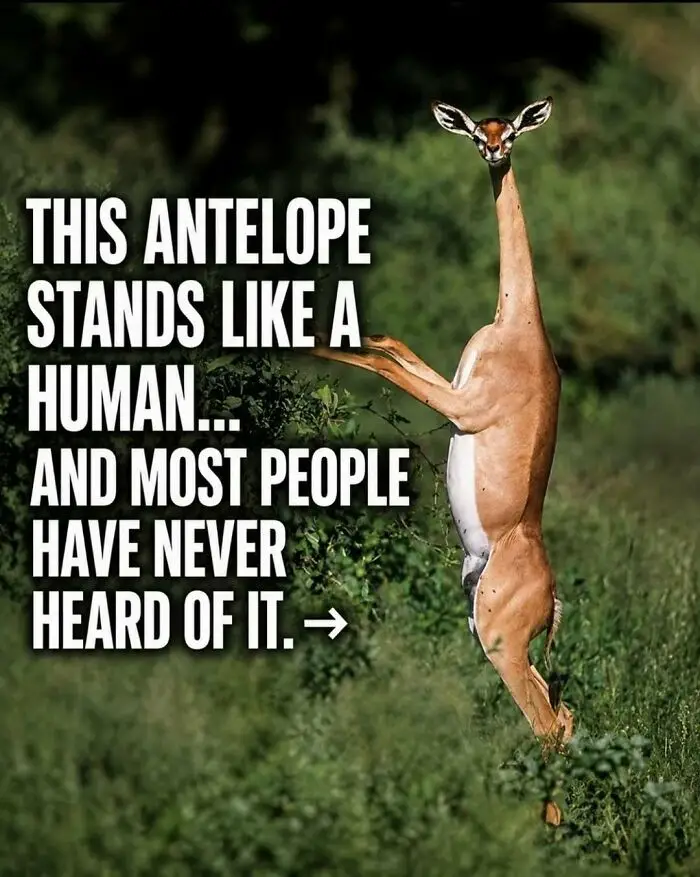
At first glance, the gerenuk looks almost unreal — like an antelope that forgot how antelopes are supposed to stand.
But this strange animal is completely real. It can rise on its back legs to reach leaves other animals can’t, survive in dry lands with very little water, and even hide its babies for weeks to protect them from predators.
Nature really creates animals that look impossible.
Report
10points
#27
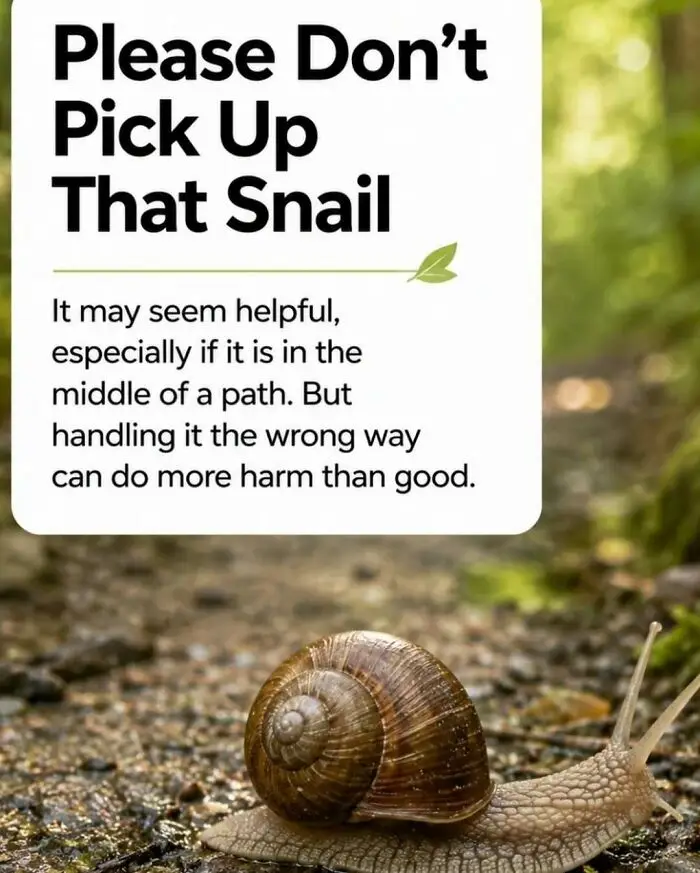
Sometimes helping nature means knowing when not to interfere. 🐌 Snails may look fragile, but picking them up the wrong way can actually hurt them. Their slime layer protects them, and pulling them off the ground can damage their soft body. A snail clings to surfaces with strong muscular suction. If you pull it off by force, you can damage its soft body— sometimes seriously.
So next time you see a snail crossing the path, the kindest thing might be simple: watch over it, move it only if it’s truly necessary, and do it gently. Move it only when it is fully retracted into its shell, or when it is on a leaf or small object you can lift gently without pulling the snail off. Move it only a short distance, just enough to get it out of danger. Taking it too far can disorient it.
So next time you see a snail crossing the path, the kindest thing might be simple: watch over it, move it only if it’s truly necessary, and do it gently. Move it only when it is fully retracted into its shell, or when it is on a leaf or small object you can lift gently without pulling the snail off. Move it only a short distance, just enough to get it out of danger. Taking it too far can disorient it.
Report
10points
#28
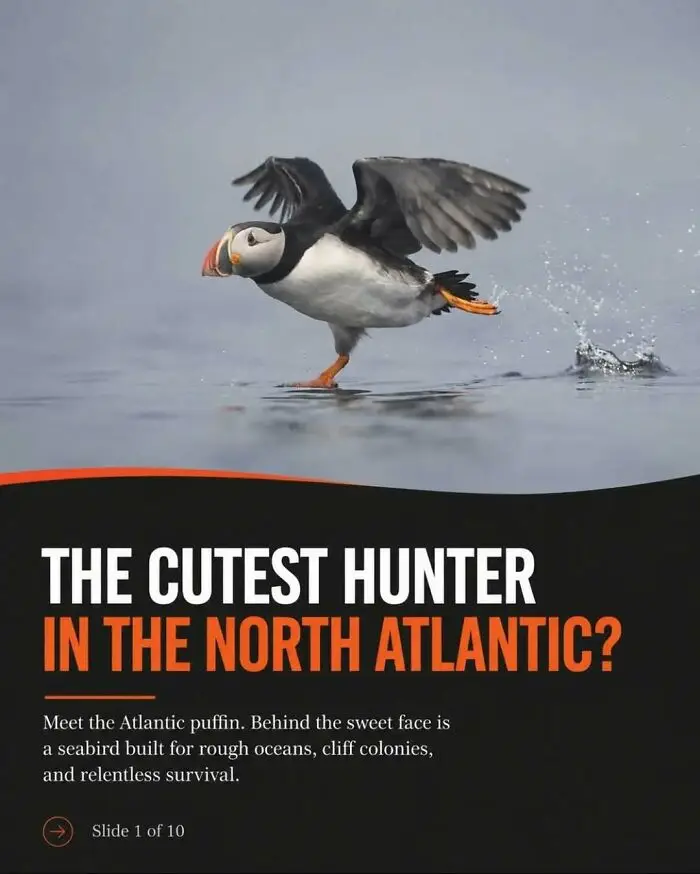
These birds may look cute and almost cartoon-like, but Atlantic puffins are far more extraordinary than most people realize.
They can carry multiple fish in their beaks at once, spend most of their lives far out at sea, and usually raise just one chick each breeding season — which makes every new life incredibly important. Behind their adorable appearance is a bird built for survival, loyalty, and endurance.
They can carry multiple fish in their beaks at once, spend most of their lives far out at sea, and usually raise just one chick each breeding season — which makes every new life incredibly important. Behind their adorable appearance is a bird built for survival, loyalty, and endurance.
Report
10points
#29
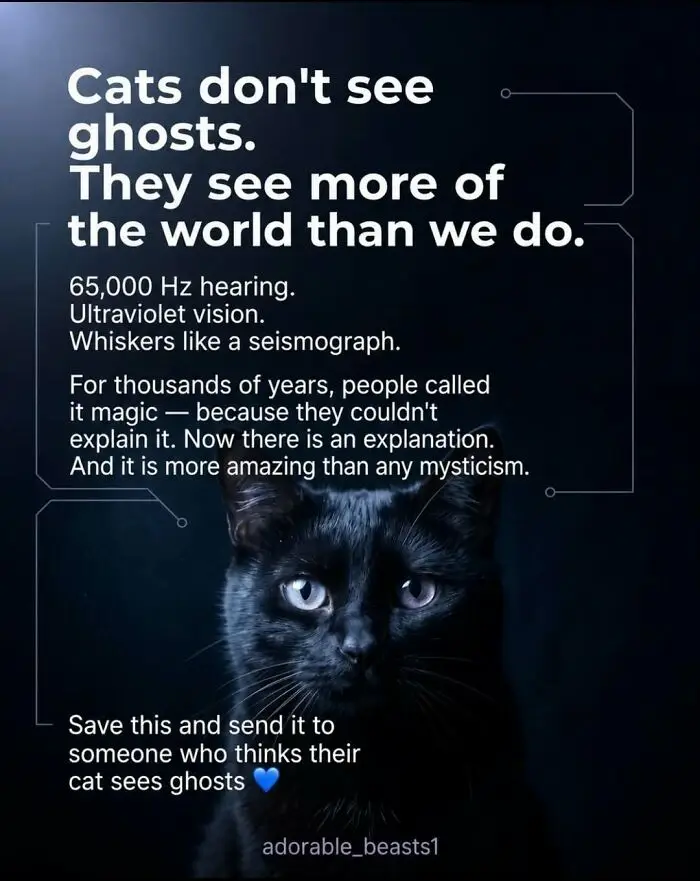
Cats don’t stare at “nothing” — they may be noticing things our senses simply miss.
A cat’s world is much richer than ours in several ways: they can hear much higher frequencies, notice tiny movements in the air, detect vibrations through their whiskers, and may perceive ultraviolet light that humans cannot see.
So when a cat freezes, follows something invisible, or suddenly runs into an empty room, it is not necessarily “mystical.” It may be reacting to sounds, air pressure, dust, reflections, or movements that are completely outside our perception.
Their behavior can look strange to us, but for them, the room is full of signals.
Report
10points
#30
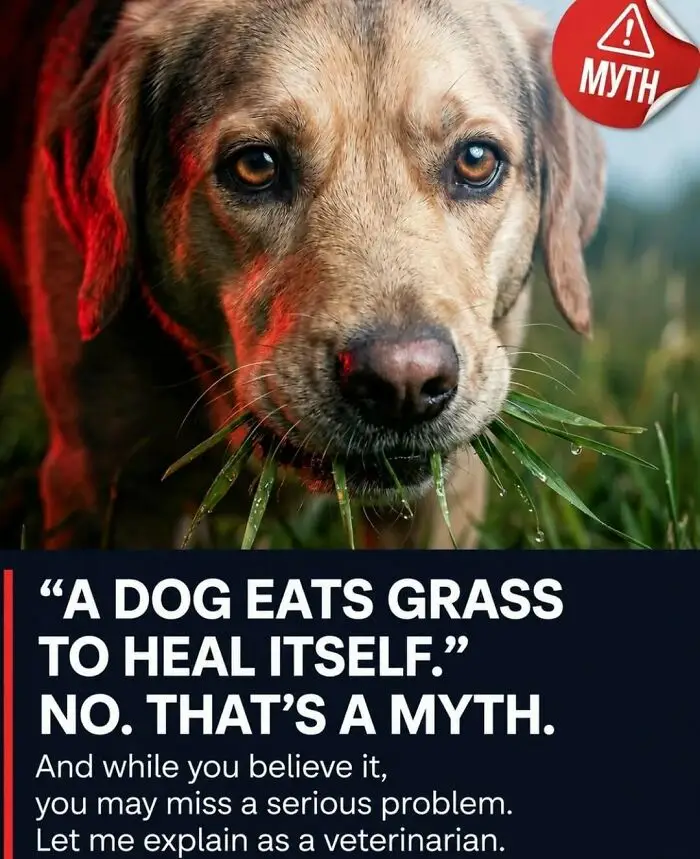
Many people think dogs eat grass to “heal themselves,” but that idea can be misleading. Sometimes it’s just curiosity or taste — but if grass-eating is followed by repeated vomiting, yellow foam, loss of appetite, tiredness, or discomfort, it may be a sign that something deeper is going on.
Grass is not treatment. It can be a signal. Watch the pattern, not just the behavior. When in doubt, a vet check is always safer than waiting. Occasional grass-eating can be normal, but frequent vomiting or signs of illness should not be ignored.
Report
9points
#31
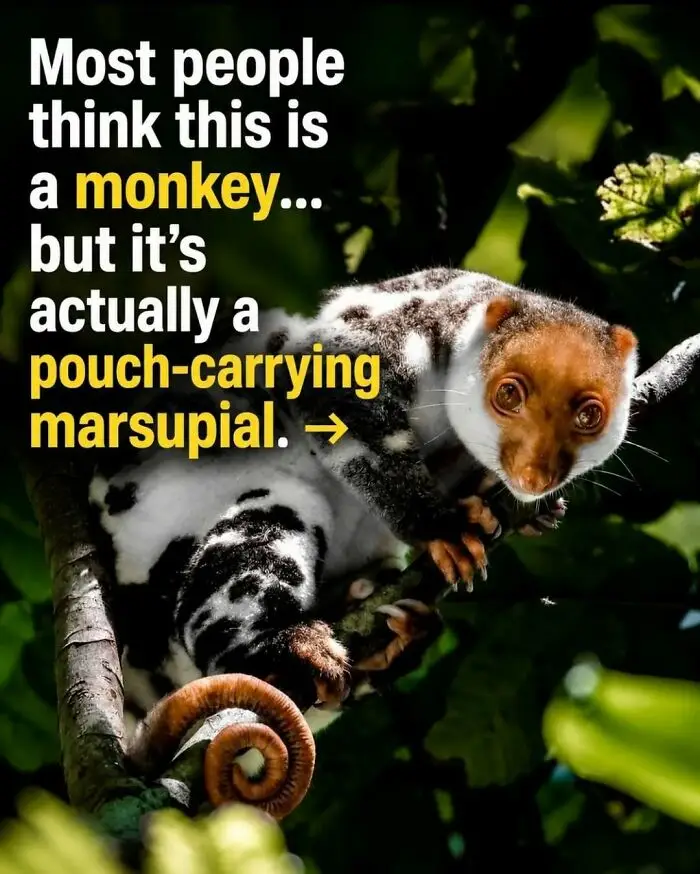
Most people have never heard of this animal… and when they see it, they usually think it’s a monkey.
But the spotted cuscus is actually a marsupial — a quiet, tree-dwelling creature with a pouch, huge night eyes, sharp claws, and a tail that works almost like an extra limb.
Report
9points
#32
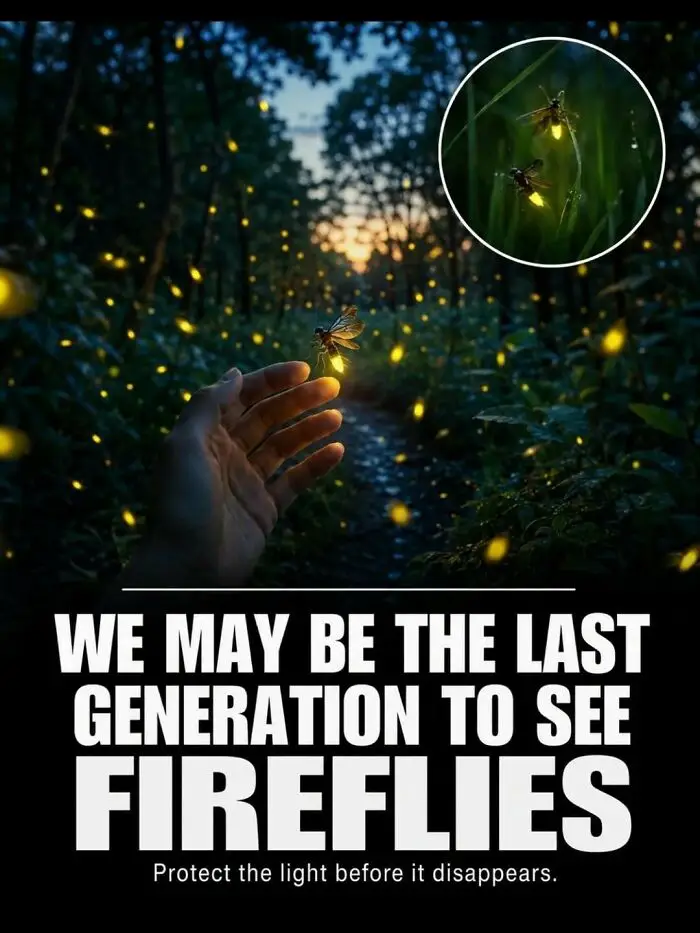
Scientists warn that fireflies are disappearing from many places — and their glow is becoming harder to see. ✨
Habitat loss, pesticides and light pollution are threatening these tiny lights that once made summer nights feel magical.
Protect the darkness. Protect their habitats. Protect the glow before it becomes rare.
Report
8points
#33
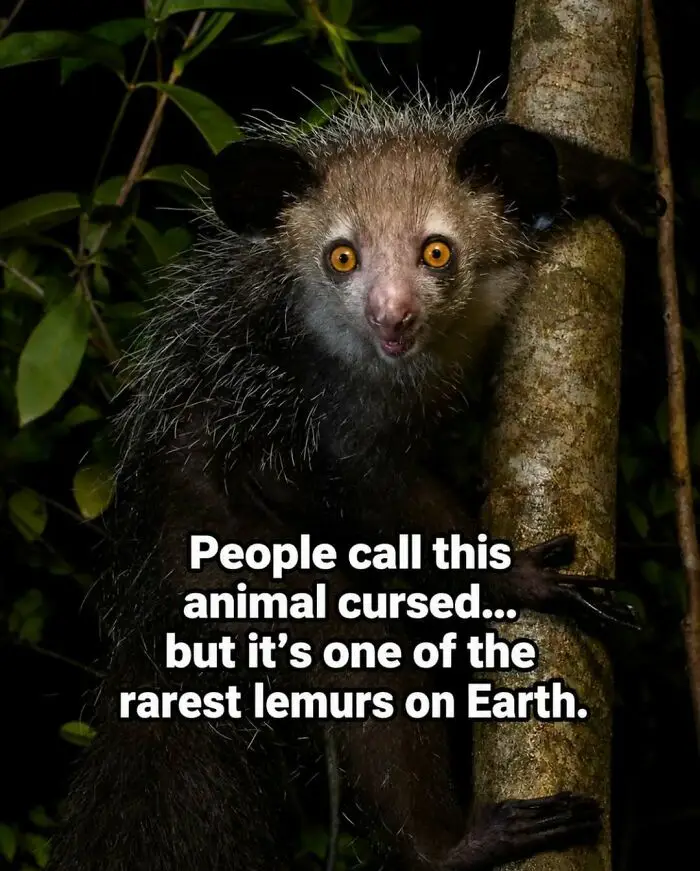
Most people would run if they saw this animal in the dark. The aye-aye looks like something from a nightmare, but it is actually one of the strangest primates on Earth. In parts of Madagascar, people once feared it as a living curse — some believed that if it pointed its long finger at someone, misfortune would follow.
The aye-aye looks like something from a nightmare, but it is actually one of the strangest primates on Earth. In parts of Madagascar, people once feared it as a living curse — some believed that if it pointed its long finger at someone, misfortune would follow.
But the truth is even more shocking: that strange finger is not a weapon. It is a survival tool. The aye-aye taps on trees, listens for hollow spaces, then uses its long finger to pull insects from inside the wood.
Creepy-looking? Maybe.
Dangerous? Not to humans.
Misunderstood? Absolutely.hat strange finger is not a weapon. It is a survival tool. The aye-aye taps on trees, listens for hollow spaces, then uses its long finger to pull insects from inside the wood. Creepy-looking? Maybe. Dangerous? Not to humans. Misunderstood? Absolutely.
Report
7points
#34
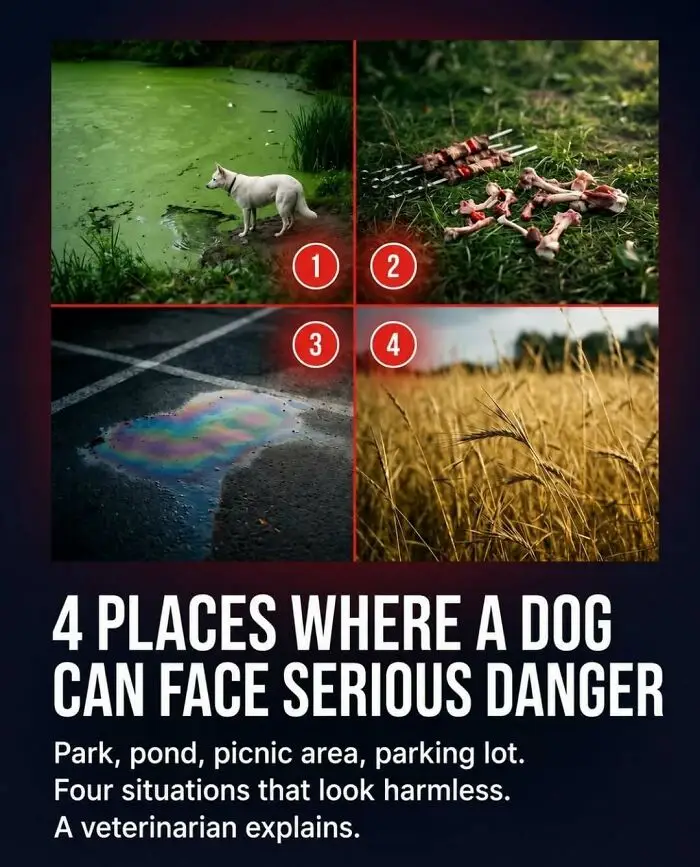
Some of the most dangerous things for dogs don’t look dangerous at all. A pond, a picnic spot, a parking lot, or a field of dry grass can turn into a serious risk in seconds.
Standing water may expose dogs to harmful bacteria and toxic algae. Leftover food after a picnic, especially cooked bones, fatty scraps, and corn cobs, can cause choking, blockages, or severe digestive problems. Parking areas may contain antifreeze or other toxic substances that are fatal even in small amounts. Dry grass awns can lodge into the skin, ears, nose, or paws and slowly migrate deeper into the body.
Knowing these risks early can help prevent pain, emergency vet visits, and life-threatening complications. Prevention is one of the greatest forms of love we can give our animals.
Report
6points
#35
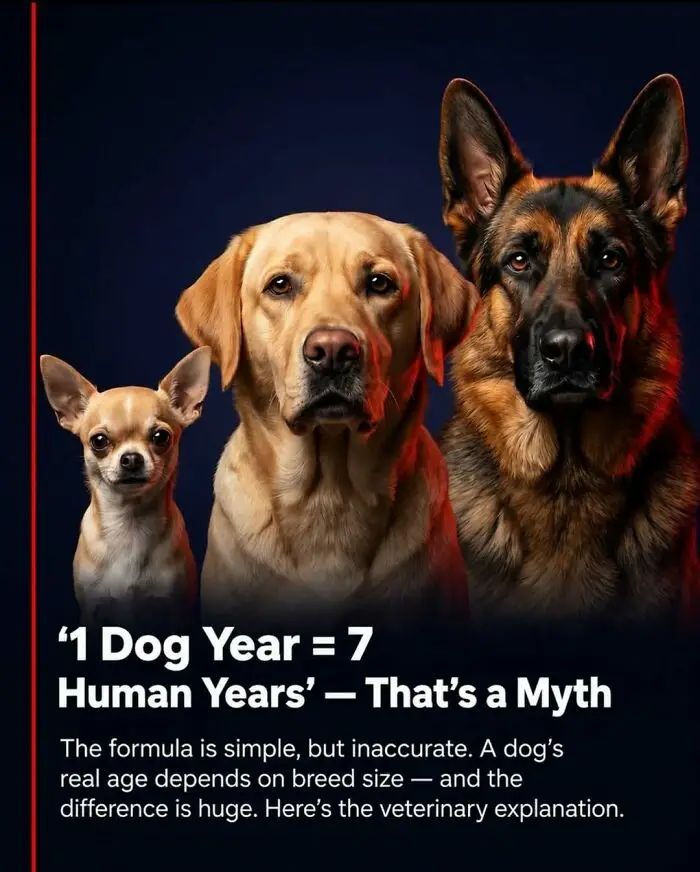
Most people still believe that 1 dog year = 7 human years, but that’s actually not true.
Dogs age at very different rates depending on their size and breed. Small dogs usually live longer and age more slowly, while larger breeds tend to age faster and may need senior care earlier.
Dogs age at very different rates depending on their size and breed. Small dogs usually live longer and age more slowly, while larger breeds tend to age faster and may need senior care earlier.
That means a 7-year-old dog is not “just 49” in every case — for some dogs, their biological age may be much more advanced than people realize.
Understanding your dog’s real age can help you know when to start senior checkups, switch nutrition, monitor health more closely, and catch problems earlier.
A dog’s age is not just a number — it’s a guide to better care
Report
5points
