


Bored Panda
“Stands Like A Human”: 35 Surprising Facts And Stories About Animals That Might Teach You Something New
AnimalsJUN 19, 2026

“Stands Like A Human”: 35 Surprising Facts And Stories About Animals That Might Teach You Something New

40
2
Dirty, disgusting, disease-carrying, evil-looking, dangerous and scary. Some animals get a bad rep from humans, who fail to see them for what they truly are: sentient beings that share the planet with us.
Pigeons, for example, are often called the filthy rats of the sky. But these feathered creatures are actually obsessive about preening and can feel a wide range of emotions like love, grief, fear, and anger. Rats, meanwhile, aren’t too different. The furry rodents are highly emotionally intelligent and experience joy, empathy, fear, and sadness.
Mother Nature doesn't create monsters... That's the message woven into every post on an Instagram account aptly called Adorable Beasts. It features animals of all shapes and sizes, along with interesting facts and stories that encourage us to look at many in a different light.
Bored Panda has put together a list of some of the most fascinating posts from the page. From one of the most dangerous birds on earth to some of the cutest creatures many have never heard of, each tells a story that might surprise you.

#1

Two dogs in Spain on balconies, illustrating surprising facts and stories about animal welfare regulations.
Spain bans leaving dogs and cats living on balconies and terraces
Spain approved the Animal Welfare Law, a regulation that prohibits keeping dogs and cats habitually or permanently on terraces, balconies, rooftops, patios, or in vehicles.
The law states that companion animals must live inside the home and must not remain isolated in outdoor spaces for long periods of time.
Article 27 considers the continuous confinement or isolation of pets in these places an offence. Penalties for failing to comply may range from €500 to €10,000, and in certain aggravating circumstances fines may reach up to €50,000, according to current legislation.
23points

It's a known fact that humans feel a range of emotions. But that same level of understanding is not always afforded to our friends in the animal kingdom. Animal sentience is the idea that animals have thoughts, feelings and individual personalities. And while not all animals are proven to be sentient, scientists say a vast majority are.

"Mammals, including primates, pigs, whales, dolphins, and dogs, have shown remarkable cognitive abilities, social interactions, and self-awareness, providing strong evidence of their sentience and capacity for conscious awareness," notes World Animal Protection Canada. "Scientists have even found complex neurons, once believed to be unique to humans, in several species of cetaceans, primates, and elephants."

But even animals that are brushed off as "cold-blooded" are believed to have feelings, too...

#2
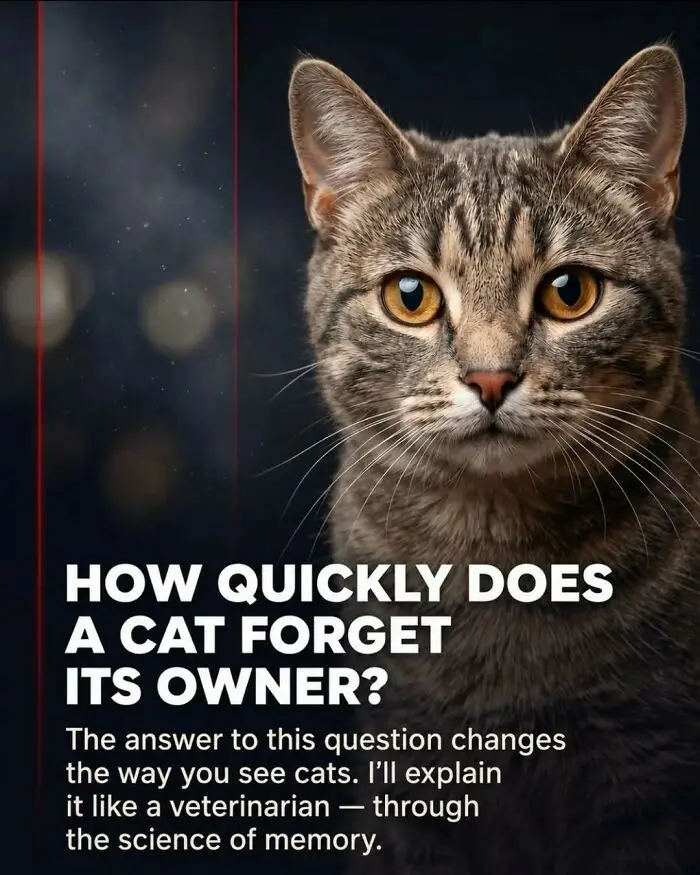
A cat with bright eyes, exploring how animals forget their owners and other surprising facts about animals.
Veterinarians have observed that a cat needs only about three months with a person to remember them for life. Over years of practice, many veterinarians have seen cats recognize the scent, voice, and touch of someone they once loved — even long after separation.

A cat’s memory is deeper than many people imagine: smell, sound, and physical contact create emotional imprints that do not simply disappear.
21points

#3

A small kitten placing its paw on an ink pad for a signature, illustrating a surprising fact about animal adoption.
In Japan, adopting a cat has one of the sweetest requirements: you need its official “signature”… with its paw. Shelters gently dip the kitten’s little paw in blue ink and stamp it on the adoption form. A tiny paw print that seals the bond between the new family and its newest member. 💙 A tiny mark… and the beginning of a completely new life
21points

According to experts, reptiles, amphibians and fish are just like vertebrates in that they have the physiological and neurological requirements for conscious experiences. "Their behaviour indicates that not only can they feel, but that their feelings matter to them," reveals the Canadian animal rights group.

An article in Discover magazine reveals that reptiles are actually highly emotional creatures. They are capable of feeling anxiety, stress, excitement, fear, frustration, pain, and suffering — just like us.

#4

An elderly man hugging a cat in a snowy, destroyed area, illustrating surprising facts and stories about animals.
A touching story of courage and love for an animal has come from the Mudurnu district of Bolu Province in Turkey. On January 17, 2018, a fire broke out in the home of 83-year-old Ali Meşe, known as Ali Dede, in the village of Ordular. As the flames quickly spread through the wooden house, the elderly man stayed calm and managed to save his beloved cat, Sarıkız, from the fire. After the incident, Ali Dede moved in with his son. Despite everything he lost, he still warmly remembers how, in that critical moment, he was able to rescue his cat.
20points

#5

Facts and stories about animals: Swifts flying near a swift brick in Scotland, highlighting new homes protecting urban birds.
In January 2026, Scotland officially adopted the Natural Environment (Scotland) Act, becoming the first part of the United Kingdom where the law requires special “bird bricks” to be installed in new buildings, where appropriate and technically possible.
Bird bricks are small built-in nesting spaces that help birds such as swifts, sparrows, and starlings survive in cities. As old buildings are replaced by modern, sealed constructions, many birds lose the tiny gaps and cavities where they used to build their nests. Because of this, their numbers across the UK have been declining.
Conservation organizations have called this law an important step for protecting urban biodiversity. These structures are inexpensive, long-lasting, and can be installed during construction with almost no extra cost. Scientists and wildlife experts believe that such simple changes in building design could play an important role in helping rare urban bird populations recover.
20points

#6

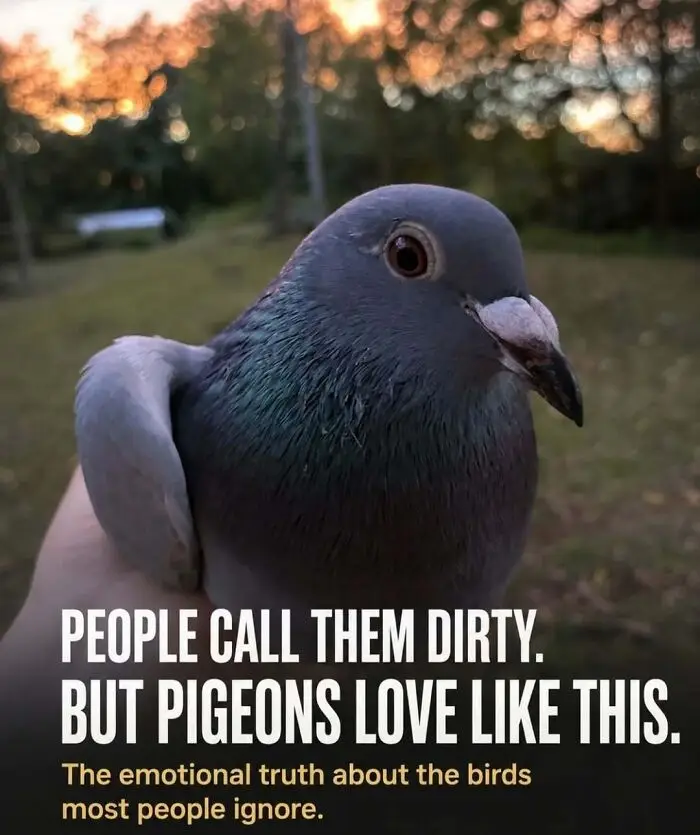
A close-up of a pigeon in a hand, showcasing the emotional stories and surprising facts about animals.
Pigeons are often ignored as “just city birds,” but their lives are far more emotional than most people realize. They form strong pair bonds, care for their chicks together, and stay remarkably devoted to their families. Behind the streets and rooftops, there is loyalty, tenderness, and a quiet kind of love that usually goes unnoticed
19points

A 2019 review published in the journal Animals found 37 studies that showed evidence of reptiles’ capacity to feel.

"One of these studies, for instance, found that handling lizards caused an increase in their heart rate, indicating an emotional response," reports Discover. "Another found that red-footed tortoises exhibited anxiety-like behavior when placed in a new environment."

Some experts believe that these cold-blooded creatures are highly misunderstood.

“They don't follow the same sort of rules that birds or mammals follow, and so we understand them a lot less,” says conservationist JJ Apodaca, executive director of the Amphibian and Reptile Conservancy. “That just leads to us often leaving them out of important policy or conservation efforts.”

#7

A cute puppy next to the Brazilian flag, highlighting surprising facts and stories about animal protection laws.
Abandoning an animal is not just cruelty — in some places, it is a crime with serious consequences.
In Brazil, animal abandonment can lead to harsh punishment, including prison time. And honestly, it should make all of us think: a pet is not an object you can leave behind when life gets difficult. It is a living being that feels fear, hunger, cold, and confusion.
Every abandoned dog or cat once trusted someone.
Laws can punish cruelty, but responsibility starts before the law gets involved — with the decision to treat animals as lives, not as disposable things.
19points

#8

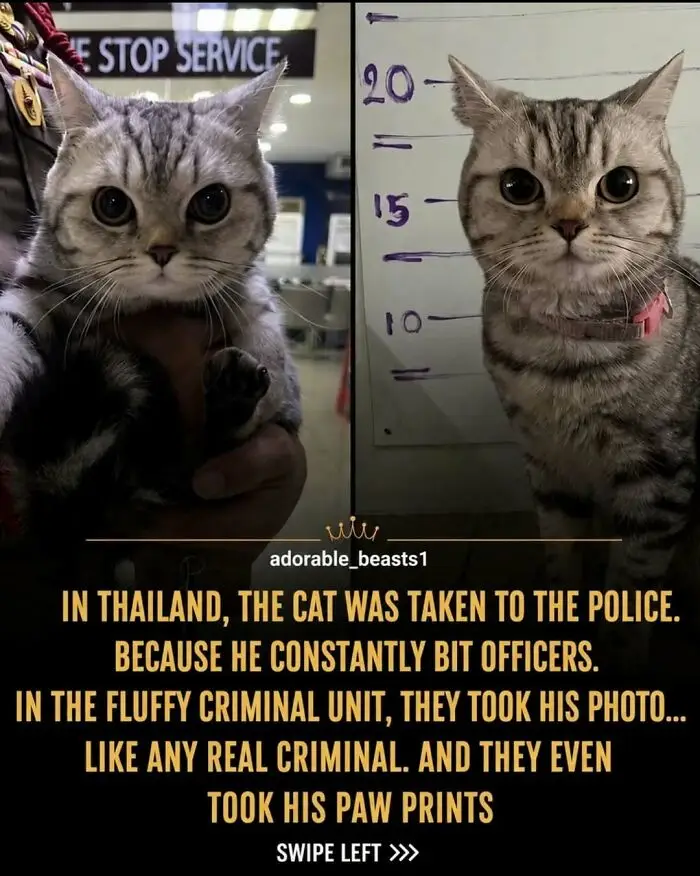
Two cats stand like humans, one held by a hand, the other against a height chart, sharing surprising facts about animals.
In 2025, a lost cat from Bangkok became a real internet star after biting and scratching police officers who were trying to rescue her. 🐱🚓 The feisty American Shorthair, named Nub Tang, was brought to the police station by a concerned passerby. But instead of showing gratitude, the fluffy troublemaker attacked several officers. As a joke, the police decided to “arrest” her: they took a full mugshot and even recorded her paw prints, just like a real criminal. A police officer posted the hilarious photos online, joking that the cat had been “charged with assaulting officers on duty” and was now waiting for her owner to post bail. The story instantly spread around the world, and the very next day, Nub Tang safely returned home to her owner.
18points

#9

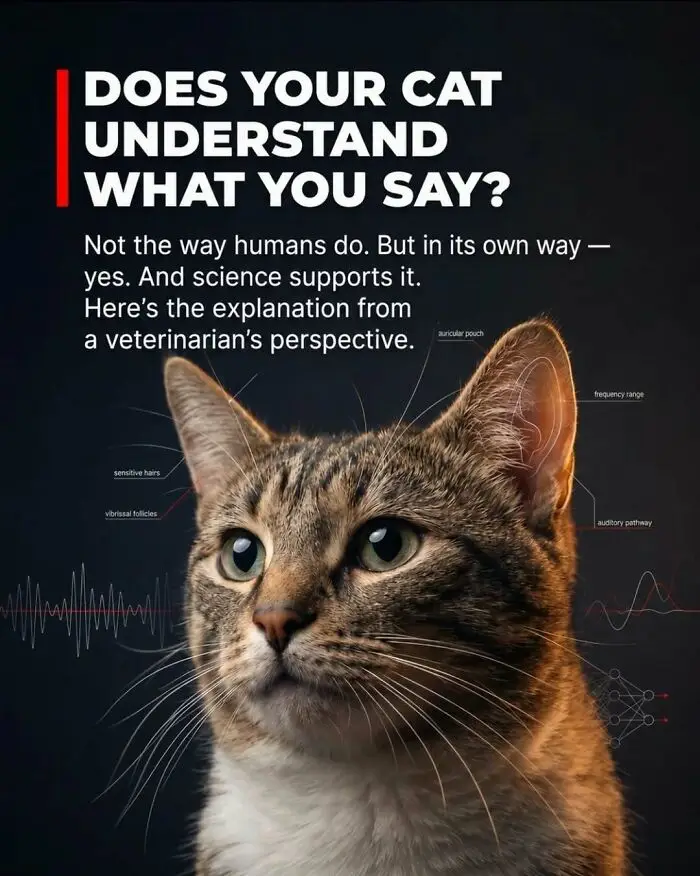
A cat with diagrams illustrating how animals understand human speech, revealing surprising facts about animals.
Do cats really understand what we say?
Not in the same way humans understand language — but they absolutely recognize more than many people think. Cats can learn to identify their owner’s voice, respond to their own name, notice when they are being addressed, and connect repeated words with specific actions or events.
That means your cat may not understand full sentences, but it can remember patterns like “food,” “come here,” or its name when those words are consistently linked to something meaningful. Tone matters too: a calm, soft voice can feel reassuring, while a sharp or tense tone can instantly change how your cat reacts.
So if your cat seems to ignore you, it does not always mean it did not hear you. Very often, it heard you perfectly — it just decided whether responding was worth the energy.
Cats are far more observant, sensitive, and emotionally aware than they are often given credit for.
What words does your cat understand best?
17points

Even invertebrates like insects, cephalopods, and crustaceans are believed to feel a range of emotions, including pain and fear.

"[They] may not have the same anatomy and brain structures as we mammals do, but they are sentient," reads a 2021 WellBeing International review. The London-based researchers went as far as recommending that certain slaughter methods be banned when it comes to preparing seafood.

#10
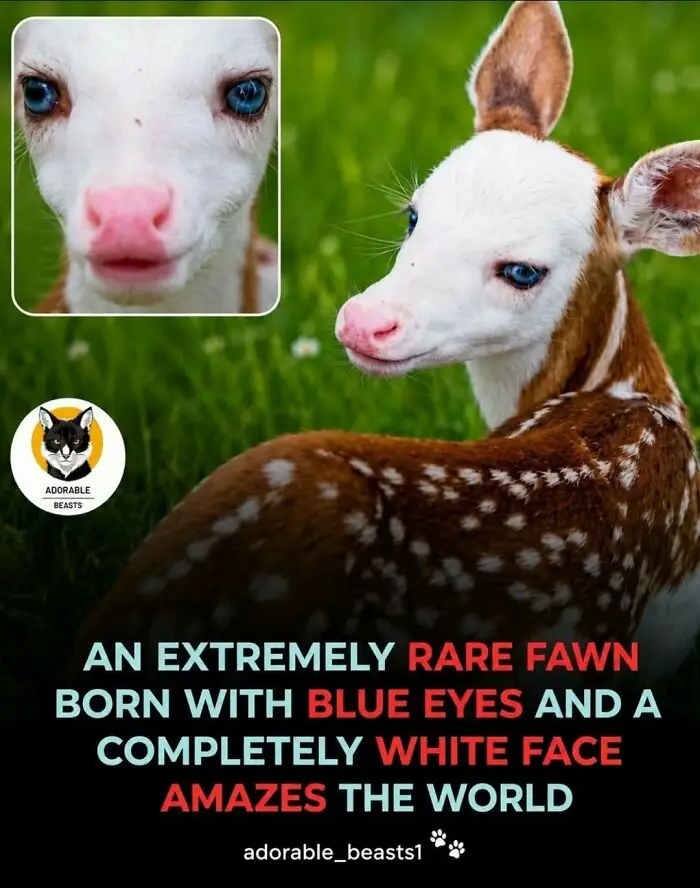
A rare fawn with white face and blue eyes in green grass, showcasing surprising animal facts and stories.
In a quiet wooded area of Tennessee, United States, a fawn was born so rare that it left everyone who saw it speechless. The little one became famous for a truly unusual feature: its completely white face and intense blue eyes. It was photographed by Mark Carter, a passionate wildlife observer who came across this extraordinary animal near his home. The images quickly spread across the internet, attracting the attention of thousands of people around the world. According to experts, the fawn is not albino, but has an extremely rare genetic condition called piebaldism.
This is an inherited trait that causes a lack of pigmentation in certain areas of the body, creating very visible white patches on the coat. In this little deer’s case, the depigmentation affects almost the entire face, making it even rarer and more unique. Animals with piebaldism are extremely uncommon in nature and are believed to represent only a very small percentage of the deer population. That is why encounters like the one documented by Mark Carter are considered exceptional. Despite its fascinating appearance, animals with this trait can face greater challenges in the wild.
Their unusual coloring can make them more visible to predators and less camouflaged in their surroundings. Still, this little fawn continues to enchant everyone who sees its photos. Many people described its gaze as sweet, almost fairytale-like, while others called it a tiny miracle of nature. Its story is a reminder that the animal world can still surprise us with shapes, colors, and features that look like they came from a storybook. Sometimes nature creates something so rare that it almost seems unreal. And this little blue-eyed fawn with a white face is one of the most touching examples.
15points

#11

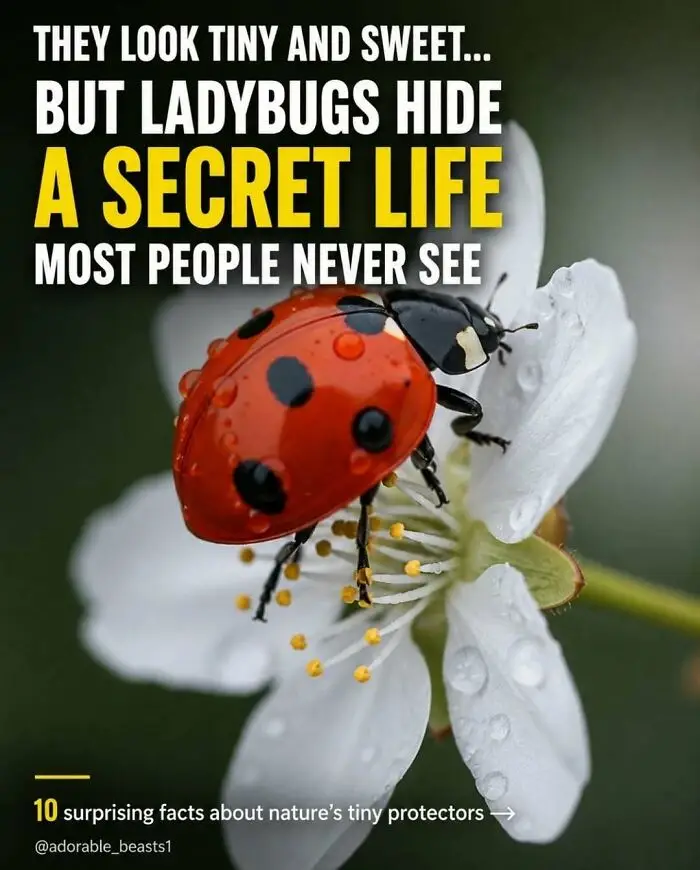
A ladybug with red and black spots on a white flower, illustrating surprising facts and stories about animals.
Ladybugs may look tiny and delicate, but they’re some of nature’s most fascinating little survivors. 🐞

ONE LADYBUG CAN TO 5,000 INSECTS. In its lifetime, this tiny hunter can devour huge numbers of aphids and other soft-bodied pests.

THEIR SPOTS DON'T REVEAL THEIR AGE. Spot number depends on the species. Some ladybugs have many spots, some have few, and some have none at all.

THEY HIDE DELICATE WINGS UNDER THEIR SHELLS .Those hidden wings let ladybugs lift off quickly when they need food, warmth, or safety.

IN WINTER, LADYBUGS HUDDLE TO SURVIVE. Many gather in cracks and sheltered places, forming tight groups that help them make it through the cold.

THERE ARE MORE THAn 5,000 SPECIES. Not every ladybug looks the same — colors, spots, and patterns can vary dramatically around the world.

WHEN THREATENED, THEY CAN 'BLEED.' Ladybugs can release yellow, foul-smelling defensive fluid that helps scare predators away.

LADYBUG BABIES DON'T LOOK CUTE AT FIRST. Their larvae are dark, spiky, and surprisingly fierce — and they often eat even more pests than the adults.

THEIR BRIGHT COLOR IS A WARNING. That famous red-and-black look tells many predators: I taste bad — leave me alone.

TINY, BEAUTIFUL... AND QUIETLY PROTECTIVE. By eating plant-damaging pests, ladybugs help flowers, gardens, and entire ecosystems thrive.
14points

#12

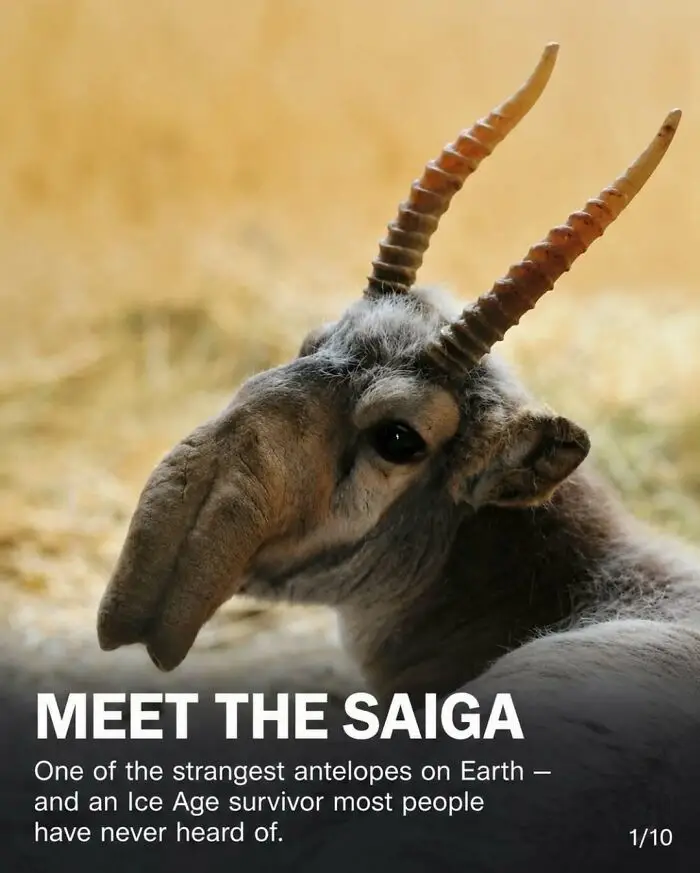
Close-up of a saiga antelope, highlighting its unique features and surprising facts and stories about animals.
Behind this unusual face is one of the most vulnerable survivors on Earth. The saiga has walked this planet since the Ice Age, surviving extremes that wiped out countless other creatures. Every migration is a struggle. Every season is a test. Males fight for the future of the herd, mothers protect their young in open landscapes, and the species itself continues to live on the edge. It may look strange to us — but its story is one of strength, loss, and survival. The saiga isn’t just rare. It’s a reminder of how fragile wild life truly is.
13points

For example, they said that when it comes to lobsters, boiling alive, slowly raising the temperature of water, tailing (separation of the abdomen from the thorax, or separation of the head from the thorax), any other form of live dismemberment, and freshwater immersion (osmotic shock) would all be considered torment.

A number of other studies have found the same.

"The fact that pain [medications] developed for humans also work on Norway lobsters shows how similar we function," said Lynne Sneddon, a professor of zoophysiology at the University of Gothenburg in Sweden. "That's why it's important to care about how we treat... crustaceans, just as we do with chickens and cows."

#13

Facts and stories about animals: A cat standing on its hind legs, stealing food in a store.
This cat has apparently made the store part of its daily routine. 😹
According to the worker, it comes in every day, steals food, and refuses to leave quietly when someone tries to stop it.
The funniest part is how serious it looks — like it truly believes the snacks belong to him. No shame, no fear, just full confidence and tiny paws ready to defend the mission.
Maybe he is hungry, maybe he is clever, or maybe he simply decided that this store is now his personal buffet. Either way, it is hard not to laugh at this little food thief.
13points

#14

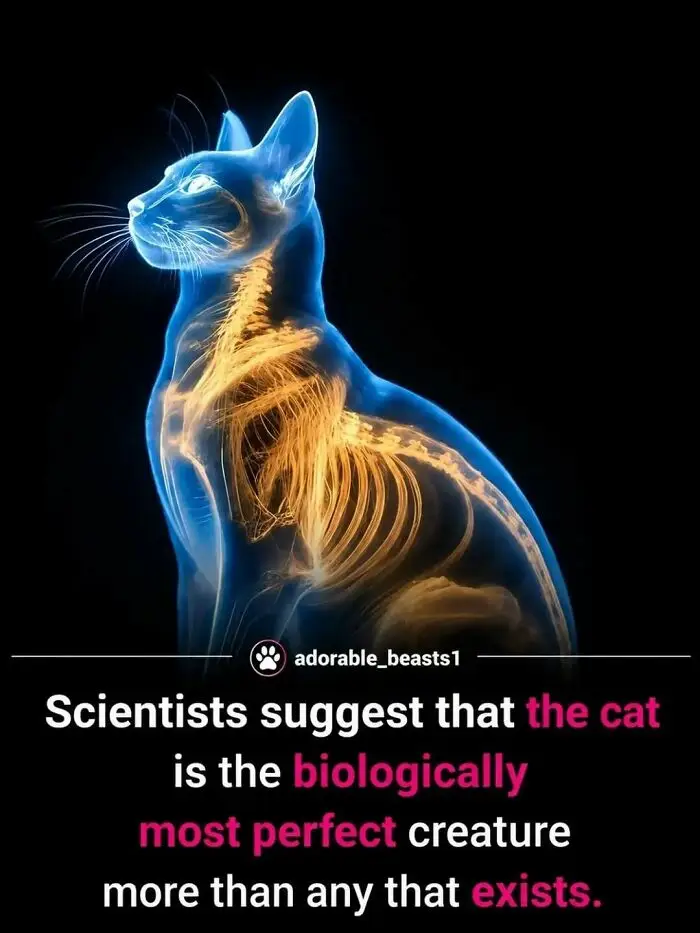
An x-ray like image of a cat showing its skeletal and biological structure, revealing surprising facts about animals.
Scientists do not literally call cats “the most perfect creature on Earth” — but biologically, cats are one of evolution’s most efficient designs.
Their bodies combine flexibility, balance, speed, silence, and precision in a way few animals can match. Cats have an unusually flexible spine, quick reflexes, retractable claws, strong night vision, and senses built for hunting. Their ears can detect a wider range of sounds than humans and even most dogs, while their whiskers help them read tiny changes in space and movement around them.
Even their famous ability to land on their feet is not magic. It comes from a righting reflex, a flexible backbone, and body control so advanced that kittens begin developing it within weeks of birth.
So when people say cats are “biologically perfect,” it is not because they are flawless. It is because almost every part of their body seems optimized for survival, balance, stealth, and precision.
A cat is not just cute.
It is a living example of evolution engineered for efficiency.
13points

#15

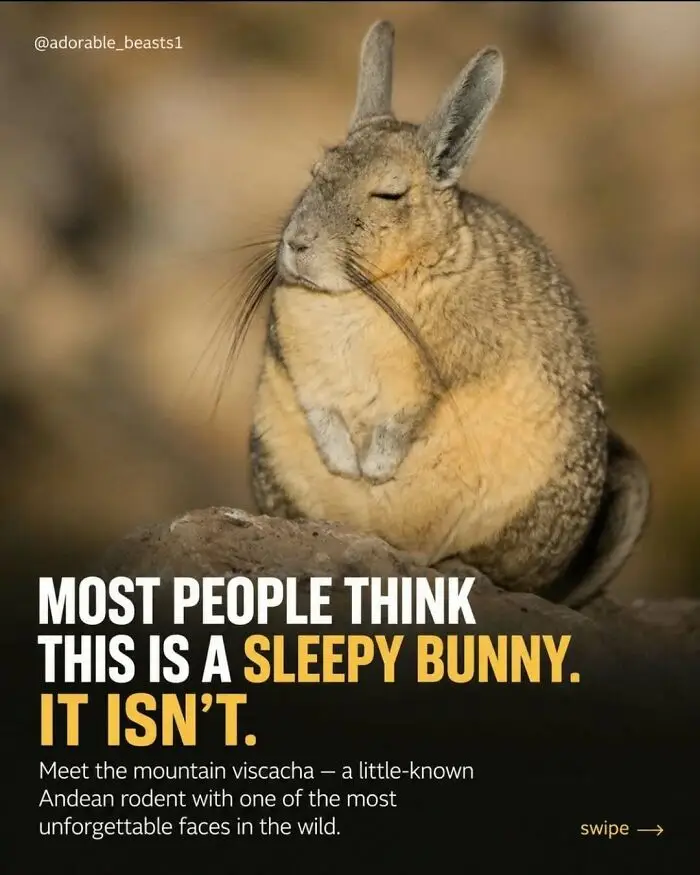
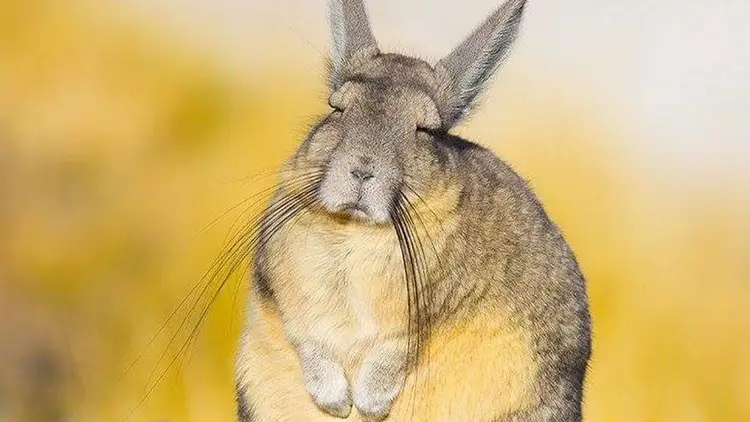
A sleepy-looking viscacha, a type of animal, sitting on a rock, revealing surprising facts about animals.
Most people see the mountain viscacha and think it is just a sleepy little bunny.
But this quiet animal is actually one of the Andes’ most fascinating survivors.
It lives high among rocks, cold nights, thin air, and harsh mountain conditions — often in places where life seems almost impossible. Its calm face is not laziness. It is survival: saving energy, warming in the sun, staying close to its colony, and moving carefully through the mountains.
It may look soft and funny, but behind that peaceful expression is an animal perfectly built for a difficult world.
Nature still hides creatures most people never hear about — and the mountain viscacha is one of them.
12points

An article published in Live Science revealed that hermit crabs shocked inside their shells eventually abandoned their homes to avoid experiencing the painful stimulus.

"Octopus have shown even stronger clues about pain processing; in one widely cited study, they avoided places linked to injury and favored those associated with pain relief," it added.

The studies have prompted several countries like Britain, New Zealand and parts of America to change their policies when it comes to crabs, lobsters and octopuses.

The UK now recognizes these as sentient animals "capable of experiencing pain and suffering" under the 2022 Animal Welfare Act, while California and Washington have banned octopus farming entirely, citing "inhumane practices."

#16
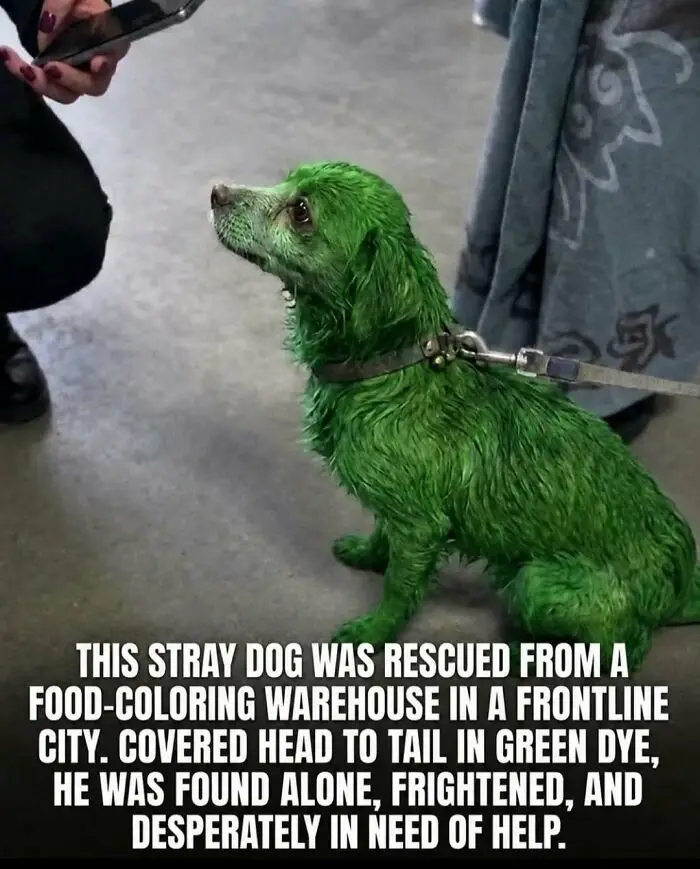
A small green-dyed dog on a leash, looking up, an image of surprising facts and stories about animals.
This is a real dog. Volunteers found her in Druzhkivka, a frontline city in the Donetsk region, after she wandered into a food-coloring warehouse searching for something to eat. Her fur was completely stained green, but what matters most is that she was rescued, cared for, and is safe now. No animal should have to survive war, hunger, and fear alone.
12points

#17

A black dog wearing a gas station uniform and hat, showing surprising facts and stories about animals.
From an abandoned dog to the most loved employee in town.
In 2017, outside a Shell gas station in Mogi das Cruzes, Brazil, an adult dog appeared as if he had nothing left. His name was Negão, and he had been abandoned by his owners right in the construction area where the new station was being built.
Scared and disoriented, he kept wandering around the area, never going too far from what had become his only point of reference. That was when Sabrina Plannerer and her partner, the owners of the station, decided to do something that would change his life forever.
They took him in, gave him veterinary care, a dog house, and all the love he needed. But they didn’t stop there: they officially made him part of the team, even giving him a real employee badge.
Negão quickly proved to be a natural star. While cars and customers came and went throughout the day, he was always there to greet them with a wagging tail and his unforgettable smile. In a short time, he became the face of the gas station and the favorite of the neighborhood.
Many customers started stopping by just to say hello, bring him toys, or give him treats. And because the station is open 24 hours a day, Negão was never alone again, surrounded every day by the affection of his human coworkers.
His incredible story spread across Brazil and social media, becoming a symbol of how one act of compassion can completely transform an animal’s life. It even inspired initiatives encouraging businesses to welcome stray dogs and give them a second chance.
Because sometimes the best employee is not the one who works the hardest, but the one who can bring a smile to everyone they meet.
12points

#18

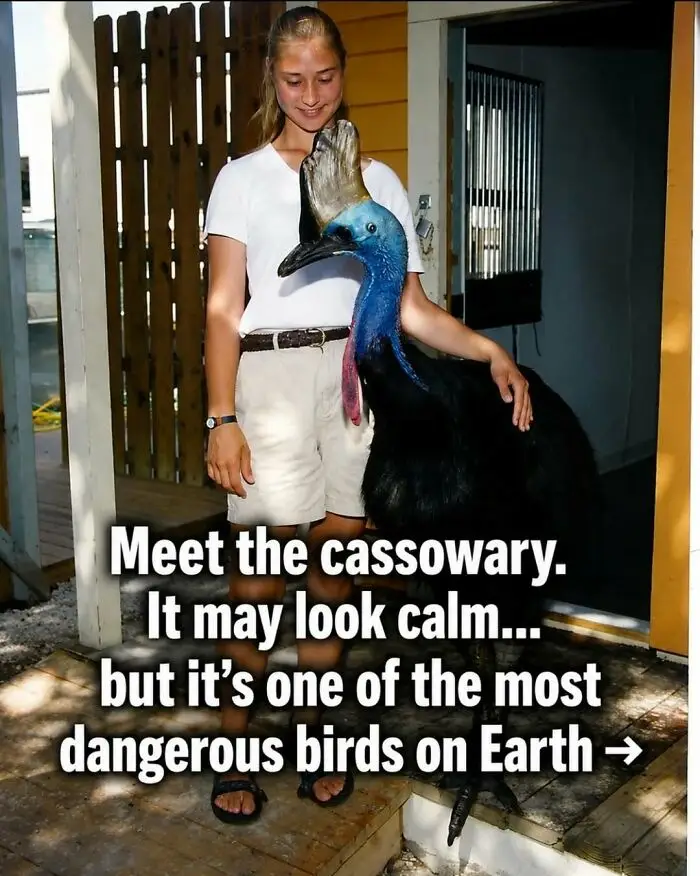
A woman standing with a large cassowary, a dangerous bird, highlighting surprising facts about animals.
This bird looks like it came straight from prehistoric times… but it is very real.
The cassowary may look calm, but it has razor-sharp claws, powerful legs, neon green eggs, and a dinosaur-like face that makes it one of the most fascinating birds on Earth.
It is not evil — it is shy, protective, and built for survival in the rainforest. But if it feels threatened, you definitely do not want to get too close.
11points

As we've already noted, it's still unclear whether all animals are sentient or feel pain. But it's fair to say that when in doubt, let's err on the side of compassion and consider that they too experience a range of emotions... just like us.

“Never believe that animals suffer less than humans. Pain is the same for them that it is for us. Even worse, because they cannot help themselves.” — Louis J. Camuti, Italian veterinarian.

#19
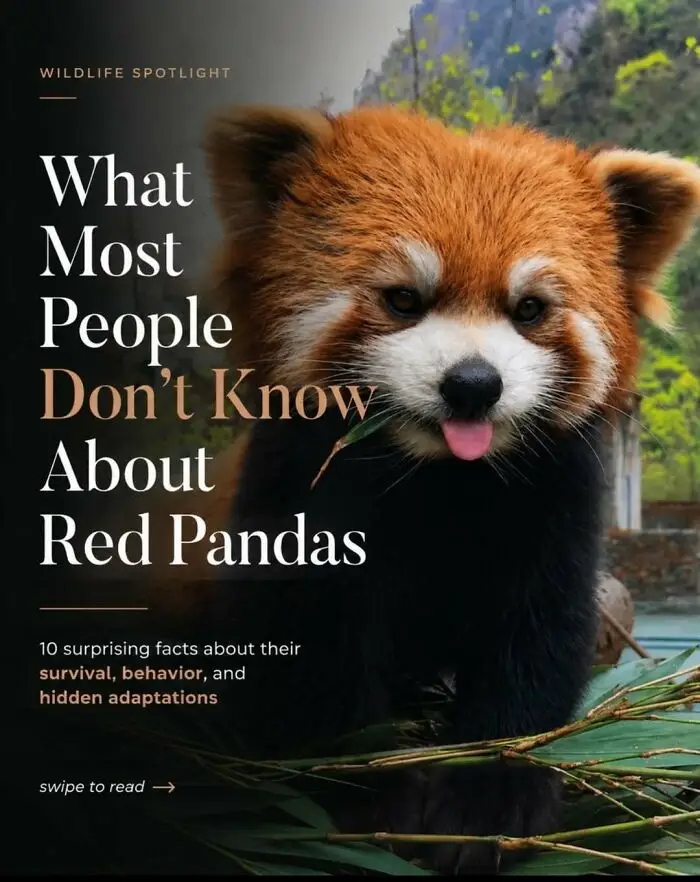
A red panda, a surprising animal, sticking its tongue out playfully, surrounded by lush green foliage.
Behind the cute face, red pandas are far stranger than most people imagine.
They are not actually pandas — they belong to their own unique family, Ailuridae. The name “panda” was used for them before giant pandas became famous. They also have a hidden “extra thumb,” an enlarged wrist bone that helps them grip bamboo and branches.
Their body may look made for bamboo, but biologically they come from carnivores, so bamboo gives them very little energy. That is why they spend so much time resting, sleeping, and saving strength. They can even climb down trees headfirst thanks to their flexible ankles.
In winter, their thick fur protects them from the cold — even the soles of their feet are covered in fur, helping them walk on snow and grip icy branches. Their fluffy tail is not just cute either: it helps with balance and can wrap around them like a blanket.
They are mostly solitary, active around dawn and dusk, and when threatened, they may stand up on their back legs to look bigger. Baby red pandas are born blind and helpless, hidden in nests while their mother protects and moves them if danger comes close.
And the most heartbreaking fact: fewer than 10,000 mature red pandas may remain in the wild.
Cute, rare, fragile — and disappearing quietly.
11points

#20

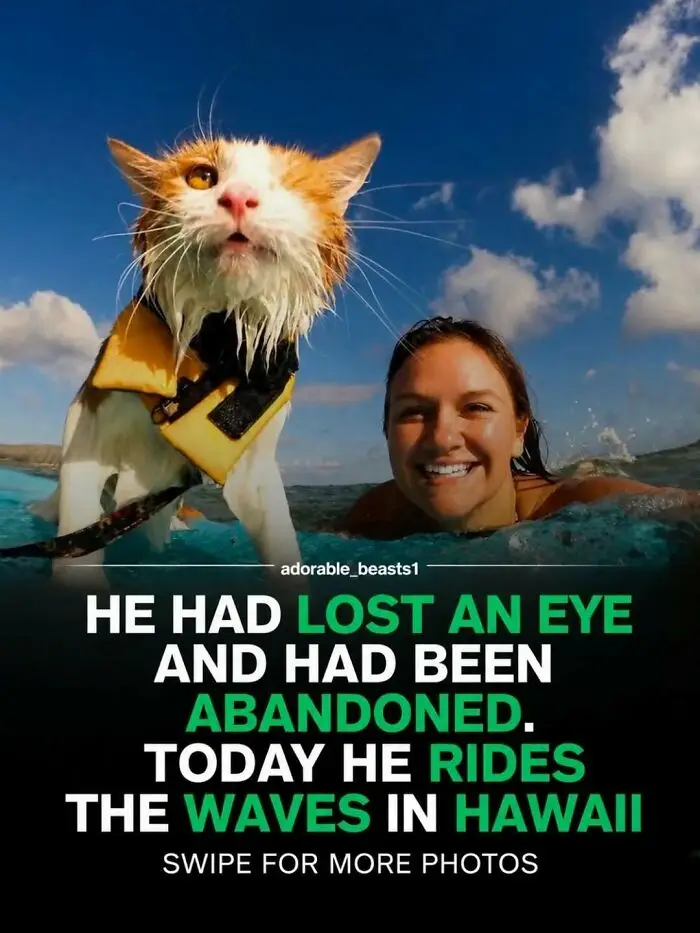
A wet cat in a life vest on a surfboard with a smiling woman, showcasing surprising facts and stories about animals.
When Kuli was only three months old, his life already seemed marked by hardship. He was malnourished, sick, and a severe infection forced veterinarians to remove one of his eyes. For many, that would have been the end of the story. For him, however, it was only the first chapter. 💙 After being rescued in Hawaii by Alexandra and Krista, two surf lovers, Kuli slowly began to gain confidence in the water during his rehabilitation. First, a few little swims. Then, a board near the shore. Then, real waves. And day after day, he did something no one would have expected. 🏄 Today, Kuli is known as Hawaii’s surfing cat. He has a board made especially for him and rides the waves with a confidence that seems unbelievable for an animal that had to overcome so many difficulties. But perhaps the reason his story moves so many people is not the surfing. ✨ It is the fact that Kuli never defined himself by what he had lost. With one eye, he still keeps looking toward the horizon. And he reminds us that sometimes the most extraordinary life begins right after the hardest moment.
11points
40
2