






#1

#2

Also men who think being gay is a choice. It's often because they themselves are bi and have "chosen" to only date women, so they don't understand why everyone can't just make that same "choice".
People sometimes accuse others of mistakes they secretly make themselves. Psychologists call this projection: a tendency to attribute one's own feelings, motives, or intentions to someone else. For example, someone who cheats on their partner might suddenly become convinced that their partner is being unfaithful, even without evidence.
This behavior often relates to how people deal with uncomfortable emotions. If someone has trouble managing negative feelings, blaming another person can be an easy way to avoid facing their own mistakes.
Rather than admitting they made a poor decision, they put the responsibility on someone else.
#3

Years later I learned that all the contract employees had a system they devised together for skimming the cash register and got off-balance payouts. I wasn't in on it, but he was.
#4
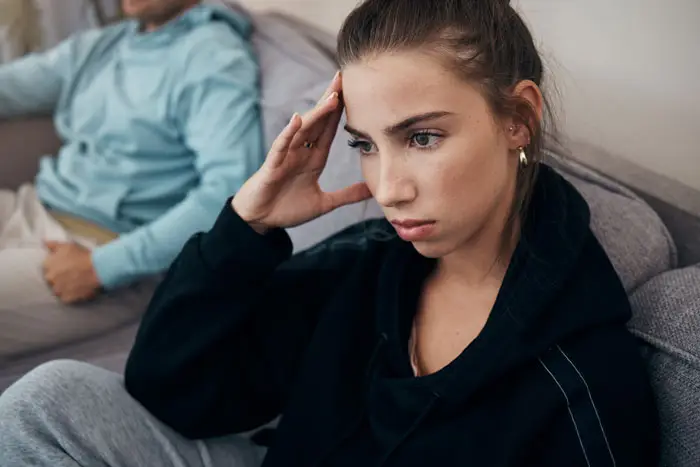
Yea turns out he had a wife the whole time.
But not everyone who points fingers is guilty of the same things. This tendency is stronger in people who have trouble handling negative emotions, especially when they feel bad about their own choices. Blaming others can help them feel better about themselves for a while, even if it causes more problems in their relationships.
Projection can also influence how people interpret everyone else's intentions. Some individuals constantly expect others to take advantage of them, cheat them, or treat them unfairly. Experts describe this tendency as victim sensitivity, and it can make even ordinary interactions feel like potential threats.
#5
#6

People with high victim sensitivity often react strongly if they think someone has treated them unfairly. They might get angry over things others see as minor, assume the worst about others’ intentions, or worry too much about missing out. Because they always feel the need to protect themselves, it can be hard for them to trust anyone.
That suspicion can end up affecting the people around them, too. In groups, showing strong distrust can make others less willing to work together. Instead of stopping the betrayal they fear, suspicious behavior can make others pull back and become guarded, creating the same mistrust they wanted to avoid.
#7

When we later went to court for divorce, I discovered he had a gambling dependency and had bankrupted us.
#8

#9

Constant suspicion isn’t the only way people show their own contradictions. Some people quickly judge others for behavior they don’t like, but make excuses when they do the same thing. This kind of moral hypocrisy lets people hold others to standards they don’t follow themselves.
Power can make this double standard even more noticeable. People who hold positions of authority may judge other people's dishonesty more harshly while giving themselves greater freedom to bend the rules. In other words, they can recognize exactly why someone else's behavior is wrong without applying the same judgment to their own actions.
#10

#11
#12
This gap between what people do and how they judge others can make accusations very revealing. Someone might lecture a coworker about honesty while hiding their own mistakes, or criticize a partner for crossing boundaries they ignore themselves. They often don’t notice the contradiction because they judge their own actions more gently.
Sometimes, though, accusations go beyond hypocrisy or insecurity. In unhealthy relationships, one partner might use constant suspicion to control what the other person does, who they see, and how they spend their time. What starts as jealousy can slowly become a way to limit someone’s independence.
#13
#14
We were all supposed to lock our purses up upstairs, but it was a pain in the neck to go up there and do so, so everybody just threw their purses on the floor, at my feet, under the reception desk.
One day, everybody was giving me the cold shoulder, and I couldn't understand why.
It was normally a very congenial bunch, but people are downright snotty.
Long story, long, one of the women, Holly, said that she had brought in her sterling silver flatware that she'd gotten in her divorce to take it upstairs to the china and silver department to have it appraised and see if she could sell it back to them or something. (I'm not sure how that works.)
Anyway, it went missing, from where she said she had it in her huge purse.
Another woman, Norma, said that she saw me fumbling around with the purses down there, and she saw me steal it. Coincidentally, Norma was dating the head of store security, Jack.
Long story even longer, in the end, it turned out that Norma had taken it, and Jack looked at the other way.
That was over 25 years ago, and I'm still red faced sitting here telling strangers about it. And I was perfectly innocent.
#15

Constantly accusing a partner of cheating, questioning where they are, or getting upset when they spend time with friends can make the relationship exhausting. The person being accused might start explaining every little choice, avoiding some activities, or changing how they act just to avoid another argument.
The National Domestic Violence Hotline lists excessive jealousy, constant monitoring, manipulation, and repeated accusations of infidelity as possible signs of emotional abuse. These actions can make someone feel isolated, guilty, or scared of upsetting their partner. At that point, the accusations aren’t just about trust; they can become a way to control another person’s life.
#16
#17
Yeas later my son found a notebook where her court mandated therapist had her writing in her “accountability book.” There was a lot of messed up things in there, wild rants about fictional future situations, saying how sad she was that she couldn’t force me to be like the guy she dated while we were engaged. Just crazy stuff.
The interesting part was that she was doing all of it. Every thing she accused me of was something she had already done or is still doing.
She had pages of notes on friends and family members of their weaknesses and how she could use those against them. It was horrible to read, but helped me put everything into perspective.
#18
She later convinced everyone that I was the one mumbling snide comments. I did not want to talk to this woman ever.
Sometimes, what people accuse others of says more about their own insecurities, habits, and intentions than they realize. Not every accusation is a confession, of course, but some patterns are just too obvious to ignore.
What do you think? Have you ever met someone who accuses others of the very things they do themselves? Share your thoughts in the comments!
