

This post may include affiliate links.
These are, of course, commitments by governments and transnational organizations. But there's a bottom-up approach, too: consumers can try to be more pollution-conscious. That's where the zero-waste movement comes in. It's about reducing the waste that you produce as a consumer and minimizing your carbon footprint.
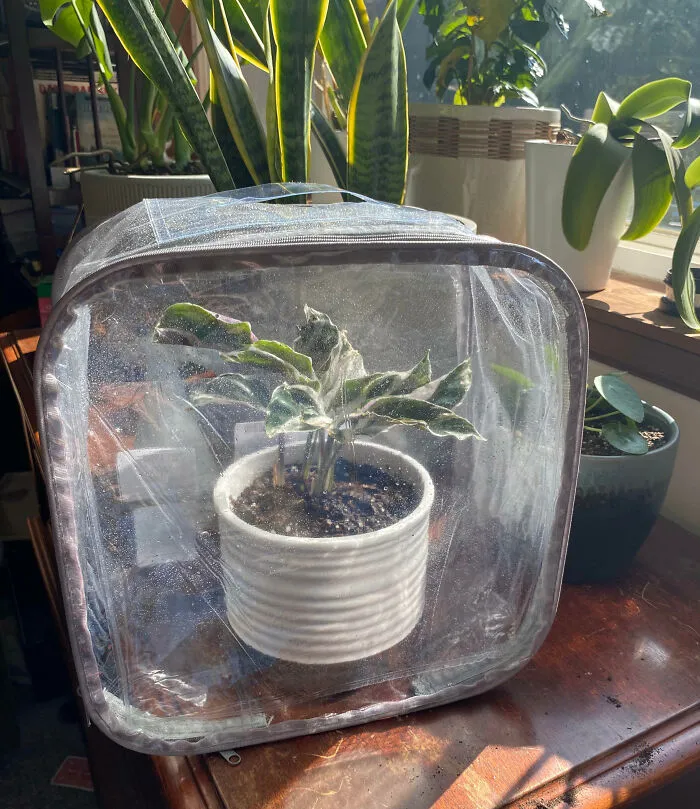
#22 Mom Ordered A New Blanket, I Needed A Mini Greenhouse Type Container To Keep My Calathea Humid. Perfect? No, But Saved The Plastic From The Trash, And I Get To Give It A New Purpose
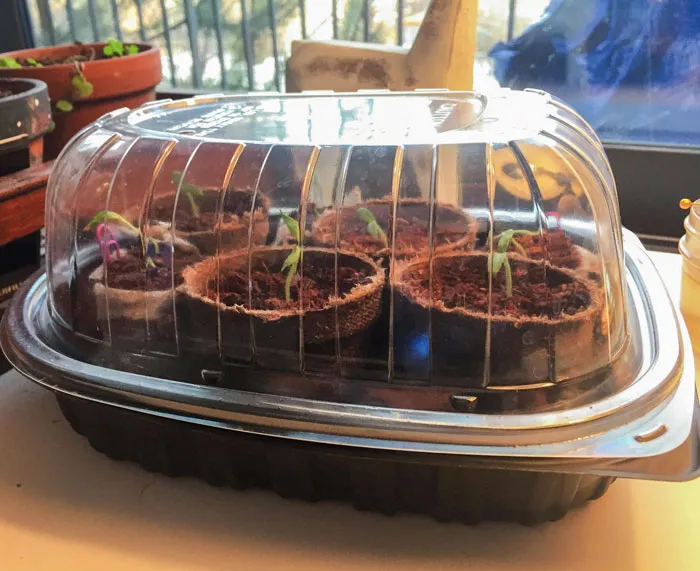
#23 Upcycling Tip: A Leftover Rotisserie Chicken Container Makes A Great Mini Greenhouse
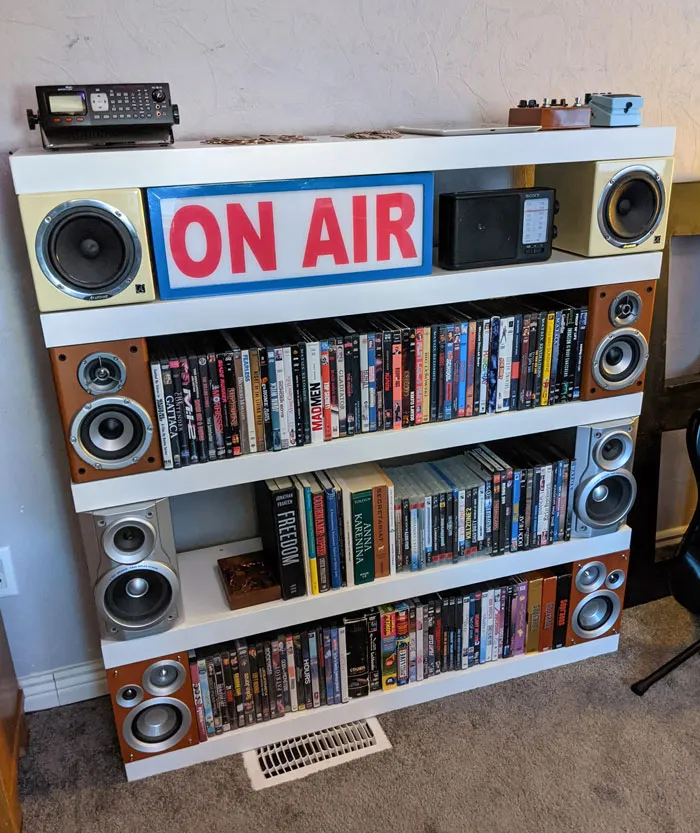
Bea Johnson, the author of the bestselling book and blog Zero Waste Home, popularized the 5 Rs, which have become the pillars of the zero-waste movement. The 5 Rs stand for Refuse, Reduce, Reuse, Recycle, Rot. They have replaced the previous 3 Rs that we were taught to live by: Reduce, Reuse, and Recycle. The zero-waste movement, in turn, emphasizes minimalism and decluttering.
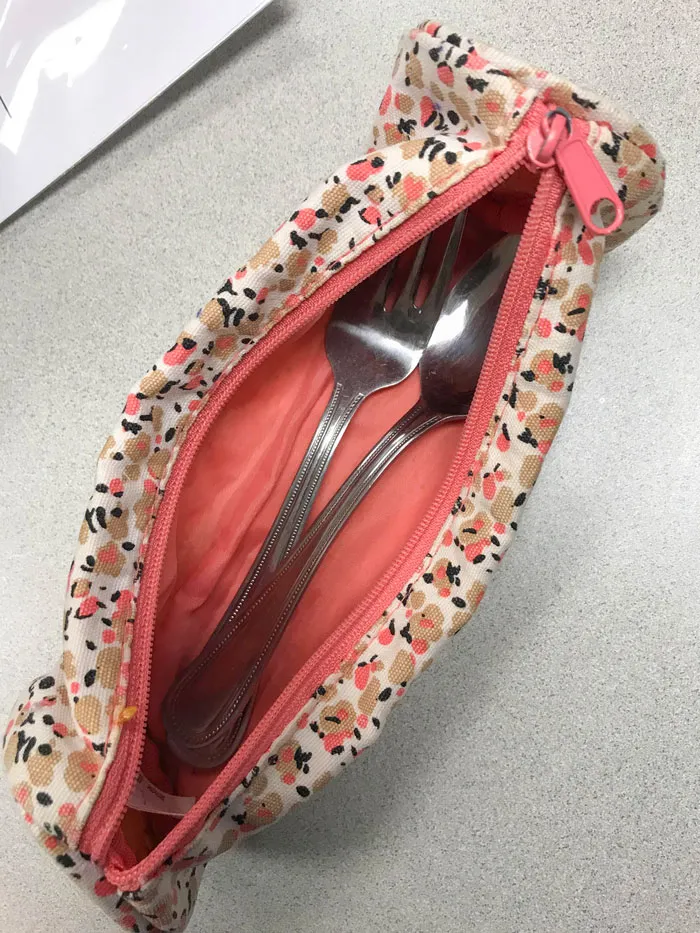
#25 I Work At A Hospital Where Employees Eat Every Day With Plastic Utensils. My Solution: Fork And Spoon In An Old Pencil Case
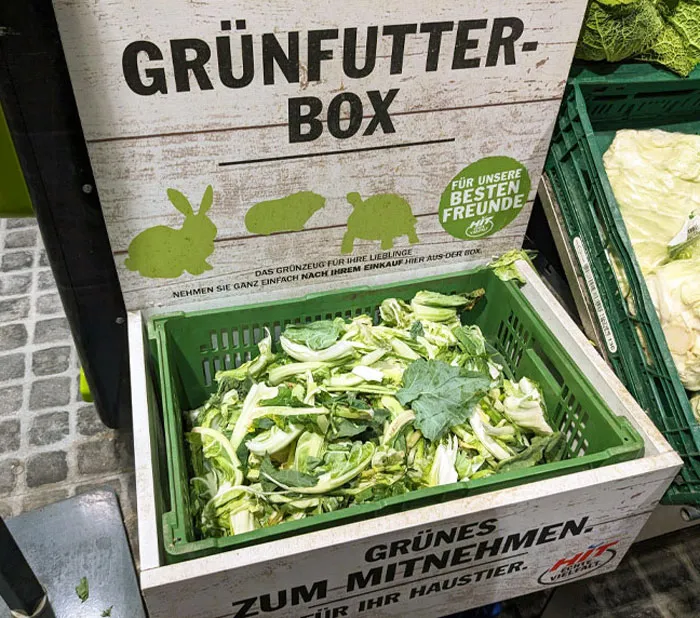
#26 A Local Shop Gives Leafy Parts From Vegetables That Most People Don't Eat To Pets For Free
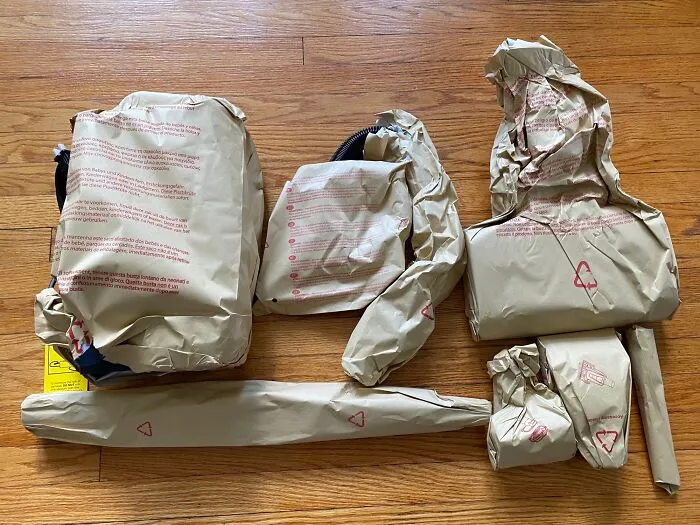
#27 The Components For My New Vacuum Are All Packaged In Paper Instead Of Plastic
That's why "Refuse" is at the front of the motto. Johnson told The Zero Waste Collective in an interview that even by adopting the three Rs, lots of waste was still coming into her home, like freebies, samples, and junk mail. So, "Refuse" might be the hardest principle to implement in your everyday life.
"From experience, I can attest that it only is for a few weeks," Johnson said. "That is until you have learned to not reach out when something is handed to you, and you have found your go-to refusal sentence."
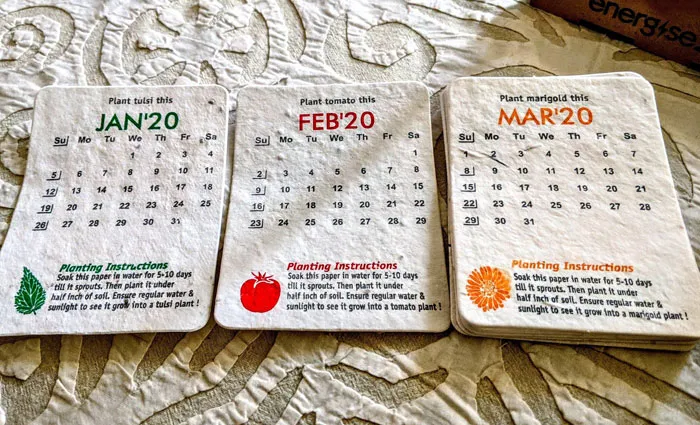
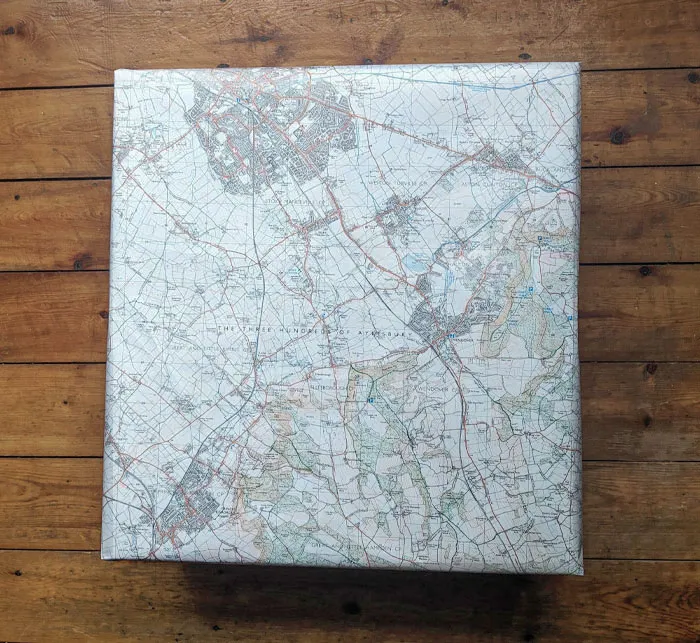
#29 My Mom Always Wraps Birthday Presents In Maps
Companies may claim that their products are compatible with a zero-waste lifestyle, "biodegradable," "plastic-free," or "plastic-neutral." However, a lot of times, these claims can be dishonest and just plain greenwashing.
For example, companies just slap a recycling symbol on their packaging, even if their product is not accepted by recycling facilities. The truth is that only 9% of plastics ever produced have been recycled, and 19% have been incinerated.
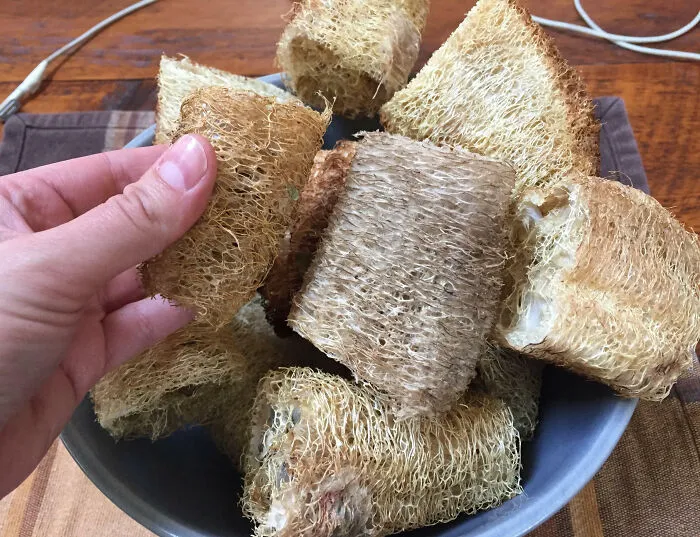
#31 You Can Grow Loofahs, Dry Them And Use Them To Wash Dishes. 5 Plants Make Enough For About 2 Years In Our House. Fully Biodegradable When They're Worn Out

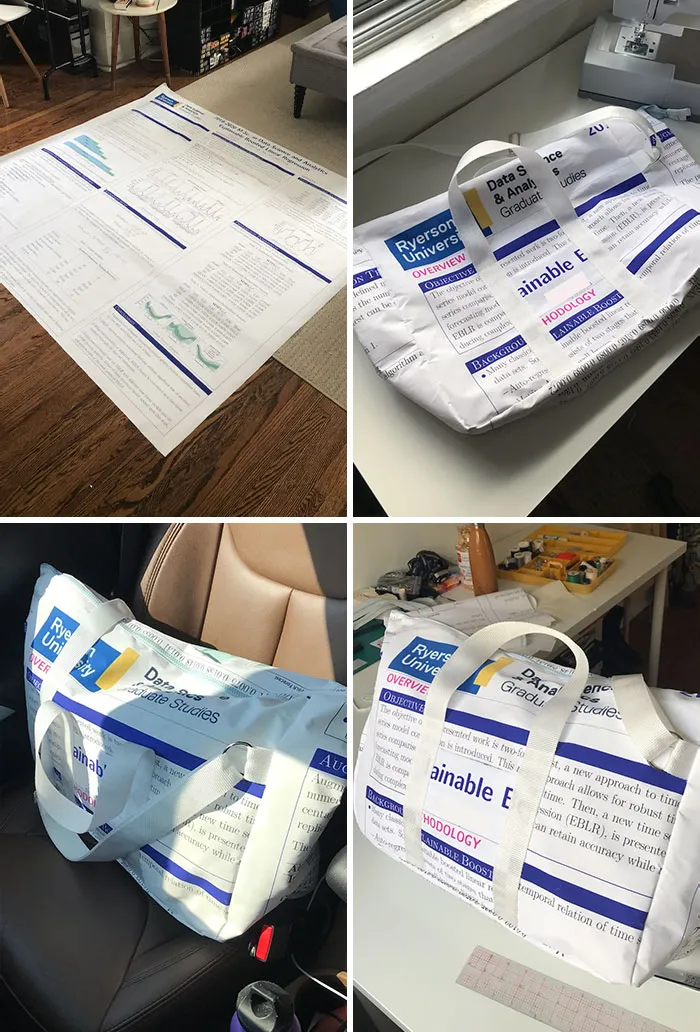
#33 I Took A Friend's Thesis Poster That Was Printed On Fabric And Turned It Into A Weekender Bag He Can Use
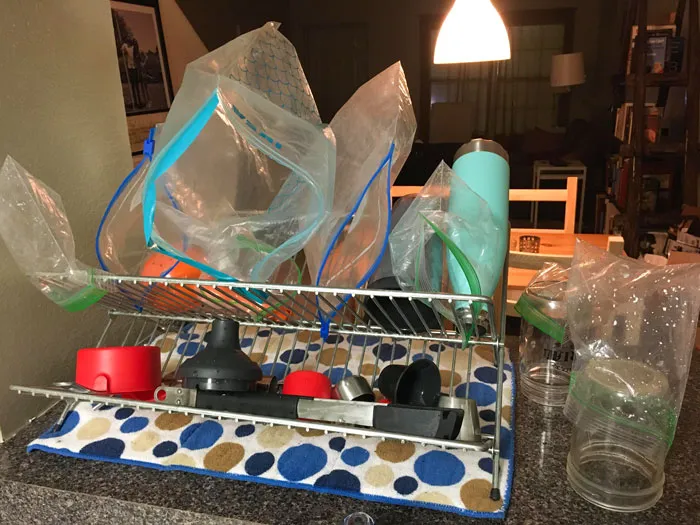
#35 Shout-Out To Everyone Who Washes And Reuses Their Food Storage Bags
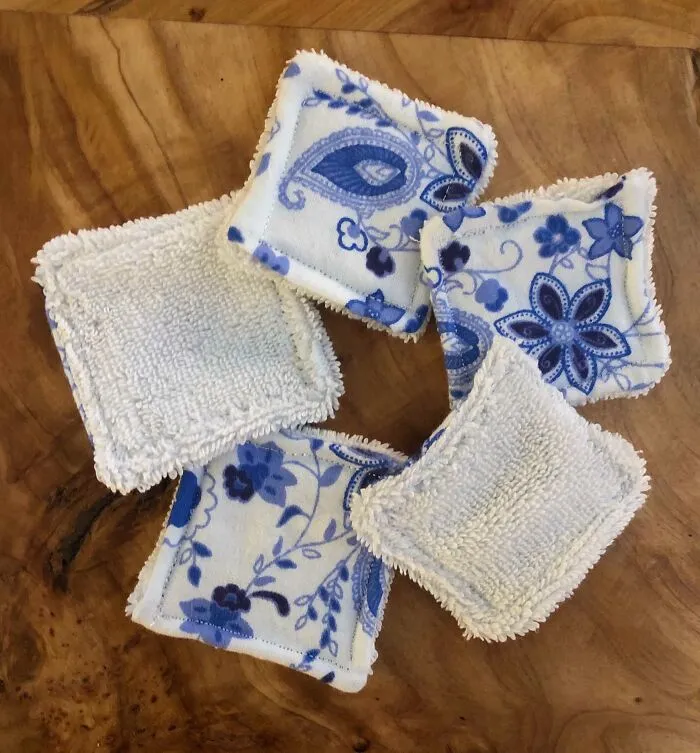
#36 I Found Myself Buying Makeup Removing Wipes Every Few Weeks, But No More. With Fabric Remnants, An Old Hand Towel, And A Few Hours Of My Time, I’m Saving Money And The Planet
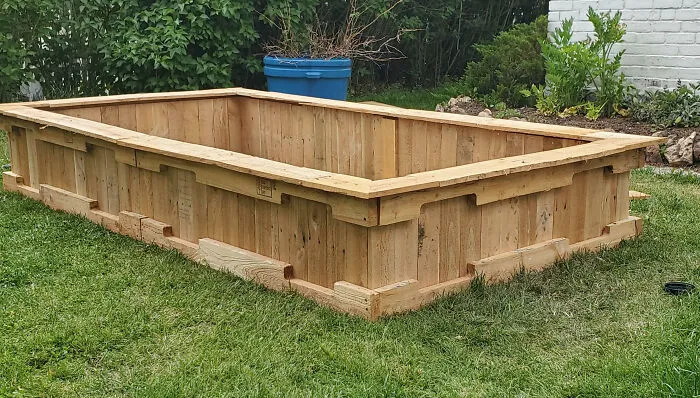
#37 Repurposed Pallets For A Raised Bed. $9 Total, Spent On Fasteners And Hardware, With Half Left Over
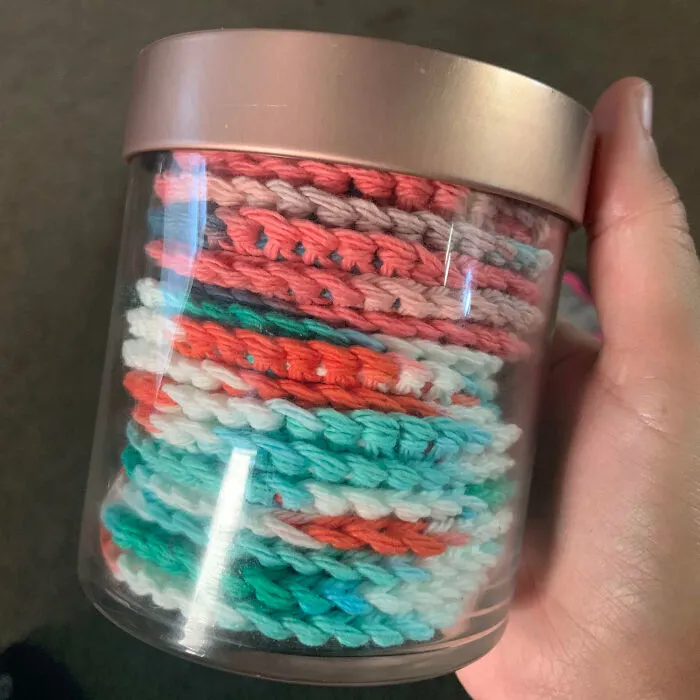
#39 My Aunt Requested Crochet Face Scrubbies To Replace Cotton Pads. She Asked For 24, So I Put Them In A Repurposed Candle Container
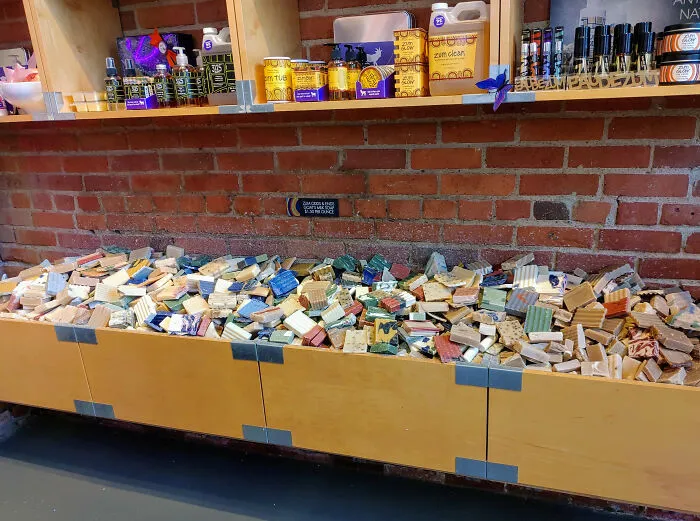
#40 A Local Soapmaker Sells Miscellaneous Or Broken Pieces Of Soap Without Packaging At A Discount. It's Perfect For Trying Out New Scents