


Bored Panda
44 Failed Shark Tank Ideas That Had The Sharks Regretting Everything
Home & DesignMAY 19, 2025

44 Failed Shark Tank Ideas That Had The Sharks Regretting Everything

16
1
Scrub Daddy, Squatty Potty, and Bombas are all examples of products that knocked it out of the park on Shark Tank. After the famous business reality television show, the creators of these unique brands went on to make millions in sales. 
However, there were also a lot of products that didn’t have as much potential and were ruthlessly criticized by sharks, some of which we’re featuring today. While their ideas didn’t succeed, these aspiring entrepreneurs can definitely teach us a lesson or two. 
Scroll down to find some of the worst products featured on Shark Tank, and don’t forget to upvote those you might want to see in stores despite their failure on the show.
While you're at it, don't forget to check out a conversation with April Shprintz, business accelerator, leading sales expert, and founder of Driven Outcomes, who kindly agreed to share her insights on how entrepreneurs can turn failure into something beneficial.

This post may include affiliate links.

#21 Pet Paint
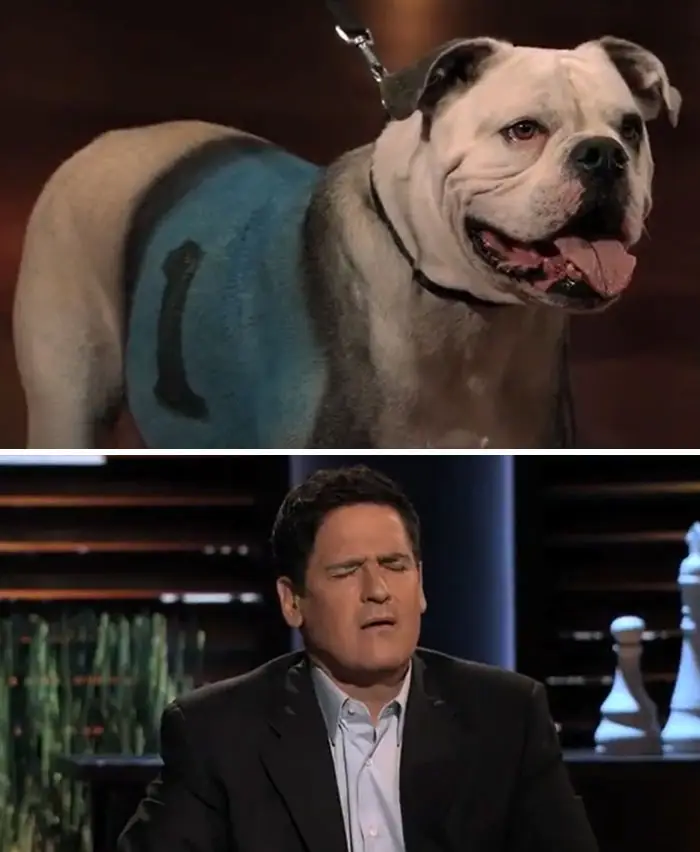
Bulldog with painted vest and investor on Shark Tank reacting in disbelief to a failed product pitch on the show.
Pet Paint is described as a product that provides temporary colored hairspray for pets, complete with stencils for application. A key criticism mentioned is the requirement to wash the animal every time the paint is used. The commentary suggests that addressing the lack of color on pets is not a genuine or necessary problem.
21points

That said, it's also important for entrepreneurs to know when it’s time to move on after a failure.

"It is often really difficult for an entrepreneur to admit to themselves it's time to move on or give up on a business idea. That's where a trusted friend or advisor you respect comes in. I say respect instead of like because someone you respect will tell you the truth, even if it hurts you in the moment, because they want what's best for you in the long term," Shprintz suggests.

"Most savvy business people will know in their gut it's time to let something go, but many newer entrepreneurs haven't yet learned to listen to their inner voice and will be more likely to listen to someone else."

#22 The Uro Club
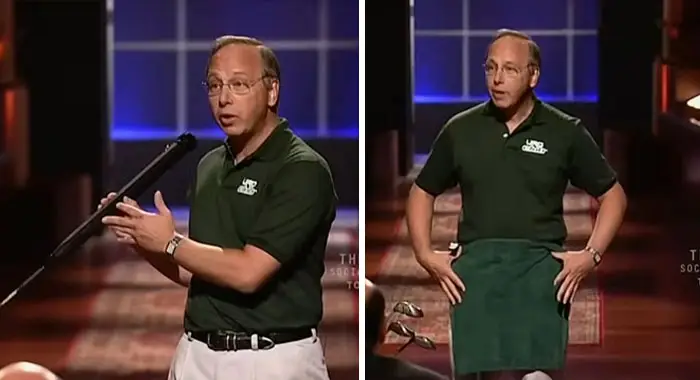
Man presenting a product on Shark Tank, demonstrating features and wearing a green shirt on set with blue lighting.
The Uro Club was presented on Shark Tank as a solution for golfers needing to urinate while on the course, using a hollow golf club. Although the inventor, a urologist, delivered a professional pitch and surprisingly received a conditional offer, the product concept was largely seen as a bizarre novelty. Concerns centered on the impracticality and unpleasantness of using and carrying a club containing urine. Ultimately, despite some pitch strengths, the unusual nature of the product itself was a major hurdle.
21points

#23 Cougar Energy (2012)

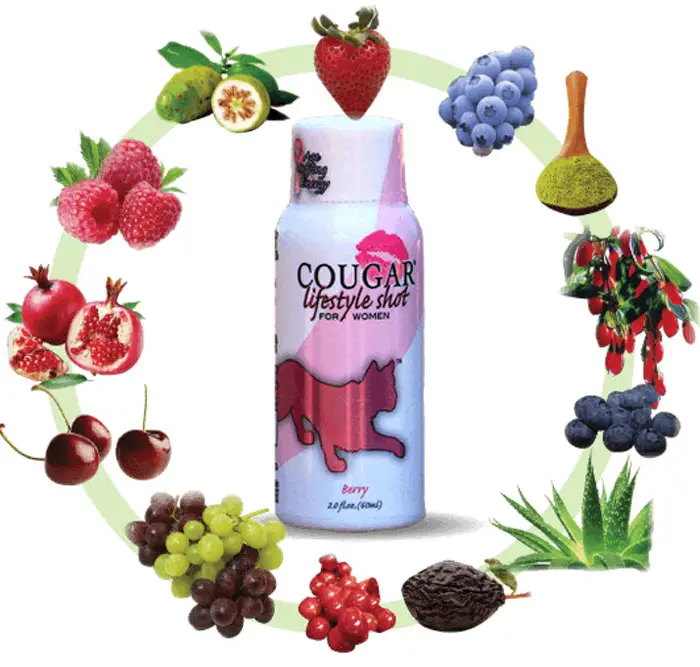
Cougar lifestyle shot berry flavor surrounded by various fruits and natural ingredients from Shark Tank products.
During season 3, an energy drink called Cougar Energy was presented, targeting middle-aged women and claiming benefits beyond energy, such as improved hair, nails, and anti-aging effects. These claims, however, lacked scientific support. Investors were skeptical that a market existed for such a product and believed it wouldn't compete well. Consequently, Cougar Energy did not secure an investment and later experienced low sales, proving the sharks' doubts correct.
20points

#24 No Fly Cone

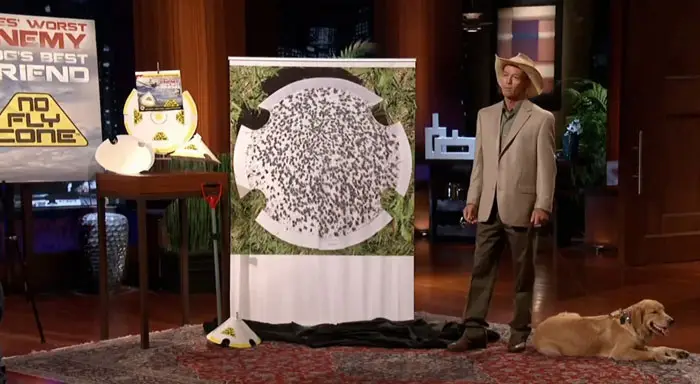
Inventor in a cowboy hat presenting a failed Shark Tank product designed to repel flies, with a dog lying nearby.
In Season 4, an entrepreneur pitched a product called the No Fly Cone, designed as a trap placed over dog waste to catch flies attracted to it. The presentation was notably unusual, even featuring Seth MacFarlane as a special guest. However, investors expressed significant reservations about the product's core function requiring animal excrement. Ultimately, this concern led the sharks to decline offering any funding for the No Fly Cone.
20points

We’re sure that the entrepreneurs on the list learned something from their experience. A successful business isn’t built overnight, and many entrepreneurs make mistakes just to come out the other end stronger and more equipped with experience. So if you, the one reading this, have an itching business idea, don’t be afraid to fail, as it might be a gateway to your success!

#25 Tail Lightz Jeans Accessories
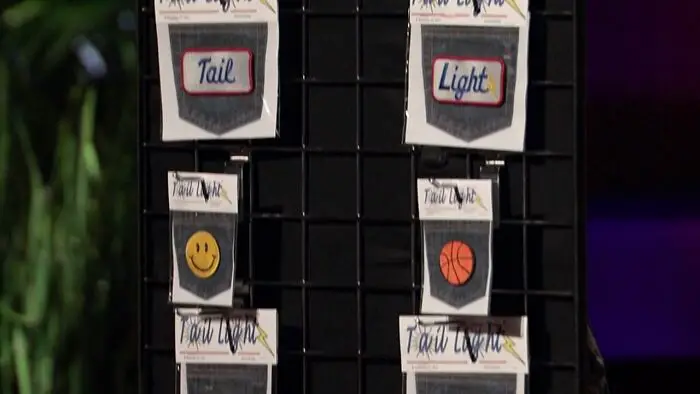
Display of Shark Tank products including denim pockets with patches, representing failed Shark Tank products.
Tail Lightz were light-up patches or stickers designed to attach to jean pockets and other clothing items. Presented with a song and dance, the product aimed to add illuminated flair. However, investors were quickly unimpressed, finding the designs dated and questioning the practicality of sitting on or washing the light-up accessories. Consequently, the product failed to secure any funding from the sharks.
20points

#26 Elephant Chat Communication Tool
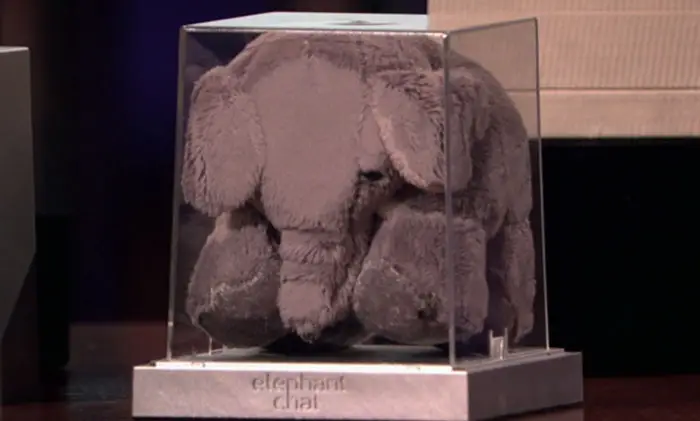
Plush elephant toy displayed in a clear case representing one of the Shark Tank products that completely flopped.
Elephant Chat was a simple stuffed elephant intended as a communication aid for couples. The concept involves one partner displaying the plush elephant when they need to discuss a sensitive issue they've been avoiding. This visual cue serves as a signal to the other partner that it's time to address the "elephant in the room." The product's aim is to facilitate conversations about difficult topics within relationships.
20points

#27 Bed Ryder

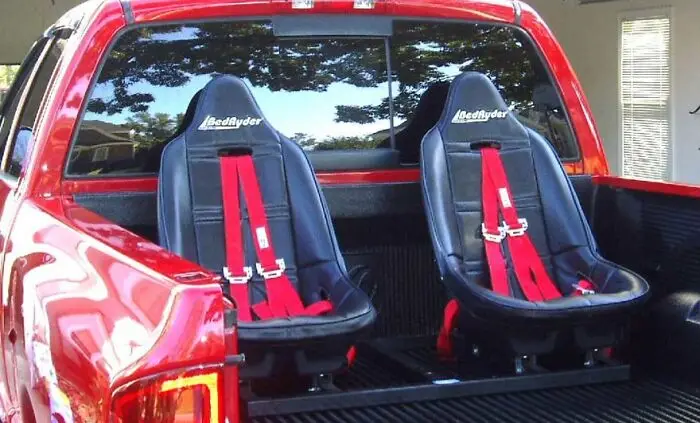
Two black BedRyder seats with red harnesses installed in the bed of a red pickup truck, Shark Tank products flop example.
 Bed Ryder was featured on Shark Tank, showcasing seats designed for installation in the bed of a pickup truck. He demonstrated the concept and used a humorous term to describe the conversion. However, the investors voiced various concerns regarding passenger safety, market unpredictability, and whether the product was truly necessary or practical. Ultimately, these issues led all the sharks to decline investing in the product.
20points

#28 Foot Fairy (2013)

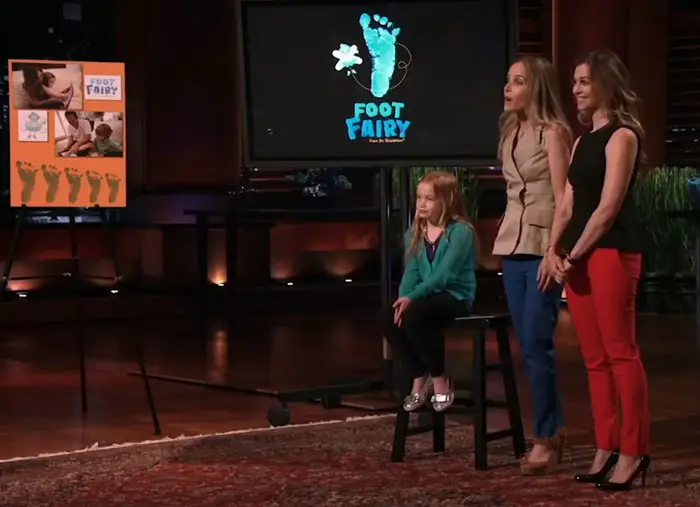
Three women presenting the Foot Fairy product on Shark Tank stage, one seated and two standing, with product display boards nearby.
Foot Fairy was introduced on Shark Tank as a free app designed to help parents accurately measure their children's feet for online shoe purchases, aiming to earn revenue through retailer commissions. Despite having users, the app hadn't generated any actual commission revenue prior to the pitch. Investors were concerned about the app's concept being easily copied and questioned the viability of its business model. Although a conditional offer was made, a deal ultimately didn't materialize, and the app is no longer available.
19points

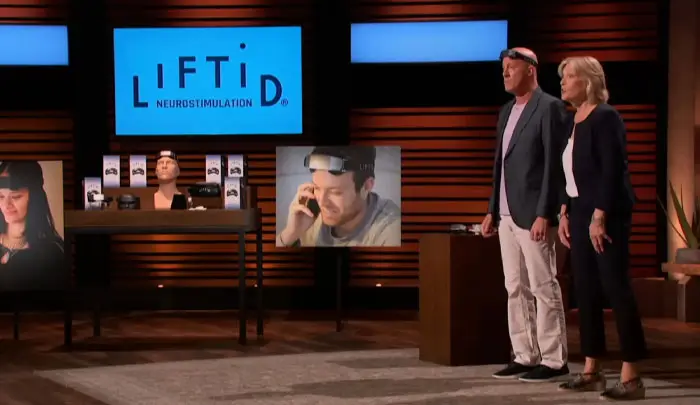
#29 Liftid Neurostimulation

Two presenters pitching a neurostimulation device on Shark Tank, one wearing the product on their head.
Liftid Neurostimulation presented a headband designed to improve focus and memory by sending mild electric currents through the forehead. Despite the founders giving the investors a demonstration, the sharks were skeptical and questioned the scientific basis for the claims. A major issue was discovering the product's own disclaimer stated it had no medical benefits. Ultimately, investors found the pitch unconvincing, with none offering a deal.
19points

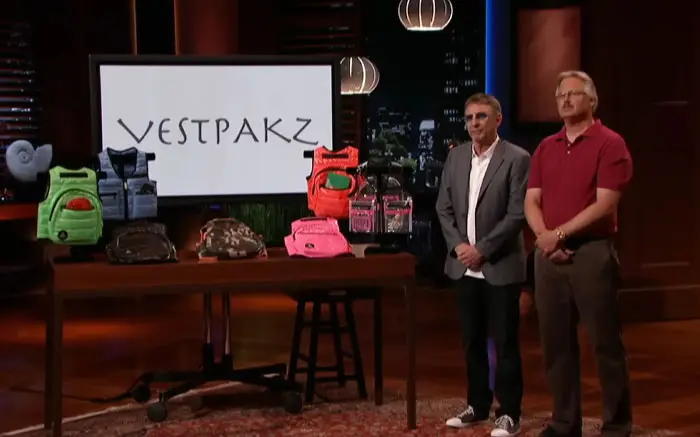
#30 Vestpakz (2014)

Two presenters stand next to a table displaying Vestpakz products on Shark Tank, a notable Shark Tank product flop.
In Season 6, Vestpakz was introduced as a vest-shaped children's backpack designed to alleviate back discomfort and offer ample storage. Despite appearing promising, the product failed to secure an investment from any of the sharks. Although it later reached Walmart stores, sales were very poor, attributed to low customer demand and an unfavorable cost-to-price ratio. Ultimately, Vestpakz ceased operations due to these issues.
18points

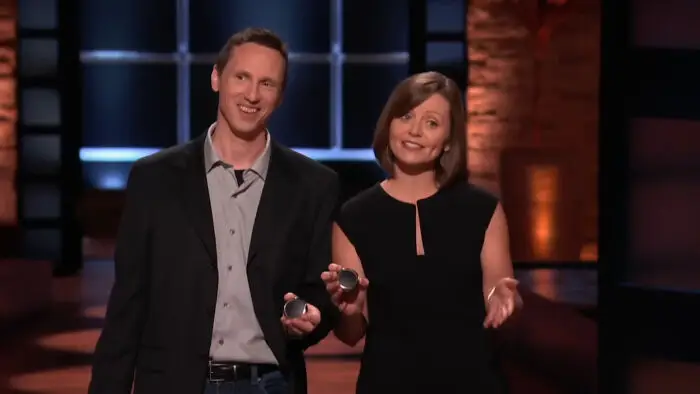
#31 Button For Love

Two presenters on Shark Tank pitching a product, holding small round devices during their presentation.
On Shark Tank, the LoveSync Button was pitched as a bedside gadget enabling partners to discreetly signal their desire for intimacy, with a design intended to avoid the risk of rejection if only one person was interested. Investors found the pitch presentation unorganized and questioned the product's true utility. Concerns were raised that it might hinder rather than help genuine communication within relationships and was seen as unromantic. Ultimately, the product failed to convince any of the sharks to invest.
18points

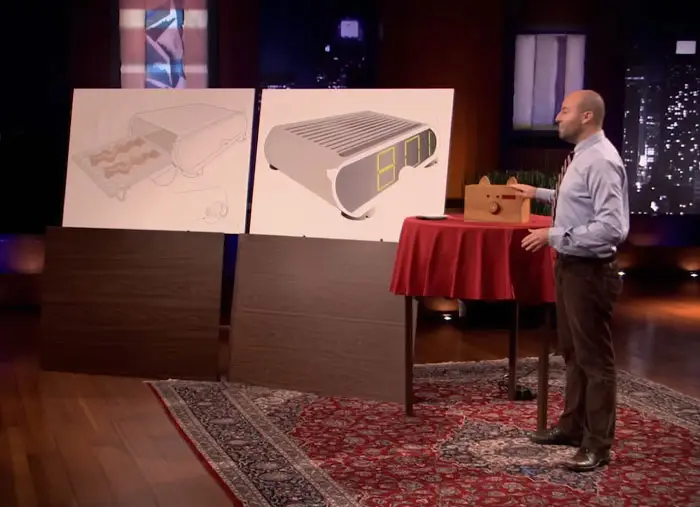
#32 Wake N Bacon (2011)

Man presenting a product prototype on Shark Tank stage with design boards, illustrating Shark Tank products that flopped.
In Season 2, Wake N Bacon was pitched as an alarm clock that cooks bacon shortly before waking the user with its aroma. While the idea generated online interest, investors viewed it mainly as a novelty item with limited practical appeal. Crucially, the entrepreneur lacked fundamental business plans, including safety considerations, pricing, and sales strategies. Despite the product concept, the lack of a solid business foundation led the sharks to pass on the investment.
17points

#33 Chill Systems

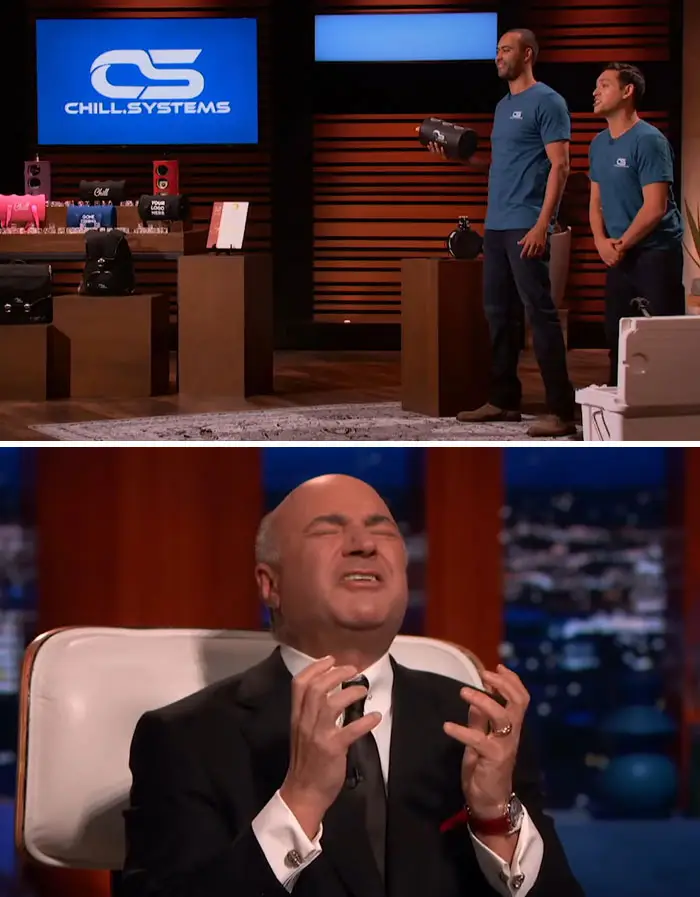
Two entrepreneurs pitching products on Shark Tank with a judge reacting, showcasing Shark Tank products that flopped.
Chill Systems presented a portable cooler featuring built-in freezing gel as an alternative to using ice. The pitch used humor to highlight issues with traditional coolers, but investors quickly pointed out flaws like the need to pre-freeze the unit and its small capacity. Sharks also questioned the sustainability claims given the plastic construction. Ultimately, despite some positive feedback on the founders, no deal was secured for the product.
17points

#34 The Sullivan Generator

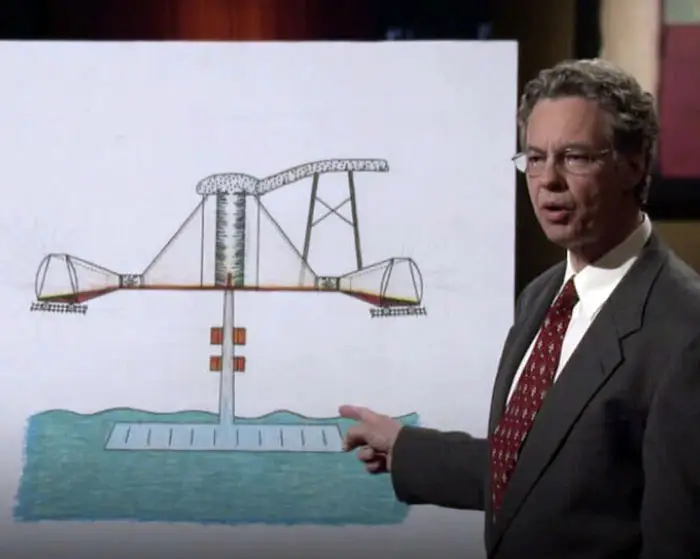
Man in suit presenting a product design on a large board, one of the shark tank products that completely flopped
An inventor pitched the Sullivan Generator on Shark Tank, claiming it could produce electricity from saltwater while extracting precious metals. The entrepreneur presented the concept using drawings and highly questionable scientific claims, asserting vast prior success with inventions. Although some investors initially considered an offer, others were extremely skeptical, deeming the idea a potential scam. Ultimately, doubts about the technology's legitimacy prevailed, and no deal was made.
17points

#35 Prank-O Gift Boxes

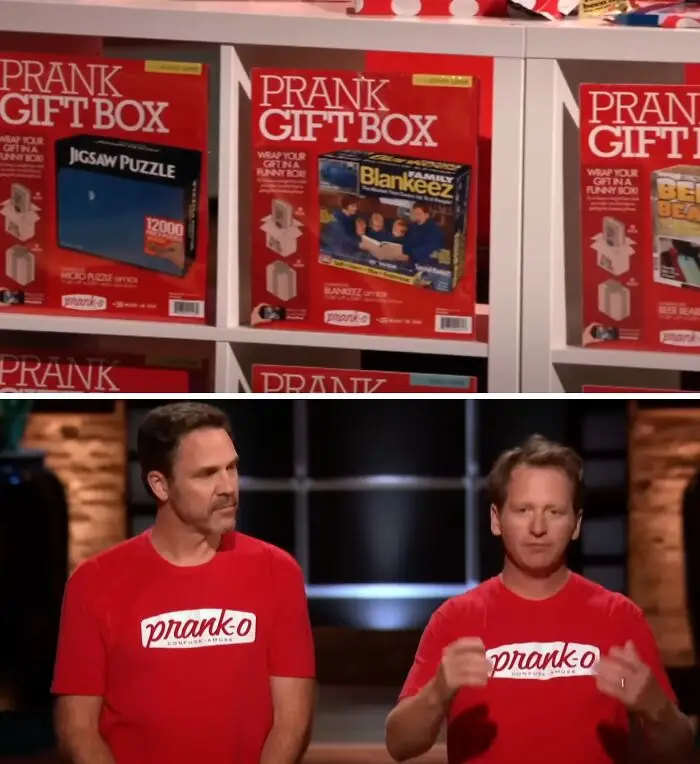
Shark Tank products prank gift boxes displayed on shelves with inventors pitching in matching red shirts on the show.
Prank-O was founded by individuals looking to create entertaining gifts using deceptive packaging. The product consists of empty boxes featuring outlandish or unusual gift ideas printed on the exterior. These novelty boxes are designed to hold the actual present inside, leading the recipient to believe they are receiving something entirely different.
17points

#36 Rolodoc

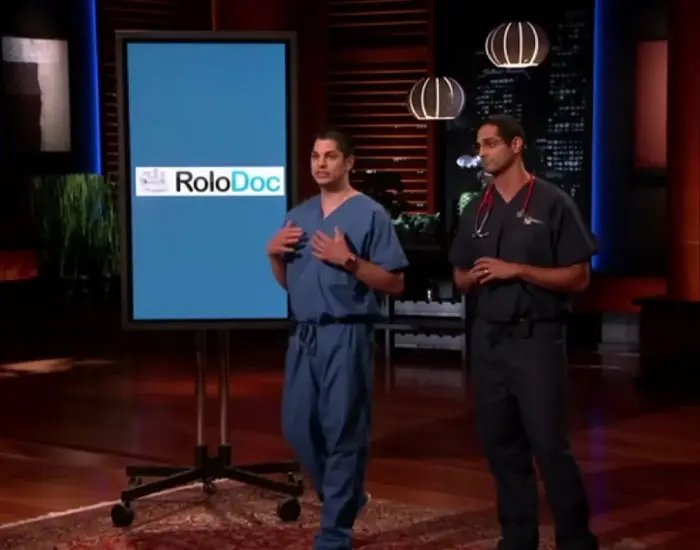
Two men in medical scrubs presenting Shark Tank products with a display screen showing a product logo indoors.
In Season 5, two doctor brothers proposed Rolodoc, a concept for a social network intended to connect patients directly with medical professionals. They aimed to secure funding for this platform designed to update communication methods. However, investors expressed major concerns regarding the product's value, marketing strategy, potential revenue streams, and significant liability issues. Ultimately, the sharks found the idea unconvincing and the pitch problematic, deciding not to invest.
16points

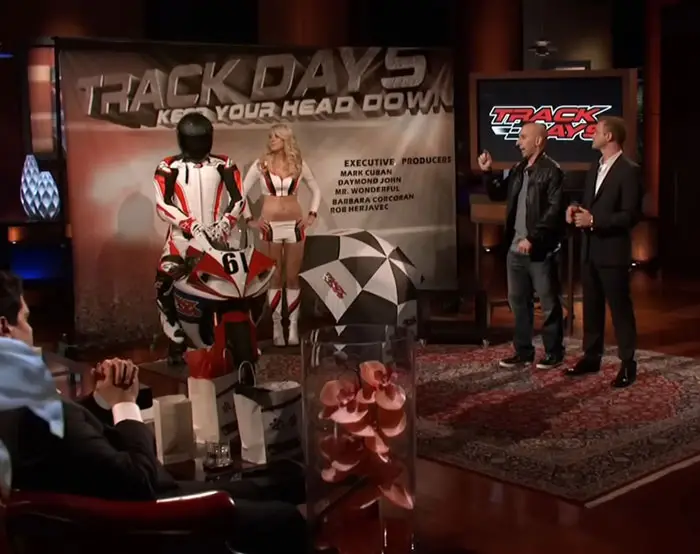
#37 Track Days

Pitching the Trackdays motorcycle safety product to investors on a Shark Tank episode about Shark Tank products that flopped.
In Season 4, filmmakers sought a substantial $5 million investment to produce a motorcycle racing action film. The concept was immediately met with doubt from the investors, particularly regarding the viability of a film project. The entrepreneurs' presentation, featuring a very basic trailer, was criticized by the sharks for lacking substance and a clear path forward. Consequently, the ambitious movie pitch failed to secure any funding on the show.
16points

#38 Viewsport Sweat-Activated Workout Shirts
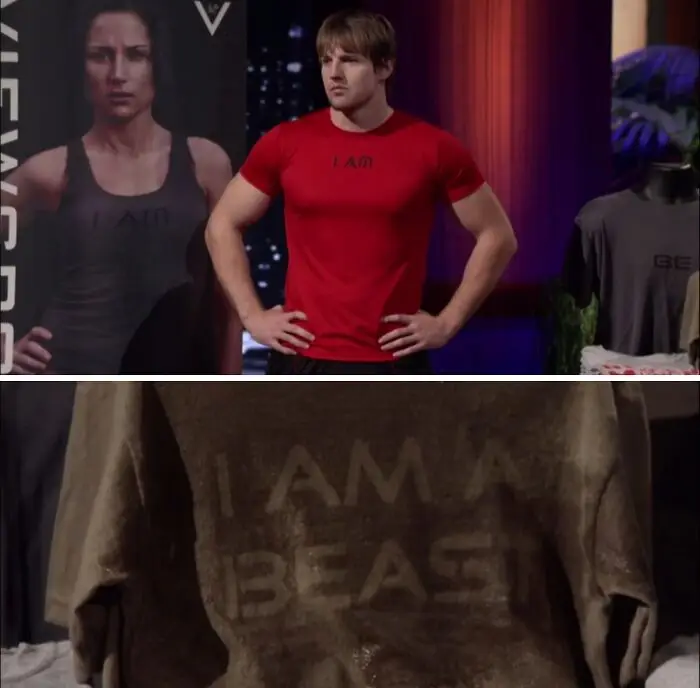
Young man presenting fitness shirt on Shark Tank, illustrating one of the Shark Tank products that completely flopped.
Viewsport presented t-shirts featuring messages that become visible only as the wearer sweats during exercise. This concept utilizes sweat-activated technology to reveal hidden text. The product is based on the idea that increased sweating reveals more of the hidden design.
16points

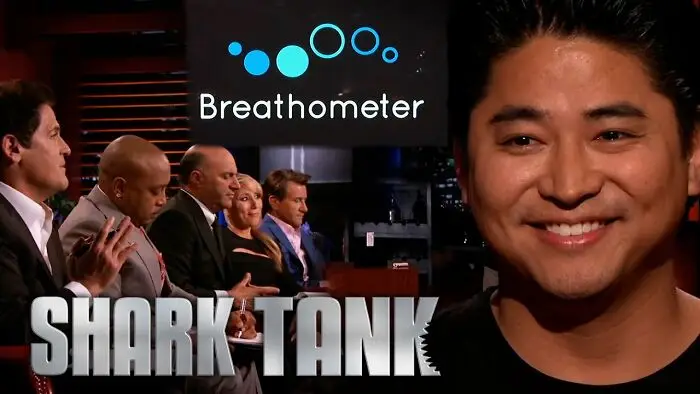
#39 The Breathometer (2013)

Entrepreneur presenting Breathometer product to Shark Tank judges during a pitch session featuring Shark Tank products that flopped.
Appearing on the show in season 5, the Breathometer, a smartphone-connected breathalyzer, seemed promising and garnered a large $1 million investment from all five sharks. Following the investment, challenges emerged as the business couldn't handle demand and the product proved inaccurate. Regulatory issues arose due to its poor performance. Ultimately, the device was pulled from the market, resulting in the loss of the significant investment.
15points

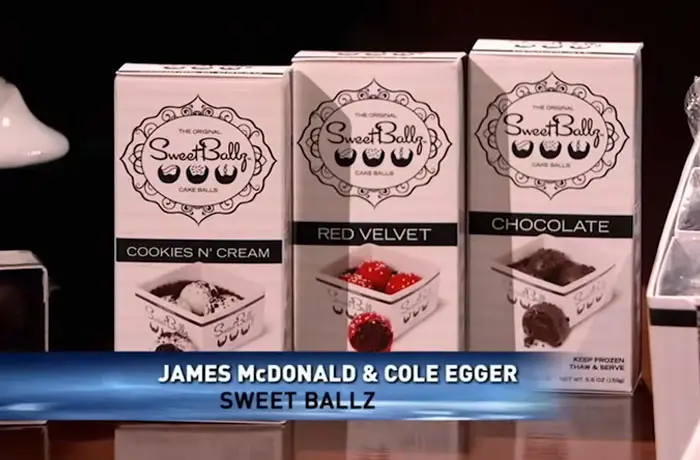
#40 Sweet Ballz (2013)

Sweet Ballz cake balls in cookies n' cream, red velvet, and chocolate flavors featured among Shark Tank products that flopped.
Sweet Ballz, a company selling cake balls, successfully secured a $250,000 investment from two sharks in season 5. However, the co-founders later experienced a significant personal conflict, even leading to legal issues between them. While the business continues today, its potential growth was severely limited by this broken partnership. This case stands out as a failure of the business relationship rather than the product itself.
15points
16
1