

#1
#2
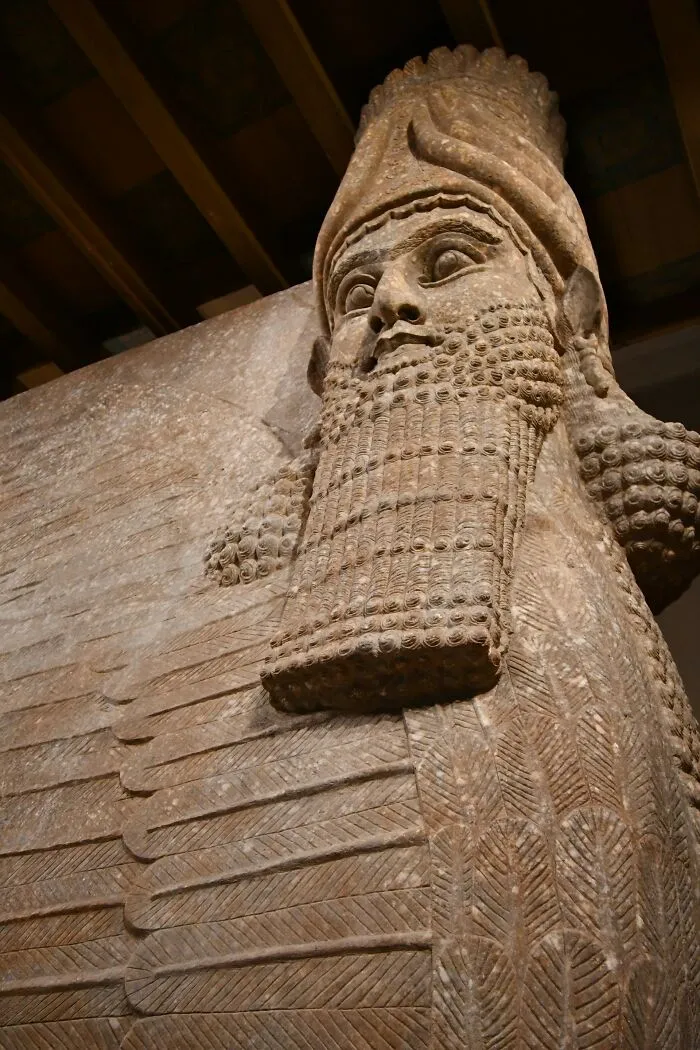
The thought of destroying some 2000 year old statue just because I don't believe in their philosophy is beyond criminal to me, it is a crime against all of humanity. I mean, who the f**k are you to think you are so important you can destroy something so valuable?
EDIT: My apologies, didn't mean to single out Muslims or infer ISIS is synonymous with all Muslims. The only examples that came to mind for me were the Middle East and Asia since so much has been destroyed there. I will freely acknowledge Christians have also done their share of this b******t as well. And I saw the Australian example that happened just this decade. Man, we f*****g humans suck.
#3

When we try to explain modern cruelty, we often say we are acting like “savages” or returning to the “Stone Age.” The popular story goes that our ancient ancestors lived in constant conflict driven by starvation and the total absence of laws.
Except research tells a completely different story.
When archaeologists look at the actual physical evidence from the Paleolithic era, they do find signs of violence — mostly tied to ceremonial cannibalism or isolated, personal fights. What they do not find is war. There is virtually no evidence that early human groups gathered to systematically slaughter one another.
Instead, for hundreds of thousands of years, humans managed to live without mass warfare. Early populations were tiny, food was abundant, and groups moved freely across open land. Society was largely egalitarian, meaning no ambitious kings or warlords existed to order armies into combat.
#4
#5

#6

Survival for early hunter-gatherers was a team sport. Small bands depended entirely on cooperation, sharing food, and sticking together just to stay alive and raise the next generation.
The image of the club-wielding, bloodthirsty caveman is actually a modern fiction. Thinkers and artists in the 19th and 20th centuries essentially invented the “savage prehistoric human” myth to brag about how much civilization had improved humanity.
Studies show that the real shift toward widespread conflict came during the Neolithic period — the moment humans stopped roaming and settled down.
#7
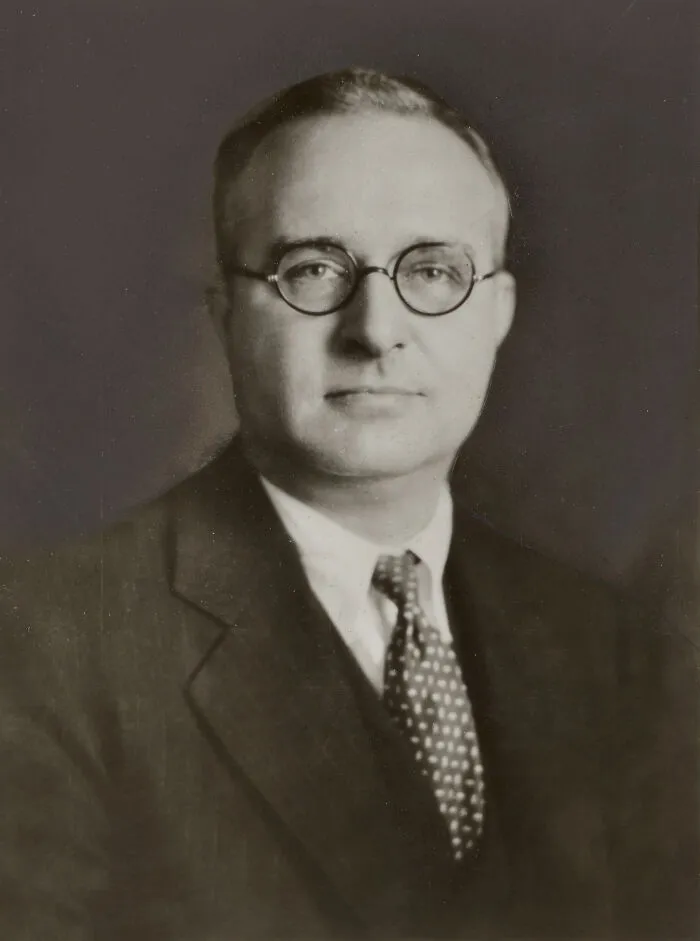
Environmental historians have said that he has had the single largest impact on the Earth's atmosphere of any single organism in the history of the planet.
Not to mention that lead levels directly correspond to lower cognitive abilities in the general population and you can look up the dates to know who would have been affected.
#8
#9

As the climate warmed, people began farming, breeding livestock, and hoarding extra food. Populations spiked, permanent towns formed, and powerful ruling classes emerged. Suddenly, groups had valuable land and resources to defend — and strongmen eager to grab more.
It turns out large-scale violence didn’t start with primitive instincts. It started when humans created stuff worth fighting over.
“Violence is not inscribed in our genes. Its appearance has historical and social causes – the concept of ‘primordial (original) violence’ is a myth. War is therefore not inseparable from the human condition, but is the product of societies, and the cultures it generates,” says Marylène Patou-Mathis, a research director at the French National Centre for Scientific Research.
#10
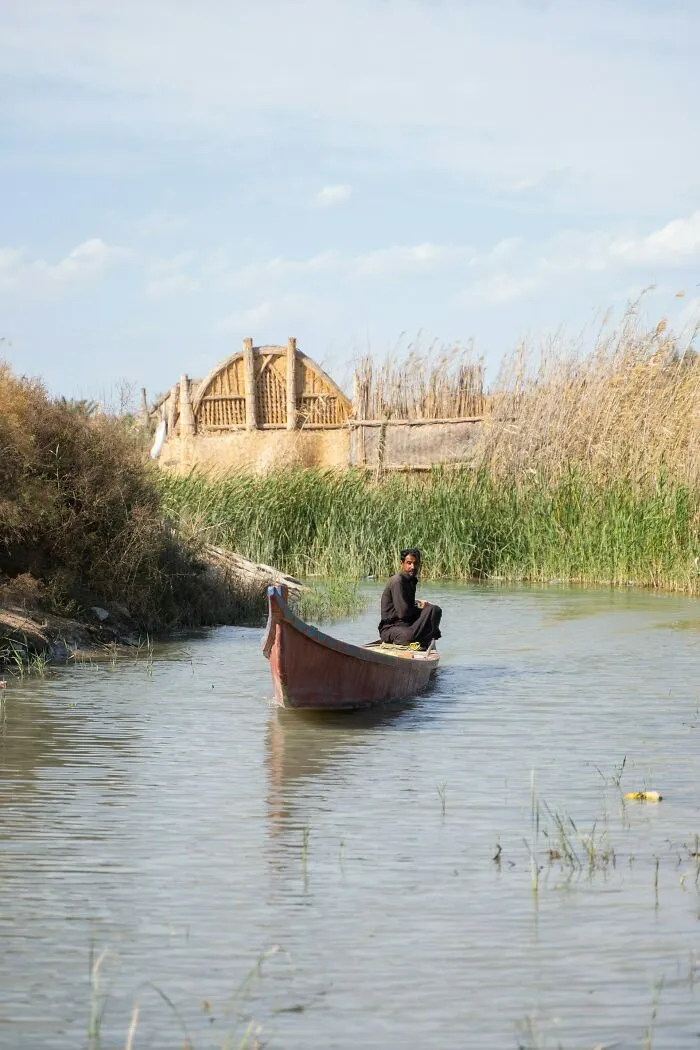
Problem solved.

#12

To turn mass violence into a tool of policy, society had to invent something beyond ownership, borders, and wealth: a mechanism that allows ordinary humans to harm each other without remorse.
That psychological engine is dehumanization.
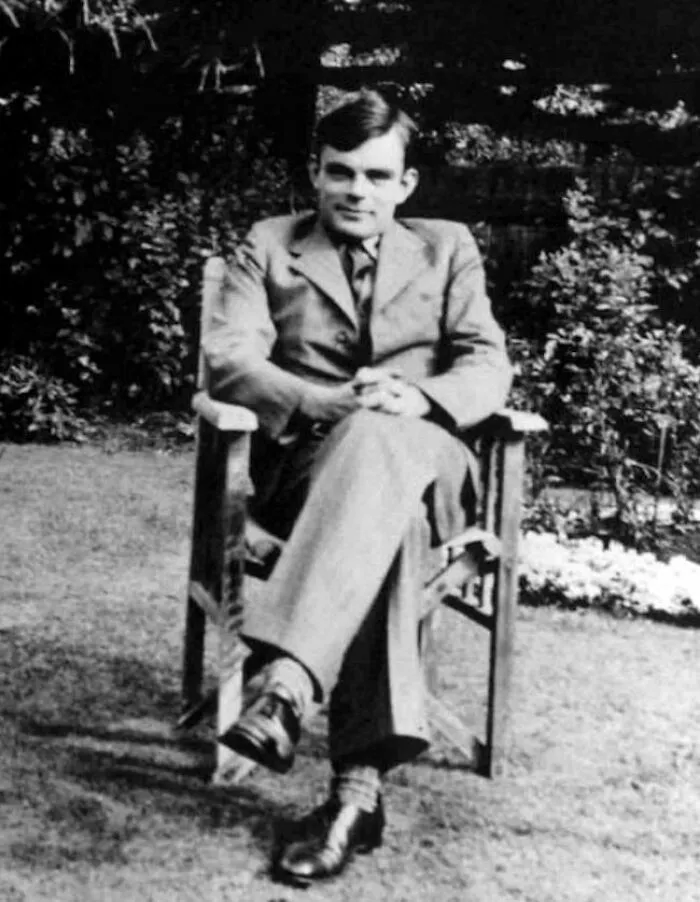
Before people can systematically destroy another group, they must first convince themselves that their targets are not truly human. History shows a chillingly consistent pattern of how this works. During the Holocaust, Nazi propaganda systematically labeled Jewish people as “rats.” Before the 1994 genocide in Rwanda, Hutu radio broadcasts repeatedly branded Tutsis as “cockroaches.”
#13
#14
#15
Dehumanization is not a recent tactic. Traces of this rhetoric appear in the earliest surviving writings of ancient Mesopotamia, Egypt, and China, where conquerors described their enemies as subhuman.
In his book ‘Less Than Human,’ philosopher David Livingstone Smith notes that understanding this mental shift is critical to preventing future atrocities. It goes far deeper than insulting language or dramatic metaphors. “When people dehumanize others, they actually conceive of them as subhuman creatures. Only then can the process liberate aggression and exclude the target of aggression from the moral community,” he says.
Resource hoarding during the Neolithic era might have created the first reasons to fight, but dehumanization provided the moral permission. This proves once again that cruelty on a grand scale is not an ancient instinct, but a carefully constructed social invention.
#16

#17

#18
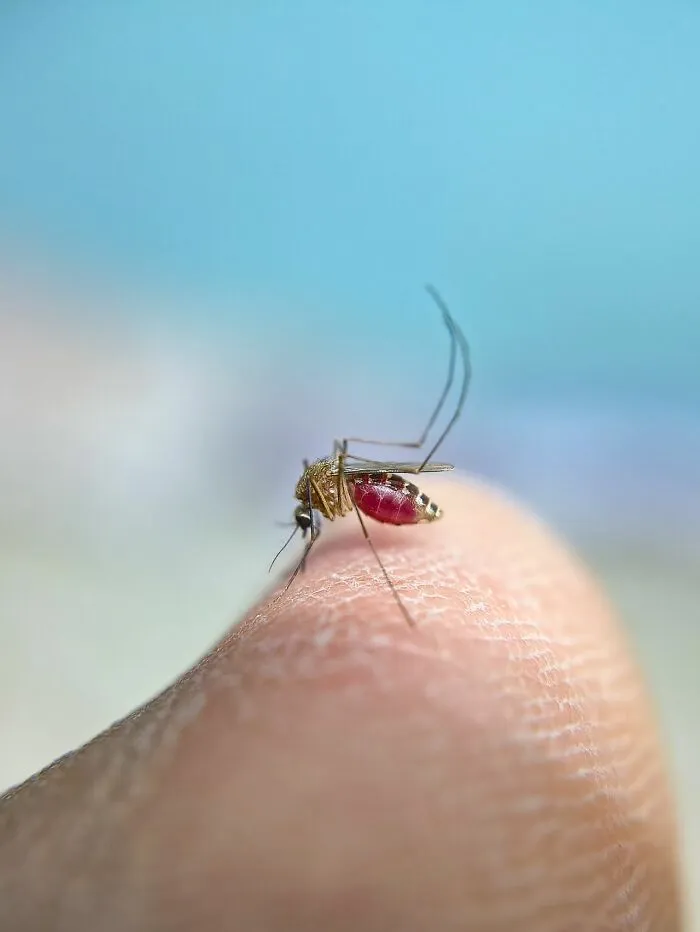
At the root of almost every historical betrayal, land grab, or selfish act is a far simpler trait: unchecked self-interest. In the 1600s, English philosopher Thomas Hobbes famously argued that self-interest is the most fundamental human motivation. But that is only half the story.
Modern research reveals that human behavior is rarely so one-dimensional — we are driven just as much by altruism, empathy, and deep moral considerations as we are by personal gain.
So what makes certain individuals cross the line into total selfishness? According to experts, a big piece of the puzzle lies in emotional intelligence.
“Emotional intelligence exists on a spectrum, and some individuals are higher in emotional intelligence than others. One symptom of low emotional intelligence is the tendency to be self-absorbed, or exclusively concerned about what you’re thinking, feeling, needing and wanting, instead of the thoughts, feelings, needs and desires of others,” explains Psychologist Lisa Marie Bobby.
#19
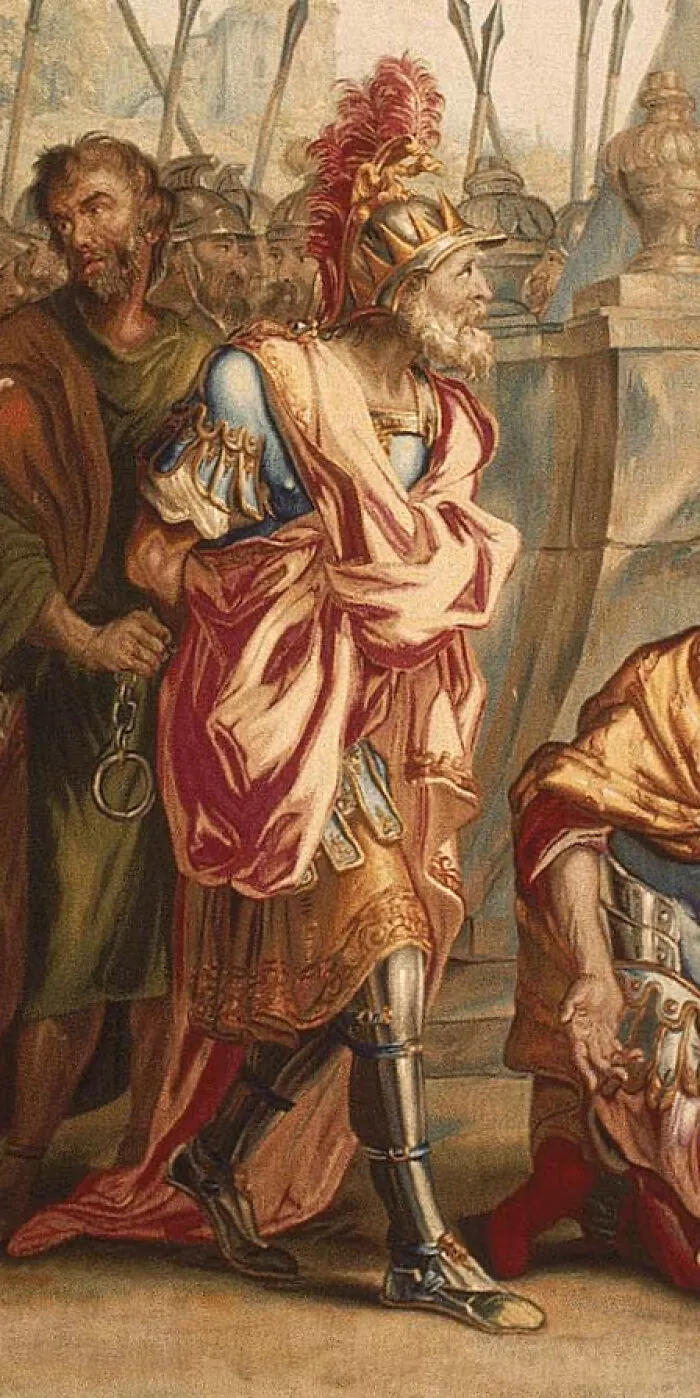
Herodotus tells the story how King Astyages, the last king of Media, had a dream that his daughter would give birth to a king who would overthrow him. So he orders his General Harpagus to k**l the child at birth. Harpagus doesn't want to k**l the baby/spill royal blood, so he gives the child (Cyrus) to a shepherd to raise.
Ten years later Cyrus is discovered alive. King Astyages fakes being happy that the kid is alive, suggesting he always regretted issuing that order. To celebrate he plans a feast and tells Harpagus to send his son over to play with Cyrus.
During the banquet, King Astyages has the son of Harpagus k****d, cooked, and fed to Harpagus. When the act was revealed, it is said that Harpagus did not react other than to gather the pieces of his son and remove them for burial.
Harpagus bides his time.
Much later, Cyrus is gathering forces against King Astyages. Astyages orders Harpagus, as his primary general, to lead the army against Cyrus. After a three-day battle, Harpagus took his revenge for the d***h of his son by turning on the battlefield in favor of Cyrus, resulting in Astyages' defeat and the formation of the Persian Empire.
#20