

Bored Panda
65 Medical Takes That Went So Spectacularly Wrong The Internet Had To Set The Record Straight (New Pics)
Funny,FailsSEP 15, 2026

65 Medical Takes That Went So Spectacularly Wrong The Internet Had To Set The Record Straight (New Pics)

39
14
Living in today’s digital age has one major downside. Instant access to information has made people more susceptible to believing inaccuracies and fallacies, which can be dangerous. 
This has led some folks to spout out their most horrible perspectives and sell them as the most unshakeable facts to live by. A lot of these you will find on the Bad Medical Takes social media page, which may make you wonder and even worry about where humanity is headed. 
Go ahead and scroll through, but be forewarned that a lot of these may infuriate you.

#1

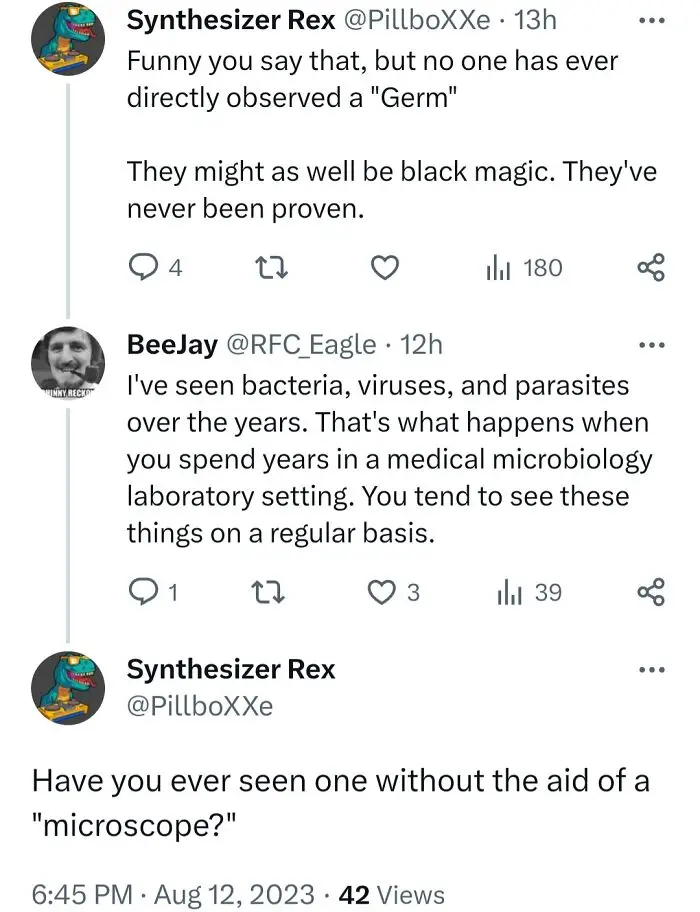
Social media posts with terrible medical takes questioning the existence of germs without a microscope.
37points

#2

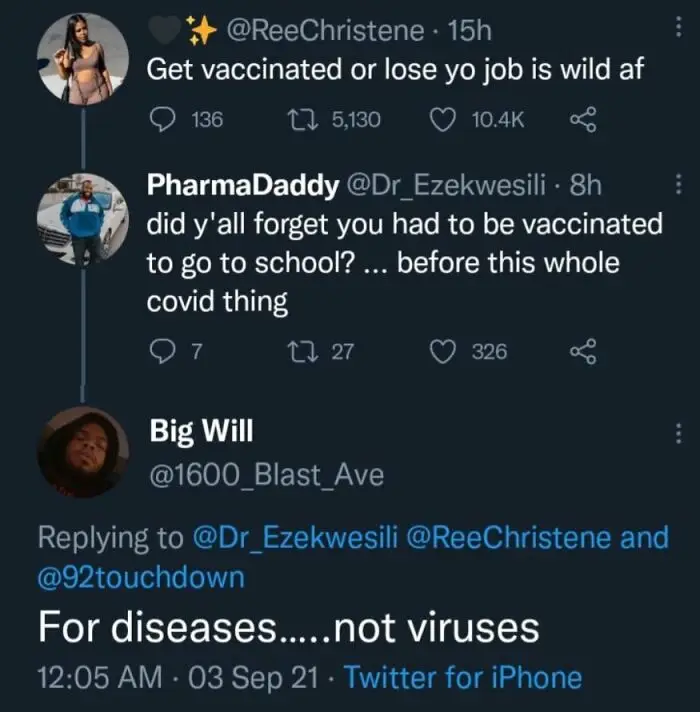
A social media exchange with terrible medical takes on vaccines for diseases versus viruses.
33points

#3

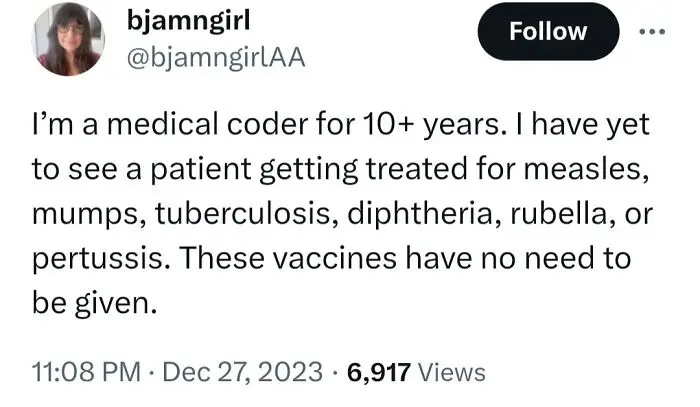
A social media post from a medical coder claiming vaccines are unnecessary for measles, mumps, tuberculosis, diphtheria, rubella, or pertussis.
30points

While medical misinformation has always existed, the height of the COVID-19 pandemic in 2020 and 2021 made it worse. Many people refused to trust and follow medical experts' advice and instead chose to believe random information they picked up elsewhere. 

According to Harvard Medical School faculty member Dr. Robert H. Shmerling, this dangerous trend likely stems from a mix of distrust in real experts and unfounded suspicions.
#4

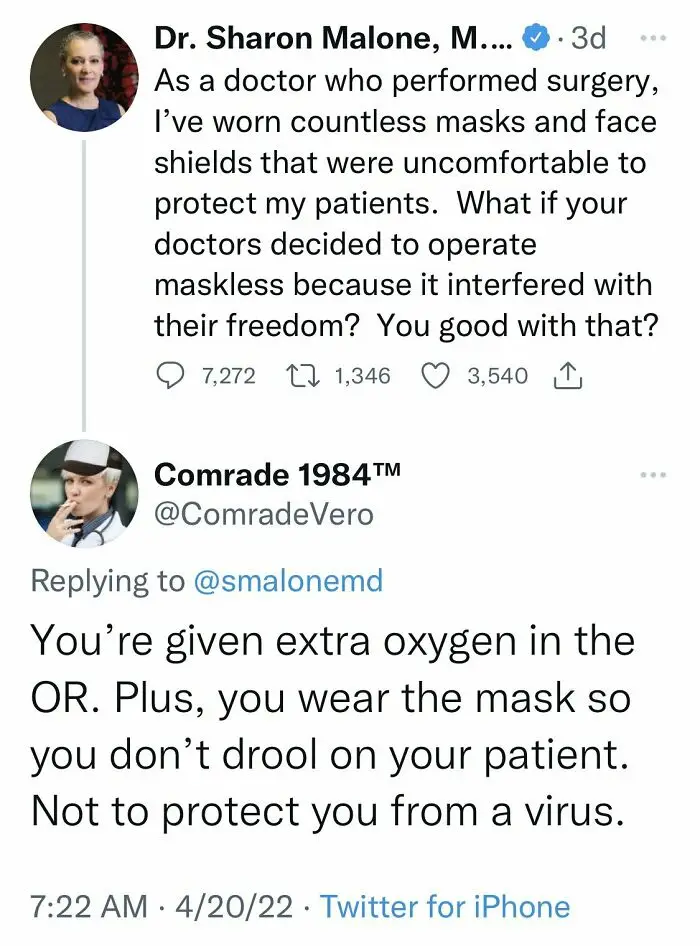
Screenshot of a social media exchange on terrible medical takes about doctors wearing masks during surgery.
30points

#5

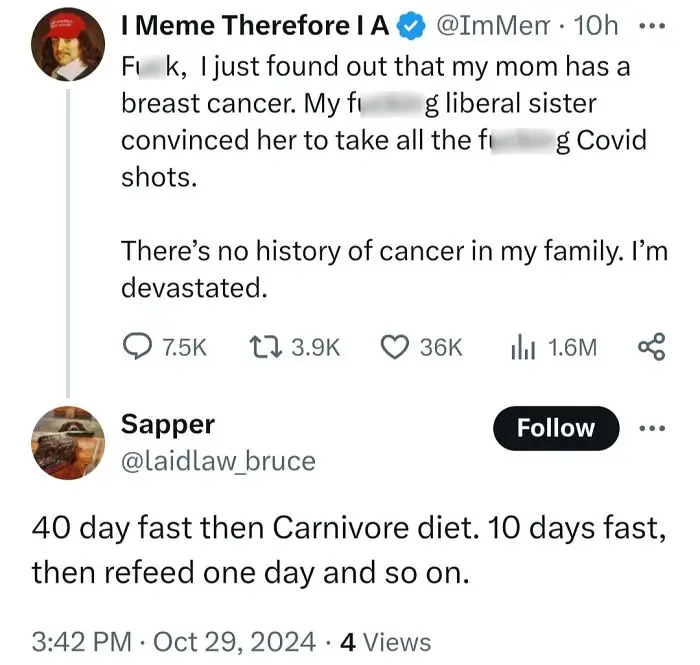
A tweet sharing terrible medical takes, recommending a carnivore diet to cure breast cancer.
27points

#6

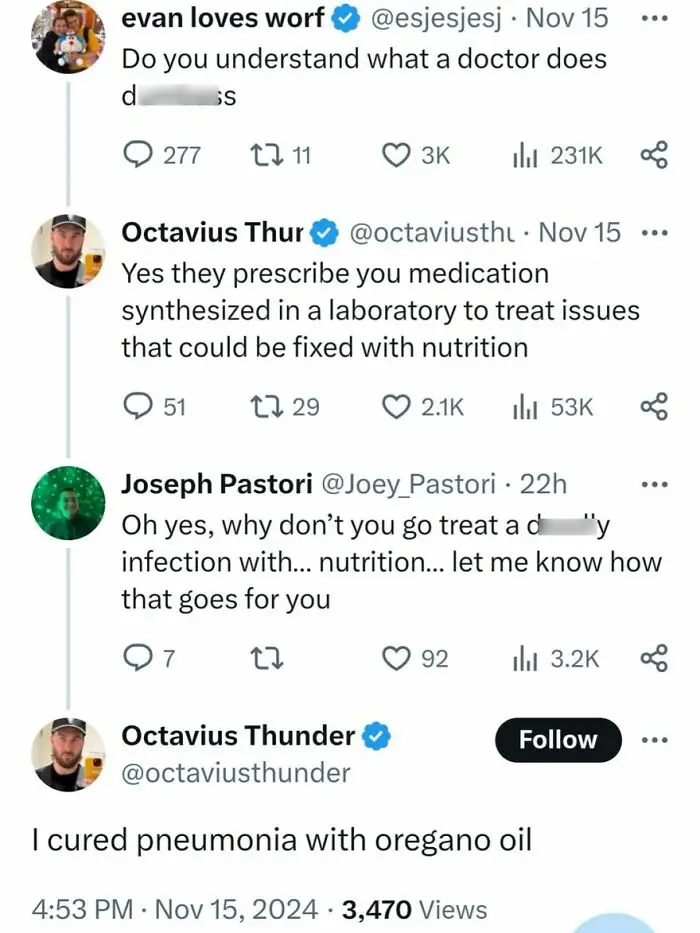
Screenshot of a tweet thread showing terrible medical takes on doctors, medication, and nutrition.
26points

“Some people see recommendations regarding COVID-19 as attacks on American values,” Dr. Shmerling wrote in a 2021 article for Harvard Health Publishing. “At the same time, many who dismiss the advice of true experts are embracing unproven and potentially dangerous remedies, such as ivermectin pills and Betadine gargles.”

Dr. Shmerling shared possible reasons people began trusting anyone but medical experts and forming their own misguided takes. Apart from politics and social media, pseudo-experts like radiologists, cardiologists, and chiropractors – people who have actual credentials – are also making controversial opinions online.
#7

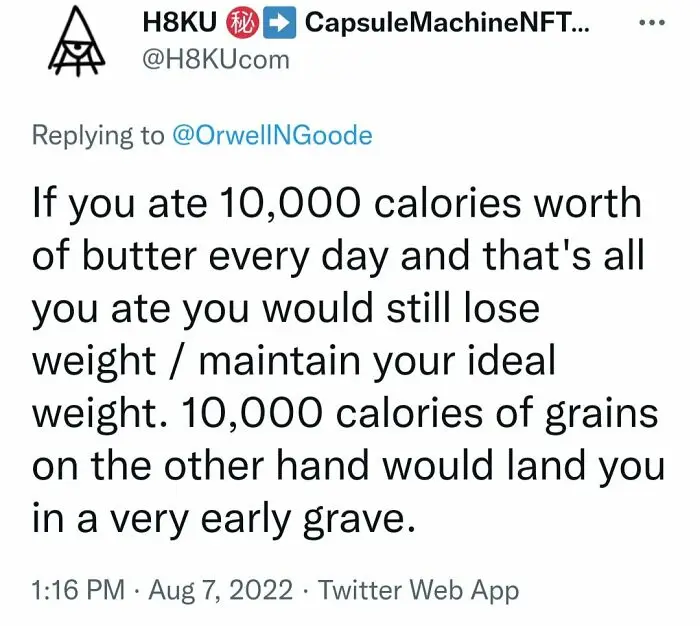
A social media post with a terrible medical take about calorie intake from butter vs. grains.
25points

#8

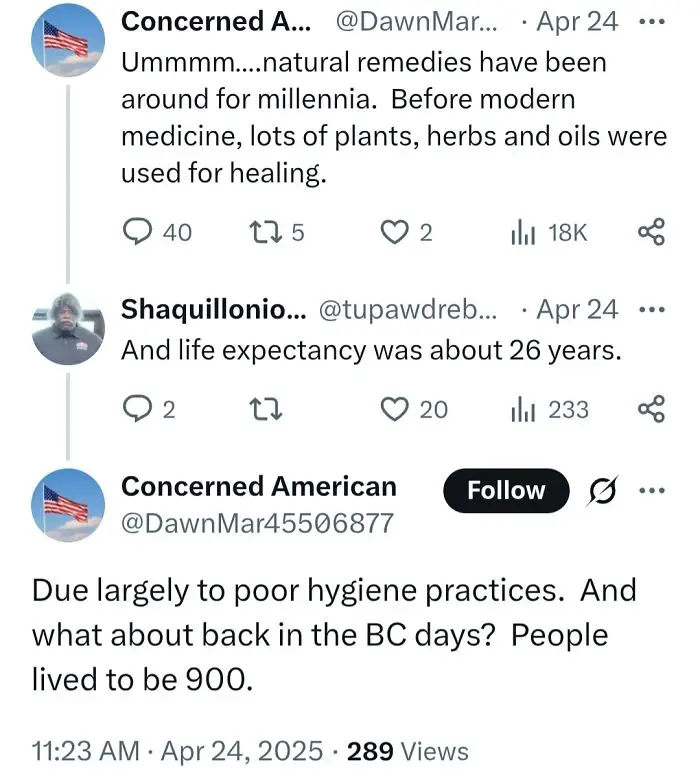
A Twitter conversation about terrible medical takes, contrasting natural remedies with historical life expectancy.
23points

#9

A tweet sharing terrible medical takes, suggesting babies should eat regular food instead of baby formula.
23points

Dr. Shmerling shared possible reasons people began trusting anyone but medical experts and forming their own misguided takes. Apart from politics and social media, pseudo-experts like radiologists, cardiologists, and chiropractors – people who have actual credentials – are also making controversial opinions online.

But what about doing your own research? That, too, can be tricky and risky, according to Dr. Shmerling.
#10

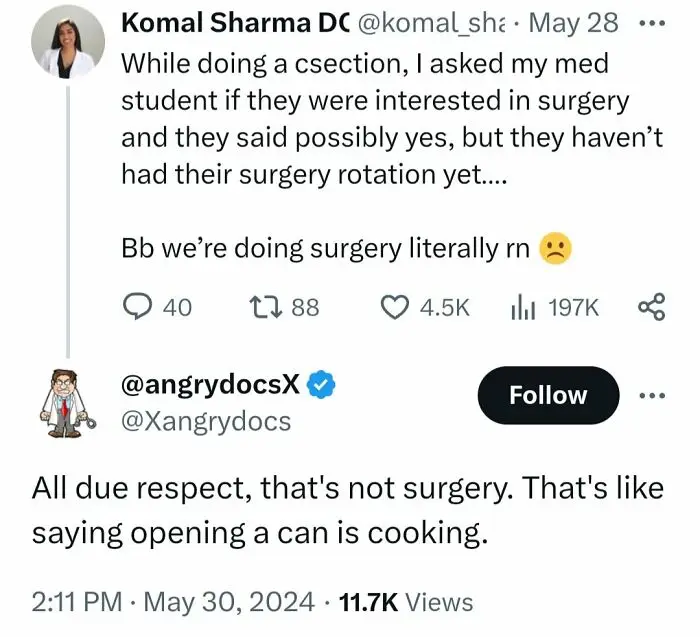
A Twitter post discussing terrible medical takes, where a C-section is incorrectly called surgery.
21points

#11

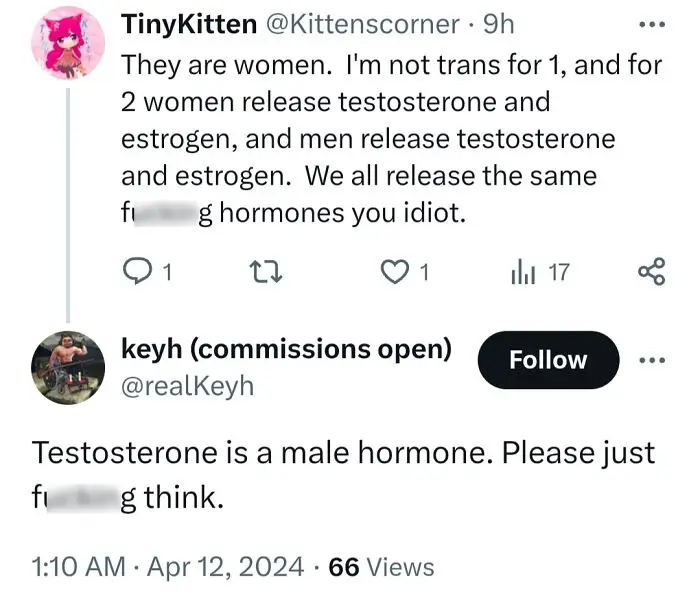
A Twitter conversation about medical takes, specifically gender hormones, showing conflicting views.
21points

#12

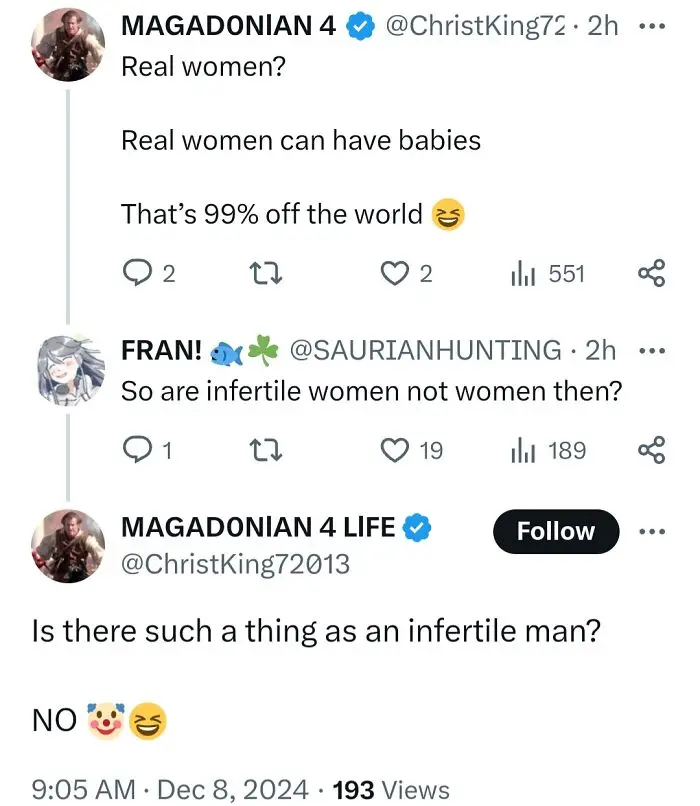
A social media conversation with terrible medical takes about real women and infertility.
21points

The problem with doing one's own research when it comes to medical facts is that data isn't always reliable, especially if you don't have the expertise for it. That is why Dr. Shmerling's most important advice is to always turn to professionals who can give more reliable takes.

"It's important to ask questions. But pose them to your doctor. Rely less on people who tell you what you want to hear, and more on those who trained in science and whose careers have been devoted to improving health," he wrote.
#13

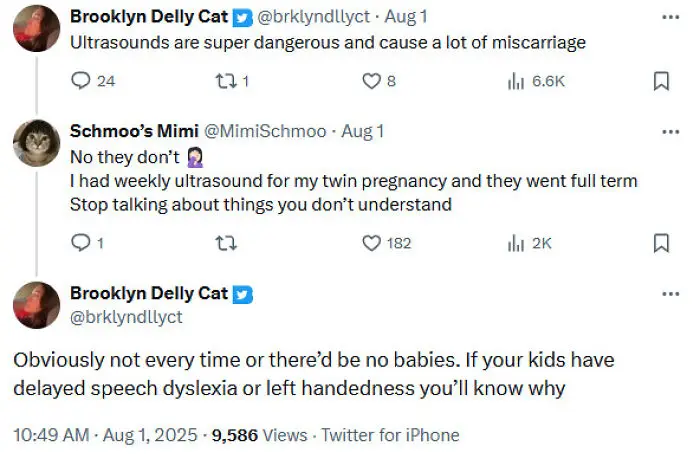
A social media post with terrible medical takes claiming ultrasounds are dangerous and cause miscarriage, linking them to dyslexia and left-handedness.
21points

#14

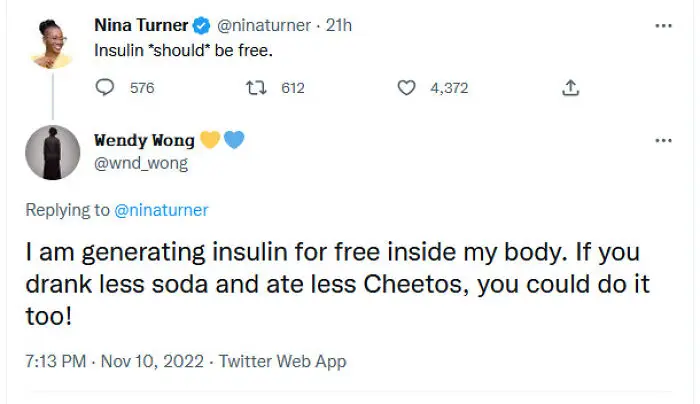
A Twitter conversation with terrible medical takes about insulin generation in the body for free.
19points

#15

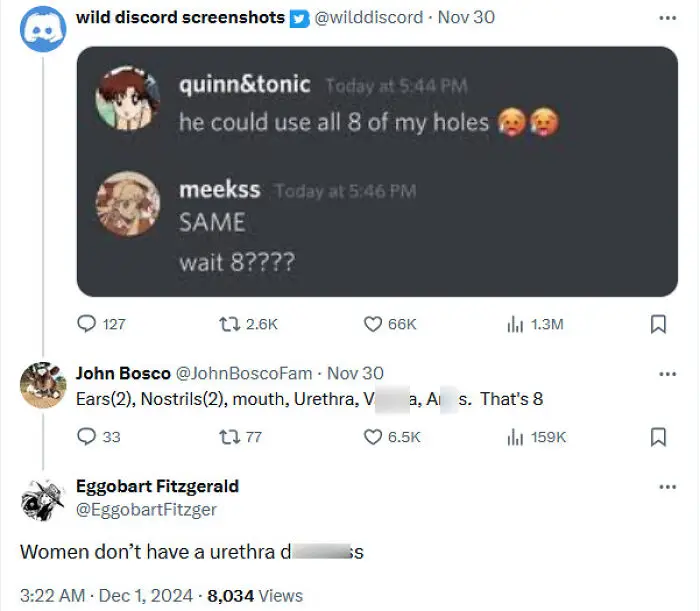
Screenshot of a social media discussion about terrible medical takes on human anatomy and orifices.
18points

Spotting medical inaccuracies can be tricky, especially for people who rely on reputable news sites for their information. Often, these articles don't include the full story.

This is why the Mayo Clinic emphasizes the importance of going the extra mile and doing due diligence. If you're using news outlets, one thing to check are quotes of the study's authors.
#16

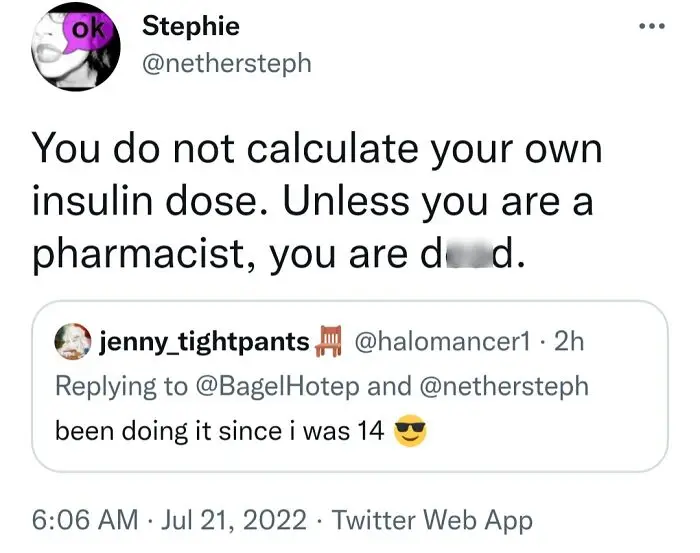
A tweet about a terrible medical take claiming only pharmacists can calculate insulin doses.
17points

#17

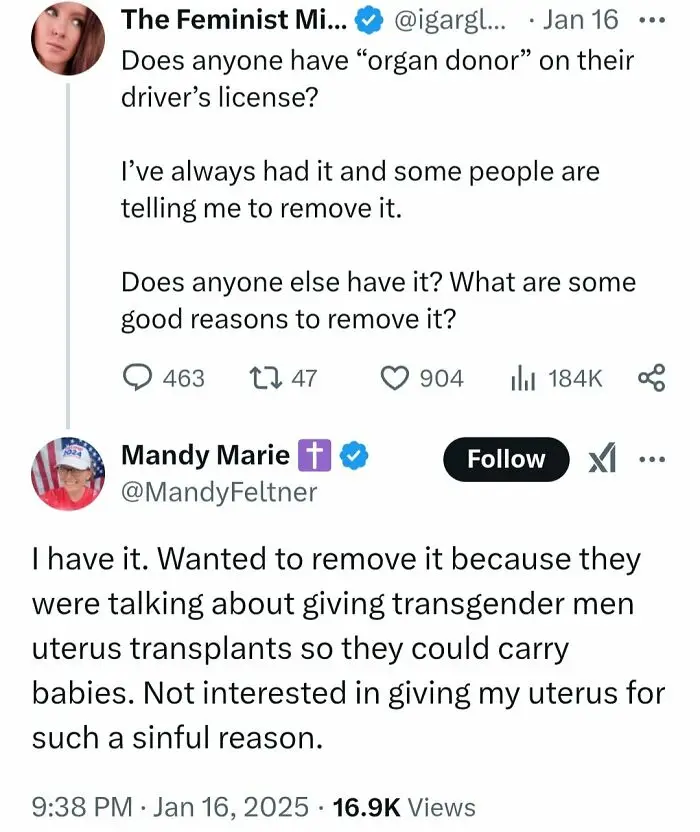
A tweet thread about terrible medical takes, discussing organ donor status and uterus transplants for transgender men.
17points

#18

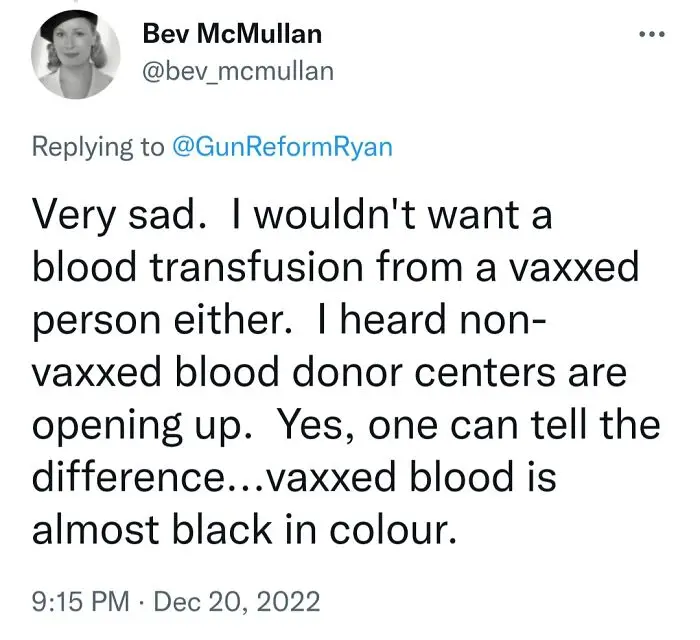
A social media post with a terrible medical take about refusing blood transfusions from vaccinated individuals, claiming vaxxed blood is black.
16points

You can even go a step further and find the original study the news reported on, whether it's a medical journal article or a piece written by ann expert. If needed, have someone credible interpret it for you.

"If you need help understanding the study or how it relates to the overall research, ask your health care team to help explain it," the Mayo Clinic advises.
#19

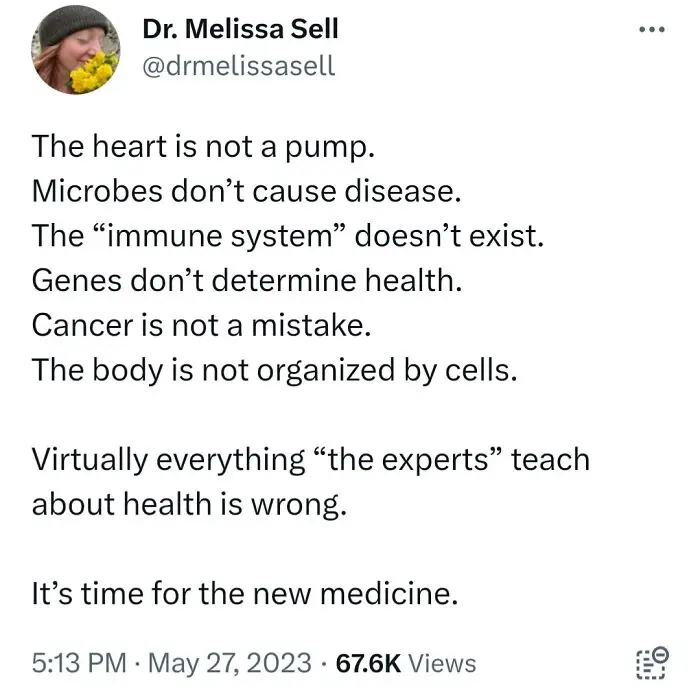
A Twitter post featuring multiple terrible medical takes, including the heart not being a pump and microbes not causing disease.
15points

#20

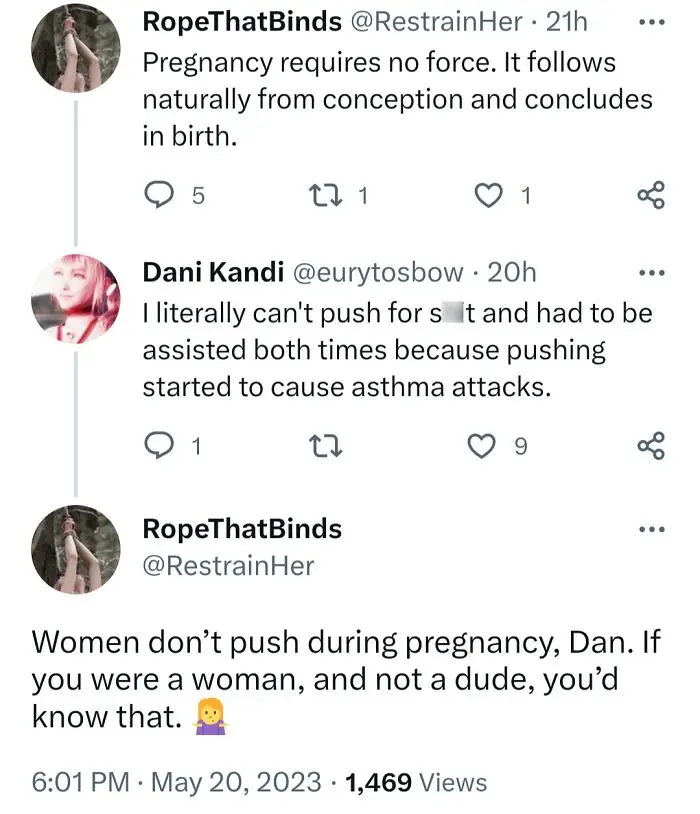
Screenshot of a social media exchange on terrible medical takes concerning pregnancy and childbirth.
15points
39
14