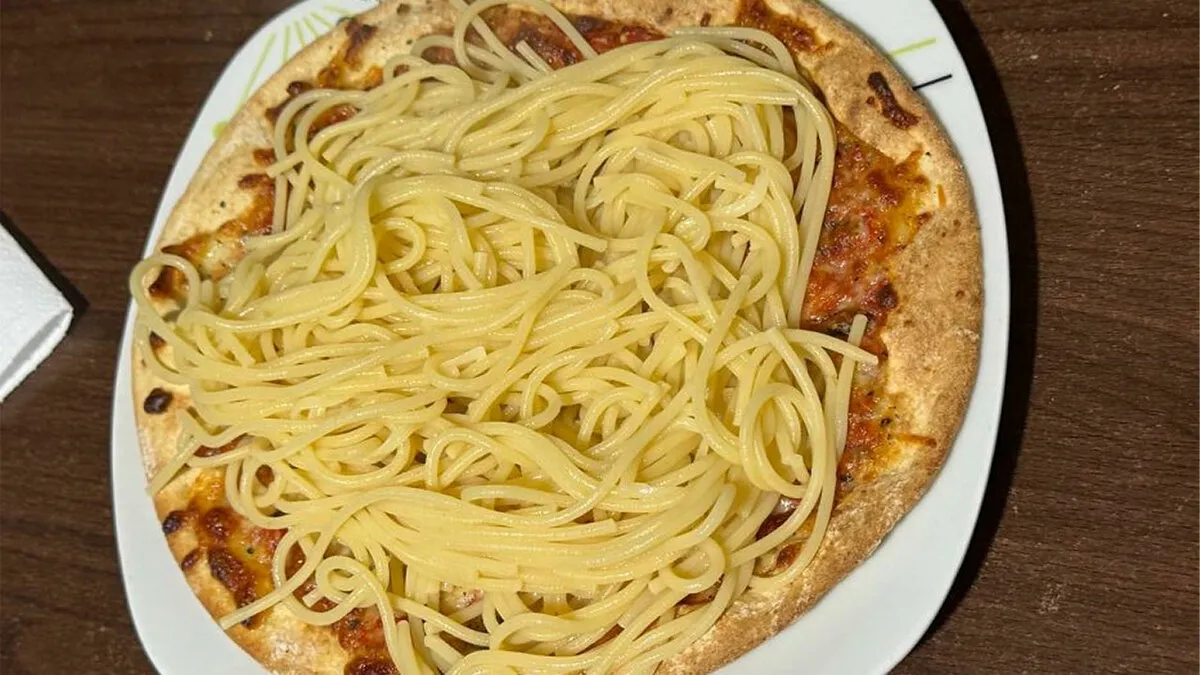

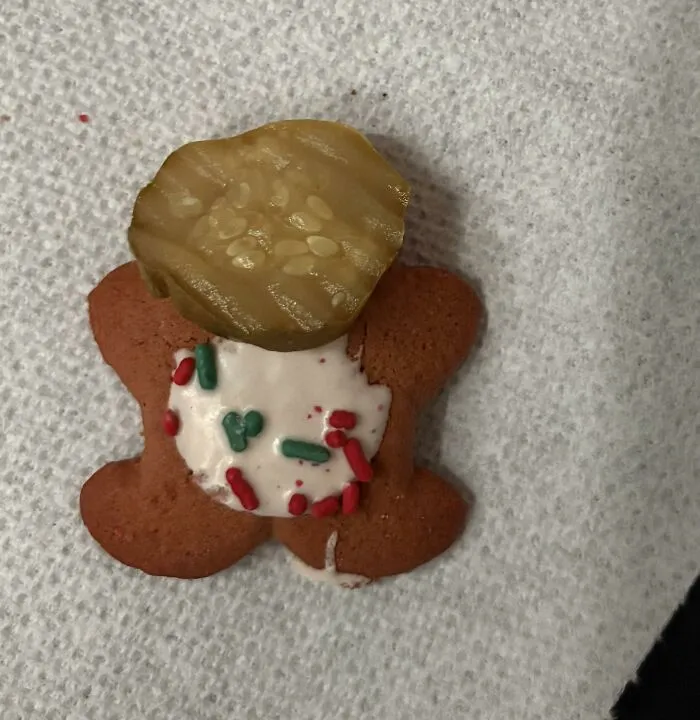
#1 Dill Pickles In Dr. Pepper People Are Worse Than Beans In Chili, Or Squeeze Butter In Salsa

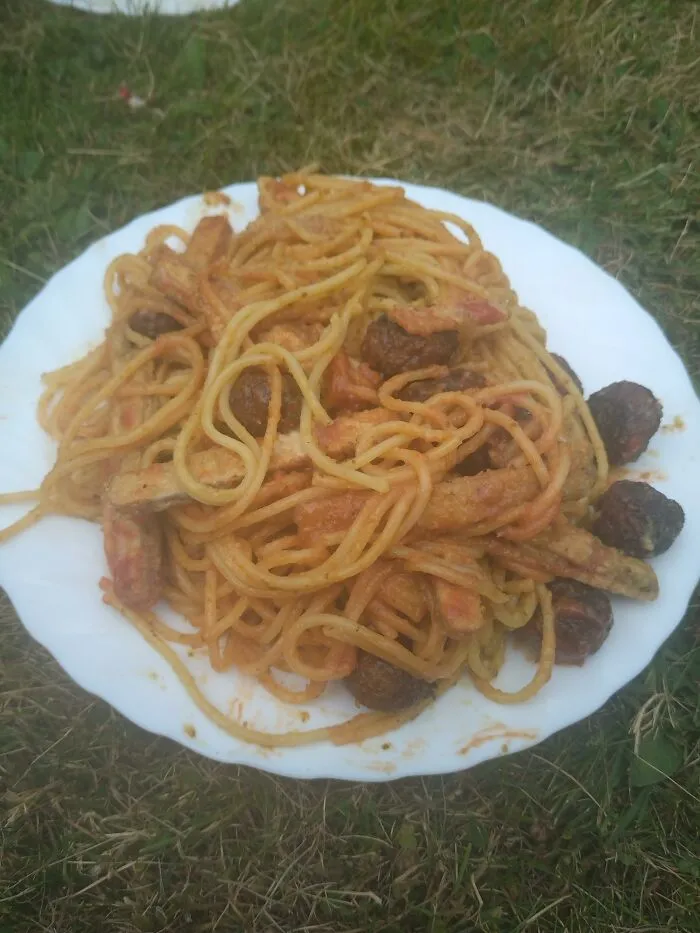
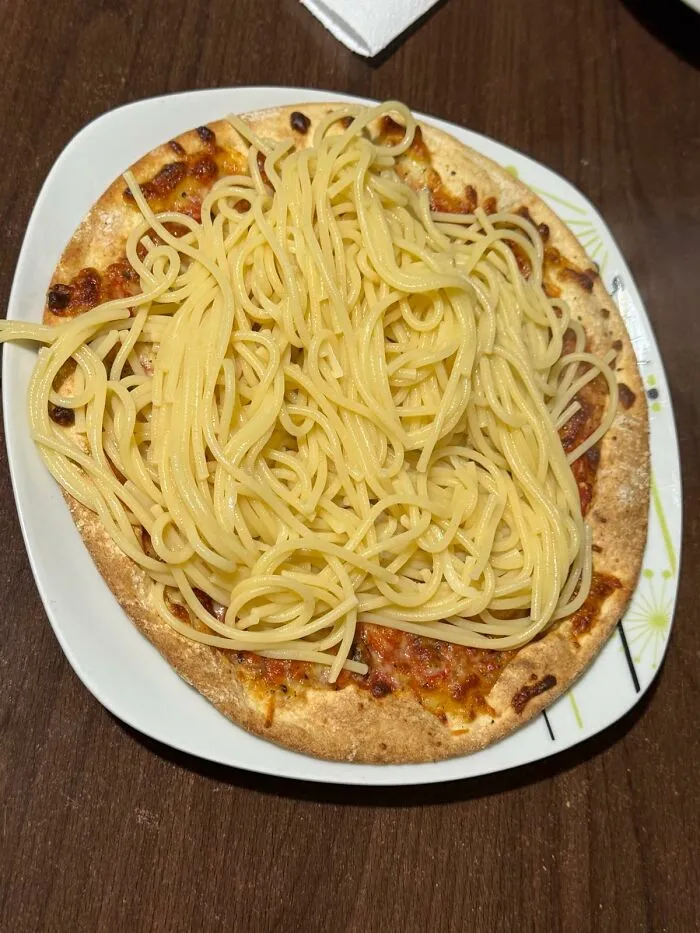
#2 Yesterday I Had Spaghetti With Butter Pesto White Twix Chocolate Ketchup Surströmming And Meatballs

Something that tastes delicious to some may be absolutely atrocious to others. And, in part, it has to do with the density of our taste buds, says sensory psychologist Linda Bartoshuk, who identified differences in human tongues and found that some people simply have less sensitive tongues than others.
The study concluded that if someone has fewer fungiform papillae (or, in simpler terms, the small bumps on the tongue), they may have a less sensitive sense of taste, meaning they need stronger flavors to taste their food, which we assume is most people on this list. But then there are “supertasters,” who have a higher density of papillae and are much more sensitive to sweet and bitter foods.

These taste-bud differences also help explain how genetic variations can make us experience completely different sensory worlds. Perhaps the best-known example is cilantro, or coriander. Experts explain that our perception of cilantro actually involves smell, and a variant of the OR6A2 olfactory gene can affect how people perceive the herb.
This variant, which is present in roughly 4% to 20% of the world’s population, can cause people to detect a soapy flavor in cilantro. This is because a small molecular difference in the gene affects how you smell cilantro. And since it can make the herb smell soapy, you may end up tasting something that resembles dish detergent when you eat it.


Aside from genes, other physiological factors can also affect how you taste things. Studies show that biological sex, age, and population differences can all affect taste perception. For instance, women, on average, have more fungiform papillae than men, which can make them more sensitive to certain tastes and flavors.
Age also affects how we perceive flavors. As you get older, your taste sensitivity naturally declines, and you become less aware of flavor. This is because, generally speaking, the body slows down the regeneration of many cells and tissues, including taste bud cells, which can take longer to regenerate.

But cultural dynamics also play a role. Specialists have pointed out that culture can actually begin shaping taste long before a child starts eating solid food, and that starts with flavor. A mother’s diet can influence the flavor of amniotic fluid and breast milk, meaning strong flavors like garlic, curry, or even vanilla can be introduced to a baby before they’re born.
This naturally exposes infants to these flavor profiles, making them feel less foreign when they eventually encounter them as solid foods. This means that while a child from, let’s say, Spain, might immediately reject the strong sour and umami flavors of kimchi or sauerkraut, a child from Korea or Germany may find those flavors more familiar and comforting.

But in reality, it can also explain why genes develop or don’t. Apparently, biological differences can also vary depending on the part of the world you’re brought up in. For instance, experts have found that lactose intolerance is more common in certain populations. In East Asian populations, adult lactose intolerance is far more common than in, let’s say, Northern Europe.
And this also extends to other tastes, like spice and heat. Warmer climates in South Asia or Central America have historically relied on spices like chili to help prevent food spoilage, and over generations, this may have contributed to greater tolerance for spicy foods. And the same thing happens with alcohol. It’s a fascinating process.

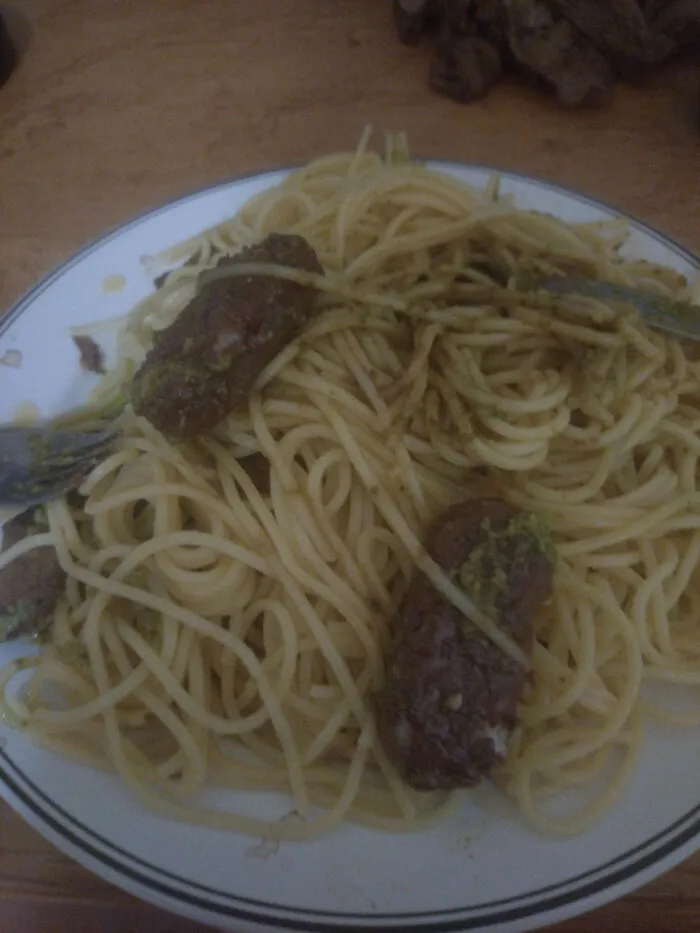
#20 Spaghetti With Butter Bounty Coconut Chocolate Green Pesto And Kebab Meat