


#1

There's a fine line between allowing kids to run wild and micromanaging their every move with a fine tooth comb. Helicopter parenting falls into the latter category.
Parents.com defines it an overprotective, highly involved parenting style. "Helicopter parents typically involve themselves in all aspects of their children's lives," reads the site, noting that it's not always a bad thing unless taken too far.
Some experts believe that while helicopter parenting may seem like a good idea in the moment, it can have negative effects on children in the long term.
#2

#3

A mom called looking for my teen to babysit her baby. As I was getting ready to pass the phone, the mom said, “I don’t leave my baby alone with a child. An adult will have to come too.”
I doubt she would have wanted to pay the hourly rate of adult professionals.
In case you haven't guessed it, the term helicopter parenting likens parents to helicopters that “hover” and make their presence known. These moms and dads don't allow their kids to trip and fall, make decisions, or learn from their own mistakes.
"Helicopter parents pay extremely close attention to their kids' activities and schoolwork to protect them from pain and disappointment, and also to help them succeed," notes Parents.com.
Call them overprotective, overbearing or intrusive, some helicopter parents aren't even aware that they need to take a step (or ten) back.
#4

Second story. We were traveling to the UK shortly after lockdown. She said “If he catches it, I’m flying over to take care of him!” Pretty sure the NHS isn’t going to let some random woman from another country barge into a quarantined person’s room.
#5

Anytime someone tried to befriend him, his mother always 'chaperoned' the introduction; Since this was back in the 90's,
anything involving parents was seriously off putting. I remember inviting him to kick ball, but his mother didn't wan't him getting hurt...
We felt bad for him.
#6

#7

When my kid was in preschool, a lady and her son came to check out the school one day. She was really cool, and her son played well with all the kids. He started full time the next week. On his very first day, he went down the slide too fast and landed on his knees on the mulch. He wasn't hurt at all, just got right back up to play.
The next day, his mom came in to RAISE HELL. She said someone should have held his hand as he went down the slide, and couldn't *believe* there wasn't an "incident report" filled out. They never came back.
“In most cases, the parent’s impulse and actions are coming from signs of love,” says Dr. Gene Beresin, a child and adolescent psychiatrist. “However, when monitoring and over-involvement becomes more of helicopter behavior, when it’s excessive or extreme, it may have negative consequences.”
Helicopter parenting can begin at birth and continue right through to a child's adult years. It manifests in different ways during different phases. For example, say the experts at Mass General Brigham, helicopter parents of young children might constantly "guide" them on what toys to play with, how to play with them, and how to clean up after playtime.
#8
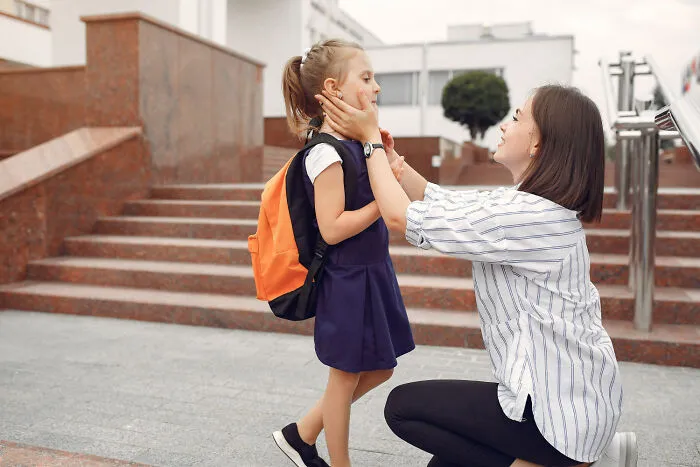
I opened the door, walked out of my room, and Amy’s mom was right there squatting on the floor.
Can I help you?
No
Are you here to volunteer?
No
Unfortunately, parents are only allowed on campus if they are volunteering, even then, they are required to sign in and get a name badge. Have a nice day!
She remained squatting for the entirety of the conversation.
#9
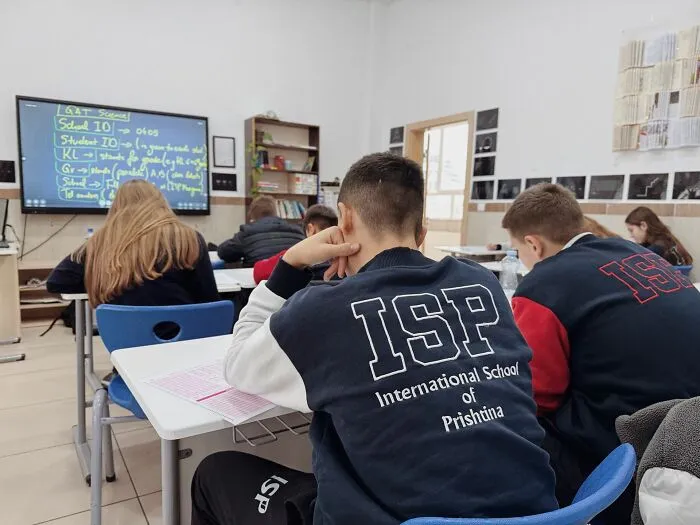
When the child reaches middle school, the parents might constantly get involved in their school assignments, and advise them how to complete different projects. As the child becomes a teenager, helicopter parents will struggle to let go a little and give them freedom. They might text and/or call one too many times, check in on how things are going, or to remind them about tasks that are still outstanding.
#10

#11

#12

So what causes some parents to hover around like an annoying helicopter? One possibility is that they see their children as an extension of themselves.
“Helicopter parents may simply want their kids to be the very best for their sake. In some cases, though, it’s motivated by what puts the parent in a strong light,” explains Beresin. “They may care more about their own image than concern for the achievement of the child.”
#13

Goodness I could go on and on!
#14

As it turns out my friends mother had taken his phone and pretended to be him to try to squeeze out any info on us. Which is just really creepy and we somewhat ended up avoiding him a bit later. This mother also has a tracker in his phone and is generally a religious nut.
#15

I had to get the exec involved within a week because it was ridiculous. Apparently it was a new thing that year...
It can also happen because the parent lacked attention during their own childhood.
"Adults who felt neglected, unloved, or ignored as kids can overcompensate with their own children," notes Parents.com. "Excessive attention and monitoring are sometimes attempted to remedy the parents' deficiency in their upbringing."
Sometimes, it's down to anxiety. "Worry can drive parents to take control in the belief that they can keep their child from ever being hurt or disappointed," parenting/what-is-helicopter-parenting/" rel="noopener noreferrer" target="_blank">explains Dr. Carolyn Daitch, director of the Center for the Treatment of Anxiety Disorders near Detroit and author of Anxiety Disorders: The Go-To Guide for Clients and Therapists.
#16

It's 300m direct line of sight on their own very expensive street.
#17

#18

Regardless of the cause, many experts agree that helicopter parenting can have detrimental effects on children.
"In short, helicopter parenting typically backfires,” warns Beresin, adding that it can lead to excessive reliance on others, rather than learning to be self-sufficient. It can also lead to low self-esteem and self-confidence, especially after experiencing a perceived failure.
The expert says poor coping skills, inadequate life skills, self-image that is grounded in achievement, and even an increased risk of depression and anxiety are among the other issues children of helicopter parents might face.
#19
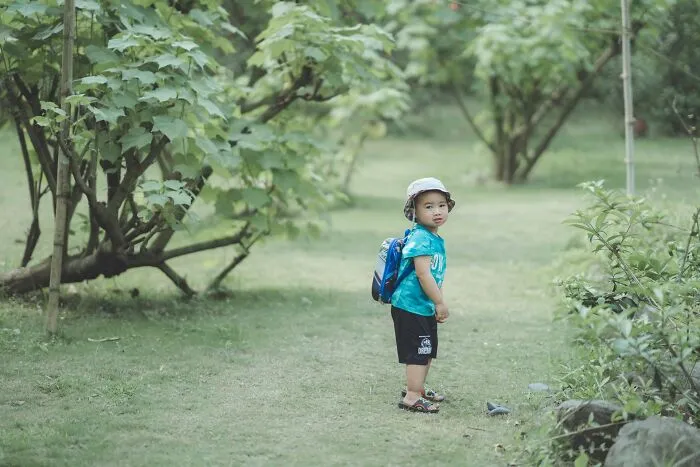
3 year old kid. Mum is totally convinced that if he is allowed to carry his backpack up the stairs to his classroom his spine will be deformed. The backpack weighs about a pound because she won't let him carry his own books. I tried explaining to her that the way muscles get strong is though use and that not letting him use his muscles is much more likely to cause damage. No go. Didn't even bother getting into proprioceptive feedback and the way children use their bodies to regulate their emotions.
Newsflash folks: treating your able-bodied child like they're made of glass will damage them physically, psychologically and socially. Let your kid carry his own dang bag.
#20