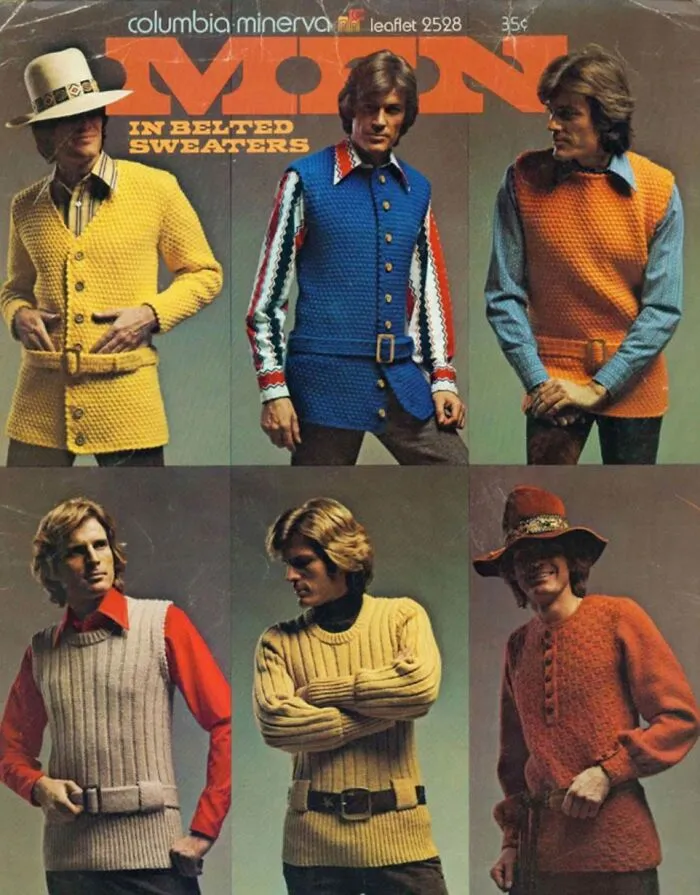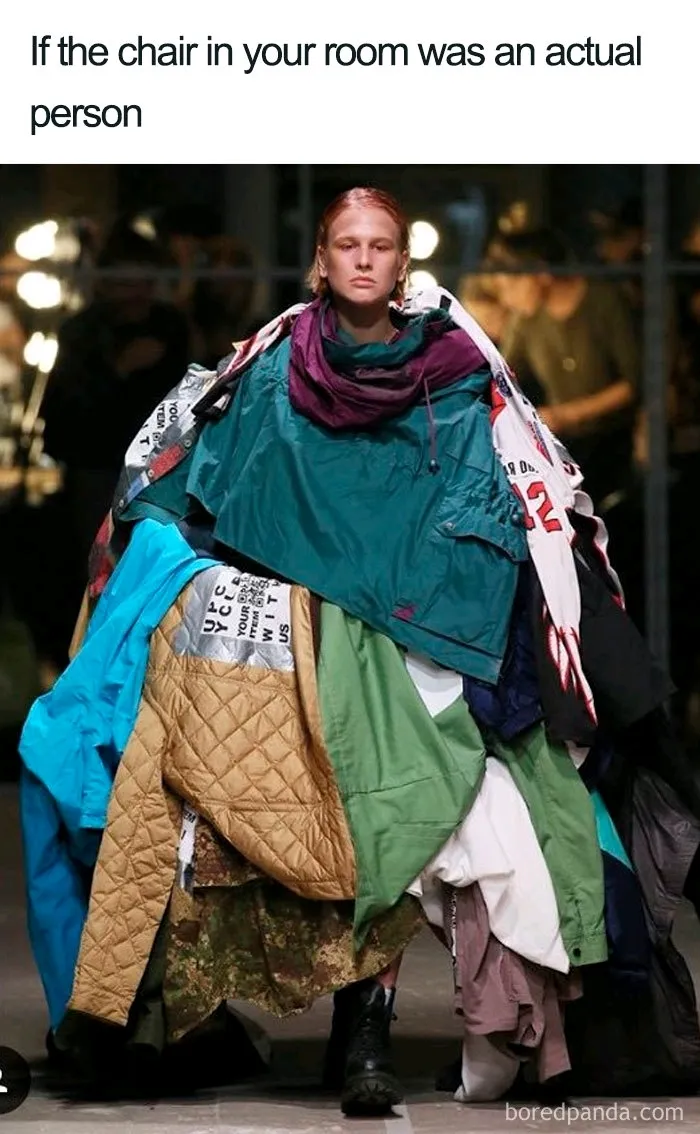





The concept of fashion is hardly new. And no, we’re not just talking about fancy royal courts, Bridgerton-style either. Apparently, historians trace fashion trends back to the 14th century, when Crakows (or poulaines) became popular.
In late-medieval Europe, men wore shoes with curled, pointed toes that could grow up to 20 inches long. They were even stuffed with moss and hair to hold their curved shape, and some people tied the tips to their knees so they wouldn’t trip. And well, the style became so absurd that King Edward IV passed a law in 1463 forbidding commoners from wearing shoes with points longer than two inches.




And that’s hardly the only fashion trend that seems bizarre but has been recorded in history books. In the 19th century, fashion alone even caused accidents.
Victorian women used to wear steel-hooped cage skirts that could measure up to six feet across. Cartoons even satirized them, showing women getting stuck in doorways or being blown away by the wind. But in reality, records show women accidentally sweeping fireplace hearths and carriage wheels with their skirts. Oof.

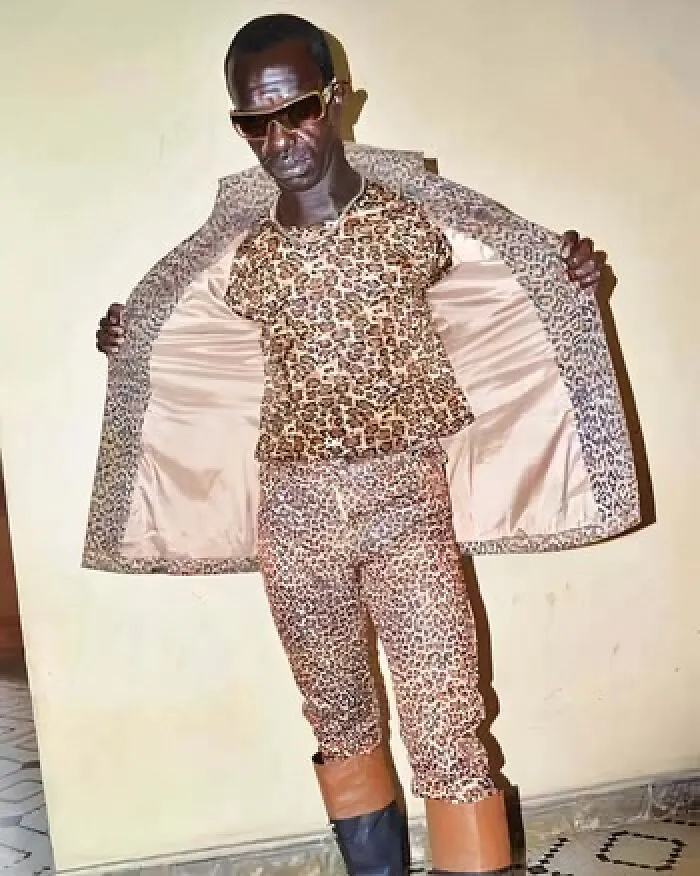


So, fashion crimes aren't new, but why do people pay so much attention to these... questionable yet bold choices?
Well, it turns out that social psychologists have noted that cringing at someone else's public embarrassment is actually driven by “vicarious shame.” It's an instinctive fear of social exclusion, so when we see someone confidently walking down the street in the craziest outfit we've ever seen, our neurons practically catch fire as we immediately imagine the social fallout.
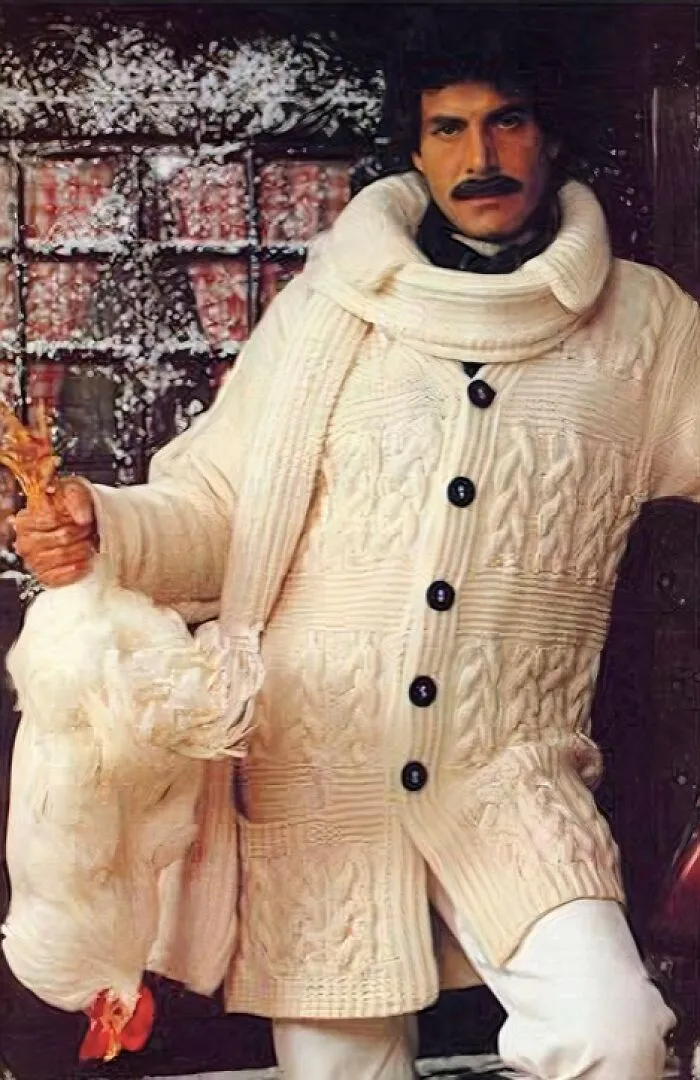


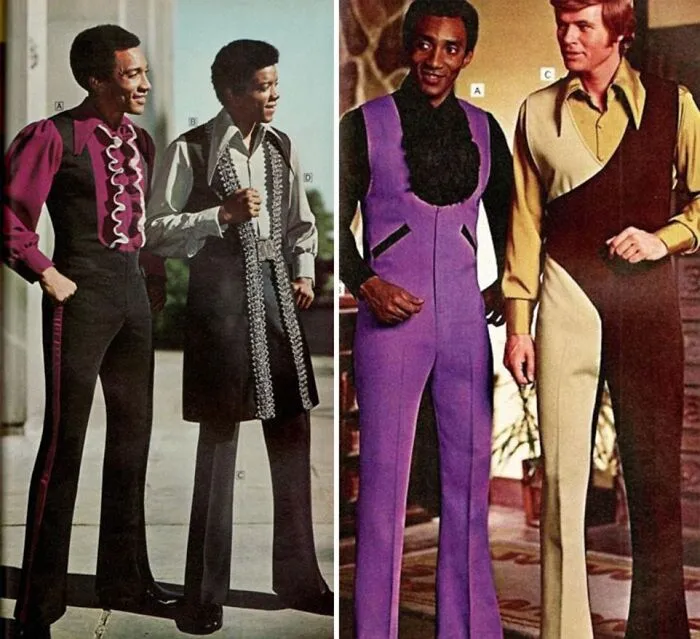


And now that we live in the smartphone era, even the smallest mistake can unfortunately land us under online scrutiny. Curiously, though, research has shown that people are not as judgmental as we might think.
A study by Thomas Gilovich and Kenneth Savitsky actually tested this theory by having university students wear an embarrassing Barry Manilow T-shirt before walking into a room. The students believed that at least 50% of the people there would notice and judge their shirts, but the study found that fewer than 20% actually paid attention.