LinkedIn launched in 2003, offering professionals a place to share their résumés, look for jobs, and connect with people in their industry. As Medium blogger Usman describes it, the platform was essentially “a digital resume with a social layer—useful, maybe a little boring, but functional.” And for a while, that’s exactly how people used it.
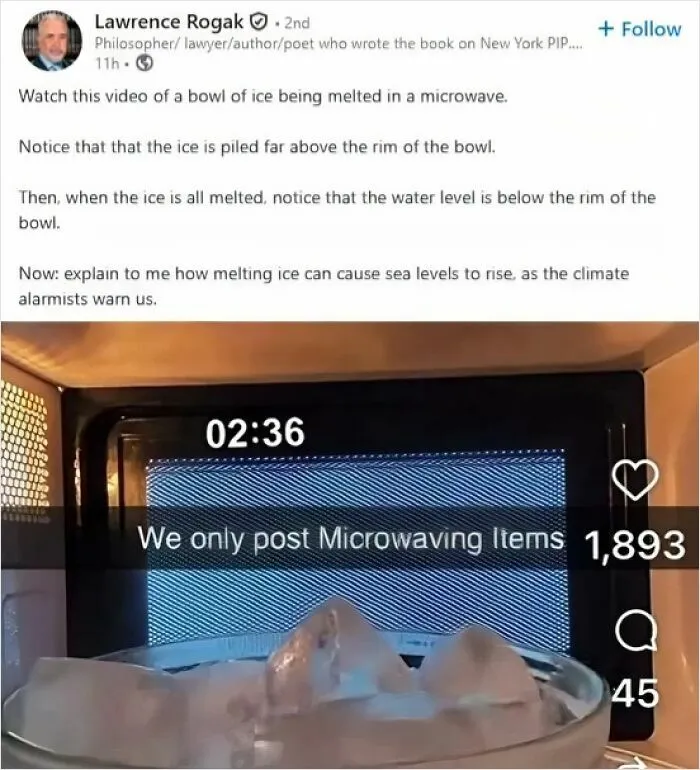
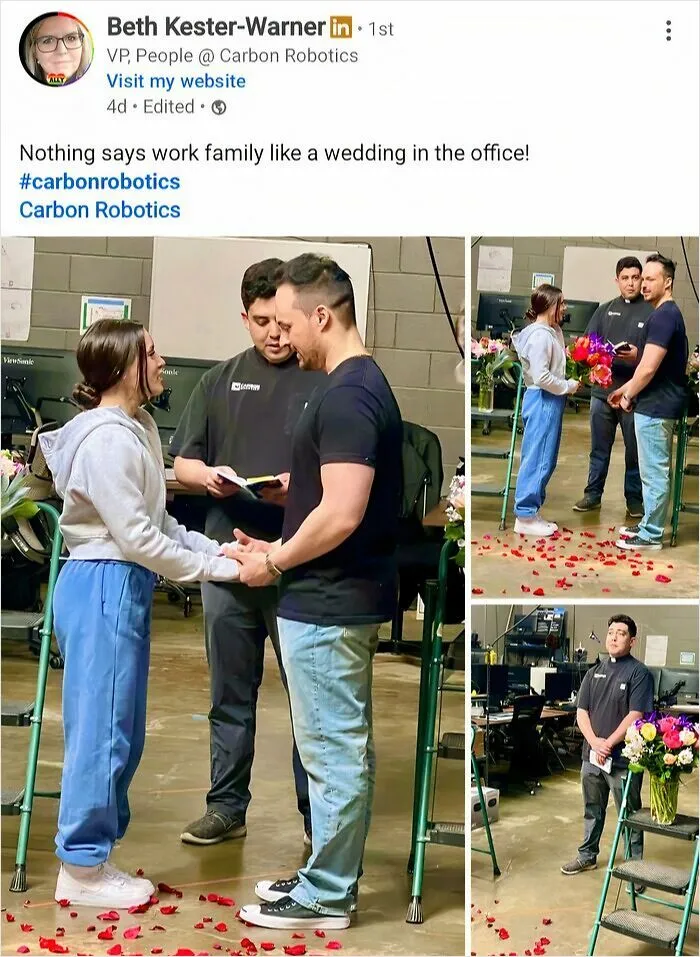
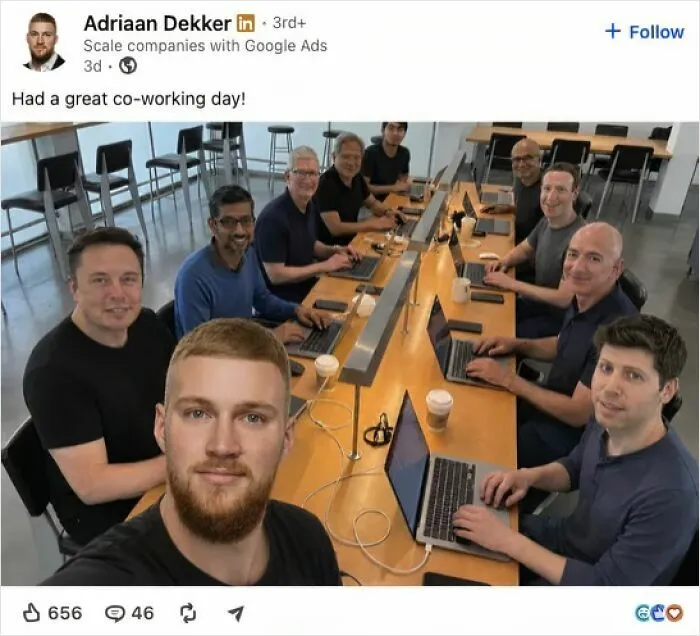
In a 2015 blog post, one LinkedIn user, Henry Innis, looked back on those early days fondly: “LinkedIn started well. It became my rolodex into a range of professional contacts and I could keep [in] touch with the people I had met. Updates around job titles and similar were pretty handy, and it was a little like listing my resume online.”
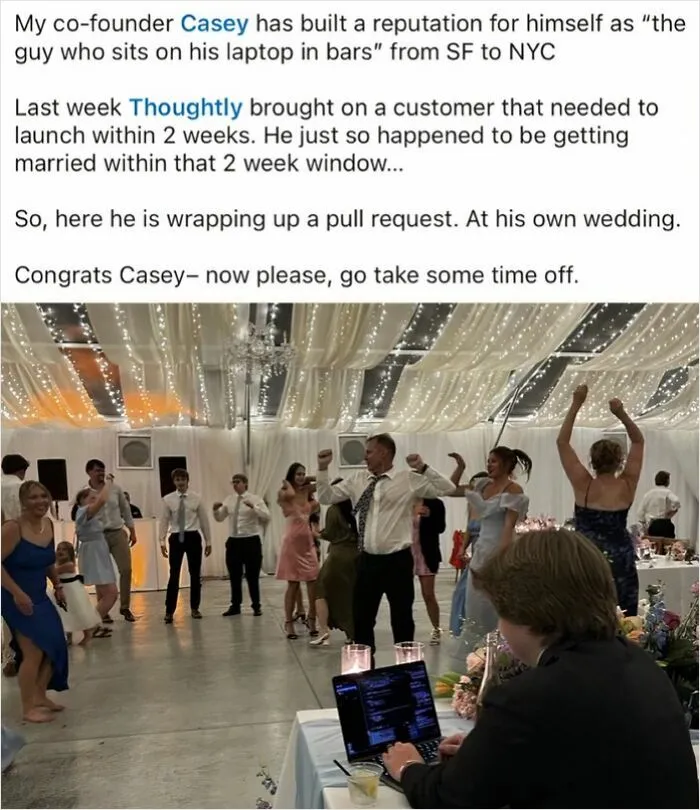
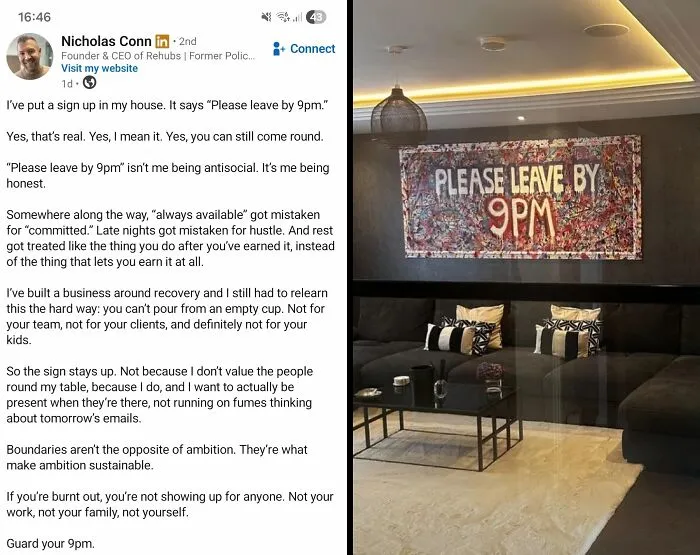
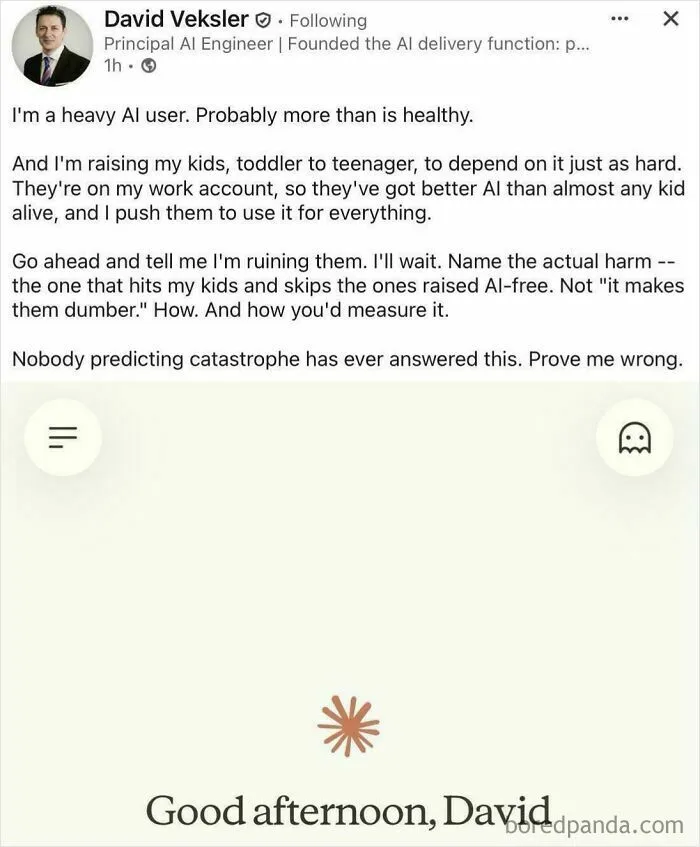
But by the time Innis wrote that, he felt things were already changing. In his view, users had begun treating the platform as a place to share whatever was on their minds. “There’s no filter,” he wrote. LinkedIn, he said, had “in effect, become a bit of a cesspool of bad, naff updates. It feels like the dorky, sanitised version of Facebook (if there was such a thing).”
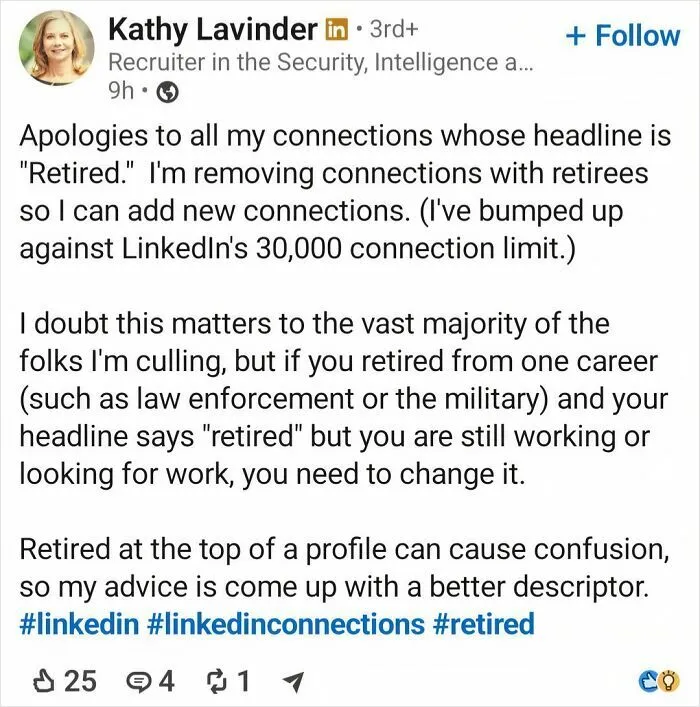
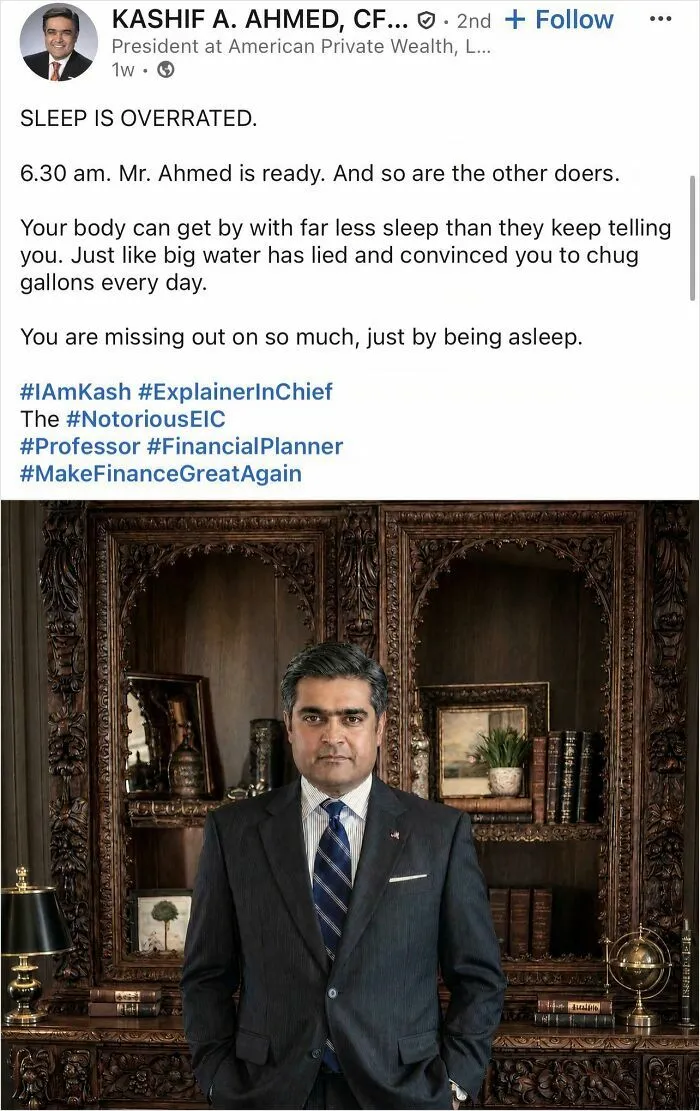
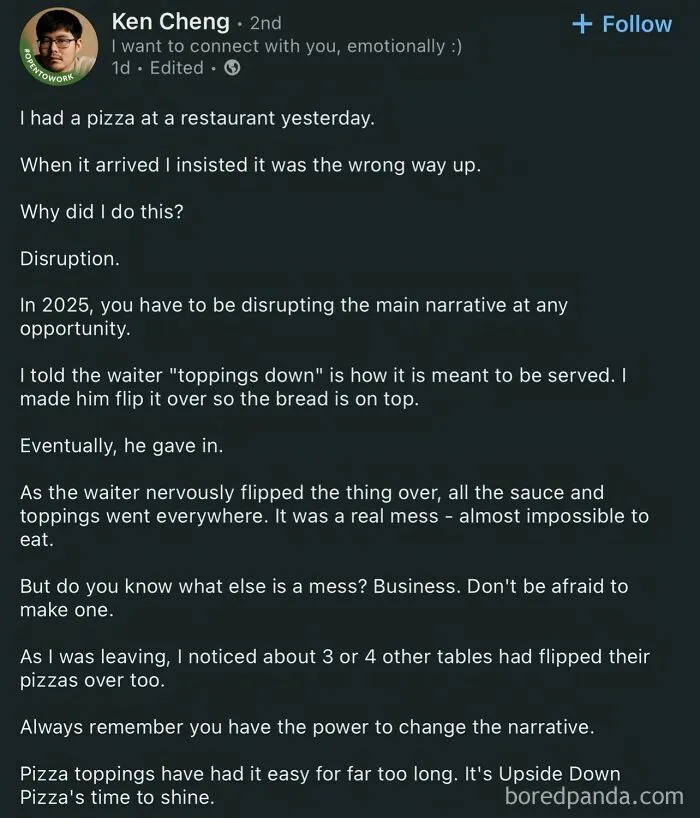
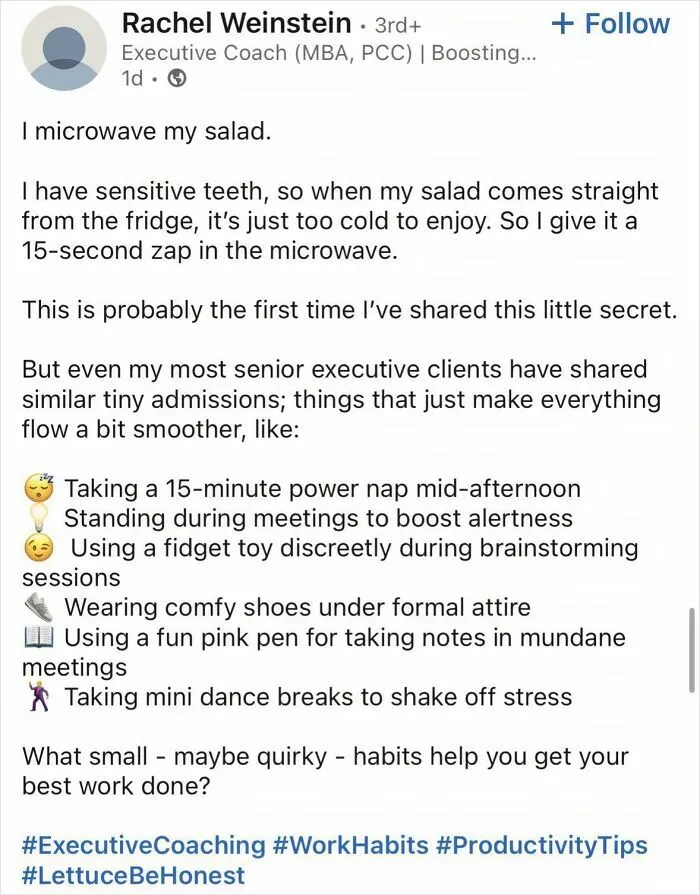
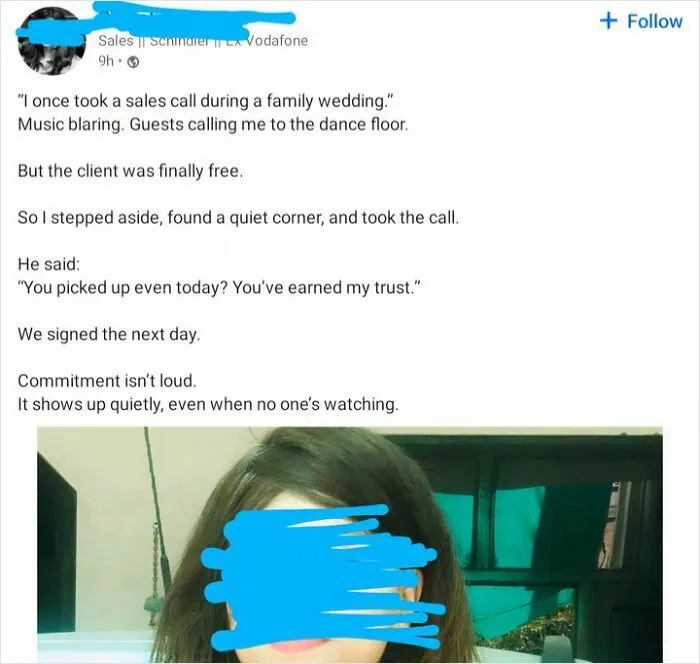
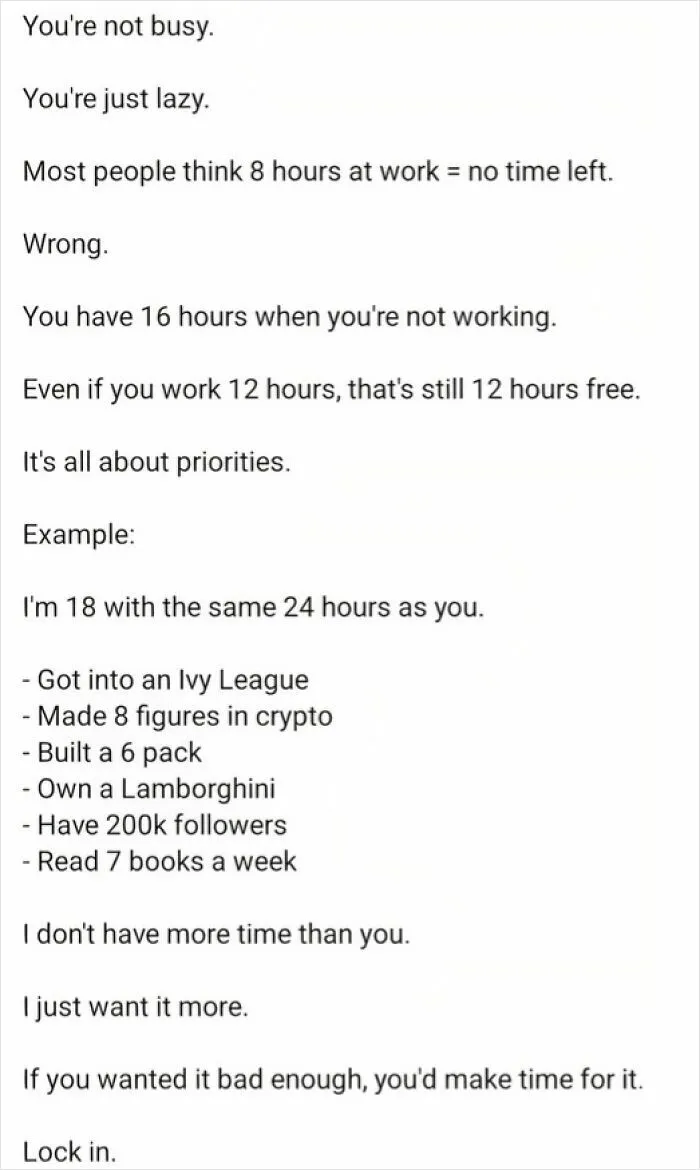
If LinkedIn was already getting dorky in 2015, things were about to get a whole lot weirder. Usman notes how, in the following years, LinkedIn “took a hard left turn straight into weird territory.” As he puts it, people started treating it like “Facebook for suits,” and feeds filled up with emotional confessions and diary-style posts dressed up as leadership lessons. He jokingly says, “You’d see posts like, ‘I failed my first interview, then I failed five more. But on the sixth, I got hired to refill the vending machine.’”
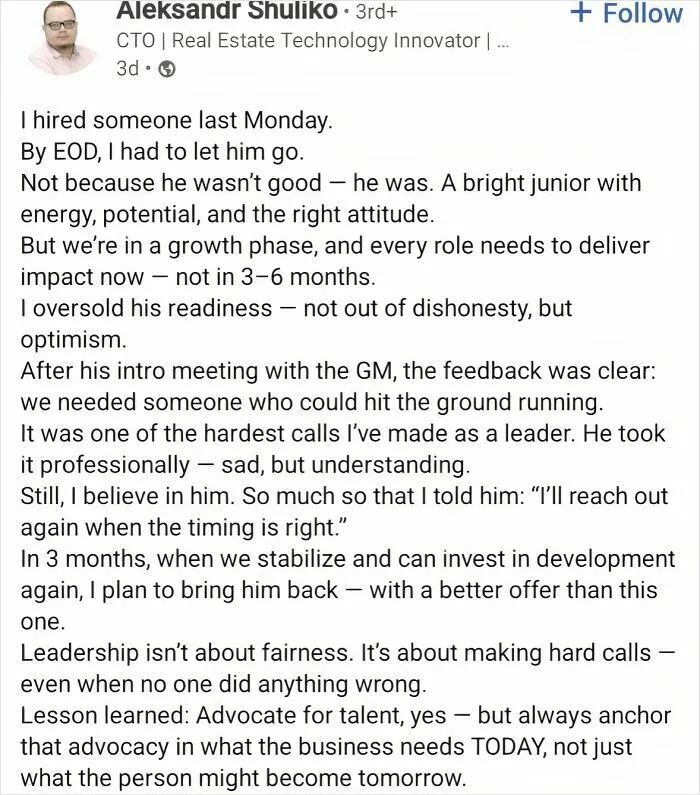
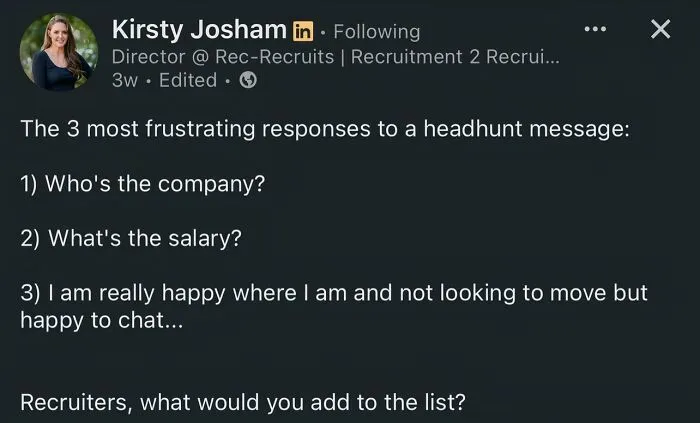
#13 Absolutely Tone Deaf
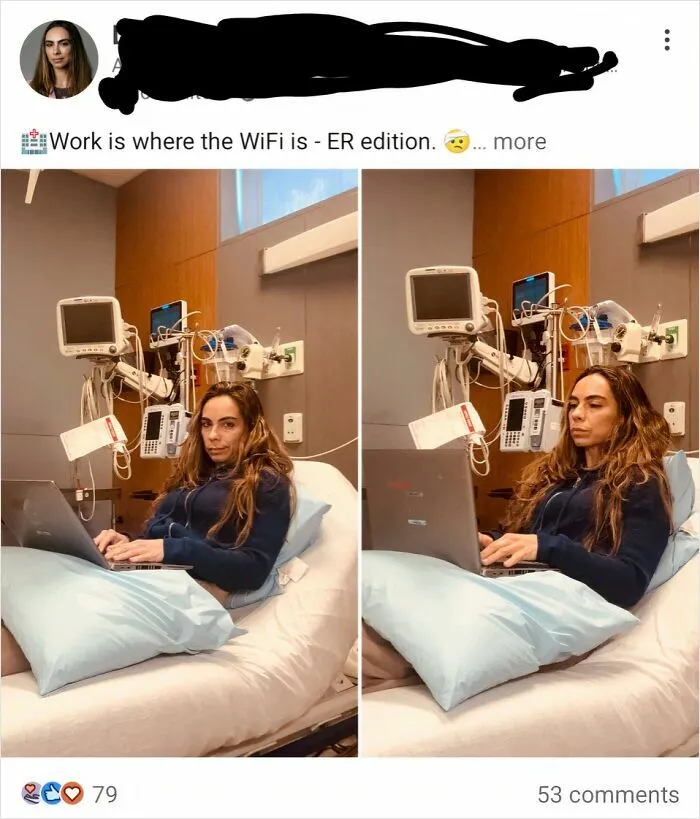
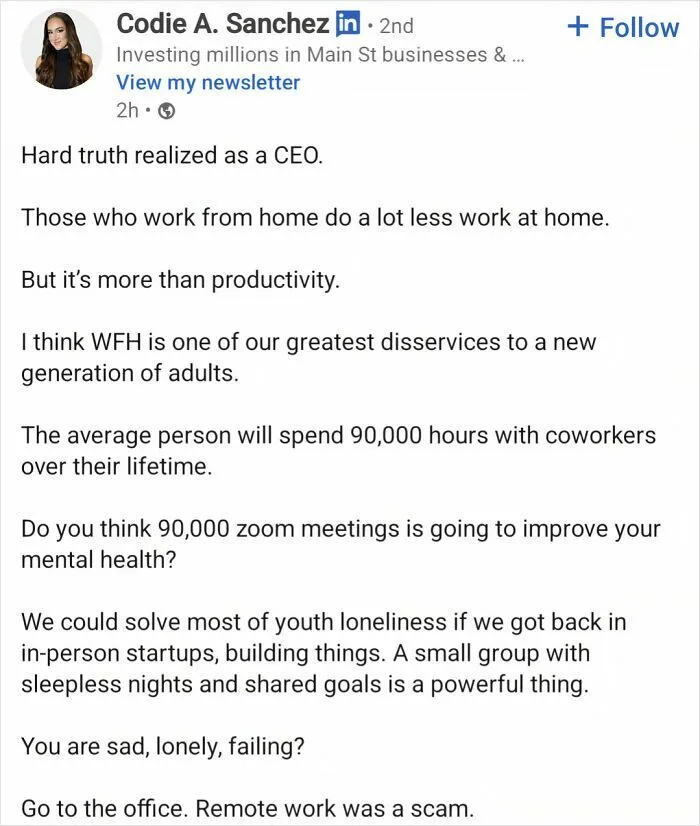
#15 I Was Waiting For This One
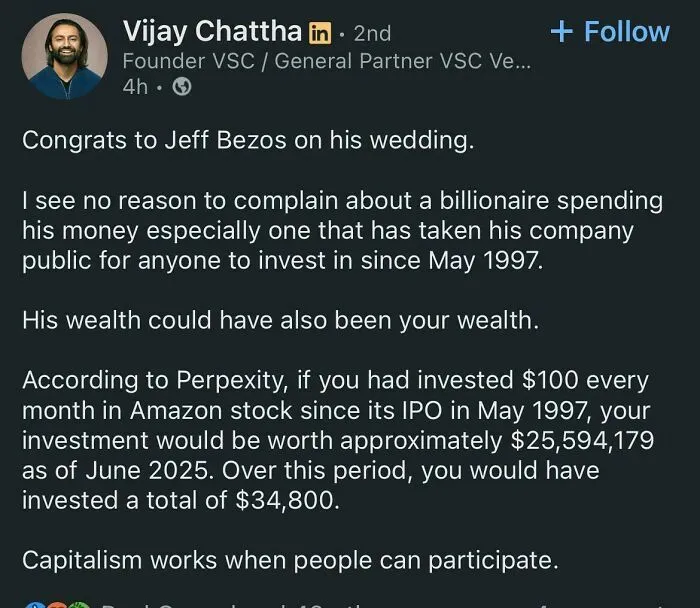
Then came the pandemic. With home and work lives suddenly overlapping, people increasingly shared personal struggles on LinkedIn, from homeschooling to working at the kitchen table. Julien Wettstein, LinkedIn’s head of editorial for EMEA, told Refinery29 that the pandemic was “arguably the catalyst” for a major shift in how people presented themselves on the platform.
LinkedIn leaned in. In 2021, it launched Creator Mode, a free setting designed to help users build an audience around their content. It replaced the “Connect” button with “Follow,” highlighted users’ original content, and made them easier to discover.