



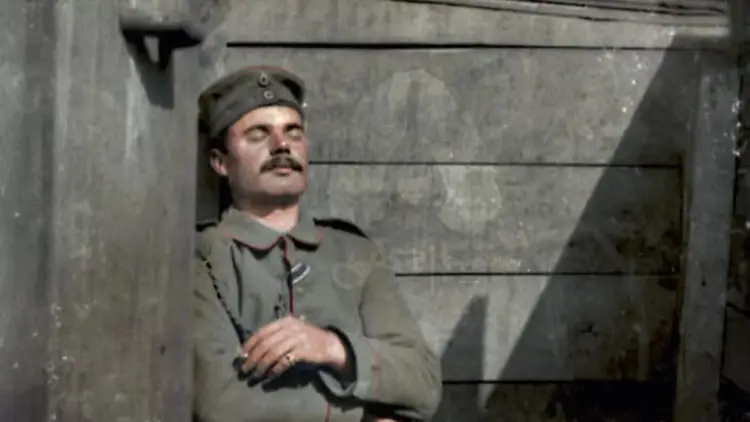



World War I took place from July 28, 1914, to November 11, 1918. The brutal war ended over a century ago, but it’s still an incredibly important part of modern history. And one page that’s dedicated to making sure that people never forget what took place during that time is WWI Stories on Instagram.
We took a trip to this account and compiled a list of their most haunting posts below. We’ll warn you right now, pandas, that some of these images and stories are quite disturbing and upsetting. But these moments from the past deserve to be remembered, so we hope that you learn something new while scrolling through this virtual history museum.
#1
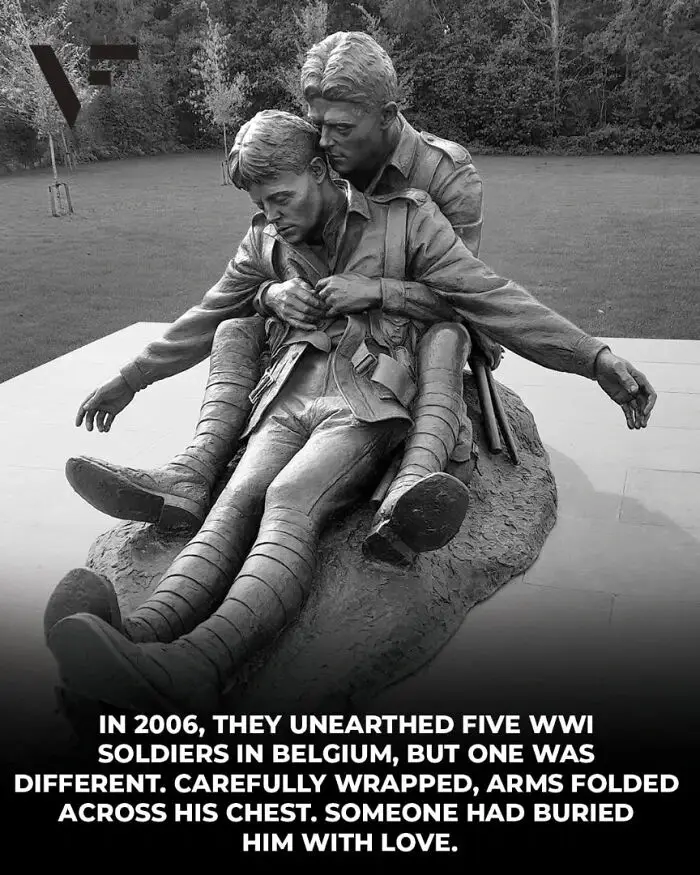
In 2006, construction workers digging near Polygon Wood in Belgium uncovered what remained of the First World War: fragments of uniforms, rusted equipment, and the skeletal remains of five Australian soldiers lost during the fighting of 1917. Most had been swallowed by a century of soil and silence, the kind of battlefield discovery that is tragically familiar in Flanders. But one of the bodies stood apart.
He had been wrapped carefully in a military groundsheet. His arms had been folded across his chest, not by chance or by the shifting earth, but with unmistakable intention. Someone, in the chaos of war, had stopped long enough to bury him with gentleness.
Archaeologist Johan Vandewalle was called to examine the site. He’d seen hundreds of battlefield recoveries over the years, but this one felt personal. Soldiers in the Great War often d**d where they fell, left in the open as battles moved on. A careful burial during the firestorm of Polygon Wood was something extraordinary.
DNA testing, uniform fragments, and surviving service records eventually led to a name: Private John “Jack” Hunter, 23 years old, 55th Battalion, Australian Imperial Force. He had d**d on 26 September 1917, in the brutal opening days of the Battle of Polygon Wood, where thousands of Australian soldiers were k****d or wounded.
When Johan contacted the Hunter family in Australia, they told him something he hadn't expected. Jack Hunter hadn’t been anonymously buried by stretcher-bearers or medics. He had been buried by his younger brother, Private James “Jim” Hunter, who had enlisted with him, marched with him, and fought beside him from Egypt to Belgium.
On that September morning in 1917, amid machine-gun fire, artillery bursts, and the churn of mud and smoke, Jack was hit. Jim saw his brother fall. He fought on until he could reach him, then knelt in the shell-blasted earth and wrapped Jack’s body in a groundsheet. He folded his brother’s arms across his chest. And in one of the most violent battles of the war, he gave Jack a burial shaped by love, not orders.
Report
17points
#2
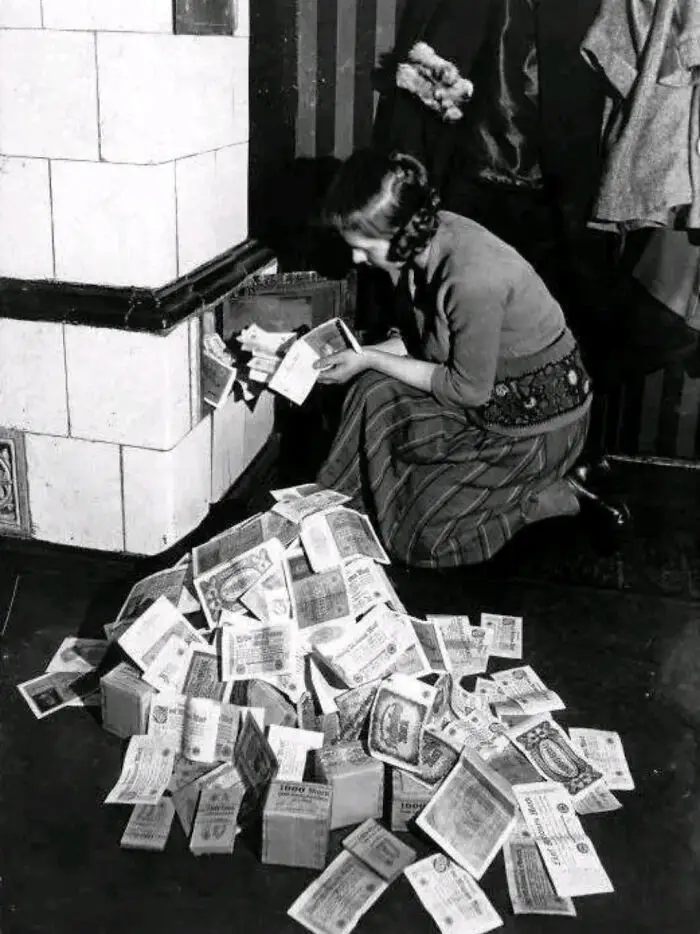
A German woman burning tons of legal paper money during the hyperinflation of German currency in the 1920s. The paper money was cheaper than wood or coal, and families used it to fuel their fires during the crisis.
Report
17points
#3
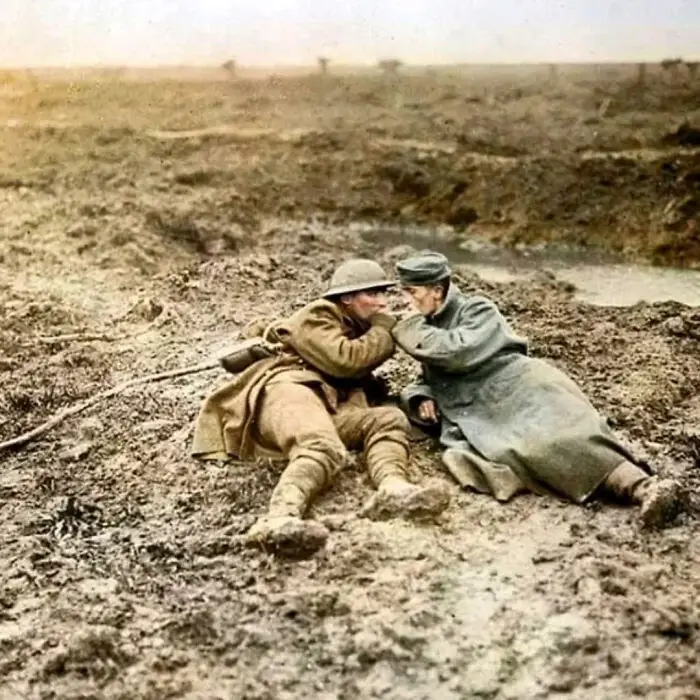
"Enemies and comrades"
Two wounded soldiers, A Canadian and a German soldier lights cigarettes on the muddy Passchendaele battlefield in Belgium, 1917.
Two wounded soldiers, A Canadian and a German soldier lights cigarettes on the muddy Passchendaele battlefield in Belgium, 1917.
Report
16points
#5
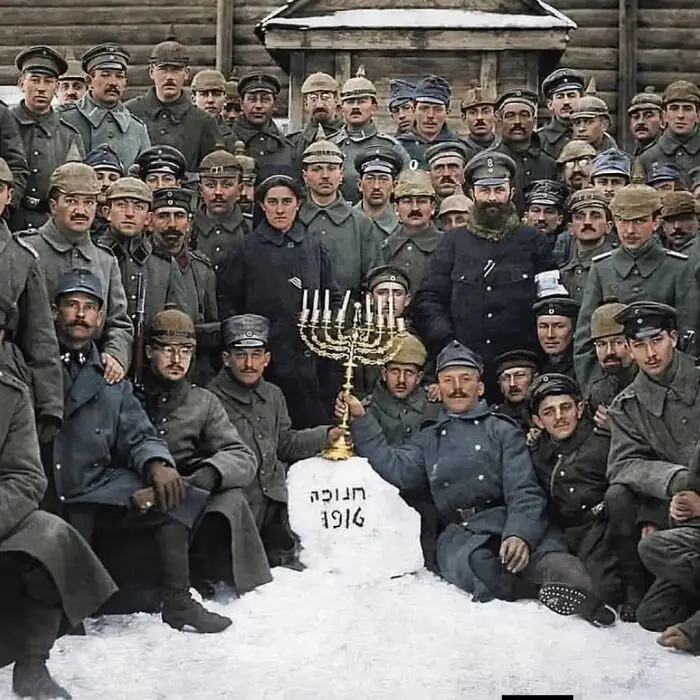
Jewish soldiers in the German Army celebrate Hanukkah on the Eastern Front, 1916, during WW1.
Report
14points
#6
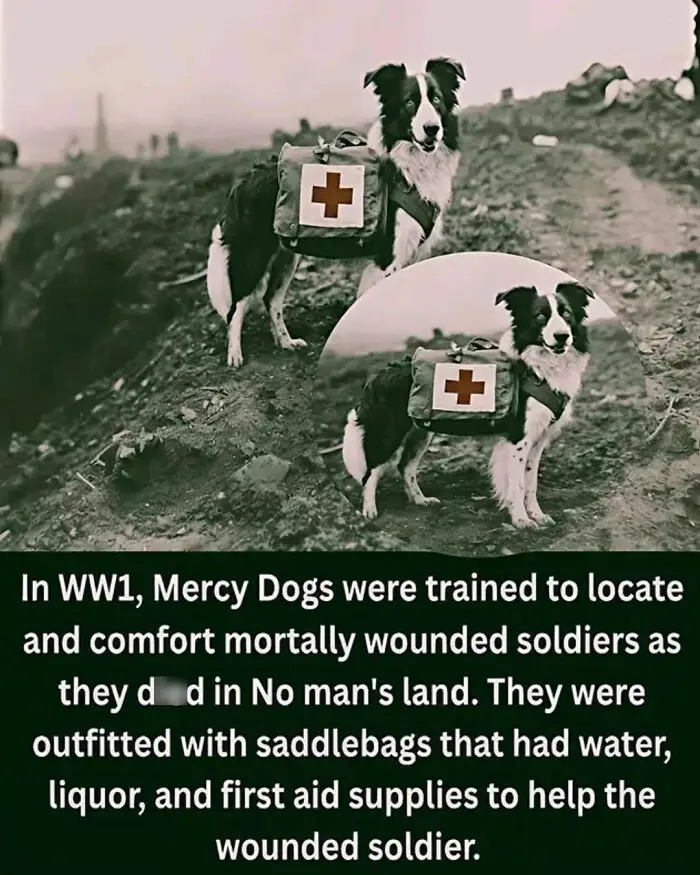
WW1, Mercy Dogs were trained to locate and comfort mortally wounded soldiers as they d**d in No man's land. They were outfitted with saddlebags that had water, liquor, and first aid supplies to help the wounded soldier.
Report
12points
#7
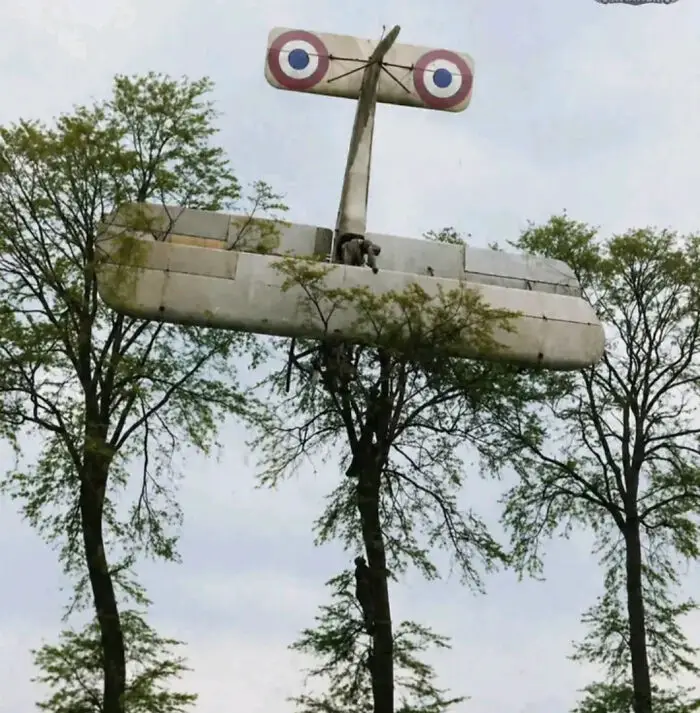
WW1, 1915. After a failed attack on a Zeppelin hangar near Brussels, Belgium, this French pilot flew too low and was caught in tree tops. Note the soldiers climbing the tree to get to the pilot.
Report
12points
#8
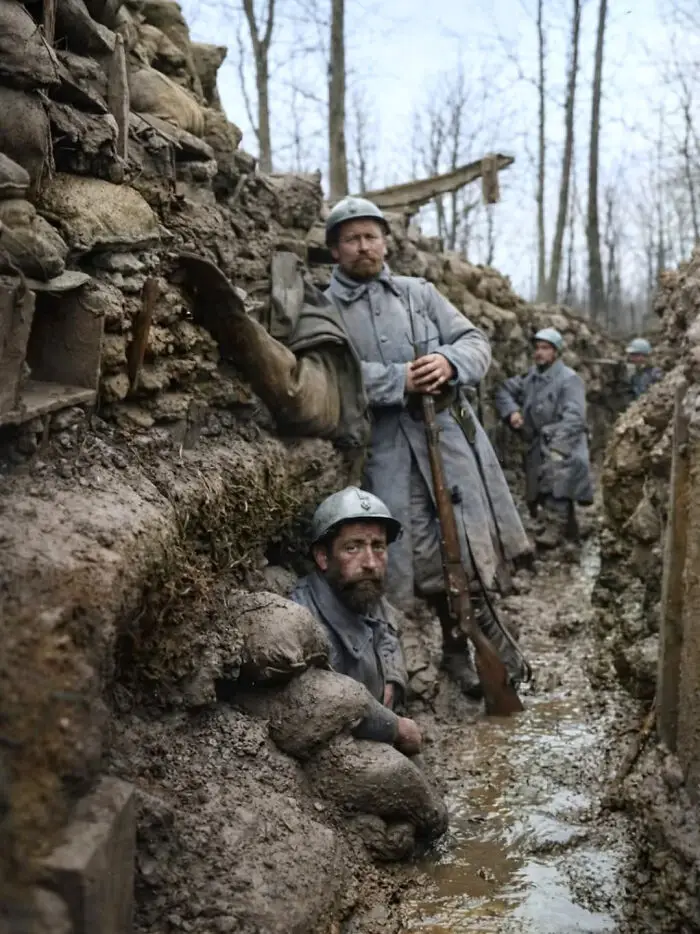
This photo was sent in February 1916. The soldier wrote, "You can believe I'm fed up with being in the water and mud." This is perfectly understandable when you see the picture.
Report
12points
#10
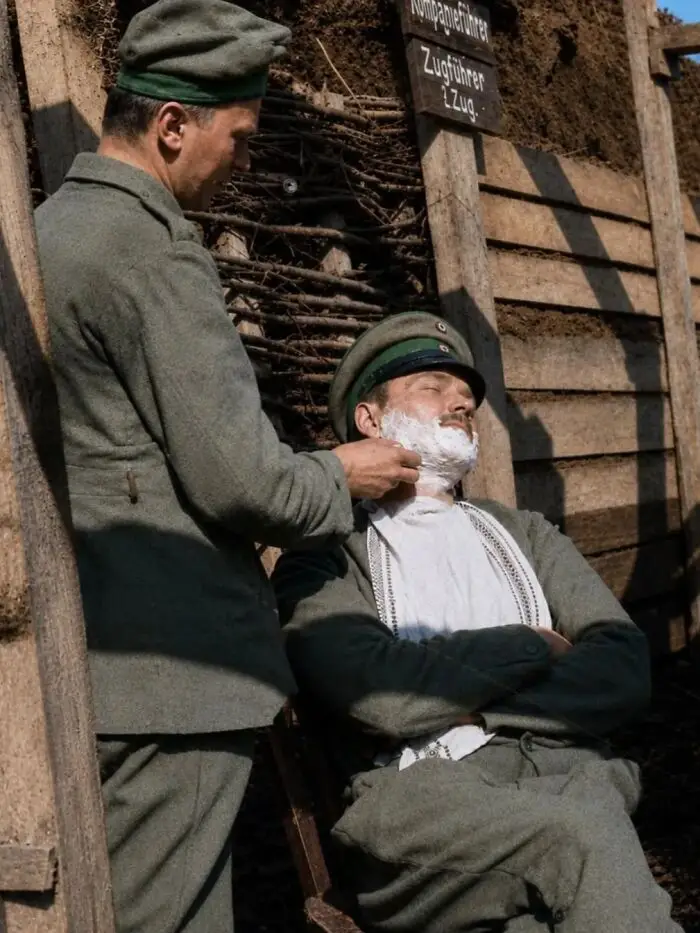
March 1916 — Life in the trenches.
By this point in the war, Lt. Alexander Pfeifer had fought on the Western Front at Neuve-Chapelle, Festubert and Loos, becoming an experienced company commander in the process.
After time away from the frontline, he had returned to the trenches and was settling back into daily life. His diary and this photo of him captures a surprisingly ordinary moment amid the war:
“I have now been in the trench again for two days. I am doing well, and I am already completely used to the activities again. The weather has also gotten slightly better. I sat in front of the shelter in my sleeved vest almost all day today and even had myself shaved outdoors.”
This small moment, recorded in March 1916, is one of many personal details preserved in his wartime diary, published in The Other Trench / Der andere Graben
Report
12points
#11
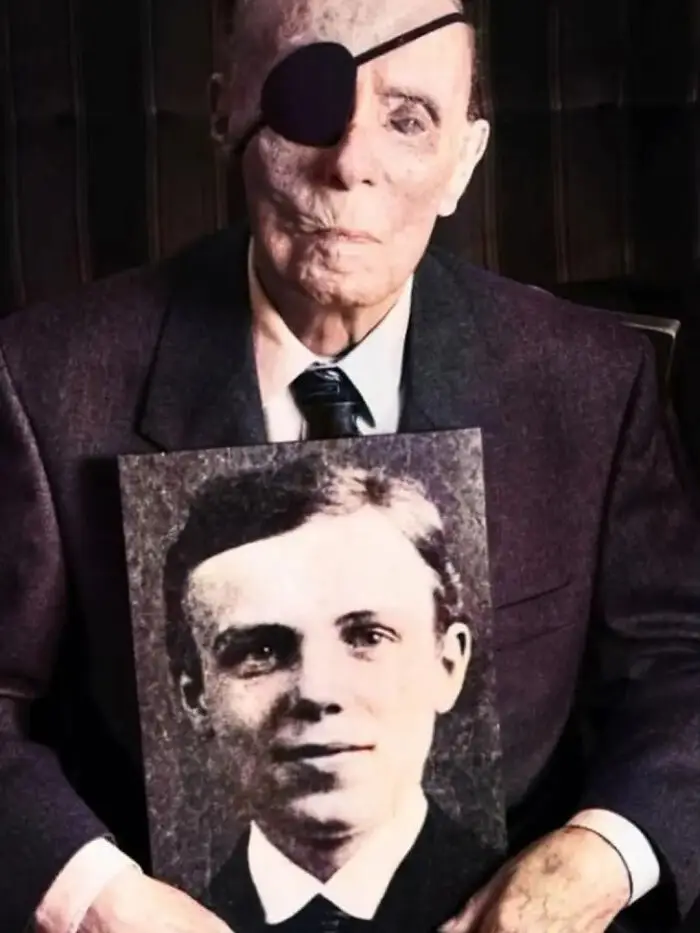
German WW1 veteran Hans Lange holds a portrait of himself as a 19 year old in 1918. Born in 1899, Hans was wounded by a g*****e during the war, gradually losing his sight. This photo was taken in 1998, Hans passed away in 1999.
Report
10points
#12
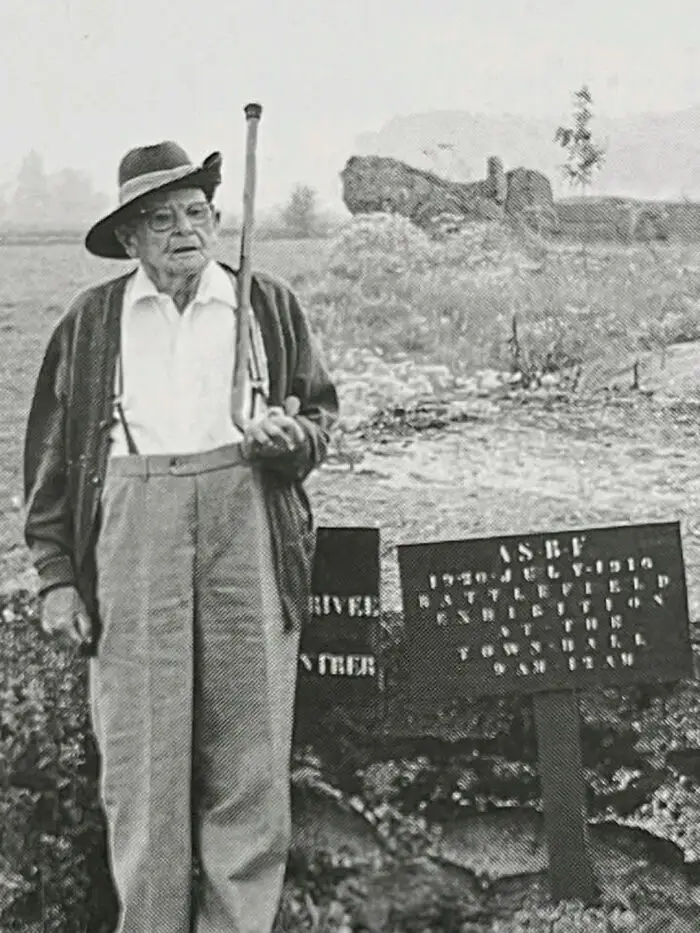
A veteran returns to the Fromelles battlefield to remember a mate.
An aging Tom ‘Nugget’ Brain stands to attention on the old Fromelles battlefield near the Somme. Behind Tom are the gnarly footings of an old German blockhouse that undoubtedly spat desultory fire across Fromelles’ marshy fields on 19 July 1916. In 24 hours, the 5th Australian Division suffered 5,533 casualties. It remains the bloodiest day in Australia’s military history.
Tom returned to Fromelles in 1993 to commemorate his old mate, George Ramsay. Tom remembered himself and George standing together for the hopover on the drizzly evening of the attack.
A shell shrieked overhead, and fell short. When the dust settled, Tom reached out, touched George, and asked how he was. He soon discovered that shrapnel had struck George in the abdomen. He d**d instantly.
It was ‘not a pretty picture for an 18-year-old lad,’ recalled Tom, ‘George was the best friend I ever had; we shared everything.’ It was impossible for Tom to recover George’s remains; they had to be left in No Man’s Land. Tom was asked to write a letter to George’s family. ‘I couldn’t write a letter like that,’ Tom recalled, so the Padre drafted it and Tom later copied it out.
Tom rarely shared his story about George, but whenever he did, he couldn’t help but cry. Tom survived the war, returning home to marry his childhood sweetheart, Lila. The marriage lasted 68 years and yielded four children. Yet, Tom always yearned to return to the battlefields to remember his old mate.
In this photo, Tom is frail and, in his nineties. Yet, he still stands to attention as a mark of respect for his mates. Tom d**d a few years later. He could finally ‘stand easy’. On the Fromelles’ 109th anniversary, we remember Tom and George, thanks to Lambis Englezos and Robin Corfield’s meticulous work in recording their stories.
Report
10points
#15
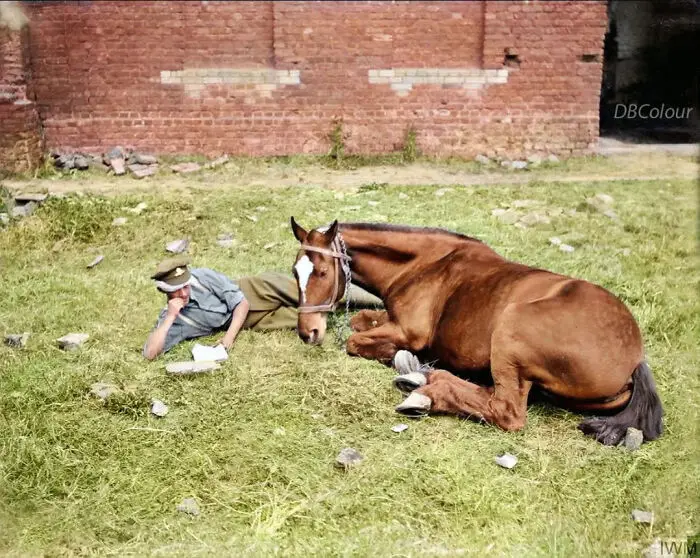
13 June 1918
A British Royal Artillery driver and his horse, Calonne-sur-la-Lys, located in the Pas-de-Calais region of France.
The village was a place where soldiers and their support staff, found temporary refuge on retreating from the Battle of the Lys.
A British Royal Artillery driver and his horse, Calonne-sur-la-Lys, located in the Pas-de-Calais region of France.
The village was a place where soldiers and their support staff, found temporary refuge on retreating from the Battle of the Lys.
Report
9points
#16
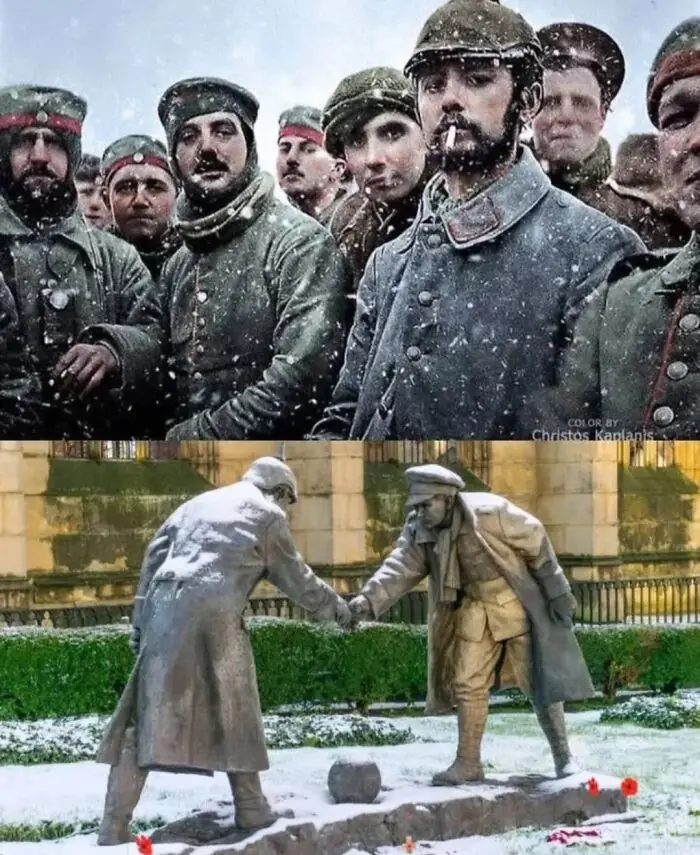
The Christmas Truce shows us that extreme humanity is possible, even in the face of the impossible. World is inspired by the stories from these soldiers who laid down their weapons in a time of war to share in a brief moment of peace.
The Christmas truce also allowed both sides to finally bury their d**d comrades, whose bodies had lain for weeks on “no man's land,” the ground between opposing trenches. The phenomenon took different forms across the Western front.... And of course, it was only ever a truce, not peace.
The Christmas truce also allowed both sides to finally bury their d**d comrades, whose bodies had lain for weeks on “no man's land,” the ground between opposing trenches. The phenomenon took different forms across the Western front.... And of course, it was only ever a truce, not peace.
Report
9points
#17
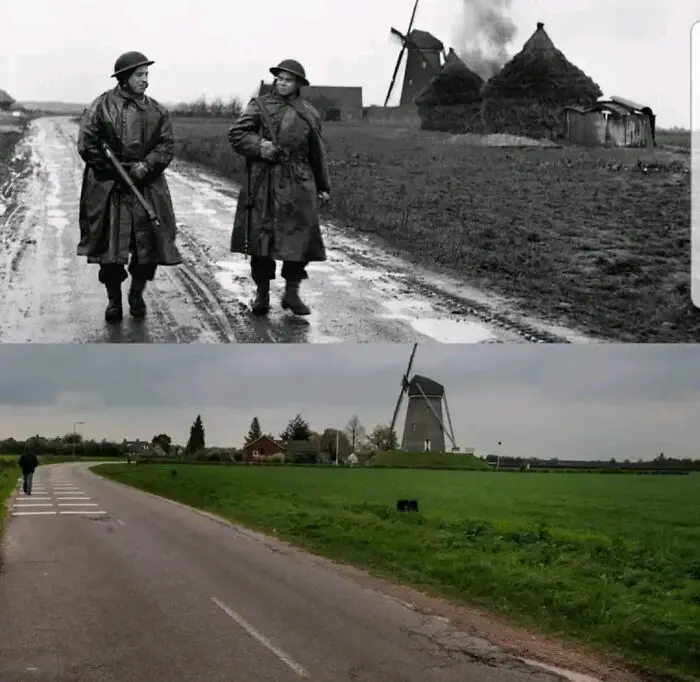
"Wet and Mud"
Scottish soldiers of the 53rd Highland or Welsh Division walking accross the typical Dutch countryside with her windmills near Meijel, The Netherlands. October 1944.
Scottish soldiers of the 53rd Highland or Welsh Division walking accross the typical Dutch countryside with her windmills near Meijel, The Netherlands. October 1944.
Report
9points
#18
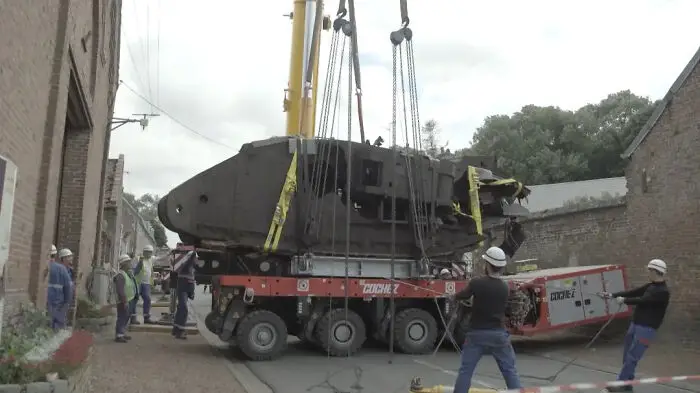
After more than a century, a first world war tank makes its final journey. History is still alive.
This is Deborah, a surviving British Mark IV tank from the First World War, carrying the scars of one of the darkest chapters in human history.
This is Deborah, a surviving British Mark IV tank from the First World War, carrying the scars of one of the darkest chapters in human history.
Report
8points
#19
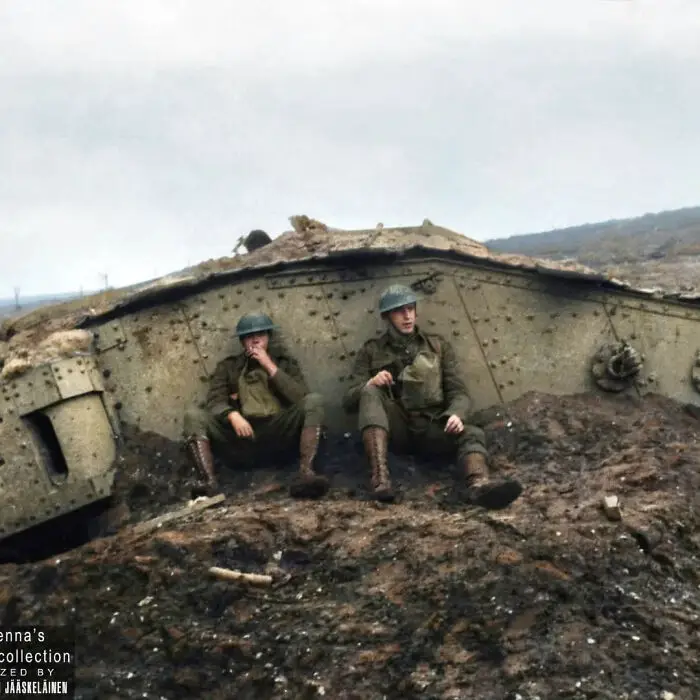
Two British officers rest behind the wreck of a Mark IV ‘Female’ tank, likely in Ypres, circa 1917-1918. Unknown photographer.
The man on the left, seems to be taking a quick smoke whilst his friend next to him fidgets with his whistle. This photo was likely taken by a fellow officer. Private ‘front-line’ photography like this is rare from British troops as photography of this nature was strictly banned. Initially banned in March, April & September of 1915, taking such a photo or possessing a camera could result in a court martial. For ordinary soldiers this risked up to 112 days in confinement and for Officers it could mean being unceremoniously discharged from the military. Most soldiers gave up their cameras and sent them home, however many men did secretly smuggle their cameras to the front. Likely thousands of illegal photos were taken but after 100 years, they are extremely hard to come by.
This 127 film negative was found neglected at the bottom of a box containing unrelated glass negatives, it was in bad condition, but the importance of the photo was evident. After an extremely careful cleaning, nearly all of the white debris that was marking the negative was removed and revealed all the hidden details. For example, the escape hatch under the sponson was almost completely hidden by the damage but is now easily visible. It was likely taken with a Kodak vest pocket camera which was popular with soldiers.
Report
8points
#20
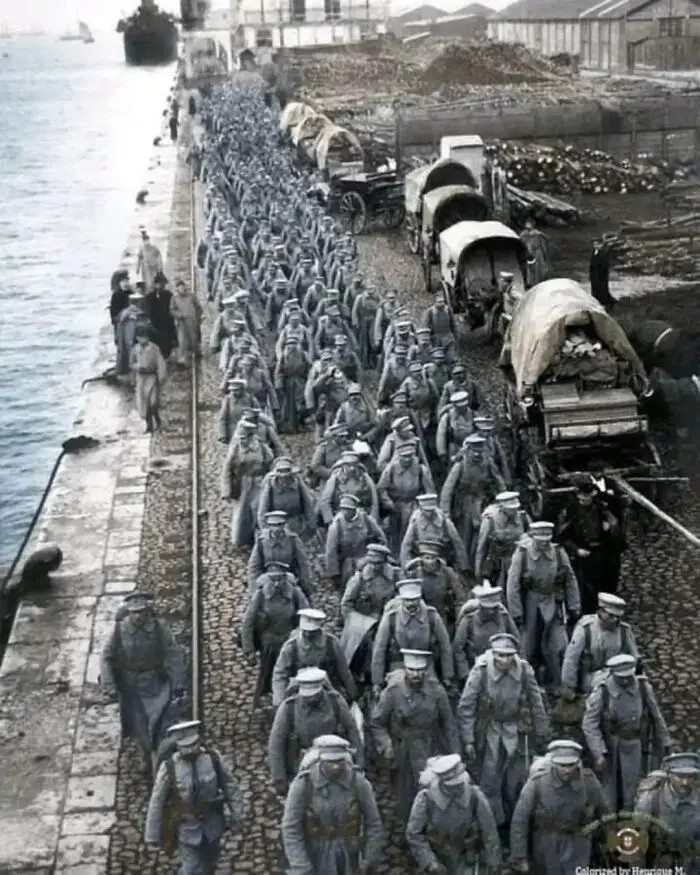
Portuguese troops landing in France, during the first world war, in the year 1917. Portugal and its colonies left for the front.
At the end of the war, Portugal suffered more than 30,000 casualties, with 8145 soldiers d**d and 6,000 missing, the rest of the numbers refer to wounded (mainly by gas) and cripples, these military casualties happened both in Africa and in European battlefields..
At the end of the war, Portugal suffered more than 30,000 casualties, with 8145 soldiers d**d and 6,000 missing, the rest of the numbers refer to wounded (mainly by gas) and cripples, these military casualties happened both in Africa and in European battlefields..
Report
8points
