




With 78,801 photos submitted by 4,738 photographers, the 2019 World Press Photo of the Year Contest can only have winners of the very highest caliber. These hard-hitting images, taken by professional photo-journalists from all over the world, tell us the stories that matter, getting to the heart of the issues facing our world and opening our eyes to the often harsh reality.
This year's winner is a heartbreaking photo of 2-year-old Honduran toddler Yanela Sanchez, who is captured crying as she and her mother, Sandra Sanchez, are taken into custody by US border officials in McAllen, Texas. The photo, which went viral and sparked a major debate, was taken by Getty Images photographer John Moore, who described the experience in an interview with NPR. "I could see the fear on their faces, in their eyes," the award-winning photographer said. "As the Border Patrol took people's names down, I could see a mother holding a young child."
As Sandra and Yanela were being processed and searched, officers asked the mother to set the child aside. "At that moment, the young child broke into tears, and she started wailing," Moore said. "I took a knee and had very few frames of that moment before it was over."
It was an unhappy end to a long an emotional journey for mother and daughter, attempting to make a better life for themselves after their own country of Honduras has descended into poverty and violence, due in no small part to U.S. policies over the years. Moore knew that for the pair, some painful times could lie ahead. “Most of us here had heard the news that the Trump administration had planned to separate families. And these people really had no idea about this news. And it was hard to take these pictures, knowing what was coming next.”
As the immigration debate intensified, the image of the tearful girl was juxtaposed against a stern-looking Donald Trump on the cover of the July 2018 edition of TIME magazine, alongside the caption: Welcome to America. Later on, it emerged that mother and daughter weren't actually split up on this occasion, leading many to accuse the photo of promoting a false narrative. Moore confirmed to CBS News that the agents he observed that night acted professionally but says he’s still pleased with both the response to his photo and the TIME cover image.
“Oftentimes, immigration is talked about in terms of statistics, and when you put a human face and humanize an issue, you make people feel,” Moore says. “And when you make people feel, they have compassion. And if I’ve done just a little bit of that, then that’s OK.”
Despite the controversy surrounding it, the judges felt that the powerful image was symbolic of the wider issue at hand, and more than merited the award.
Scroll down to see other winners in the prestigious contest, which has been running since 1955, and let us know your favorites in the comments!
#21 General News, Singles, 2nd Prize, "Still Life Volcano" By Daniele Volpe
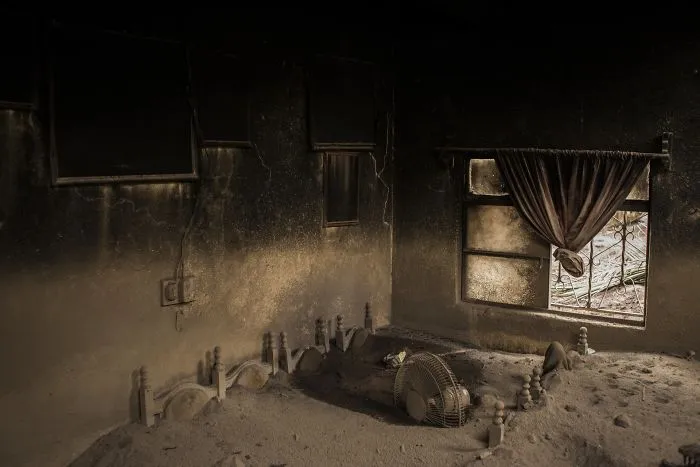
The living-room of an abandoned home in San Miguel Los Lotes, Guatemala, lies covered in ash after the eruption of Volcán de Fuego on 3 June.
Fuego, around 40 km southwest of the capital Guatemala City, is one of Latin America’s most active volcanoes, and has been erupting periodically since 2002. It is monitored by volcanologists, but this eruption came without warning. People living around the volcano, many at Sunday lunch, were surprised by the suddenness of the event, as Fuego spewed red-hot lava, ash, poisonous gases and flaming debris onto villages below. The eruption was one of the deadliest in Guatemala for over a century. Guatemala’s National Institute of Forensic Sciences reported the recovery of 318 bodies, over a third of them unidentified.
Report
82points
#22 Spot News, Stories, 1st Prize, "The Migrant Caravan" By Pieter Ten Hoopen
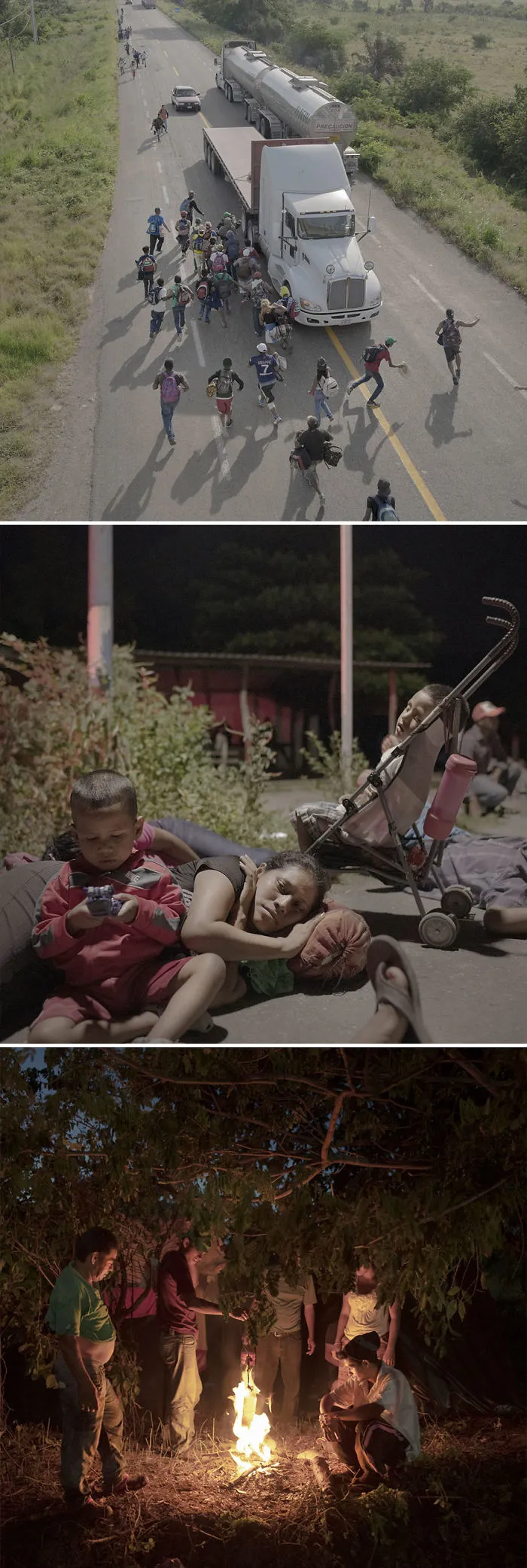
During October and November, thousands of Central American migrants joined a caravan heading to the United States border. The caravan, assembled through a grassroots social media campaign, left San Pedro Sula, Honduras, on 12 October, and as word spread drew people from Nicaragua, El Salvador and Guatemala. They were a mix of those facing political repression and violence, and those fleeing harsh economic conditions in the hope of a better life. Traveling in a caravan offered a degree of safety on a route where migrants have previously disappeared or been kidnapped, and was an alternative to paying high rates to people smugglers. Migrant caravans travel to the US border at different times each year, but this was the largest in recent memory with as many as 7,000 travelers, including at least 2,300 children, according to UN agencies. Conditions along the way were grueling, with people walking around 30 km a day, often in temperatures above 30°C. The caravan usually set off at around 4am each day to avoid the heat. Like others, the caravan drew condemnation from US president Donald Trump, who made it a focal point of rallies and used it to reiterate his call for tough immigration policies and the building of a border wall.
82points
#23 Portraits, Stories, 2nd Prize, "Northwest Passages" By Jessica Dimmock
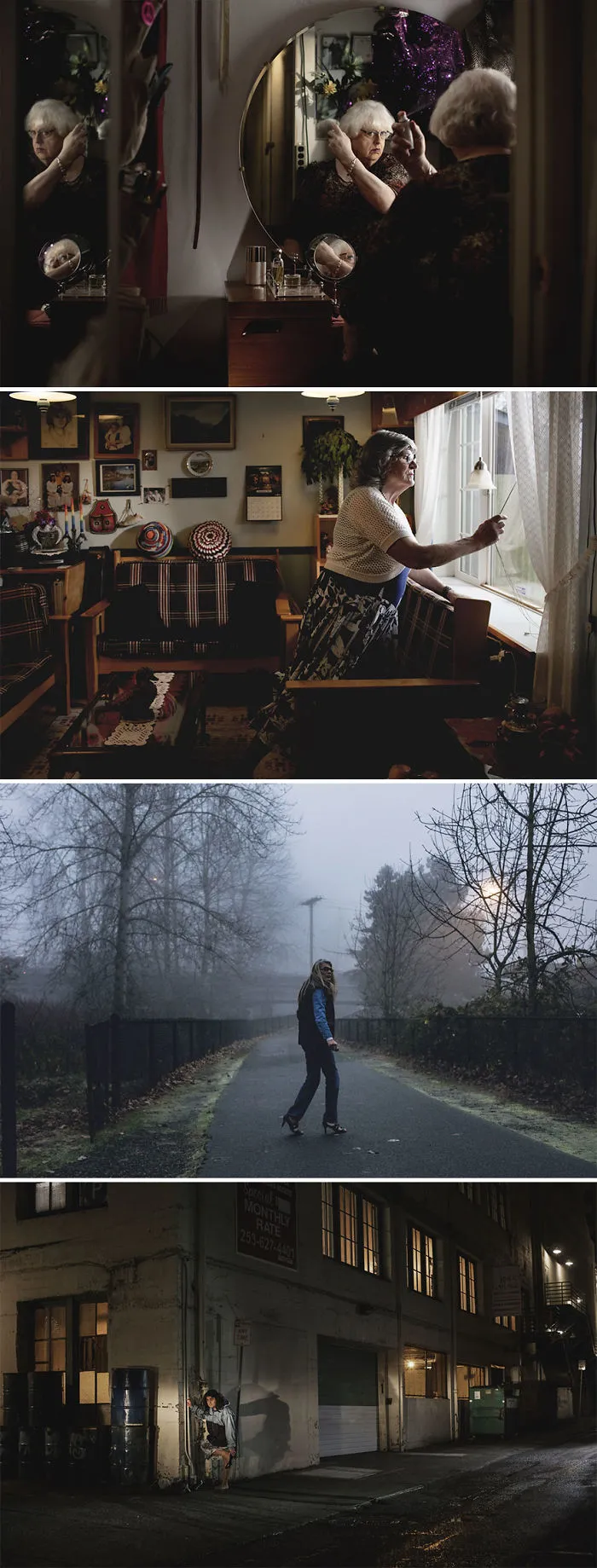
Transgender individuals around the world are still exposed to widespread social stigma and abuse. For many transgender women, coming to terms with their female selves is an ongoing process. Some find resourceful ways in which to express their identities in private. Senior transgender women in northwestern USA are pictured in the places where they hid their female identities for decades.
Report
76points
#24 Long-Term Projects, Stories, 1st Prize, "Beckon Us From Home" By Sarah Blesener
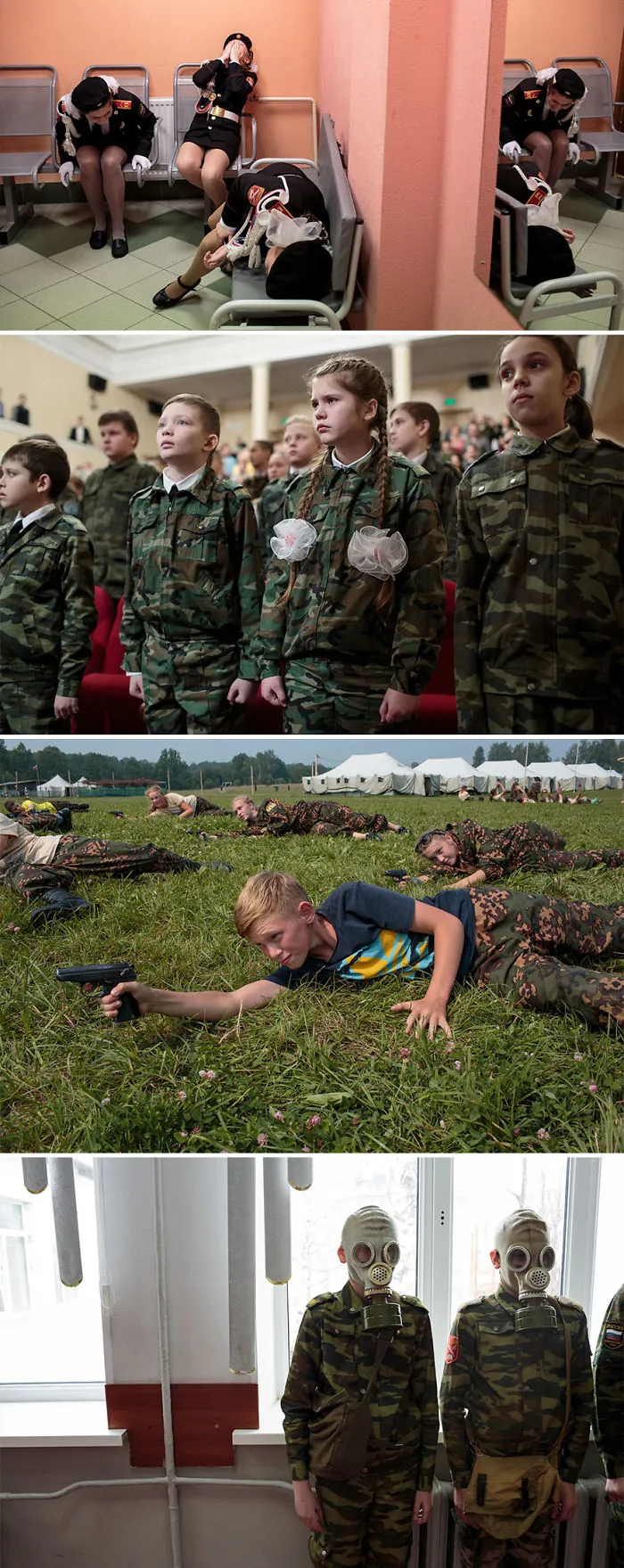
Patriotic education, often with a military subtext, forms the mainspring of many youth programs in both Russia and the United States. In America, the dual messages of ‘America first’ and ‘Americanism’ can be found not only as a driving force behind adult political movements, but around the country in camps and clubs where young people are taught what it means to be an American. In Russia, patriotic clubs and camps are encouraged by government. In 2015, President Vladimir Putin ordered the creation of a Russian students’ movement whose aim was to help form the characters of young people through instruction in ideology, religion and preparedness for war. The ‘Patriotic Education of Russian Citizens in 2016–2020’ program called for an 8 percent increase in patriotism among youth, and a 10 percent increase in recruits to the armed forces.
The photographer visited ten youth programs in the US, as well as schools and military summer camps in Russia. The aim of the series is to use these young people and their lives as the focal point in an open dialogue around the ideas instilled in future generations, and examine how young people are responding to contemporary society.
The photographer visited ten youth programs in the US, as well as schools and military summer camps in Russia. The aim of the series is to use these young people and their lives as the focal point in an open dialogue around the ideas instilled in future generations, and examine how young people are responding to contemporary society.
Report
66points
#25 Spot News, Stories, 3rd Prize, "Ambulance Bomb" By Andrew Quilty
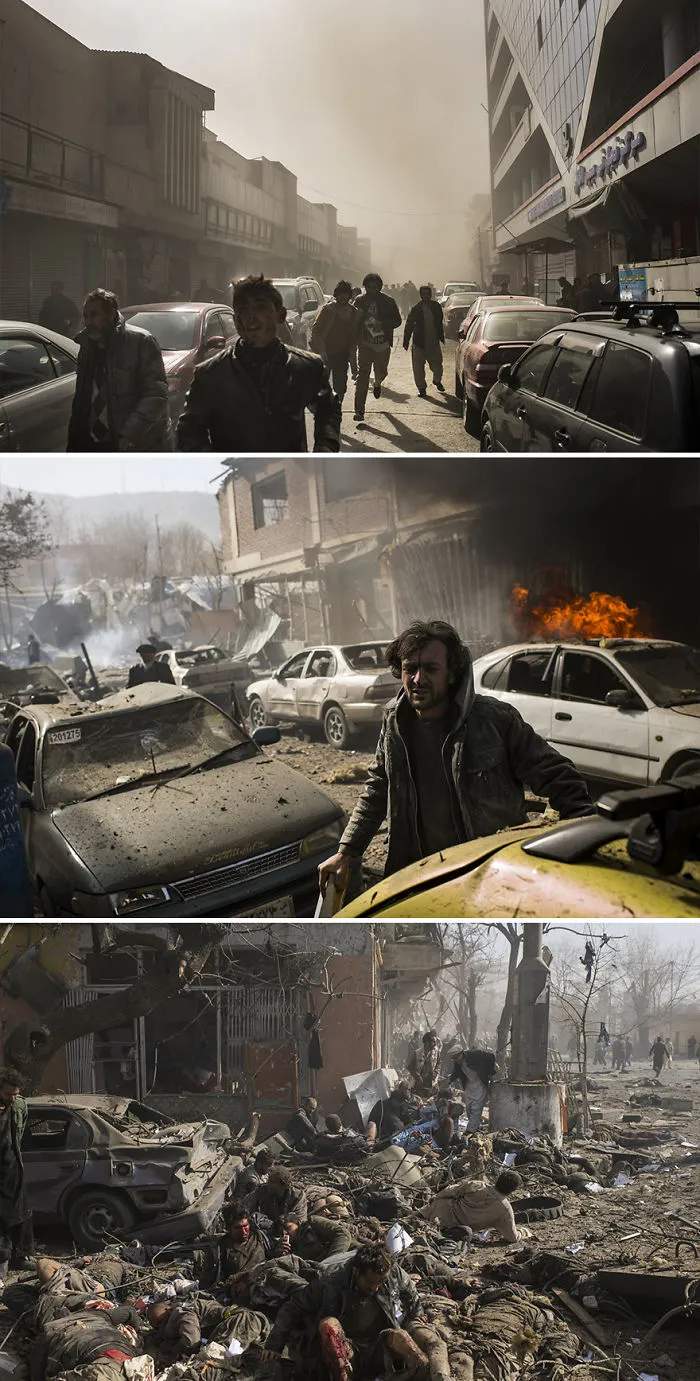
An ambulance packed with explosives killed 103 people and injured 235 in Kabul, Afghanistan, on 27 January. The ambulance had passed through one security point unnoticed, but although the attacker was identified at a second checkpoint, he couldn’t be stopped from detonating his explosives. The bombing took place at lunchtime near Chicken Street, a central shopping area once popular among foreign nationals, and close to government and diplomatic buildings. The victims, however, were overwhelmingly Afghan civilians and police. The Taliban claimed responsibility for the ambulance bombing, which ranked among the worst civilian attacks in the Afghan capital in some years. Taliban commanders said they were intensifying urban attacks in retaliation for increased airstrikes on areas under their control.
Report
65points
#26 Nature, Stories, 1st Prize, "Falcons And The Arab Influence" By Brent Stirton
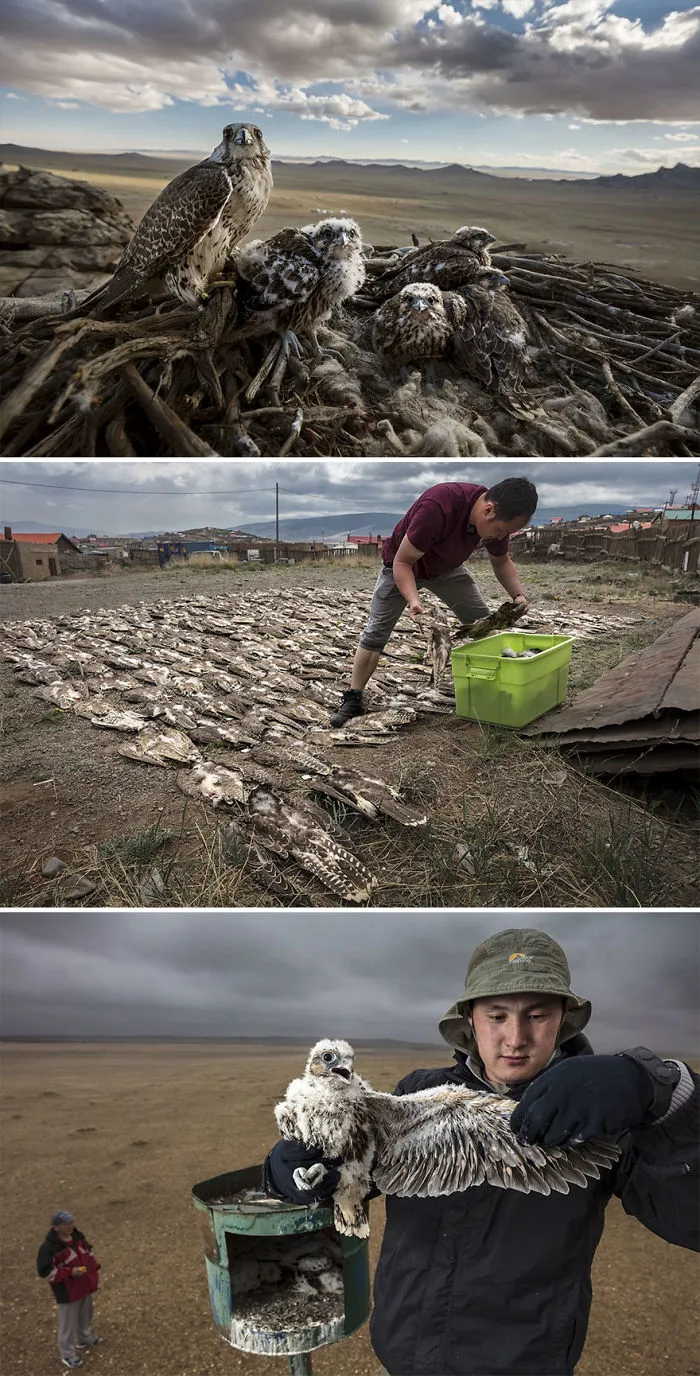
The millennia-old practice of falconry is experiencing an international resurgence, especially as a result of efforts in the Arab world. UNESCO now recognises falconry as an Intangible Cultural Heritage of Humanity (ICH), a status enjoyed by no other hunting sport. Falcons bred in captivity have helped diminish the trade in captured wild birds, including some species that are listed as endangered. But some falcons in the wild continue to be at risk from capture and other anthropogenic factors such as electrocution on badly designed powerlines, habitat degradation and agrochemicals. Similarly, although the breeding of birds such as houbara bustards for prey has made hunting a more sustainable practice, the British Ornithologists’ Union reported that the wild houbara population continued to decline
Report
63points
#27 Portraits, Stories, 1st Prize, "Land Of Ibeji" By Bénédicte Kurzen And Sanne De Wilde
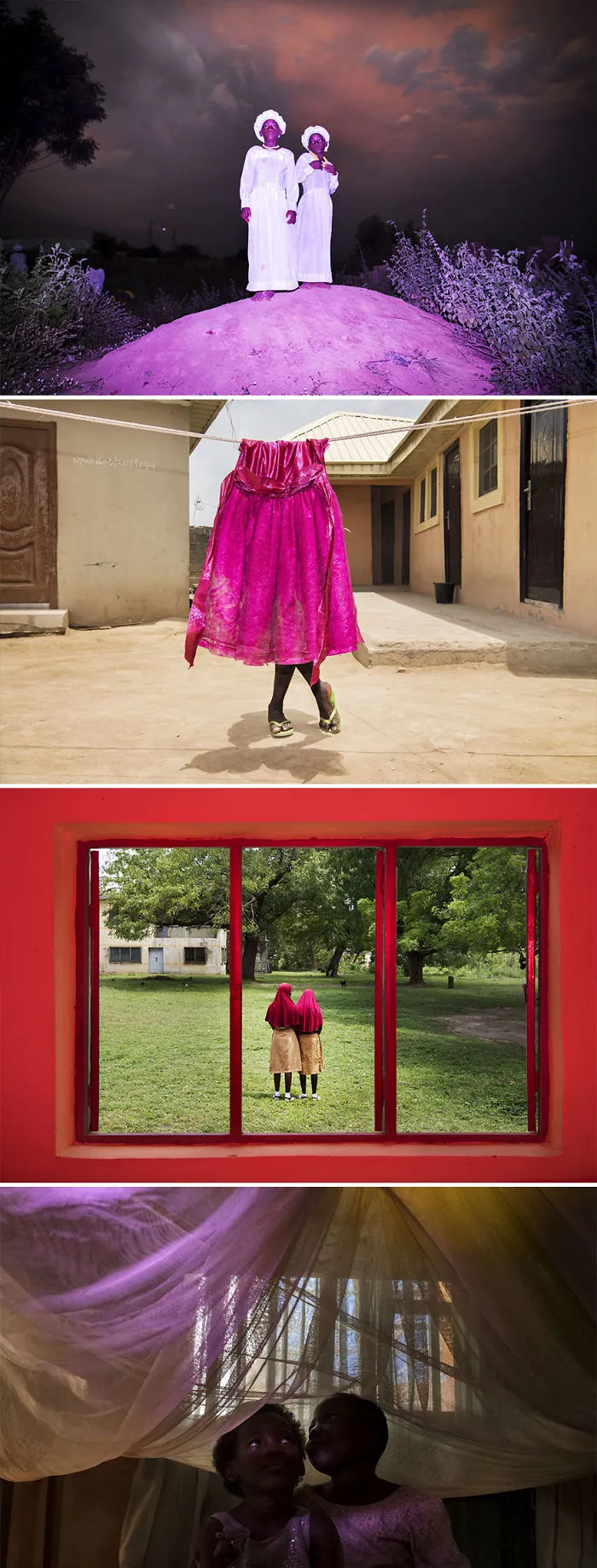
Nigeria has one of the highest occurrences of twins in the world, particularly among the Yoruba people in the southwest. In the southwestern town of Igbo-Ora, dubbed ‘The Nation’s Home of Twins’, reportedly almost every family has at least one set. In 2018, the town hosted a Twins Festival, attended by over 2,000 pairs. The first-born twin is usually called Taiwo, meaning ‘having the first taste of the world’, while the second-born is named Kehinde, ‘arriving after the other’. Communities have developed different cultural practices in response to this high birth rate, from veneration to demonization. In earlier times, twins in some regions were considered evil, and vilified or killed at birth. Nowadays, the arrival of twins is generally met with celebration, and many think they bring good luck and wealth. Two color filters were used, to express duality: of identity, of photographers, and of attitude to twins.
61points
#28 General News, Stories, 1st Prize, "Yemen Crisis" By Lorenzo Tugnoli
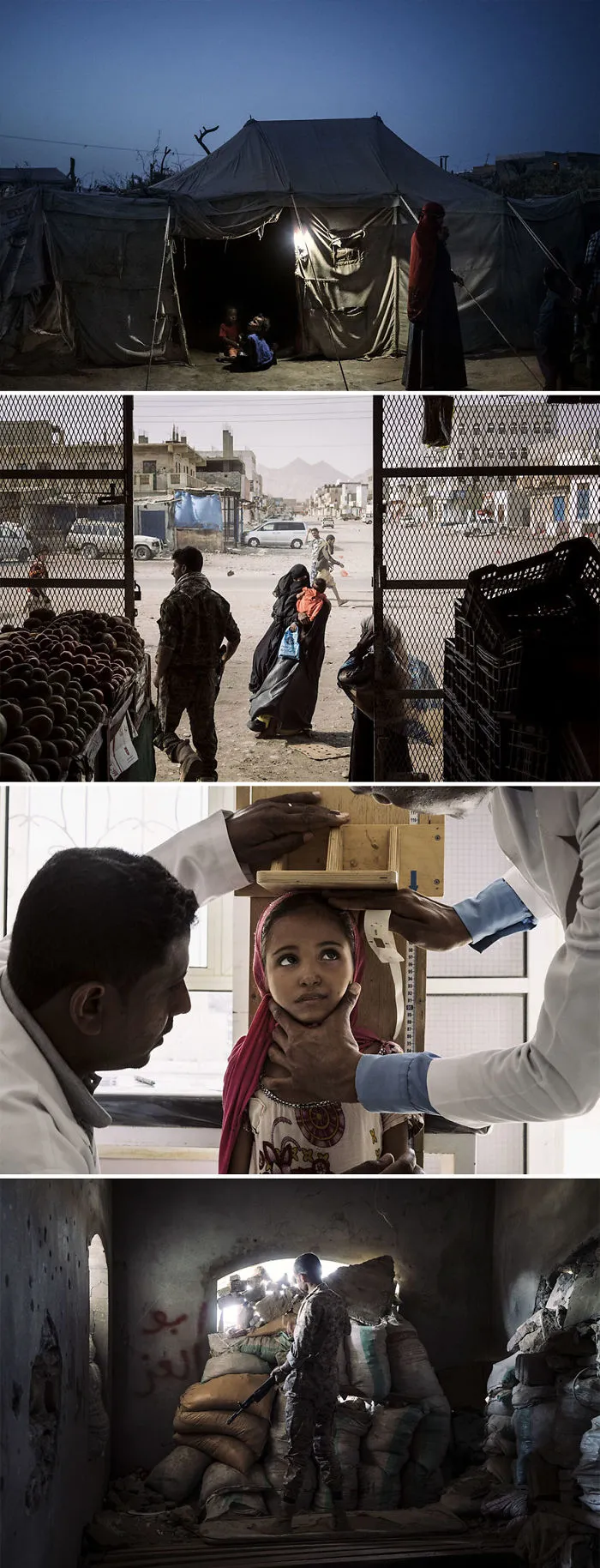
After nearly four years of conflict in Yemen, at least 8.4 million people are at risk of starvation and 22 million people—75% of the population—are in need of humanitarian assistance, according to the UN. In 2014, Houthi Shia Muslim rebels seized northern areas of the country, forcing the president, Abdrabbuh Mansour Hadi, into exile. The conflict spread, and escalated when Saudi Arabia, in coalition with eight other mostly Sunni Arab states, began air strikes against the Houthis. By 2018, the war had led to what the UN termed the world’s worst man-made humanitarian disaster. Saudi Arabia said that Iran—a Shia-majority state and their rival regional power—was backing the Houthis with weapons and supplies, a charge Iran denied. The Saudi-led coalition implemented a blockade on Yemen, imposing import restrictions on food, medicines and fuel. Resulting shortages exacerbated the humanitarian crisis. In many cases, conditions of near-famine were caused not so much by the unavailability of food, but because it became unaffordable, priced out of reach to most Yemenis by import restrictions, soaring transport costs due to fuel scarcity, a collapsing currency and other man-made supply disruptions.
Report
52points
#29 Nature, Singles, 1st Prize, "Harvesting Frogs’ Legs" By Bence Máté
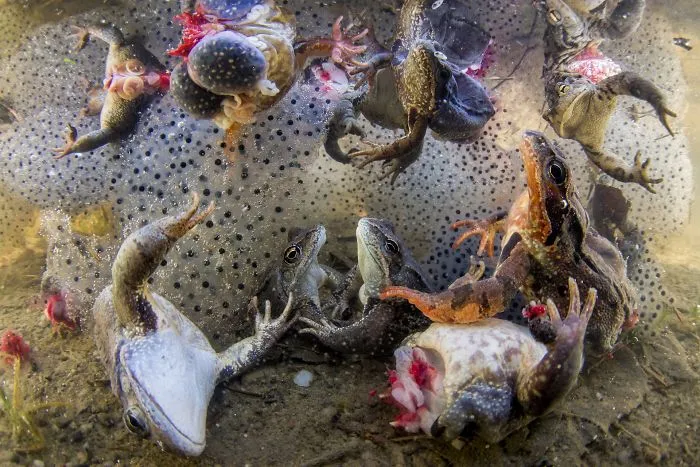
Frogs with their legs severed and surrounded by frogspawn struggle to the surface, after being thrown back into the water in Covasna, Eastern Carpathians, Romania, in April.
Frogs’ legs are frequently harvested for food in the spring, when males and females gather to mate and spawn. Legs are sometimes severed while the animal is still living. About US$40 million worth are sold annually, with countries across the world participating in the trade. A small part of the population in the Carpathian Mountains make their living by collecting frogs’ legs in the wild and selling them.
Report
50points
#30 Long-Term Projects, Stories, 2nd Prize, "The House That Bleeds" By Yael Martínez
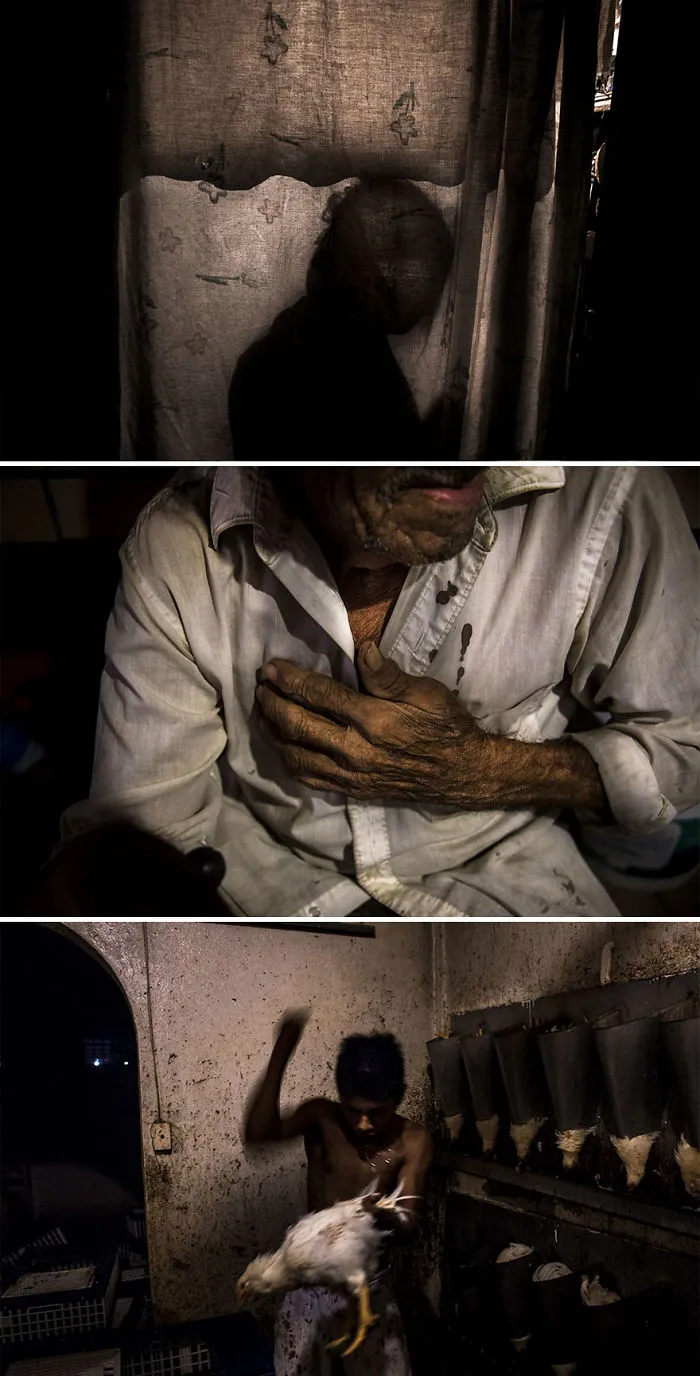
Across Mexico, more than 37,400 people have been categorized as ‘missing’ by official sources. The vast majority of those are believed to be dead—victims of ongoing violence that has claimed more than 250,000 lives since 2006. These disappearances are the source of lasting psychological trauma for families left behind.
The violence has its roots in the war on Mexico’s powerful drugs cartels instigated by President Felipe Calderón during his 2006–2012 term of office, and continued by his successor, Enrique Peña Nieto. The ensuing violence has led to a catastrophic rise in murder rates and in the number of unsolved disappearances, which is aided by corruption and impunity. President Nieto promised an end to violence, but although homicides declined, authorities seemed unable to restore the rule of law or make much progress in the struggle against cartels. Among the states most affected are Sinaloa and Guerrero, which was included in a list of no-travel zones by the US government in 2018.
In 2013, one of the photographer’s brothers-in-law was killed and another two disappeared. This led him to begin documenting the resultant psychological and emotional fracture in his own family and in the families of other missing people, to give a personal account of the despair and sense of absence that accrues over time.
The violence has its roots in the war on Mexico’s powerful drugs cartels instigated by President Felipe Calderón during his 2006–2012 term of office, and continued by his successor, Enrique Peña Nieto. The ensuing violence has led to a catastrophic rise in murder rates and in the number of unsolved disappearances, which is aided by corruption and impunity. President Nieto promised an end to violence, but although homicides declined, authorities seemed unable to restore the rule of law or make much progress in the struggle against cartels. Among the states most affected are Sinaloa and Guerrero, which was included in a list of no-travel zones by the US government in 2018.
In 2013, one of the photographer’s brothers-in-law was killed and another two disappeared. This led him to begin documenting the resultant psychological and emotional fracture in his own family and in the families of other missing people, to give a personal account of the despair and sense of absence that accrues over time.
Report
48points