




Hi, my name is Alexander Khimushin. I am a traveling photographer born and raised in Sakha (Yakutia) - the coldest region of the world and one of the most isolated regions of Siberia. 10 years ago, I packed a backpack and set out on a journey that continues to this day, traveling alone to the most remote and inaccessible corners of the world. Visiting Indigenous People and learning about their cultures and traditional ways of living has become the most inspiring experience of my life. The last several years I dedicated to The World In Faces photo project that showcases the incredible diversity of our multicultural world through photo portraits and personal stories of Indigenous People.
Due to rapid globalization, destruction of traditional environments, and conflicts on racial and religious grounds, many ethnic minorities today are going towards total extinction. Their ancestral knowledge, traditions, and languages are rapidly disappearing. The United Nations has officially declared 2019 the Year of Indigenous Languages. Language is a core in every traditional culture of the world, however, most of the Indigenous languages are under threat. According to the official forecasts, 50-95% of the languages of the world will disappear by the end of this century. One Indigenous people's language dies every two weeks.
I made it my mission to tell the world about these unique people and their ancient cultures, to share their wisdom, show their faces, and tell their stories. I hope my photo project will be a call to action to acknowledge and protect the ways and rights of Indigenous People, and raise global awareness about these peoples’ struggles, worldviews, and their resilience.
A large scale The World In Faces photo exhibition was recently held at the United Nations Headquarters in New York City. I was especially proud to show it during the time when over 1500 representatives of Indigenous Peoples of all over the world gathered together in their Forum; they were very happy to see portraits of their brothers and sisters from different countries. I thought it would be a good idea to share the portraits from this exhibition with you too!
“People will not look forward to posterity who never look backward to their ancestors.” ― Edmund Burke, Reflections on the Revolution in France.
#21 Orochi Woman; Coast Of The Sea Of Japan, Far East Siberia
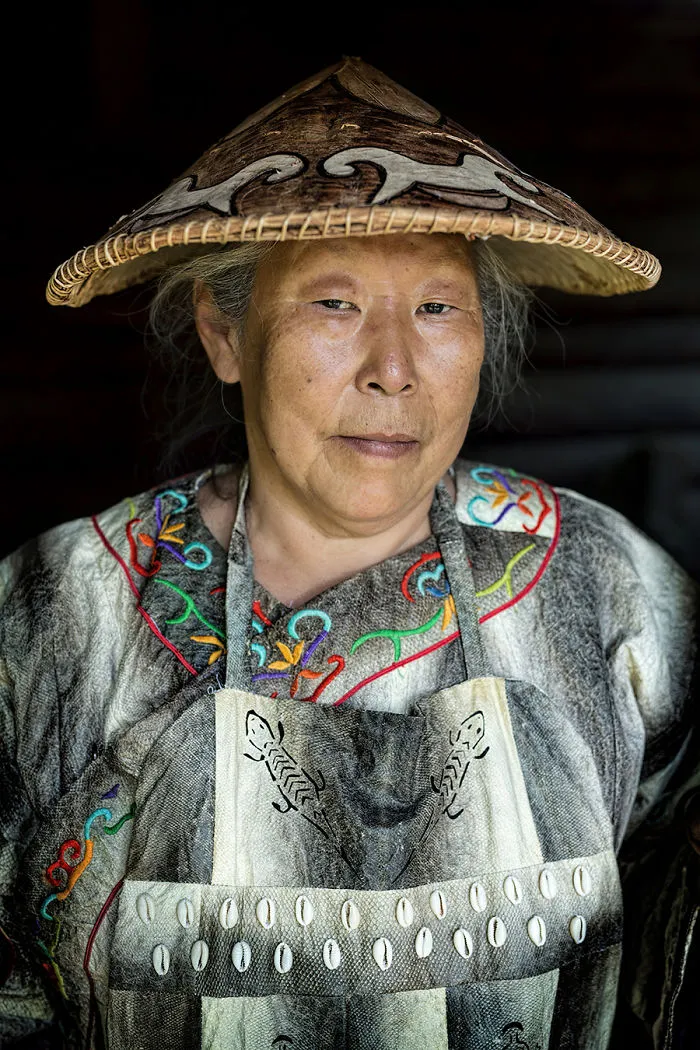
The Orochi are Indigenous people living on the shores of the Sea of Japan, Far East of Siberia, just north of Japan. Ina Akunka was a spiritual leader who dedicated her life to preserve Orochi traditions and culture. Here she is pictured wearing the last traditional clothing made from salmon skin by a traditional master craftsman. That master is no longer with us, and their traditional knowledge died with them. The last person who could speak the Orochi language died 9 years ago. Ina, 64, passed away last year. She was one of the last of the Orochi people.
54points
#22 Nganasan Boy; Dudinka, Taimyr Peninsula, Arctic Siberia
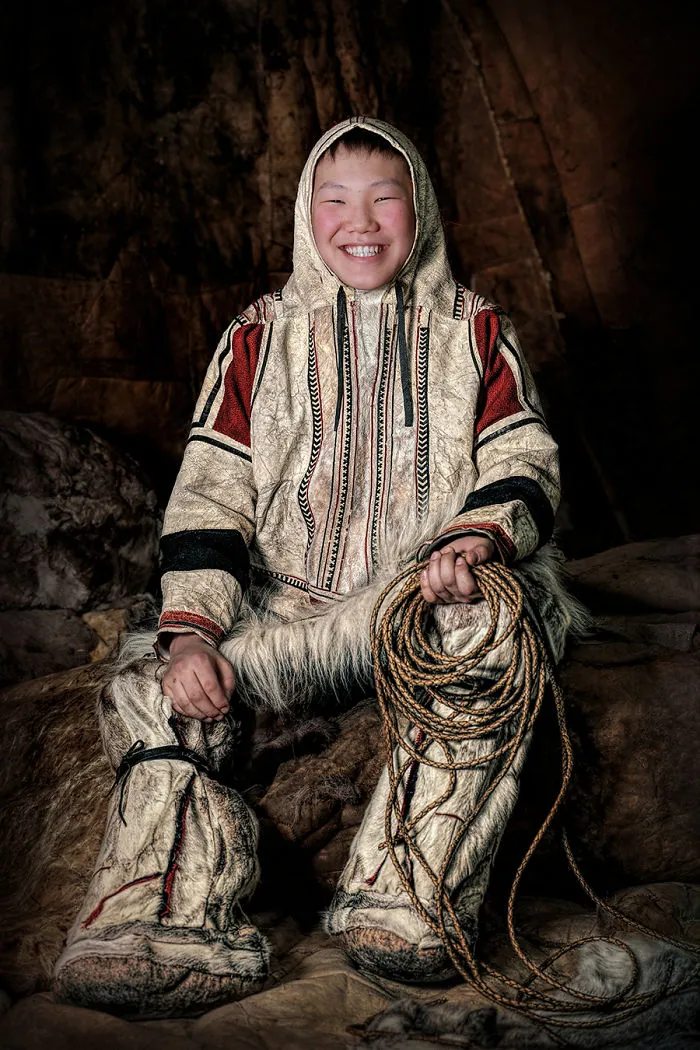
The Nganasan people of the Siberian Arctic are the northernmost people of Eurasia. There are just a few hundred Nganasans today. Their language is severely endangered according to UNESCO. There are only a few elders who can speak Nganasan fluently. Here a local boy, Venya, 15, is wearing authentic traditional clothes. These clothes are becoming exceptionally rare. The few remaining pieces like this one will be buried together with their owners, according to the Nganasan ancient funeral traditions. Once these are gone, there will be just a couple of costumes left as museum pieces.
54points
#23 Dolgan Man; Dudinka, Taimyr Peninsula, Arctic Siberia
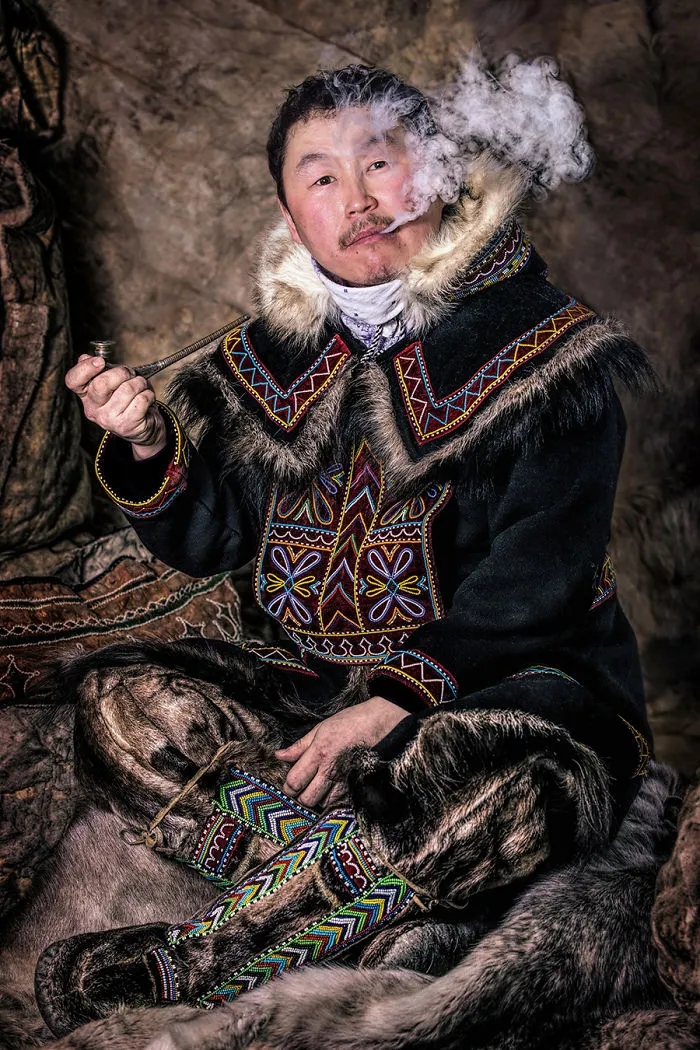
Dolgan people are the Northernmost people of Eurasia, living on the edge of the Arctic Ocean. Dima Chuprin, 35, is a highly regarded traditional bone carver, working with both mammoth and reindeer bone. Dolgans are reindeer herders living an isolated life in one of the harshest climates on earth. An estimated 1,000 Dolgans of the approximately 8,000 remaining speak their language.
52points
#24 Nenets Man; Tukhard, Taimyr Peninsula, Arctic Siberia
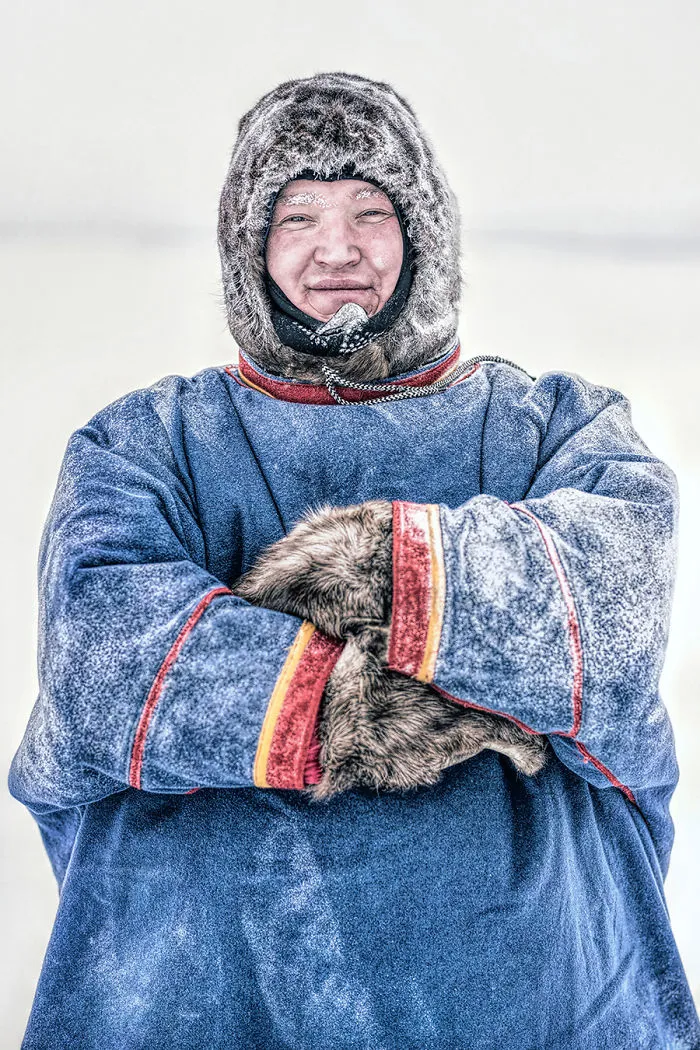
Pavel Nikiforoff, 36, has a lot of responsibilities - he is the head of the administration of one of the most remote and northernmost settlements of Eurasia and of the world - the village of Tukhard. Until recently, Pavel had a herd of reindeer, but when the local residents elected him as a village Chief, he had to make a difficult choice. Leadership is a huge responsibility. Life in the tundra is harsh, with temperatures below -40 F/ -40 C, but for Pavel it is his homeland and his people's land. He doesn't dream of any other life.
48points
#25 Oroqen Man; Alihe, Inner Mongolia Province, People’s Republic Of China
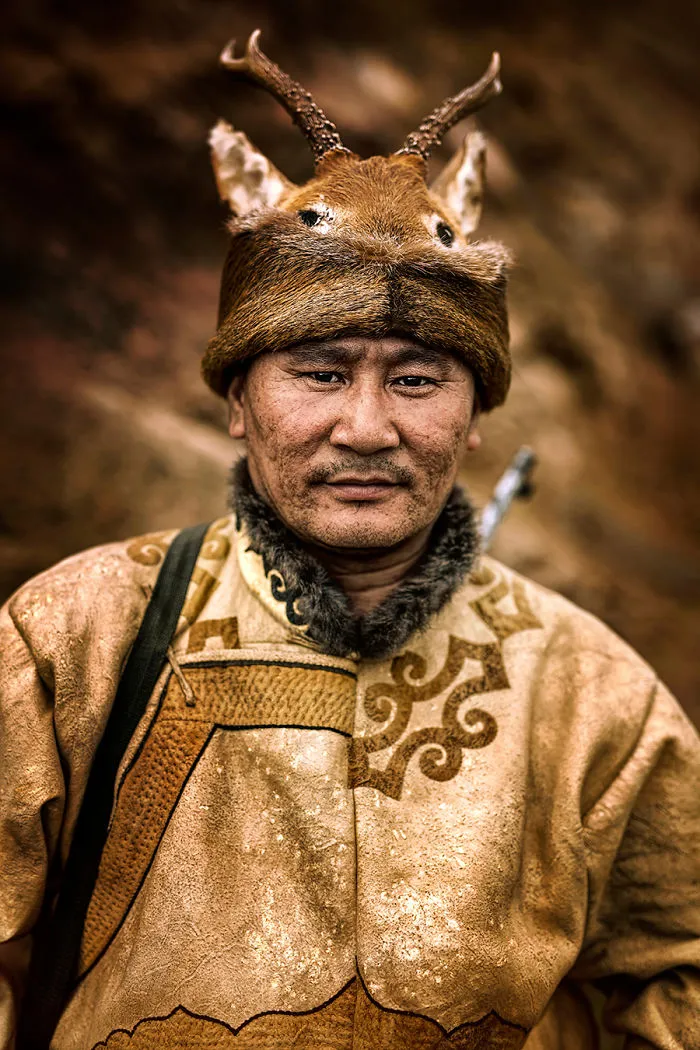
The Oroqen people live in a remote part of the Inner Mongolia Province in China, along the border with Siberia. The Oroqen language is not written until now; it is considered severely endangered. Traditionally Oroqens are hunters, however, most of them have transitioned to other occupations to adhere to the new wildlife protection laws passed in China. The government has provided support and modern dwellings for those who are integrating and have left behind their traditional way of life.
47points
#26 Mam Man; Todos Santos, Huehuetenango, Guatemala
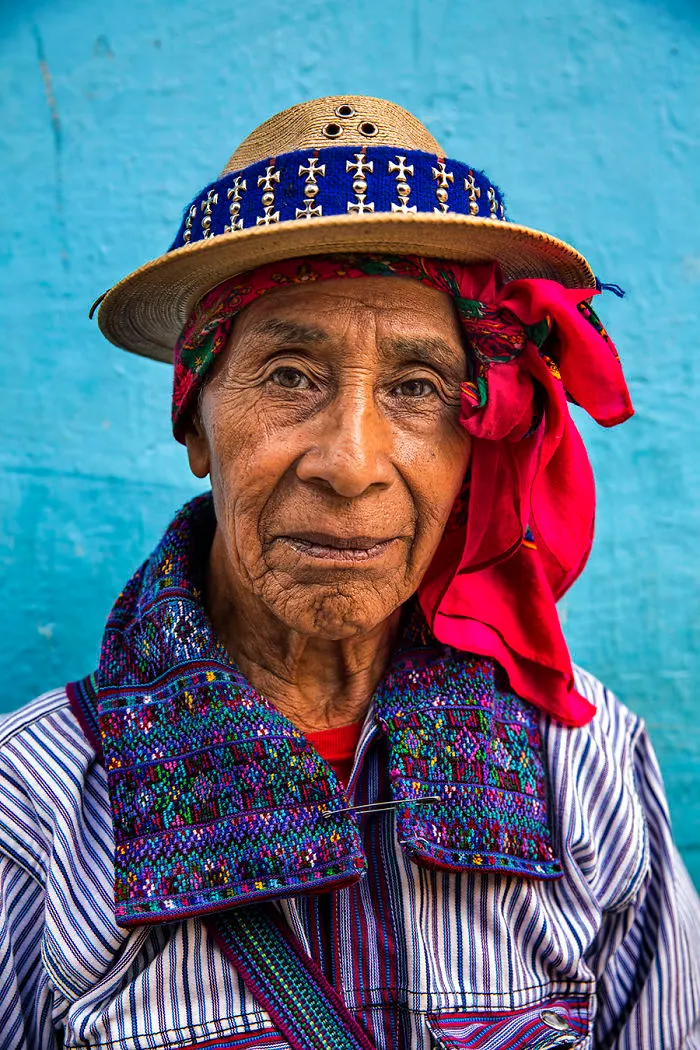
The Indigenous Peoples of Guatemala celebrate their unique embroidery style and color scheme, especially in women’s clothing. For the Mam, men also have their own style expressing their culture and identity. This clothing isn't a costume for a special occasion, most Mam men in the Todos Santos Cuchumatan area wear the same hat and jacket on a daily basis.
45points
#27 Kaqchikel Man; Los Encuentros, Solola, Guatemala
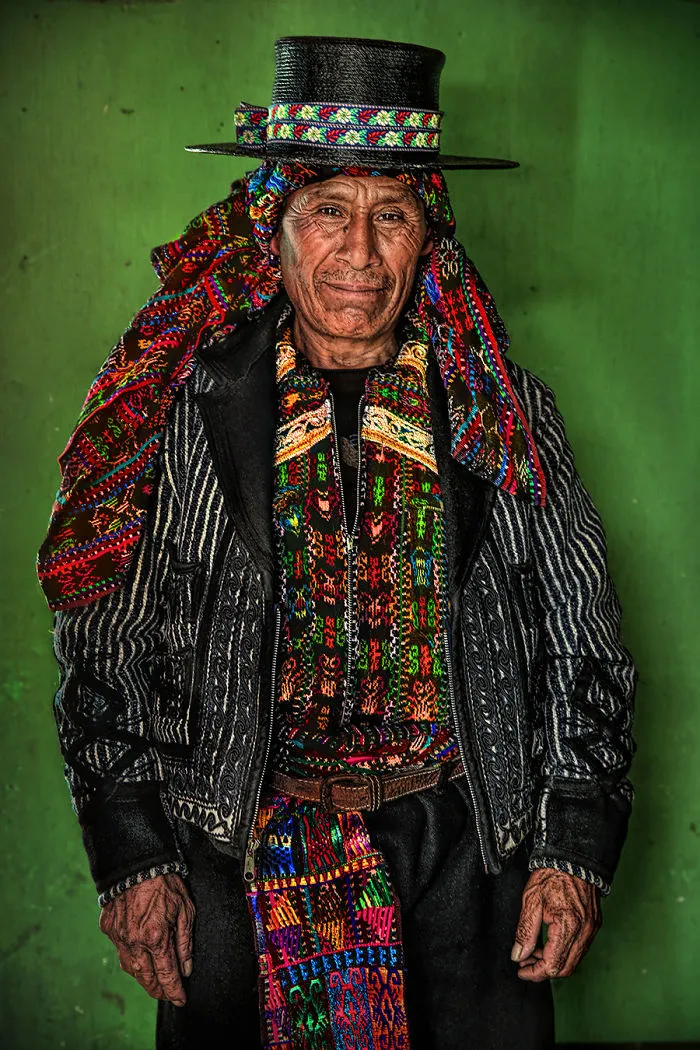
One of the key members of a cofradia - a unique form of brotherhood that is common throughout the region among the Maya Peoples. The process of becoming a member of a cofradia involves many steps and has traditionally been a way for a person to demonstrate their worth to the community. The Kaqchikel Maya are one of the 30 ethnic groups of Maya Peoples, 21 of whom live in Guatemala.
43points
#28 Karo Woman; Omo River, South West Ethiopia
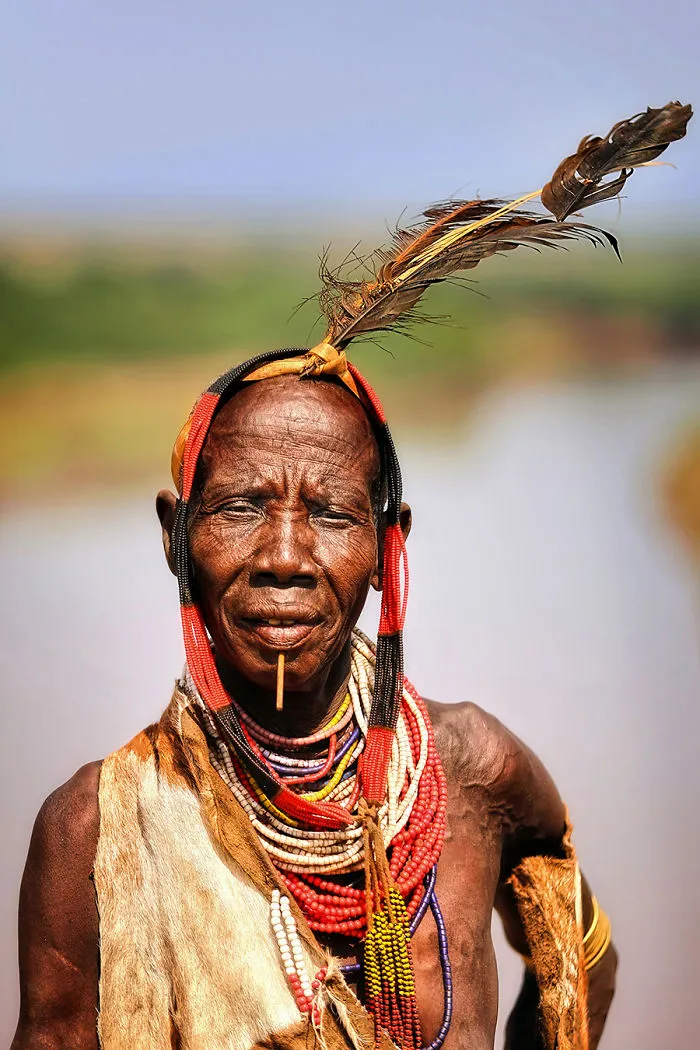
The Karo people live on the banks of the Omo River. A deadly scourge of sleeping sickness drastically reduced their population at the end of the 19th century. Now numbering just over 1,500 people, they live in just two villages. The Karo predominantly practice flood cultivation, growing sorghum, maize, and beans. They also fish and breed cattle and goats. The Karo language is critically endangered.
41points
#29 Udege Man; Krasny Yar, Primorie, Far East Of Siberia
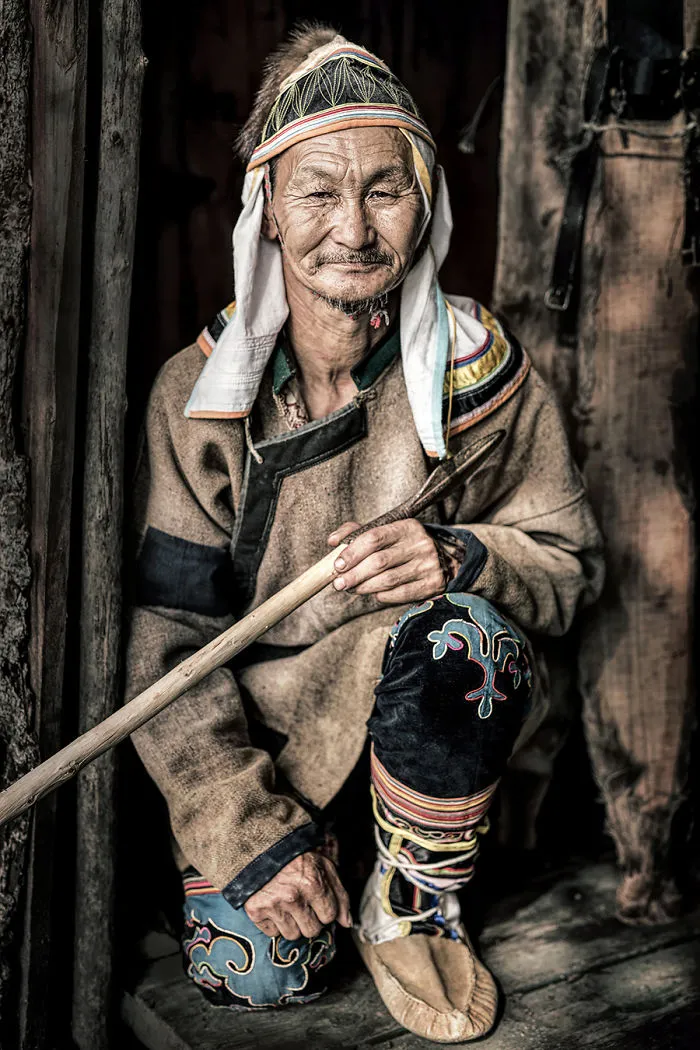
Every summer Sergey Sulyandziga, 56, along with other Udege people go hunting for ginseng root. The Udege know how to find it. Ginseng is highly regarded in Chinese medicine, and can be found in the lush Bikin taiga known as the ‘Russian Amazon’. Sergey is a hunter, searching for roe deer and wild boar. Sergey shared memories from his youth, of how a tiger wandered out of the taiga and climbed the fence to rest in Sergeys backyard. Ussuri tigers are sacred for the Udege people, and must be left alone. There are just over 100 speakers of the critically endangered Udege language.
39points
#30 Yukaghir Man; Kolyma River, Sakha Republic, North East Siberia
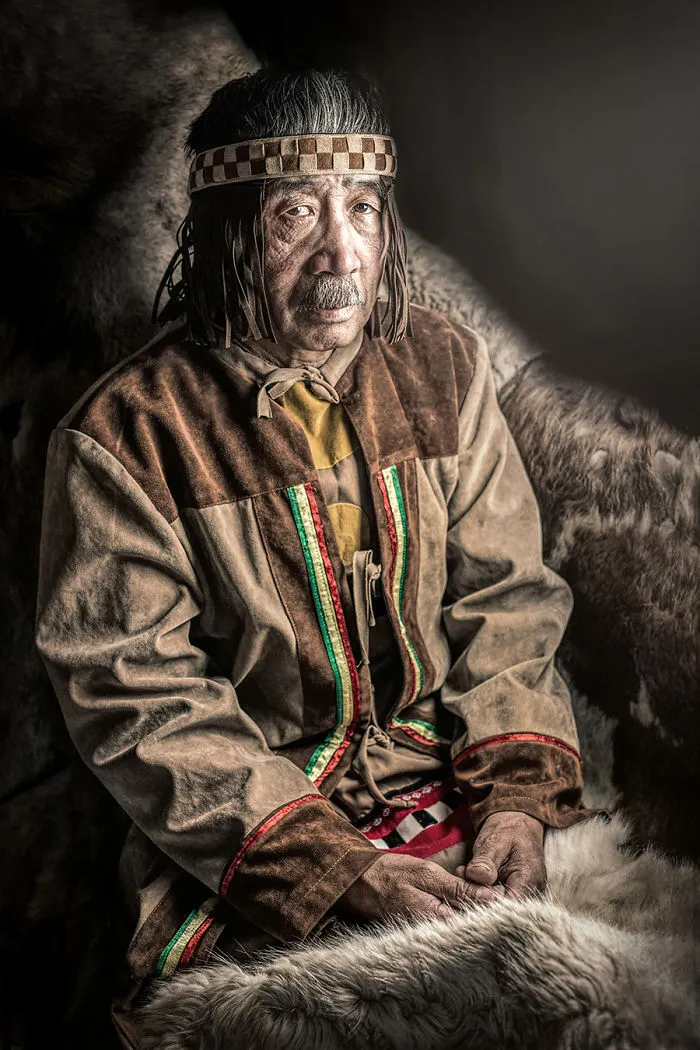
Makar Kurilov, 60, lives in one of the coldest and most remote areas of the world. He is a hereditary reindeer herder from along the Kolyma river in north-eastern Siberia. Now retired, he composes and sings songs in the Yukaghir language and teaches children Yukaghir songs and dances. There are only approximately 1,500 Yukaghir people. Only around 70 of them claim fluency in their traditional language and it is considered critically endangered by UNESCO.
38points
