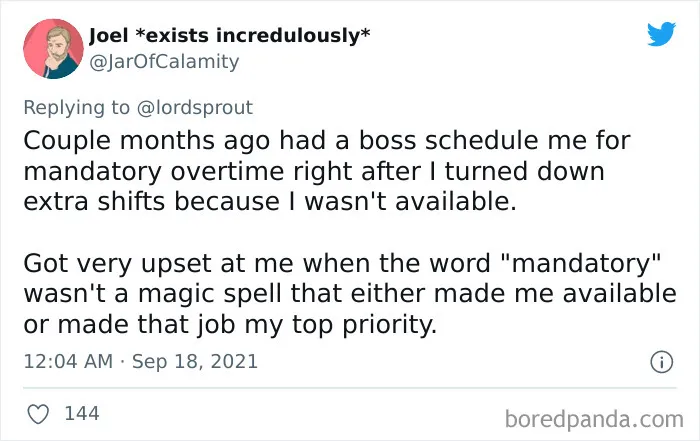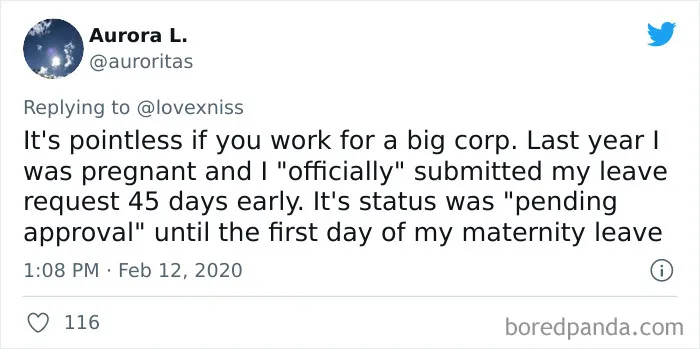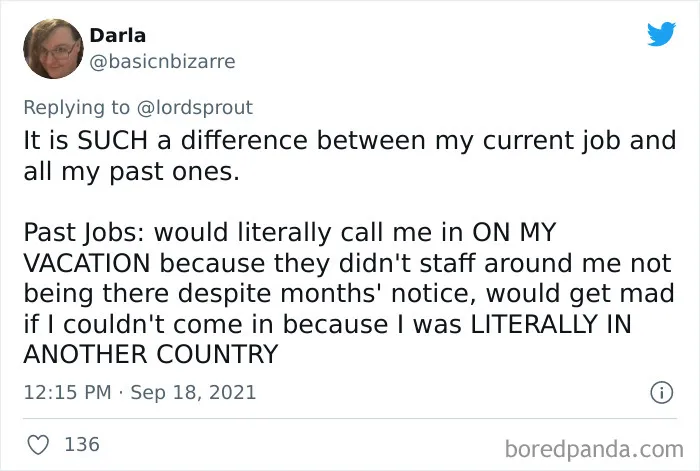





For instance, odds are that you’ll have to inform both your manager/direct supervisor, as well as a member of your human resources team (if the company has one). Then they’ll check if it’s not an incredibly busy time for the company and if there are enough people on the team to get the job done with you being gone for a bit.
Checking in with so many people for time off, which you should get depending on your contract, can seem like quite a hassle. However, it’s become pretty standard practice and, usually, there are no issues at all. Naturally, some industries have very busy periods of time that can last a month or a few, so managers tend to dissuade their employees from taking time off then.



It might not sound fair if your manager denies you time off during the busiest time of the year for the company, however, the issue here is about proper communication. If everyone knows upfront that everyone’s going to be incredibly busy around the holidays, then it’s easier to juggle your vacation plans and go before/after the busy season.



On the flip side, if the rules regarding time off are incredibly opaque and kept secret, then odds are that you’ll have a lot of angry workers on your hands. The reason for denying someone time off has to be water-tight. It can’t be some random excuse like, “No, you can’t take time off because I said so” or, “No, it’s all hands on deck” if it’s actually just business as usual.
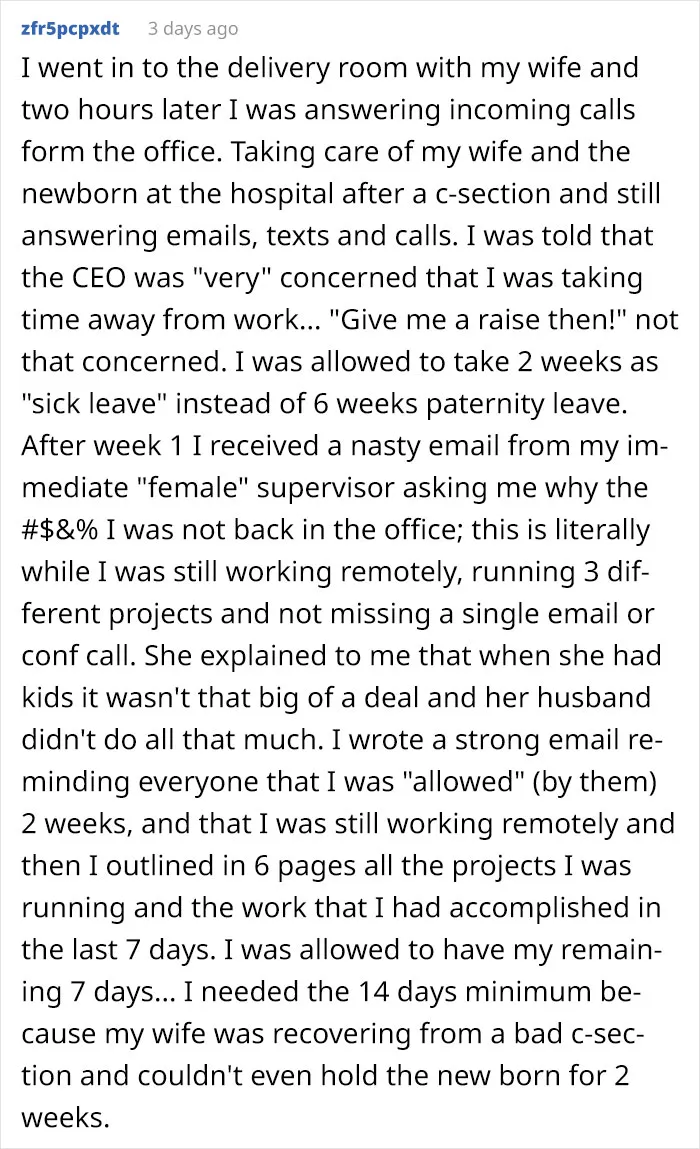


Working without proper breaks can lead to burnout. If you can’t spend quality time with your family, can’t find the energy to take care of your health, and can’t find the time for your passion projects and hobbies, you won’t have much motivation to continue working at your job. Aside from your wage, of course. However, working for money alone won’t inspire you to do your best and will likely leave you working at minimum power. Take the burnout out of the equation and you might have someone motivated to reach for the stars.