


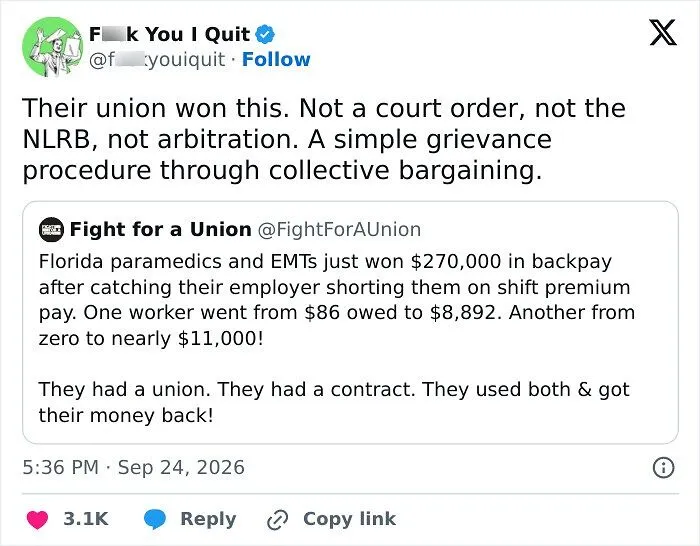
Employee turnover is one of the costliest company outcomes, and it's mostly preventable. According to Gallup, it’s mostly because managers aren’t doing their part to keep employees.
Gallup reported that 55 percent of exiting employees said managers or the organization itself “could have done something” to keep them. One of those things is recognizing the signs that an employee is about to leave.
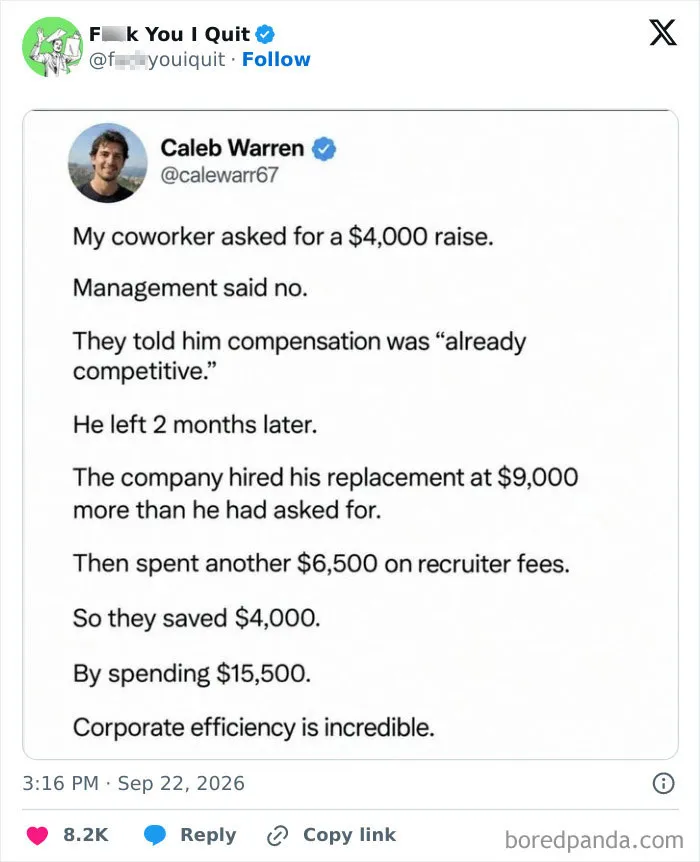


A manager’s job isn’t to make an employee’s work life easier. However, good managers listen and accept feedback.
Gallup’s report also found that 62% of employees are less likely to feel burned out if their manager is willing, at the very least, to listen to their work-related problems. This makes them feel heard and like their opinions matter.



It also goes without saying that a toxic work environment can lead to poor mental health. According to the World Health Organization, an estimated 12 billion workdays are lost every year because of issues related to depression and anxiety.
How much does that translate into monetary losses? Around $1 trillion per year in lost productivity.
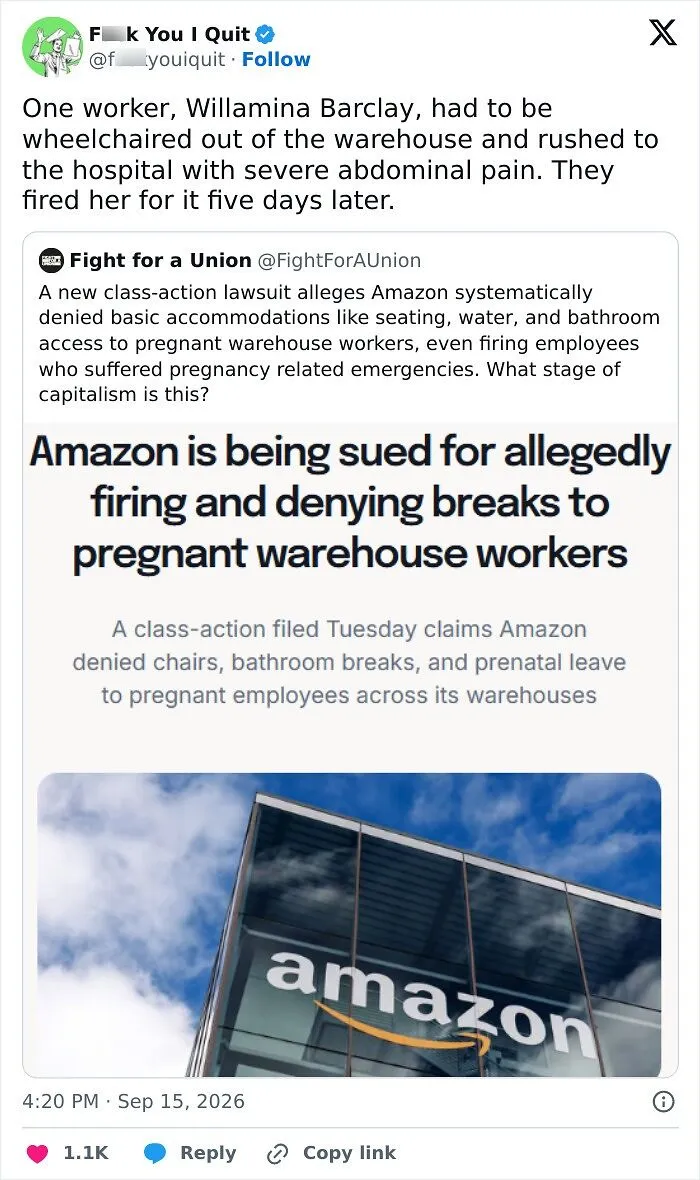

The WHO defines work-related mental health issues as psychosocial risks. Apart from unsafe or poor physical working conditions, these risks include all forms of discrimination and exclusion, violence or bullying, lack of control over design or workload, and unclear job roles.
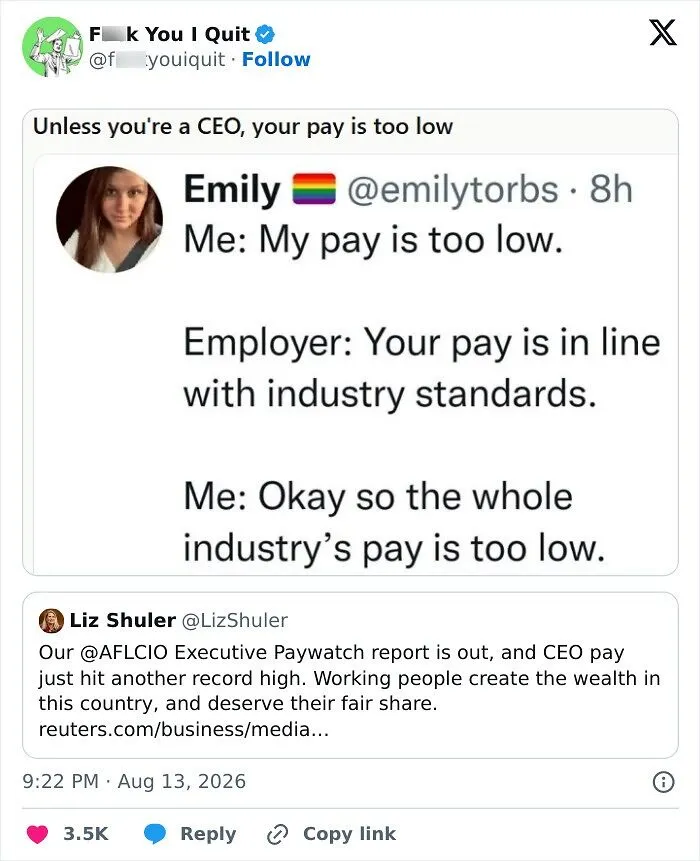
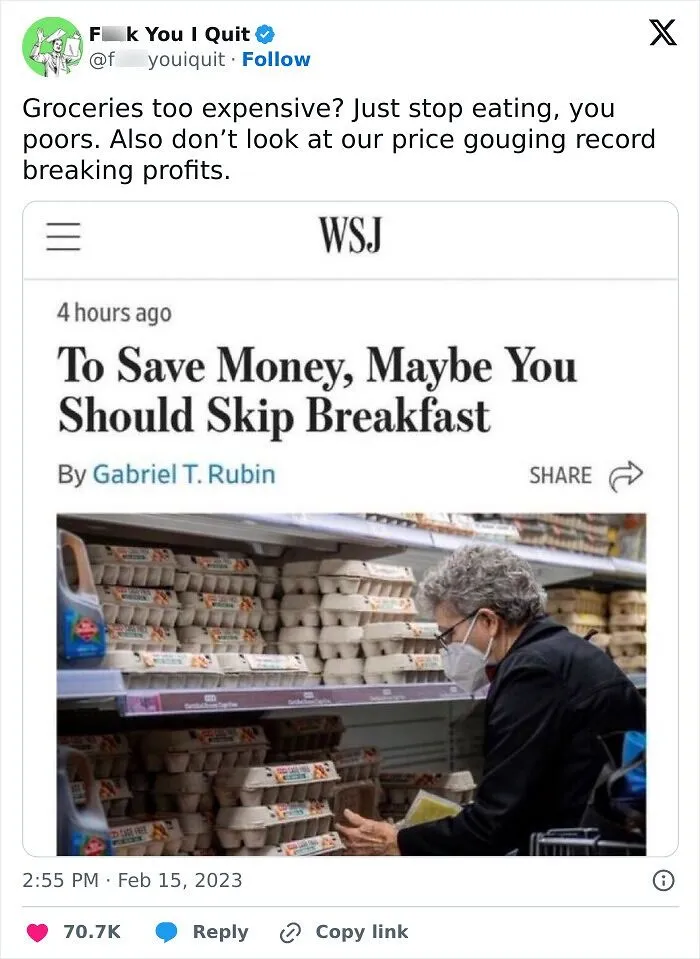
They also include common issues like job insecurity, inadequate pay, poor investment in career development, and conflicting home and work demands.

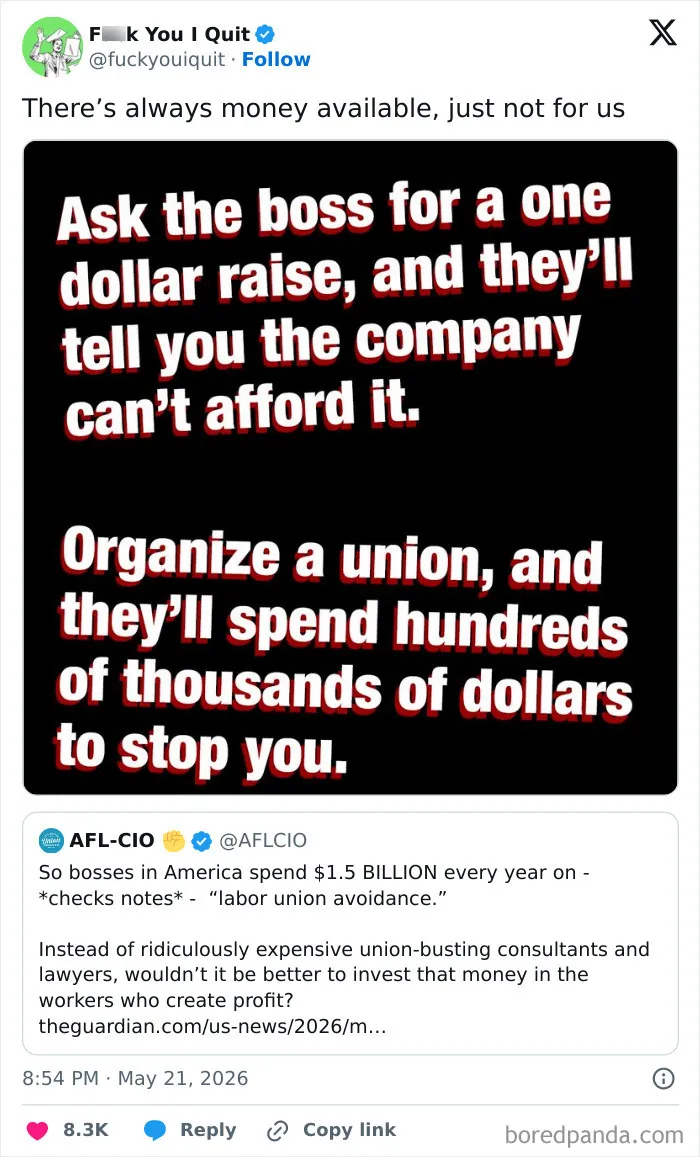
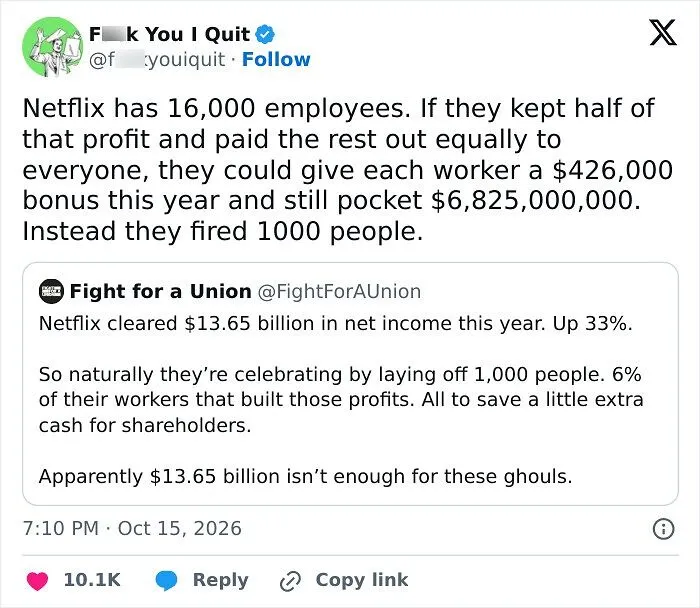
Not everyone can afford to quit a job that makes them miserable. However, calling out these workplace frustrations and bringing them to light can remind people they’re not alone.
If you've had your own toxic workplace experiences, feel free to vent in the comments below.