







Of course, it’s impossible to perfectly ‘optimize’ your life, and you’ll end up making mistakes either way. But if you see failure as a learning opportunity, you can pivot toward where you want to go instead of beating yourself up over having stumbled a bit. Newsflash—everyone, absolutely everyone, messes up sooner or later.
It’s healthiest to embrace what’s happened and move on. Otherwise, you’ll end up feeling guilty and haunted by your past every step of the way.



Doing things ‘well enough’ instead of ‘perfectly’ can leave you with more time, energy, and resources for other endeavors so you can enjoy yourself. Sometimes, trying to get the best possible outcome in every area of your life is, paradoxically, worse for you because you’ll end up exhausted. This approach, called ‘satisficing,’ is a decision-making strategy where you aim for satisfactory results rather than optimal solutions. And it's something that not only companies and managers do, but regular people can also apply to their lives to get good results without burning out. You can apply this when it comes to your finances, career, fitness, relationships, and, well, anything else you care about.
“Instead of putting maximum exertion toward attaining the ideal outcome, satisficing focuses on pragmatic effort when confronted with tasks. This is because aiming for the optimal solution may necessitate a needless expenditure of time, energy, and resources,” Investopedia explains.
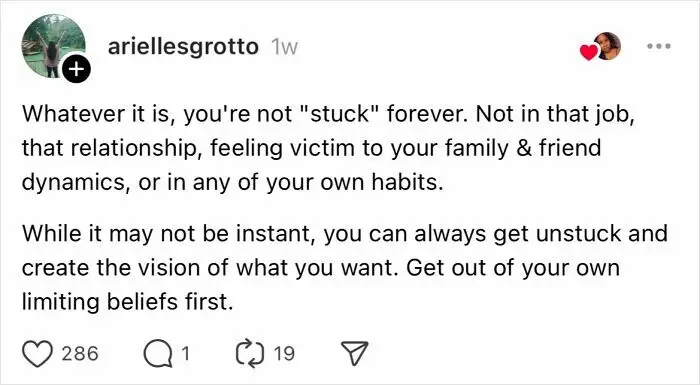


Satisficing, as a decision-making process, was a term first coined in 1956 by US scientist and Nobel laureate Herbert Simon. The general idea is that consumers facing a large number of choices will opt for something that is ‘good enough’ and that satisfies their main minimum needs instead of wasting too much time and energy on looking for what might objectively be the ‘best.’
However, satisficing, as a process, isn’t bulletproof. It’s not quite clear what a satisfactory result entails exactly. It’s also not clear how the end result differs from pursuing an optimal outcome. But broadly speaking, satisficers have an internal threshold in their minds that, once met, makes them choose something. Meanwhile, maximizers conduct an exhaustive search of options at a bigger cost.
When applied to your relationships, health, career, etc., satisficing can motivate you to invest in what’s necessary without waiting for the ‘perfect’ moment to do so. Doing even a bit of a good thing is far better than doing nothing, after all.



What are the biggest mistakes you’ve made in life that you hope others don’t repeat? What life advice or safety tips would you give total strangers or even yourself if you could travel back in time?
What healthy habits do you personally think are the most vital for anyone to have? Let us know what you think!