






#1

I was 33 weeks pregnant with our twins.
I delivered our children with Covid and couldn’t feed them, do skin to skin, or hold them unless I was wearing a bunch of plastic on me for two weeks.
When I brought it up in counseling he would say “she thinks I did it on purpose”.
#2

#3
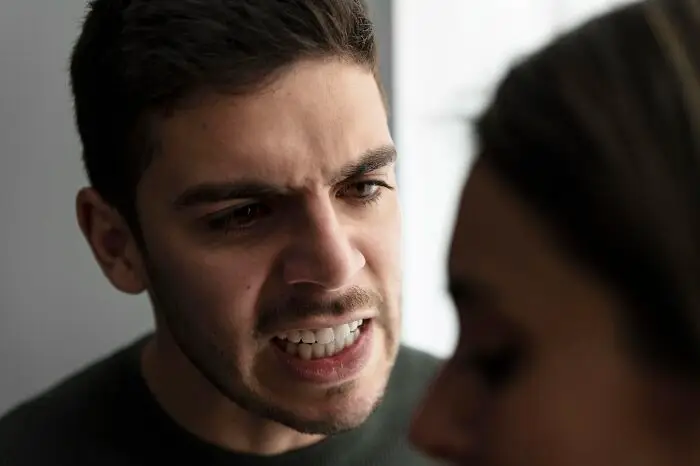
Relationships are not always damaged by major arguments or dramatic betrayals. Sometimes, the way partners speak to each other during ordinary disagreements can gradually change how they feel about one another. According to CNBC, contempt is considered one of the most destructive communication patterns in romantic relationships because it attacks a person's character and self-worth rather than addressing a particular behavior.
Relationship researcher John Gottman identified it as the strongest predictor of divorce among the harmful communication patterns he studied. Contempt can take many forms, including mocking, name-calling, sarcastic remarks, hostile jokes, eye-rolling, and dismissive gestures. Although some of these behaviors might seem relatively harmless in isolation, they can communicate a sense of superiority and make the other person feel belittled.
#4

#5

Thankfully I had my keys and my mini zipper locks on me to lock the tent's zippers at night but that's officially the worst Mother's Day of my life.
#6

Over time, this kind of treatment can make it increasingly difficult for couples to resolve disagreements in a healthy way. Instead of approaching a problem as something they need to work through together, partners may begin treating each other as opponents. The person on the receiving end might become reluctant to express their opinions or bring up concerns, knowing that their feelings could be met with ridicule or dismissal.
Contempt can also make reconciliation more difficult because someone who believes they are superior to their partner may be less willing to listen, acknowledge their mistakes, or consider another perspective. As resentment builds, even relatively ordinary interactions can start feeling like further examples of disrespect. This is one reason why repeated hurtful behavior can have a much greater impact than an isolated thoughtless remark.
#7
#8

#9

Another consequence of feeling dismissed by a partner is emotional loneliness, which can develop even when two people spend most of their time together. Psychology Today explains that this experience is less about physical separation and more about the absence of emotional closeness, understanding, and support.
Someone might share a home, daily routines, and responsibilities with their significant other while still feeling as though they have to navigate life's challenges independently. They may also begin to feel unimportant during conversations, especially when most of their interactions revolve around practical matters such as bills, household chores, schedules, and family responsibilities.
#10

#11

Then after I found rails that were attractive, doubled as towel racks, and therefore wouldn't hurt the resale value... I'm *still* begging 3 months later.
Divorcing him as soon as physical therapy gives me back enough mobility to return to work & live safely alone!
#12

This emotional distance can become particularly noticeable when someone stops sharing personal experiences with their partner. For example, they might no longer talk about exciting developments at work, discuss their worries, or seek advice when something goes wrong because they do not expect an understanding response.
Instead, they learn to manage their emotions and make decisions without considering whether their partner will offer any meaningful support. Several factors can contribute to this disconnect, including unresolved disagreements, poor communication, unmet expectations, and one person becoming increasingly distracted or emotionally unavailable.
It can also develop when one partner feels solely responsible for maintaining the relationship, organizing shared responsibilities, and making sure both people's needs are considered. Eventually, the absence of emotional connection can become just as noticeable as more obvious relationship problems.
#13

#14

#15

Psych Central also points out that small everyday interactions can reveal a great deal about how much someone values their partner. A person might show little enthusiasm when their significant other shares good news, forget important dates, repeatedly cancel plans, or fail to ask about things that matter to them.
Other examples include checking a phone during conversations, dismissing concerns as unimportant, or only reaching out when they need something. None of these behaviors necessarily proves that someone does not care, as people can occasionally become distracted, stressed, or forgetful. However, when thoughtlessness becomes a recurring pattern, and there is little effort to acknowledge or correct it, the relationship can start feeling increasingly one-sided.
#16

#17

#18

One particularly important aspect of these everyday interactions is how partners respond when the other person needs something. According to Verywell Mind, difficult periods can reveal the strength of a relationship because supporting someone requires more than simply being present when everything is going well.
A caring partner does not need to have an immediate solution to every problem, but they should be willing to listen, show empathy, and allow the other person to express difficult emotions without judgment.
Unfortunately, stressful situations can sometimes bring out less supportive reactions, including irritability, withdrawal, criticism, or attempts to turn the conversation into a debate. Even when these responses come from feeling overwhelmed, they can leave someone feeling abandoned at precisely the moment they need their partner most.
#19

#20

He said “you aren’t sick - you are lazy. No one is going to help you. Your community is not as big as you think it is.”