




The pages of history are filled with examples of women making major contributions to society and helping propel humankind into the future. However, some of these examples tend to be glossed over and overlooked by some historians. In fact, The Representation Project claims that women are only represented in 0.5 percent of recorded history.
Wanting to improve all of our understanding of history, Reddit user Dundermifflinhoe urged their fellow redditors to share examples of great women that we may not have heard of. And when you’re done reading through this list and sharing who you personally think some women that often get overlooked in history are, check out Bored Panda’s post about people sharing their female heroes whom they admire right here.
The author of the thread told Bored Panda that they'd turned to Reddit with their question because they're currently working on a paper on the history of women and hysteria for a class in school.
"I realized that I don't know many famous women throughout history. Learning about how so many women who had thoughts or opinions on a subject were deemed crazy put into perspective how little I knew, and I wanted to educate myself more. Hopefully, some other people who were curious about it can benefit as well. I absolutely did not expect it to blow up as big as it did, but I’m happy that so many people are wanting to further educate themselves on the topic as well." Read on for our full interviews with Dundermifflinhoe and with an expert on gender discrimination.
#1
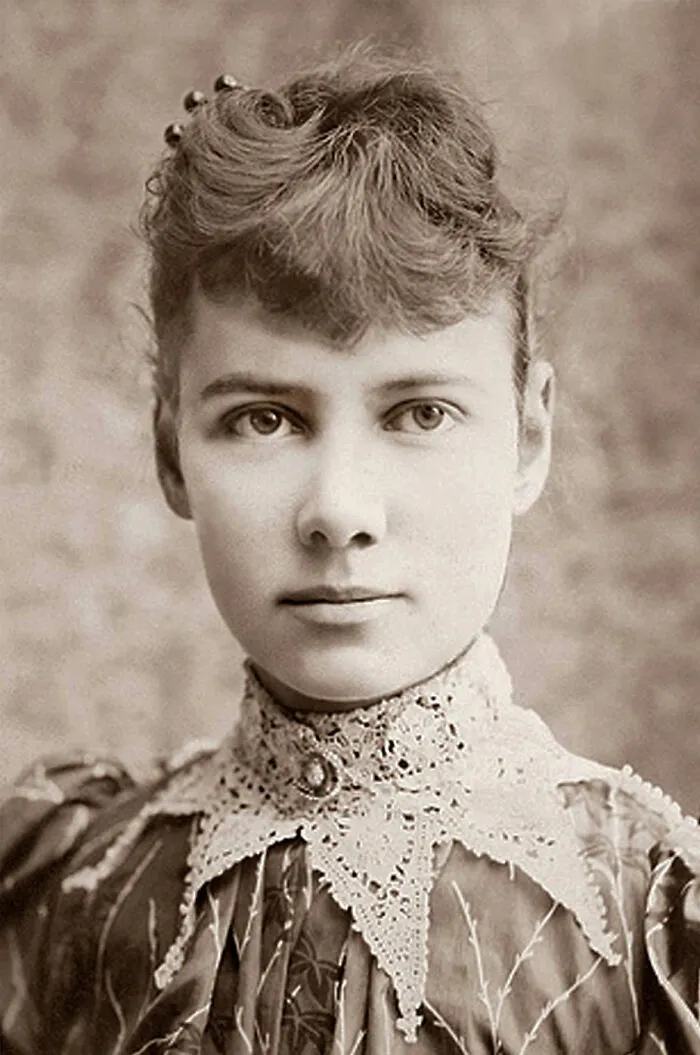
Nellie Bly. She was a 1890s journalist who was given an assignment to investigate the Woman’s Lunatic Asylum on Blackwell’s Island due to accusations of the mistreatment of patients. She got in there by faking insanity and getting herself committed to the asylum, and when she was finally released, she ran an exposé in the New York World called “Ten Days In A Madhouse” that exposed the awful treatment of patients inside the asylum. This was considered a revolution in investigative journalism. Also, she read “Around The World In 80 Days”, basically decided she could do better, and went around the world in 72 days. She was also an inventor, and was one of the primary journalists to cover the suffragette movement. She's one of my favorite historical figures who doesn’t get enough attention!
Report
0points
#2

Bessie Coleman. She was a black woman who wanted to learn to fly. No one would teach her. She learned that the French would however, so she moved to France, learned French and how to fly. Then she came back to the states and taught whoever wanted to learn. She was alive same time as Amelia Earhart and got no recognition at the time.
Report
0points
#3
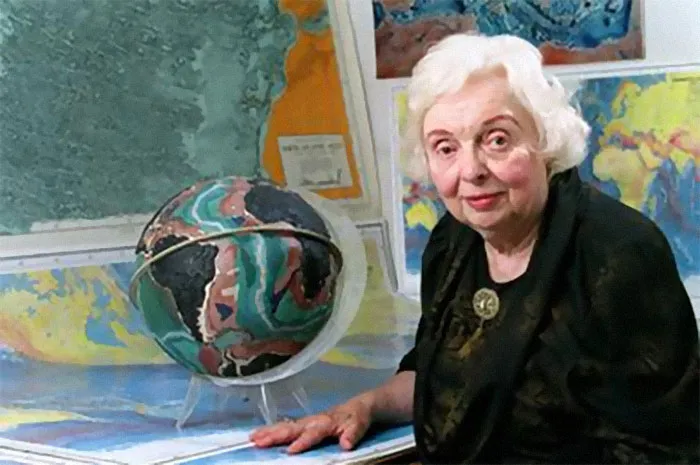
Marie Tharp; she created the first map of the ocean floor, which led to the discovery of tectonic plates, and the theory of continental drift.
Report
0points
#4

Katherine Johnson, one of the first black mathmeticians to work for NASA. She did a lot of work on calculating trajectories for the Apollo missions, but her most important contributions were the backup procedures for the Apollo 13 mission. You've probably heard the famous line, "Houston, we have a problem." Katherine Johnson is responsible for solving that problem by calculating a safe return for the Apollo 13 astronauts.
Report
0points
#5
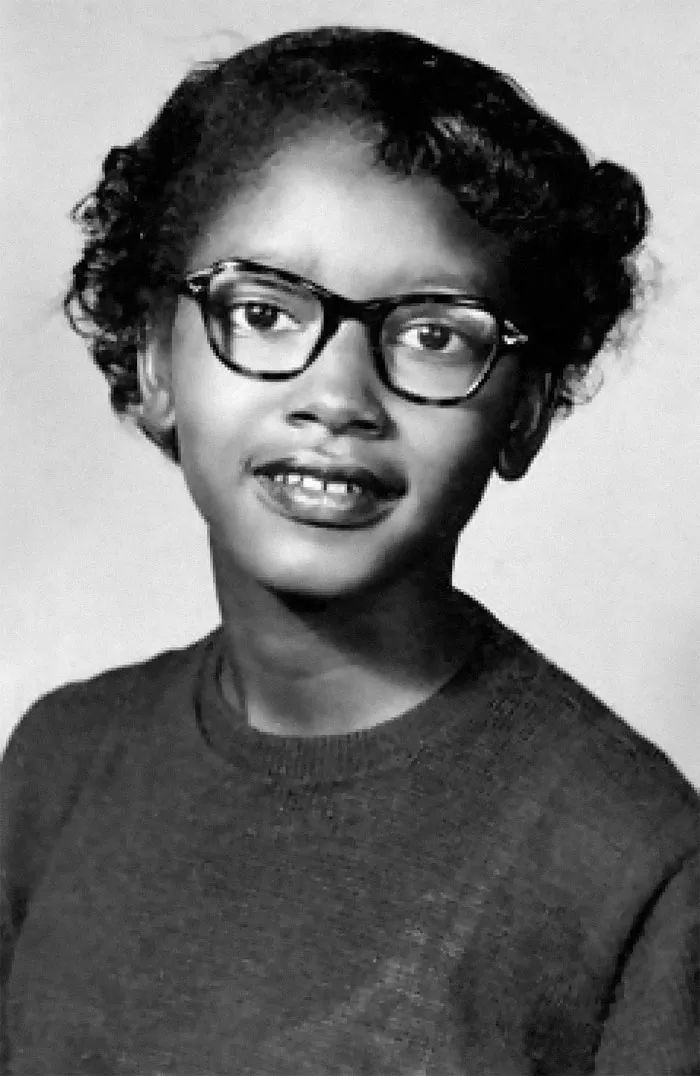
Claudette Colvin was the person who refused to get up from her bus seat during the Jim Crows in America. But she was a young woman who was pregnant out of wedlock at the time, and the black leaders decided she was not a good image of an activist. So they handpicked Rosa Parks to do the same.
Report
0points
#6
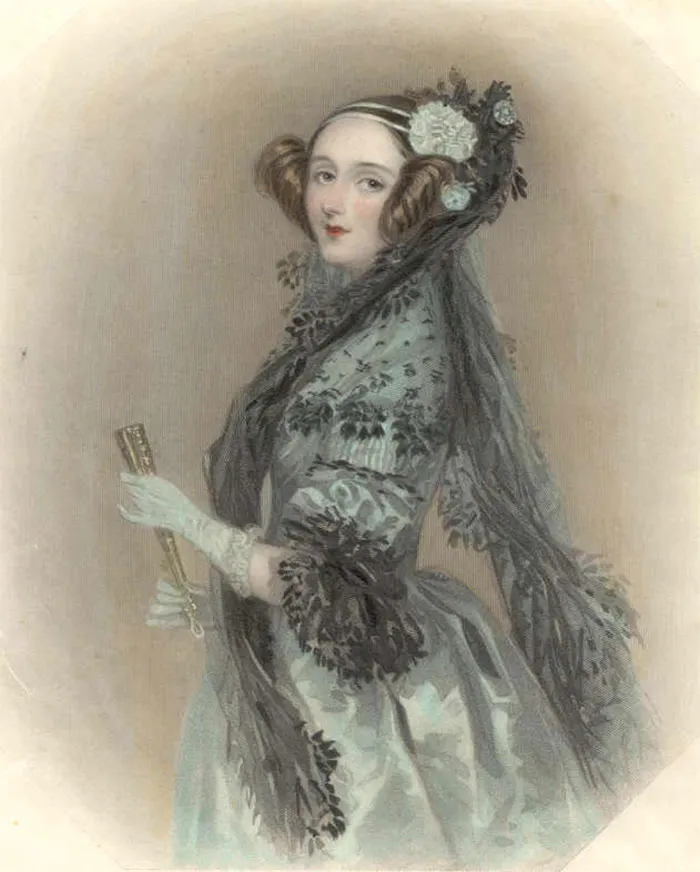
Ada Lovelace. She's so awesome. For anyone that doesn't know, she effectively invented the basis for modern computer programming by observing her friend Charles Babbage's work on his Analytical Machine, which was effectively a calculator. She realised that it was possible to do more than just maths with it and thus established the basis for modern computing.
Report
0points
#7
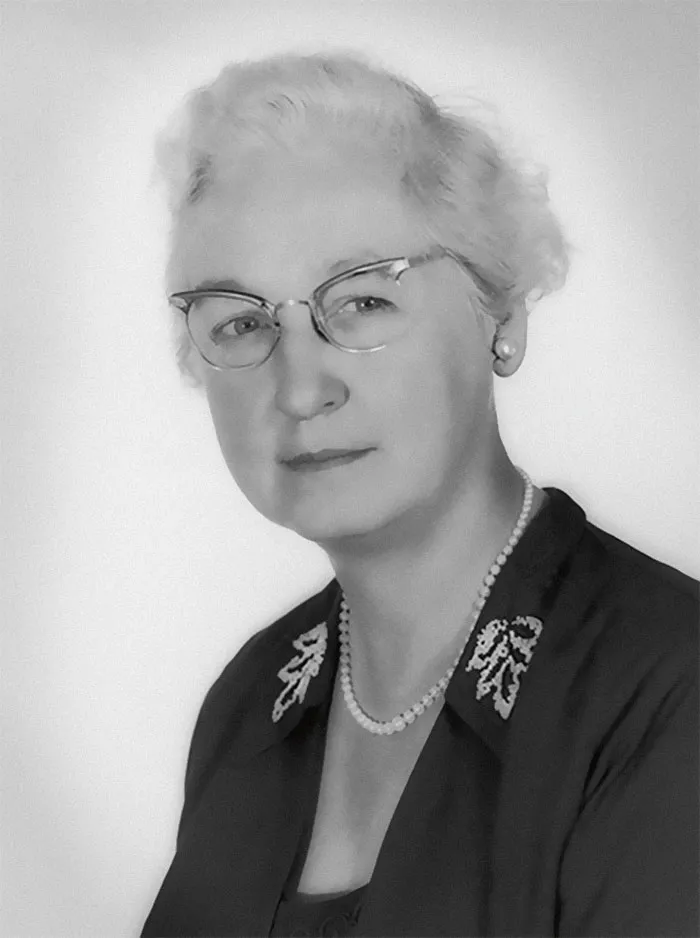
In 1952 Dr. Virginia Apgar developed a quick, easy five-point test that summarizes health of newborns, and determine those needing emergency assistance. The Apgar Score is now given to practically every newborn, and helped save countless young lives, and reduce infant mortality.
Report
0points
#8
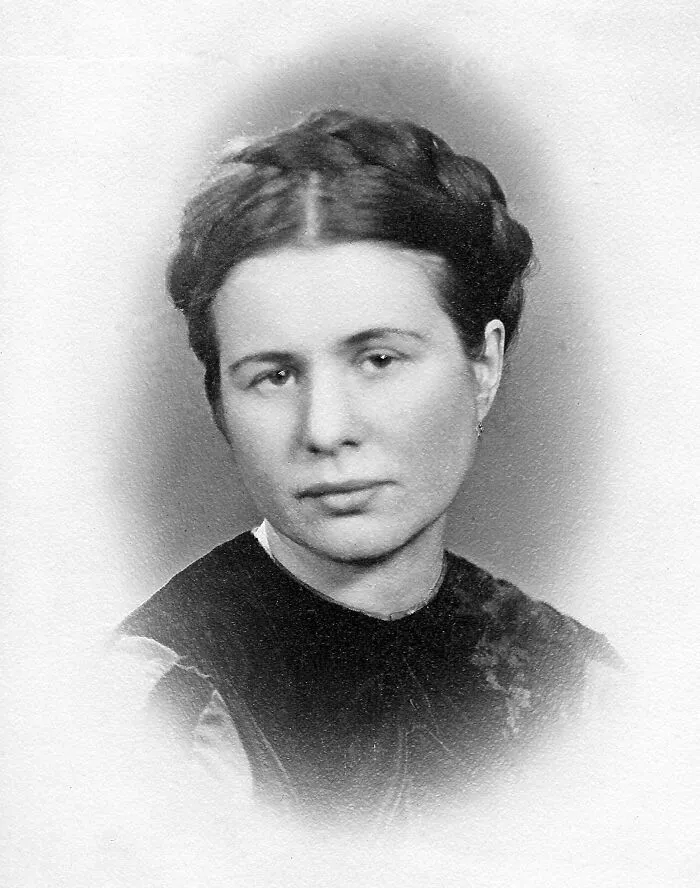
Irena Sendler worked with others to smuggle Jewish children out of the Warsaw ghetto during WWII.
Report
0points
#9

Sandra Ford, the drug technician who first brought attention to what would become the AIDS epidemic. She knew something was up when she began receiving unusually high numbers of requests for pentamidine, an antibiotic reserved for treating pneumocystis pneumonia in seriously ill, immuno-compromised patients. The patients it was being requested for were gay men who had been otherwise healthy.
Report
0points
#10

Cicely Saunders deserves the reputation Mother Tereasa has. She basically invented hospice care. Before her, doctors used to just abandon incurables to die with no palliative care. Cecily Saunders arguably eliminated more useless suffering than anyone ever.
Report
0points
#11
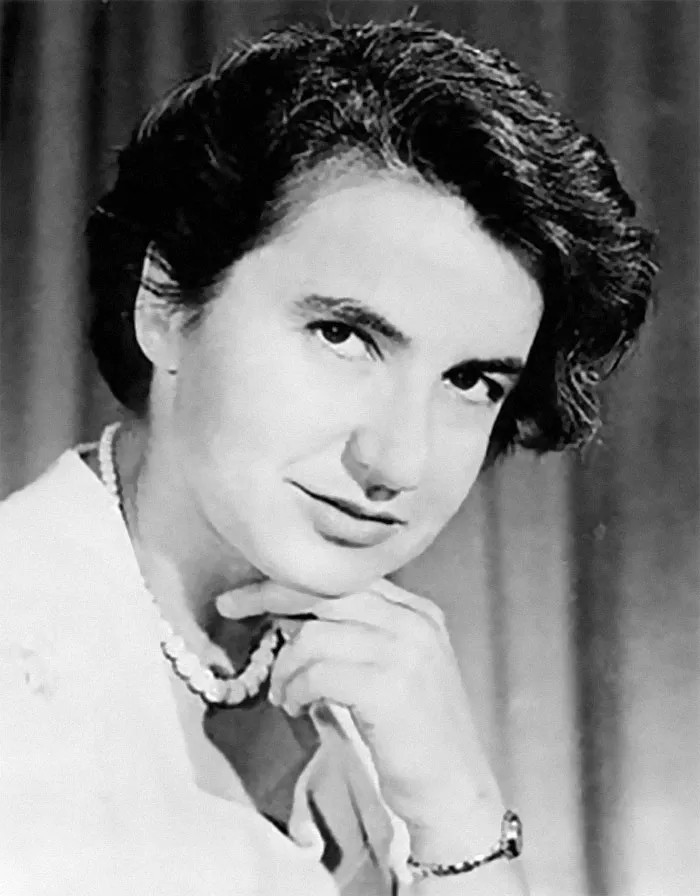
Rosalind Franklin - Crick & Watson got all the glory, and even the plaque at the Eagle only mentions their name.
Watson and Crick basically stole her research and used it to discover the shape of DNA. They were awarded the Nobel Prize for their discovery. Once the theft was discovered, and she was given proper credit, she had already died from cancer (her work specialized in Xrays and she had been exposed to too much radiation). The Nobel Committee has acknowledged her contribution to science, but they can't give her an award because they do not give out awards posthumously.
Report
0points
#12

Mary Anning, the first paleontologist. She basically discovered that dinosaurs were a thing, and wasn't recognized for it until 2010 when the royal society of London named her as one of the 10 most influential British woman of science.
Report
0points
#13
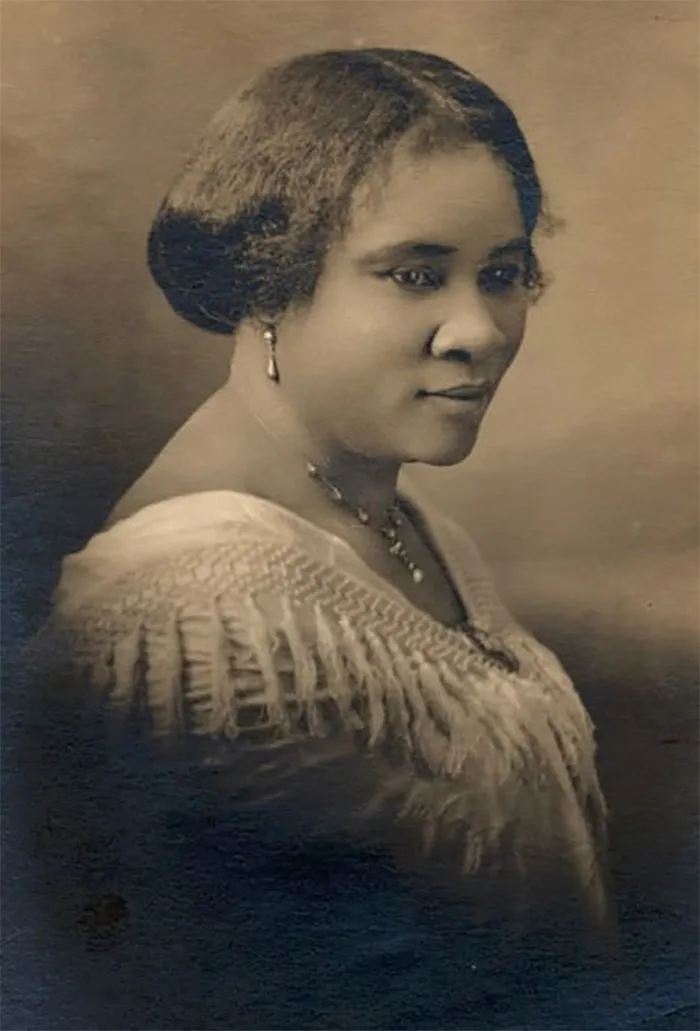
Madam C. J. Walker developed black hair care products and marketed them through her business she founded which ended up making her the first female self made millionaire.
Report
0points
#14

Mileva Marić Einstein (Albert Einstein's first wife), a brilliant physicist, whose contribution to Albert's work cannot be emphasized enough.
Report
0points
#15
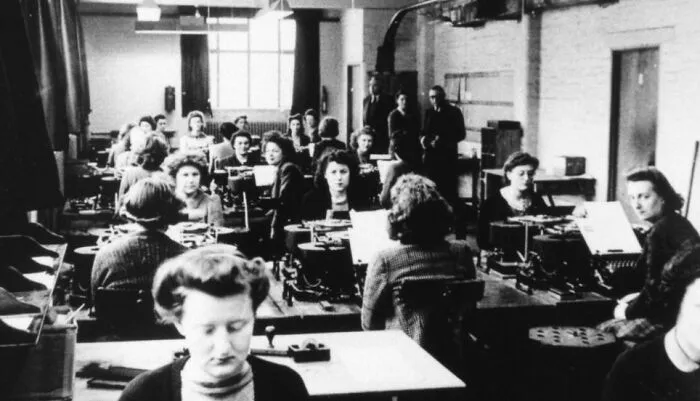
The Allied codebreakers at places like Bletchley Park during WWII. They worked incredibly long, tedious, and stressful hours and were a major contributor to the war effort and military intelligence, but their work didn't even receive official recognition from the British government until 2009, 64 years after the war ended.
Report
0points
#16
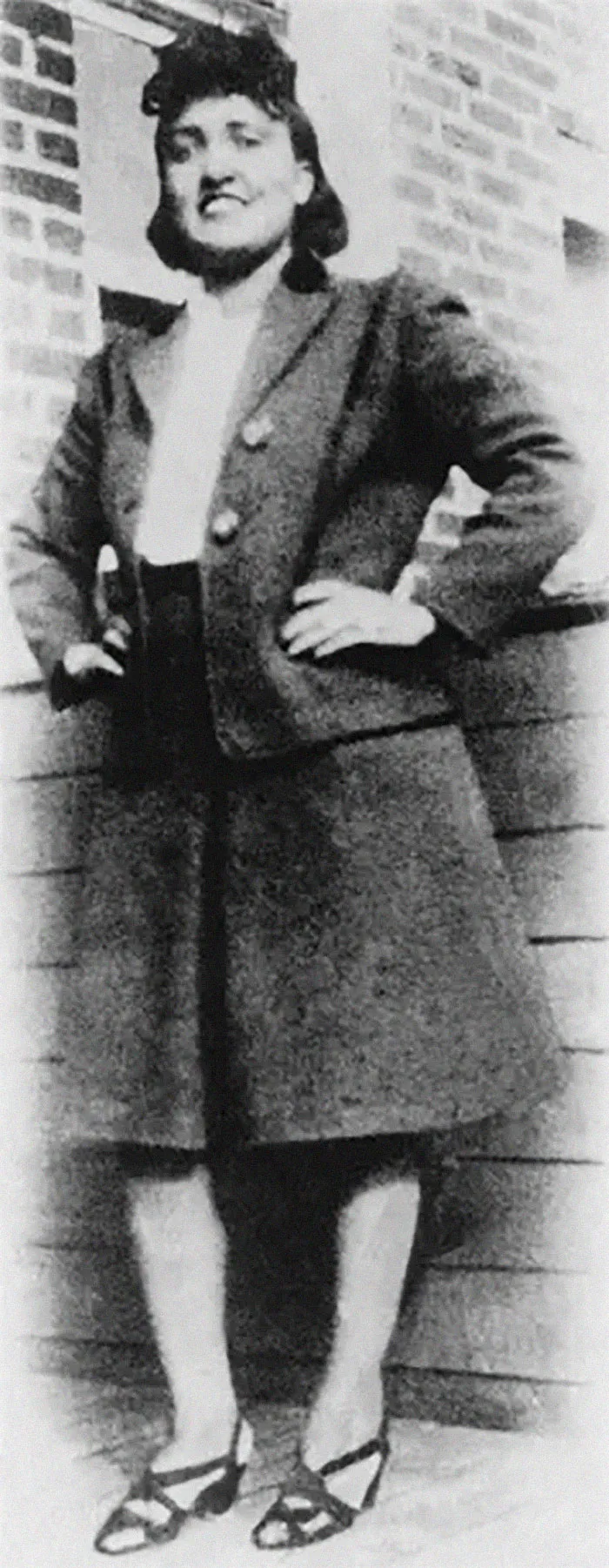
Henrietta Lacks.
She saved millions of lives and made a critical contribution to the world of medicine, but unless you're in the medical field — you've probably never even heard her name.
Henrietta Lacks was a young, black, mother of five when she died in 1951 after being diagnosed with an aggressive cervical cancer at Johns Hopkins. Doctor George Gey was working at Hopkins at the time, trying to culture cells in the laboratory. Lacks' cells were among dozens sent to his lab, but they were the first to ever survive and grow. Her cells, a unique and aggressive type, were later described as one in three billion.
Scientists called these resilient cells "HeLa" — taking first two letters of "Henrietta" and "Lacks." HeLa cells were used to test the polio vaccine, develop in vitro fertilization, and several chemotherapy drugs among hundreds of medical advances.
Grown and sold around the world, Lacks' legacy lived on in her cells: they have traveled to space, they have been embedded in a nuclear bomb. But for decades, the Lacks family had no idea.
Report
0points
#17

Mary Anderson invented the windshield wiper in 1903. As soon as the patent expired, it became standard in all cars. She attempted to sell it while she had the rights to it, but most manufacturers refused to believe it was a feature of value, and it is likely her being female colored their lack of enthusiasm.
Report
0points
#18
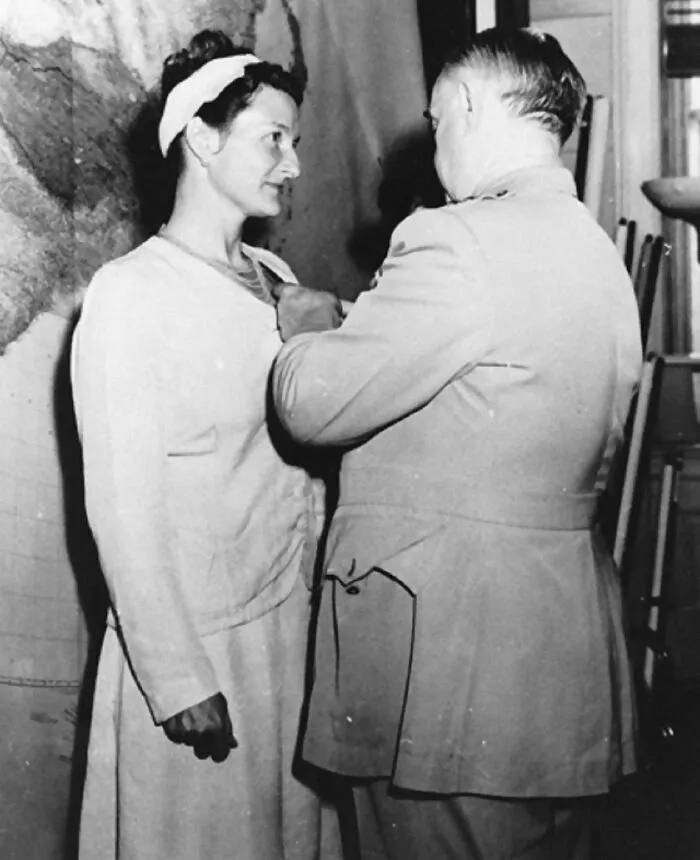
Virginia Hall has a building named after her at the CIA. She was an American woman from Baltimore who went to Europe in the 1930s, lost her leg in a shooting accident, then proceeded to become a leader in the French Resistance and master of disguise, all with a wooden leg. The book A Woman of No Importance is about her and came out last year.
Report
0points
#19
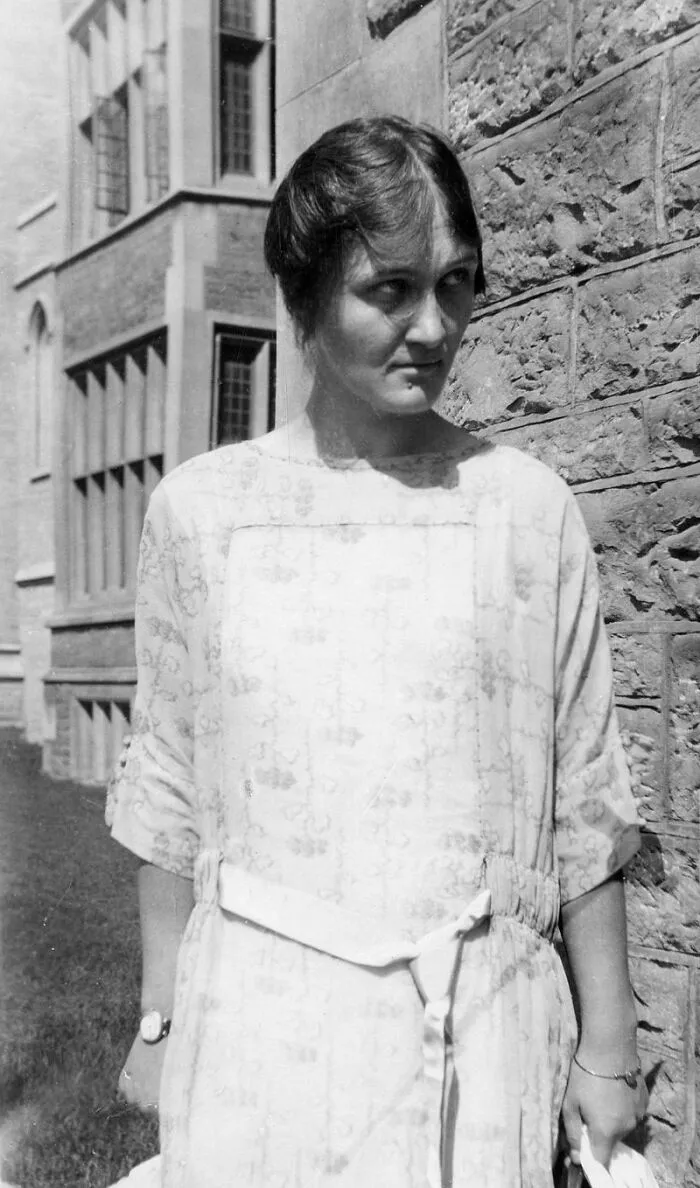
Cecilia Payne, discovered what universe is made out of... And don't even get a mention in textbooks
Report
0points
#20
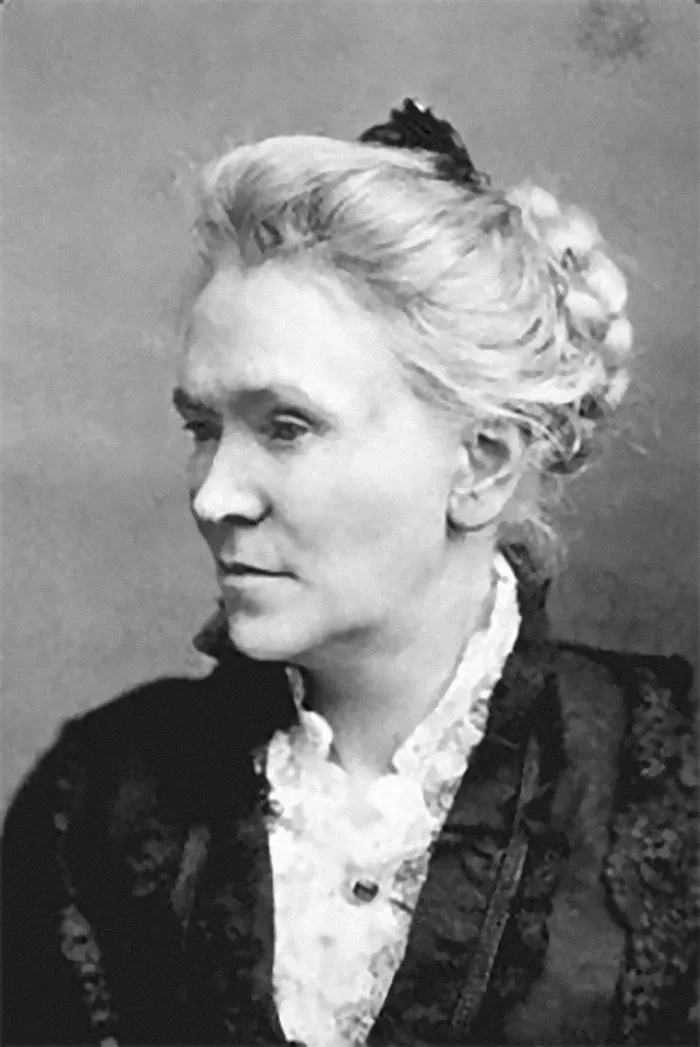
Anna Connelly invented the fire escape in 1887.
That same year, Josephine Cochrane invented the dishwasher.
Report
0points