







#1

#2

Some people believe that gender inequality is a thing of the past… for all kinds of shortsighted reasons. But if they spare a moment to read, there is a glimmer of hope they might understand a bit about what people outside their bubble experience every single day.
The World Economic Forum’s report, released in September, found that global gender parity is 120 years away at the current rate of progress. Across 145 countries, true equality remains out of reach in political power, education, economic opportunity, and — most glaringly — health and survival.
Women make up half of the world’s population, yet their medical care still lags far behind men’s. The irony is that, despite living longer on average, women spend significantly more of those years in declining health and pain.
#3
#4
It all ties back to how little we prioritize the female body in both medicine and basic education. For centuries, medicine has treated male bodies as the default and female bodies as an exception.
While policies started shifting in the 1990s, women are still routinely left out of medical studies. Shockingly, many researchers even avoid using female lab mice because they fear fluctuating hormones will “complicate” their data.
#5

#6
This neglect shows up directly in funding. Out of nearly $2.9 trillion in private healthcare capital, only 6% goes toward women’s health. Almost all of that tiny slice is funneled into just three areas: women’s cancers, pregnancy, and reproductive care.
That leaves widespread, debilitating conditions like endometriosis, menopause, and polycystic ovary syndrome (PCOS) fighting for under 2% of total health investment.
#7
In the UK alone, PCOS affects over four million women, causing infertility, diabetes, heart risks, and leaving up to 40% of patients with clinical depression or anxiety. Yet, erectile dysfunction still has 22% more published studies written about it than PCOS.
“PCOS and other chronic conditions affecting women remain significantly under-researched compared with male conditions that impact similar or even smaller populations. We urgently need to broaden the scope of medical research better to understand these conditions and their effects on daily life,” says Danielle Brightman, medical director at online healthcare provider Numan that commissioned the study.
Between 2019 and 2023, eleven startups focused on erectile dysfunction raised 28 times as much capital as eight companies tackling endometriosis.
#8

#9
#10
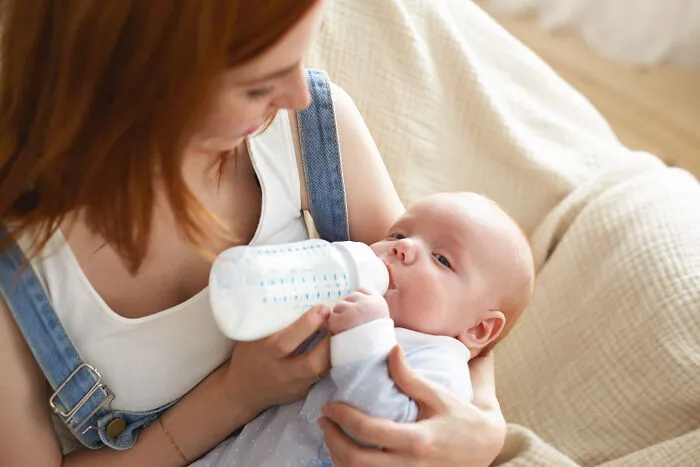
The research void trickles down into the most basic products women rely on every day. For instance, researchers didn’t conduct the first-ever study using real blood to test period product absorbency until 2023. Before that, manufacturers relied on water or saline solution — liquids that look and behave nothing like actual blood.
It took “experts” until 2023 to realize that water wouldn’t yield accurate results. This oversight is mind-boggling when you consider that an estimated 800 million people around the world menstruate every single day, and up to a third suffer from heavy bleeding.
#11
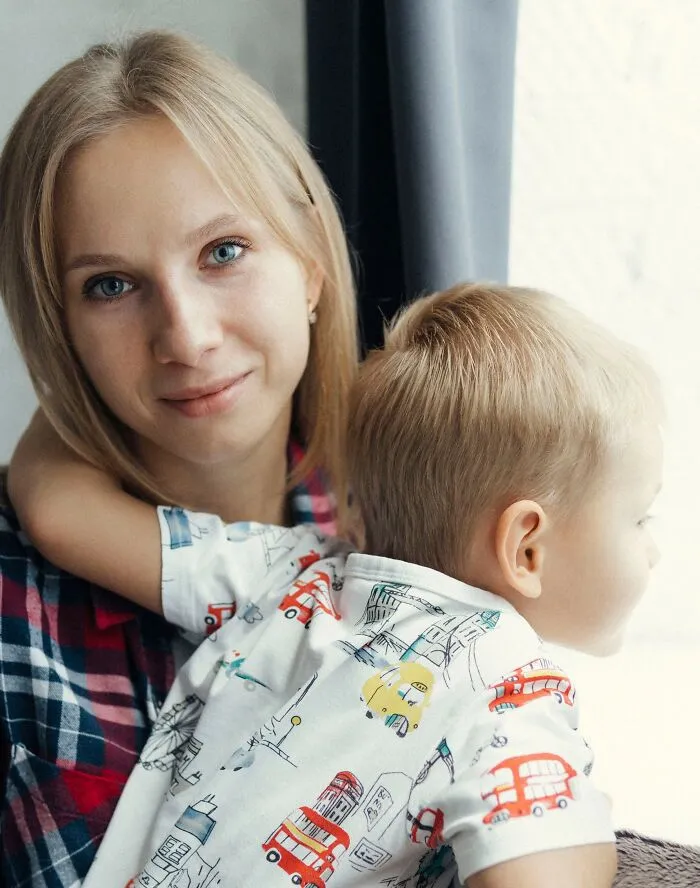
The cells cross from baby to mama and embed in the mom's tissue. They are truly a part of us always.
#12

#13

Even educated professionals miss basic facts due to how science is taught. Experts point out that male biology is still treated as the standard “default” in classrooms. In contrast, female biology — from organs and hormones to cellular structure — is often treated as a “special interest” elective.
Fixing this gap requires a complete overhaul of how we train future doctors.
“I think that’s where we can try to solve things. In medical education, [students] need to be educated on sex differences, not just about heart disease, [but for] every organ system, there should be a component about what is the same, what differs, and what is unknown. Students need to leave medical school understanding these differences,” says Martha Gulati, MD, a cardiologist at the Smidt Heart Institute at Cedars-Sinai in Los Angeles.
#14
I struggled with fertility for years. Got a saliva ovulation kit, basically a microscope you put on your tongue daily. Day 8, the most beautiful, frosty ferns in the lens. Shagged like rabbits for 4 days, positive pregnancy test day 26. She's 22 next month.
#15

#16

In many parts of the world, basic reproductive health is completely left out of school curricula. Menstruation remains a deeply hushed topic, wrapped in shame and silence. In fact, global studies show that millions of young girls enter their first period with zero prior knowledge of what is happening to their bodies, often feeling terrified or ashamed.
At the same time, girls are conditioned from a young age to believe that severe abdominal pain, extreme fatigue, and heavy bleeding are just natural parts of womanhood. Because doctors and society often dismiss these symptoms as normal, women rarely learn to recognize when something is actually wrong, like endometriosis or fibroids.
#17
#18
#19
For generations, period product commercials used mysterious blue liquid to represent blood, treating menstruation like a sanitary hazard rather than a normal bodily process.
Beyond advertising, products like “feminine hygiene” washes push the false idea that the intimate area needs chemical cleaning, ignoring the basic biological fact that it is a self-cleaning organ.
Commercial pressure on female bodies is nothing new. In the early 20th century, Gillette launched a marketing strategy to double its customer base by convincing women they needed to shave. Before this campaign, American women did not routinely remove underarm or leg hair. Gillette’s advertisements strategically framed natural body hair as an “embarrassing personal problem” that was both unhygienic and unfeminine.
This manufactured insecurity created a cycle of shame that persists today. Now, women in many cultures are expected to spend extra time, effort, and money managing natural body hair.