

Another day, another story about a mother-in-law from hell. Except, this one has a deliciously hilarious twist...
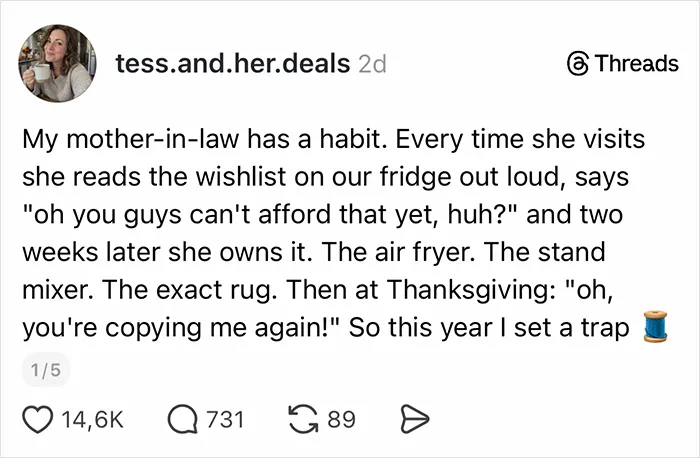
A woman has shared how her annoying MIL won't quit copying her, and is in an invisible race to be the first to buy everything on her and her husband's wishlist. From kitchen appliances to home decor, the mother-in-law makes it her life's mission to get her hands on whatever the couple wants but can't yet afford.
After spotting the perfect payback during a routine shopping trip, the woman cooked up a plan to trick her MIL into buying the most ridiculous and absurd item she could find. Like clockwork, the MIL fell for it, and was left eating humble pie...
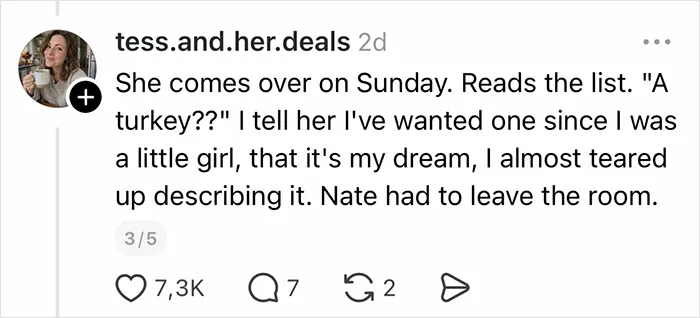
Her MIL keeps copying her and insists on getting everything first

So this woman decided it was time to play dirty... and like clockwork, her MIL fell for it




Is imitating others flattery or thievery? And why are some people so obsessed with being copycats?
Some see imitation as a form of flattery, others view it as annoying, childish and disrespectful.
Maybe they copy your hair, your style, your decor, your work, your choice of dog, or everything about you. But for what? And why?
It could be because they’re boring, clueless, lack individuality, have low self-esteem, or are envious. Perhaps they struggle with their sense of self-worth, are obsessive online stalkers, or have zero purpose in life. The need to constantly copy could also stem from a place of comparison, or even a misguided attempt to feel relevant and youthful again.
“From a psychological perspective, some might say that this type of personality, especially if it happens too intensely and frequently, [is] the kind of person who has no sense of self which is what prompts them to mimic or try to become exactly like someone else,” note the mental health experts at Kangaroo Minds.
They add that extreme copying can also reveal having low to no self-esteem and a deep-rooted inferiority complex as well. And that being around someone this “grossly insecure” can understandably feel unsettling.
Alongside (or above) the copycats, we have the one-uppers. These are the people who always want to be better than you, have better than you, top your accomplishments, make you feel inferior, or in the case of the woman and her mother-in-law, buy it first.
“A toxic mother-in-law will see her relationship with you as a competition and will say and do anything to ‘win.’ One-uppers hate to feel 'less than' and will make every effort to overshadow others,” reveals the Choosing Therapy team. They say that this type of behavior is often used to mask low self-esteem, as well as ease feelings of jealousy (if only for a short period of time.)
Dr. Vedica Podar is a Counselling Psychologist, Adult & Youth Mental Health First Aider, and co-founder of Kangaroo Minds. The expert stresses that there is a difference between someone drawing inspiration from you and them flat out imitating you.
"That is something which a lot of people perhaps don’t realize or conveniently overlook by instead telling you how you’re their role-model," says Podar. "This can often feel like being gaslighted into being made to accept the copying by doubting your own reactions to it."
Besides the self-doubt, being constantly copied can lead to overthinking and even anxiety or stress.
"Individuality is a precious thing and when you feel that yours is being taken away you often feel threatened and shaken. While it’s flattering to be admired by those we care about, being copied can often feel like an identity theft. It can often almost feel like the other person is trying to take away or rob us of our uniqueness," explains Podar.
The expert warns that while being copied might initially feel flattering, over time it can get very toxic.
"There can be cases where if you chose to delve into the depths of their behavior, you may find that the other person is acting in this manner not only because they want to imitate you but replace you or take your place too," Podar says.
If it gets too much, the psychologist advises cutting contact with the person copying you. However, that's no always possible.
"It might also help to remind yourself that someone copying your style doesn’t make you less unique," suggests the mental health expert. "By acknowledging what makes you unique, you accept that you are your own person, and you can then impart the same sense of self-confidence to the person copying you."
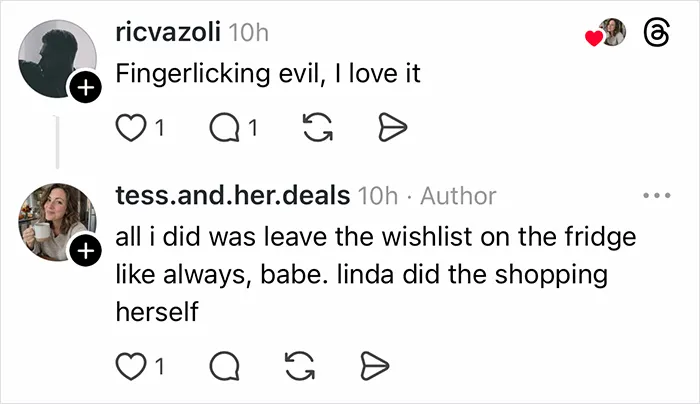
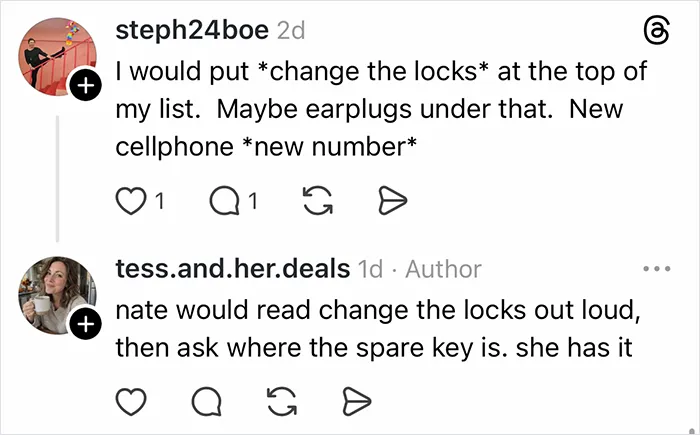
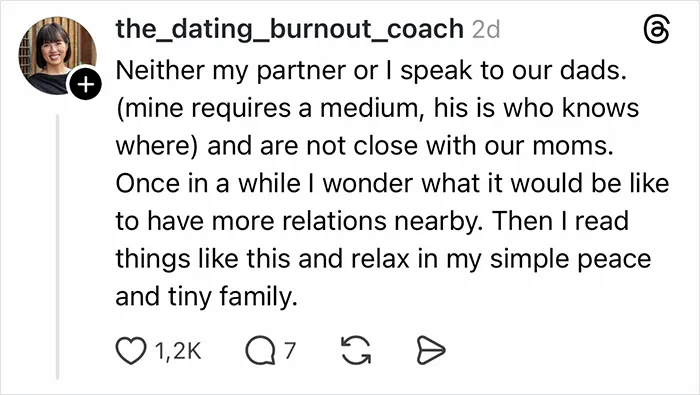
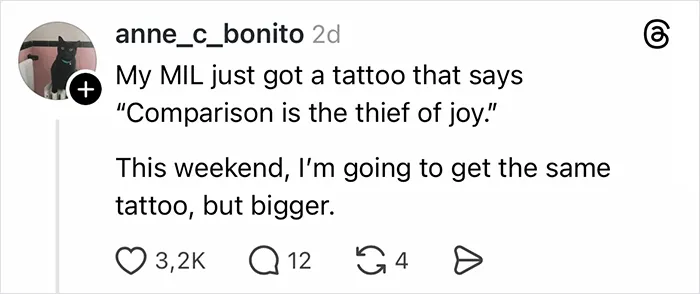
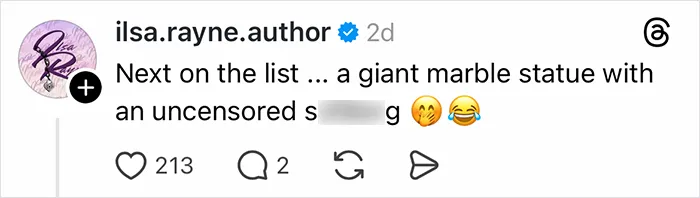
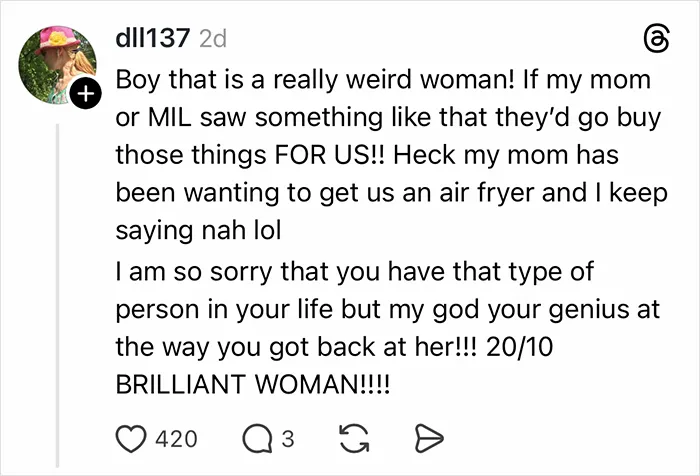
"Therapy": People loved the prank and some had more suggestions for the couple's wishlist


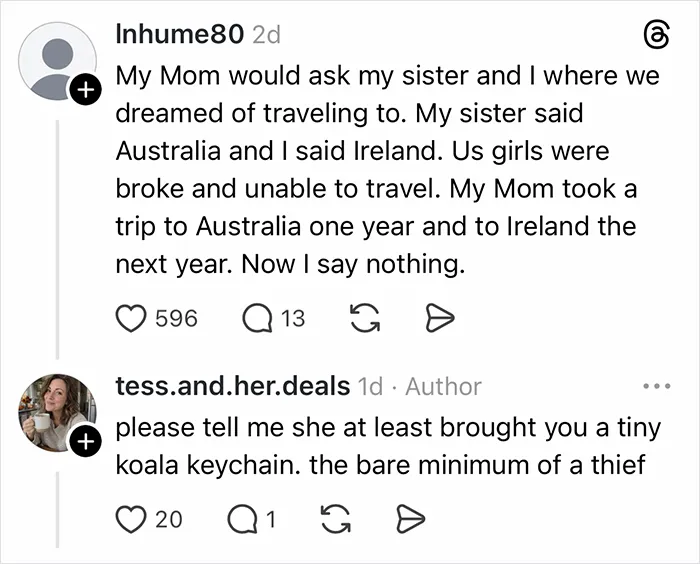

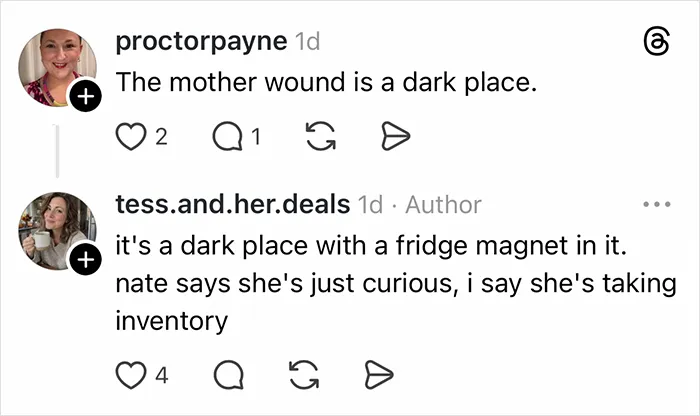



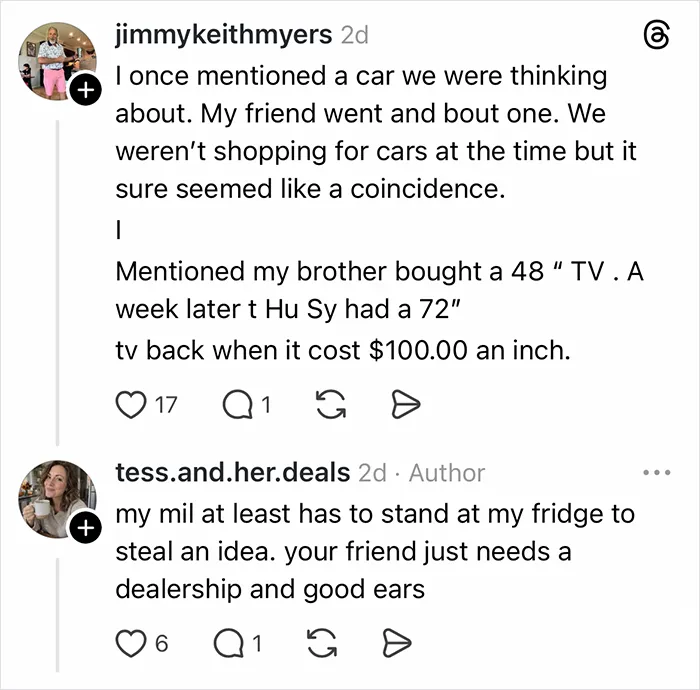

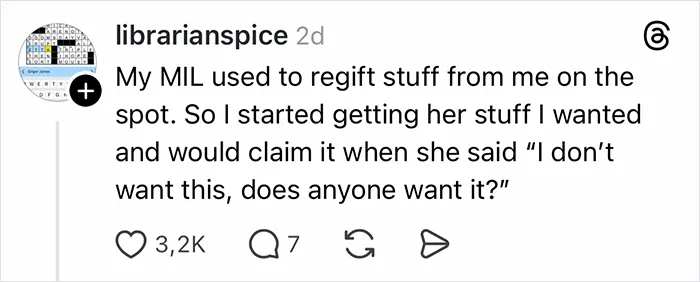
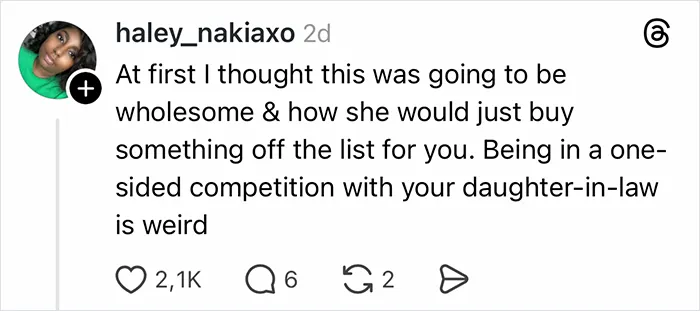








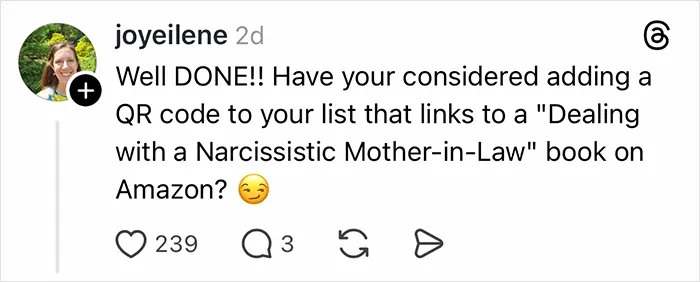




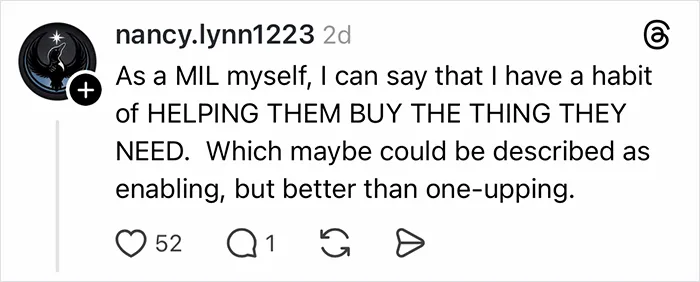
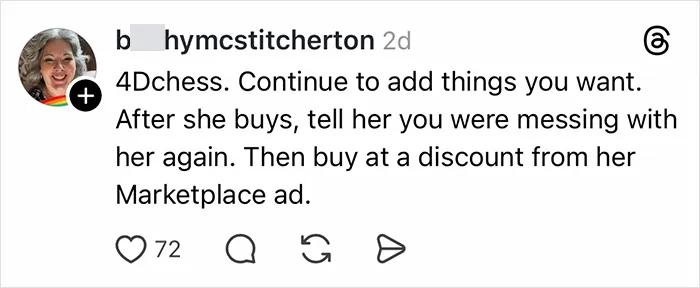

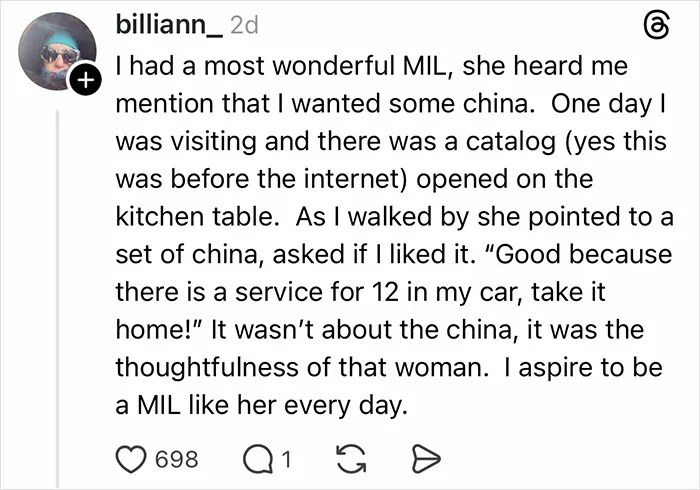
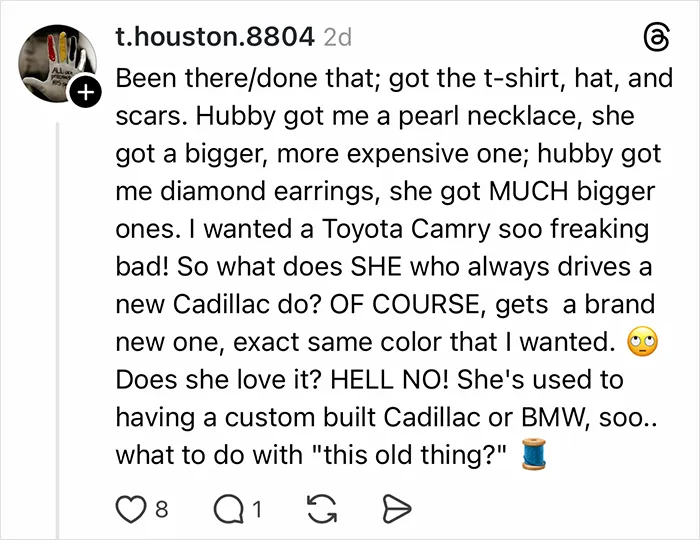
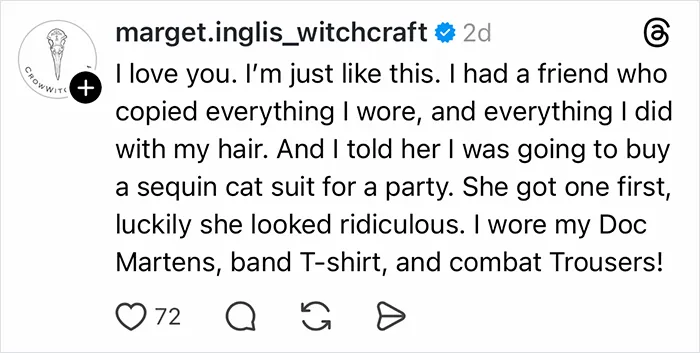
Some shared hilarious examples of similar situations