

We all want to help out a friend in need. If it’s someone we trust, value, and genuinely care about, offering them a couch and a roof over their head is simply part of what friendship is about — as long as the feeling is mutual, of course.
But sometimes, we don't truly know who someone is until we live with them, even if they're childhood friends. That seemed to be the case for a woman on r/AITAH, who had temporarily allowed a friend to stay at her place, only for things to take a nasty turn after an argument. The woman ended up stealing her belongings, and things only went downhill from there.
We truly don't know who people are until we're forced to share a house with them
A woman realized this after letting her friend stay at her place temporarily, only to realize her belongings were missing after the two had an argument

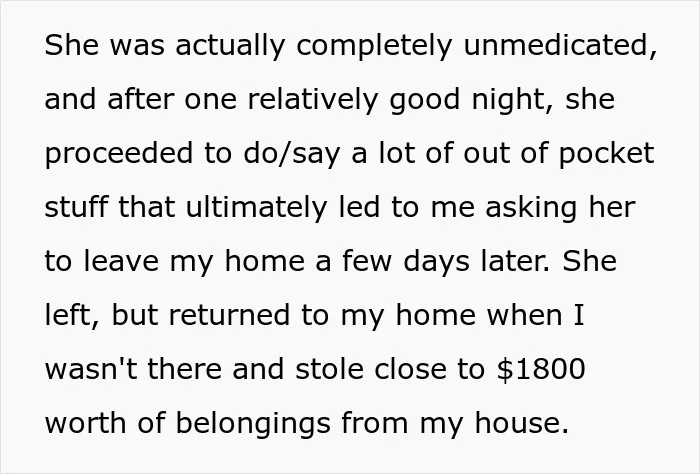




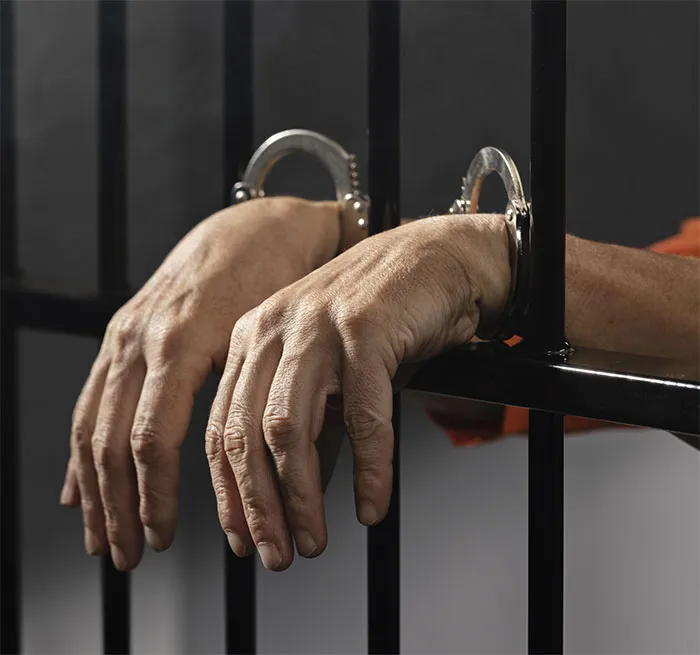
In an update, the woman announced that her friend's damily ended up in jail for threatening her, and that she is now waiting for the trial


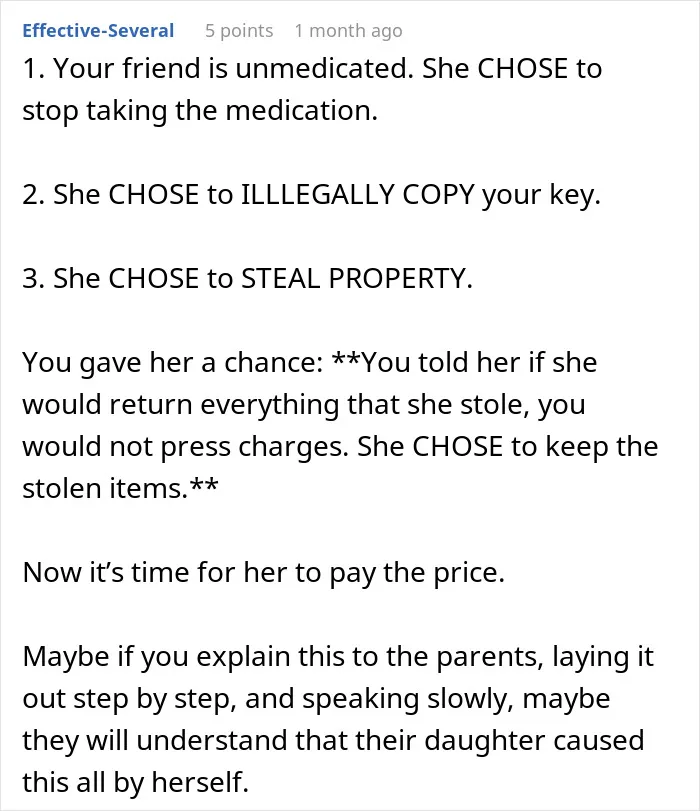
Experts note that mental illness is not an excuse to commit a crime, but it does have links with some other problematic behaviors
One doesn’t even need to touch on the illegality of what the woman has done — robbery is a crime everywhere. However, we probably do need to address the mental illness aspect. According to data published by the American Psychological Association (APA), the majority of people with mental health conditions are actually non-violent and are far more likely to be victims of crime than perpetrators.
Now, we can't know for certain what motivated her behavior, but studies also indicate that 50% of individuals with severe mental health disorders have co-occurring substance use disorders. As a result, crimes like theft or even selling stolen items through relatives, as allegedly happened with the cousin, may point to behavioral issues beyond clinical symptoms.
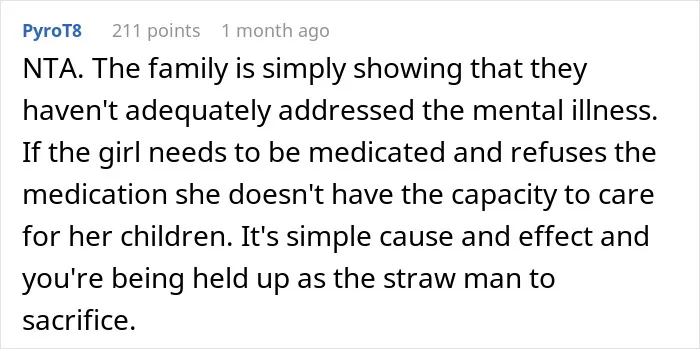
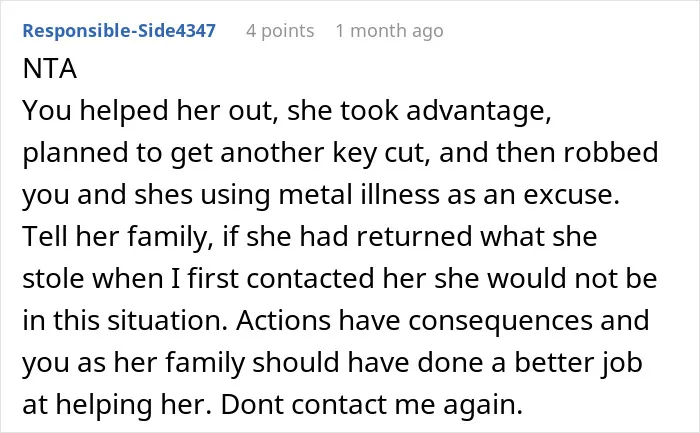
But that's hardly the only problem in this story. The family ends up taking the lion's share of the blame, too. Their extreme reaction is a textbook example of systematic enabling and externalized blame. This is a common pattern in families where someone has an untreated mental health condition, since relatives can develop an unhealthy habit of protecting that person from the consequences of their actions.
The narrator wants to be empathetic to her friend's situation, but that comes at a cost
Now, it's not as though the woman asked to be robbed; however, she didn't do everything entirely right. This is because psychological studies show that being overly empathetic or a people-pleaser — as the narrator describes herself — can lead someone to prioritize another person's comfort at the expense of their own safety and mental health.
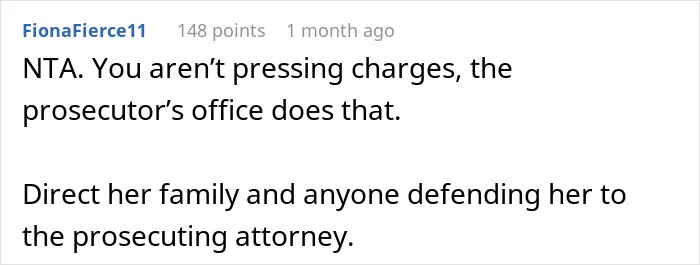
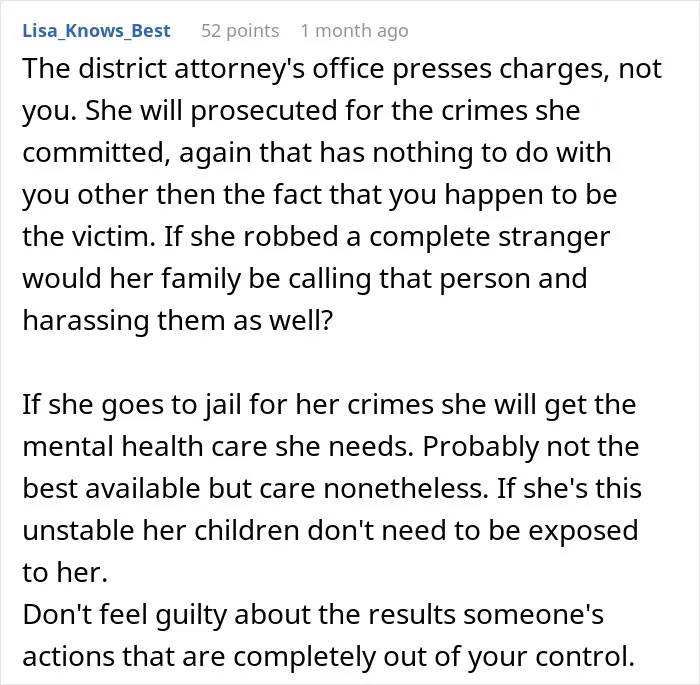
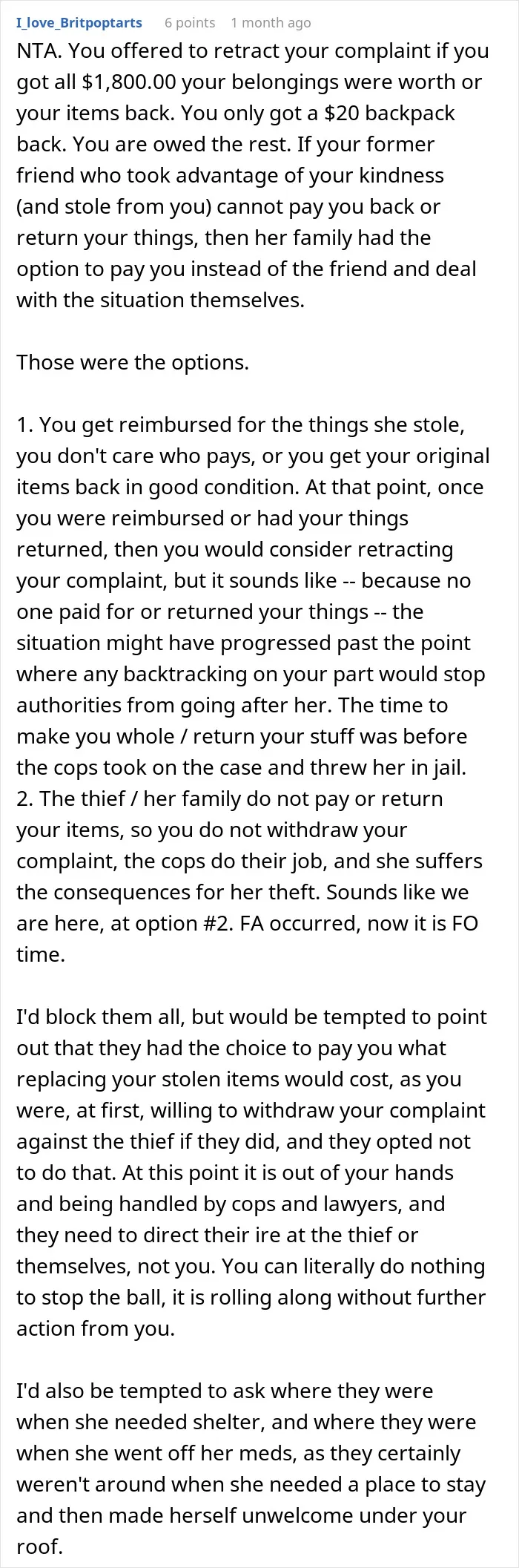
Now, here's why the story needed an update. In her testimony, the narrator claimed she pressed charges, and the comment section berated her for it. That's because under the US criminal justice system, private citizens don't actually press charges. Instead, victims file police reports, while the decision to prosecute rests entirely with the state, usually through a district attorney or city prosecutor.
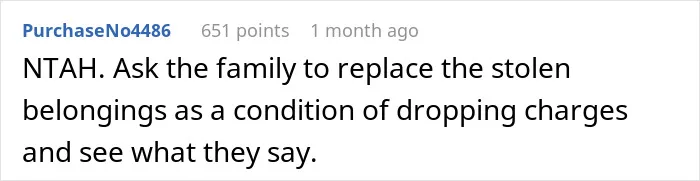
With that clarified, what can the woman do? Legal experts generally recommend letting the criminal justice process run its course and allowing the courts to handle matters such as restitution and processing evidence. But tell us, Pandas: do you think the woman should have left the matter behind, or did she do exactly what she had to do? Let us know!
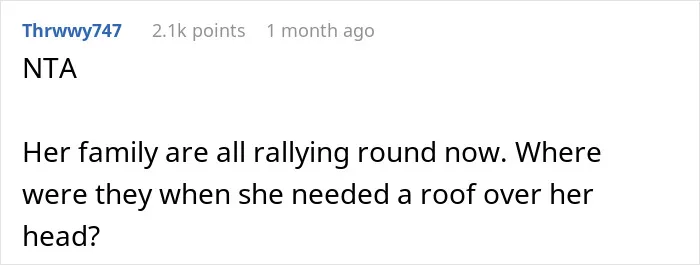
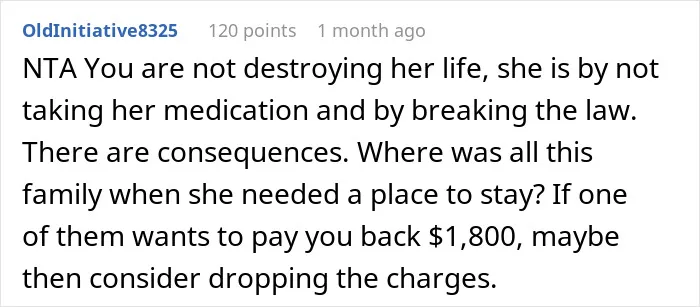
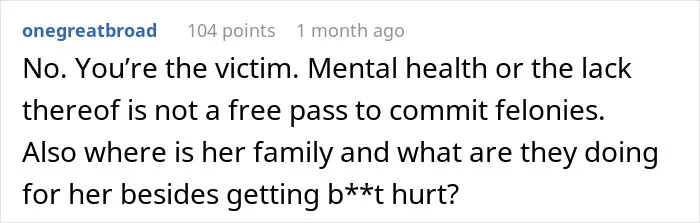
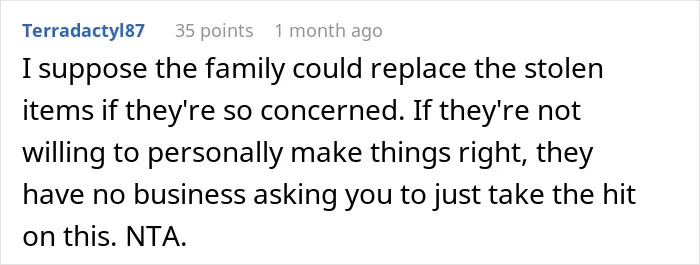
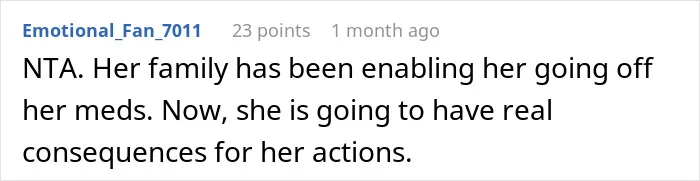
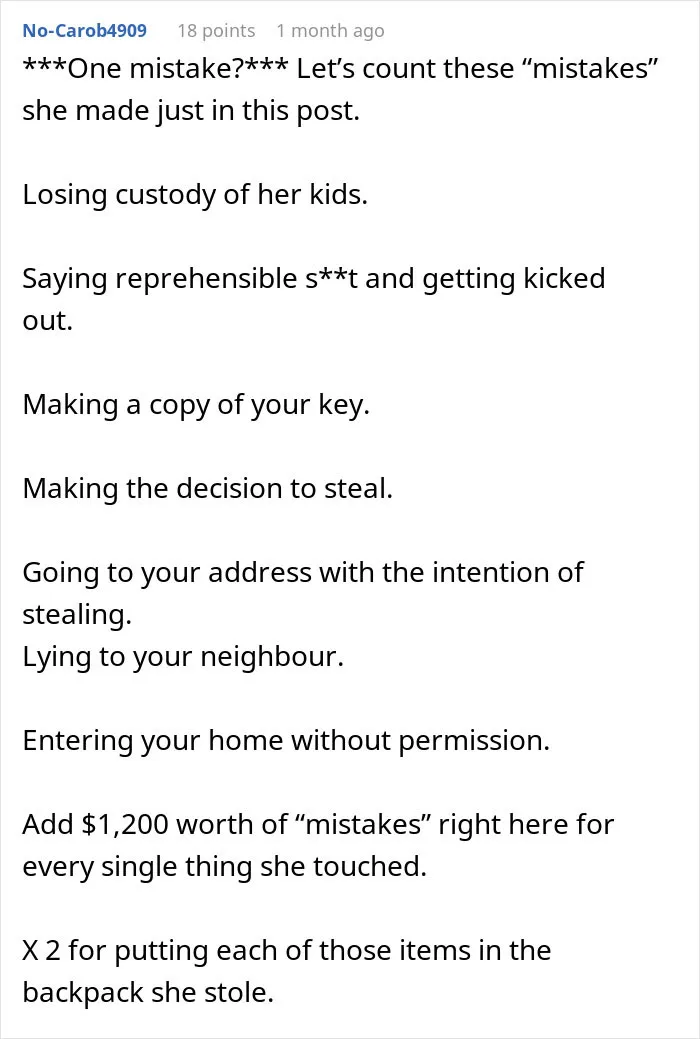
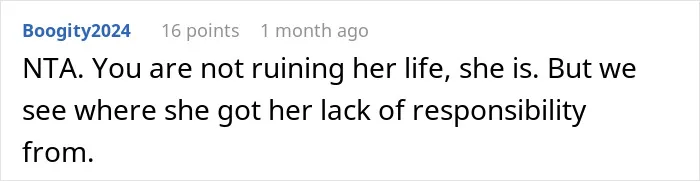
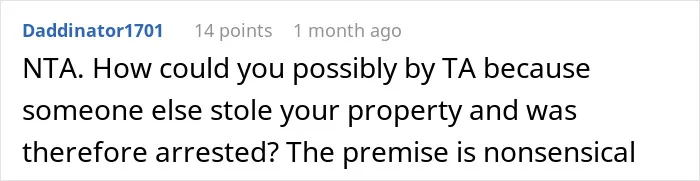
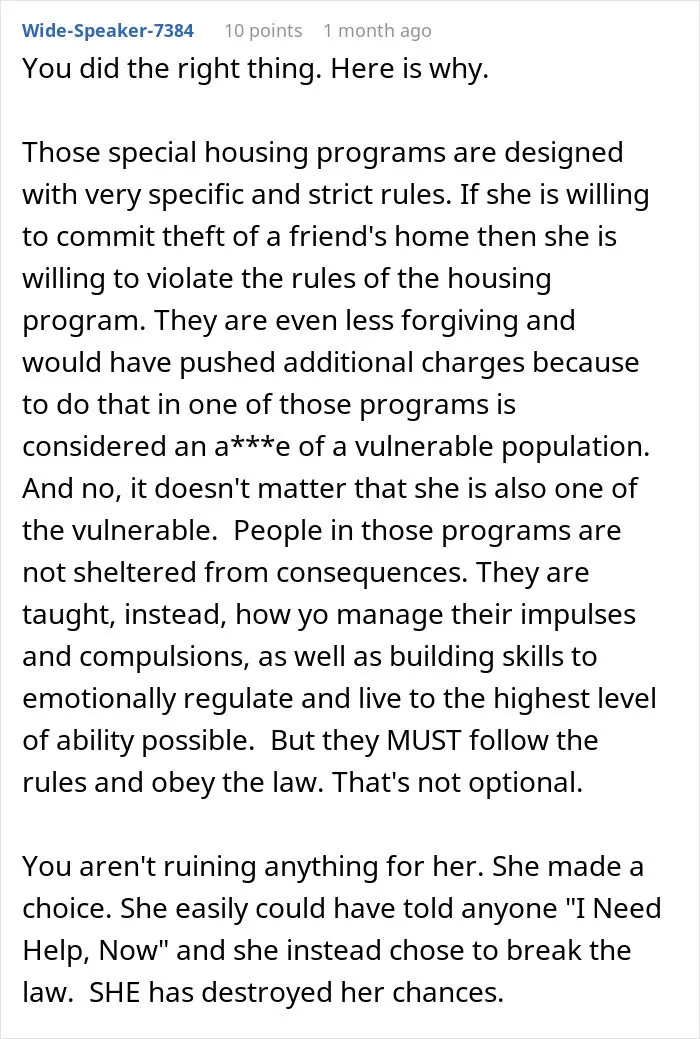
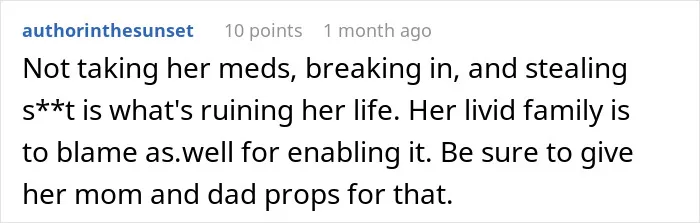
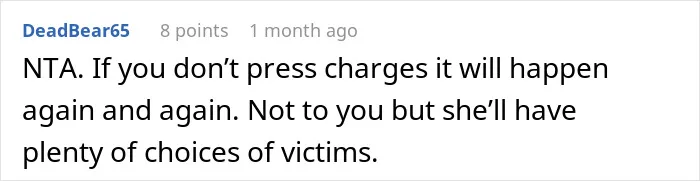
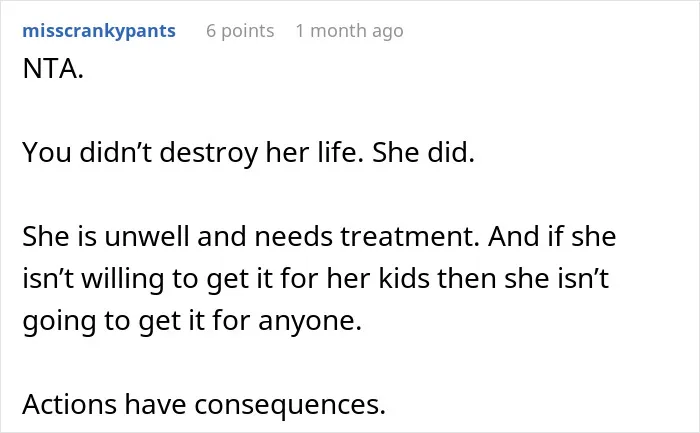
Most people questioned what everyone else was wondering: why wasn't her family providing her a place to stay?