



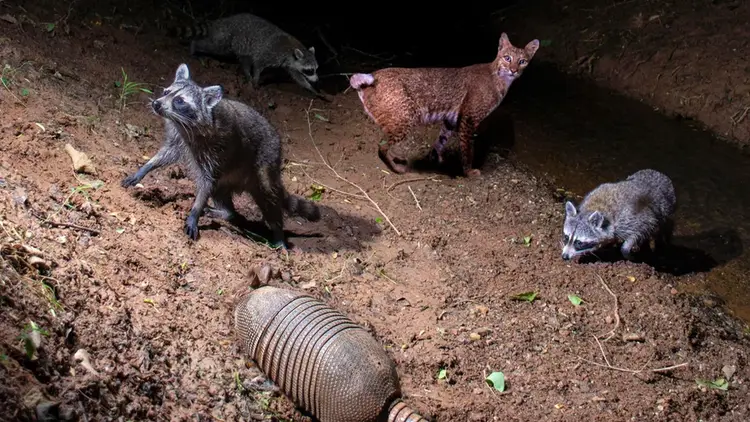

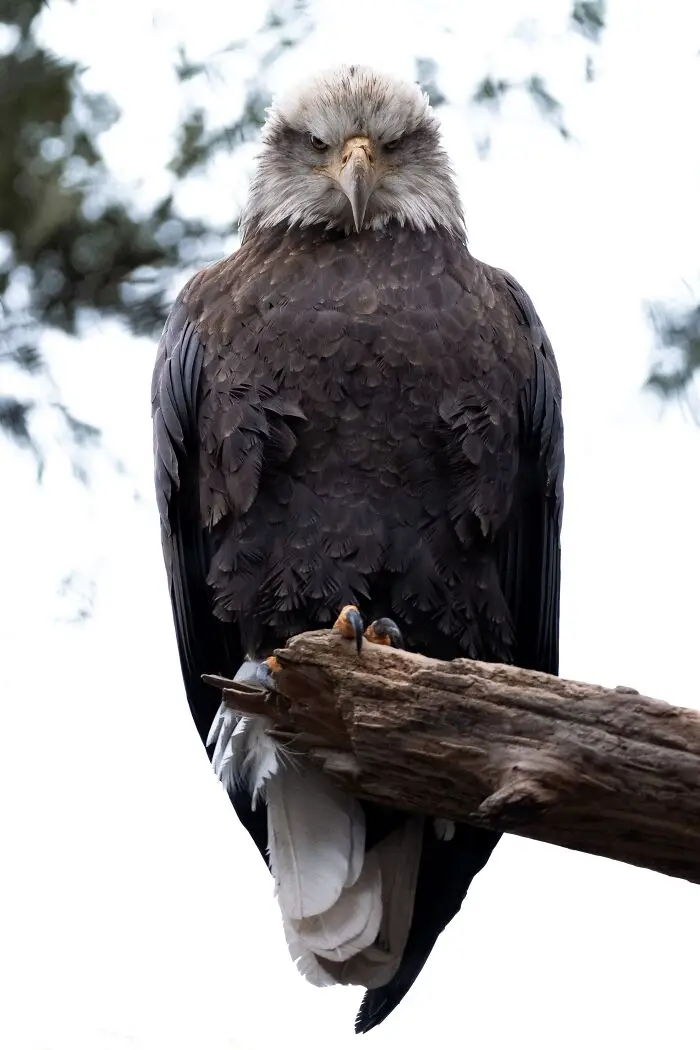
The magic of wildlife photography is not just to inspire awe in us. Wildlife photographers can help conservationists in their efforts to bring awareness to nearly extinct species. It may sound trivial, but when we see the impact that humans have on natural habitats or how mankind mistreats animals, we're more prone to taking action.
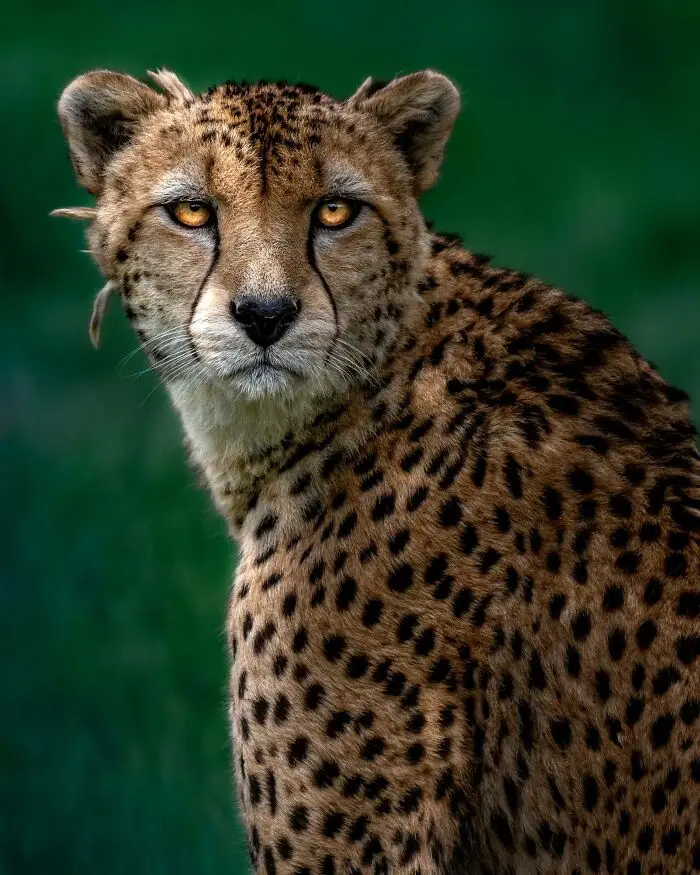
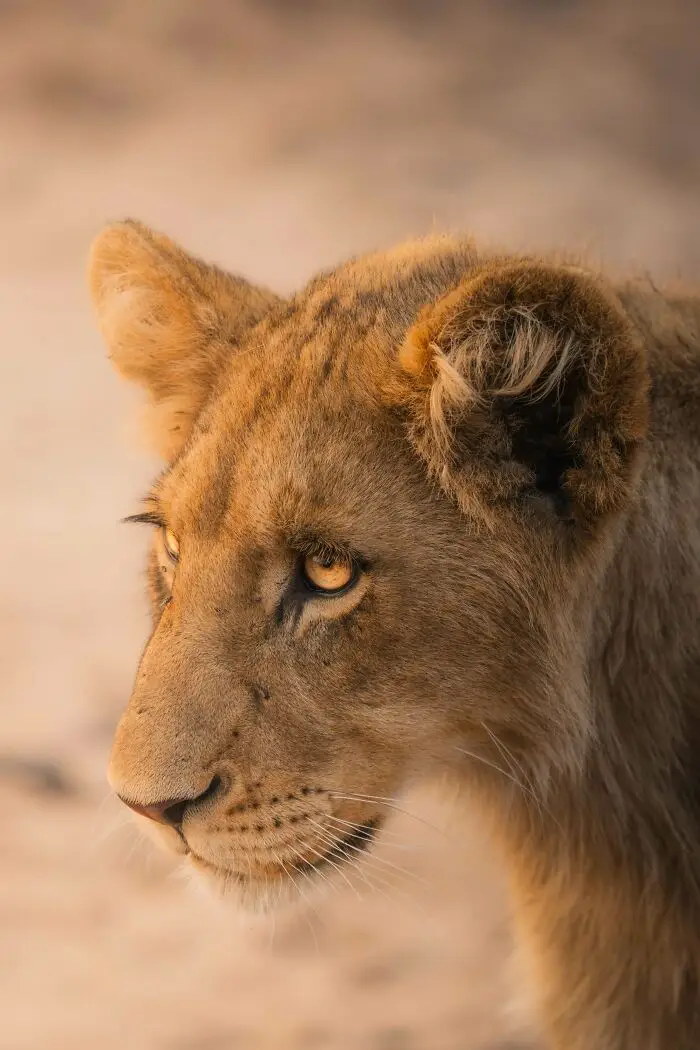
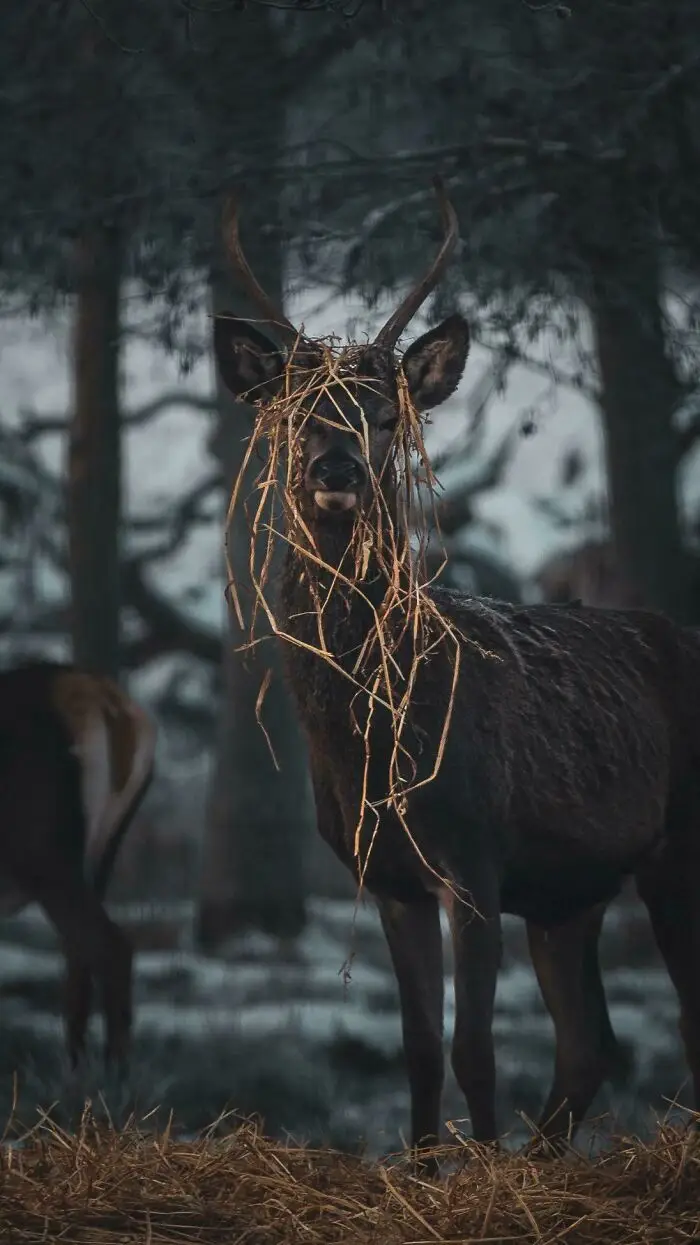
There are some risks when amateurs do it, unfortunately. The U.S. Fish and Wildlife Service warns that crowds of enthusiasts sometimes might be doing more harm than good. Folks might be "pressing into refuges, overrunning parks and preserves, trampling habitat, and threatening the very species they are photographing," according to the FWS.
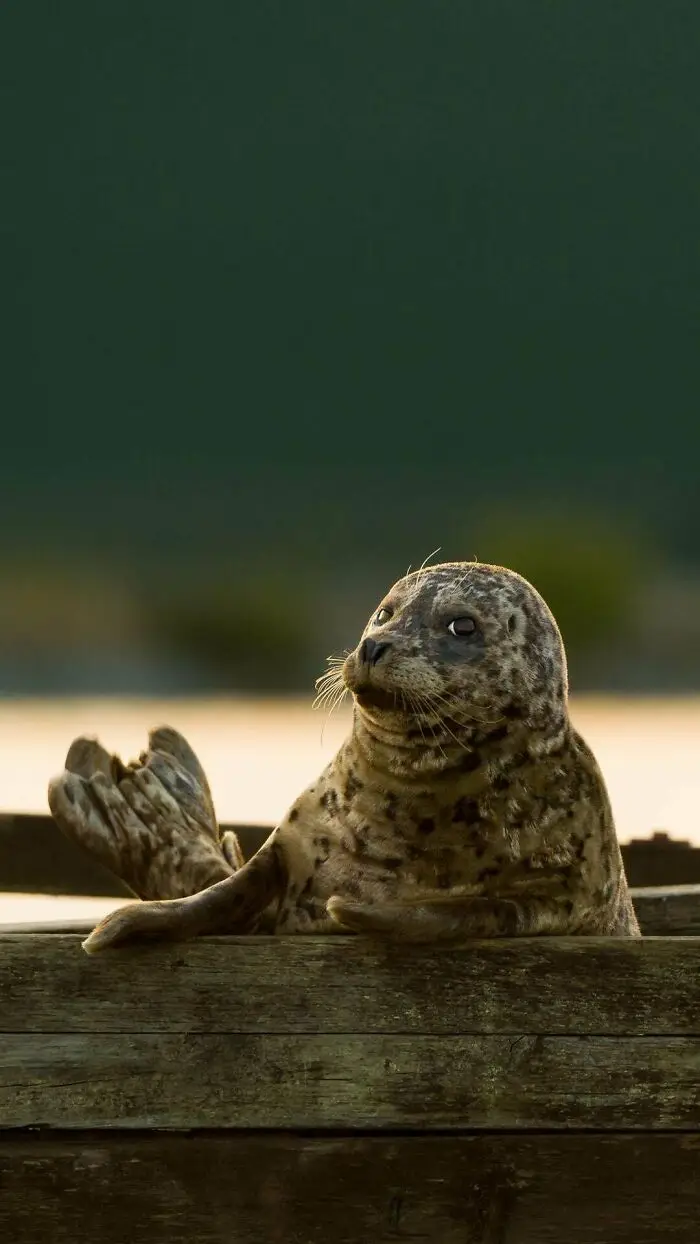
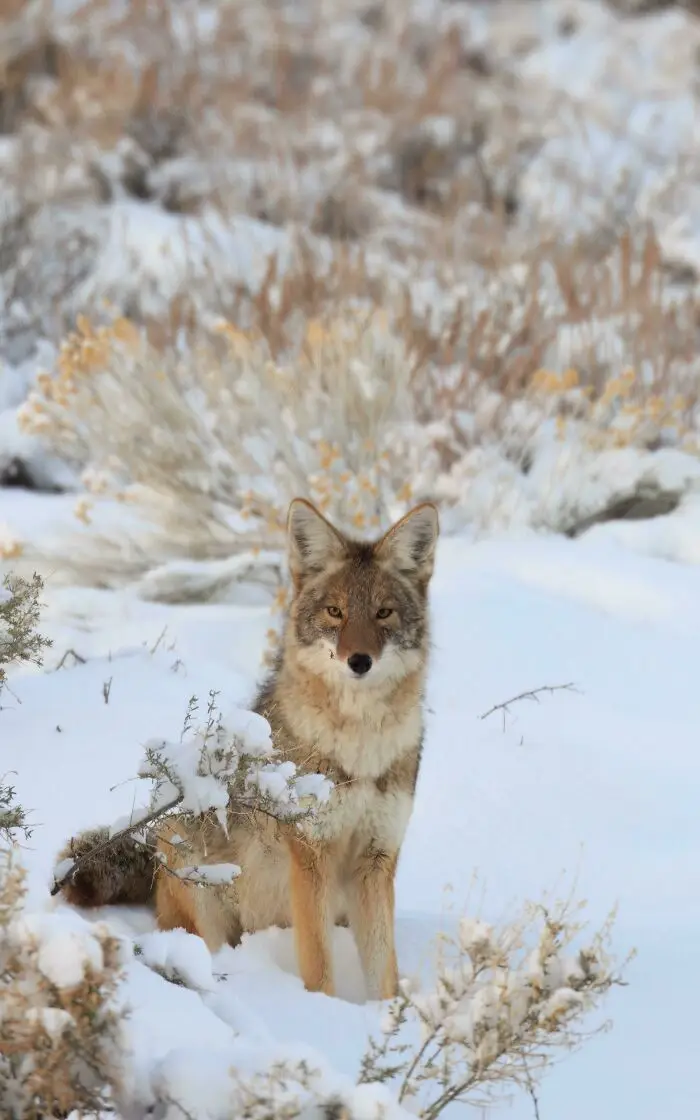
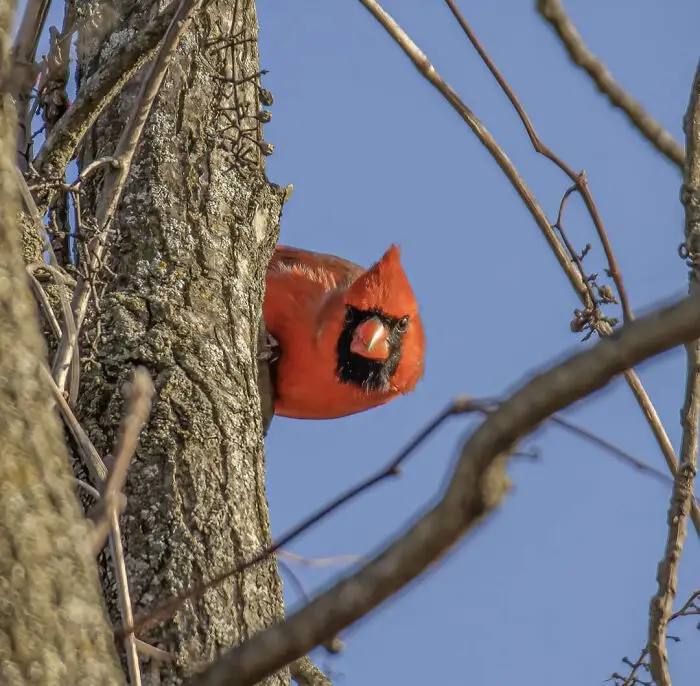
Professional wildlife photographer Canadian Kevin Pepper tells beginners to never do these four things if they want to be respectful of their subjects:
- Baiting or feeding,
- Destroying habitat,
- Crowding wildlife,
- And provoking animals for movement.
"The long and short of it is to just use common sense. If you think that you are putting wildlife, or its natural habitat in danger, stop what you’re doing and look for an alternative method to acquire the photo," he sums up.
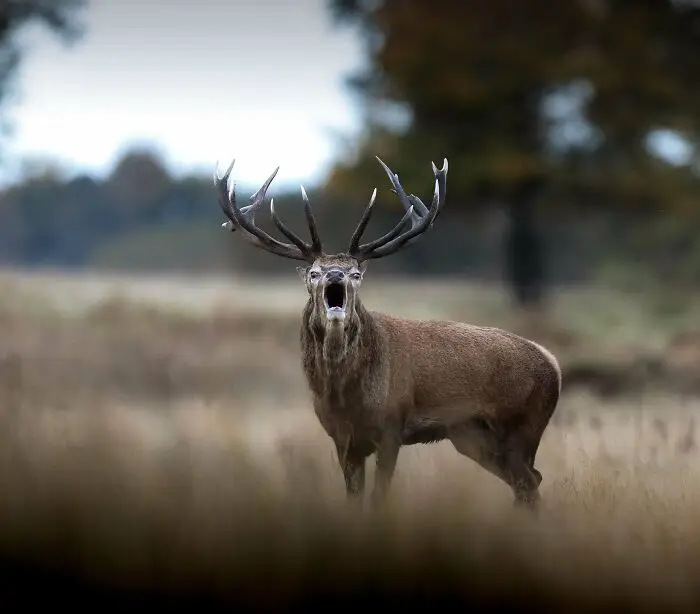
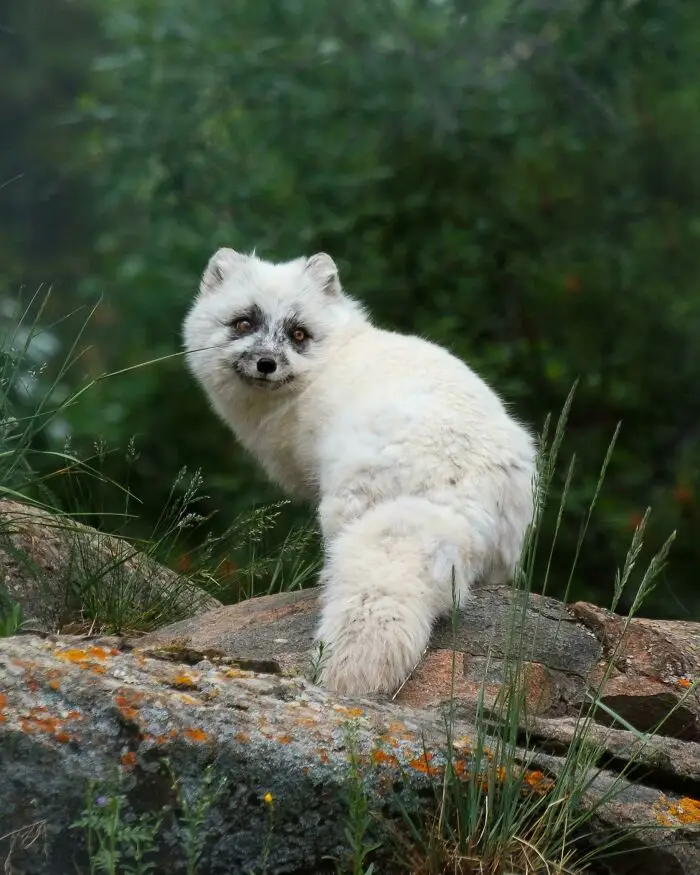
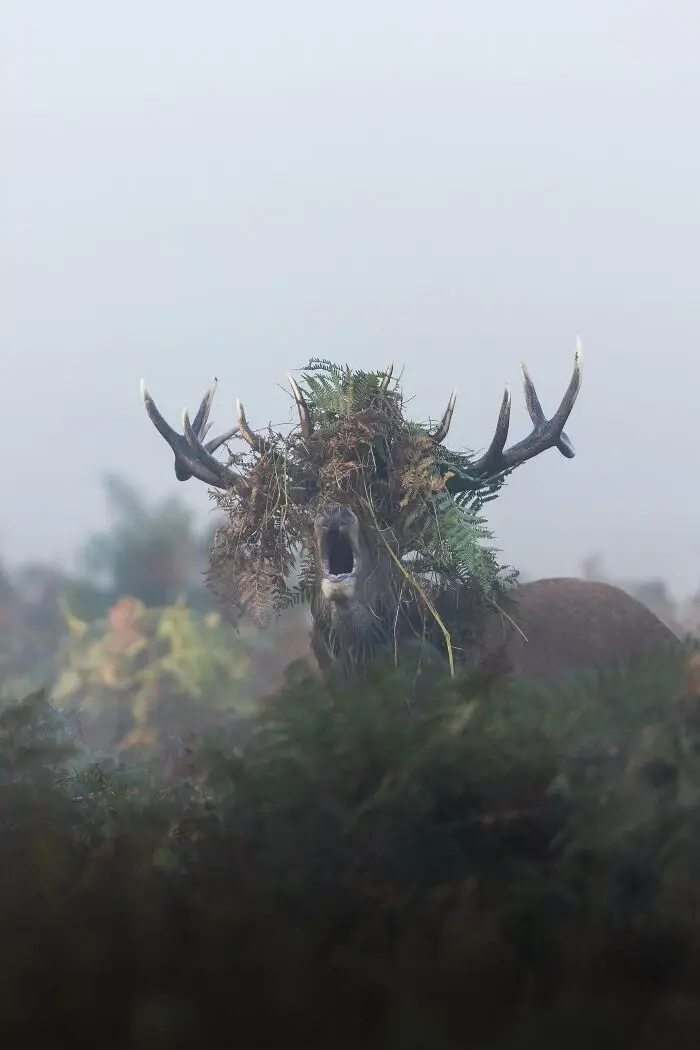
Wildlife photography has many faces – more so here on Bored Panda. Throughout the years, we have covered different genres of wildlife photography. There are the "Oof" wildlife photos that are sometimes so bad they're actually good. Then, there are the Nikon Comedy Wildlife Awards that we cover every year. Or, if you're just looking for nature's pure magic, take a look at the 2024 winners of the World Nature Photography Awards, and keep an eye out for this year's winners!
You might also like: 50 ‘Weird Facts’ About The World That Might Give You A Fresh Perspective