






#1

- Reed College
#2
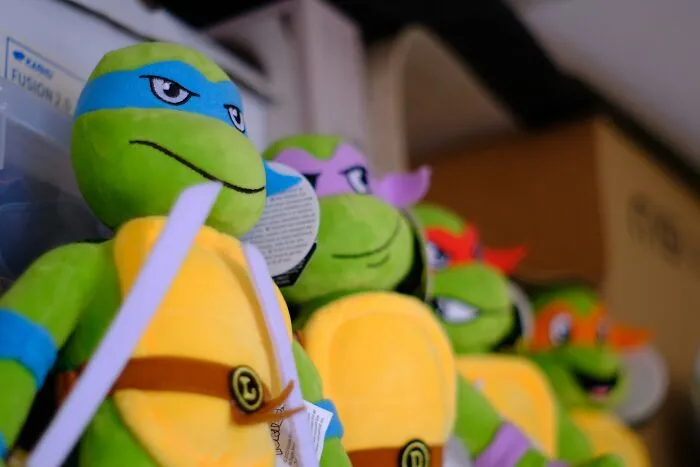
4 guys were dressed as Ninja Turtles and later on a girl they did not know showed up dressed as April O'Neill. They proceeded to follow her everywhere, bringing her beers, defending her honor and asking her to order pizzas (which she eventually did). LATER, a guy dressed up as Shredder shows up! They proceed to have a totally unscripted mock battle in the kitchen that gets out of hand very quickly. Table, cabinets and chairs are broken. All characters involved promptly vacate the scene and the people who threw the party are just left confused as hell. Amazing.
One of the few memories of College, but my favorite.
#3

- Ohio State University
College is often one of the most significant periods of self-discovery, as it gives young adults their first real opportunity to explore life independently. As Psychology Today explains, students are suddenly responsible for managing their schedules, finances, education, relationships, and everyday decisions with much less parental supervision.
This freedom allows them to discover their strengths, recognize their limitations, and work out what matters most to them. At the same time, being surrounded by people with different backgrounds and beliefs exposes them to new perspectives that may challenge everything they previously thought they knew.
Between trying unfamiliar activities, exploring different interests, and forming new friendships, students get plenty of opportunities to figure out what kind of people they want to become.
#4

- University of Michigan
#5

- University of Michigan
#6

- U of T
This period of exploration also gives students room to make mistakes, change their minds, and reconsider the paths they initially thought they wanted to follow. Choosing a major, joining a club, developing new friendships, or pursuing an unexpected interest can all contribute to a clearer sense of identity.
Psychologist Erik Erikson considered identity formation an important part of human development, emphasizing how young people gradually develop their values and sense of self through exploration.
College can therefore become much more than a place to earn a degree. It is also an environment where people learn to make decisions for themselves, navigate unfamiliar situations, and discover that growing up sometimes involves a few questionable choices along the way.
#7

- University of Michigan
#8

- UBC
#9

- Harvard University
That willingness to experiment is also connected to why young adults may be more inclined to take risks. According to Verywell Mind, younger people are often particularly attracted to novelty, excitement, and immediate rewards, partly because the brain's reward system develops faster than the areas responsible for planning, judgment, and impulse control.
This can make exciting opportunities feel especially appealing, even when the possible consequences deserve more consideration. Whether someone is trying an unfamiliar activity, going on an unexpected adventure, or making a spontaneous decision with friends, the promise of a memorable experience can sometimes outweigh the desire to play it safe.
#10

- Vanderbilt
#11

- Michigan State
#12

Now my girlfriend is rather petite, and my friend had a huge suitcase. We ran out of options and plans to checking her in, and desperate times called for desperate measures, so we dropped the suitcase out of my second story window, and checked out. We went around to the side of our building to grab the suitcase. My girlfriend packed herself in the suitcase and I pulled her into the building, checked into the dorm normally, and rolled the suitcase around the corner away from the desk to let my girlfriend out. The kicker--as I walked away from the desk, my RA asked "what's in the suitcase?", and I laughed and said "you don't want to know" like an idiot as I rolled 100+ pounds in this huge suitcase.
We did this a handful of times that year, before making a fake ID for my girlfriend that said she was my sister. Never got caught.
Social influences can make these decisions even more interesting. Friendships and group acceptance become particularly important during young adulthood, meaning people may be more willing to participate in activities they would normally avoid when surrounded by their peers. The desire to fit in, impress friends, or simply avoid feeling left out can affect how someone behaves in a group.
As people gain more life experience, they generally become better at evaluating consequences and regulating their impulses. They also take on additional responsibilities that encourage them to think beyond immediate excitement. This may explain why some decisions that seemed perfectly reasonable during college eventually become the kind of memories people look back on and wonder what they were thinking.
#13

One night he hosted a party and got properly drunk. At some point he realized that he missed his team running quota for the week so he snuck out of his own party at 1AM and ran 20 miles around nearby trails to make up for it.
We were puzzled when he returned around 3:30AM and didn’t believe it when he said he was out running but his smartwatch tracked the entire thing. He ran 21 miles at a 6:30 minute per mile pace while completely blacked out. It’s honestly the most amazing physical act I’ve ever witnessed and he has no recollection of it.
Anyways, it’s been 9 years and he’s a doctor with 4 kids now lol.
#14

#15

Academic expectations can introduce another layer of pressure, particularly when students are trying to balance their education with their social lives and newfound independence. Higher Ed Dive explores why some college students bend the rules, pointing to the combination of demanding academic expectations, high-stakes outcomes, and the desire to belong.
Grades, scholarships, internships, and family expectations can make even a single assignment or examination feel incredibly important. When students worry that one poor result could affect their future opportunities, they may start viewing shortcuts as a way to protect themselves from failure.
This does not make academic dishonesty acceptable, but it helps explain why some students feel tempted to take chances they might otherwise avoid.
#16

- Byron College
#17

- Ball State University
#18

- University of Michigan.
Beyond academic pressure, college is also a major social transition that gives young adults more opportunities to test boundaries. With fewer restrictions than they may have experienced at home, students begin figuring out which rules they consider reasonable, how institutions respond to certain behavior, and where their personal limits lie.
The desire to make friends and feel accepted can sometimes become more important than thinking about the consequences of a particular decision. This is especially true when classmates appear to be doing the same thing, making questionable behavior seem more normal within a particular social circle.
Between trying to keep up with assignments, maintain friendships, and enjoy their independence, students can occasionally find themselves in situations that are considerably more complicated than they anticipated.
#19
- University of Central Florida
#20

- Swarthmore College