


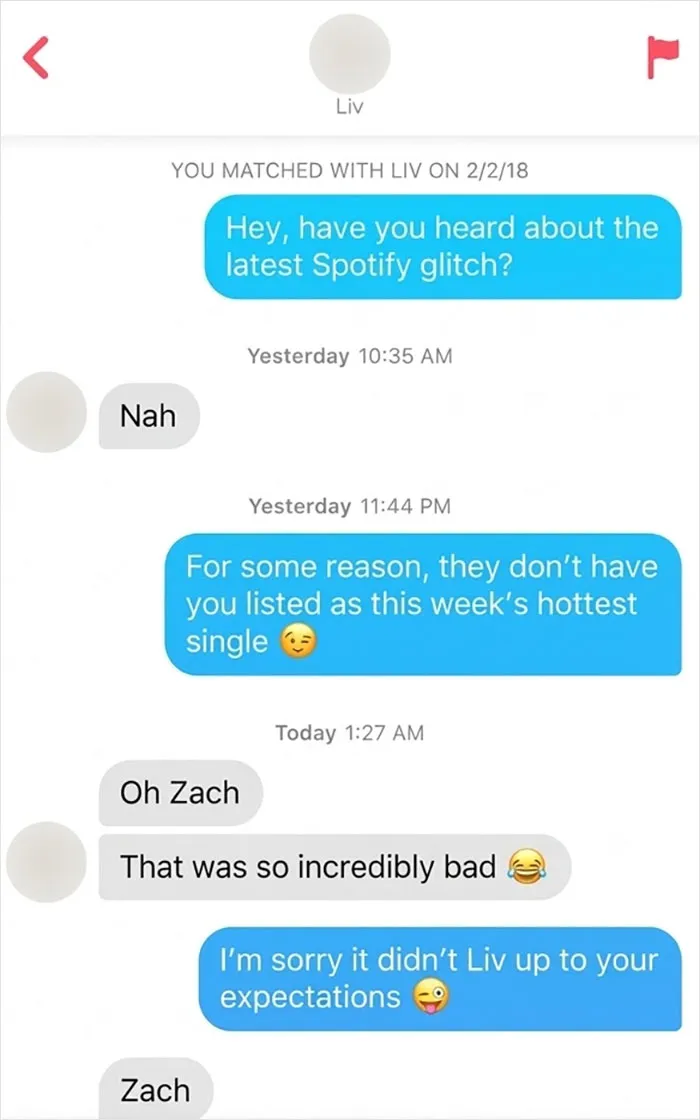
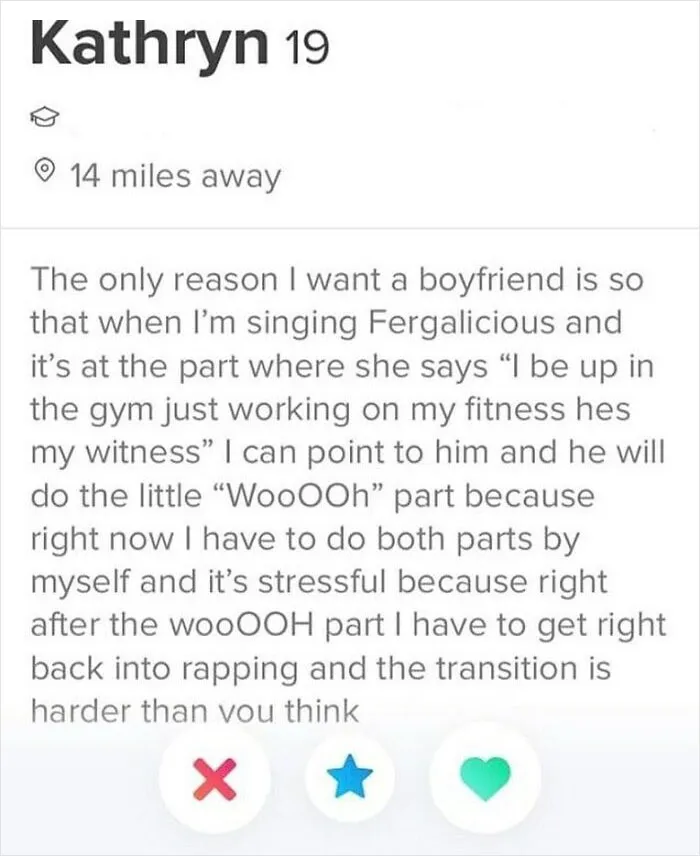
It’s a little crude to put it this way, but the online dating industry is actually booming. Obviously, the digital revolution plays a huge role, but the so-called loneliness epidemic may also be driving its growth. Besides, it’s super convenient for young people to choose a potential partner from a larger pool.
According to the media and information platform for the global app industry, Business of Apps, the dating app market made just over $6 billion in revenue in 2025, with $3.3 billion coming from Match Group. Over 350 million people use dating apps worldwide, with about 23 million paying for premium features. And Tinder was the most downloaded app in 2025, followed by Bumble.
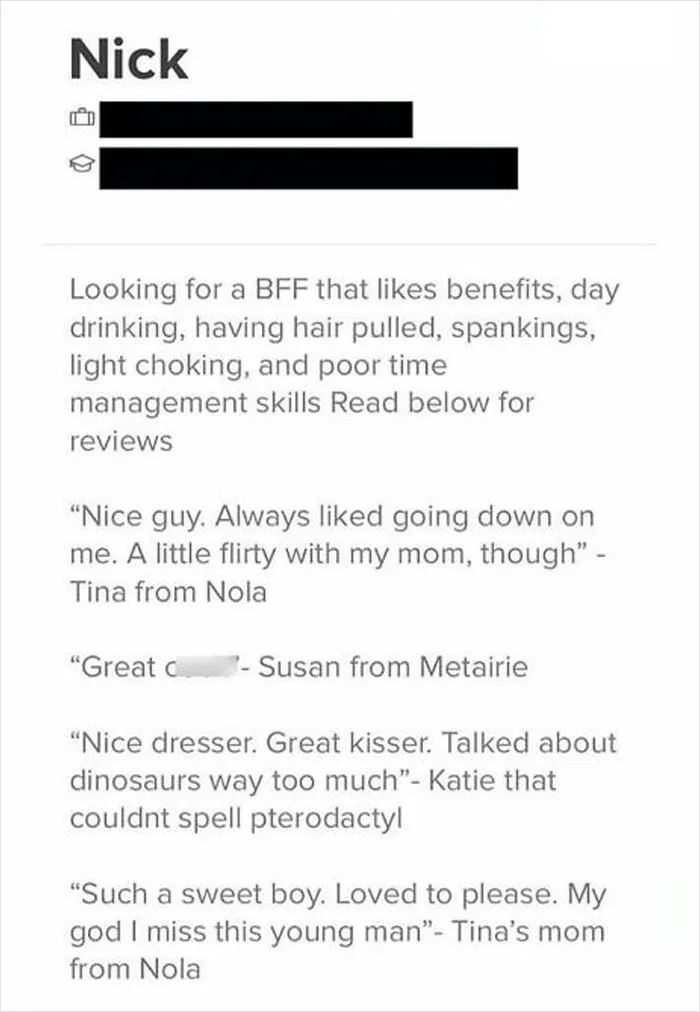
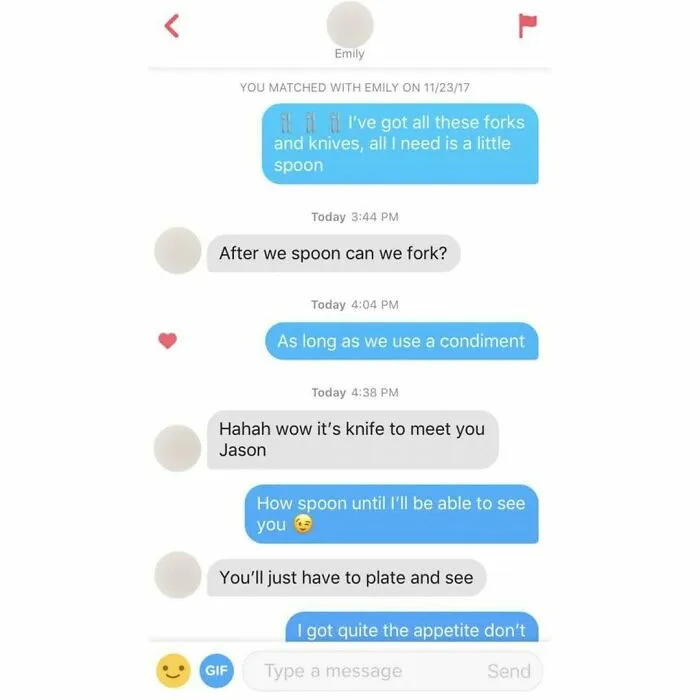
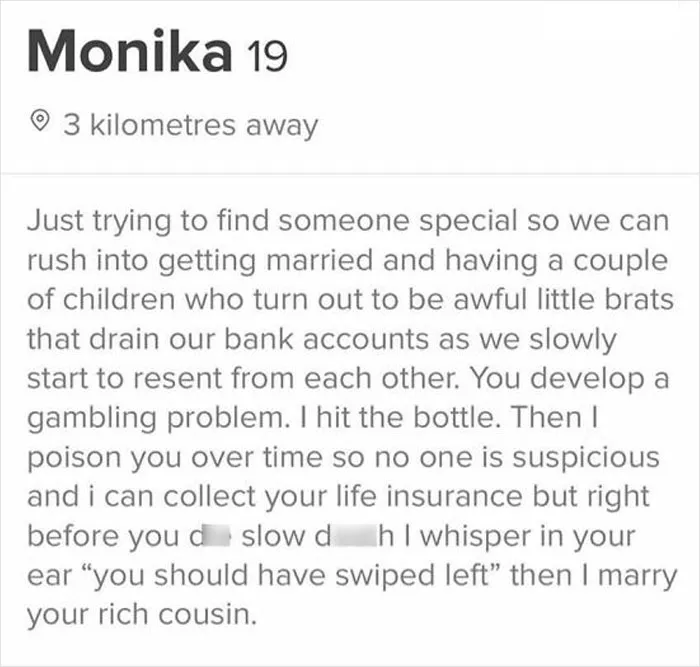
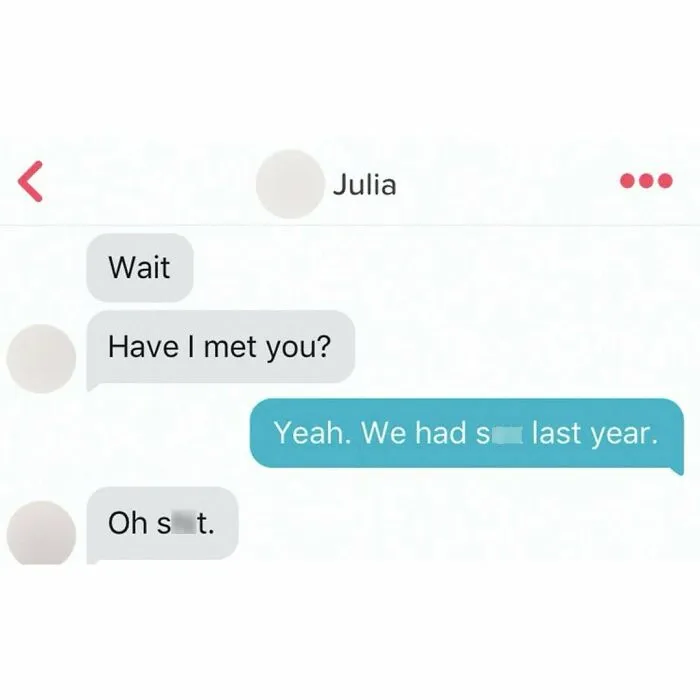
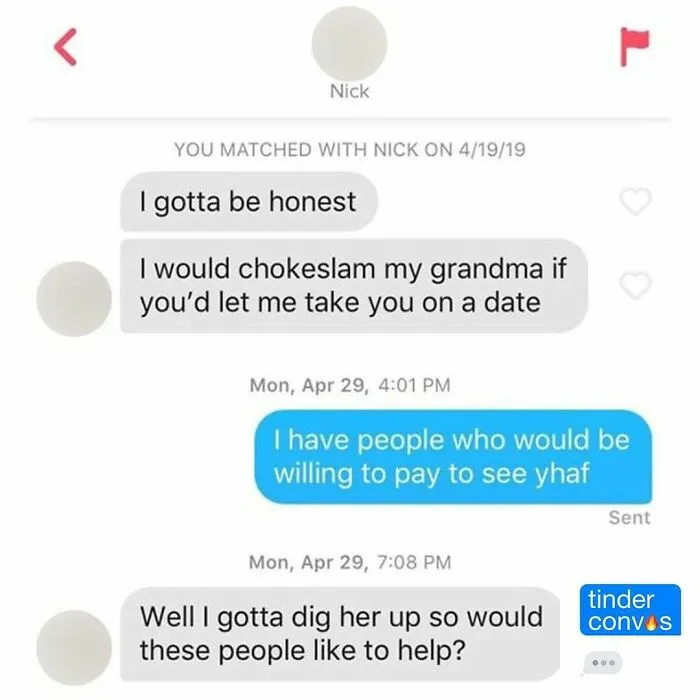
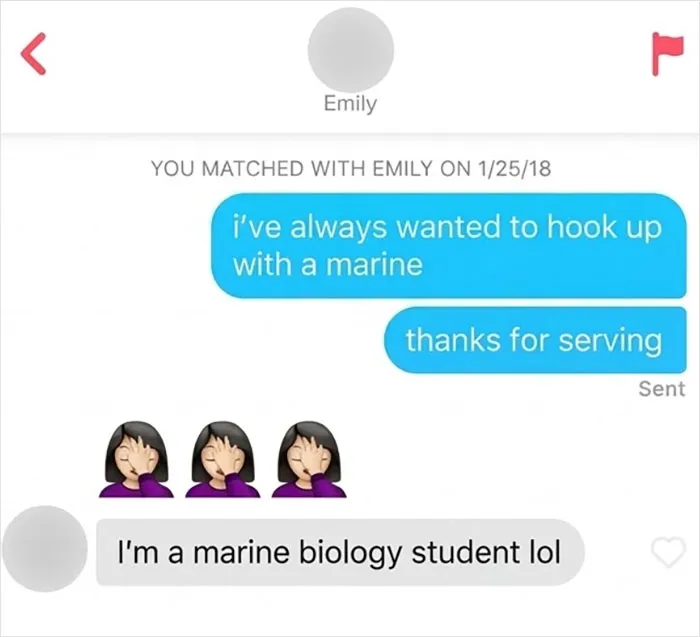
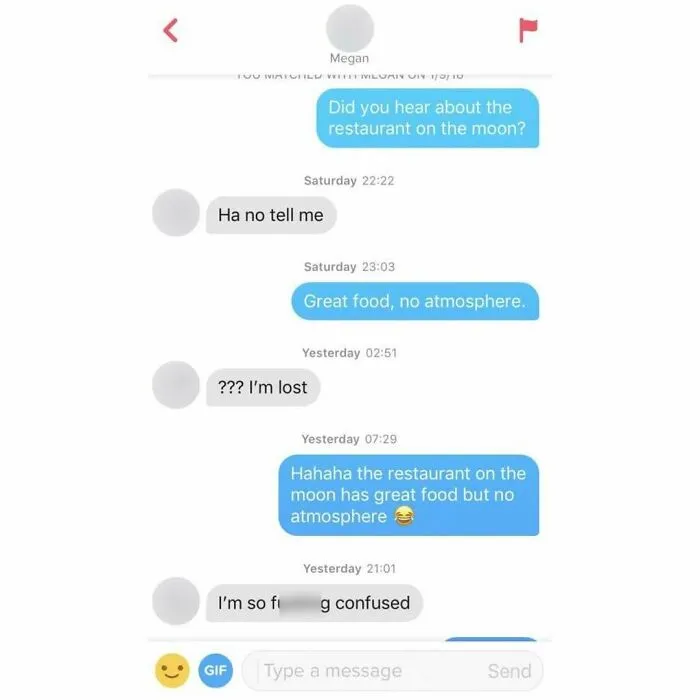
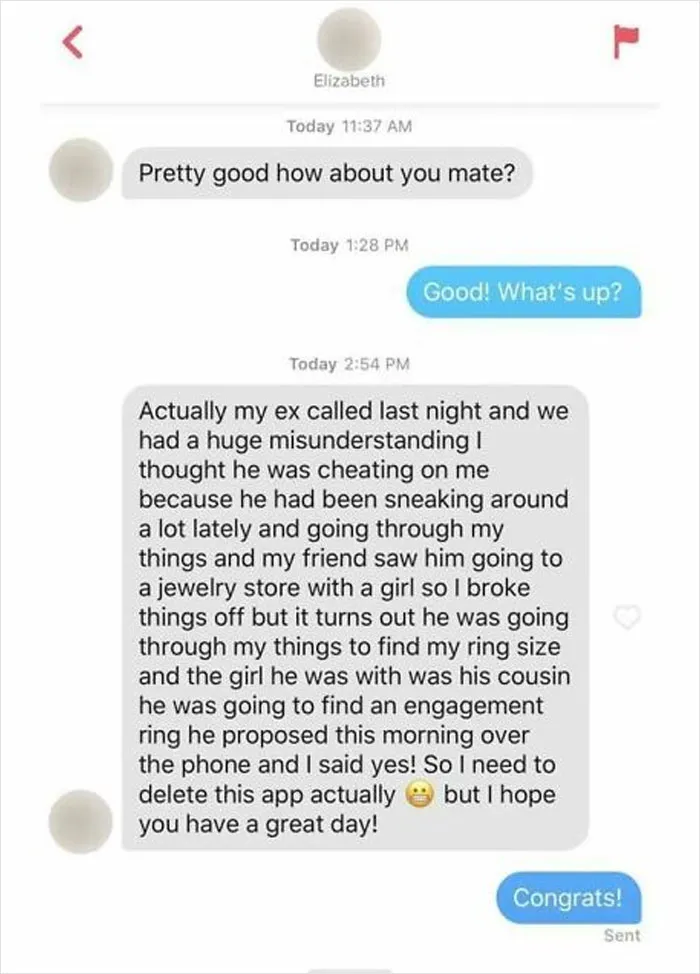
Even though the dating industry is thriving, that doesn’t guarantee everyone finds “the one” on it. Receiving a cringey text might be a sure-shot way to get blocked. Sometimes, people try to be funny but end up sounding the opposite. Also, getting anxious before a date is natural, but the same can happen when using a dating app.
In fact, experts at Verywell Mind highlight that dating app users face three times the stress of non-users. This number increases if a dating app user spends more time on dating apps. This anxiety might also play some role in why people end up sending really cringey texts.
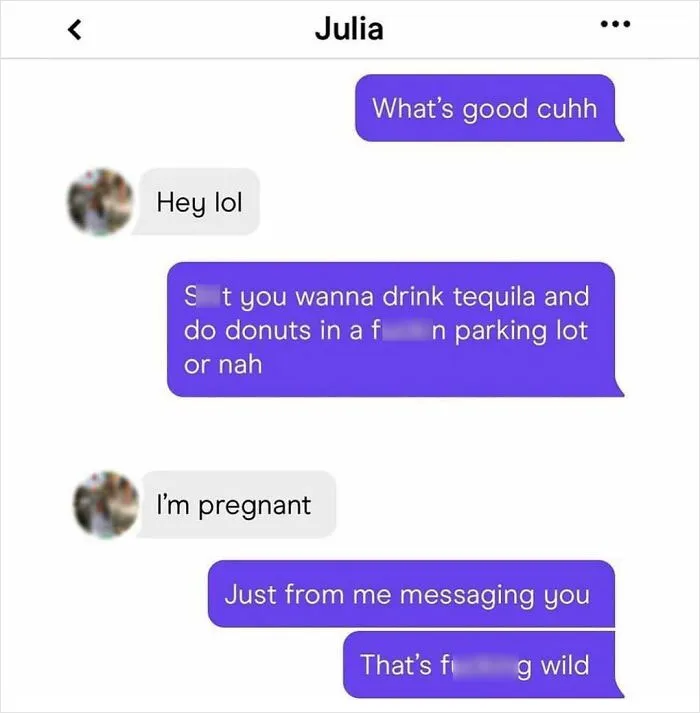
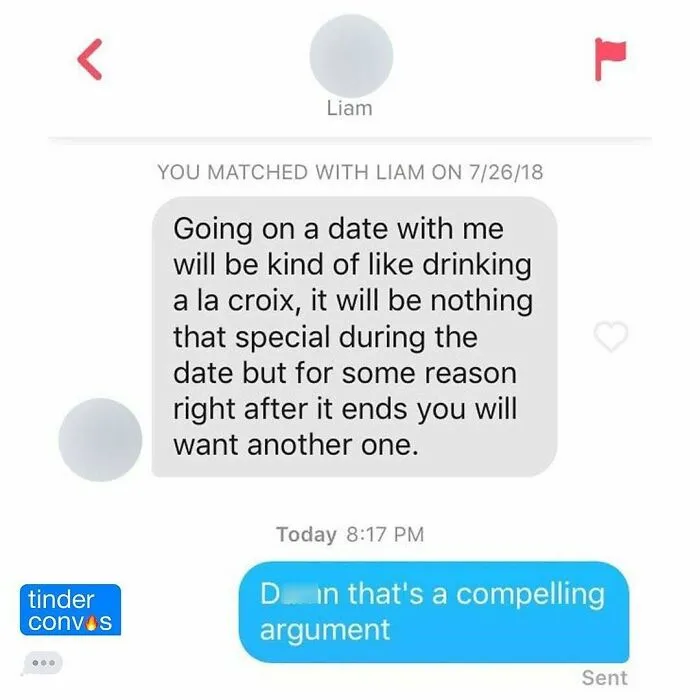
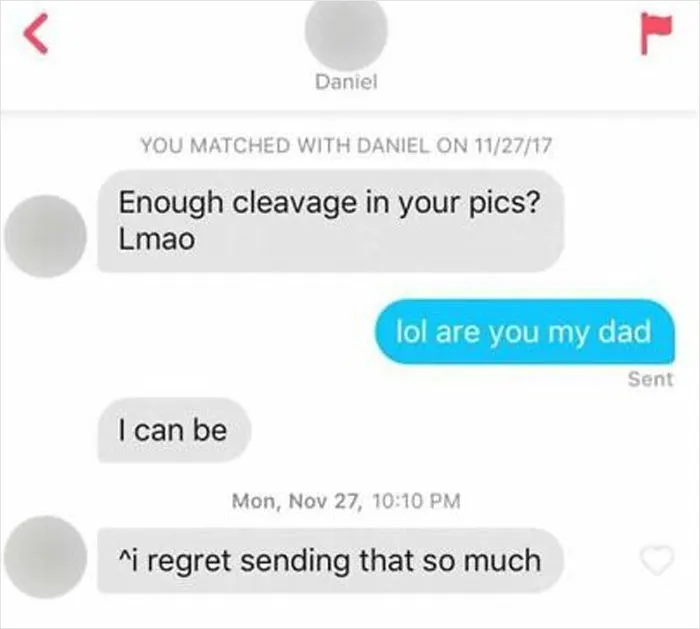
The American Psychological Association states that online disinhibition refers to the phenomenon in which people say or do things in an online space that they normally would not say or do offline. John Suler, the psychologist behind this finding, identified two types of online disinhibition: benign and toxic.
He stated that benign disinhibition is marked by individuals who use the internet to share personal details they would otherwise be reluctant to share in a face-to-face setting. This whole concept of anonymity and not facing someone in real life might lead people to be cringey without thinking about how their text might land.
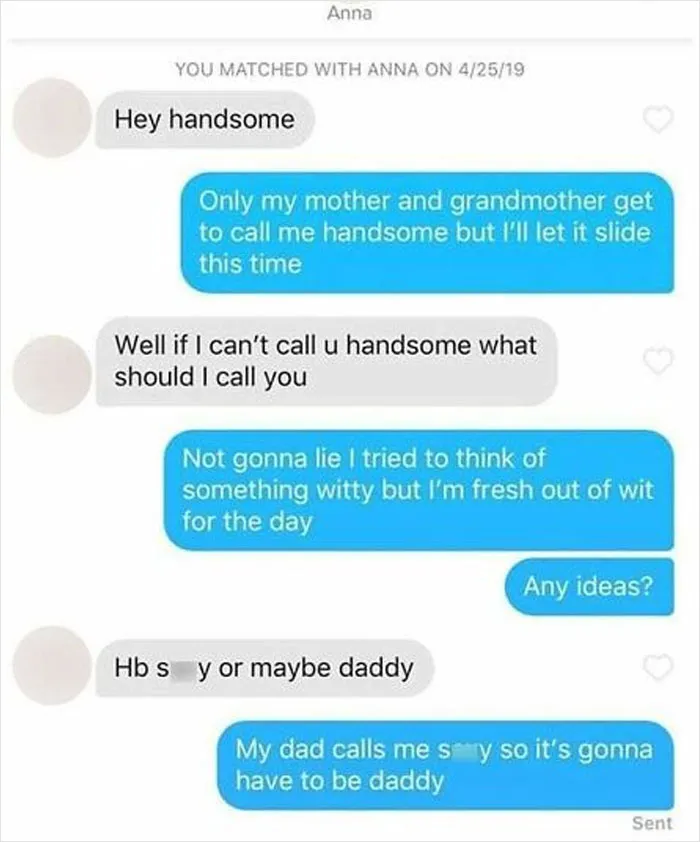
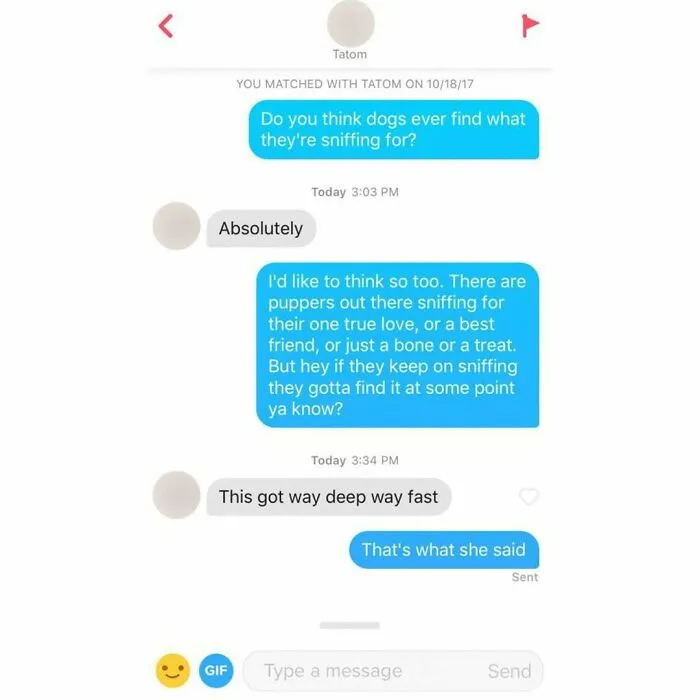
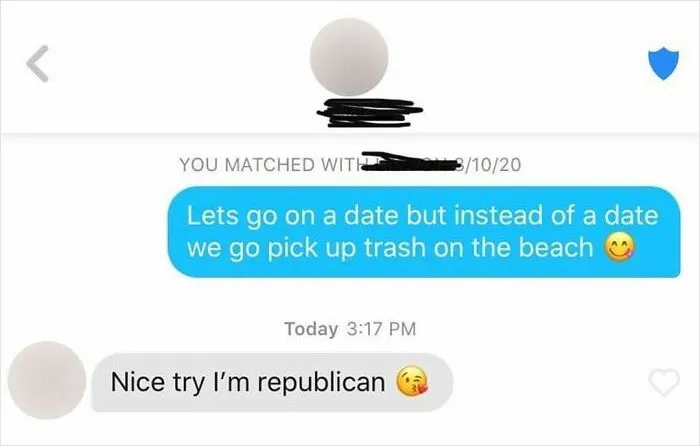
It’s possible that people might also act cringey on purpose, especially those who have rejection sensitivity. They tend to misinterpret neutral cues as devastating, painful rejections, so they may try too hard to sound funny or likeable. This can make them seem awkward or cringey to others, when in reality, they are just trying to protect themselves.
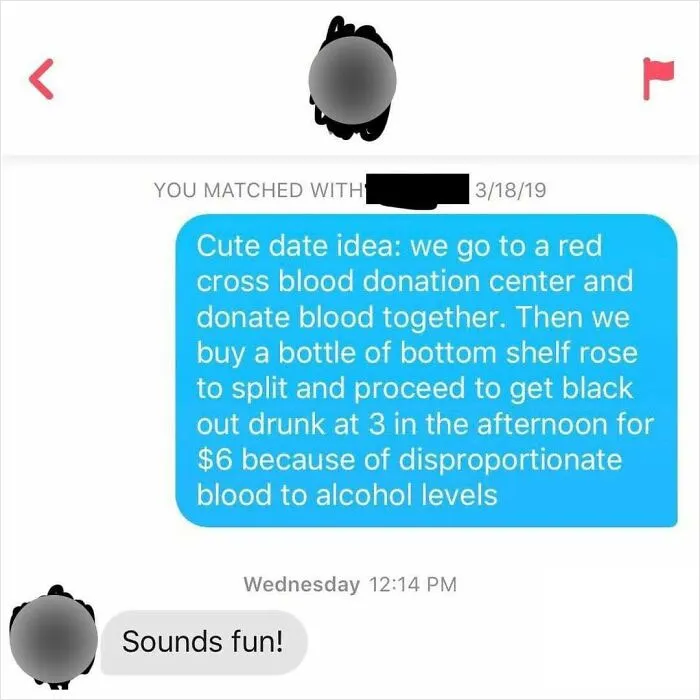
Research emphasizes that “self-sabotage often serves as a coping mechanism that people use to deal with stressful situations. Unfortunately, it typically makes problems worse and limits a person’s ability to move forward in a healthy way successfully.”
Sometimes, when people act painfully awkward on purpose, it might be a form of self-sabotage on dating apps. They might get stressed or overthink about what to say to their match, and end up sending a cringey text. While it might break the tension for them, it can make things extremely weird for the other person.
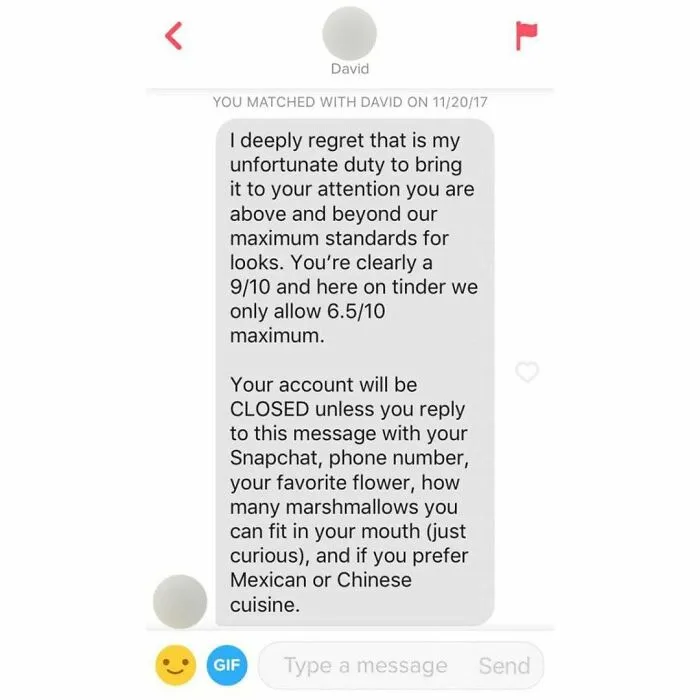
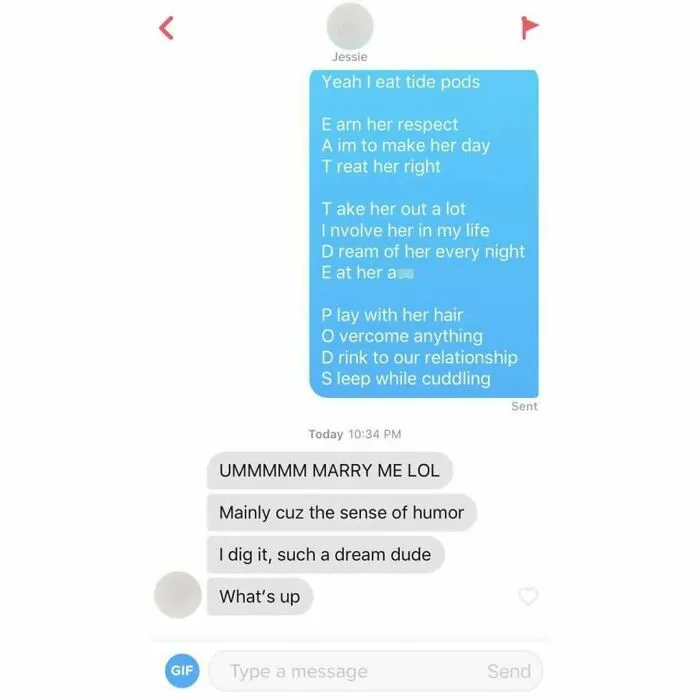
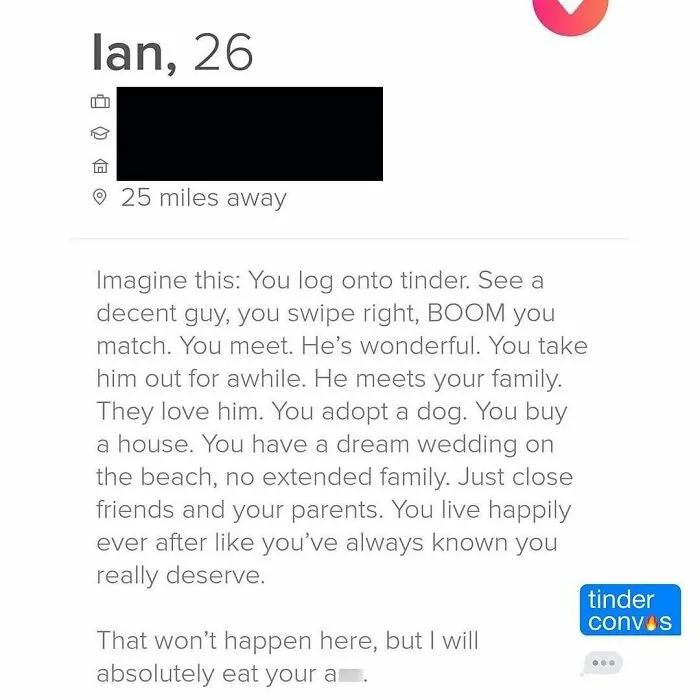
While many of us pretend we hate it, there’s no denying that cringe comedy is on the rise. People seem to really enjoy it. Sören Krach, a professor of psychiatry at Germany’s Lübeck University who coauthored a recent paper on cringe comedy, states, “You’re really suffering with the other person. You’re empathically sharing this awkward state, and it’s not really pleasant.”
However, just because cringe comedy works in movies and TV series, doesn’t mean it will necessarily work in real life. After all, it can make people sound desperate or insincere, and that’s not something really desirable in a partner, is it?