


A BA is a perfectly respectable qualification. After four years of hard work, you absolutely earn the right to put it on your LinkedIn. What it is not, under any circumstances, is a crown. It does not make you the undisputed authority on every decision that falls within your general field of study.
One pregnant woman found herself on the receiving end of this warped entitled logic and tried every reasonable avenue to get her partner to see sense. "You won't leave me, you need me," were the final words she needed to hear to know that she would soon become a single mother and be better off because of it. The update she brought to the internet was a win for every level-headed lady out there.
Having a degree is great, but that doesn't give you ultimate vito power when it comes to raising a child as part of a partnership

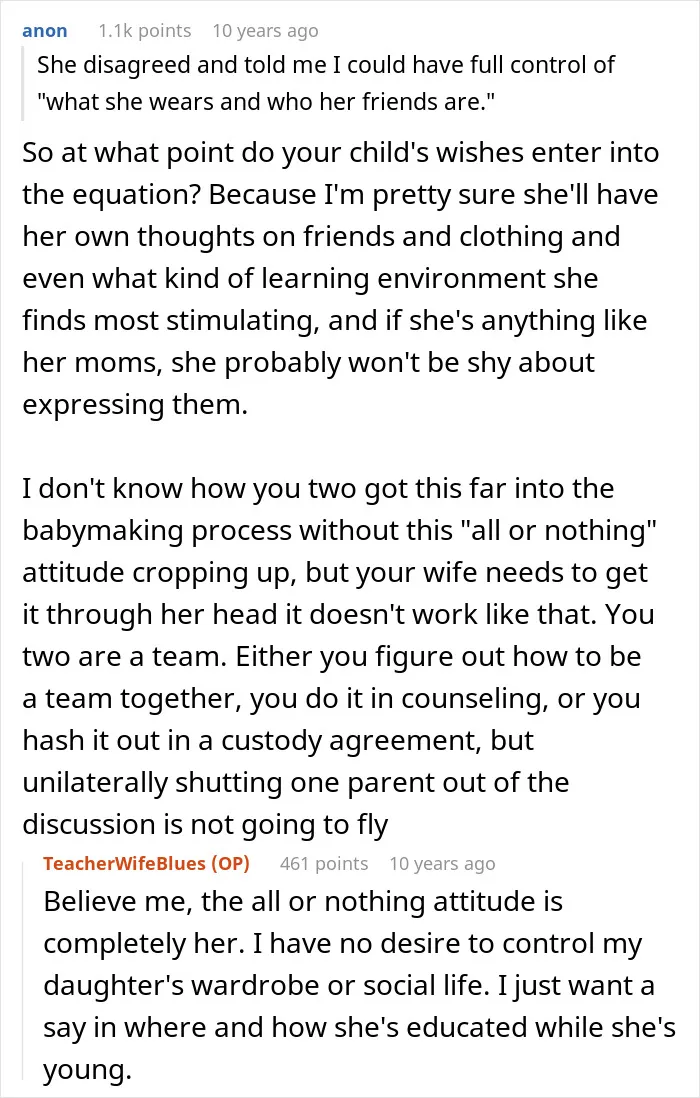
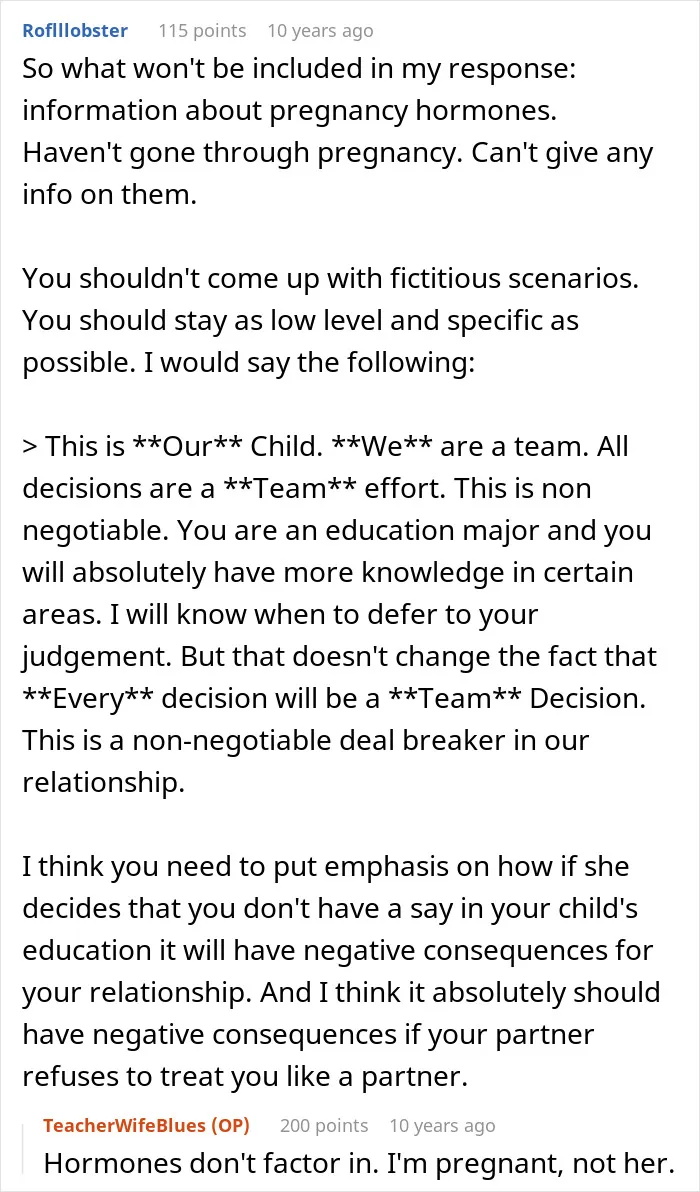
One woman thought her BA degree granted her full authority over the education of their child, despite her wife being equally qualified
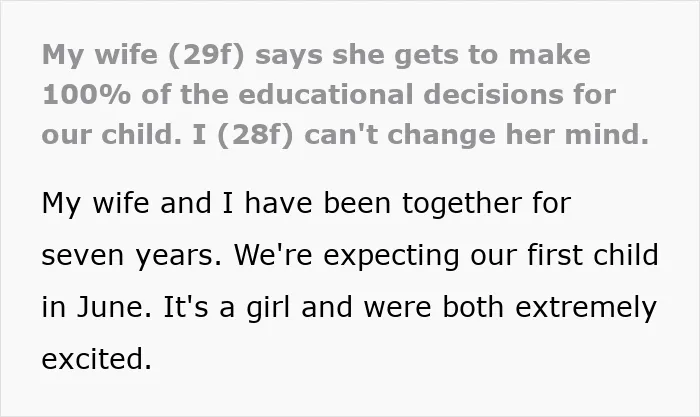

Her wife, who was carrying their child, felt that decisions like education needed to be an equal playing field
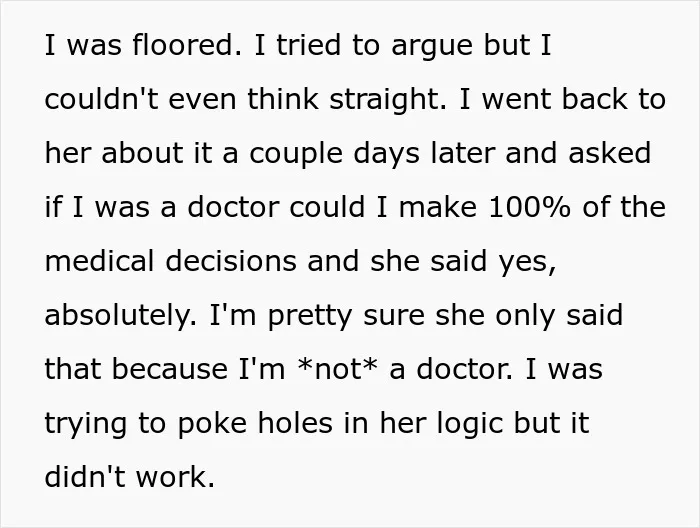

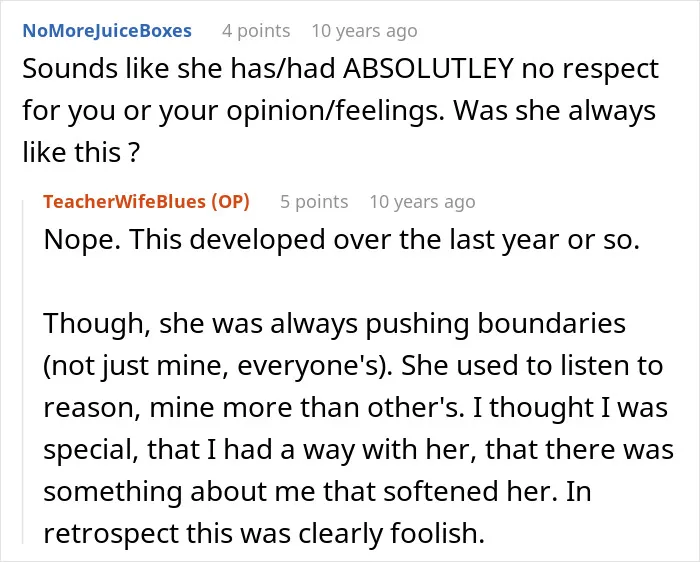
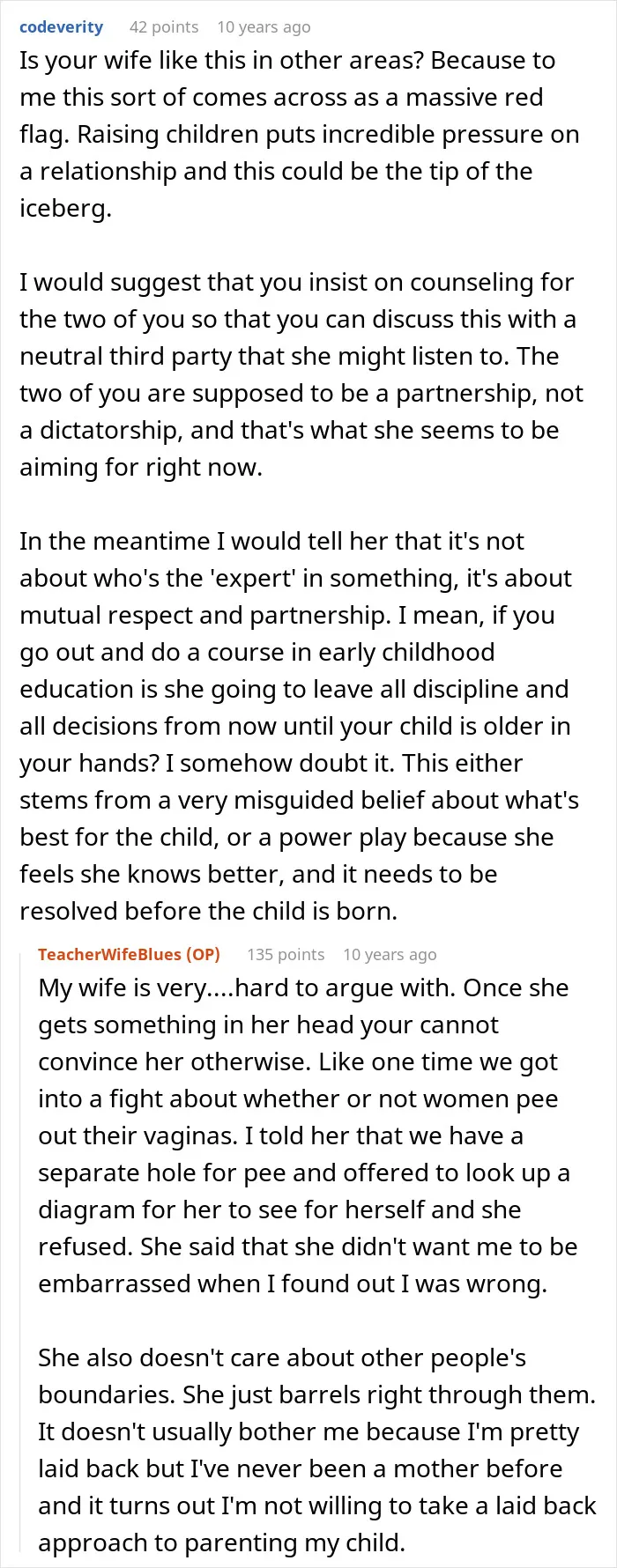
The pregnant narrator confessed that her wife was stubborn as can be, and would fight tooth and nail to be right in every situation, even when she was very wrong
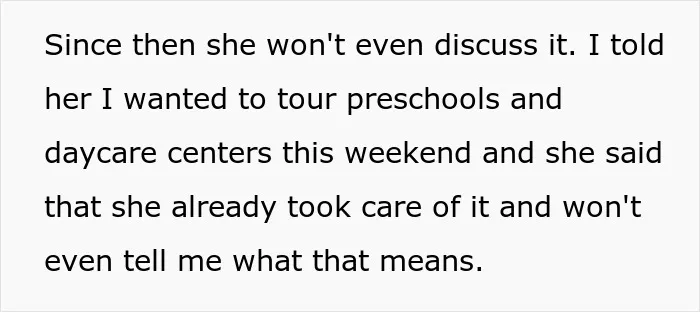
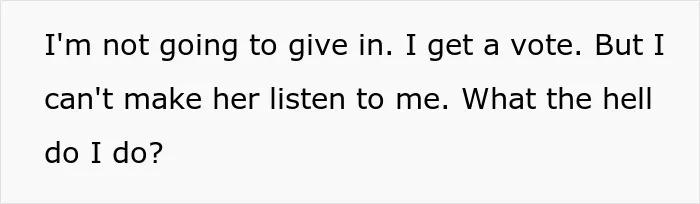
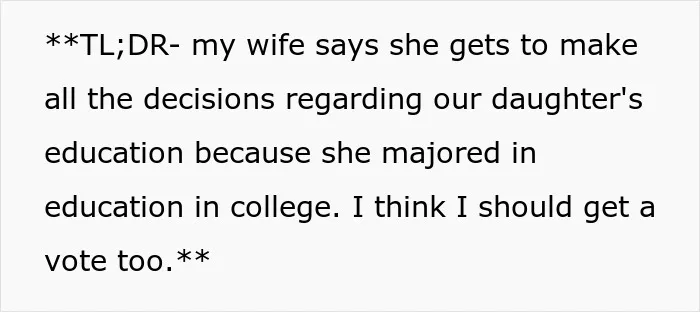

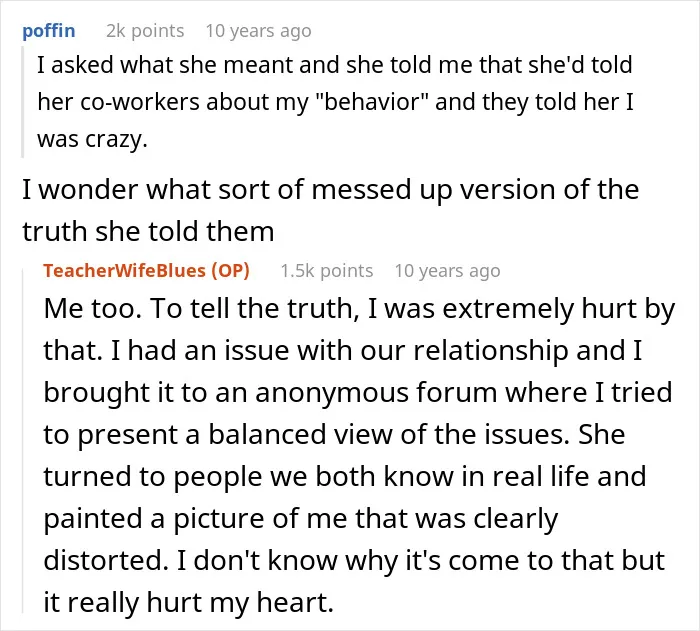
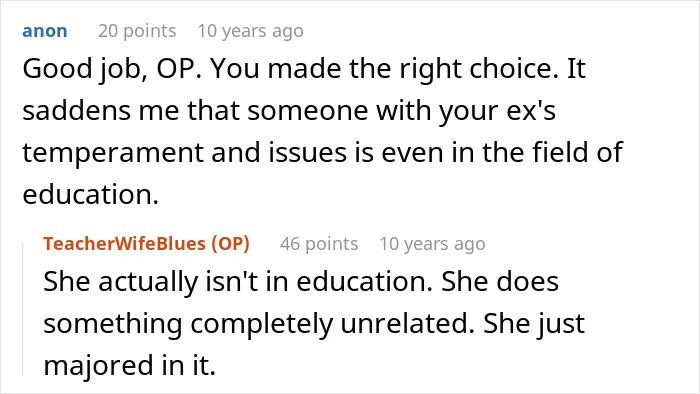
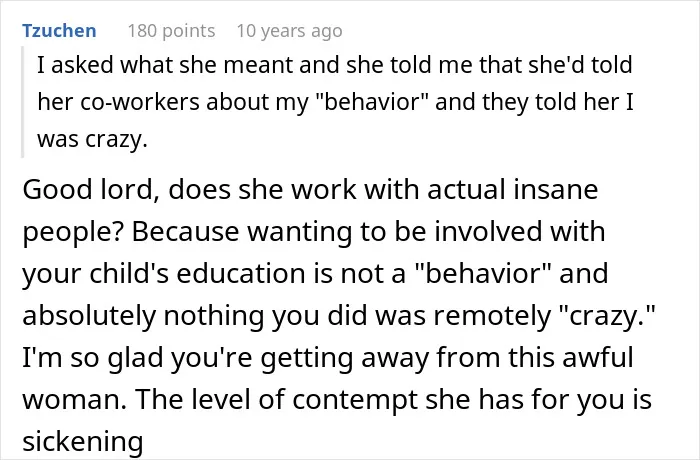
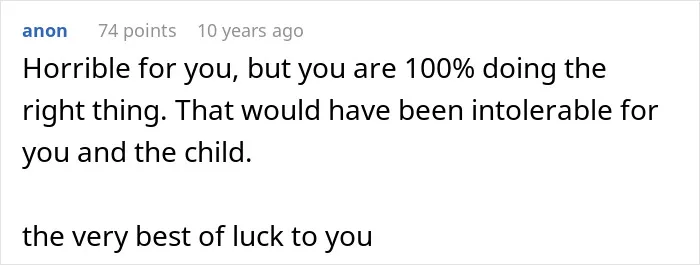
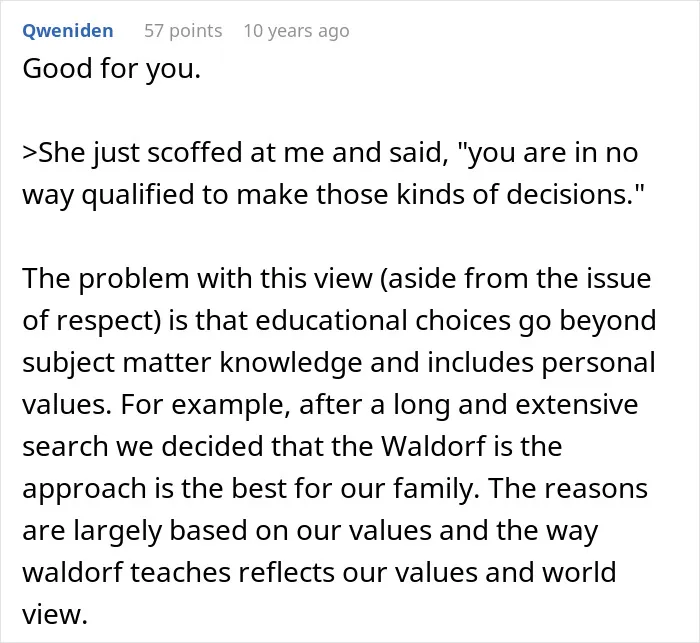
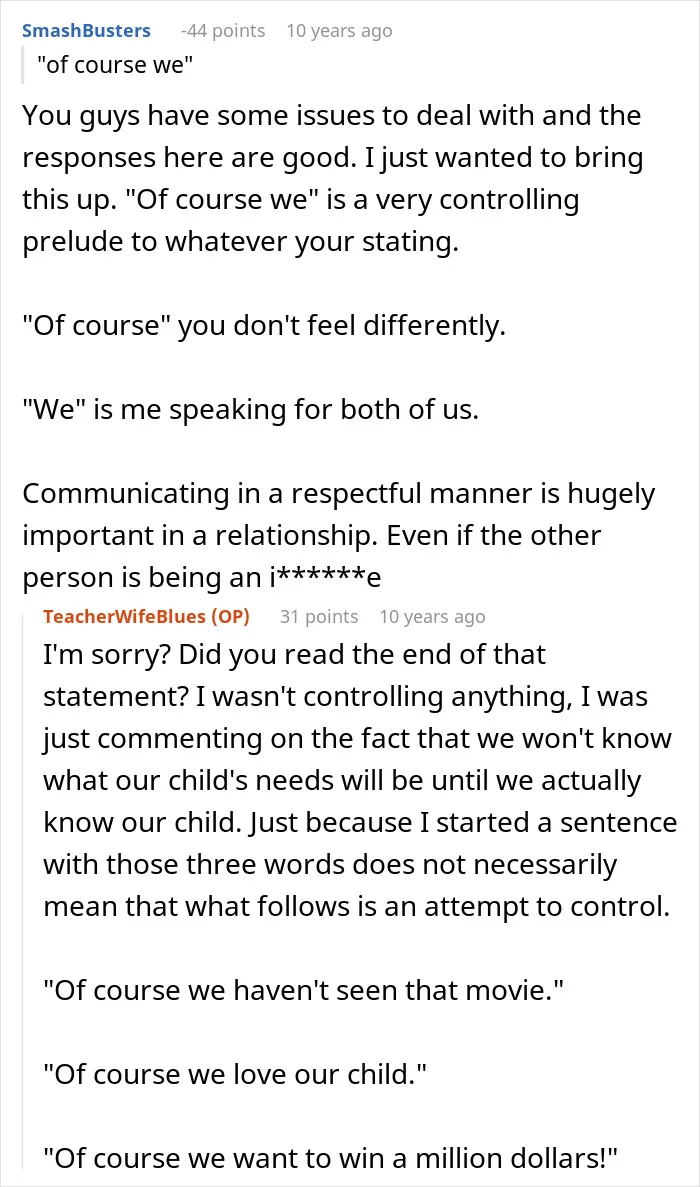
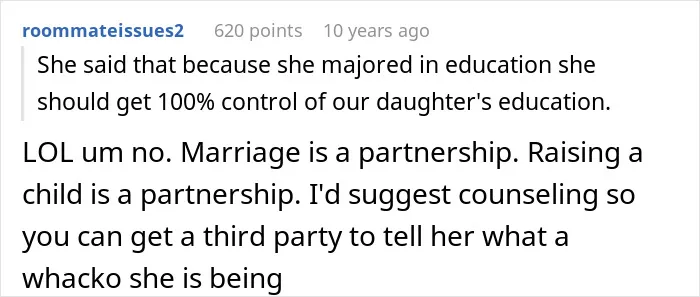
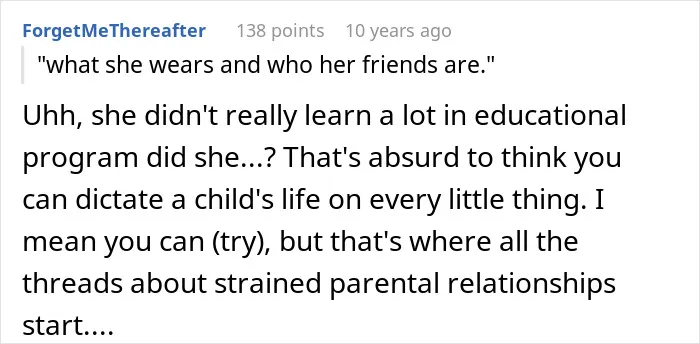
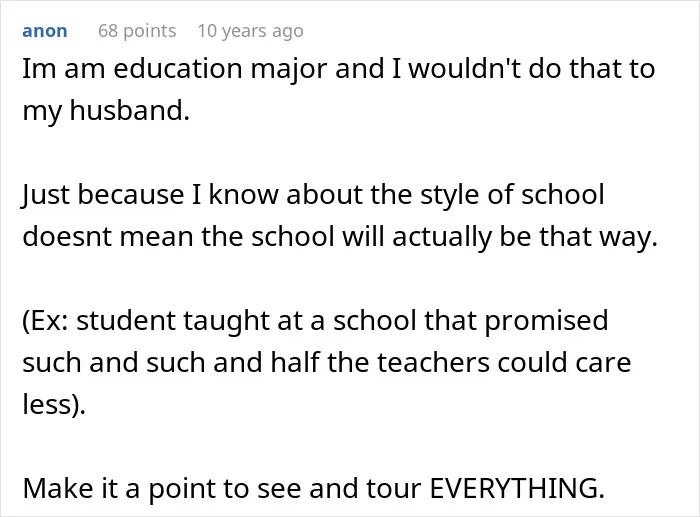
In the comments, people agreed that a degree in education is helpful, but in a partnership she should not have ultimate power over such an important decision

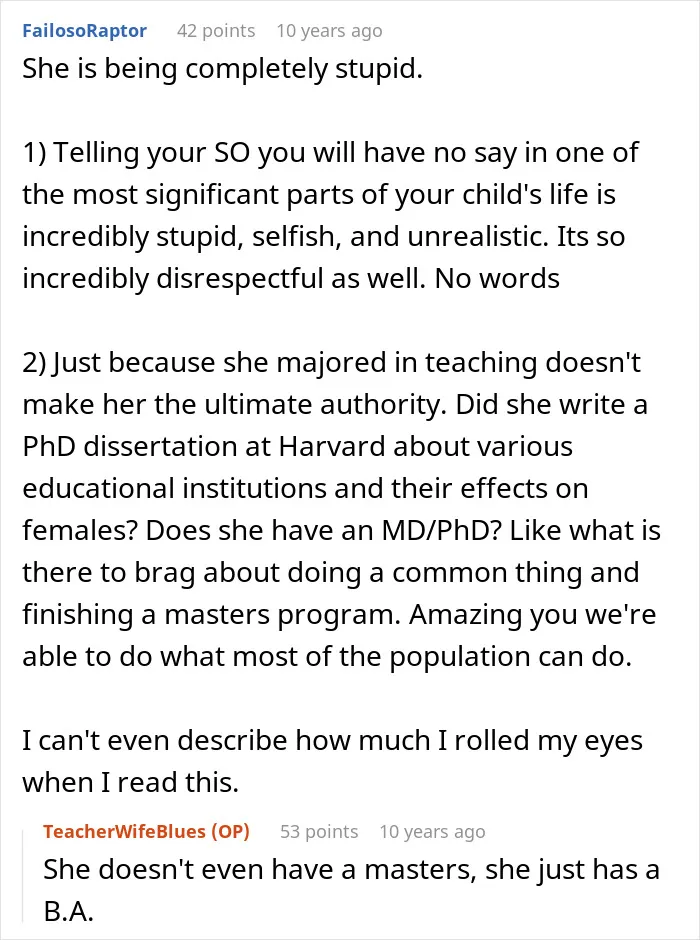
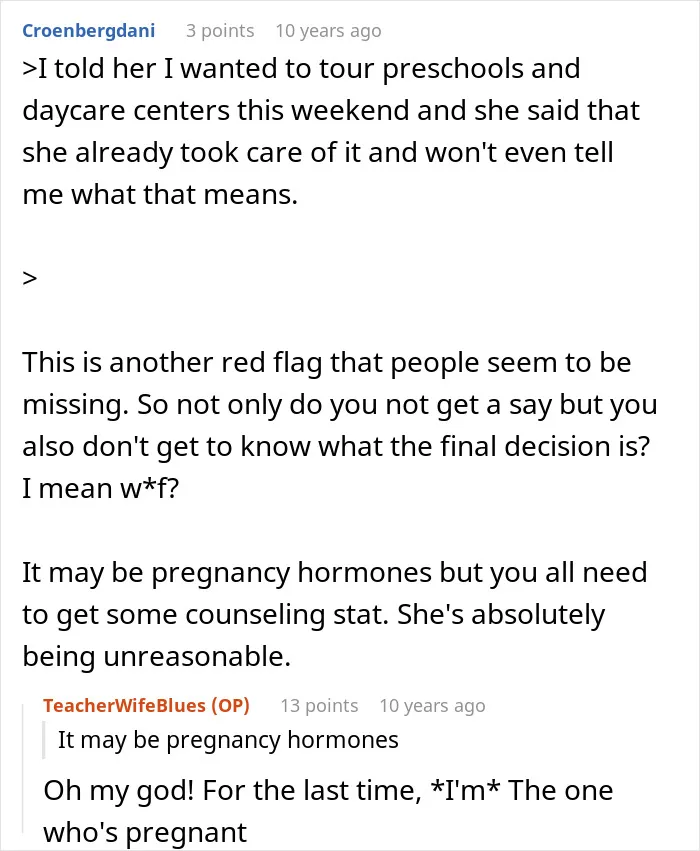
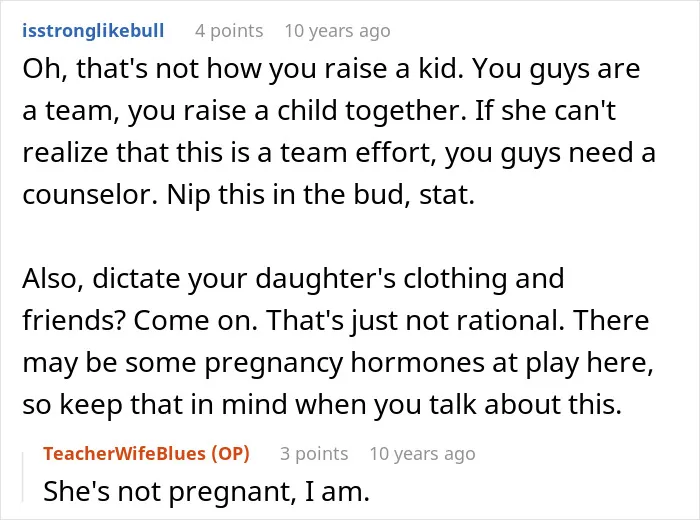
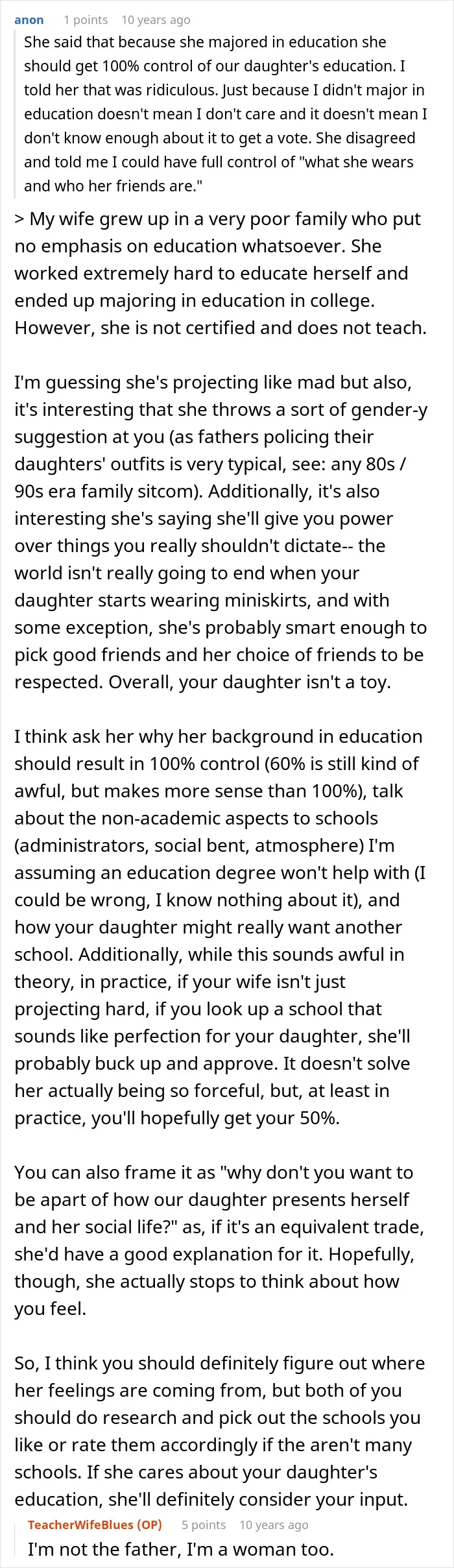


The narrator came back with an update people didn't quite see coming so soon


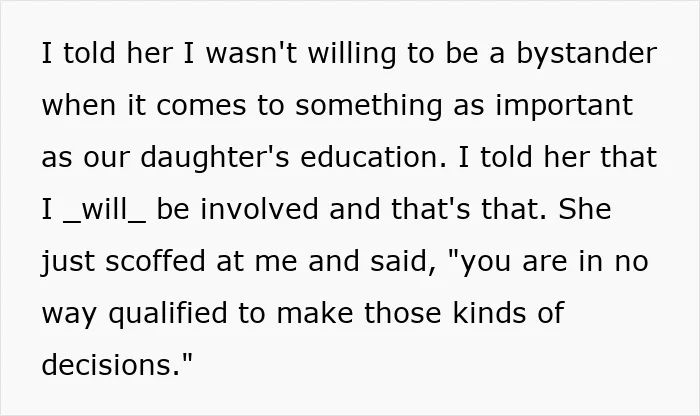
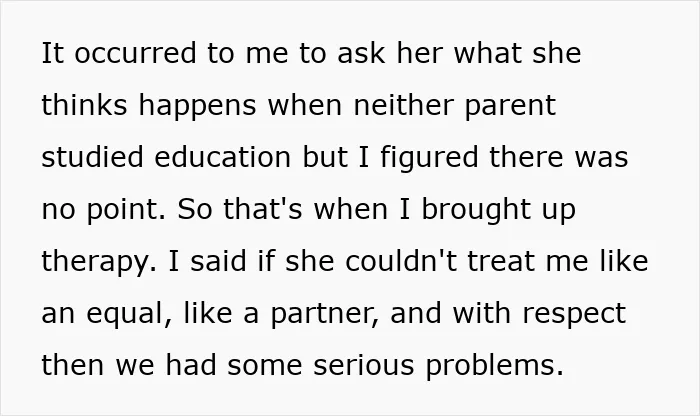
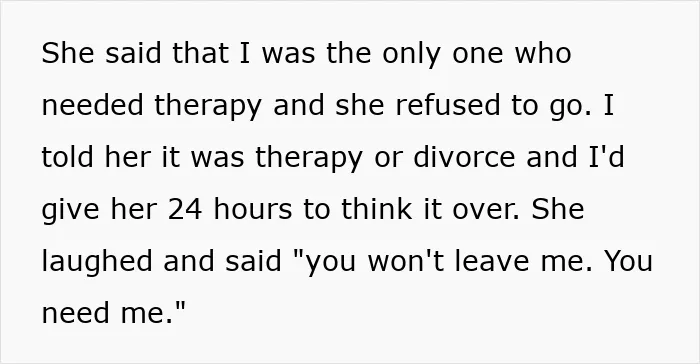


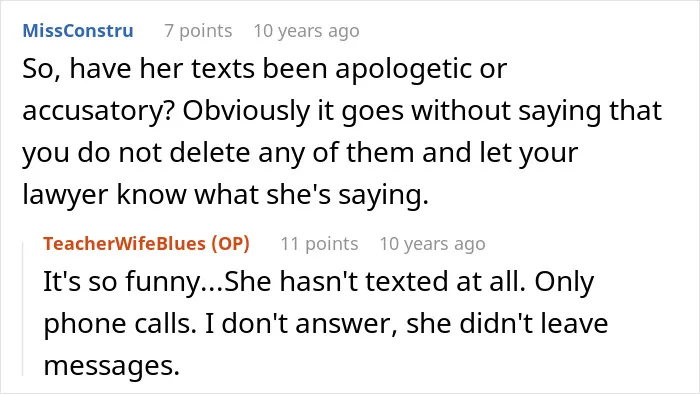
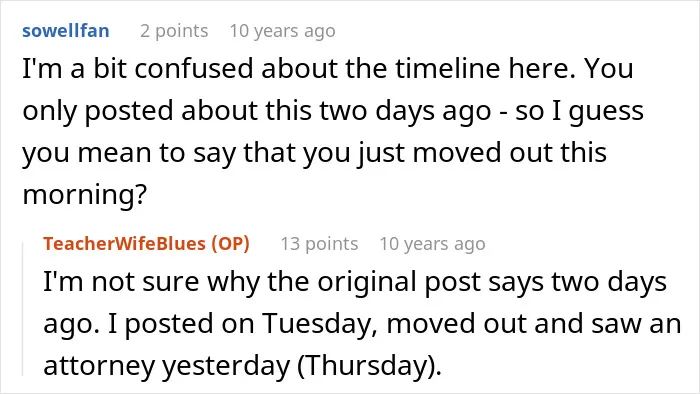
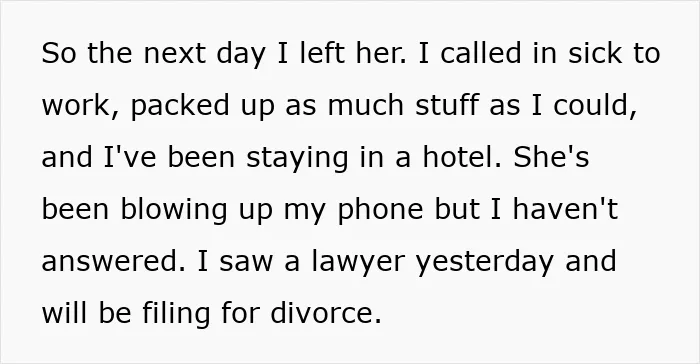
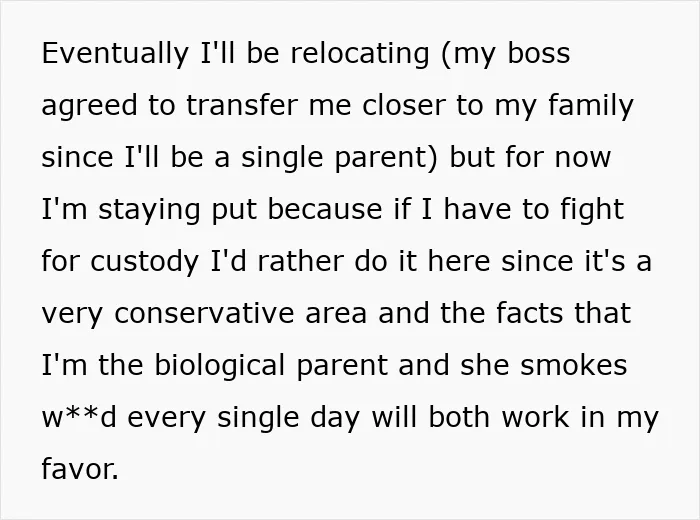
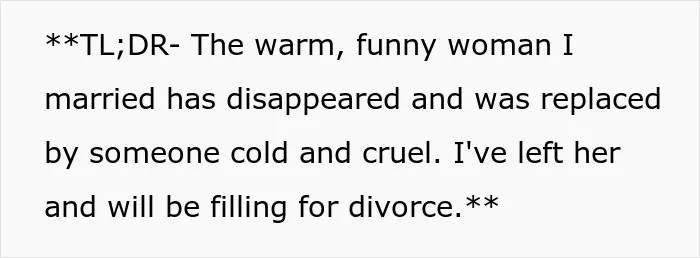
She asked her wife to join her in therapy, but upon her refusal, she quickly packed her bags and is filing for divorce
Experts agree that the inability to admit when you are wrong is a massive red flag
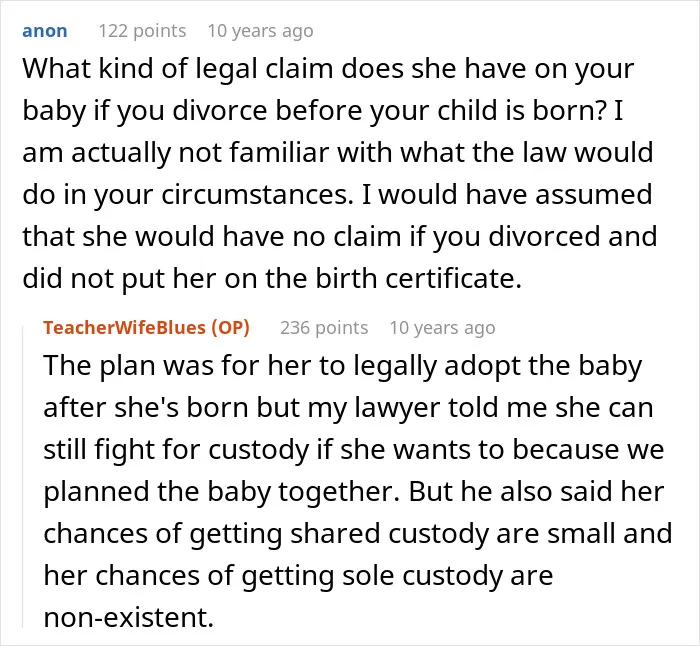
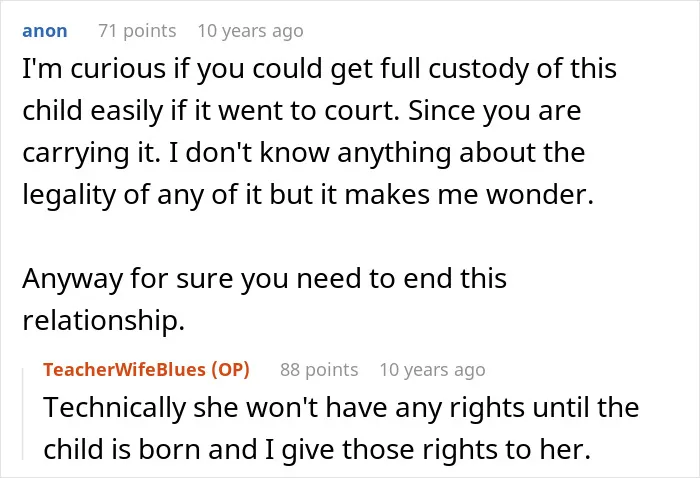
Before anyone starts celebrating or catastrophising, we must understand the very complicated legal situation. In most jurisdictions, a child born into a marriage is legally presumed to belong to both spouses, meaning the non-gestational partner is often automatically recognised as a legal parent on the birth certificate.
Courts apply what is known as the “best interests standard” when determining custody, and that standard almost never results in sole custody for one parent unless the other is proven really unfit through neglect or substance issues. A daily ‘gardening’ habit, a lawyer quietly noted, does not help one's case in a conservative jurisdiction. So this mom might be in luck!
The refusal to ever be wrong is probably the biggest red flag of the whole story. Guy Winch, Ph.D. identifies this pattern as a fragile ego defence mechanism. Admitting a mistake feels psychologically intolerable, so facts get denied or distorted to protect a person's self-image. The fact that she, a woman, did not understand her own biology and refused to be educated speaks volumes.

Michael Friedman, Ph.D., makes an important point about the word crazy, which got deployed rather freely in this story when the wife told her co-workers about her partner's behavior. Calling someone crazy is not a neutral description by any means. It dismisses valid feelings and belittles a person's character. The person who hears it immediately doubts the target’s credibility before they have even spoken.
It is a control tactic made to look like a casual observation, and the fact that it was deployed to a workplace audience rather than addressed privately says everything about the communication style at play.
The Dunning-Kruger effect, first described by psychologists David Dunning and Justin Kruger, explains what happens when someone with a limited amount of knowledge in a field dramatically overestimates their expertise. Does that sound familiar? A BA in education is enough knowledge to feel confident, but it is not enough knowledge to recognize the limits of that confidence.
The truly expert educators, the ones with decades of classroom experience and advanced research behind them, tend to be the most cautious about making sweeping pronouncements. The ones who think a piece of paper grants them sole rights over a child’s education are simply one credit away from a Ph.D in delulu.
Do you think partners should have equal say in matters like education? Or does someone’s background grant them automatic authority in situations like this? Tell us what you think in the comments!
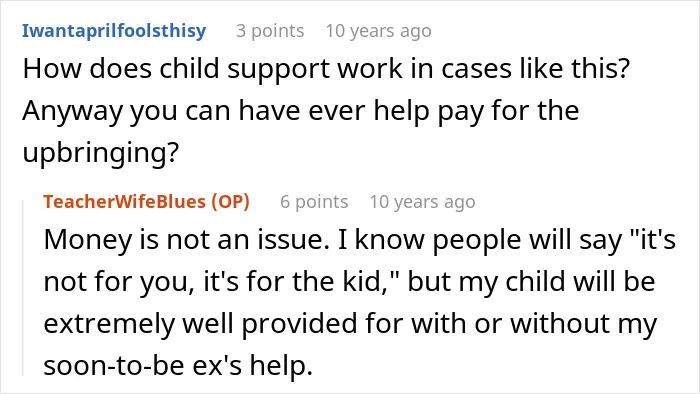
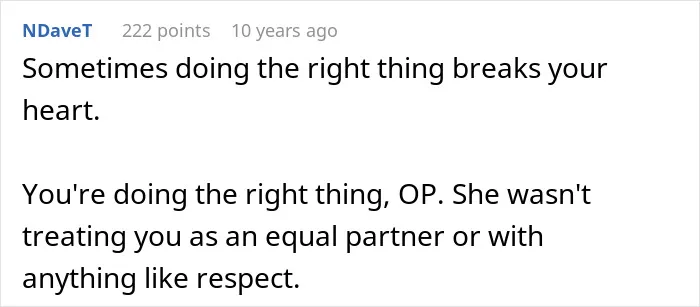
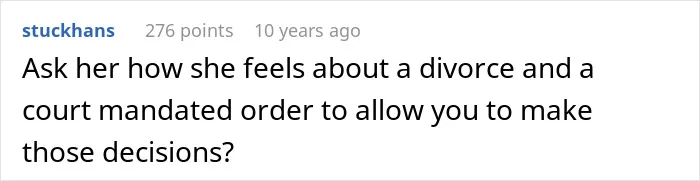
People in the comments stood firmly behind the narrator, offering encouragement and legal advice