



Some people say it’s better to be a pessimist than an optimist. After all, if something goes wrong, you’re already prepared for disappointment. And if things turn out well, you get to be pleasantly surprised. On paper, it’s a win-win situation.
But science disagrees. As it turns out, having a more positive outlook on life can do us a lot of good.

For starters, being an optimist might actually be better for our health. In a study involving more than 70,000 people, researchers found that more optimistic individuals tended to live 11% to 15% longer than their less optimistic counterparts.
While that doesn’t mean optimism alone is responsible, it’s certainly an encouraging finding for those who like to look on the bright side.


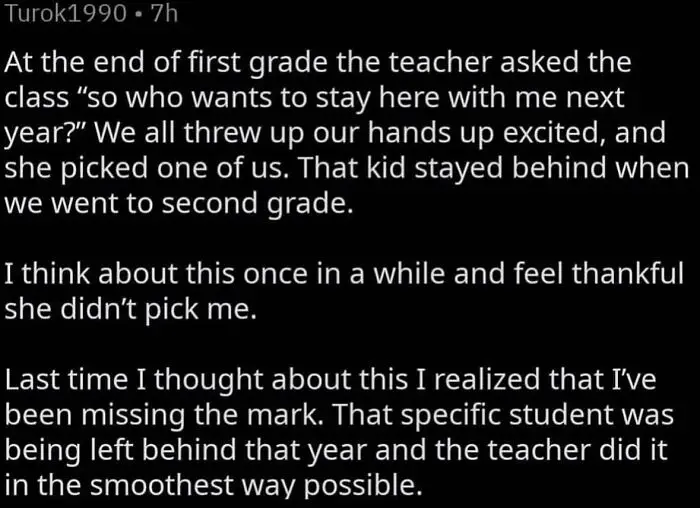
When you think about it, that’s probably not too surprising. Just consider how you feel after spending half an hour scrolling through upsetting headlines. Chances are, you’re not exactly in the best mood afterward.
In fact, one experiment found that watching just 14 minutes of negative news increased people’s anxiety and sadness. It even made them more likely to worry about problems in their own lives.

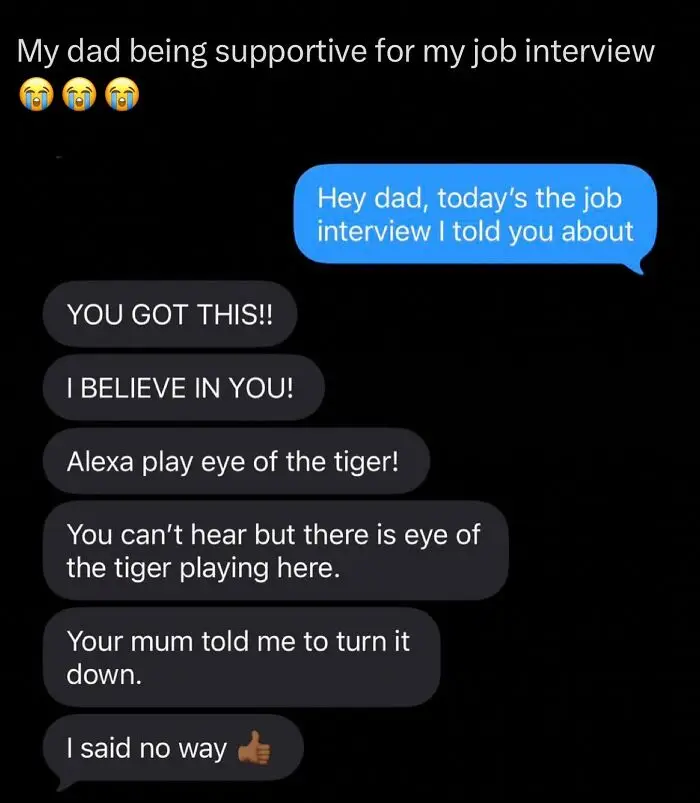
Unfortunately, there’s a reason why bad news seems to grab so much of our attention. Psychologists call it negativity bias, which means we tend to notice and remember unpleasant things more strongly than positive ones.
One theory is that this tendency developed to help our ancestors survive. For example, if you spotted a predator in the forest and managed to escape, remembering where it lived could save you from becoming its next meal. Paying attention to pleasant things, on the other hand, wasn’t usually quite as urgent.
While we might not face many of the same dangers today, our brains still seem to be wired to pay extra attention to anything negative.



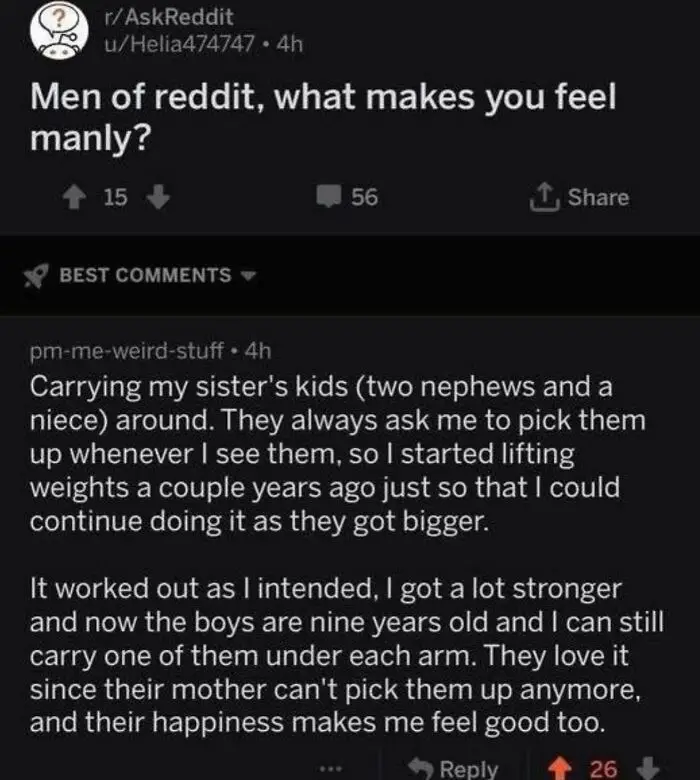
Perhaps that’s all the more reason to make a conscious effort to balance out all that negativity with some uplifting content. And there’s research suggesting that doing so really helps.
In a 2023 study, researchers from the University of Essex and the University of Sussex found that people who saw stories about kindness after upsetting news experienced fewer negative emotions.
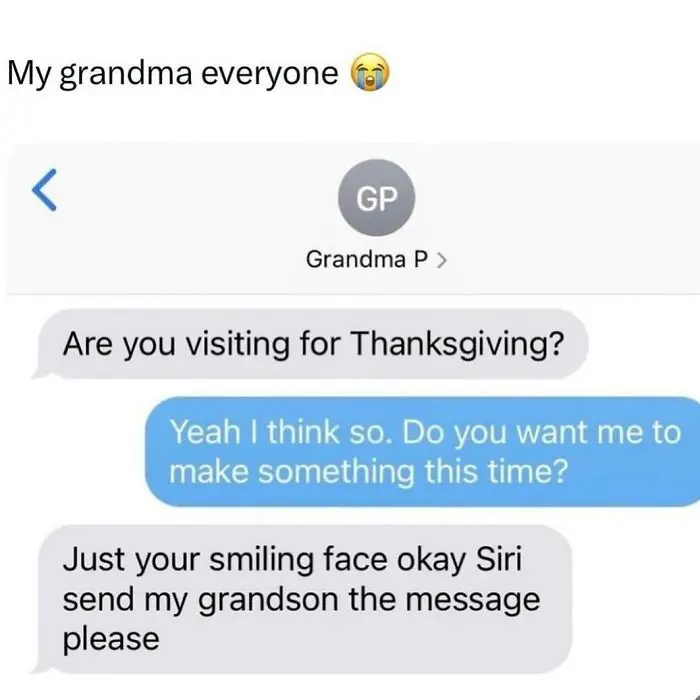
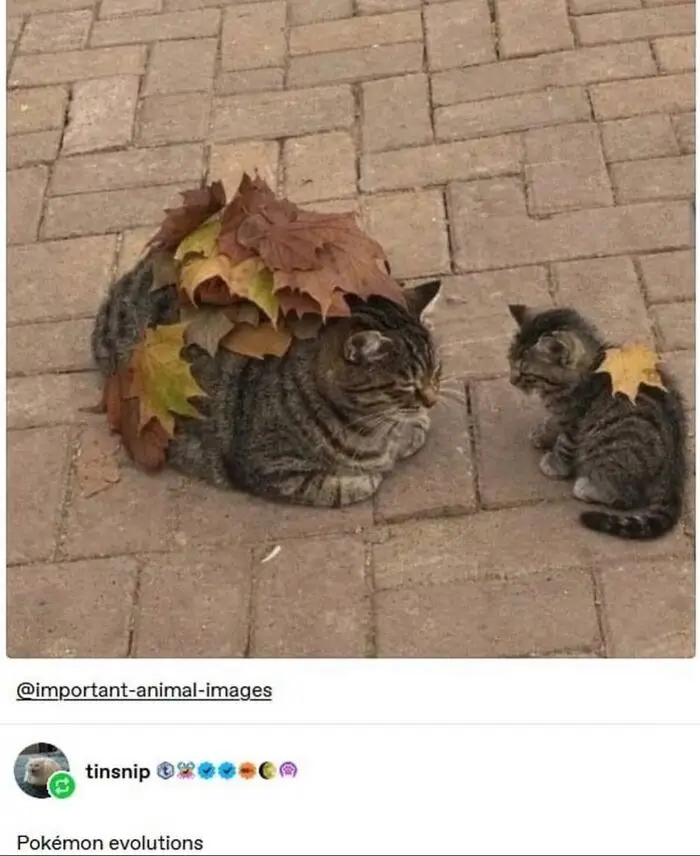
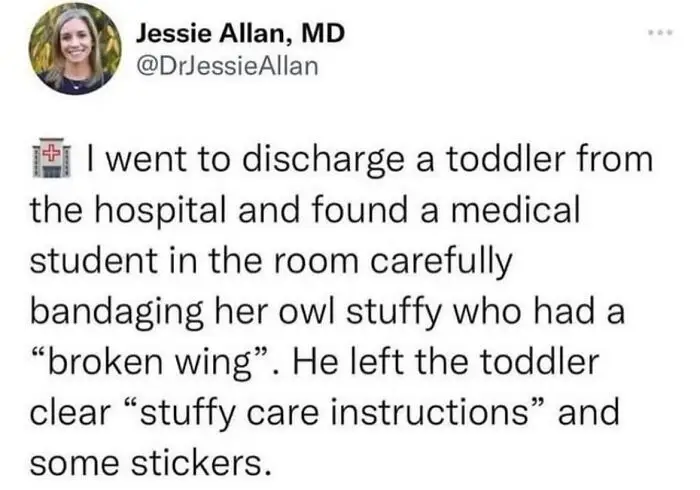
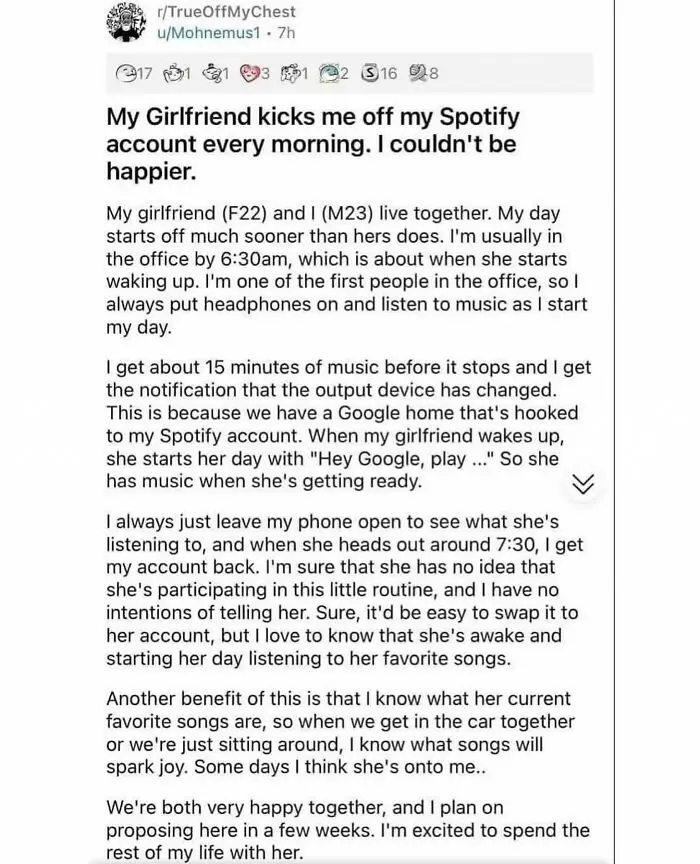
They also felt more positive about humanity than those who had only seen the bad news. So those wholesome posts you come across online might be doing more for your mood than you realize.
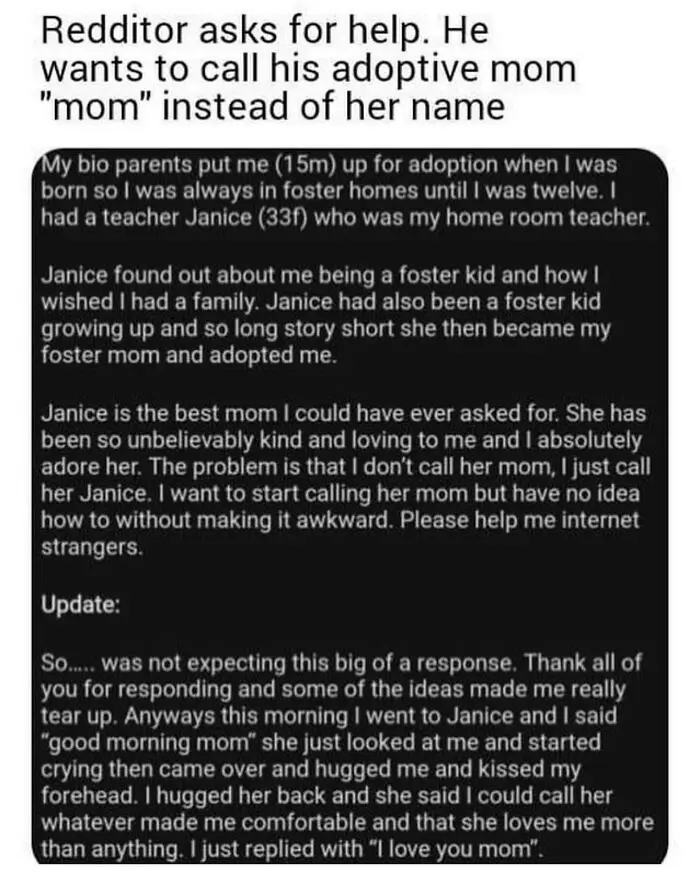


Even better, those positive feelings might encourage us to do something nice ourselves. A study published in Journalism Studies found that news stories focusing on solutions and those that inspired positive emotions left readers feeling better and more willing to take positive action.
It makes sense when you think about it. If all we hear is how terrible everything is, we might start feeling helpless. But seeing people actually making a difference can remind us that we have the power to improve things, too.